
When I first started blogging I was in college and I had two main fears. The first fear was that no one would want to read what I’d written. The second fear was that people would read what I’d written and I’d have to endure the humiliating ordeal of being observed.
My blog existed in a few iterations.
The very first version of my blog was the website I built in college. I wrote a handful of disjointed blog posts there, with a readership of a couple of classmates and a few strangers on the internet. The second iteration of my blog was my Peace Corps Blog read by a lot of folks back home.
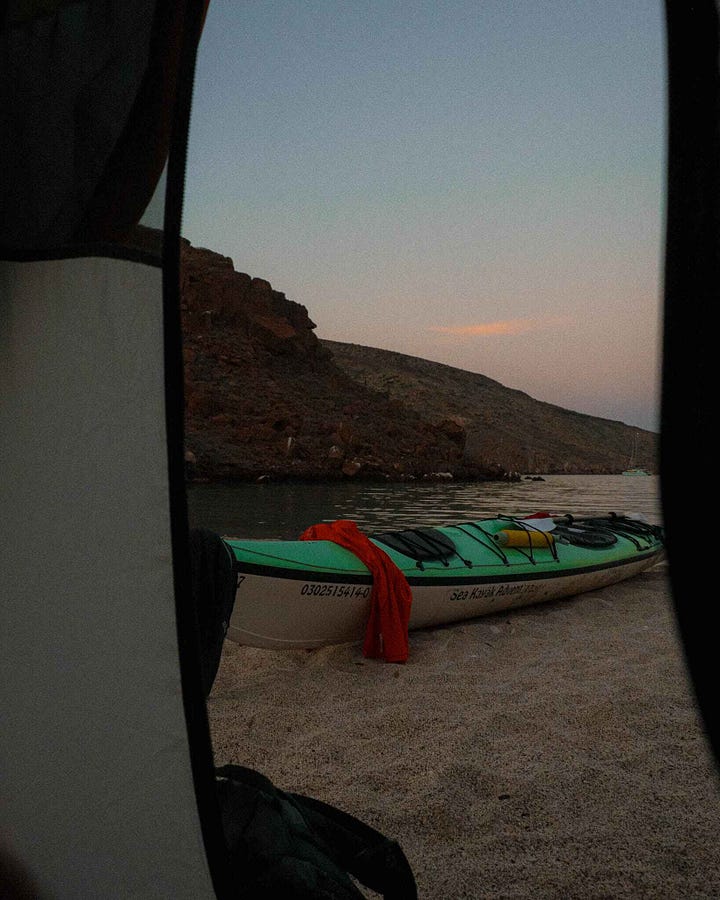

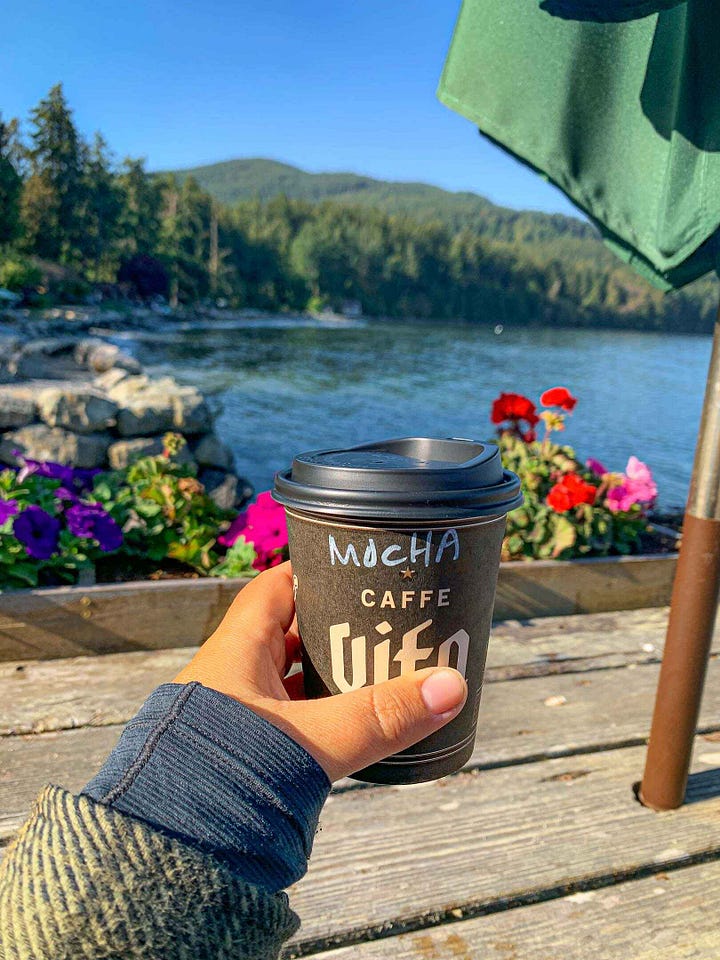
Somewhere in between these two blogs it became pretty clear: people actually do want to hear what you have to say — even if it’s you detailing your morning coffee routine and frustrations with learning a language. Even if it’s a short trip report of a new hike.
After Armenia, my blog evolved again, toward it’s present form. Now, I have Hello Stranger Blog, dedicated to resources and informational articles, and Hello Stranger Newsletter, which you are reading now.
For most people, the biggest barrier to putting yourself out there on the internet, whether that’s launching your YouTube channel or writing, is the fear of being made fun of for doing so. For that I have a few things to consider:
The only way to get good at anything is to do it badly first. If you’re worried about your blog being embarrassing, don’t. Mine was when it first started. I remember when a girl from high school used to subtweet about my blog and how it gave her secondhand embarrassment all the time. I almost quit, but I didn’t. Then I started getting published other places. Then I started getting a following on Instagram. Now, I make enough money from my blog alone that I don’t have to take any freelance work if I don’t want to. The subtweets were worth it.
It’s probably not as bad as you think. Last month I submitted an article that I’d initially written to be a little tongue and cheek and funny, but upon re-reading it I decided I actually sounded so insufferable. I submitted it anyway. The editor liked it, and thought it was funny. You’re probably harder on yourself than anyone else.
All press is good press. Be cringe. Be the person people make fun of. It’s literally fine. A page view is a page view. You’ll grow out of it, and they will too. One person’s “cringe” is the next person’s relatable.
A lot of people who toy with the idea of blogging think that your blog has to be sort of an online journal. You can definietly do this (I sort of do), but in reality a blog is a really great way to bring some personality to your business.
I would recommend pretty much any type of online creator start a blog, and honestly any business owner could benefit from a blog as well. Here’s why:
A blog is an evergreen way to reach your target market. Say for example, you run a flower shop. By adding on to your website a blog about the care and keeping of flowers and floral arrangements, you can reach customers searching for information directly.
A blog helps your personality show. Whether you consider yourself a digital creator, aspiring writer, or just a curious business owner, a blog and sharing your thoughts and expertise can help establish yourself as a real person with good ideas and build your credibility.
One started, a blog can be a reliable way to make passive income. Blogs and newsletters are basically marketing gold. While a profitable blog can take a while to set up, once established it can give you direct access to readership and an audience you own, and a more stable income than a lot of other types of content creation. For example, you own your newsletter list and can build trust with readers there, meanwhile your blog can bring in reliable month over month traffic from Google, Pinterest and Facebook.
Okay so “passive income” is a little misleading — I’ve started tracking my hours put in to my blog this year, and it’s probably around 40 hours a month. Since beginning blogging, I’ve probably put in (based on some quick math) 1,200 hours over three years, not accounting for time spent on newsletters. In January, I probably put closer to 35 hours a week into my blog alone getting it ready for 2026 — the income isn’t totally passive but it’s highly flexible.
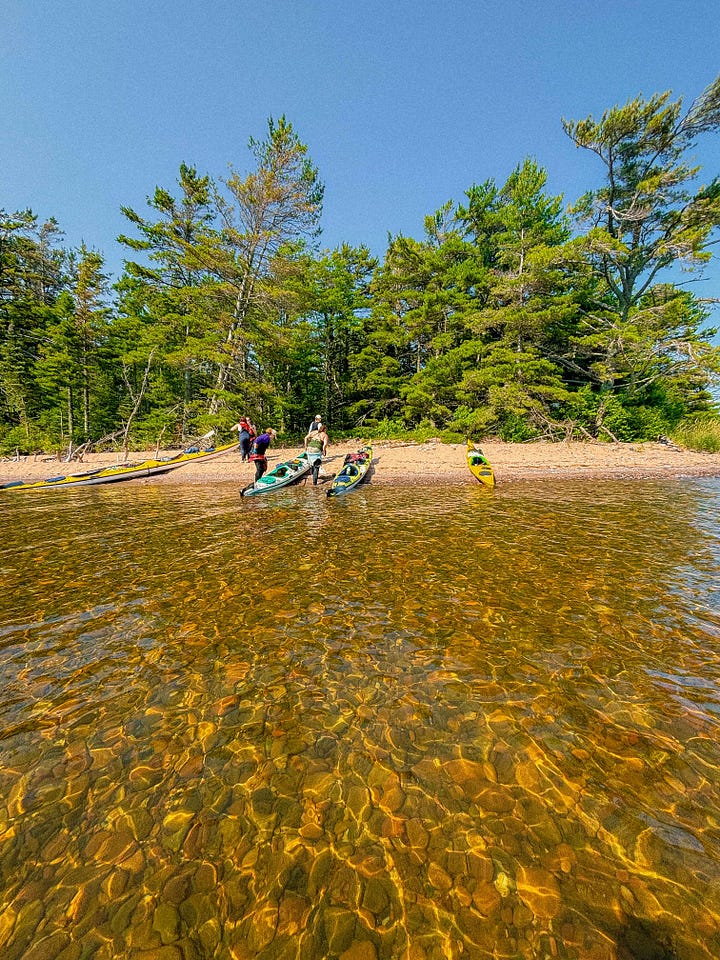

For example as you’re reading this, I’m taking the rest of July completely off. The end of June and start of July I took mostly off, other than wrapping up one article and drafting newsletters, so that I could work at our local kayak outfitter and run a few custom women’s trips. In December, I take another break and drop down to minimum maintenance tasks.
Basically, blogging has given me the freedom to travel and write about it, to run women’s trips and to do the sort of work I want to do, and that is extremely worth it to me.
Once you get past the scared to start part of blogging, getting started itself comes down to a few big steps:
Nail in a topic or cluster of topics. Interested in travel writing? Blog about local travel, packing tips, and coffee shops to start. More of a hiker? Blog about hiking fitness tips, local hikes, and hiking gear. Whatever your thing, start small and build out from there.
Start on Wordpress.org. I honestly wouldn’t mess around with Squarespace or Wix or anything other than Wordpress.org if my goal was to make money from blogging. Google likes Wordpress more, and in the long run a customizable website will pay off. It’ll take a little more tech and setup, but I built my website myself on Wordpress and I bet you can too.
Think branding early. This is one thing I recommend really considering. I started my blog as a professional portfolio and lead generator for freelance writing, so I used my full name as the domain name. This is a good idea if you’re looking to establish yourself as the touchpoint of your blog and the blog works to promote your specific services. However if you’re blogging on a specific topic and want the flexibility of scaling or hiring freelancers, you might want to pick branding less married to your name. When I started, I felt like using my full name as the domain aligned with my business goals. Now, I wish I had kept things more separate.
Start a newsletter and blog as separate entities. One of the most frequently asked questions I get about blogging hinges on how I use Substack and my Wordpress blog as separate but related entities. I use Substack as a newsletter, and the Wordpress blog as the traditional, SEO-optimized blog. The Wordpress blog is what makes the most money through display ads and affiliate links, and funnels people toward my Substack. My Substack (which you’re reading now in newsletter form) allows me to connect with readers, write essays, grow within the Substack platform, market group trips, and even make a little extra through paid subscriptions. The two forms of the blog interplay and support each other, but different types of content live in each ecosystem.1
oh hey there! this section explaining affiliate links also contains affiliate links. that means I make a small kickback if you sign up for any of these services.
The first step is creating your content. The second step is creating enough and high enough quality content that you have a readership. From my experience and comparing notes with other creators, I’ve found that you can start meaningfully monetizing2 a SEO-driven blog at around 10k sessions, a Substack at around 1,000 regular email opens, and an Instagram at around average 2,500 views per post.
That doesn’t mean you shouldn’t think about monetizing until those milestones, more so that I wouldn’t expect to see meaningful results until those milestones. Here are a few things to implement to start making money from your content:
Rockporch: Rockporch is an affiliate program that also connects creators to paid partnerships. I would say 60% of my income comes directly through Rockporch affiliate links on my website. Rockporch is especially tailored to outdoor creators.
TravelPayouts: I actually only implemented Travelpayouts about two months ago, with monthly 80k sessions on my blog and I’m kind of kicking myself for putting it off. It didn’t take long to set up, and Travelpayouts “Drive” program autoupdates your old links and inserts targeted offers. I’m not sure what the results would be on a smaller blog, but I had been leaving over a thousand dollars a month on the table. Anyhow, overall positive experience, would recommend.3
Sell a digital or physical product: This is something I did more as a smaller creator and have phased out now that my affiliate earnings and display ads cover everything just to simplify my workflow and because I like to provide info for free, what can I say. That said, if you’re looking for a way to monetize more effectively as a smaller creator Sellfy also you to sell digital and physical products fairly easily. Think stickers, T-shirts, eBooks, ect. I used to sell my eBooks to exploring and camping along Lake Superior as well as handknit mittens. For a while earlier in my freelancing career, eBook and mitten sales literally paid for my rent and groceries.
Substack. If you’re just looking for a simple start, just start with a Substack. Turn on paid subscriptions and start writing. Realistically, you won’t get a ton of paid subscribers — I would say just over 2% of free subscribers covert to a paying subscription unless you give them a really compelling reason to pay. But Substack gives you a platform to build upon.


Looking for more advice from a content creator on how to be a content creator? I’ve got you! Check out…
29 Tips to Start a Travel Blog in 2026, a practical guide to the nitty gritty of starting and monetizing a blog in 2026
The Secret To Getting Paid To Travel, a look into how I actually make money from travel, and some of the sacrifices I had to make to get to that point
It’s 2026, And Blogging Isn’t Dead (Yet), a peak at what’s working in the blogging world, and why it’s actually a pretty good time to start a blog
Hey there! 90% of my content is for free subscribers! Beneath this line, you’ll find some nitty gritty analysis from a very much not expert on why some blogs crashed with the recent Google updates and why others (mine included) are actually doing better. Basically, the industry is not saturated, and with a lot of turnover and shakeups, it’s a really good time to dive in. Here’s what I’ve got for you:
Comments
Nothing yet. Say the first thing.
Sign in to join the conversation.