
I’m in the middle of an epic summer vacation and have just settled into Mallorca. Our first full day here was met with heavy rain and wind. I immediately searched for things to do indoors. Thankfully, I found Can Prunera. A home in Soller. The interior was a very eclectic mix of art nouveau and contemporary art. There were three floors with many works from renowned artists such as Miró, Picasso, Miquel Barceló, Santiago Rusiñol, Paul Gauguin, Giorgio de Chirico, Andreu Maimó, Henri Matisse, and more!
Can Prunera is a Modernist house built in 1911 in Sóller, Mallorca. In 1865, a plague destroyed the orange and lemon trees across the Sóller valley, causing a severe economic crisis. Thousands of families emigrated to France, Puerto Rico, Venezuela. When they came back, they came back with money and taste and something to prove. Joan Magraner Oliver commissioned this house with one very clear intention: to show how well he had done. Judging by what’s inside, he did very well indeed.
I went for the interiors and left with two very important design notes.
What’s the most overlooked detail in your home right now?
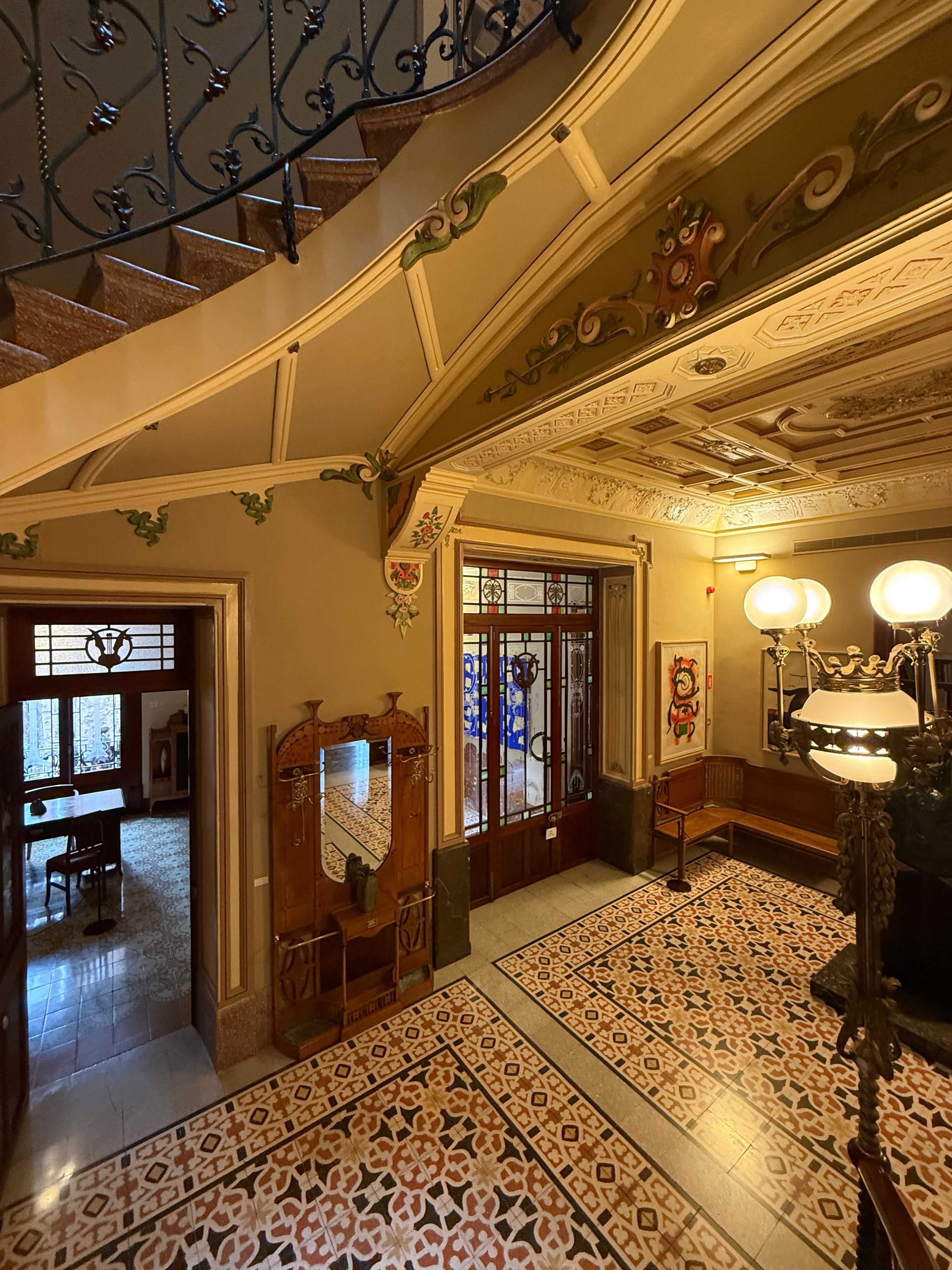
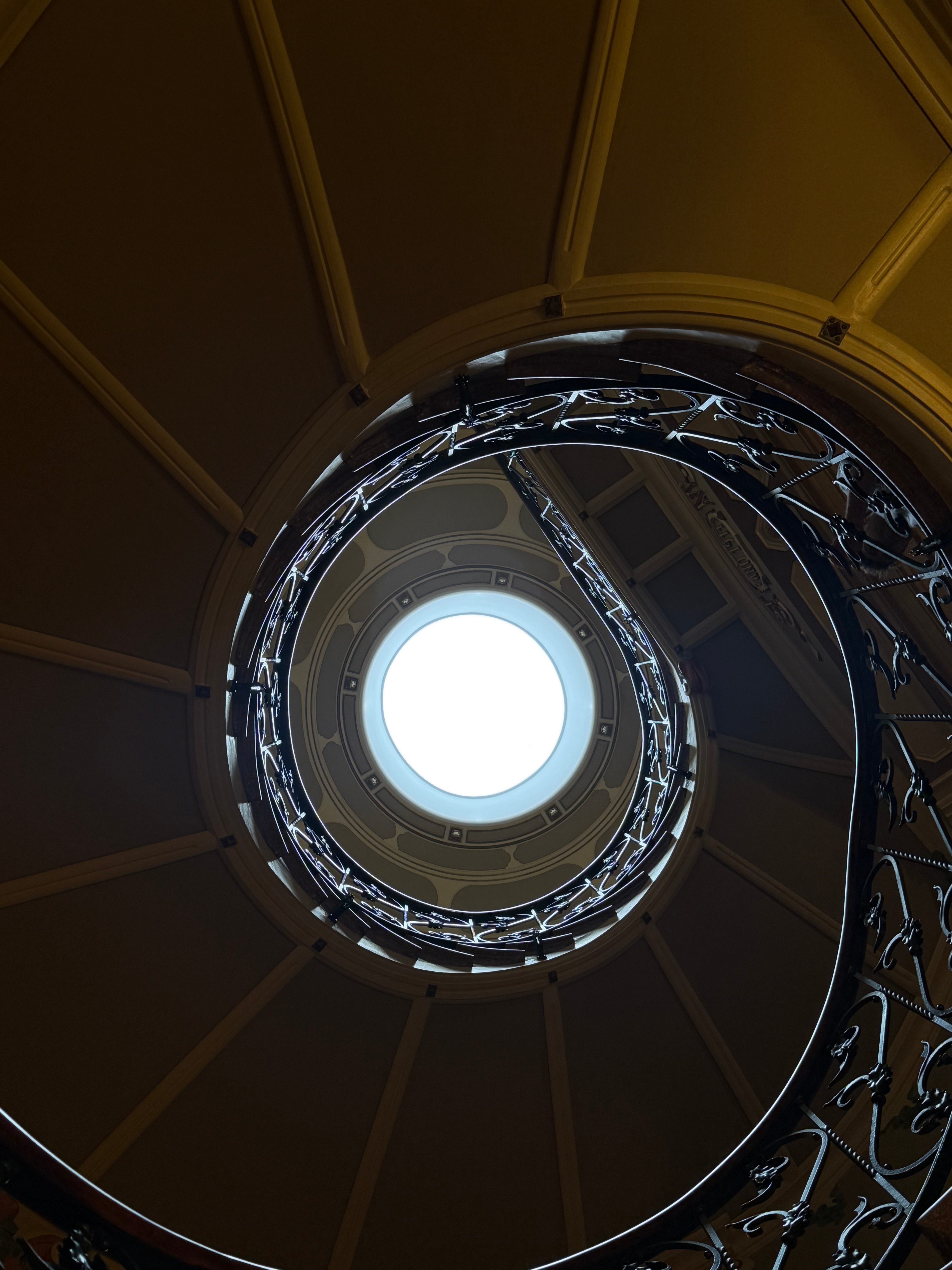
We spend so much time on furniture, on rugs, on the thing sitting on the coffee table — and then we put a builder-grade light fixture in the ceiling and call it done. On top of that, we ignore the surface the light sit within, or on. The ceiling.
At Can Prunera I was looking up the entire time in awe of the level of detail and design that went into the ceilings. Beginning with the chandeliers.
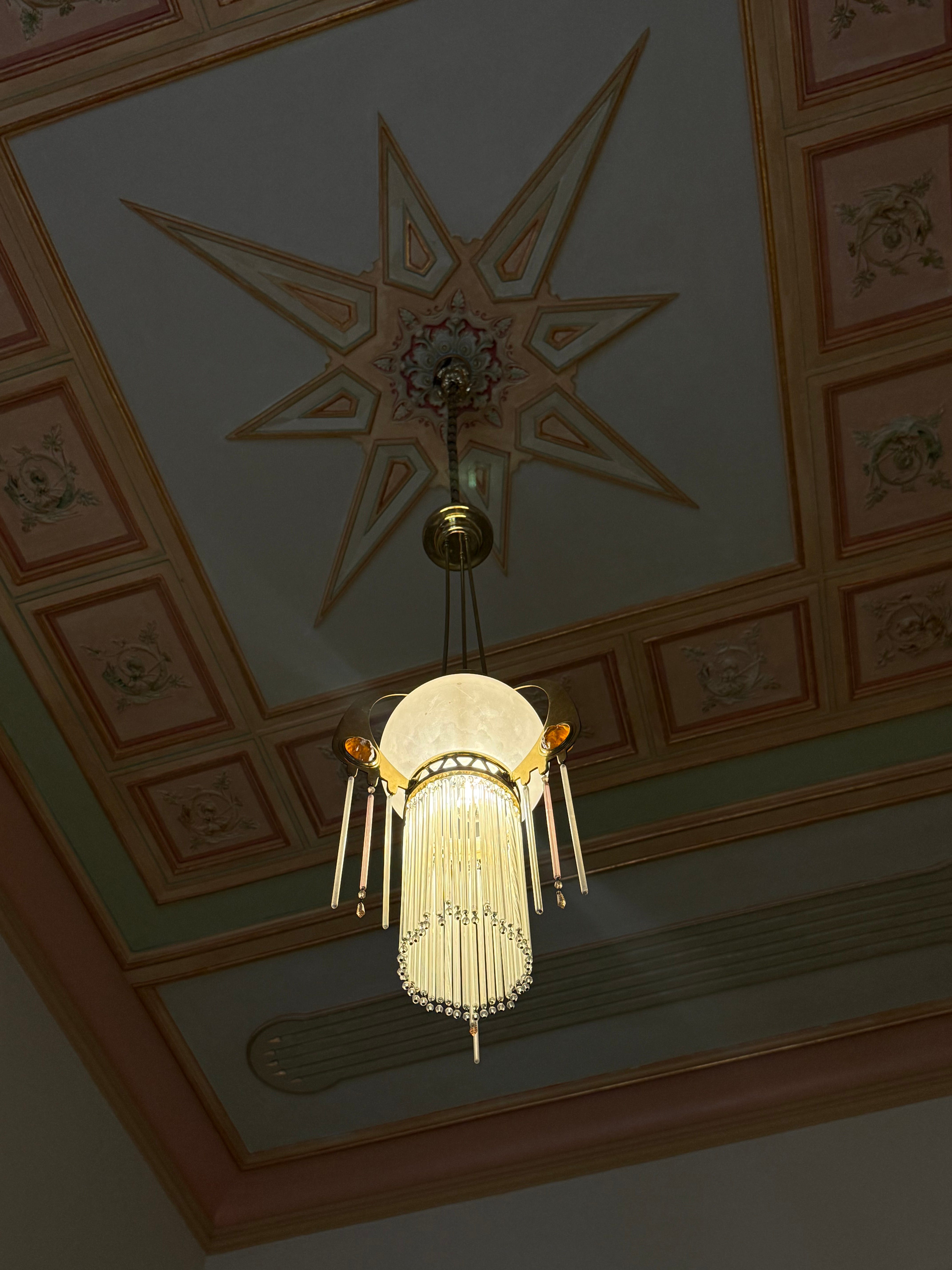
Chandeliers are the jewel of the home. They were are still designed and an investment to this day, but it is incredible to see how this has stayed true since their creation.
The green drops on this emerald pendant below had my jaw on the floor. Murano glassmakers pioneered techniques like cristallo, aventurina, and filigrana, producing colors by infusing molten glass with minerals, metals, and oxides.
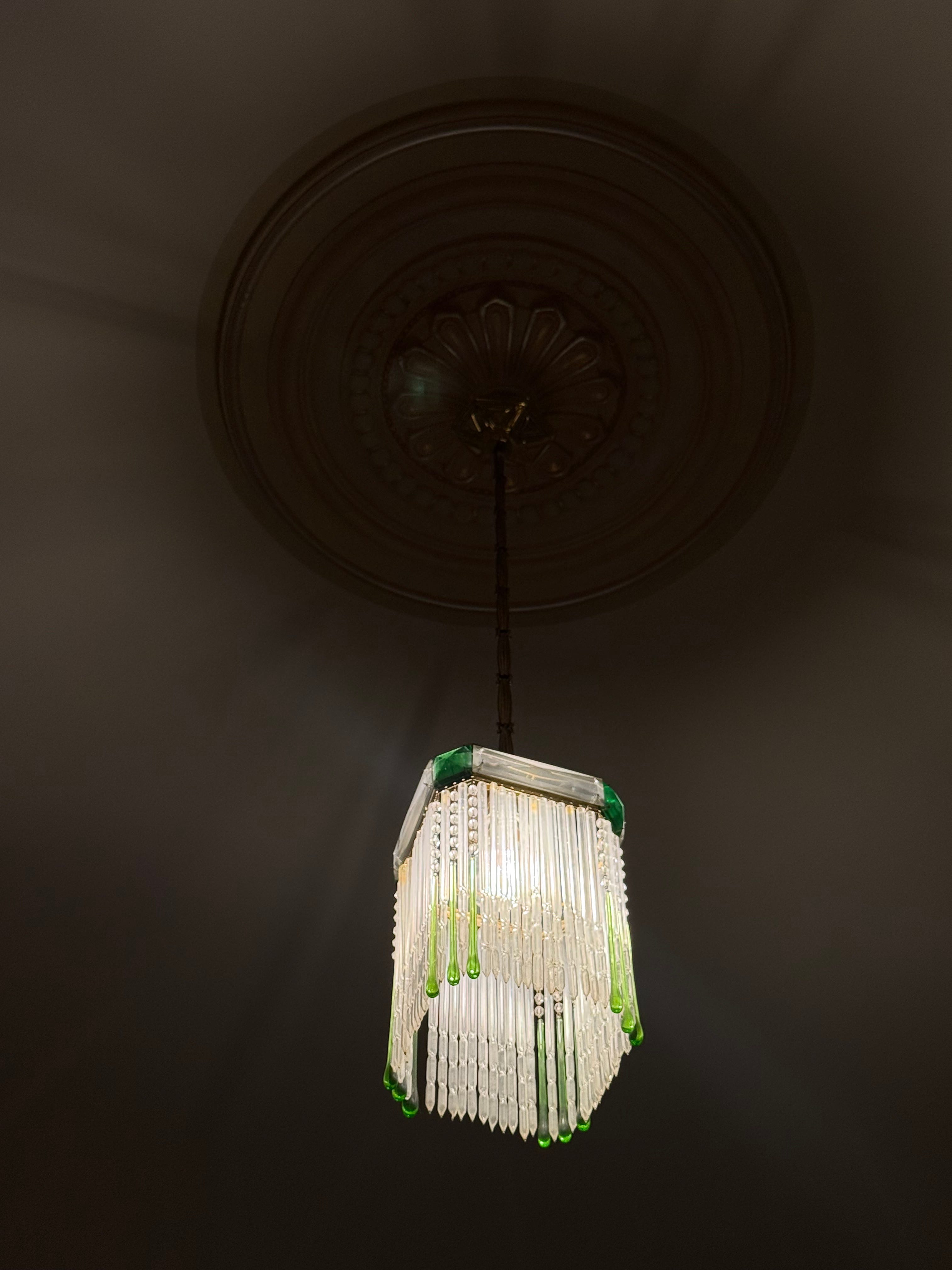
Apparently, Venetian authorities moved all glass furnaces to the island of Murano in the 13th century to protect the secrets of the trade — and at its peak, three thousand of Murano’s seven thousand inhabitants were involved in glassmaking. An entire island, for centuries, dedicated to this. Incredible how Murano made its way to Soller in those times.
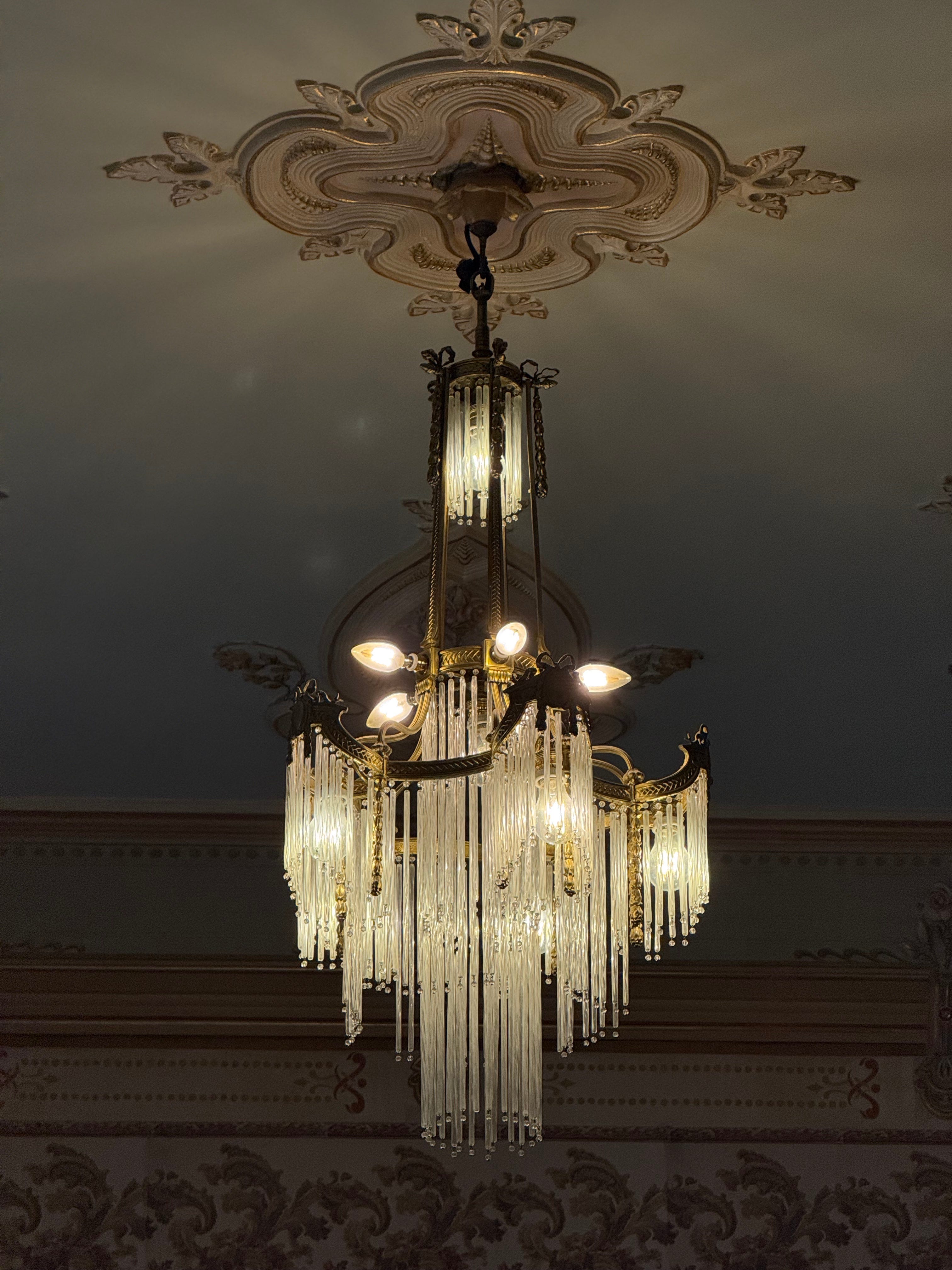
The plasterwork rooms with the crystal fringe pendants that echo the detail above them. The gold leaf medallion, the scrollwork — and then a fixture that matches the energy exactly without being too literal about it. That’s the thing. It’s not matchy-matchy. It’s harmonious.
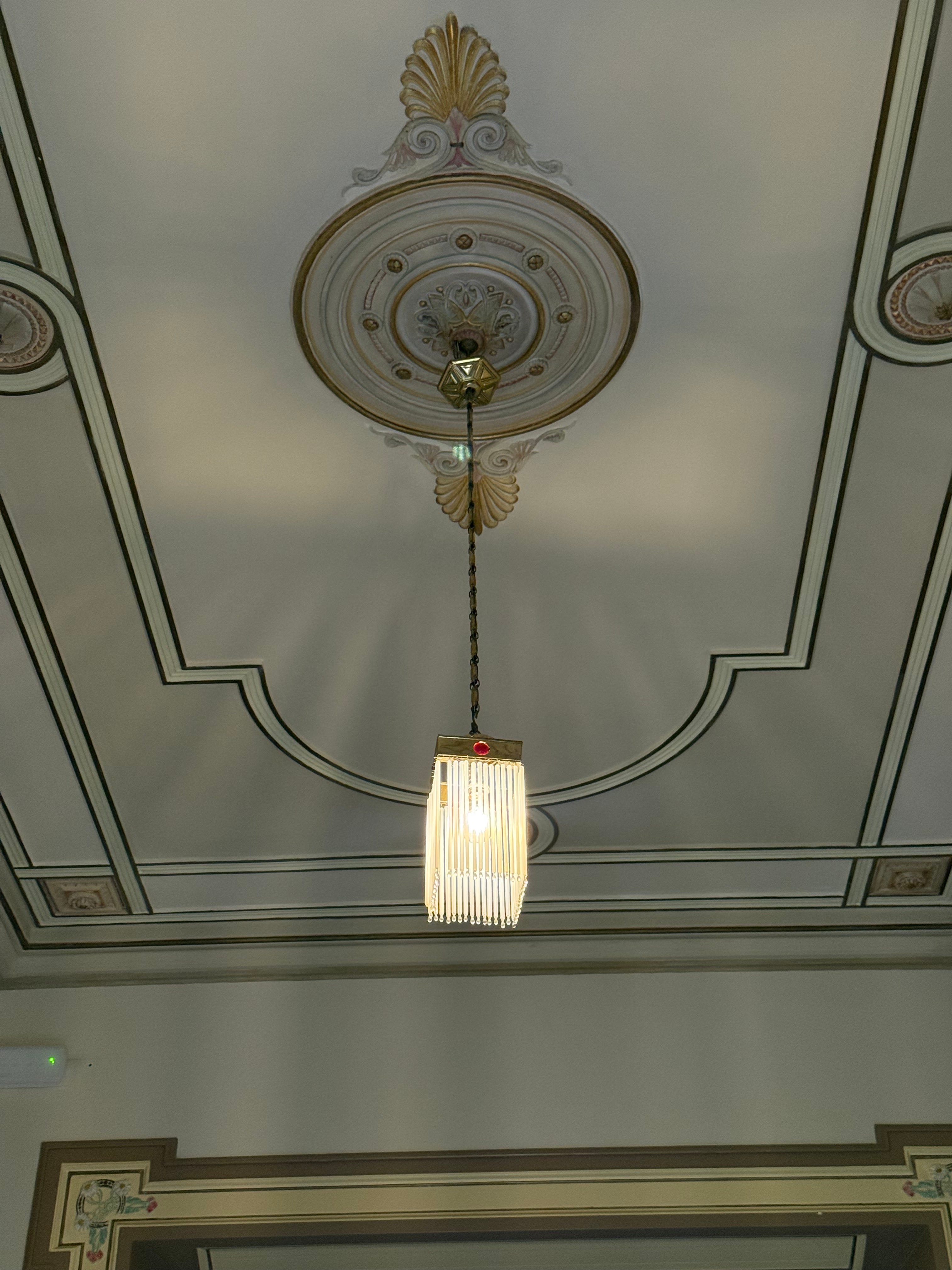
Even the hallway pendant. Smaller, quieter — but still considered. Still in conversation with the ceiling medallion above it and the tile floor below it. The whole house is thinking vertically in a way most of us forget to.
No posts
Comments
Nothing yet. Say the first thing.
Sign in to join the conversation.