
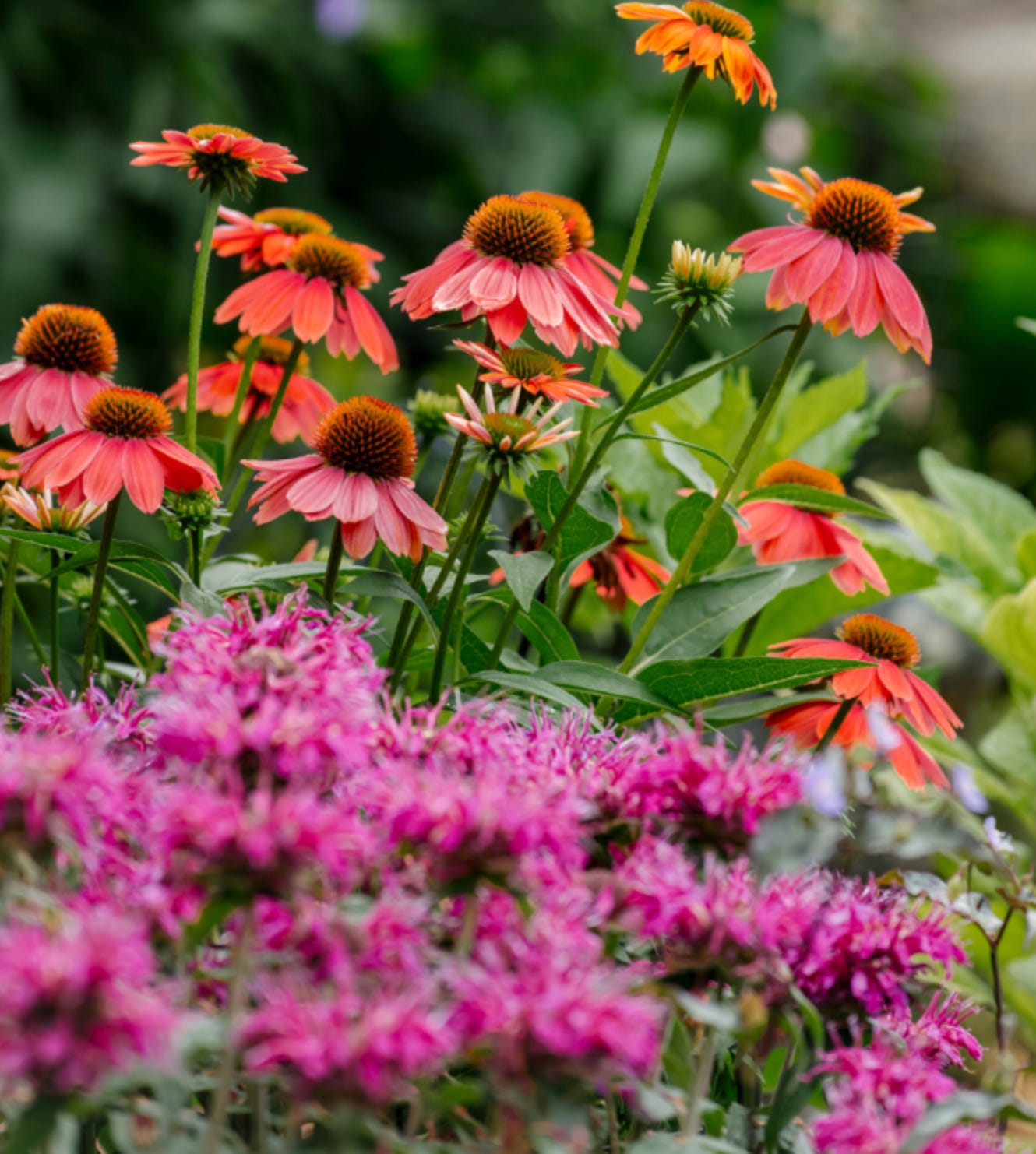
What’s the best part of being a wildlife gardener besides the wondrous wildlife we attract? Nothing. We have all we need in the natural world to provide local wildlife diversity, but we can always plant more.
Diversity is essential to a healthy ecosystem, and that is the goal of a wildlife gardener. We want our gardens to do more than look good—we need them to provide ecosystem services. Adding genetic diversity to the plant population strengthens the entire ecosystem.
For wildlife, the preferred plants are straight native species and select cultivars that still benefit local fauna. To help you make informed choices, here is a breakdown of straight species, cultivars, nativars, and hybrids.
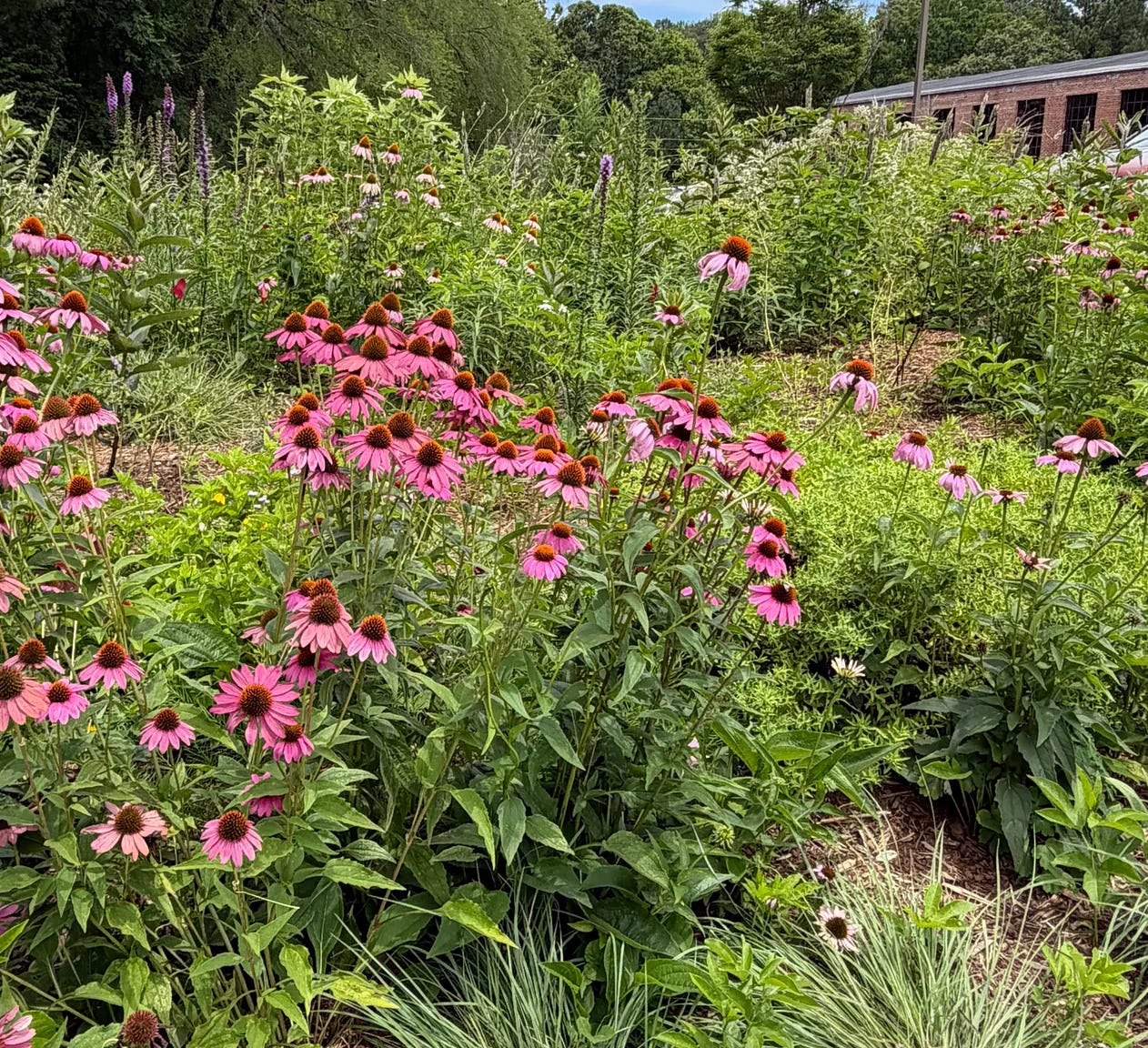
By definition, a straight species is considered a true native plant—one that occurs naturally in a given location or region. Native species are adapted to the local climate and soil conditions, providing the greatest benefit to local wildlife. These essential plants offer nectar, pollen, and seeds that serve as food for native butterflies, insects, birds, and other animals.
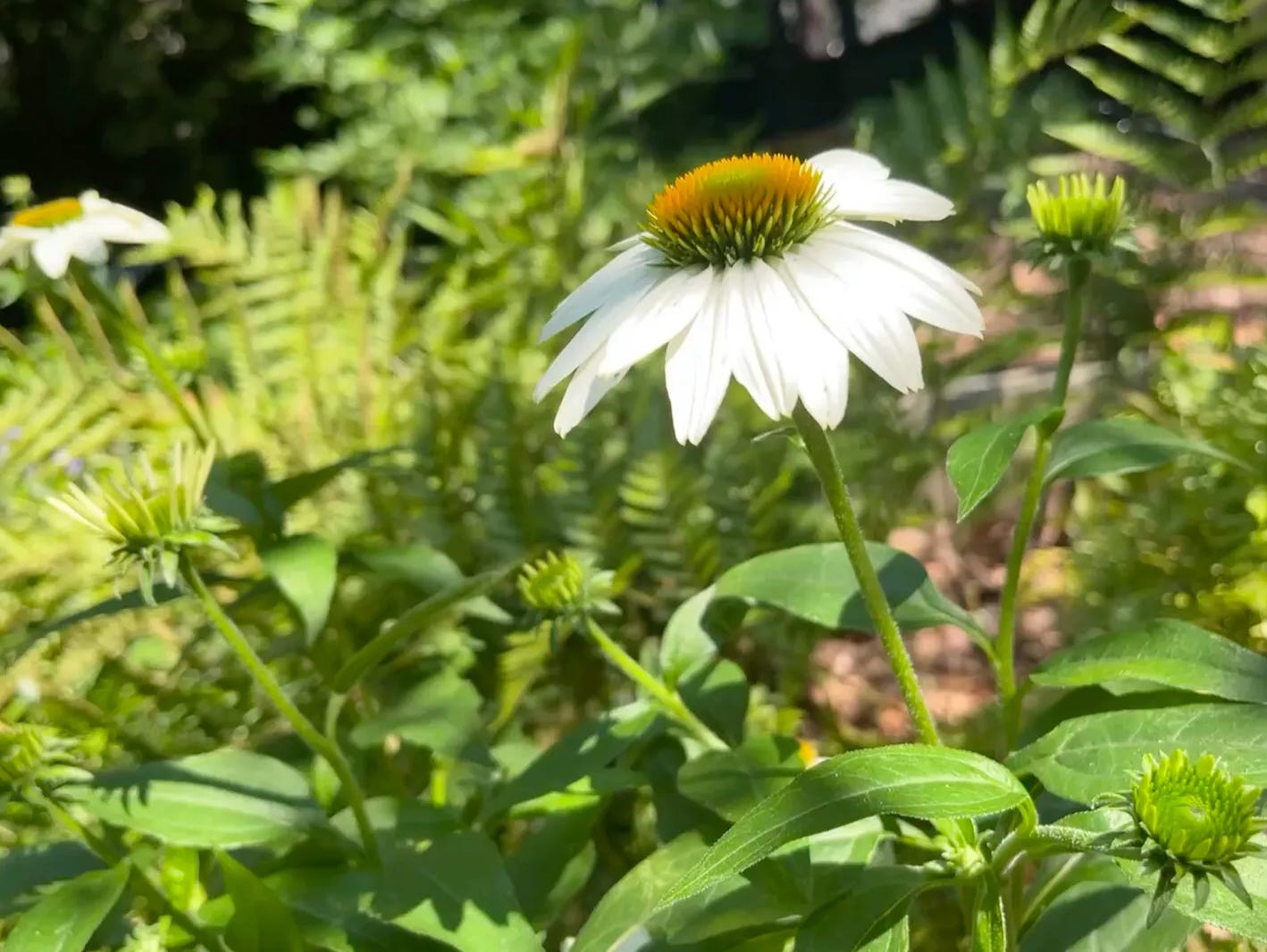
A cultivar (a portmanteau for cultivated variety) is a plant selected or bred by humans for specific traits. Straight species, such as garden phlox, have been extensively cultivated as ornamental plants.
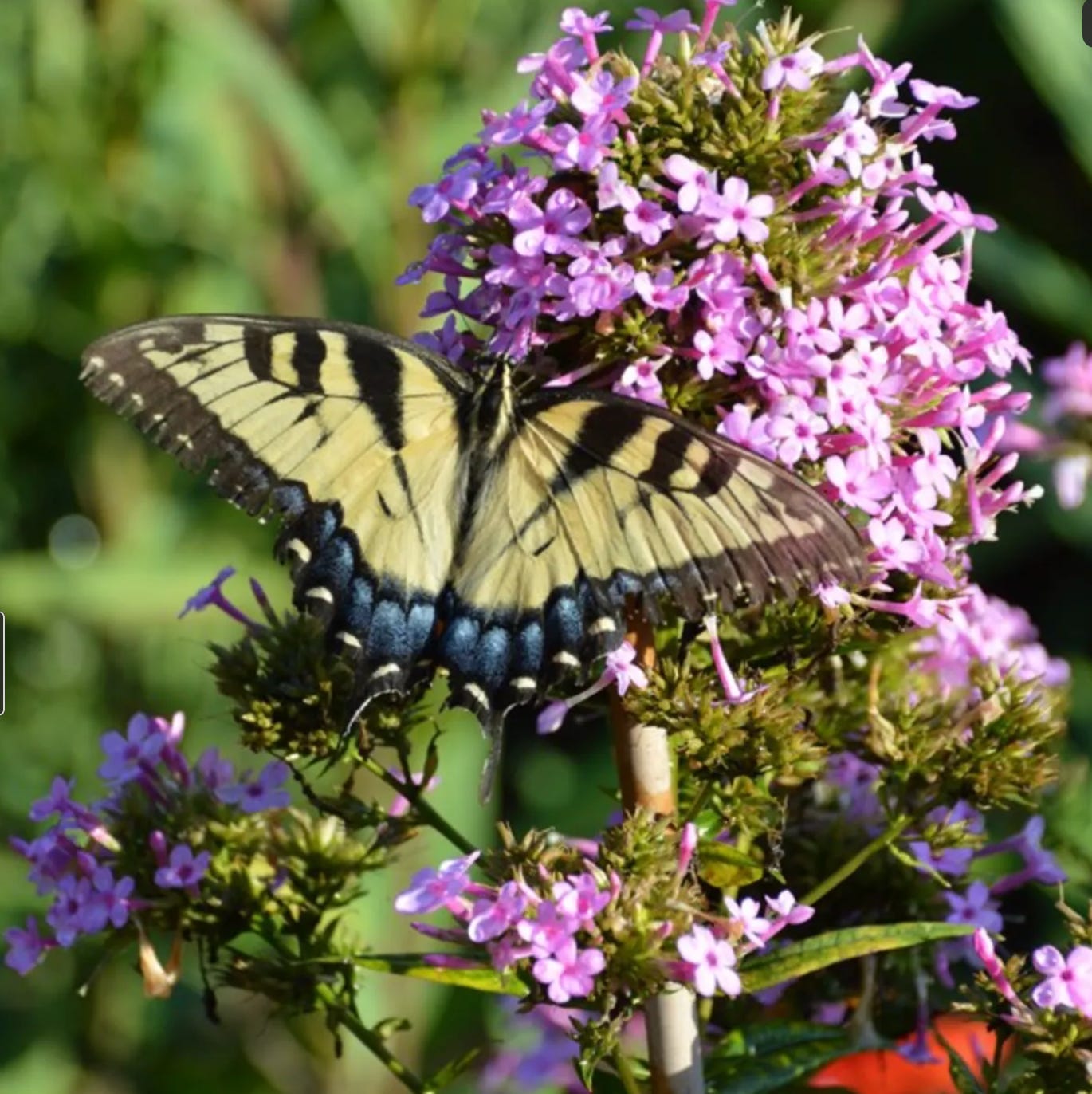
Cultivars are almost always clones, propagated commercially through root cuttings or divisions. It’s important to note that cultivar seeds collected in your garden will rarely “come true” to the parent plant. If you grow self-seeding species like bee balm or many asters, offspring grown from cultivar seed will likely revert or look different. There are also sports and cultivars that occur naturally, such as Phlox paniculata ‘Jeana’, which I recently wrote about.
Nativars are simply cultivars of native species. While some purists find the term distasteful or redundant—since all nativars are cultivars, but not all cultivars are nativars—it serves a practical purpose. It clearly distinguishes native-derived cultivars, reinforcing the importance of native plant lineage.
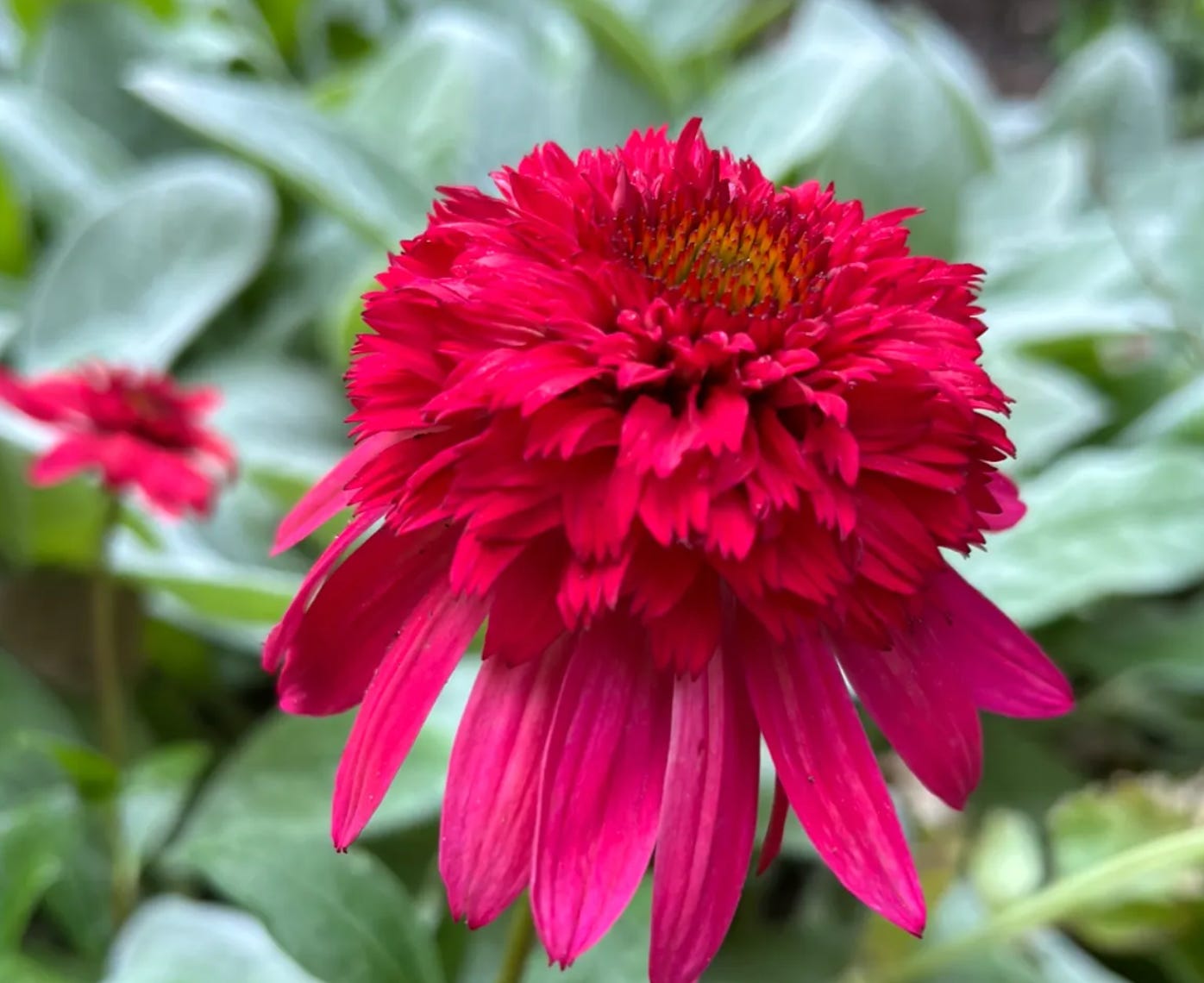
Depending on the plant, some cultivars and nativars are botanical oddities highly prized by the nursery industry—especially those with double flowers. In breeding double flowers, petals replace the stamens. A classic example is the coneflower Echinacea purpurea ‘Hot Papaya’.
It is difficult, if not impossible, for bees and butterflies to gather pollen or nectar from double flowers. Furthermore, these modified blooms are often sterile and produce no seeds—bad news for goldfinches and other birds that rely on them for nourishment.
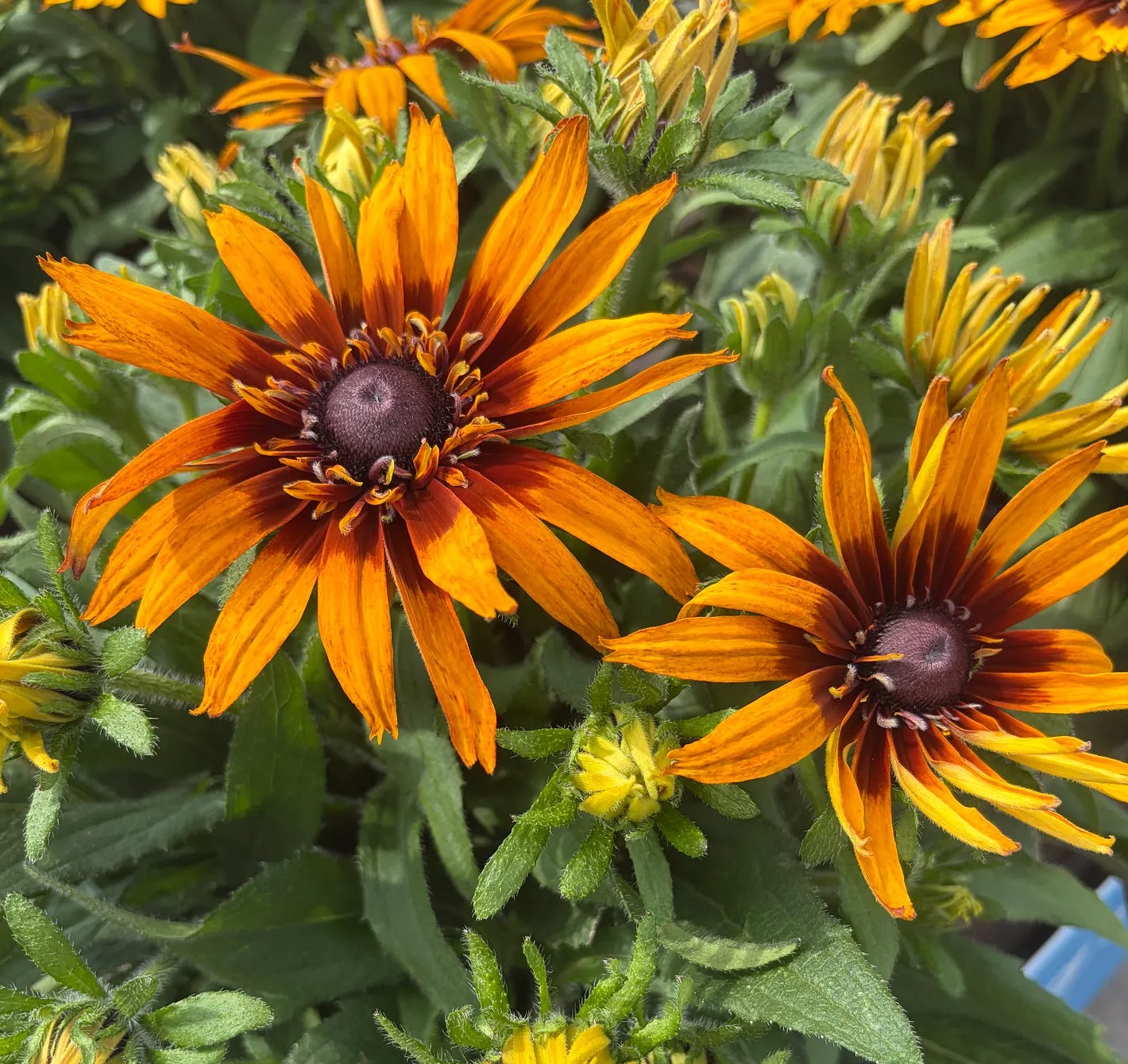
Photo Credit: Helen Yoest | × Echibeckia ‘Summerina’, a hybrid cross between Echinacea and Rudbeckia. To add to the mix, there are hybrids, which are crosses between multiple distinct species. Hybrids are indicated with a multiplication symbol (×) after the genus name (e.g., Coreopsis × ‘Redshift’).
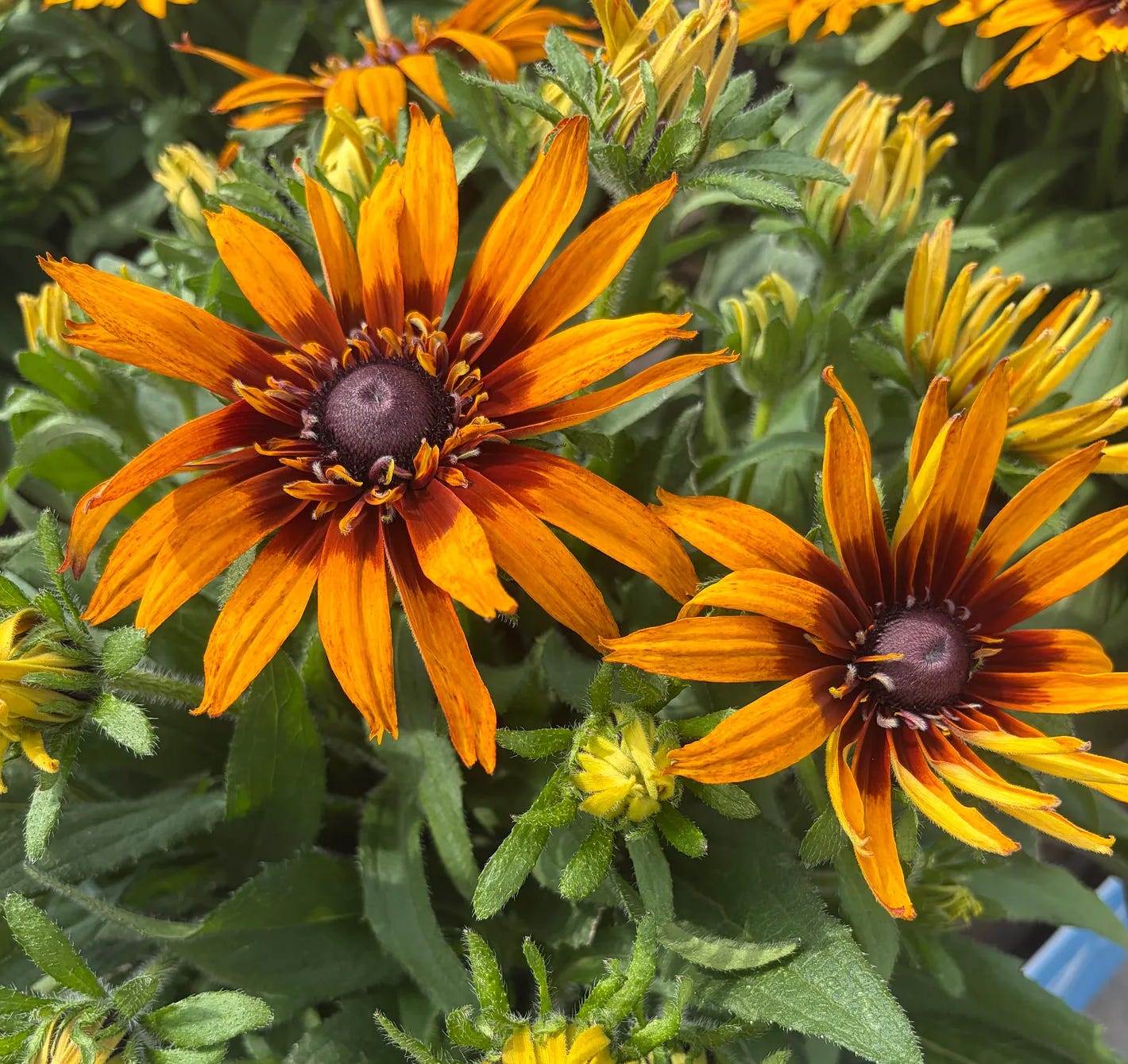
As you plan your pollinator garden, aim to choose straight species or cultivars that haven’t been altered to the detriment of their pollen and nectar production. As striking as those double flowers look, they simply don’t offer the necessary benefits to our local wildlife.
Until soon,
Helen
Comments
Nothing yet. Say the first thing.
Sign in to join the conversation.