
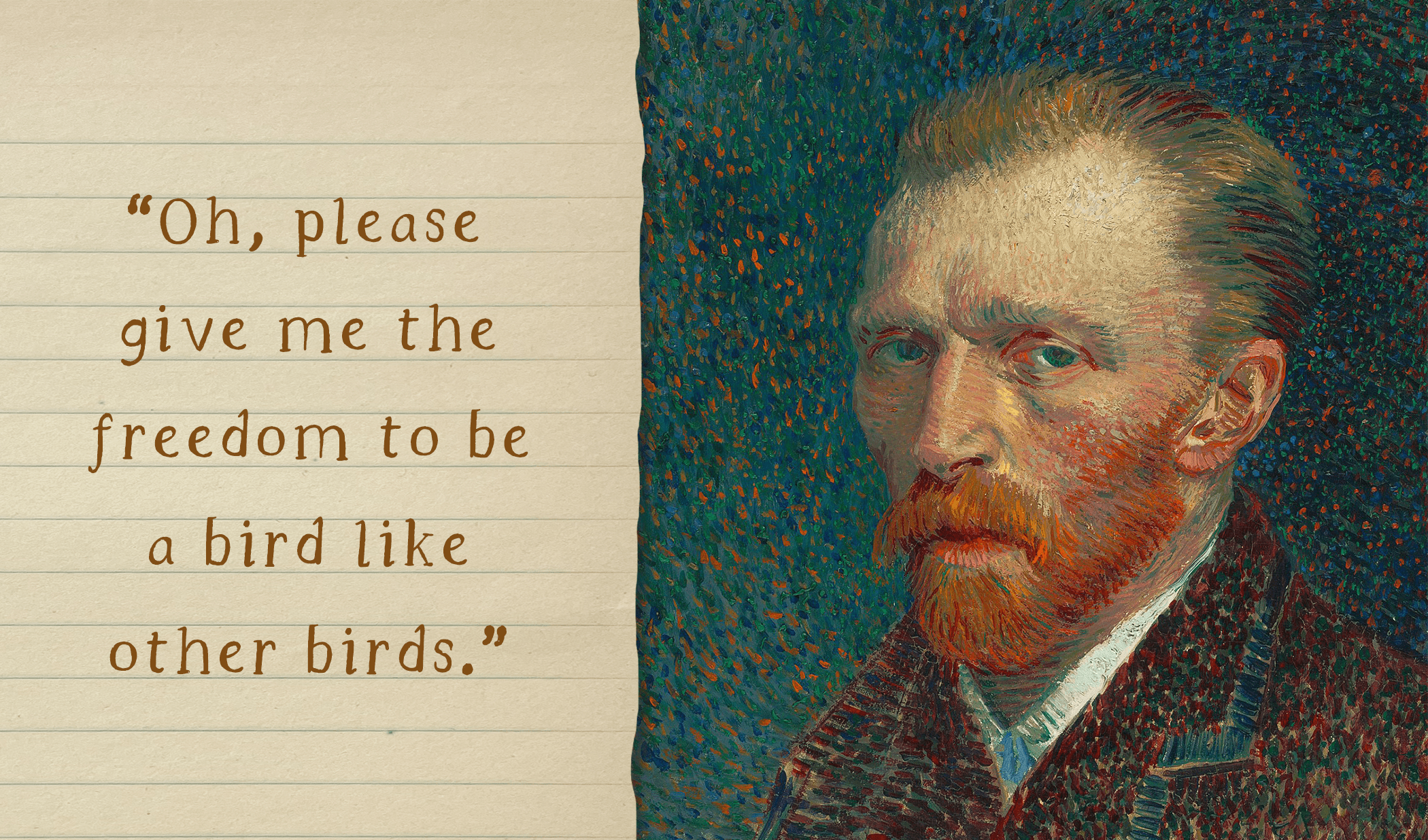
In the spring of 1880, Vincent van Gogh decided to become a painter. It was after a string of failed careers, owing largely to his changing passions and difficult personality. By the age of 27, he had quit art dealing, ended a brief teaching career, and gave up studying to become a preacher.
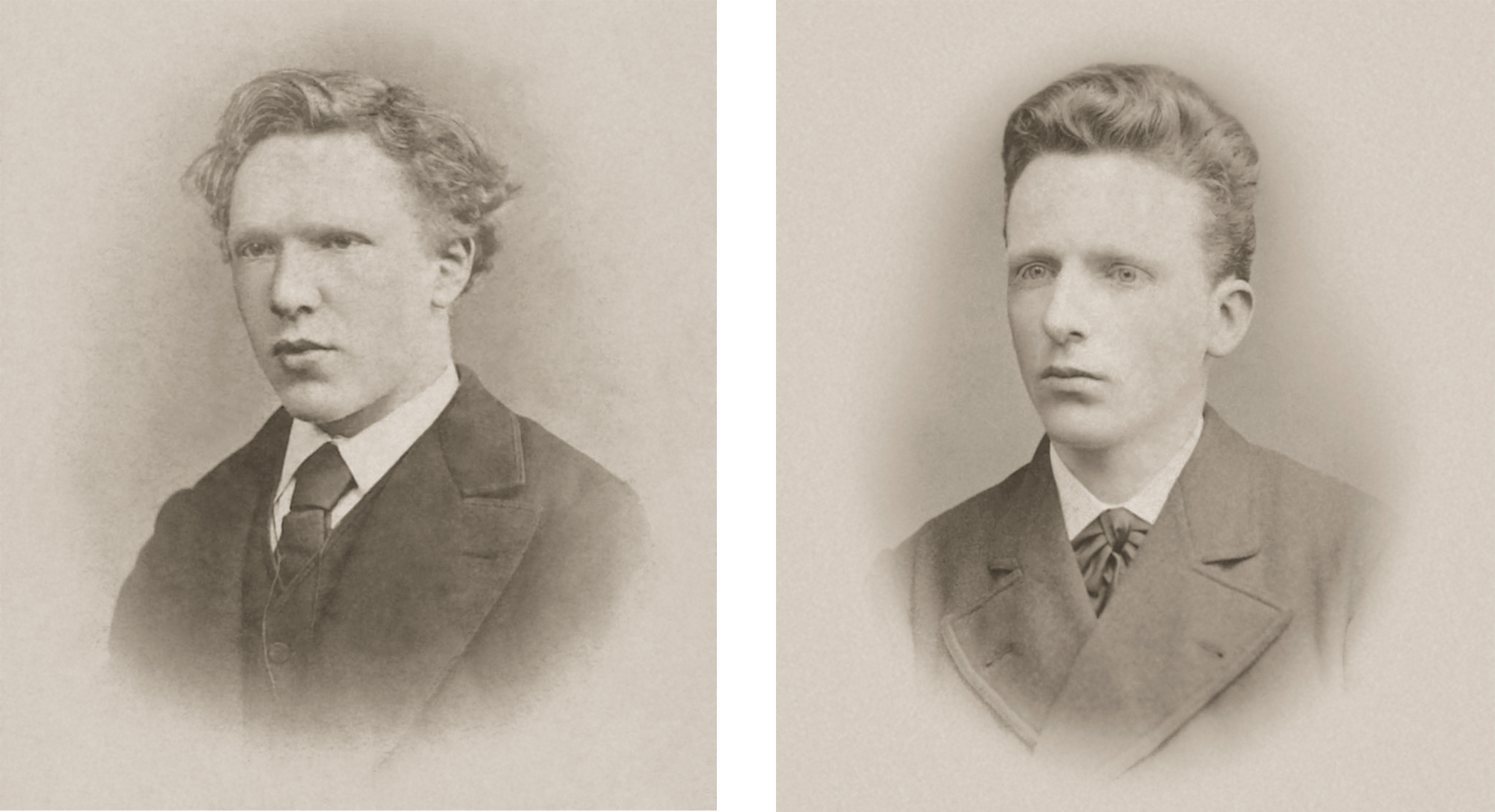
Vincent had not written to his brother, Theo, for some time. 1879 to 1880 was a difficult period in van Gogh’s life—a period in which his father had threatened to send him to a mental institution. In the summer of 1880, moved by the news that Theo had generously sent him 50 francs, Vincent finally broke the silence. He penned a long, vulnerable, and somewhat reluctant letter to his beloved younger brother.
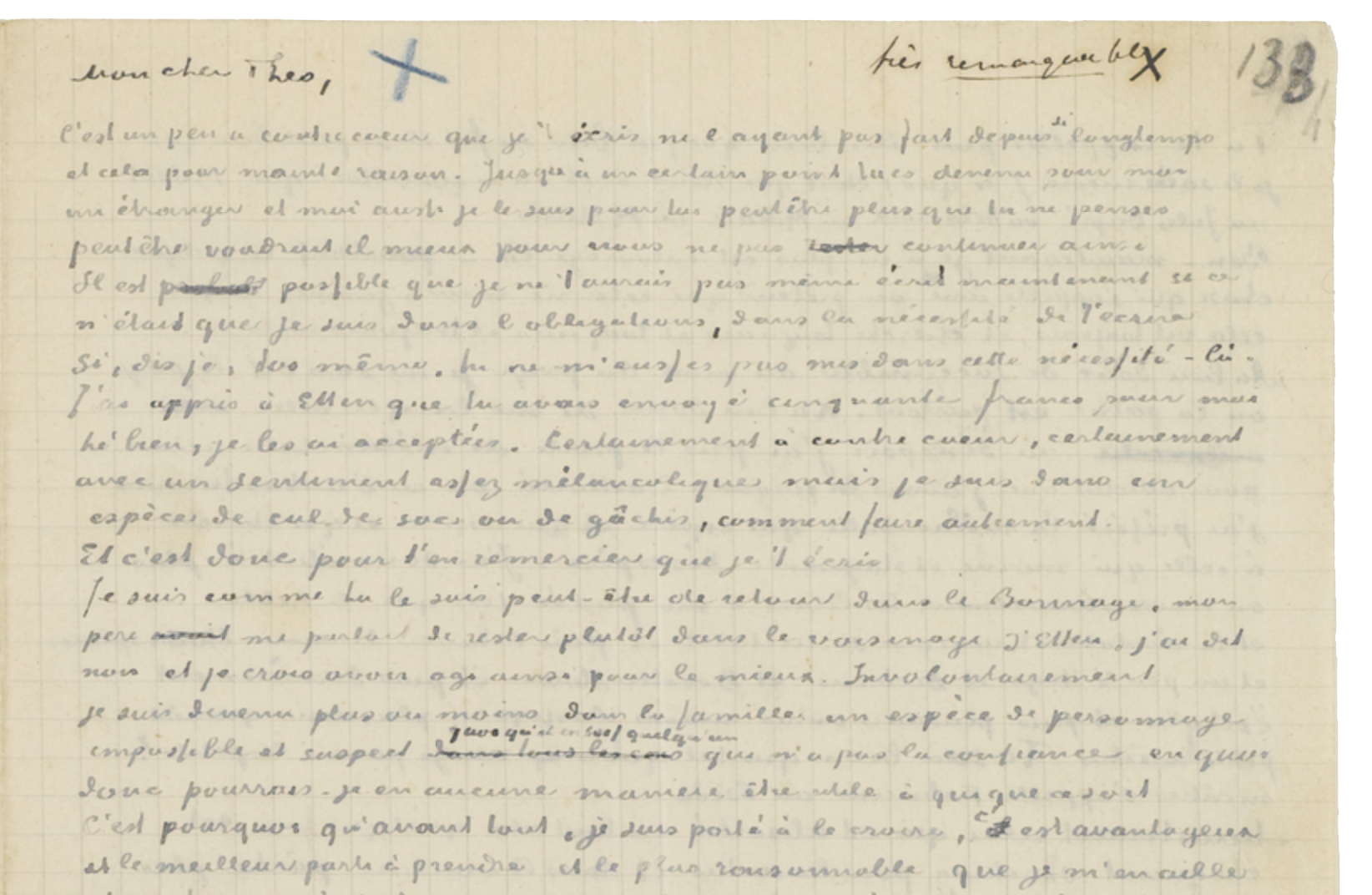
In one passage, Vincent writes:
I should be very happy if you could see in me something more than a kind of ne’er-do-well. For there is a great difference between one ne’er-do-well and another ne’er-do-well. There is someone who is a ne’er-do-well out of laziness and lack of character, owing to the baseness of his nature. If you like, you may take me for one of those. Then there is the other kind of ne’er-do-well, the ne’er-do-well despite himself, who is inwardly consumed by a great longing for action, who does nothing because his hands are tied, because he is, so to speak, imprisoned somewhere, because he lacks what he needs to be productive, because disastrous circumstances have brought him forcibly to this end. Such a one does not always know what he can do, but he nevertheless instinctively feels, I am good for something! My existence is not without reason! I know that I could be a quite different person! How can I be of use, how can I be of service? There is something inside me, but what can it be? He is quite another ne’er-do-well. If you like, you may take me for one of those.1
Vincent van Gogh goes on to compare this type of ne’er-do-well to a caged bird. The bird knows that he must build a nest and hatch his young, but he cannot. He bangs his head against the bars of the cage, but can’t break free. And none of the other birds notices his cage. They see him cheerful in the sunshine and wonder why he is so useless.
“Oh, please give me the freedom to be a bird like other birds,” van Gogh writes.2
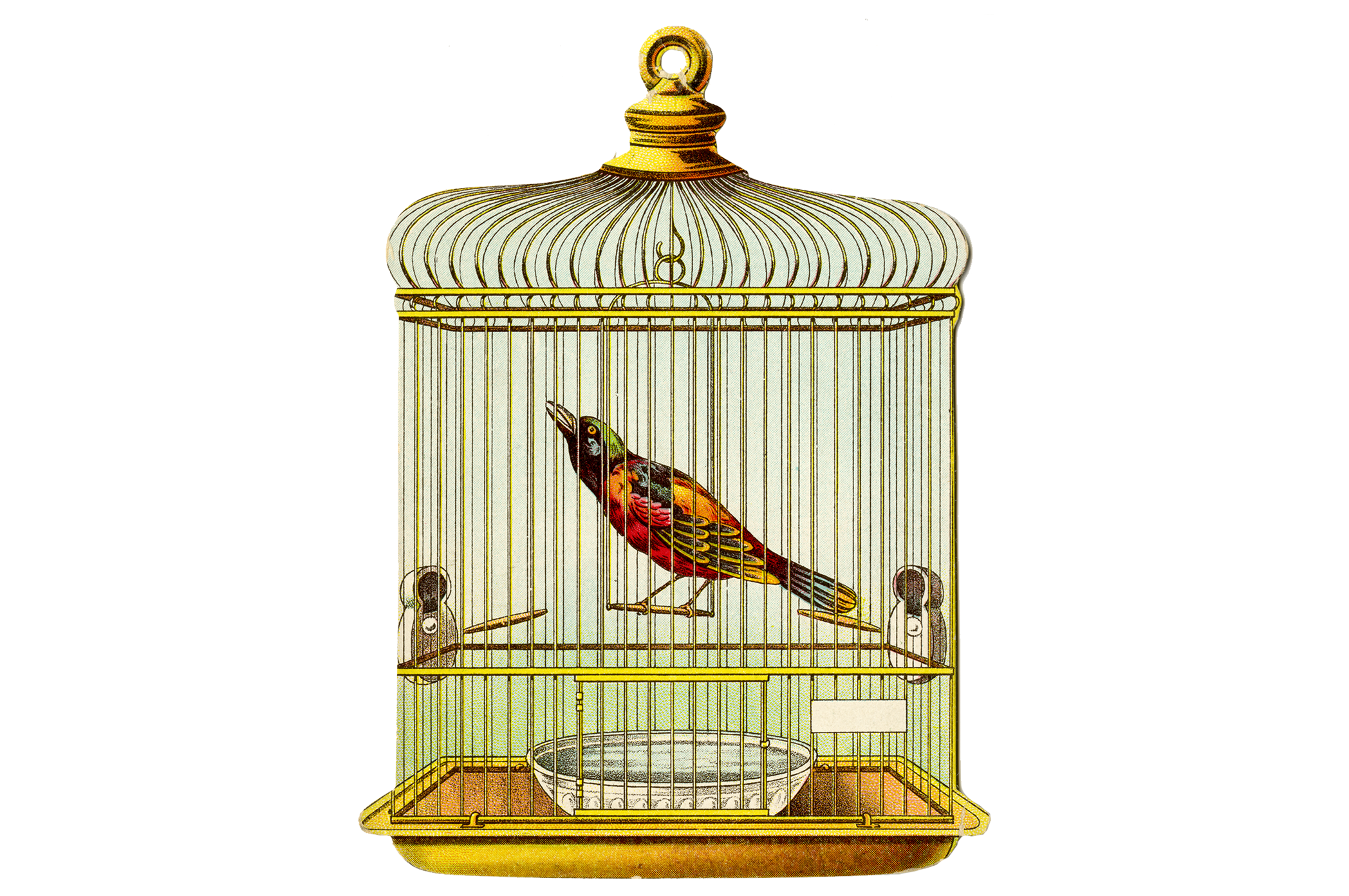
As words flow from his pen, his thoughts grow gloomier. He writes that a ne’er-do-well does not always know what cages him; “And then one asks: my God, will it be for long, will it be forever, will it be for eternity?”3
Throughout his 20s, Vincent bounced from job to job and place to place—searching for something that felt right. Sometimes he thought he found it, but as time passed, that particular pursuit no longer felt true.
The impassioned creative or the dreamer can likely relate to Vincent van Gogh’s feelings.
A great period of inaction or heading in the wrong direction—not out of laziness but because of hidden walls one has built up. Perhaps the ne’er-do-well knows what he or she wants to do, but is too afraid—paralyzed by judgment, or expectations, or a tarnished reputation, or lack of support, or lack of money, or fear of failure.
The ne’er-do-well who wants to do something; who wants to be someone to someone.
Perhaps sensing his letter had taken a dark turn, Vincent pivots. He is trying to persuade his brother to think well of him, considering all his recent mishaps. He is also trying to persuade himself that all is not hopeless.
And so, he proposes a remedy:
Do you know what makes the prison disappear? Every deep, genuine affection. Being friends, being brothers, loving, that is what opens the prison, with supreme power, by some magic force. Without these one stays dead. But wherever affection is revived, there life revives.4
A ne’re-do-well needs acceptance and companionship; another bird to draw him out of his cage.
Vincent van Gogh, The Letters of Vincent van Gogh, ed. Ronald de Leeuw, trans. Arnold Pomerans (London: Penguin Books, 1997) 73.
Van Gogh, The Letters of Vincent van Gogh, 74.
Van Gogh, The Letters of Vincent van Gogh, 74.
Van Gogh, The Letters of Vincent van Gogh, 74-75.
No posts
Comments
Nothing yet. Say the first thing.
Sign in to join the conversation.