
In this month’s news roundup: Regulation call to limit holiday lets; non-stop monitoring of Windermere water quality; Kirkstone Pass Inn reopens (and Lakes Distillery bistro likely to close); Golden Eagles for Cumbria and gold in them rivers; Grasmere hits the holiday hotspot… and the important difference between a naturist and naturalist…
Friends of the Lake District (FLD) is calling on the Government to introduce legislation to control the number of holiday lets in tourist hotspots. The landscape charity’s Fairer Housing Campaign is seeking a mandatory registration scheme that would give local authorities the power to refuse licences for new short-term holiday lets in areas where the number threatens the viability of a community. The charity also wants to empower local authorities to require planning permission when permanent homes are changed into a holiday let or second home. “The uncontrolled expansion of holiday accommodation is having a huge community impact,” FLD’s outgoing CEO Michael Hill told the BBC. The charity says communities are being “hollowed out” by a surge in second homes and short-term lets, which reduce housing supply for permanent residents and inflate private rents and house prices beyond the reach of local people. FLD’s call has been backed by Lake District National Park Authority chief Gavin Capstick, who said the authority had asked the government to trial a new scheme “to manage the number of second homes and holiday lets [that] will help maintain community vibrancy and resilience in the Lake District National Park”. Keswick’s mayor Louise Dunn described the prevalence of holiday homes in the town as “a huge problem that’s threatening the viability of the community”. In a recent interview (below), she discussed the need for a better balance between the needs of local communities, the landscape and the tourism industry. FLD’s petition is at friendsofthelakedistrict.org.uk/news/fairer-housing-petition/
Boat owners have been left “gobsmacked” by the National Trust’s decision to close its boat and equipment storage facility at Fell Foot on Windermere. The Trust blamed rising costs for the move, citing “really difficult decisions about where we put our energy and resources”, and said the closure would open more of Windermere’s southern shoreline to the public. The local boating community has been asked to vacate the boatyard by 31 October because it will no longer be staffed. Kevin Wilkinson, a National Trust volunteer who has kept his boat at Fell Foot for 15 years, said he was “sick, literally” when he heard the announcement. Orlando Barker, who lives in Kendal and takes his young family onto the lake several times a month, said the costs of alternative boat storage and launching facilities on Windermere were “unfeasible”. He said: “A lot of locals use Fell Foot because it’s affordable.” More from The Mail.
The Trust is also closing six holiday cottages in Cumbria, among 137 nationally, due to ongoing funding challenges. There are fears that off-grid Bird How in Eskdale (previous guests include the novelist Ian McEwan), may be among them. Four of the six Cumbrian cottages will be offered as long-term lets on Assured Shorthold Tenancies, the Trust said, while the future of Bird How and Thrang in the Duddon Valley are still being decided. A frequent visitor at Bird How, Sue Lane, told Cumbria Crack that closing Bird How would be “like killing something precious”.
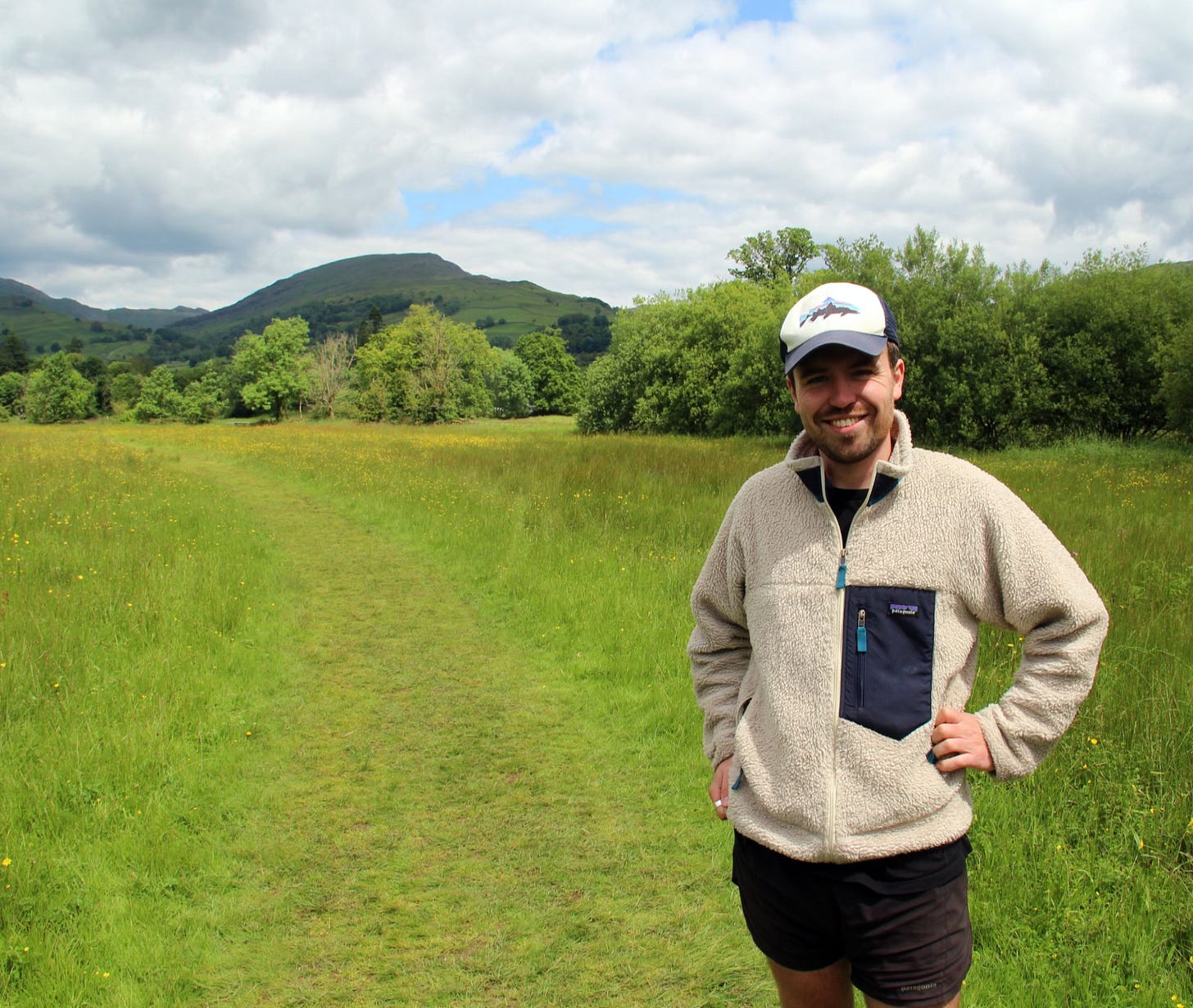
Matt Staniek, founder of Save Windermere Water quality in Windermere is to be monitored non-stop during a 12-month trial. Monitoring buoys will be placed in two locations – by the treated wastewater discharge point at Tower Wood and the storm overflow outfall at The Glebe – to enable United Utilities and the Environment Agency (EA) to gather information about oxygen, ammonia and pH levels, as well as water temperature. Both parties said the trial was primarily for testing the process, but that data would be made public after the trial.
The monitoring trial is unrelated to in-person sampling that EA carries out at designated bathing waters during the bathing season (May–September). Last month Save Windermere called for targeted and more frequent sampling across the lake, not just at its four designated bathing sites, after sharing the stories of swimmers – including a seven-year-old boy – who became seriously ill with E. coli infections after swimming in Windermere last summer. “These stories are difficult to read, but… they directly challenge the assertion that Windermere’s water quality is safe simply because official bathing water sites are classified as ‘Excellent’”, said Matt Staniek, founder of Save Windermere. He wants to see the EA’s National Pollution Risk Forecasting system extended to Windermere so people can access daily forecasts of pollution risk across all sites where people access the water. More from The Guardian.
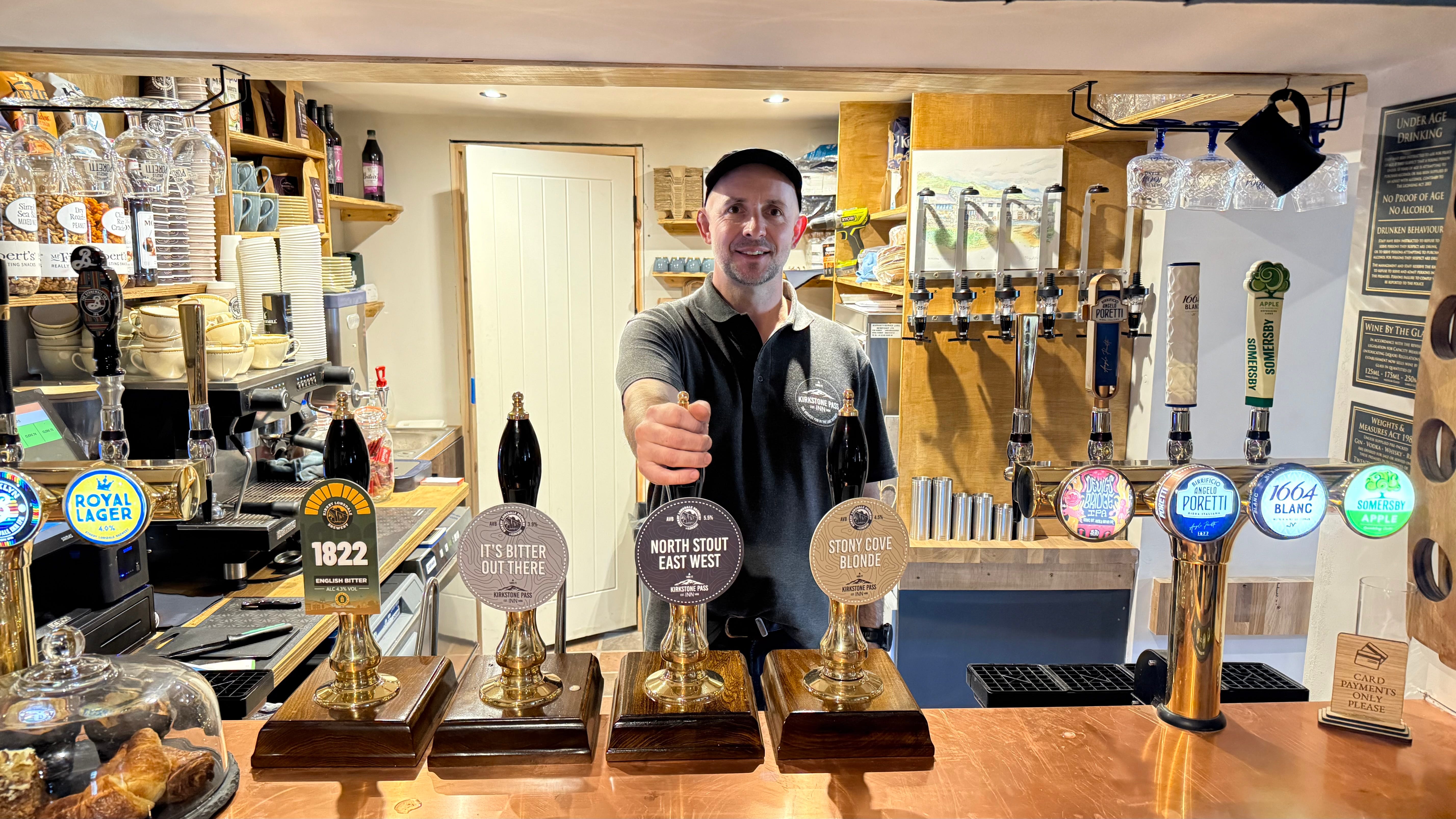
Good and bad news in Lakes hospitality this month. The Kirkstone Pass Inn has finally reopened under the management of The Kirkby Lonsdale Brewery. Following its closure five years ago and acquisition by holiday let company Supreme Escapes, there had been concerns that the 186-year-old inn’s historical features would be gutted. However, the interior has barely changed (our man at the bar reports: “Kirkstone Pass Inn interior has been put back together and is very much the same-as-was, but brighter and serving splendid Kirkby Lonsdale Brewery beers – some named specially for the pub – and pies from Dales Traditional Butchers in Kirkby Lonsdale”). Meanwhile, the Patterdale Hotel can look forward to an upgrade after it was bought by Lake District Hotels, owner of the Lodore Falls Hotel and Inn on the Lake, and it is feared the bistro and shop at The Lakes Distillery near Bassenthwaite will close imminently, although new(ish) owners Nyetimber have not confirmed this publicly.
Mountain Rescue Teams (MRTs) may be unable to attend community events such as fell races and agricultural shows if proposed amendments to the Health and Social Care Act are not amended, Tim Farron has warned. The Westmorland and Lonsdale MP has tabled an Early Day Motion to note his concern that small volunteer-led organisations, such as MRTs, will “struggle to afford” the £10,000- £20,000 bill arising from amendments that require any group providing first aid at an event that has a medical professional in the organisation to register with the Care Quality Commission. Mr Farron has urged the Government to amend the proposals to introduce an exemption for volunteer MRTs and similar organisations. More from The Mail.
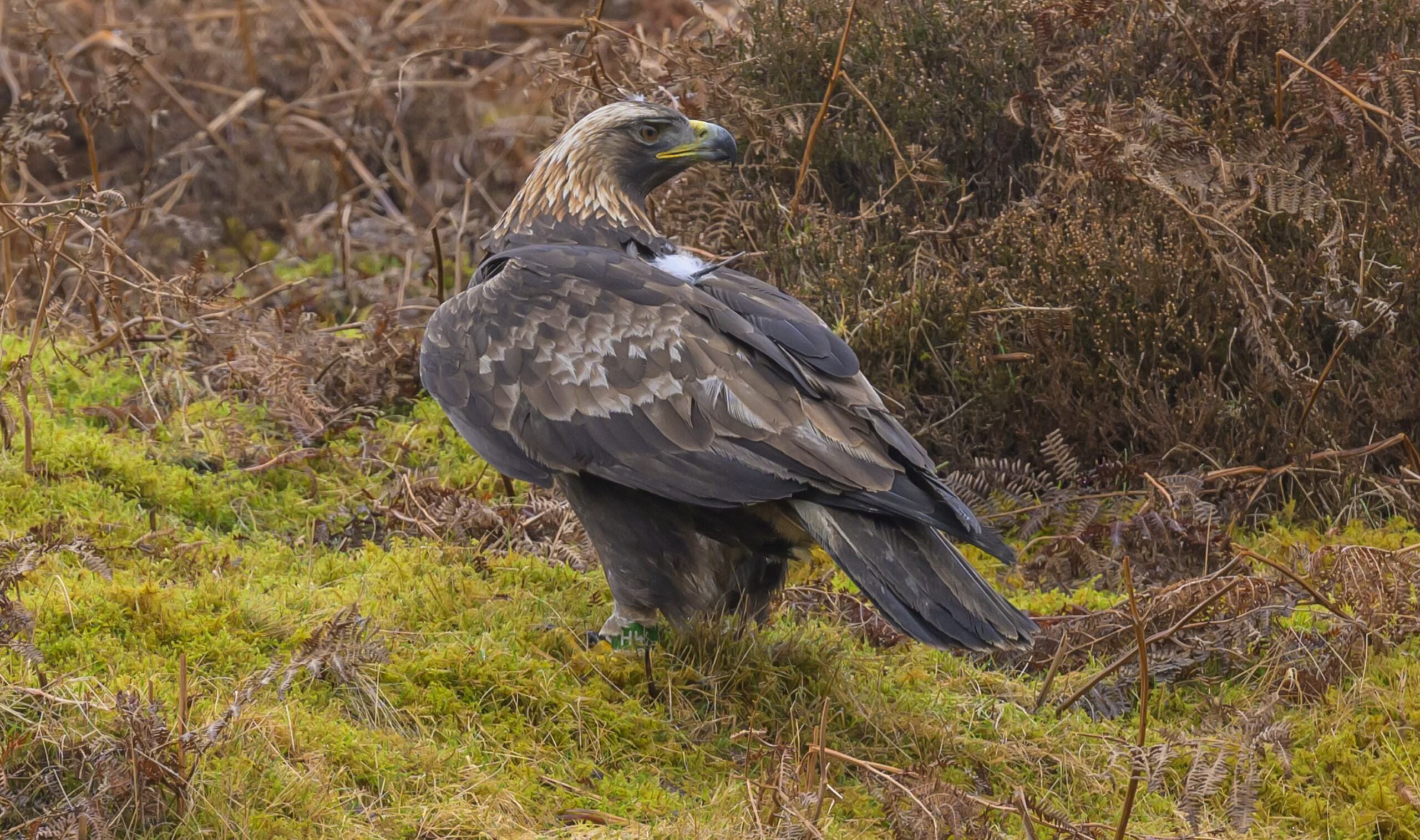
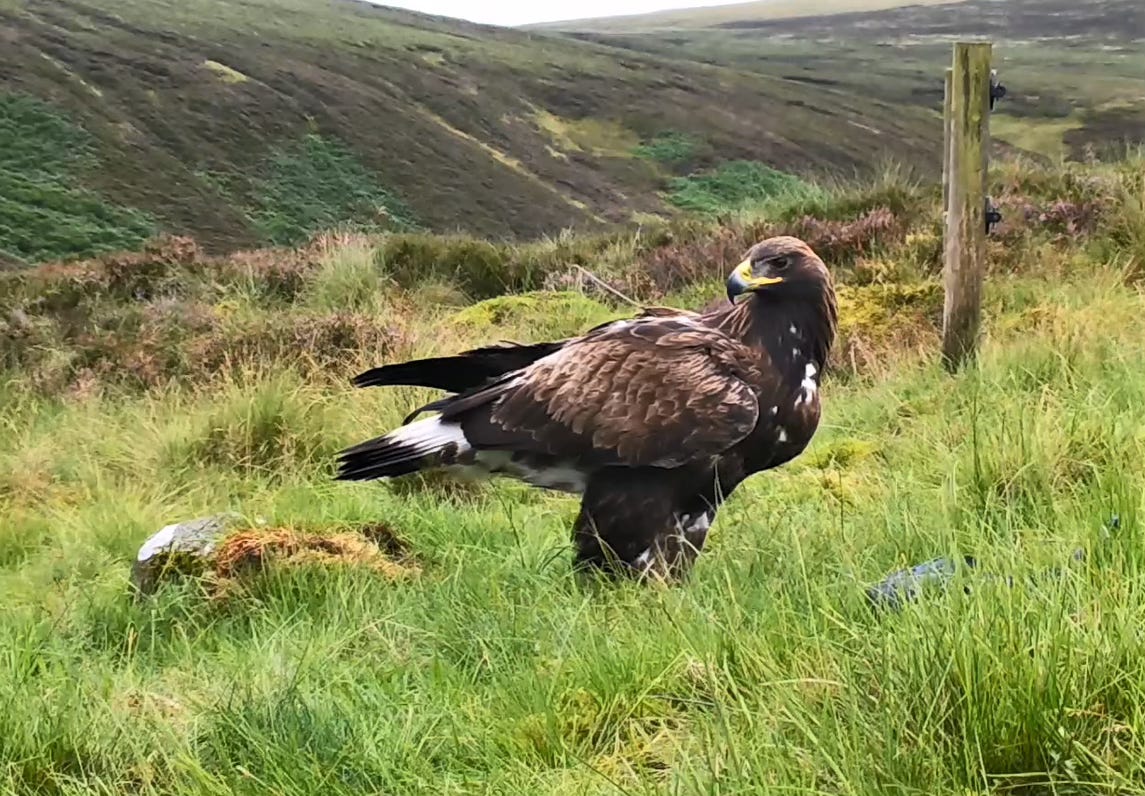
The Lake District has been named as one of eight sites where Golden Eagles (above) could be reintroduced in England. A decade after England’s last resident eagle disappeared from Haweswater, a feasibility study by Forestry England has identified Lakeland as having the ecological potential to support the return of the iconic species. The Government has pledged £1 million of extra funding for a programme that could see juvenile birds released as early as next summer. A public consultation into an English release will be led by Dr Cat Barlow of Restoring Upland Nature, which led the successful South of Scotland Golden Eagle project that has boosted numbers across the Borders and Dumfries & Galloway to around 50. More from the BBC.
Forestry England has also received the green light to apply to release beavers in Ennerdale. After Natural England approved its initial expression of interest in a wild release of 30 adult beavers, Forestry England can now submit a full application. It is appealing to landowners and other stakeholders to help identify possible release sites, and hopes the giant rodent – already reintroduced on the Lowther Estate near Penrith – may take to the Ennerdale valley and Ehen and Calder catchment areas from September 2027. More from the BBC.
Osprey-watchers at Foulshaw Moss nature reserve breathed a sigh of relief when a breeding pair that have nested there for 13 years returned after a “nail-biting” wait. The male bird arrived without his partner at the end of March, then waited several long days for her to join him. More from the BBC.
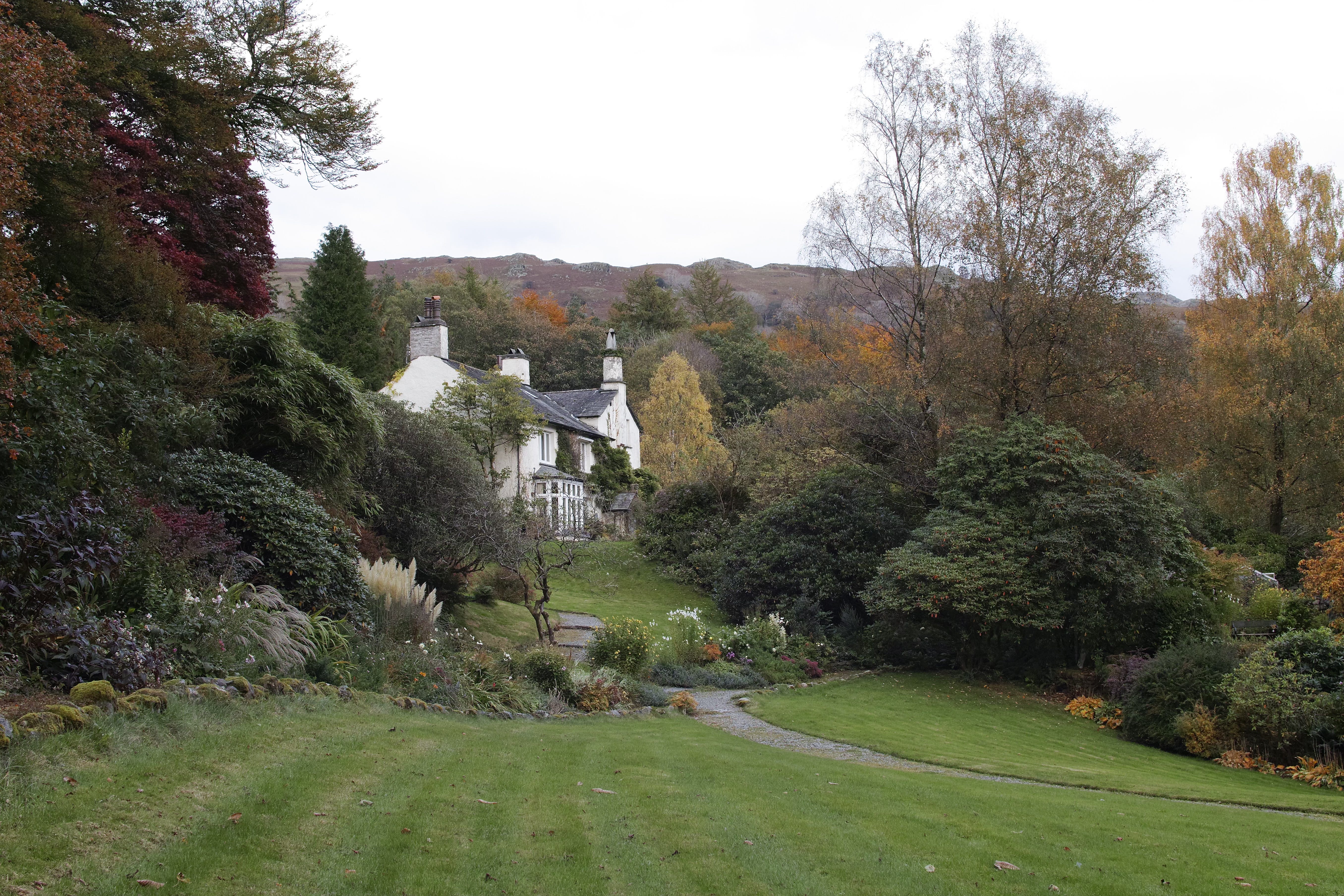
The Wordsworth Trust has acquired Rydal Mount, the final home of William Wordsworth. The Grade I listed house (above) was put up for sale a year ago by its owners, descendants of the poet (who never owned the house but did design the gardens). Working with the Julia Rausing Trust and Charlotte Aitken Trust, Wordsworth Trust said the house would now be preserved for public use “in some form”. More from the BBC.
A former conference centre of Newton Rigg College in Penrith is set to become a gym. The farming college closed in 2021 and its buildings were sold to Leo Group and AW Jenkinson; some now house businesses including Cumbrian Local Radio and the World Owl Trust. Having already secured permission to build three outdoor padel courts and turn the former student refectory into a “modern eatery” and deli, the owners have proposed creating a two-story fitness centre with two large suites, a staff kitchen, wellness facilities and three classrooms for fitness education. More from News & Star.
A temporary campsite will open at Gatesgarth Farm in Buttermere this summer after the farm’s new tenants applied to operate between 16 July and 13 September. More from Times & Star.
There’s gold in the rivers of Borrowdale, Sedbergh, the Eden Valley and Caldbeck Fells. Though not much…
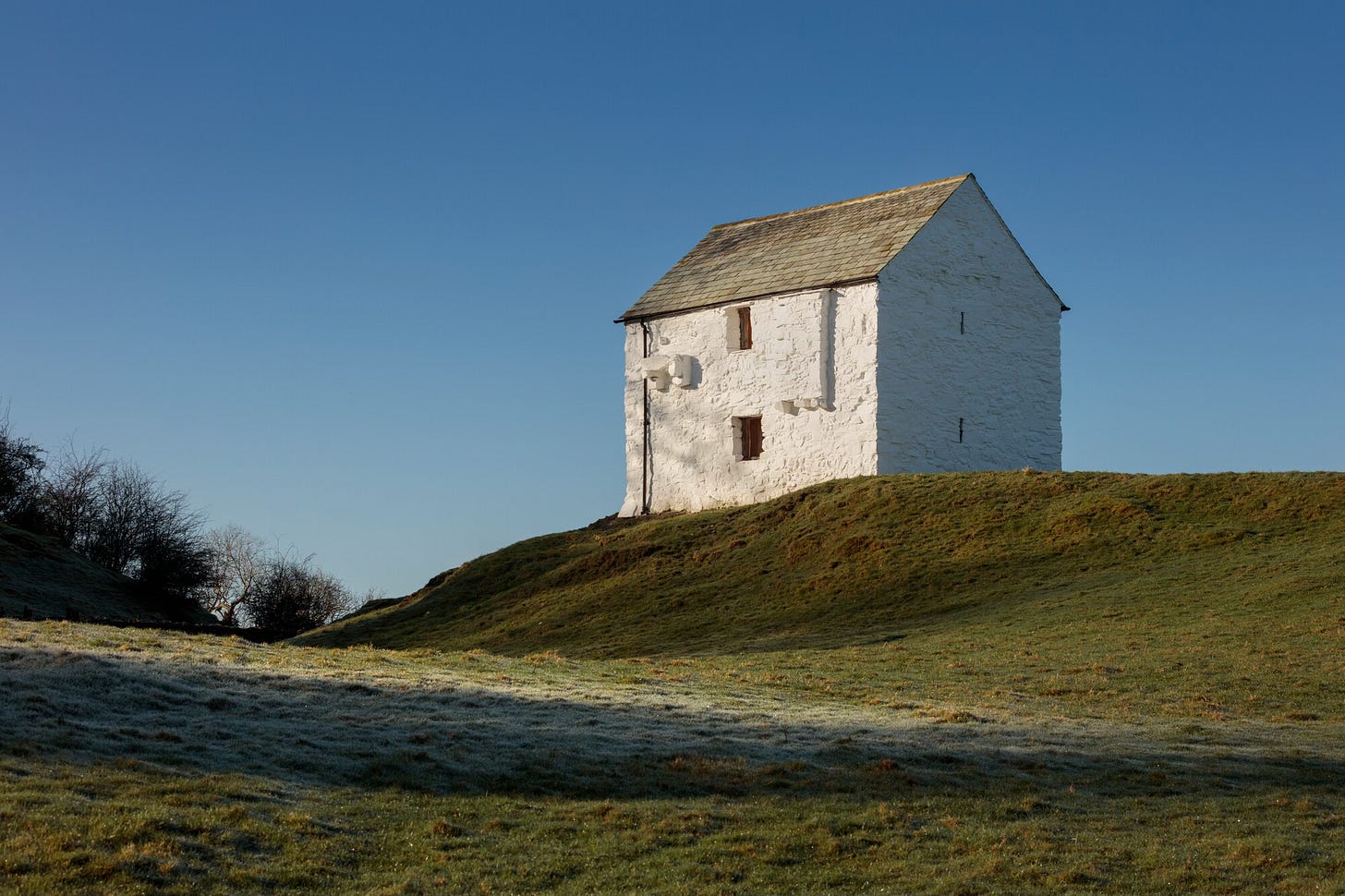
Henry’s Castle. Photo © Historic England Archive, Alun Bull. Historic England is asking people to share photos, stories and memories of a mysterious building in Underbarrow to help uncover the reason for its existence. Henry’s Castle (above), which has been given Grade II* listed status, looks more like a cottage than a castle, but it did once belong to a farmer called Henry Willison. Believed to have been built in the 14th or 15th century, it has been a home and field barn over the centuries and was restored by the Lake District National Park in 2025. More from the BBC.
Campaigners have applied to have a four-foot concrete post at Thorny Gale near Appleby granted Grade II-listed status. The structure is one of 6,500 trig pillars erected during the 1930s to help Ordnance Survey surveyors map the British Isles. The Retriangulation of Great Britain started 90 years ago at Cold Ashby in Northamptonshire and ended at Thorny Gale on 4 June, 1962; it formed the basis of modern mapping systems and the foundation of the Ordnance Survey National Grid. The Twentieth Century Society wants the Department of Culture, Media and Sport to recognise both the Cold Ashby and Thorny Gale pillars, which it describes as “modest obelisks of modernity in the countryside”. More from The Guardian.
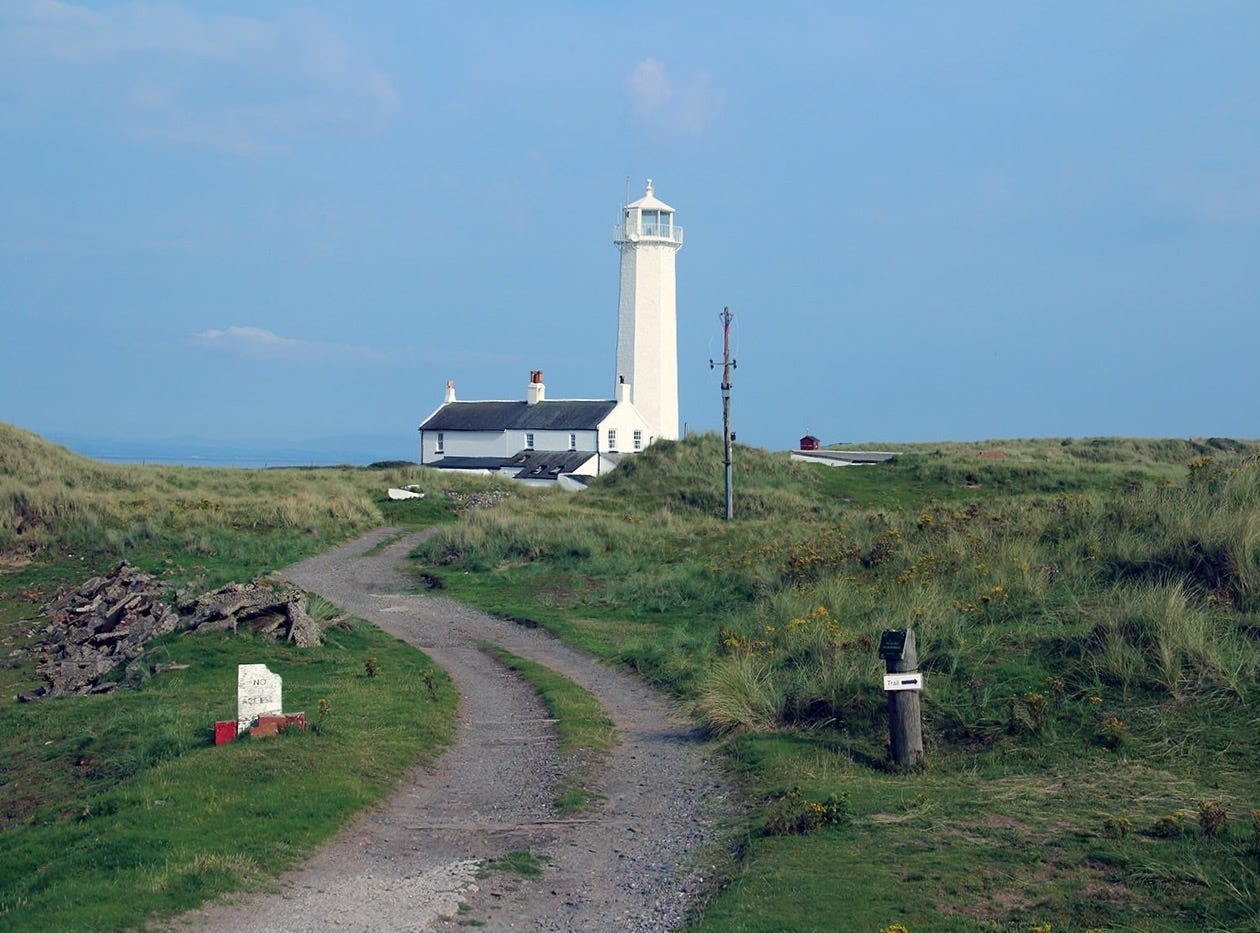
Walney Island could be cut in half by rising sea levels in the next 70 years according to modelling by Lancaster University. Residents fear they could lose their homes after observing how much the coastline has changed during recent decades. More from the BBC.
National Park boards should be smaller, more diverse and less bureaucratic, according to the Campaign for National Parks (CNP). In a new report, Leading National Parks into the Future: Modernising National Park Authority Governance, CNP recommends what it calls “quick wins”, alongside changes that require legislation. “Outdated legislation is holding national parks back,” said CNP’s Ruth Bradshaw, “restricting innovation, limiting diversity, and reducing their ability to deliver for nature recovery and public health and wellbeing.” Quick wins include changes to the recruitment, induction and training of board members to encourage applications from people from a range of backgrounds. Legislative changes include stipulating that a third of board members are recruited on the basis of having local experience related to parks’ statutory purposes, a third are recruited on the basis of having national experience related to the purposes, and a third are appointed by constituent local authorities. The report comes after National Park Authority boards were found to be bloated, dominated by men, lacking in diversity and deficient in conservation expertise. The full report is here.
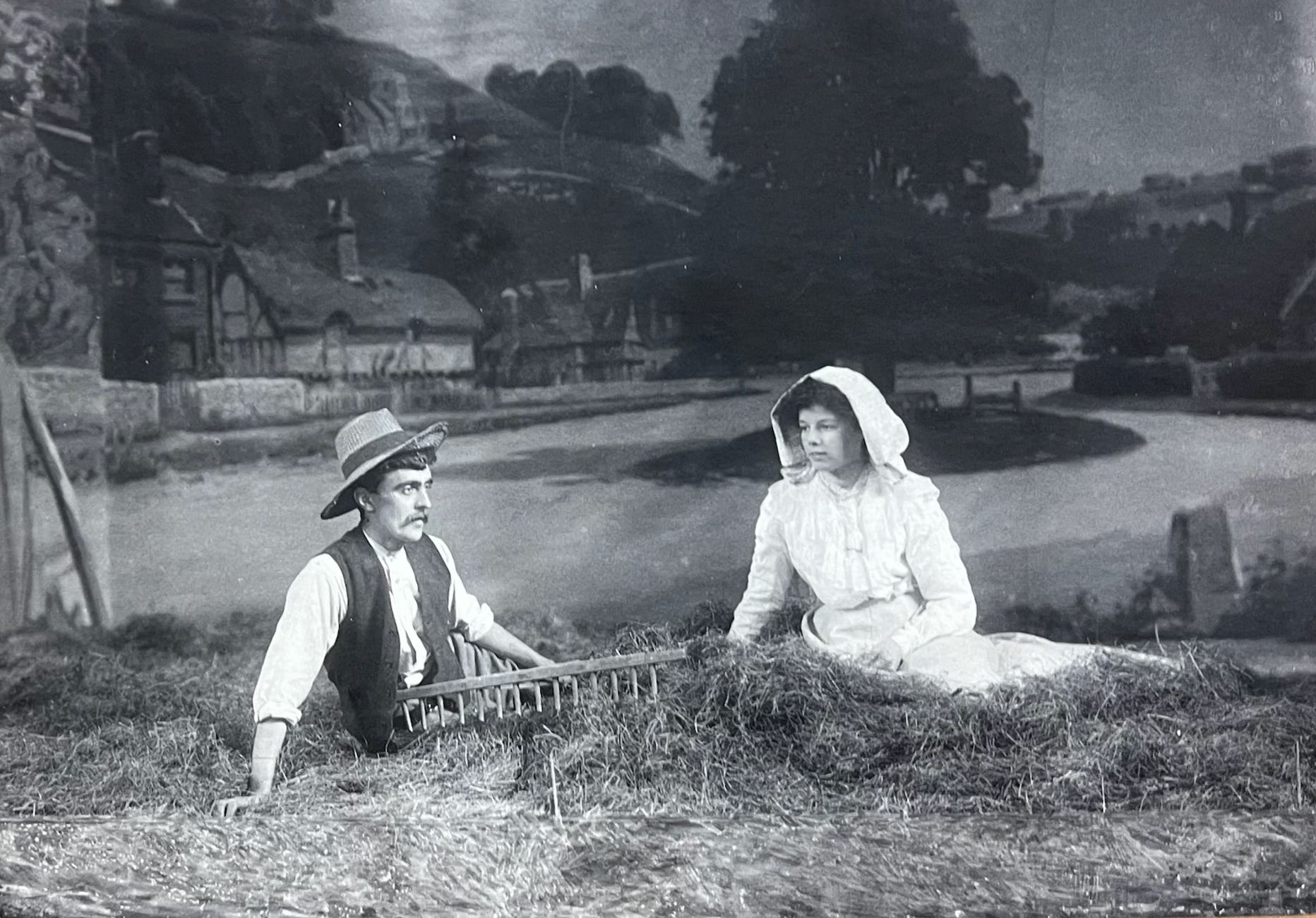
Countrystride #162 is live. ...In which we visit springtime Allan Bank to explore the forgotten phenomena of the Grasmere dialect plays – celebrations of Westmorland dialect and life that put Lakeland on the national cultural map for nearly 40 years – and the woman behind them, Eleanor Rawnsley (née Simpson), second wife of Canon Hardwicke Rawnsley. More at CS.
Countrystride friends and place-based artists Rob and Harriet Fraser are the latest guests on the new Mountain Stories, Mountain Futures podcast talking about using poetry, photography and walking methodologies to interpret the Lake District fells. The pod is produced by a team of mountain enthusiasts and academics that includes Countrystride alumnus Jonathan Westaway, who we summited Great Gable with in episode #21.
Three quarters of woodlands and more than a third of ancient trees in England are out of bounds to the public, according to campaign group Right to Roam. It wants the Government to introduce a Scottish-style right to roam across Great Britain and has called on people to join mass woodland trespasses staged by local groups across the country to highlight the issue. More from The Guardian.
[Sorry to mention the C word, but] Christmas isn’t coming early for anyone who enjoys a lights switch-on party. In Windermere and Bowness volunteers have said they won’t put up their lights in 2026 due to work and family commitments, while north of the Raise, the Friday switch-on party at Keswick is moving to a week night in an attempt to reduce visitor numbers and allay safety fears. More from the BBC.
The Quaker Tapestry Museum in Kendal is set to reopen. The museum, which displays around 40 embroidered panels from a 77-panel tapestry exploring the Quakers’ influence on the world, closed in November due to high running costs just a month after winning a Cumbria Tourism award for best small visitor attraction. Now a group of volunteers will open the museum on Wednesdays from 6 May until the end of August, and hopefully beyond. More from the BBC.
The year-long search for a new doctor to run Coniston’s GP service could be over. Last year the parish council and local residents worked with filmmakers to create an ad (above) showcasing the attractions of the village to potential applicants. By February no-one had applied for the role, vacated after the previous tenants of Coniston Medical Practice handed back their contracts to the NHS last August. But NHS Lancashire and South Cumbria Integrated Care Board said it was in negotiations with an interested party. More from the BBC.
Cumbria has two of the UK’s cheapest postcodes for home buyers. According to a report by Sell House Fast, Millom (LA18) has the third cheapest price per square metre (£1,398), while Cleator Moor (CA25) comes in sixth at £1,539. More from Times and Star.
Grasmere will be the most popular spot for UK travellers this summer, according to TripAdvisor. The website uses searches made between February and April as the basis of its Summer Travel Index, and the gingerbread capital / “nature paradise” tops its UK destination list. Holiday-seekers may have missed the news that neighbouring Ullswater is the place to be this summer: TimeOut magazine recently named it the sixth most beautiful place in the world on a list that included three UK locations in its top 20.
And finally… Do you know the difference between a naturist and naturalist? Organisers of the Cumbria Nature Festival in Workington are keen to avoid any potential awkwardness…
Know someone who loves Cumbria and the Lakes? Share Hefted for free.
No posts
Comments
Nothing yet. Say the first thing.
Sign in to join the conversation.