
The best thing about conferences is often not the talks but the conversations in between. And so it was at the HSE Global Series in Prague in November that a colleague handed me a poem I’d never heard of—An Invitation to a Brave Space. It landed immediately. It crystallised something I think many us feel: despite all our training, frameworks, and good intentions, we are still human beings trying to work with other human beings.
We’re imperfect. We carry wounds. We misread each other.
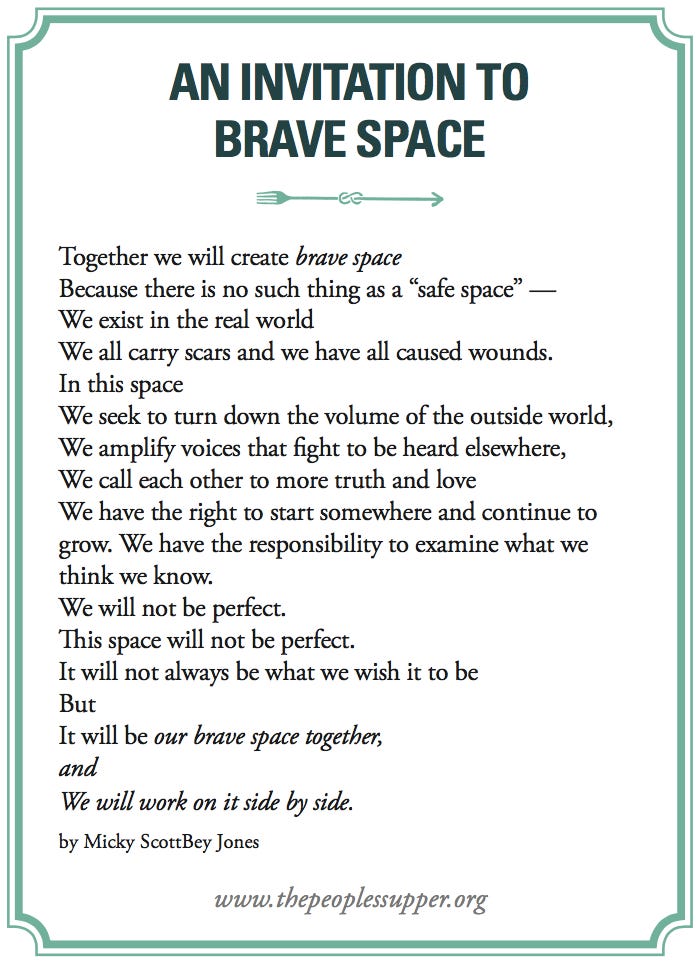
The poem made me think about two things 1. the widespread misunderstanding of psychological safety, 2. the unacknowledged cultural shift from intention to impact, and the polarisation and blame that shift has produced.
Many of us now move around each other as if on eggshells.
What hope do any of us have, in workplaces (and a world) full of change, if we can’t bring honesty into our interactions?
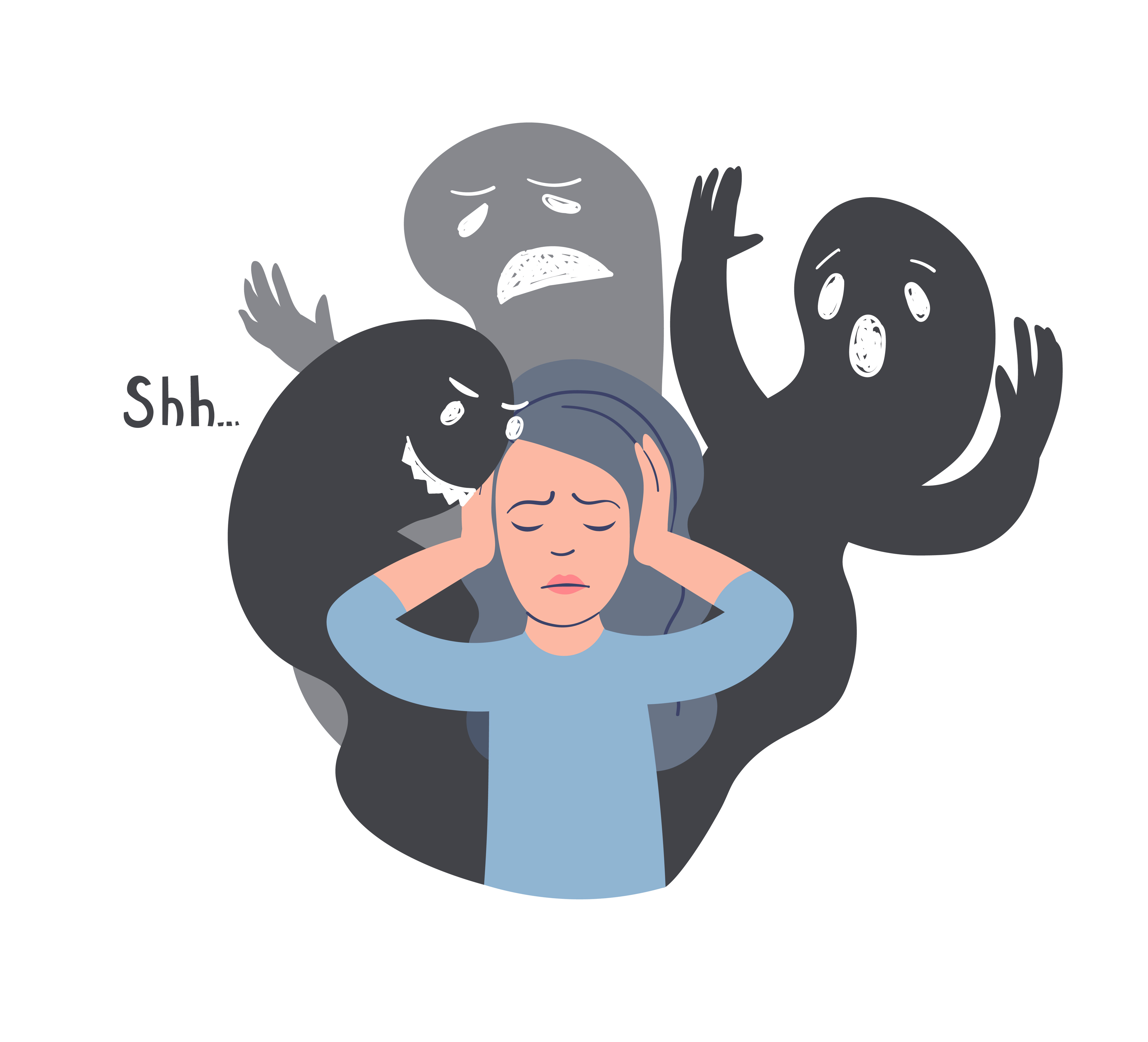
One of the biggest unseen cultural shifts of the last decade is how we interpret behaviour.
We once took intention into account. We understood clumsy delivery, stress or lack of knowledge/nuance. We assumed people “meant well” unless they clearly didn’t….
Now, if someone feels hurt or offended by another’s delivery or opinion or language, that person may be considered toxic, unsafe, narcissistic.
But here is the thing…
I know I have been what some people would describe as “toxic”—just as others have been to me.
Sometimes it’s stress. Sometimes it’s two sets of wounds colliding. As the poem reminds us, we all carry our own wounds…. we will not be perfect
But culturally, we’ve stopped allowing for this complexity. The sociologist Frank Furedi, who I first heard speaking about safety at the EHS congress in Berlin discussed his concerns about the words “safe space” - implying that everywhere outside of that is “unsafe”. He has written about this shift toward emotional protection—where discomfort equals harm and harm must have a villain.

Amy Edmondson’s definition is very clear:
people can speak up without fear of humiliation or punishment in service of learning and performance
Real psychological safety is not about avoiding tension but requires:
truthfulness on both sides
courage to express what’s uncomfortable
guard rails—respect and accountability
But as impact has overshadowed intention culturally, psychological safety has quietly morphed into “being nice.” Teams avoid directness. Leaders soften truths. Disagreement feels dangerous.
The poem’s opening—“Together we will create brave space”—reminds us psychological safety isn’t a leader lowering the temperature for everyone else. It’s a mutual act of courage.
Brave space assumes:
we will speak imperfectly
we will hear things we don’t want to hear
we bring our wounds with us
we repair rather than retreat
Here are practical ways leaders can embody brave space:
Pause long enough to ask: Is this hitting an old wound?
Self-awareness is our most important duty as a leader
Ask: “What were you trying to achieve here?”
It slows down blame and opens up dialogue.
Kindness without clarity is not leadership.
Say the difficult thing, but say it with compassion/steadiness
Invite dissent. Thank people for challenge.
Model receiving truth without collapsing or retaliating.
Psychological safety isn’t a free-for-all; it’s candour with respect.
Apologise cleanly. Repair openly.
That models more psychological safety than perfection ever could. (I know in the foreword for my book, written by a former colleague, Lauren Applebey she made it clear I often didn’t get it right - but always cleaned it up afterwards)
Brave space isn’t created by eliminating discomfort.
It’s created by leaders who can hold discomfort—their own, and other people’s—
with compassion, clarity, and courage.
No posts
Comments
Nothing yet. Say the first thing.
Sign in to join the conversation.