
Harvested any wild foods lately?
Last weekend I had the good fortune to attend a truly incredible weekend workshop with the inimitable Sam Thayer, a luminary of the foraging world. He hosts small groups of foraging enthusiasts on his property in Wisconsin and teaches about the wild plants growing in the area. In addition to a huge variety of wild plants found in his orchard and garden, he introduced our group to additional plants and wetland vegetables growing a short drive away.
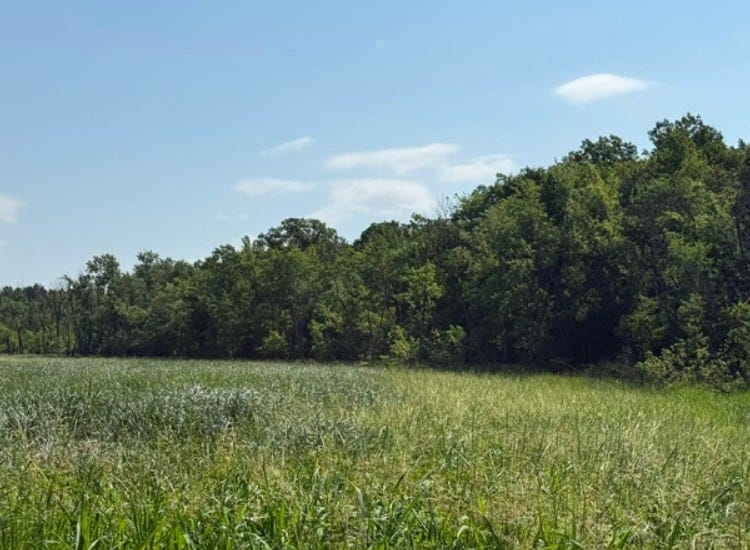
The depth and breadth of Thayer’s knowledge is absolutely astounding. In addition to telling us about dozens of individual plants, he explained how plants typically respond to different conditions, how ecosystems and humans have interacted, and how the language used to describe and categorize plants has shaped our understanding (and often misunderstanding) of them.

On top of many hours of fascinating lectures and conversations with classmates, students ate meals prepared by Sam’s daughter that incorporated our foraging finds, including tender greens, flavorful herbs, and some intriguing parts of wetland plants I’d never encountered before.
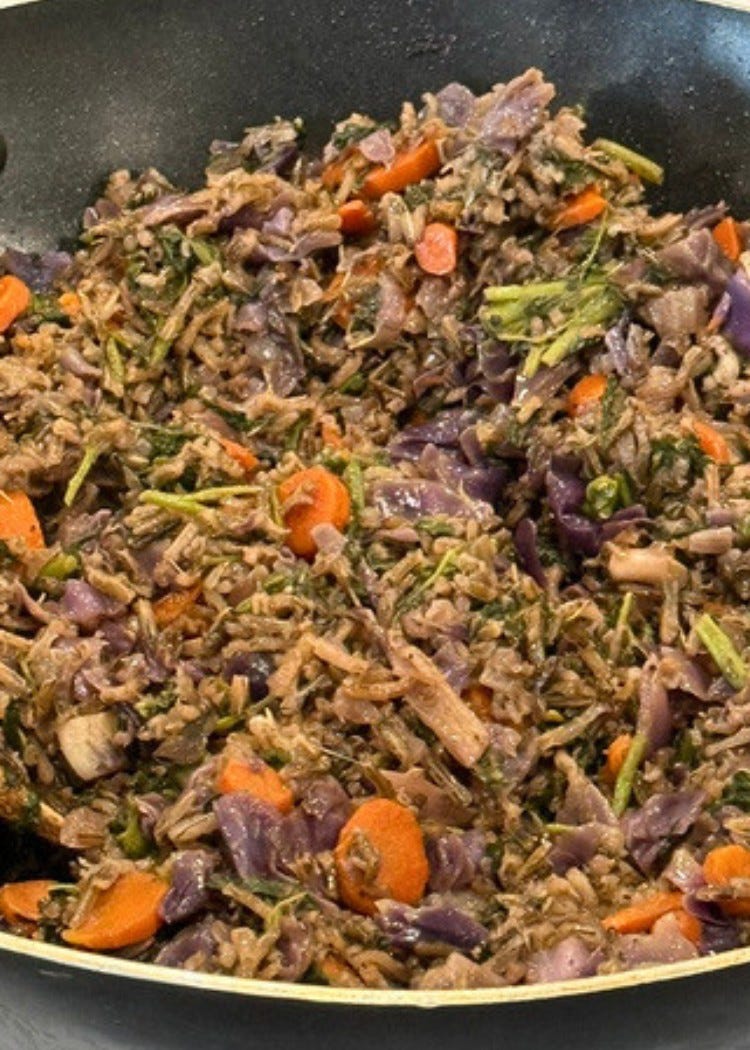
To celebrate the bounty of wild plants in summer, I thought I’d share some collections of recipes featuring wild foods I’ve assembled over the years, featuring some top wild edibles you can find right now, including some that might already be growing in your garden.
Along with crops you planted in your garden, consider using some of the tasty wild plants (’weeds’ to gardeners who haven’t yet discovered their virtues) growing in between them. Some, like purslane, I actually encourage to spread so I can enjoy a bonus harvest of this extremely nutritious plant.
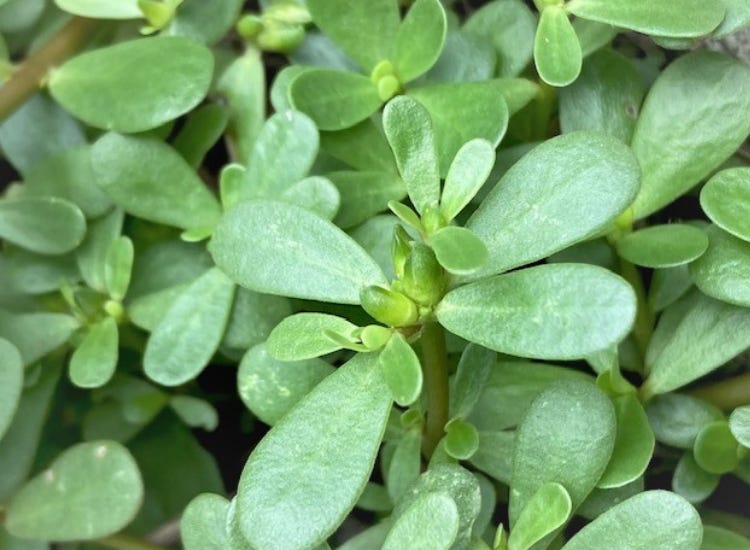
Here’s how to identify purslane if you’re not already familiar with this ubiquitous and tasty wild plant. Once you’ve gathered some up, this collection of purslane recipes offers some ways to use it:
20 Purslane Recipes to Try This Season
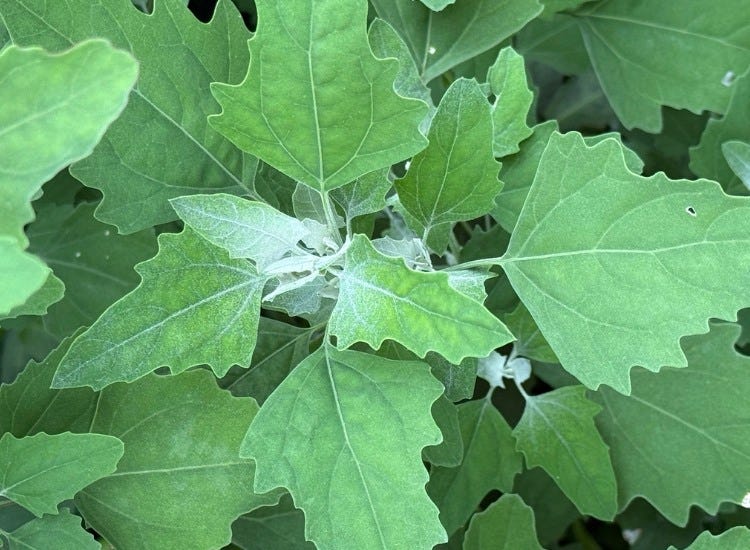
Another excellent wild plant you’re likely to find right now is lambs quarters, also known as wild spinich. It’s an excellent substitute for garden spinach, which often struggles in the heat of summer. Many gardeners I know have stopped bothering to plant spinach and grow lambs quarters instead. Here’s a guide to identifying ambs quarters if you want to give this wild green a try.
Some of my lambs quarters plants grow as tall as me, offering abundant leaves every time I want some extra greens.
Here are 30 lambs quarter recipes you can try them in.
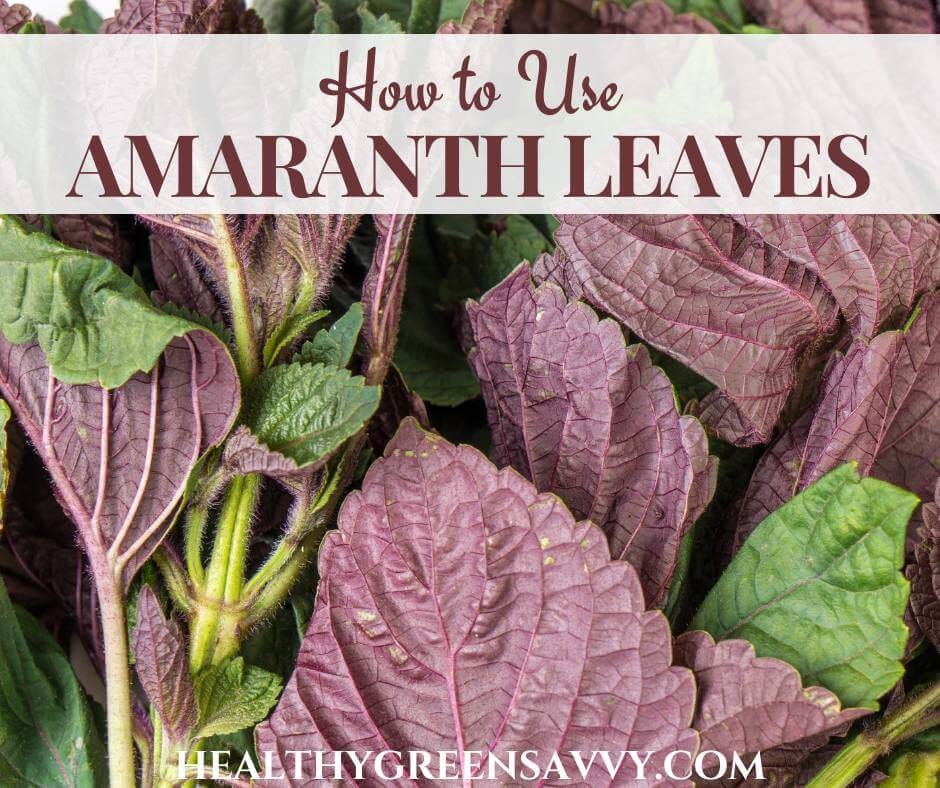
One last common ‘weed’ taking off right now is wild amaranth, sometimes known as pigweed. Like purslane, it’s valued as a nutritious and delicious vegetable in many parts of the world.
Here’s what to know about using amaranth, plus recipes.
Mulberrries are still coming in, and if you can get your hands on enough that you don’t just eat them all up fresh, here’s a collection of mulberry recipes you can check out.
Want something a little different in your tea cup? Many common plants make delicious tea. Here are some options for wild tea you can forage.
Hope you’re enjoying some yummy summer foods this week!
Susannah
Posts sometimes contain affiliate links. When you make purchases using these links, you help support HealthyGreenSavvy at no additional cost to you. Thanks so much for helping to support this small business!
No posts
Comments
Nothing yet. Say the first thing.
Sign in to join the conversation.