
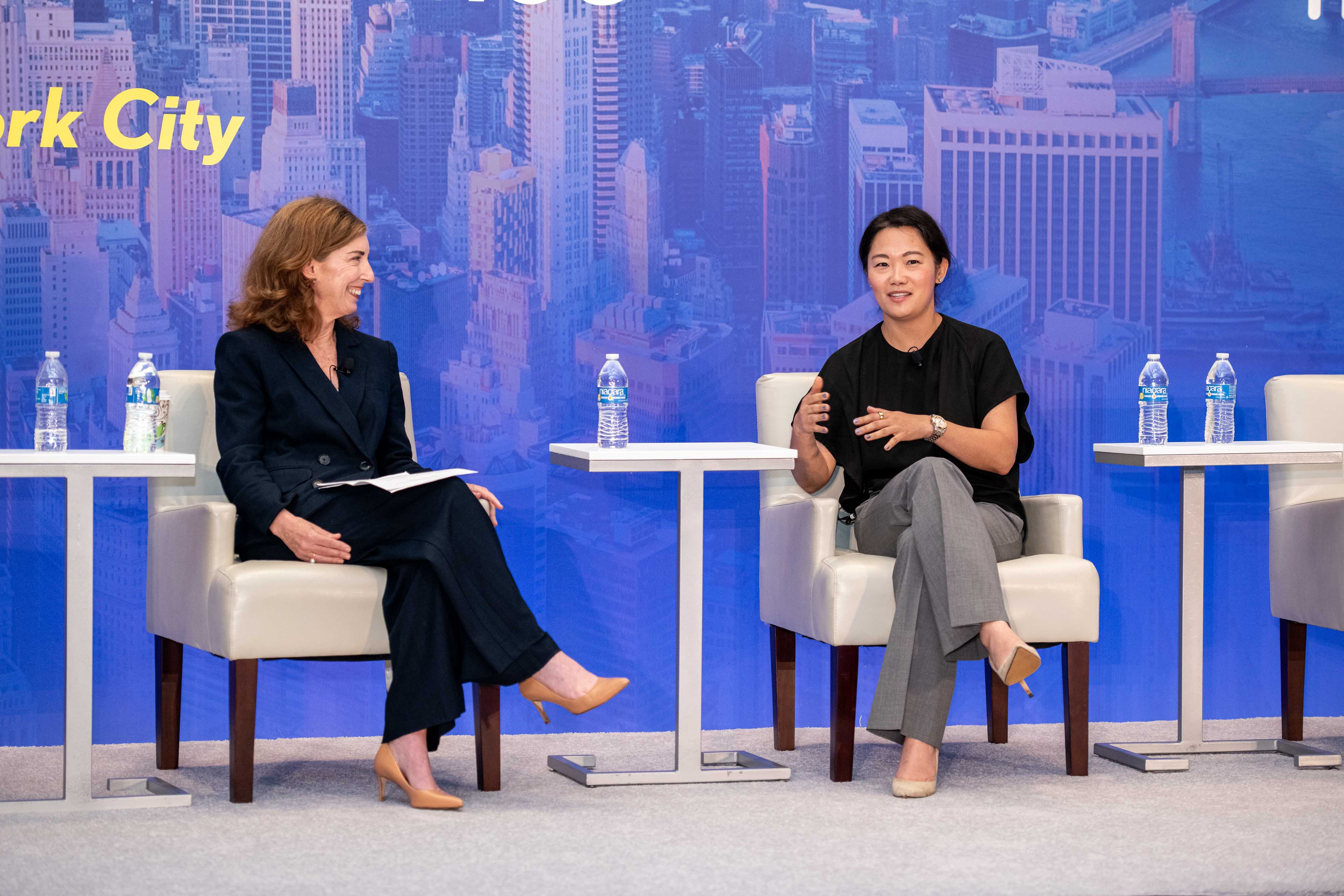
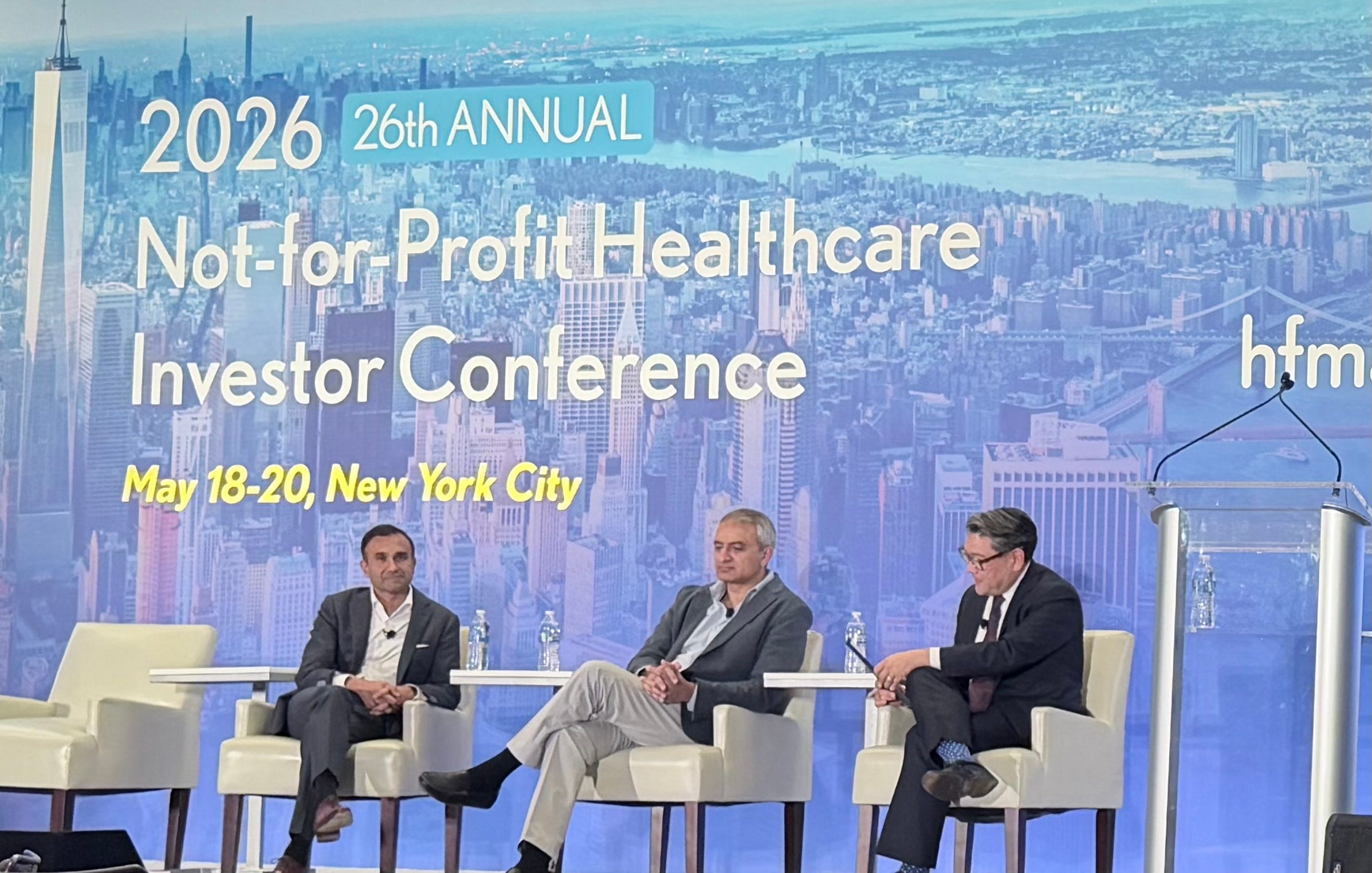
Field notes from HFMA/Barclay’s Hospital Conference in NYC and The Leadership Institute in Chicago:
Health systems are now among the fastest AI adopters in healthcare. Most are well into “Phase I”, having implemented at least some basic forms of admin automation, patient engagement, and clinical decision support.
The interesting conversations were about what comes next:
The premise of our Infinite Healthcare thesis: AI Care can flip our industry’s paradigm from “higher utilization is bad” to “higher utilization can be good” because we can deliver it at deflationary prices and preempt deteriorations in health. For health systems, this means being able to serve existing patients 10x better, while also serving entirely new customer bases with new services. The most forward-leaning health systems are doing both.
A concrete example from Munjal Shah and Dr. Shoeb Sitafalwalla: Hippocratic AI’s “infinite-pilots” (vs co-pilots or auto-pilots) enabled Advocate Health to do things human labor alone never could - like calling every patient lost to follow-up, not just the sickest 10%. When a patient calls to reschedule, the AI also clears any other open tasks while they’re on the line. Clinical and non-clinical issues can be handled through their singular platform - something traditional call centers, segmented by use case, were never able to manage.
A parallel I discussed with Jennifer Mitzner of Baylor Scott & White: the principles that help a provider succeed in value-based payment look a lot like those of best-in-class AI-native consumer businesses - personalized experiences, proactive engagement, predictive recommendations, profitable membership-based subscription models. Could the highly engaging nature of AI products enable a new performance standard in VBC?
And with Michael Sanky of Databricks: incumbents have a competitive advantage in the age of AI with their proprietary data assets. But they also have the burden of significant workforce and change management implications of going AI-native. The jobs of doctors and nurses will be unbundled and repackaged, just like the “scopes of practice” of PMs, designers, and engineers are evolving in the tech world.
At the current pace, AI will likely be able to practice basic urgent and primary care autonomously very soon - if not already. So it’s no longer a question of whether the tech can get there - it’s whether regulation can be clarified (federally and across 50 states), whether unions get comfortable, and whether AI-forward payment models can scale and show profit that stands between us and Infinite Healthcare at scale.
Comments
Nothing yet. Say the first thing.
Sign in to join the conversation.