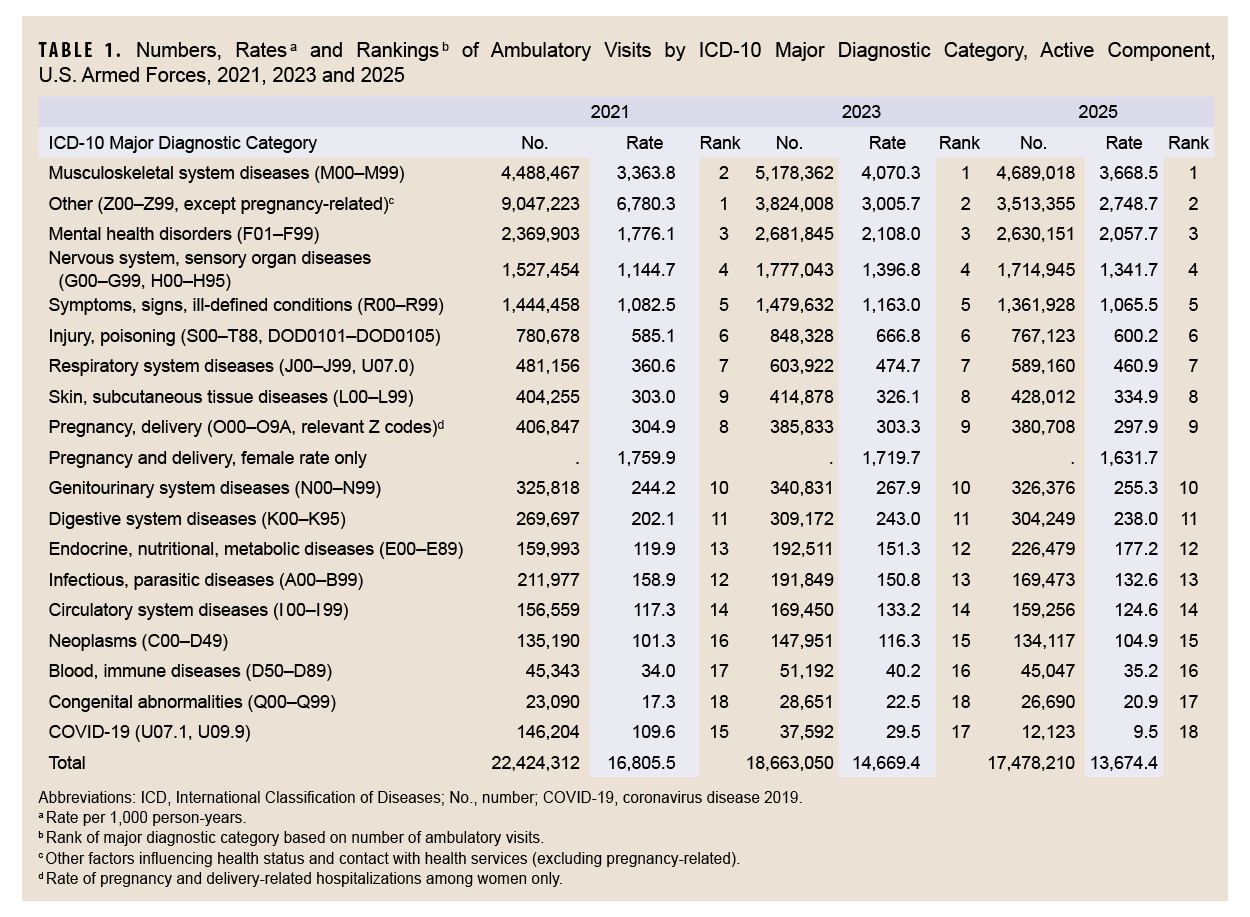
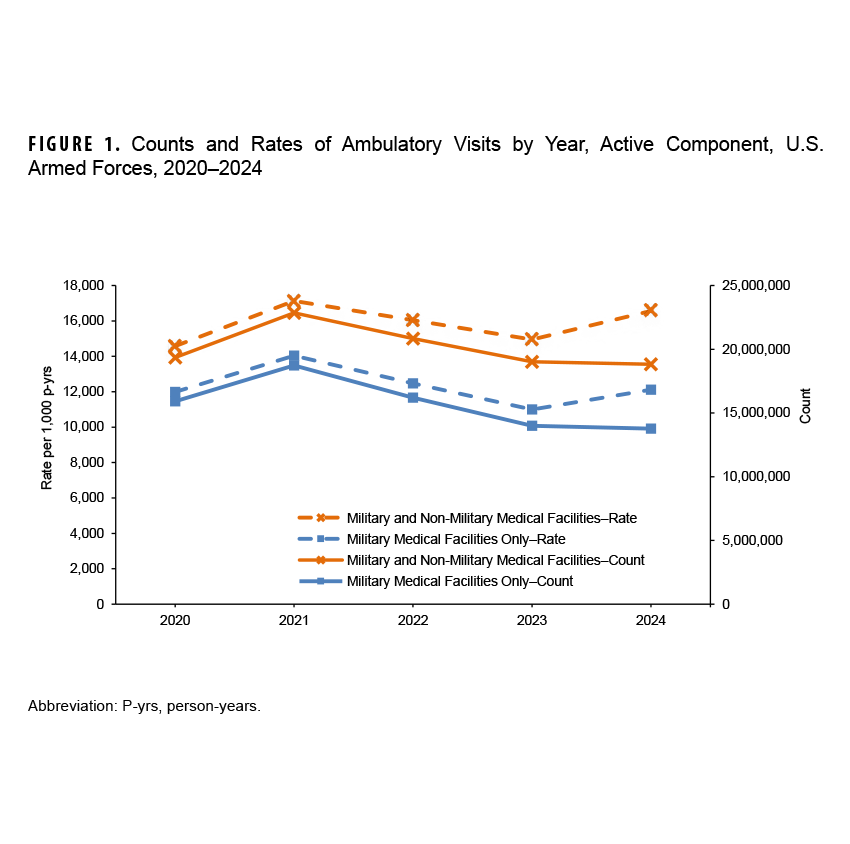
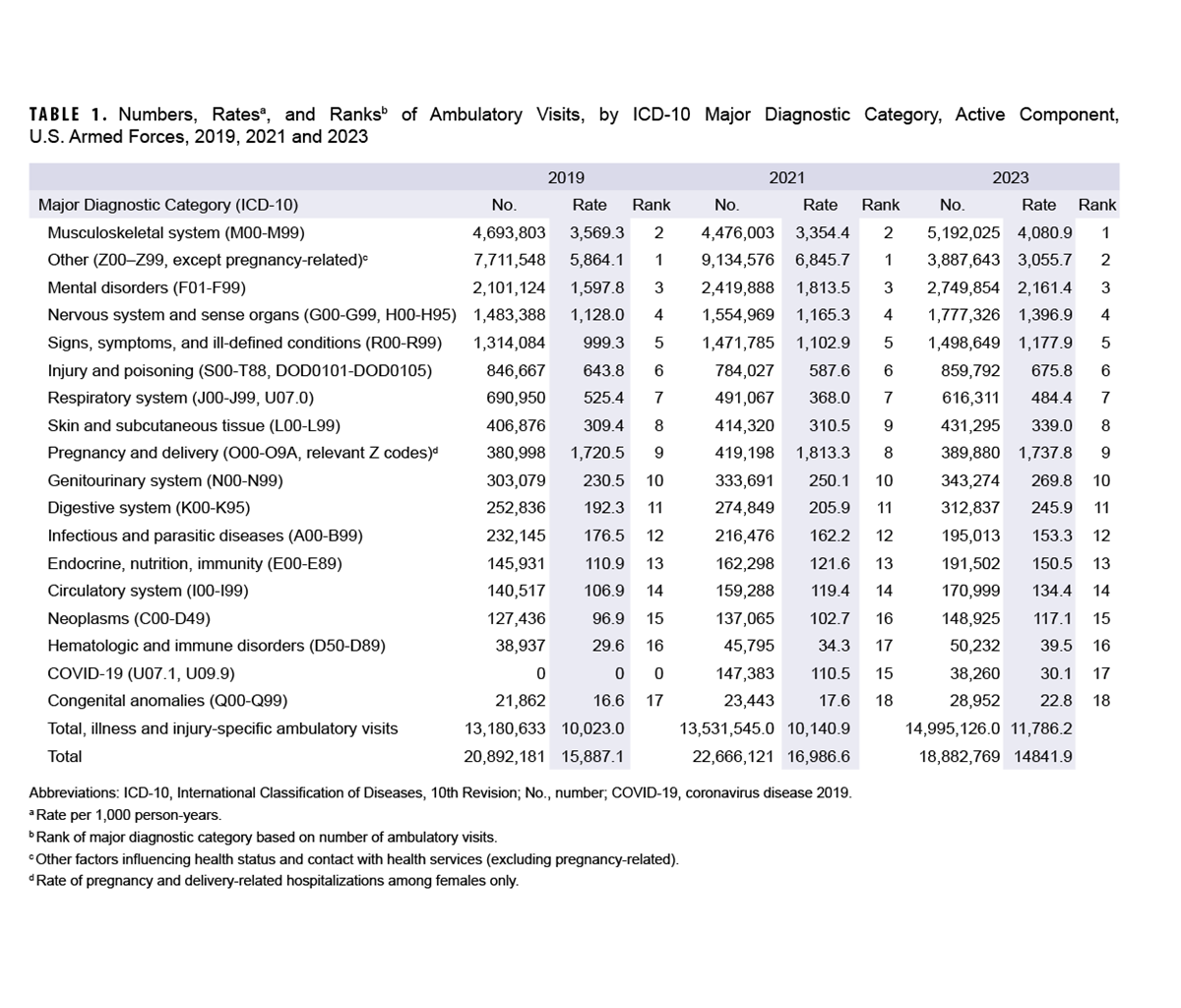
What are the new findings? In 2025, U.S. active component service members (ACSMs) completed 17,478,210 ambulatory, or outpatient, visits for health care, yielding an annual rate of 13.7 visits per person-year (p-yr). Over the previous 4 years the rate of ambulatory health care encounters steadily declined, driven primarily by sharp post-pandemic reductions in COVID-19 and ‘other’ administrative…
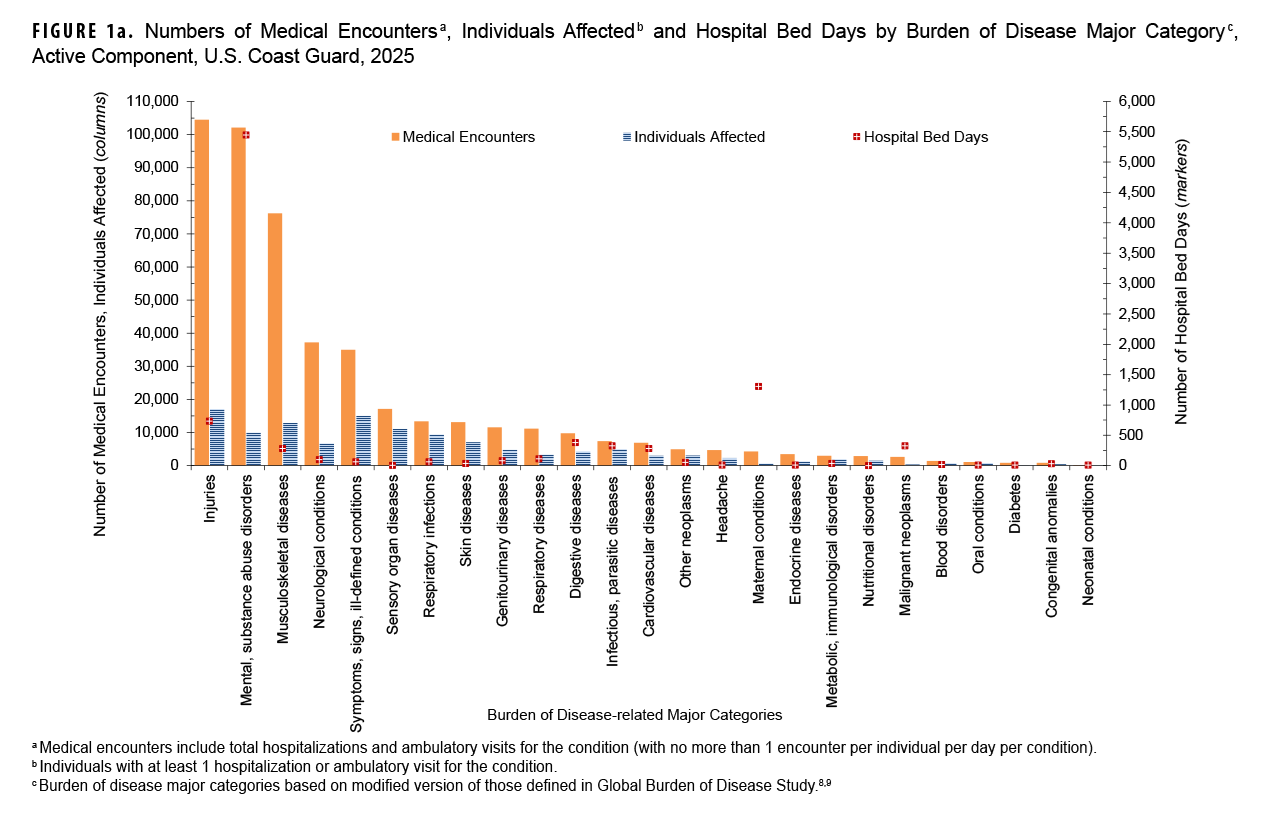
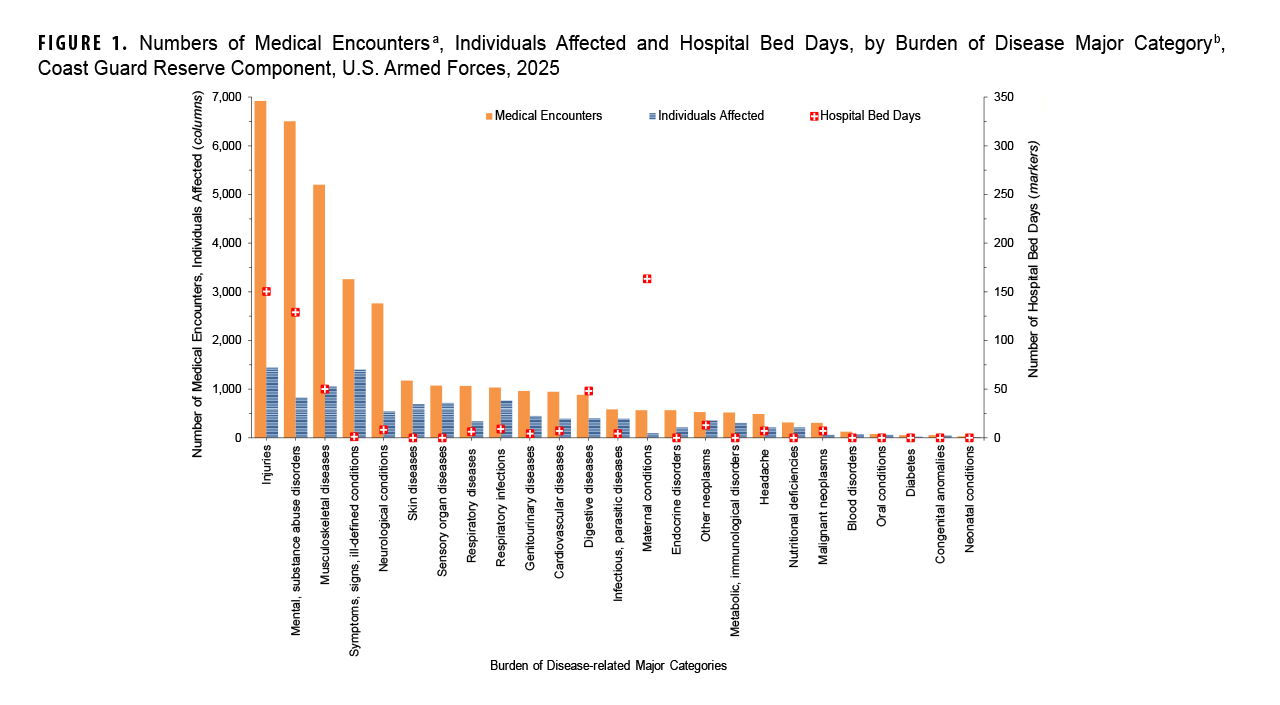
What are the new findings? In 2025, injuries, mental health disorders, and musculoskeletal system diseases were the categories of medical conditions associated with the most medical encounters, greatest numbers of members affected, and largest numbers of hospital days among active duty U.S. Coast Guard members. The morbidity burdens of Coast Guard members in 2025 are similar to those reported for…
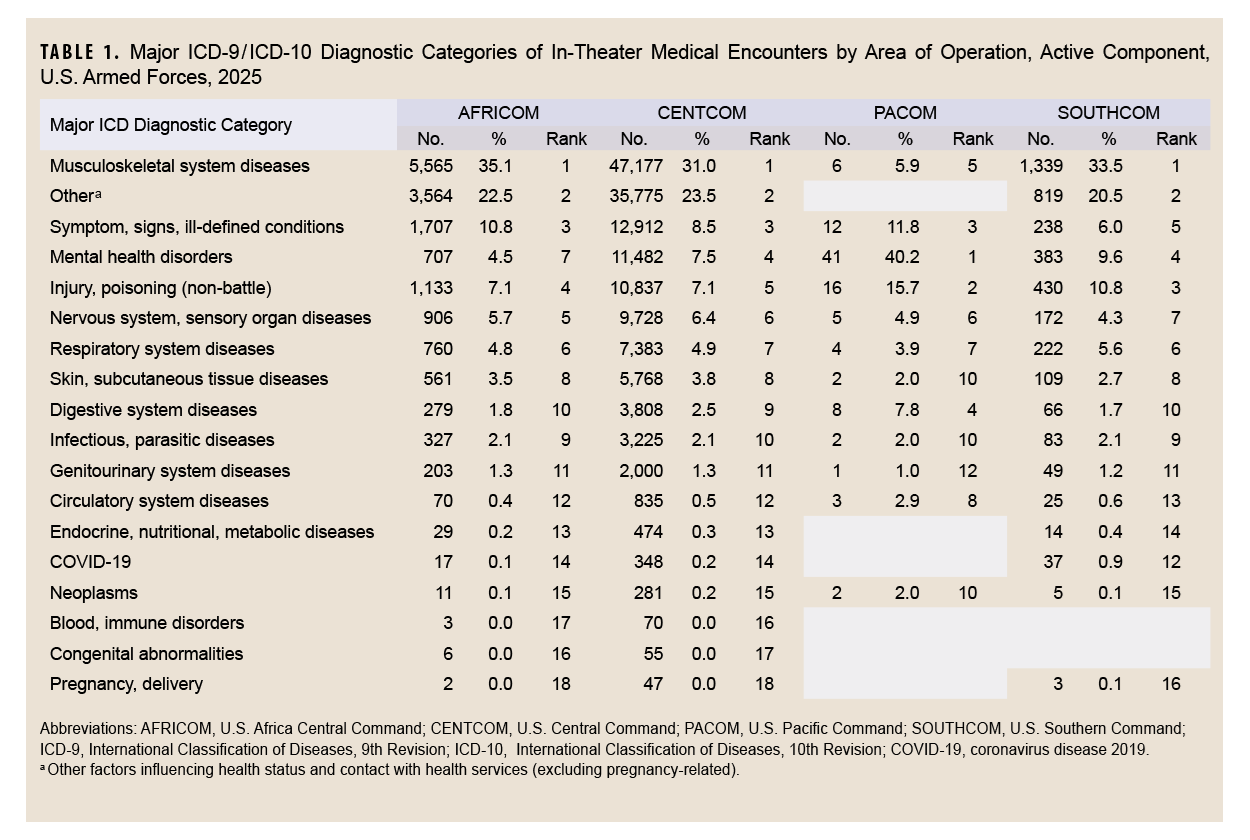
What are the new findings? In 2025, musculoskeletal system conditions were the leading cause of in-theater medical care in U.S. Africa Command (AFRICOM), U.S. Central Command (CENTCOM), and U.S. Southern Command (SOUTHCOM), while in U.S. Pacific Command (PACOM) mental health disorders were the leading cause of medical care. This year’s expanded analysis, including 4 combatant commands, of deployed…
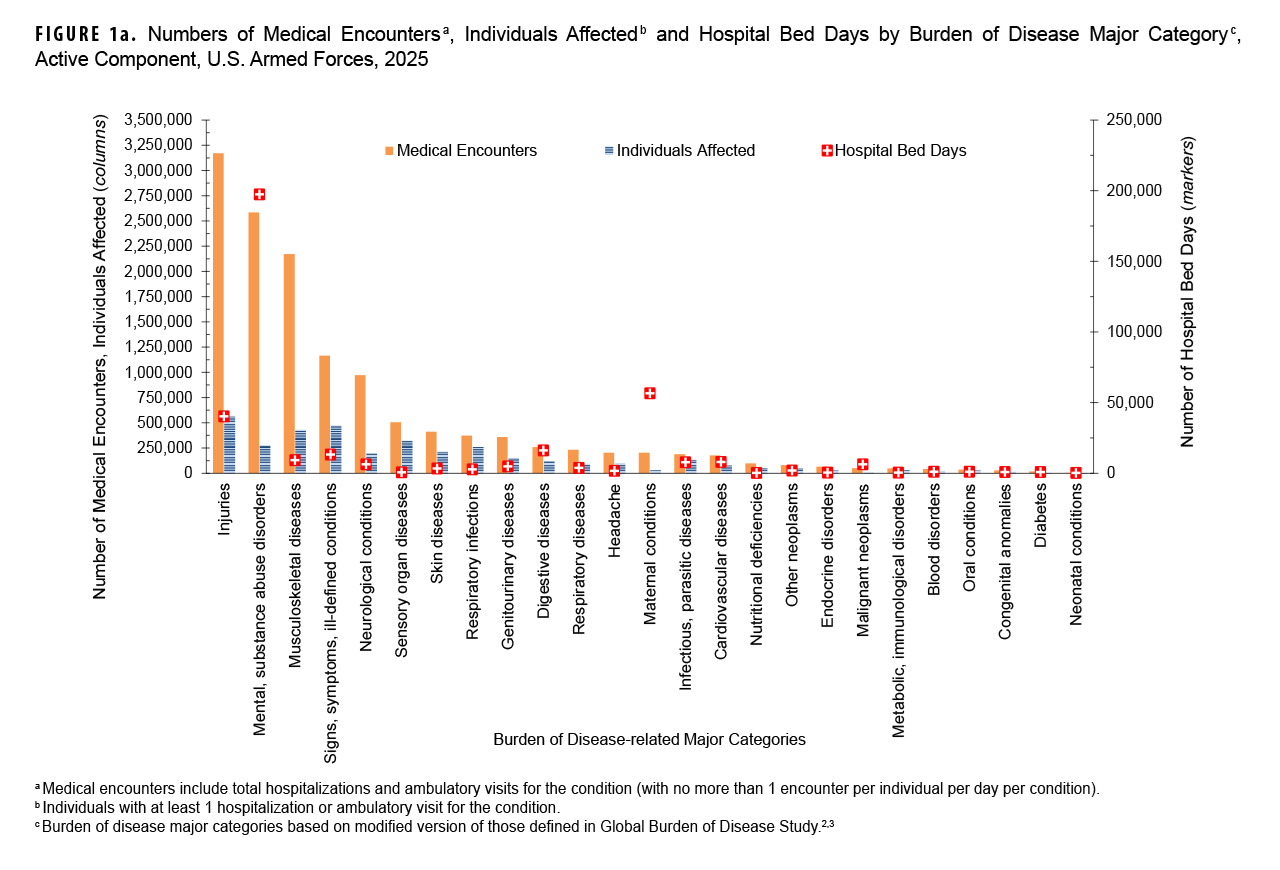
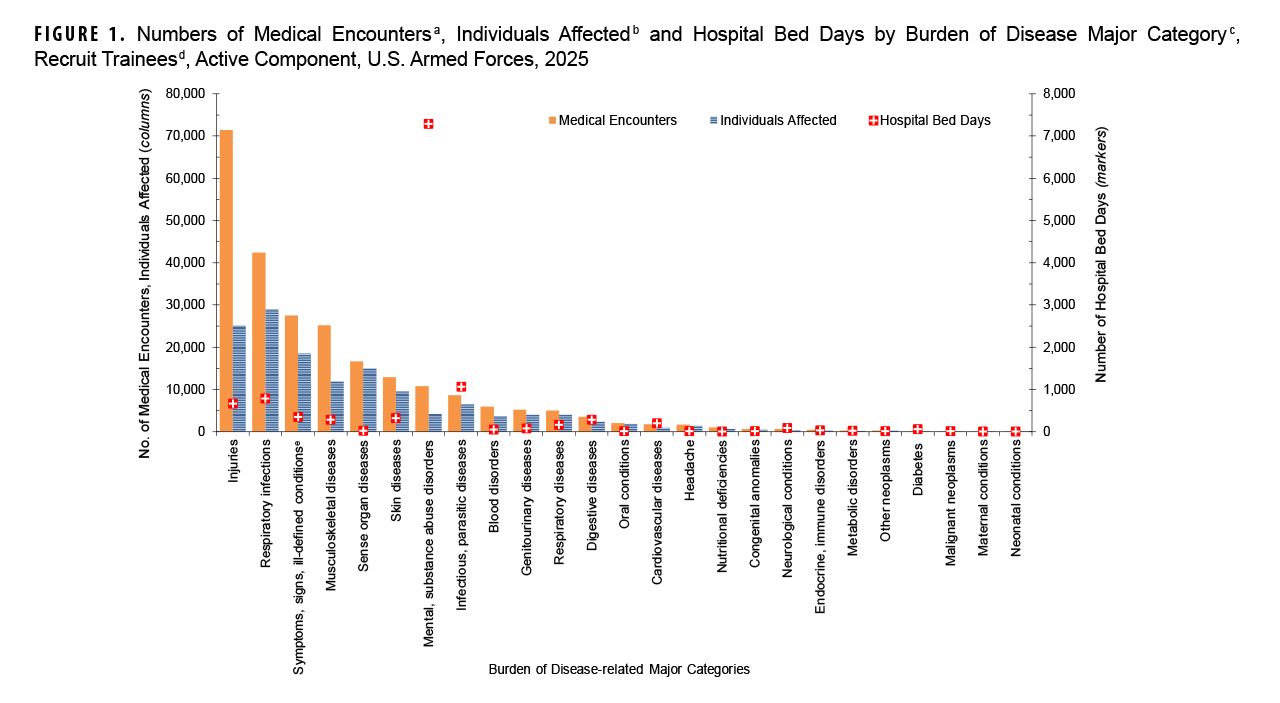
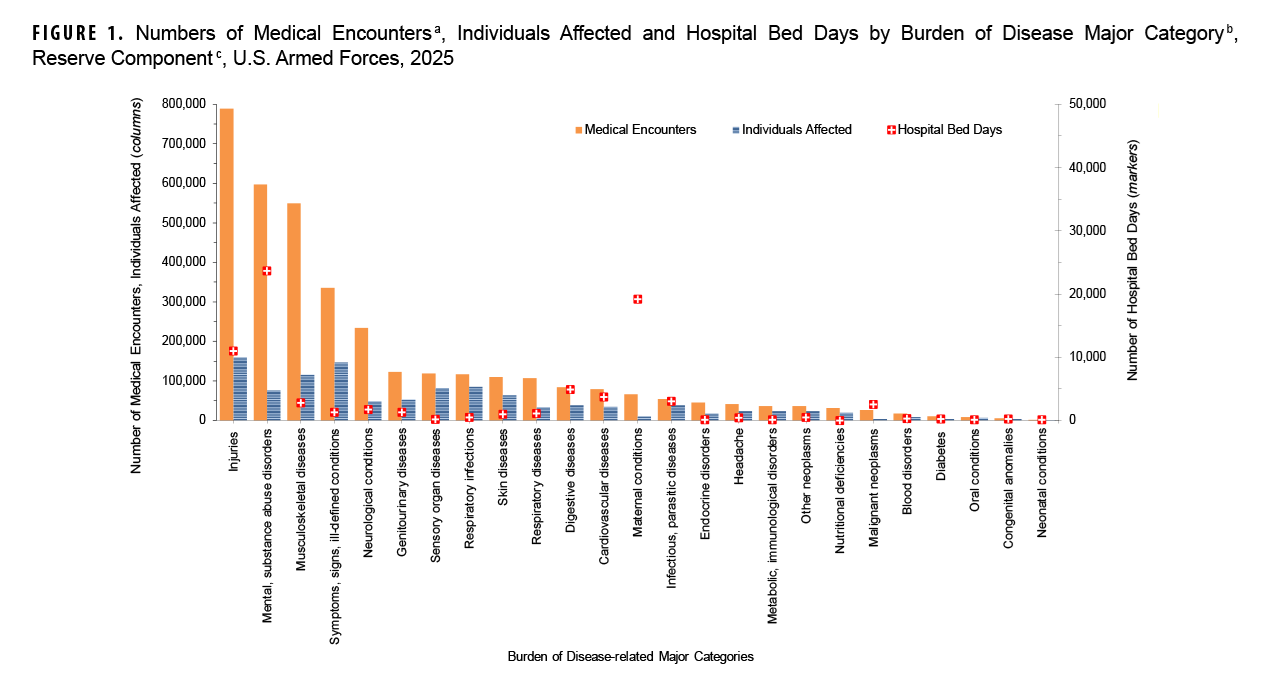
What are the new findings? In 2025, the burden of health care for U.S. service members in the active component was determined by medical diagnostic categories within a limited range: Injuries, mental health disorders, and musculoskeletal diseases accounted for the vast majority of health care provided. This concentration was most evident in ambulatory, or outpatient, care, to which only 5 specific…
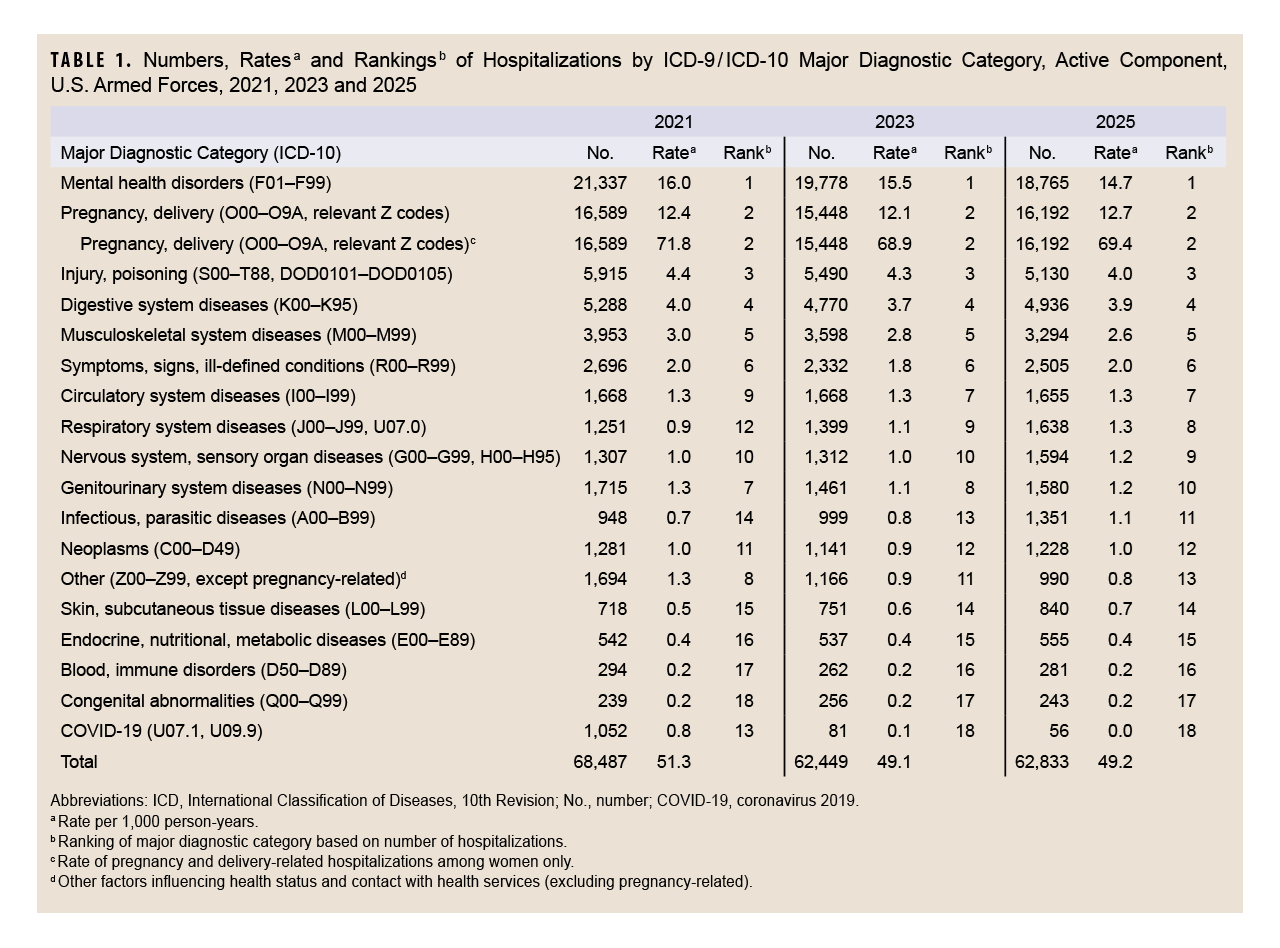
What are the new findings? In 2025, overall hospitalization rates for U.S. active component service members fell to a 10-year low of 49.2 per 1,000 person-years, driven by a pronounced decline in admissions to military hospitals and clinics. While mental health disorders remained the leading cause of hospitalization, this category experienced the largest absolute decline in admissions compared to…
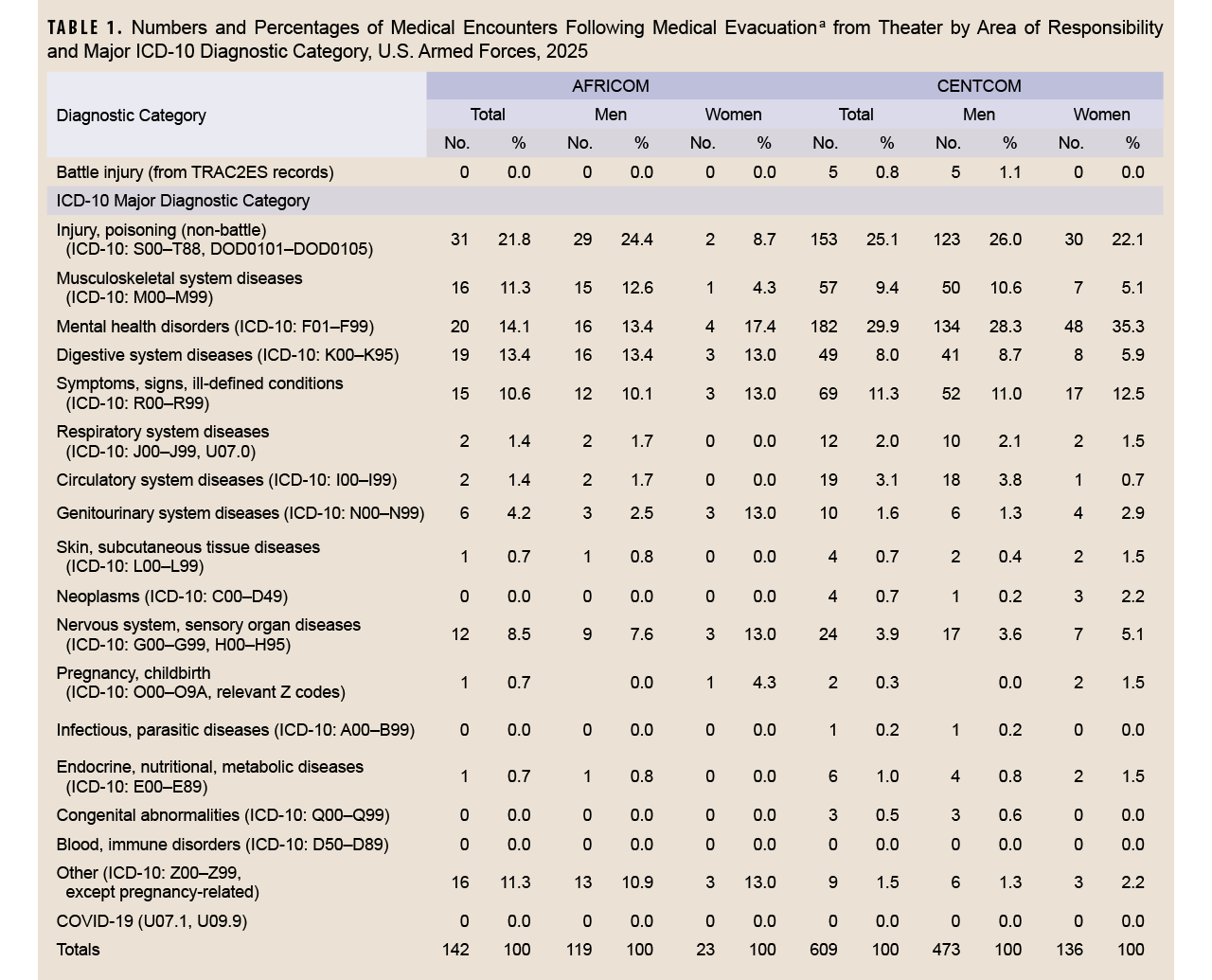
What are the new findings? From 2021 to 2025, disease and non-battle injuries, rather than combat trauma, led to nearly all medical evacuations within 4 U.S. combatant commands: U.S. Africa Command (AFRICOM), U.S. Central Command (CENTCOM), U.S. Pacific Command (PACOM), and U.S. Southern Command (SOUTHCOM). In 2025 CENTCOM and PACOM had the highest volumes of medical evacuations, with mental…
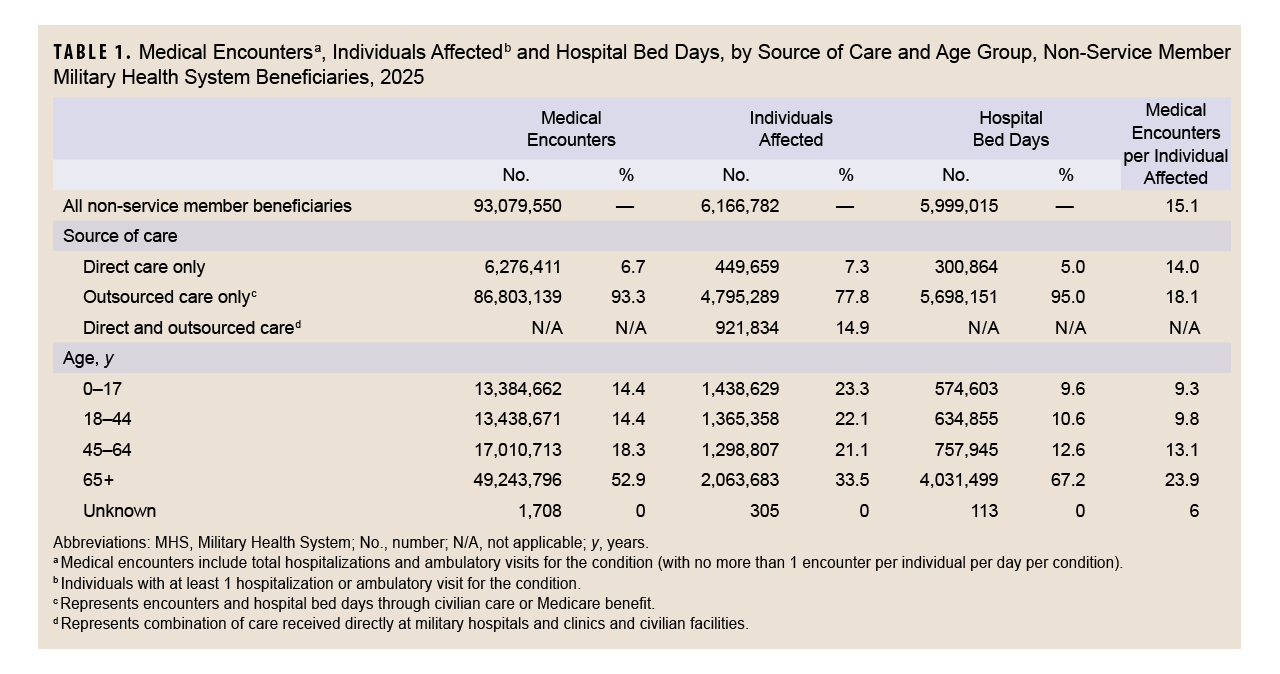
What are the new findings? Analysis of 2025 data reveals that non-service member beneficiaries of the Military Health System remain overwhelmingly reliant upon outsourced care: Roughly 70% of TRICARE-eligible and more than 91% of Medicare-eligible individuals received their health care exclusively from civilian providers. The 2025 data also reveal distinct, age-related burdens of morbidity. While…
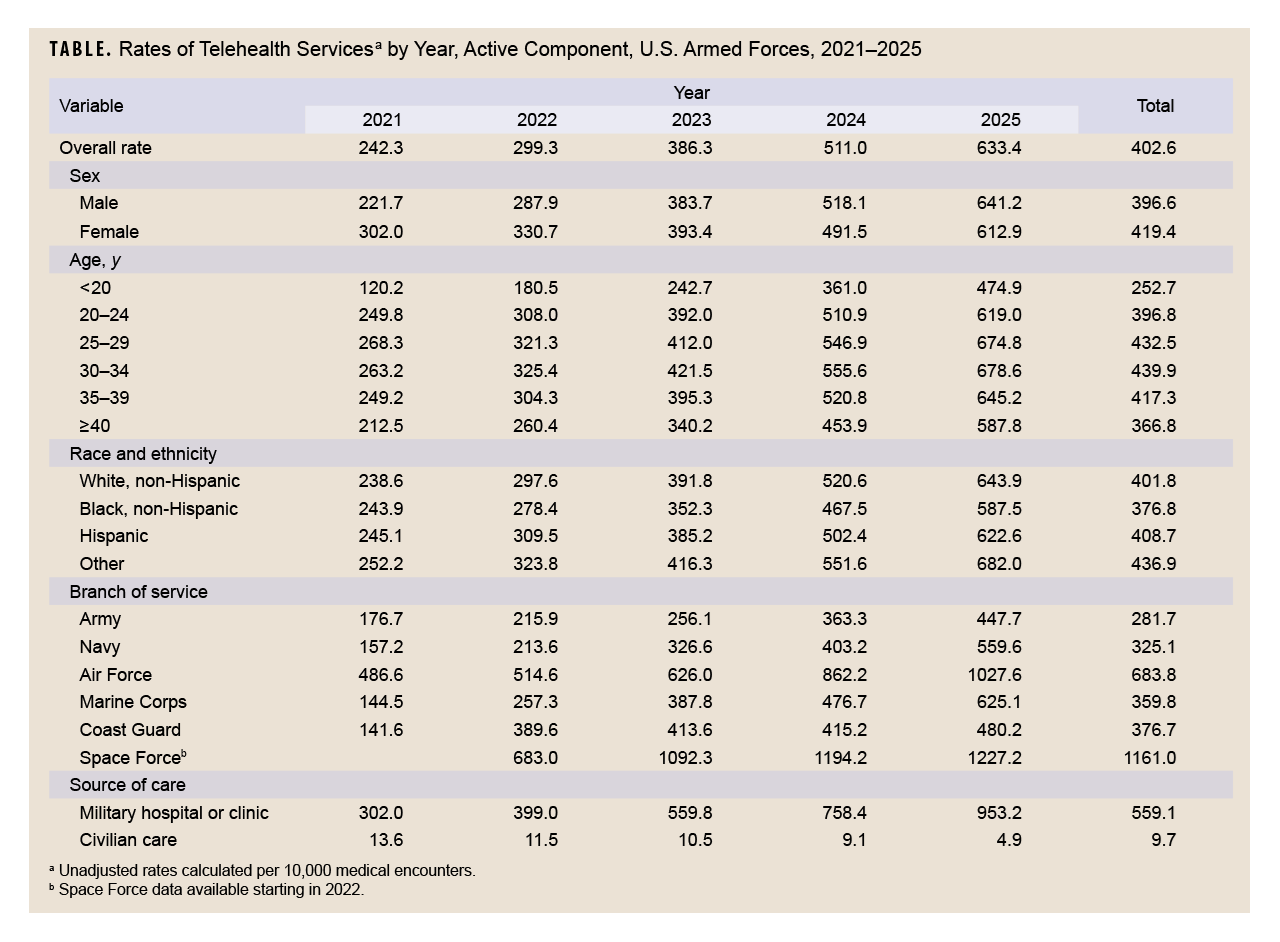
Telehealth in the Military Health System (MHS) has long been an important tool for providing care in deployed and non-deployed settings. 1 The U.S. Department of War uses telehealth for primary care, medication management, 2 and other services including outpatient care. Certain types of care provided at fixed military hospitals and clinics, as well as health care encounters outside the military…
Military medical experts align efforts, focus on warfighter readiness at annual military health worldwide symposium Top Department of War leaders delivered a unified vision of advancing warfighter readiness and enhancing military health during the opening of the 2026 Military Health System Conference, in Dallas, Texas, May 27. The core of the MHS is the operational readiness and health of the…
Military medical leaders, professionals, and civilians who advance warfighter health were recognized at the Henry M. Jackson Foundation’s Heroes of Military Medicine Awards for “laying the next foundation stones, and reinforcing the very groundwork of military medicine for generations to come,” said Keith Bass , assistant secretary of war for health affairs. “Your work saves lives and personifies…
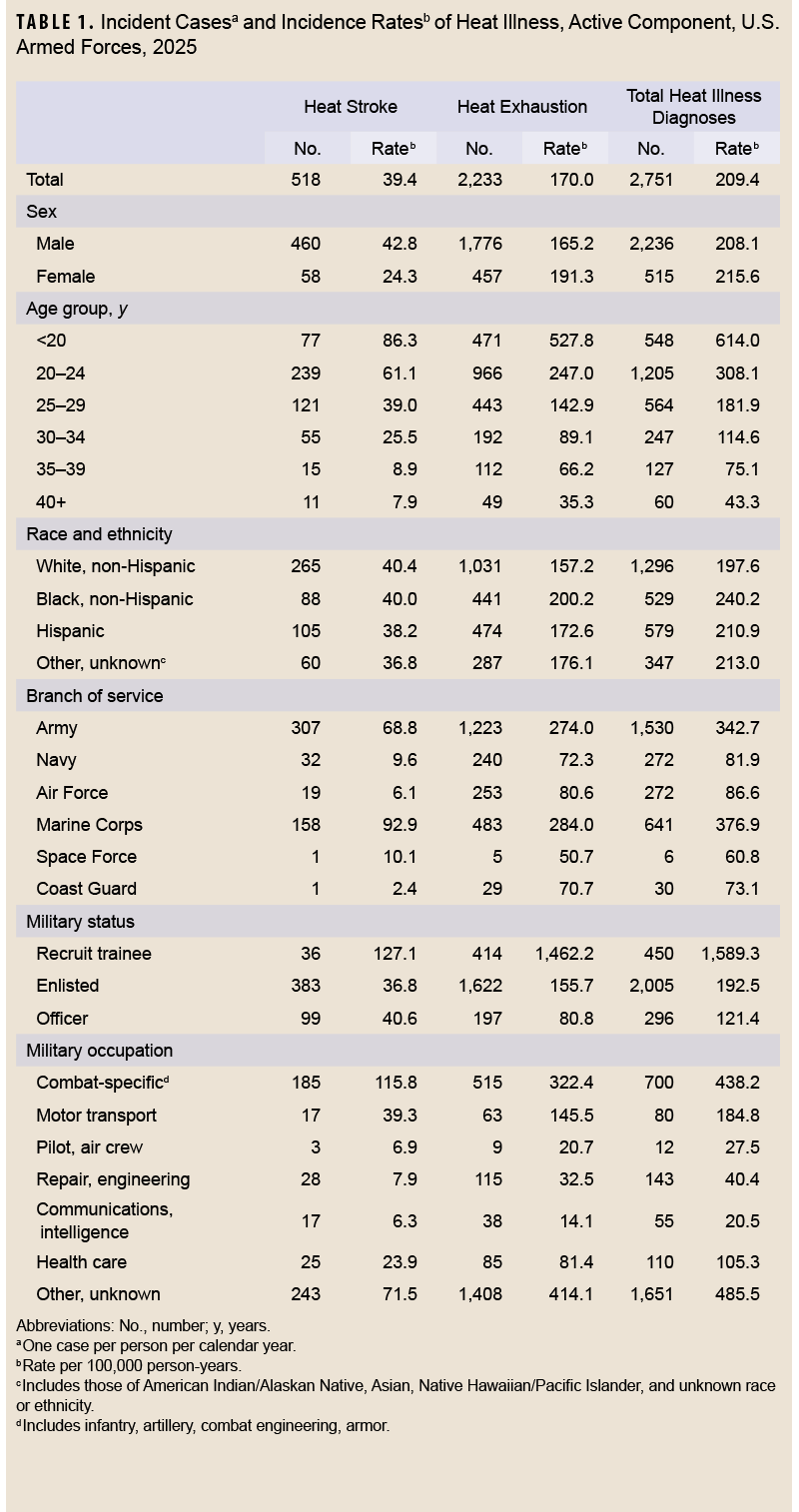
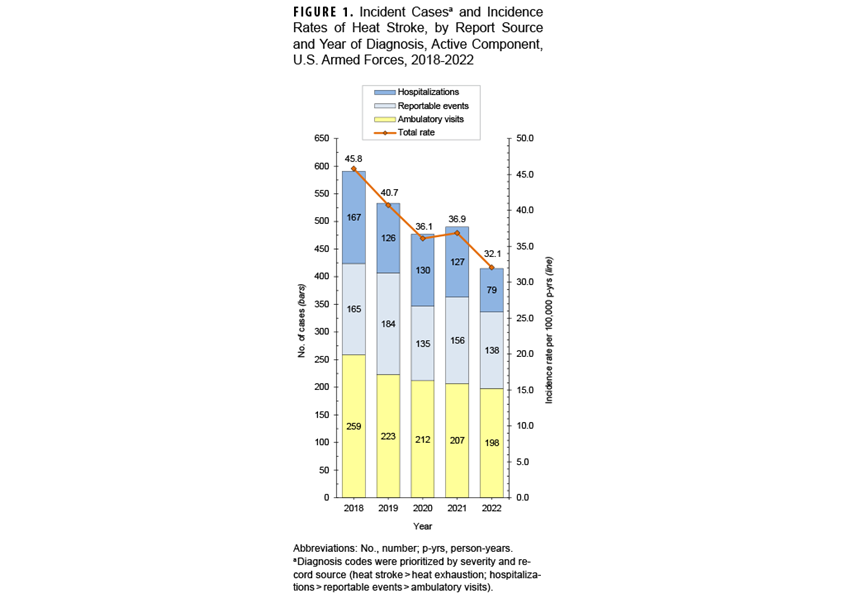
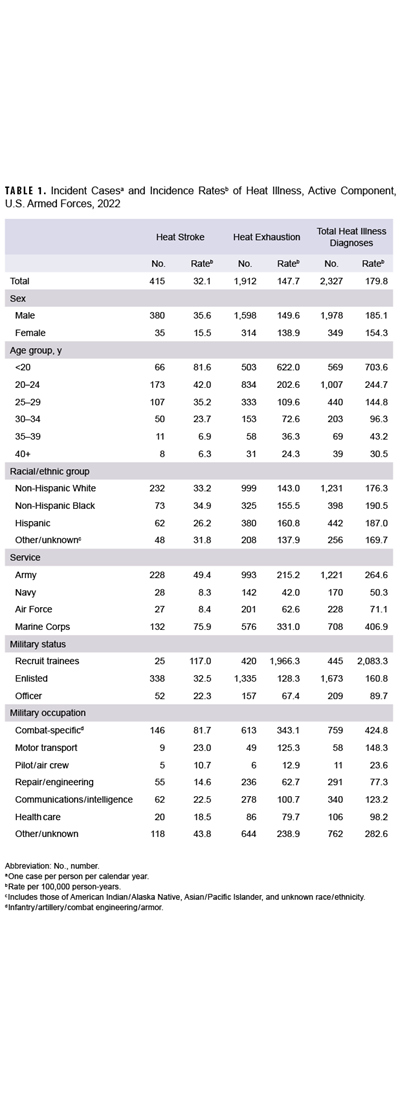
Abstract In 2025, the unadjusted incidence rates of heat stroke and heat exhaustion among U.S. active component service members were 39.4 and 170.0 cases per 100,000 person-years, respectively. The rate of heat stroke increased in 2024 and 2025, after declining for 3 years (2021-2023) at the beginning of the 5-year surveillance period. In contrast, the rate of heat exhaustion decreased in 2025,…
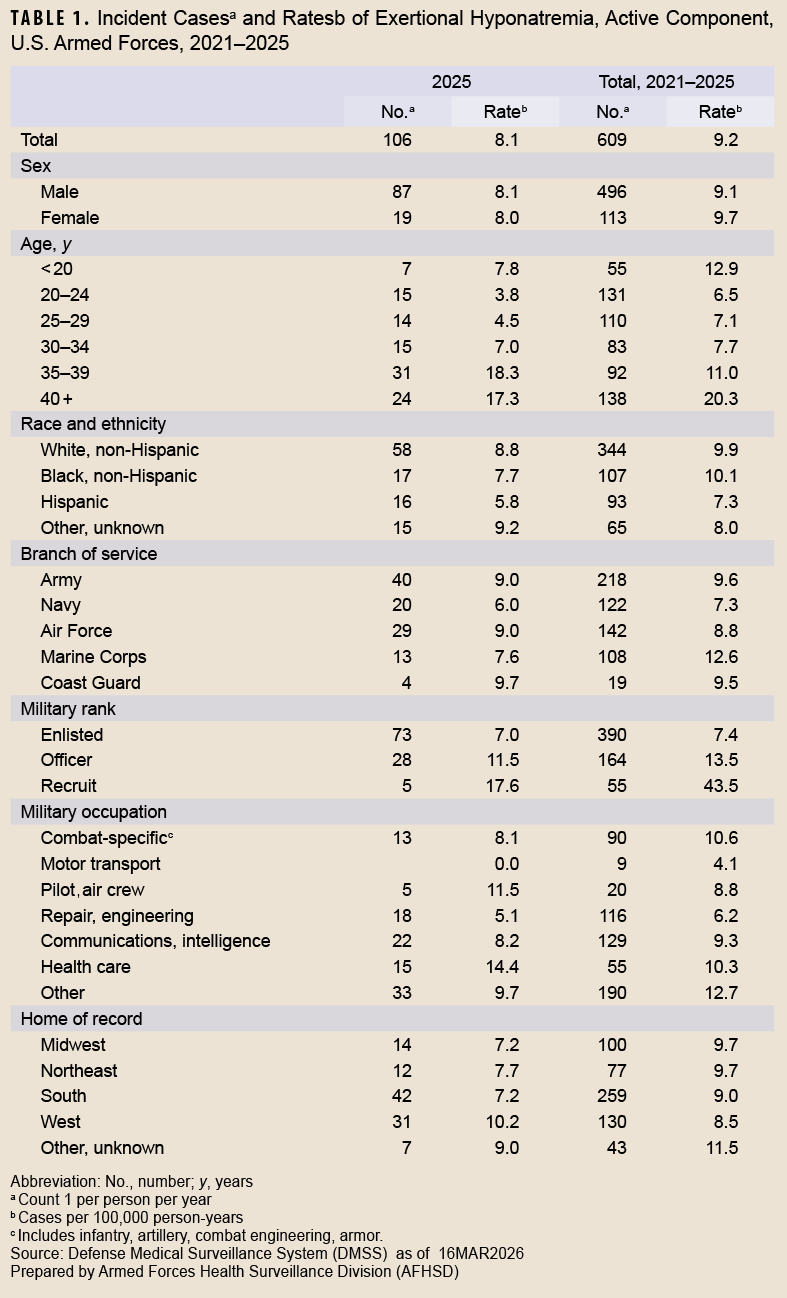
Abstract Exertional hyponatremia, also known as exercise-associated hyponatremia, is a fluid electrolyte disorder defined by a low sodium level in the blood (below 135 mEq/L). Exertional hyponatremia results from excessive fluid intake that dilutes serum sodium, impairing neurological and other organ functions. Hyponatremia can be fatal if not detected early and managed properly. From 2021 through…
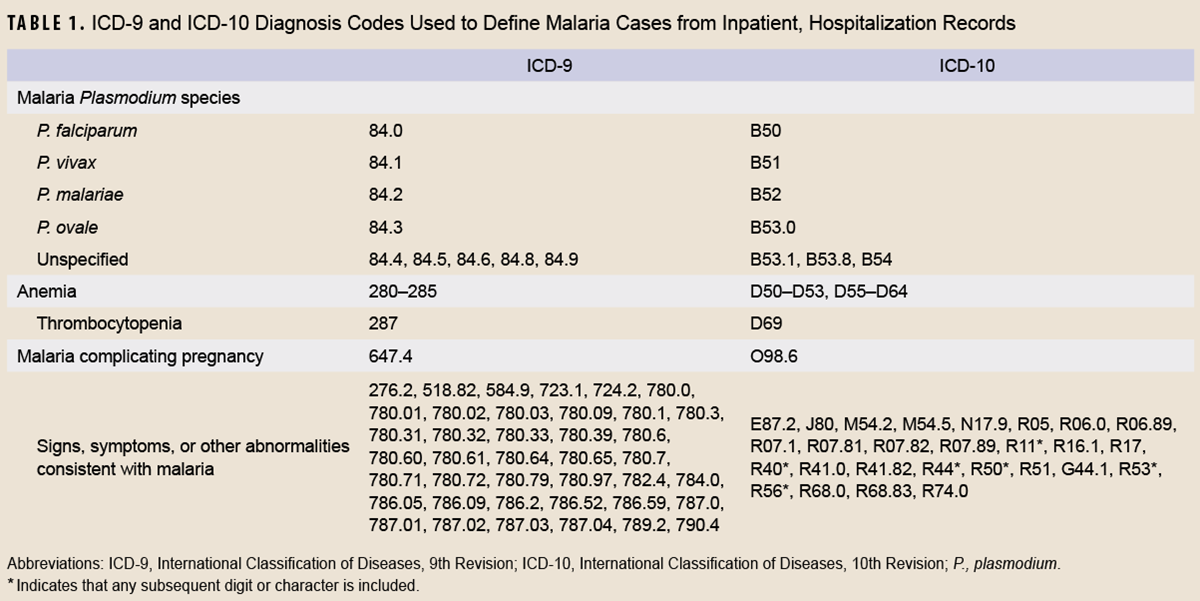
Abstract Malaria infection remains a potential health threat to U.S. service members located in or near endemic areas due to duty assignments, participation in contingency operations, or personal travel. This report summarizes findings from surveillance of malaria infections among U.S. service members in 2025 and analyzes trends for a 10-year period, from 2016 through 2025. In 2025, 36 cases of…
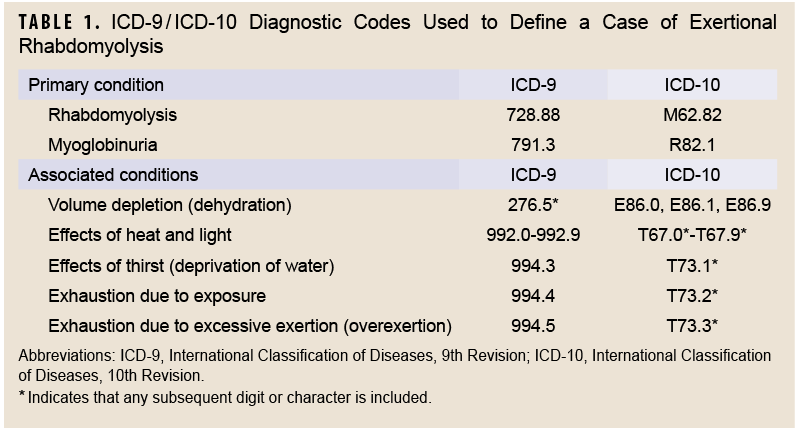
Abstract Exertional rhabdomyolysis is a pathologic muscle breakdown associated with strenuous physical activity. A largely preventable condition, it persists as an occupational hazard of military training and operations, especially in high heat environments among individuals pushing their endurance limits. A total of 521 cases of exertional rhabdomyolysis were identified in the U.S. Armed Forces…
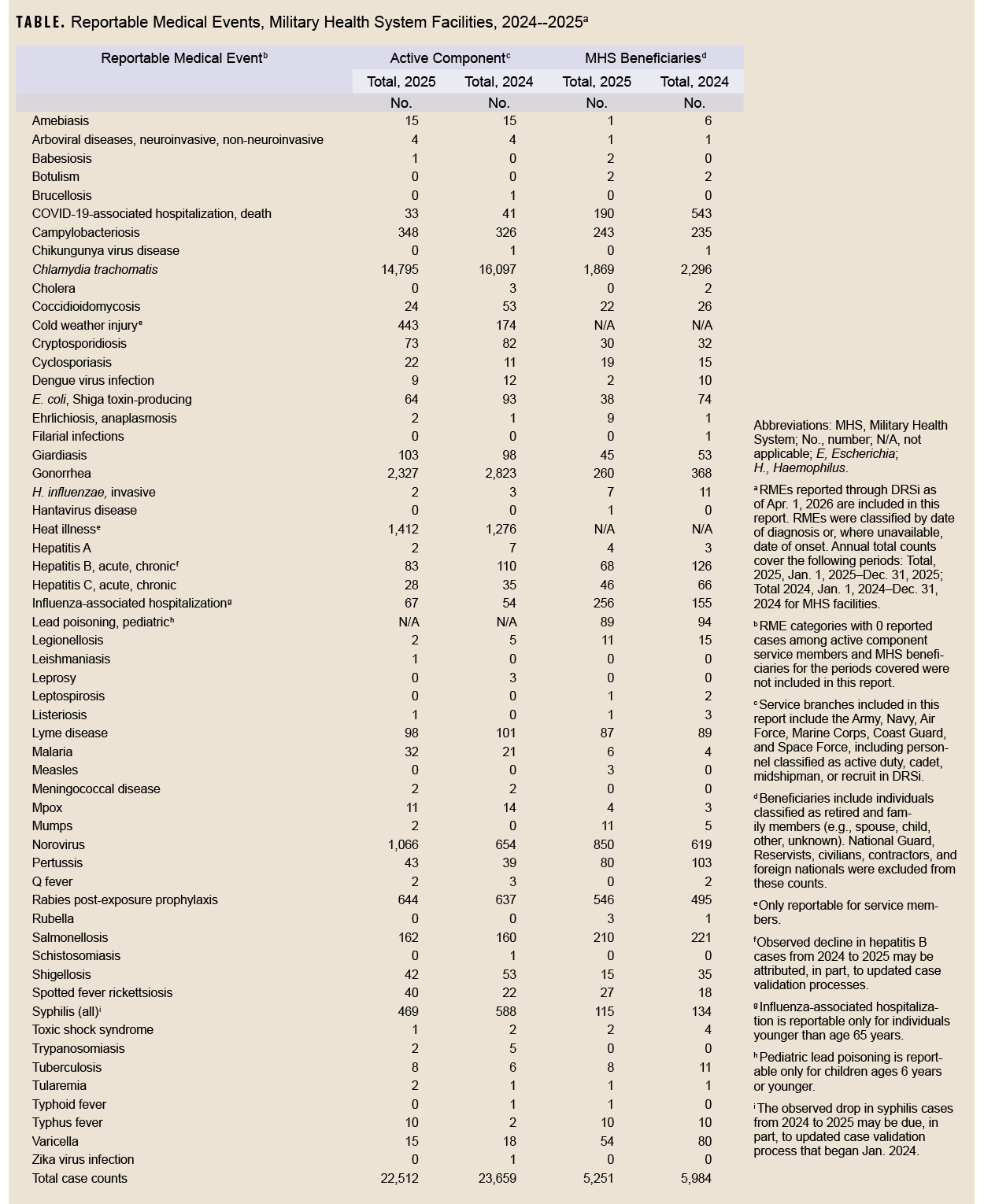
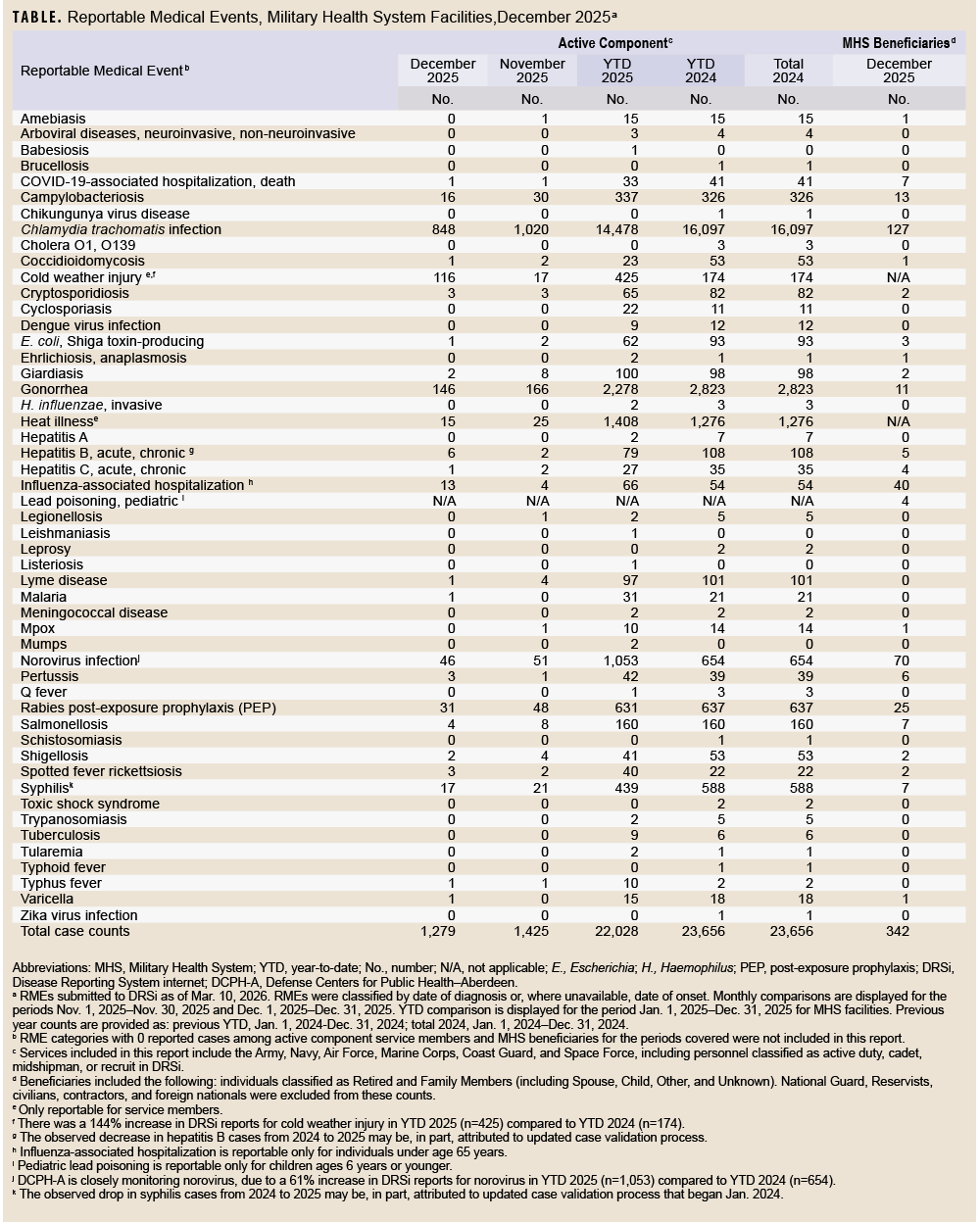
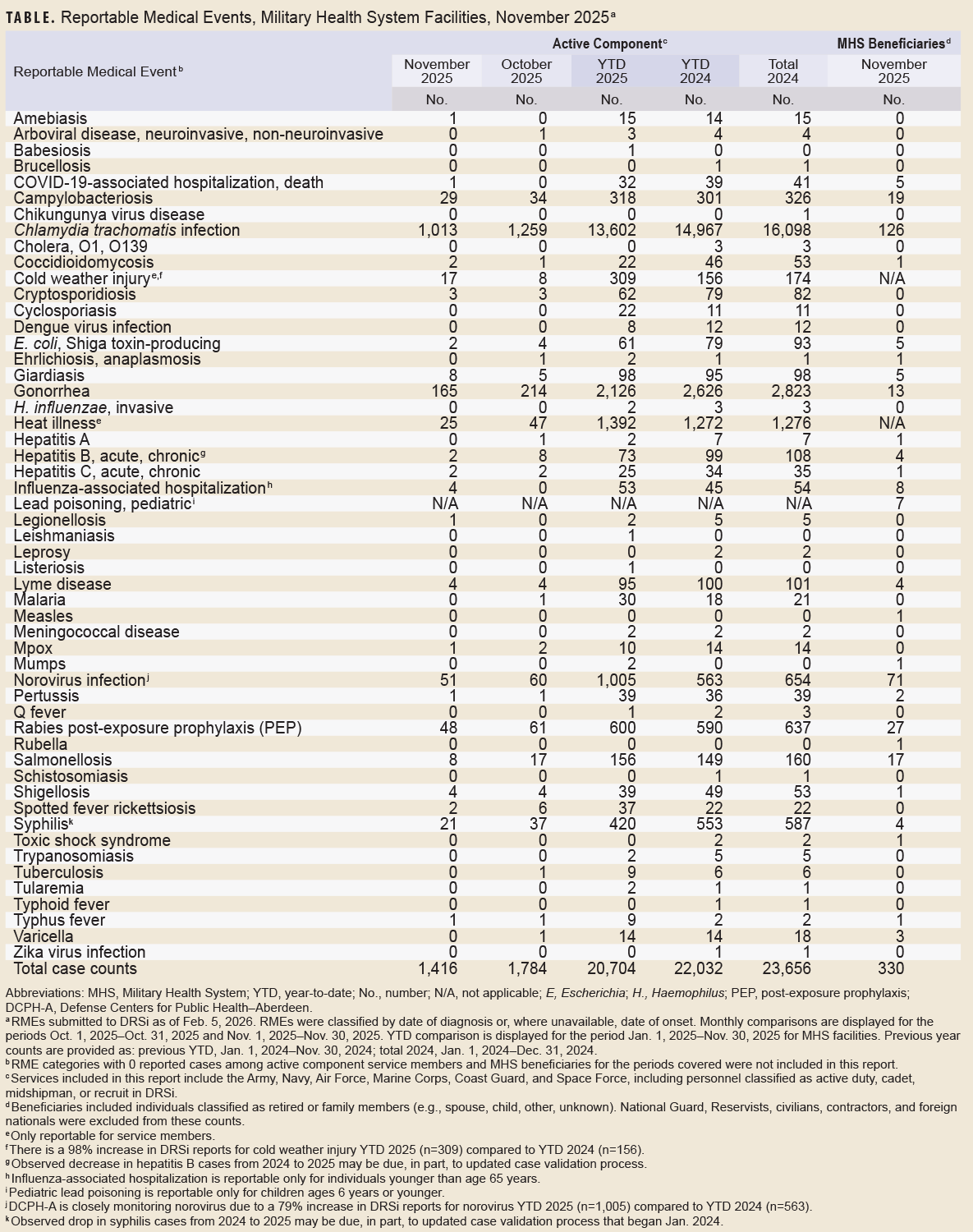
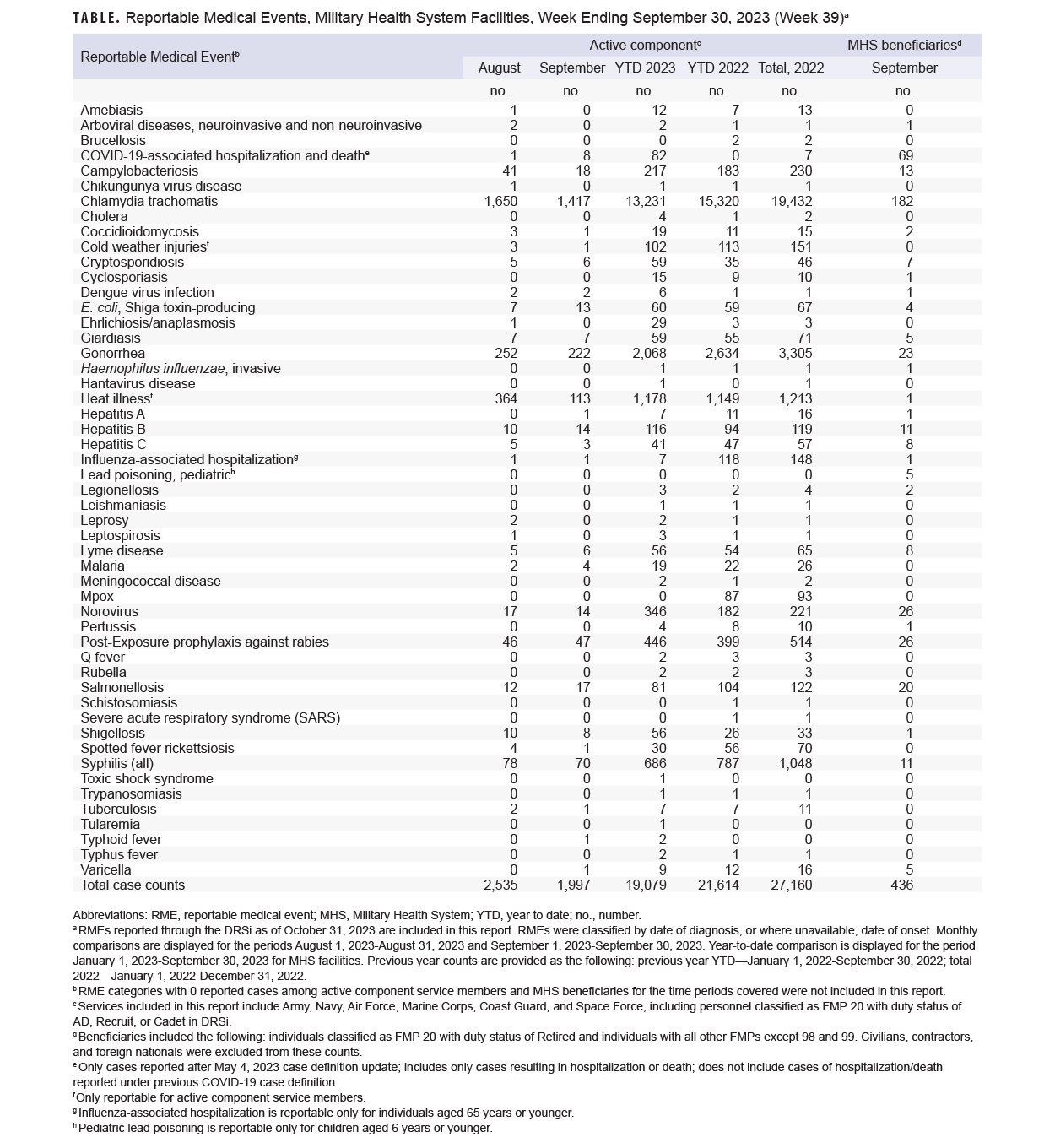
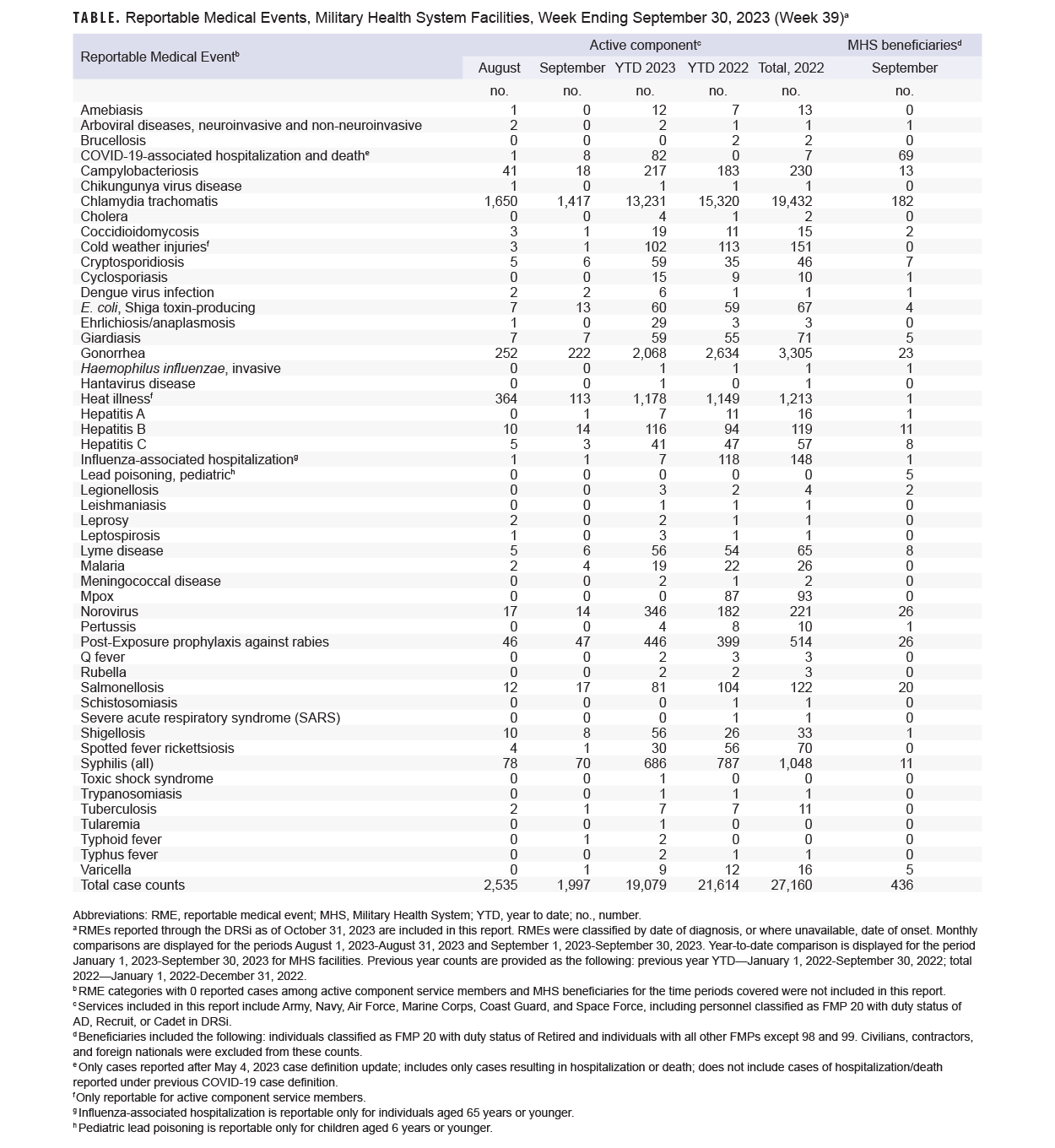
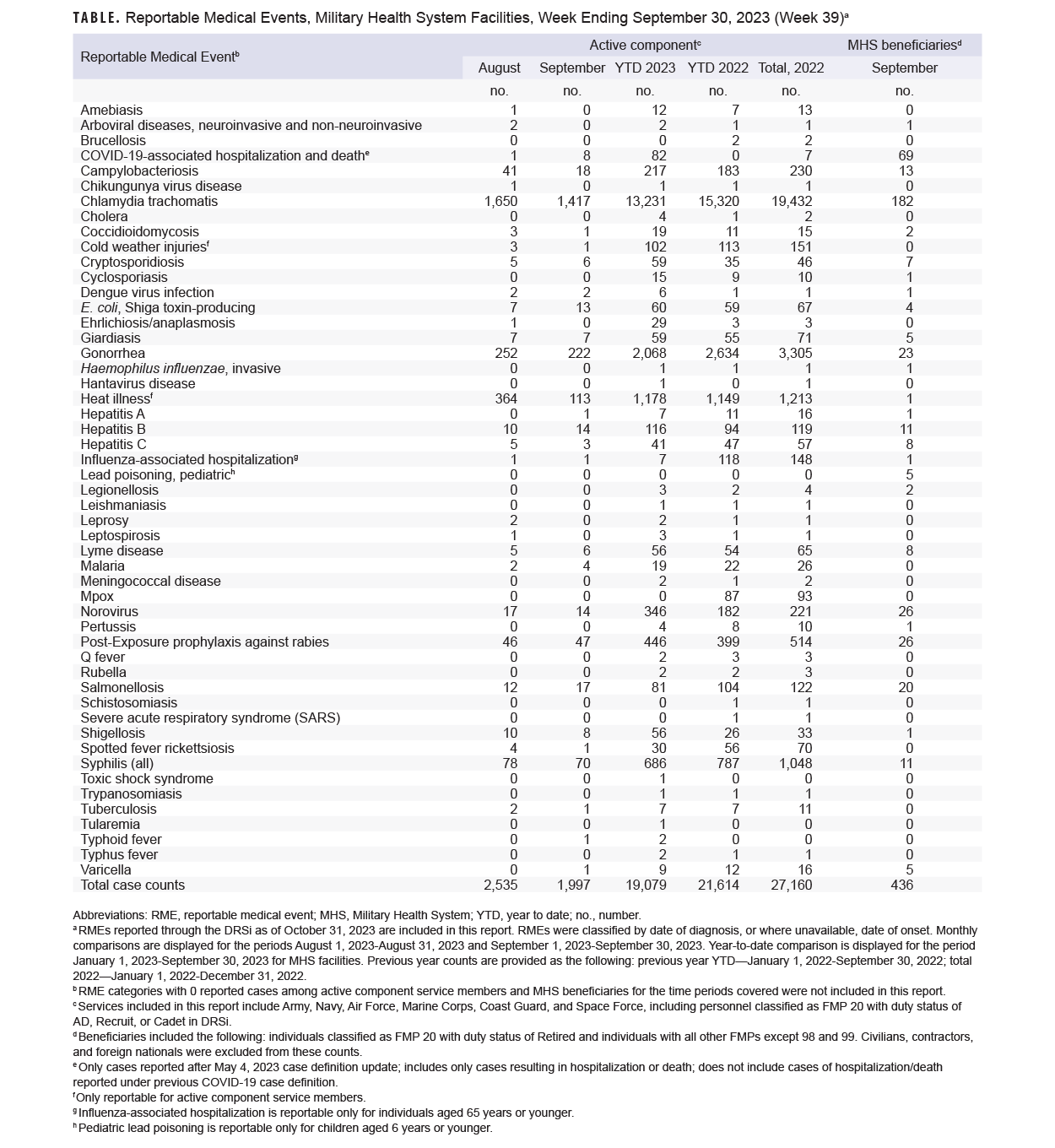
This month’s edition of the MSMR Reportable Medical Events at Military Health System (MHS) facilities report provides an overview of annual data for 2025 for active component service members (ACSMs) and MHS beneficiaries. Reportable Medical Events (RMEs) are reported in the Disease Reporting System internet (DRSi) by health care providers and public health officials throughout the MHS for…
The Military Health System today announced a new digital resource card to support service members who may have experienced a concussive event. The card offers fast and reliable access to trusted brain health tools and services through a convenient, scannable QR code linked directly to the resources page within the MHS Warfighter Brain Health Hub . The digital card is available as a downloadable…
The Office of the Assistant Secretary of War for Health Affairs hosted a virtual information session March 10, 2026, to gather feedback on the effectiveness of the Pilot Health Insurance Enhancement for Department of War Civilian Employees In Japan . Launched Jan. 1, 2025, the program provides supplemental health services for approximately 11,000 DOW civilian employees in Japan — addressing…
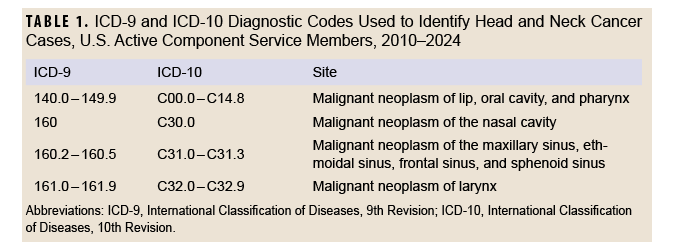
Abstract This study utilized de-identified surveillance data to estimate the incidence of head and neck cancer among active component service members (Army, Navy, Air Force, Marine Corps, Coast Guard) from 2010 through 2024. This report updates the June 2021 MSMR analysis of oral and pharyngeal cancers (2007-2019) by expanding the case definition to include all head and neck cancers and extending…
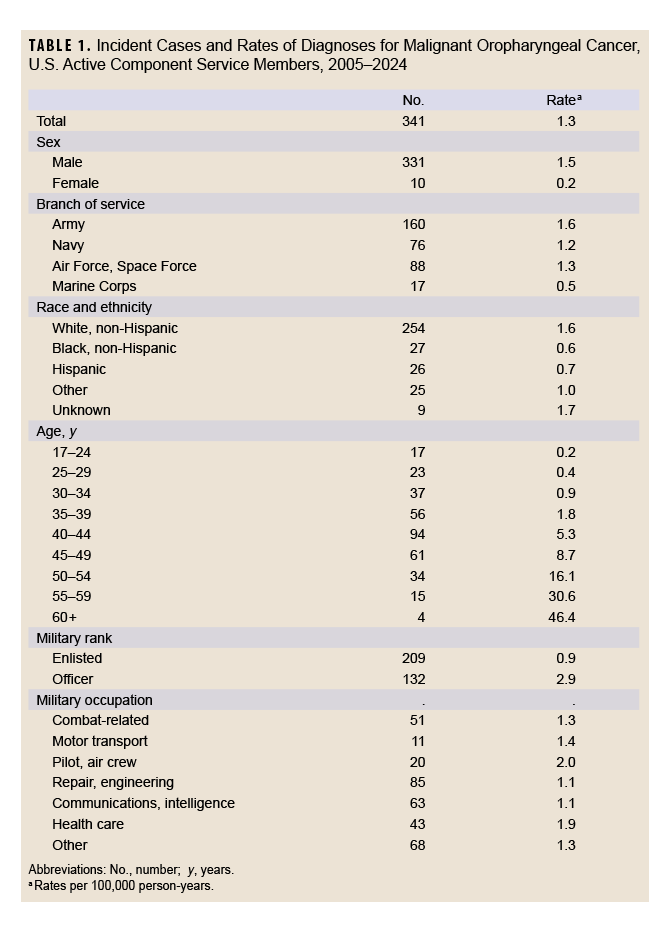
Oropharyngeal cancer develops in the oropharynx, which is comprised of the soft palate, side and back walls of the throat, tonsils, and back of the tongue. 1 Oropharyngeal cancer is distinguished from cancers arising in the oral cavity and pharynx, otherwise known as head and neck cancers, which include the lip, salivary glands, mouth and gums, and entire throat (or pharynx) and tongue. 2…
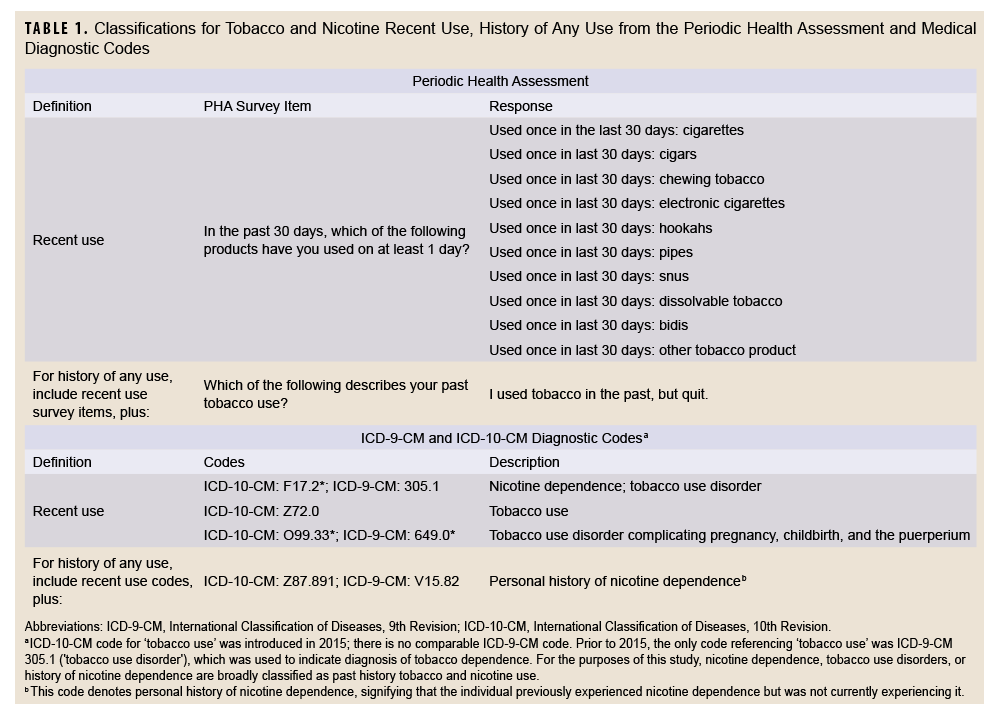
Abstract Military service members remain a priority population for assessing the prevalence, patterns, and long-term consequences of tobacco and nicotine use. The limitations inherent to documenting use among military service members, however, complicate the design of exposure assessment. This study combined 2 data sources—by aggregating self-reported Periodic Health Assessment (PHA) survey data…
Reportable Medical Events (RMEs) are documented in the Disease Reporting System internet (DRSi) by health care providers and public health officials throughout the Military Health System (MHS) for monitoring, controlling, and preventing the occurrence and spread of diseases of public health interest or readiness importance. These reports are reviewed by each service’s public health surveillance…
Tobacco use remains the No.1 preventable cause of death in the U.S. , according to the Centers for Disease Control and Prevention , and poses a readiness issue for the military. The Military Health System is concerned that about one-third of service members still use tobacco and nicotine products — a rate higher than the general population (19%), said Department of War Principal Deputy Assistant…
This year, the Military Health System is celebrating 250 years of America by recognizing the Military Medicine’s enduring history of innovation and impact to the warfighter. Please join the Military Medicine 250 campaign ! Irwin Army Community Hospital , Fort Riley, Kansas, is named for Brig. Gen. Bernard Irwin, who served almost four decades in frontier and wartime posts, between 1849 – 1881.…
As the 2026 Military Health System Research Symposium, themed “Harnessing the Power of Military Medical Research,” is approaching, participants can submit their abstracts or nominations for the annual awards. The call for abstracts to submit your research for the Department of War’s premier military medical science meeting closes March 31, 2026, (12 a.m. EST). You can explore sessions and submit…
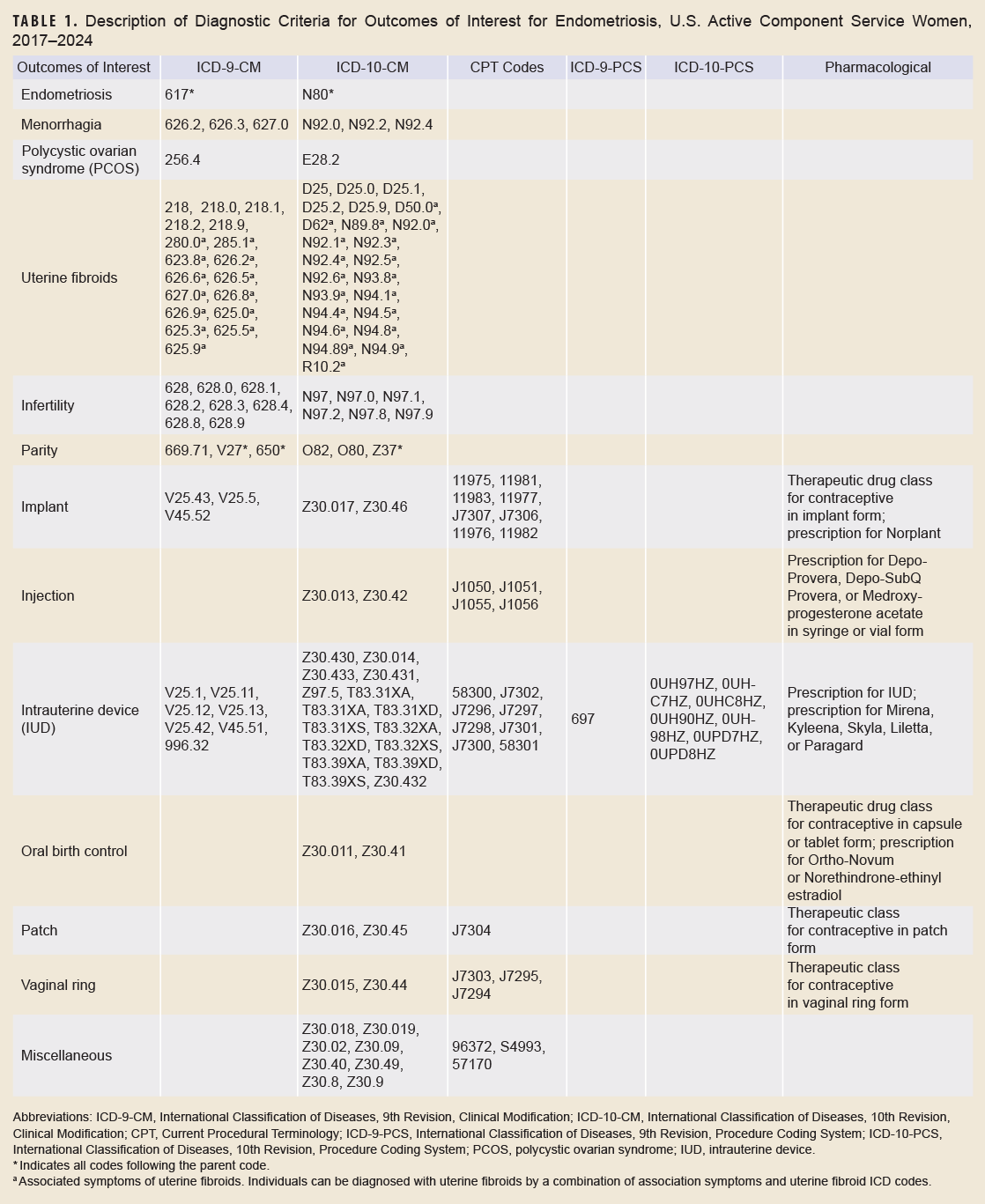
Abstract Endometriosis is a complex gynecological condition affecting nearly 10% of reproductive-aged women. This report updates a 2017 MSMR report of gynecological conditions, including endometriosis, from 2012 through 2016 among U.S. active component service women. The current report utilized medical encounter data from 2017 through 2024 to assess the incidence of endometriosis and its health…
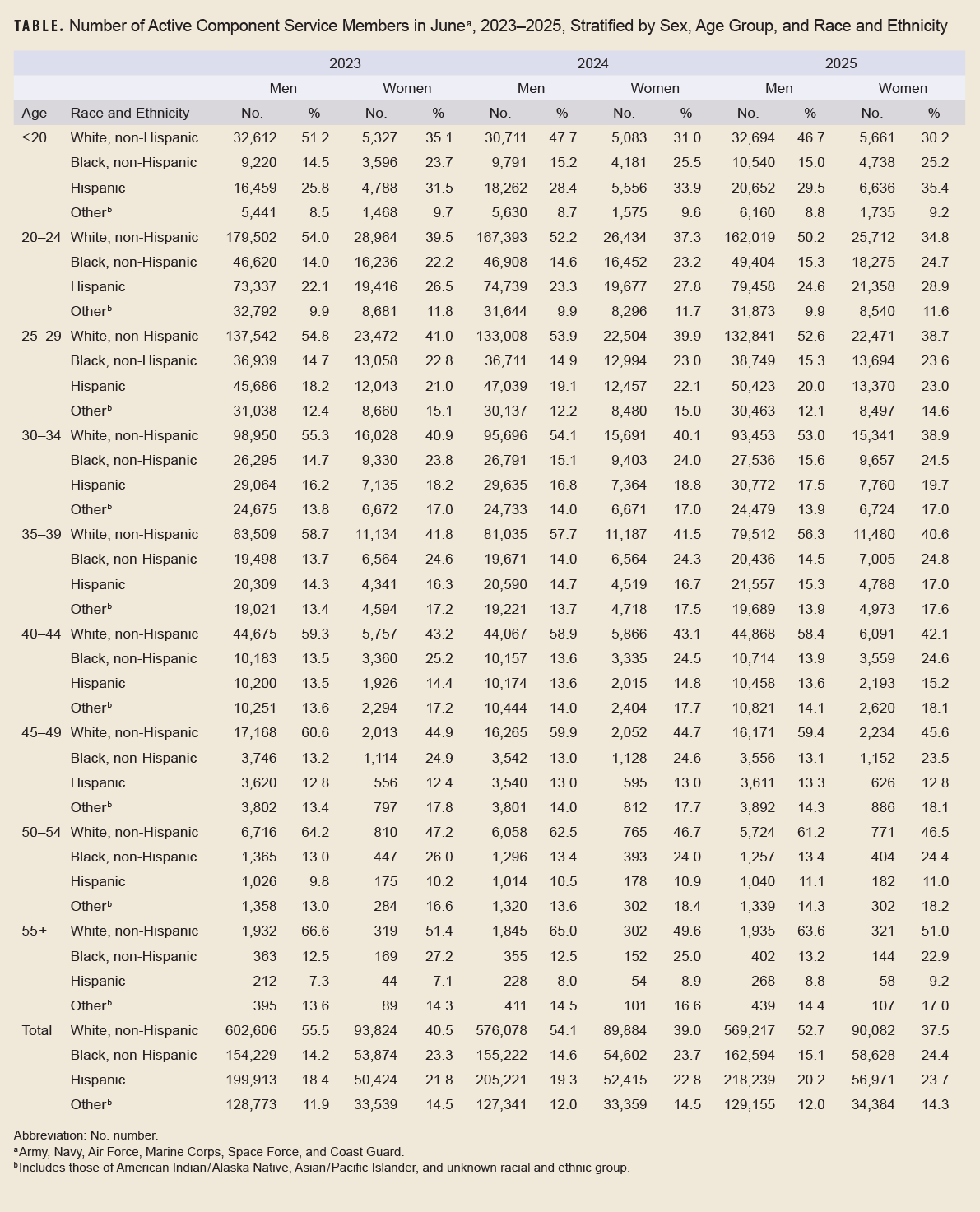
This Surveillance Snapshot describes the mid-year population for active component service members (ACSMs) of the U.S. Army, Navy, Air Force, Marine Corps, Space Force, and Coast Guard from 2023 to 2025, stratified by age, sex, and race and ethnicity. Population counts were obtained from June of each calendar year using personnel data from the Defense Manpower Data Center (DMDC) maintained in the…
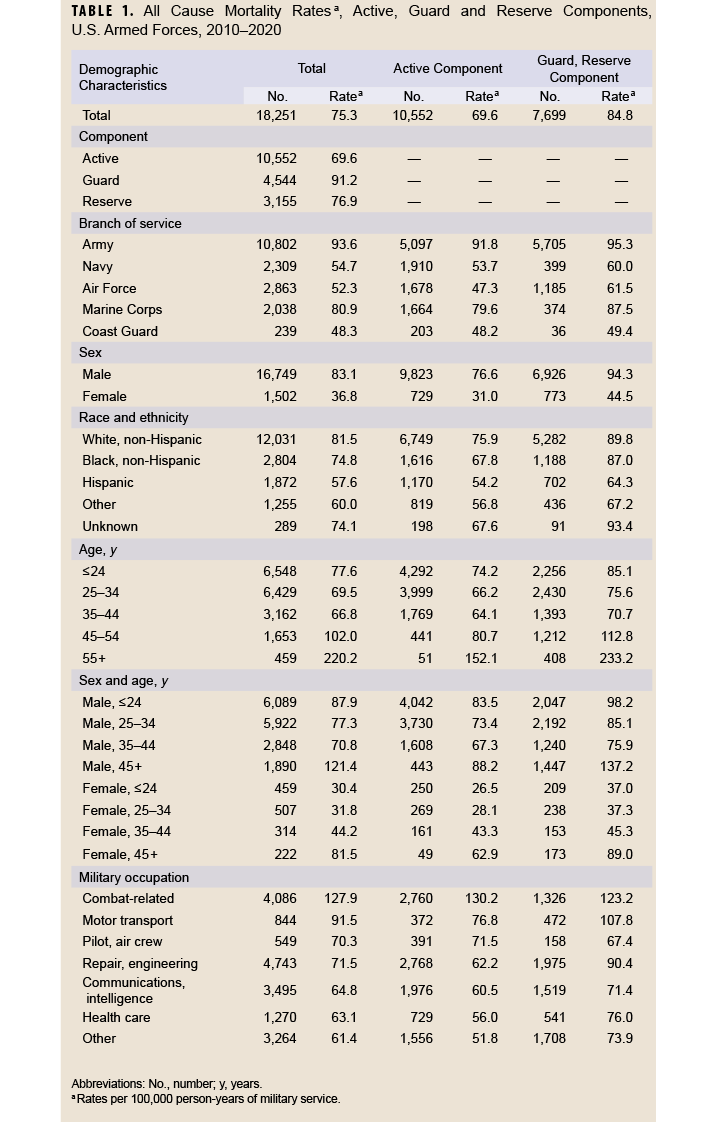
Abstract This report updates previous summaries of the numbers, rates, trends and causes of death among U.S. active component, National Guard, and reserve component members from 2010 through 2020. Mortality rates among service members in all components decreased from 2011 to 2014, corresponding with a drawdown of U.S. military operations in U.S. Central Command. Compared to their respective…
Reportable Medical Events (RMEs) are documented in the Disease Reporting System internet (DRSi) by healthcare providers and public health officials throughout the Military Health System (MHS) for monitoring, controlling, and preventing the occurrence and spread of diseases of public health interest or readiness importance. These reports are reviewed by each service’s public health surveillance…
A long-standing partnership between Irwin Army Community Hospital , Fort Riley, Kansas, and the VA Eastern Kansas Healthcare System is expanding specialty services and access to care for veterans and service members. On Jan. 14, leaders from both met to discuss strengthening their partnership, in place since 2017, through a new resource-sharing agreement aligning staff, equipment, and specialties…
Abstract Tuberculosis (TB) remains a force health protection threat to the U.S. military, particularly in crucial populations at increased risk of exposure or re-activation. This analysis examined TB testing trends and the prevalence of latent tuberculosis infection (LTBI) among U.S. Army active component soldiers from 2014 through 2023, the first decade following a major policy shift to targeted…
Military service requires not only physical but mental as well as moral fitness. To qualify for service, recruits must meet standards in each area, demonstrating their abilities to meet the demands of military service. 1 Maintaining physical and mental fitness is necessary, as continued military career success is contingent on sustained health and fitness. Inability to physically or mentally meet…
Disease and non-battle injury (DNBI) is a significant threat to military operations, historically exceeding combat injuries in deployed settings. 1-4 Disease and injury (D&I) surveillance supports health risk assessment for the purpose of instituting interventions as needed to promote and maintain the health of deployed forces. 5-7 Defense Health Agency Procedural Instruction (DHA-PI) 6490.03:…
Abstract Malaria proved decisive in determining the outcome of the Pacific theater during the Second World War. In 1943 alone, over 100,000 malaria cases were reported among the U.S. military in the Southwest Pacific and South Pacific. Thousands of sick soldiers were evacuated from their units and hospitalized for weeks or months of rehabilitation due to malaria. The primary challenge was not…
Reportable Medical Events (RMEs) are documented in the Disease Reporting System internet (DRSi) by health care providers and public health officials throughout the Military Health System (MHS) for monitoring, controlling, and preventing the occurrence and spread of diseases of public health interest or readiness importance. These reports are reviewed by each service’s public health surveillance…
Keith Bass , a retired U.S. Navy commander and career health care leader dedicated to delivering health services to active duty military and veterans, was sworn in Jan. 12, 2026, as the assistant secretary of war for health affairs. Bass succeeds Dr. Lester Martinez-López, who held the position 2022-2024. Dr. Stephen L. Ferrara has been serving as the acting assistant secretary since January 2025…
Supporting the warfighter, sustaining medical skills, and strengthening the health care system are three key pillars of providing “health care for the people who defend our country,” says the top Department of War doctor. Dr. Stephen Ferrara, an experienced clinician, combat veteran, educator, and health care leader, recently reflected on the pivotal work of the Military Health System in 2025,…
Chikungunya is a mosquito-borne viral disease that can cause severe joint pain, fever, and other short- or long-term symptoms. 1 Chikungunya is endemic to tropical and subtropical regions, with cases and outbreaks recorded in more than 100 countries. 2 The U.S. Food and Drug Administration (FDA) recently approved 2 chikungunya vaccines: a live-attenuated vaccine called IXCHIQ in November 2023, and…
Thank you for being one of the many MSMR readers in 2025. MSMR ’s mission is to publish operationally relevant, timely, and descriptive epidemiological articles that provide accurate data on topics vital to the health, safety, and resilience of the U.S. Armed Forces. As a product of the Armed Forces Health Surveillance Division (AFHSD) , within the Public Health Directorate (PHD) of the Defense…
Abstract An examination of Guillain-Barré Syndrome (GBS) cases among U.S. active component service members from 2014 through 2022 revealed an incidence rate of 1.6 cases per 100,000 person-years. Individuals younger than age 20 years and those in basic training exhibited higher incidence. The type of antecedent event, either illness or immunization, was not associated with higher disability…
Reportable Medical Events (RMEs) are documented in the Disease Reporting System internet (DRSi) by health care providers and public health officials throughout the Military Health System (MHS) for monitoring, controlling, and preventing the occurrence and spread of diseases of public health interest or readiness importance. These reports are reviewed by each service’s public health surveillance…
Arboviral diseases, transmitted by arthropods such as mosquitoes, represent a significant and ongoing threat to the health, readiness, and mission capability of U.S. military personnel deployed in endemic regions. 1,2 Ross River virus (RRV), an alphavirus transmitted by mosquitoes, is endemic to Australia and causes an average of 5,000 cases annually. 3 RRV is also endemic as well as epidemic in…
Abstract From July 2024 through June 2025, a total of 806 members of the active (n=702) and reserve (n=104) components of the U.S. Armed Forces had at least 1 cold weather injury. Compared to the 2023-2024 cold season, the cold weather injury rates during the 2024-2025 cold season increased by 41.8% (from 38.6 to 54.7 per 100,000 person-years) and 45.8% (from 8.5 to 12.4 per 100,000 person-years)…
Abstract Mental health disorders have long been recognized as a problem in a wide range of domains, including the military, resulting in significant impacts on general morbidity, health care provision, disability, and military discharges. From 2020 through 2024, a total of 560,035 U.S. active component service members were diagnosed with at least 1 mental health disorder. Annual incidence rates of…
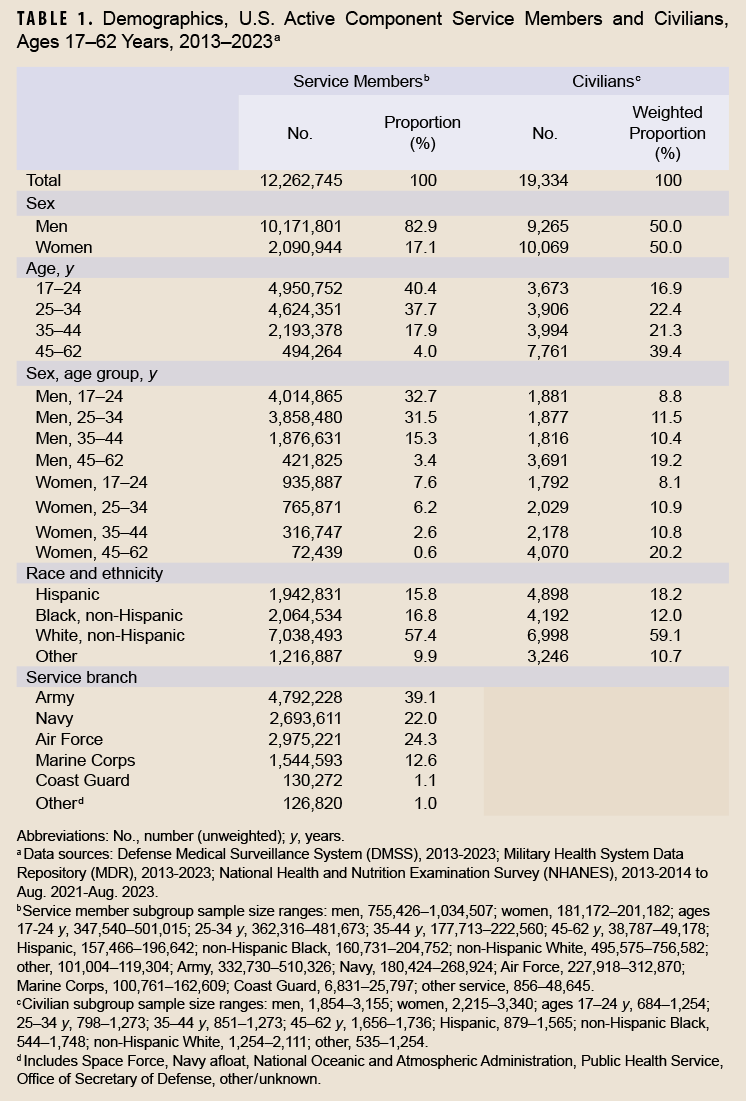
Abstract Trends in obesity among U.S. active component service members (ACSMs) and civilians are relevant to military recruitment and retention, as excess body weight is a common disqualification for military service. This study utilized measured height and weight data from the Military Health System Data Repository for ACSMs (cumulative n=12,262,745) and the National Health and Nutrition…
Abstract Although mental health conditions are the leading underlying cause of maternal mortality, there is limited research on the prevalence of perinatal mental health conditions among active duty service women (ADSW). In this study of live-born deliveries among U.S. ADSW (n=62,729) with pregnancy start and end dates (i.e., dates of last menstrual period and infant delivery, respectively) from…
Reportable Medical Events (RMEs) are documented in the Disease Reporting System internet (DRSi) by health care providers and public health officials throughout the Military Health System (MHS) for monitoring, controlling, and preventing the occurrence and spread of diseases of public health interest or readiness importance. These reports are reviewed by each service’s public health surveillance…
Abstract While female U.S. Air Force and Space Force basic military trainees are screened universally for gonorrhea and chlamydia, male basic trainees are tested only when symptomatic or upon patient request. Epidemiology and follow-up testing of male basic trainees who test positive for gonorrhea or chlamydia in training is unclear. All active duty male basic trainees at Joint Base San…