
I write these words from an open wound. Not just as a feminist activist, but first and foremost as a human being, and as a Jewish-Israeli woman.
I grew up on the historical imperative born out of the abyss of the Holocaust: “Never Again” is not a national slogan—it is an unconditional, universal moral command. It demands that we see every human being in their full humanity, fight relentlessly against racism, and shield the most vulnerable from crushing systems of power.
It is deeply painful to watch how humanity refuses to learn from its collective history. Time and again, we see how racism, misogyny, and xenophobia reduce people to “demographic threats” or “nuisances,” remaining utterly blind to basic human needs—for safety, healthcare, and a simple embrace.
There is a direct, chilling line connecting the United States to South Tel Aviv.
When I look at the news from America—ICE raids, the targeting of Black and Brown migrants, attempts to strip away birthright citizenship, and the denial of healthcare—I see the exact blueprint playing out in my own backyard. In both places, states invoke “national security” to justify cruelty, systematically abandoning undocumented children and young women.
Reading through the latest reports from Elifelet – Citizens for Refugee Children and their Growing Strong project (supported by Healing Across The Divides), I asked a fundamental question: How do we build an intersectional feminism that doesn’t stop at passport borders?
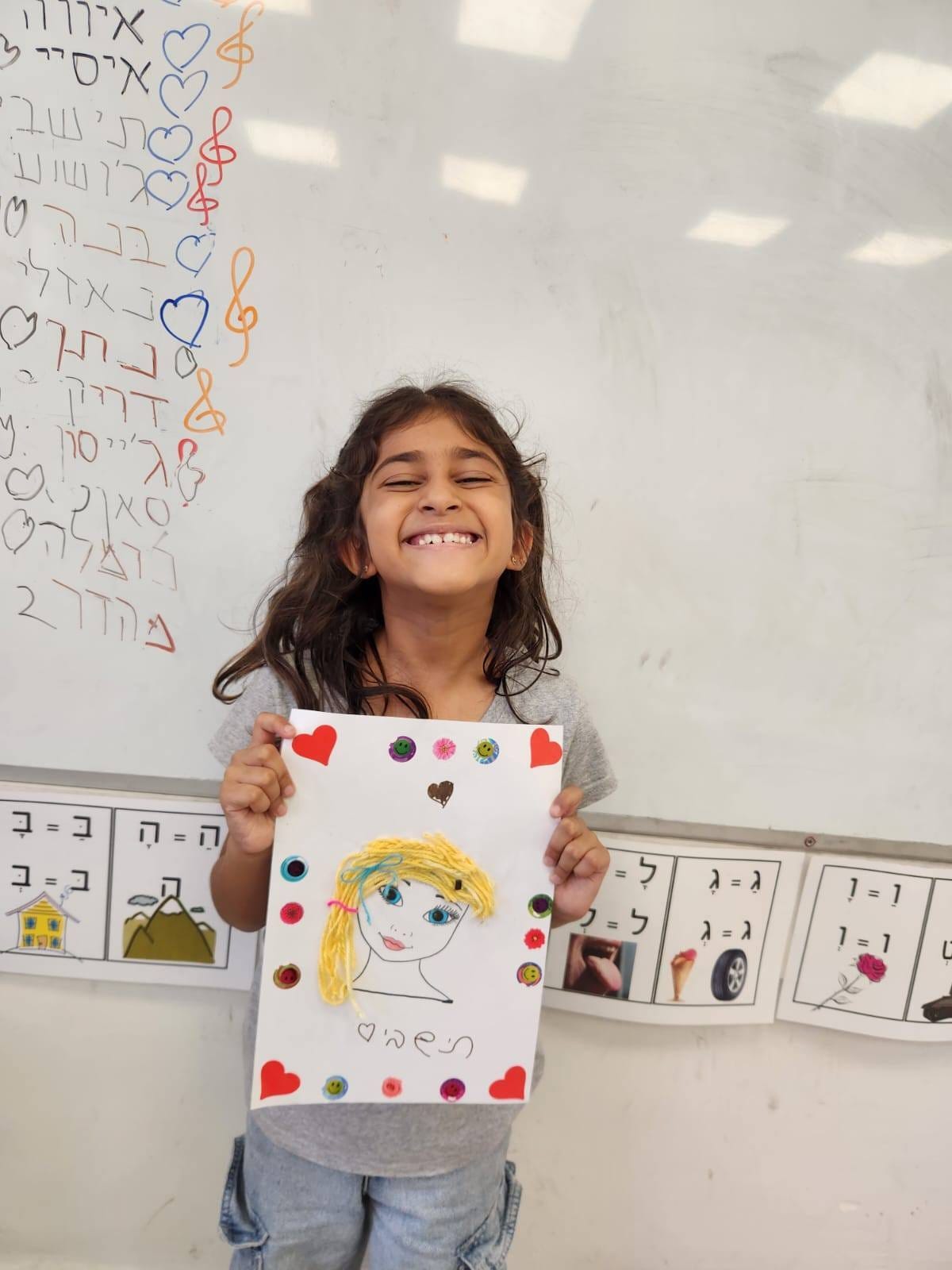
In the U.S. and Israel alike, Black and Brown migrants (such as asylum seekers from Eritrea, Sudan, or Haiti) face a cruel reality: their skin makes them hyper-visible to policing, while their legal status renders their human rights completely invisible.
In South Tel Aviv, a young asylum-seeking girl faces three simultaneous fronts:
Gender Vulnerability: Living in marginalized urban spaces without state or welfare protection.
Structural Anti-Blackness: Racial stigma that excludes her from the public sphere.
Legal Invisibility (Status-less): No health insurance, no legal status, and a constant fear of deportation—mirroring the anxieties of millions under DACA or ICE threats in the U.S.
When war erupts, this vulnerability compounds: dilapidated public shelters lack missile protection, state trauma care is non-existent for non-citizens, and the emergency state is used to further erase their presence.
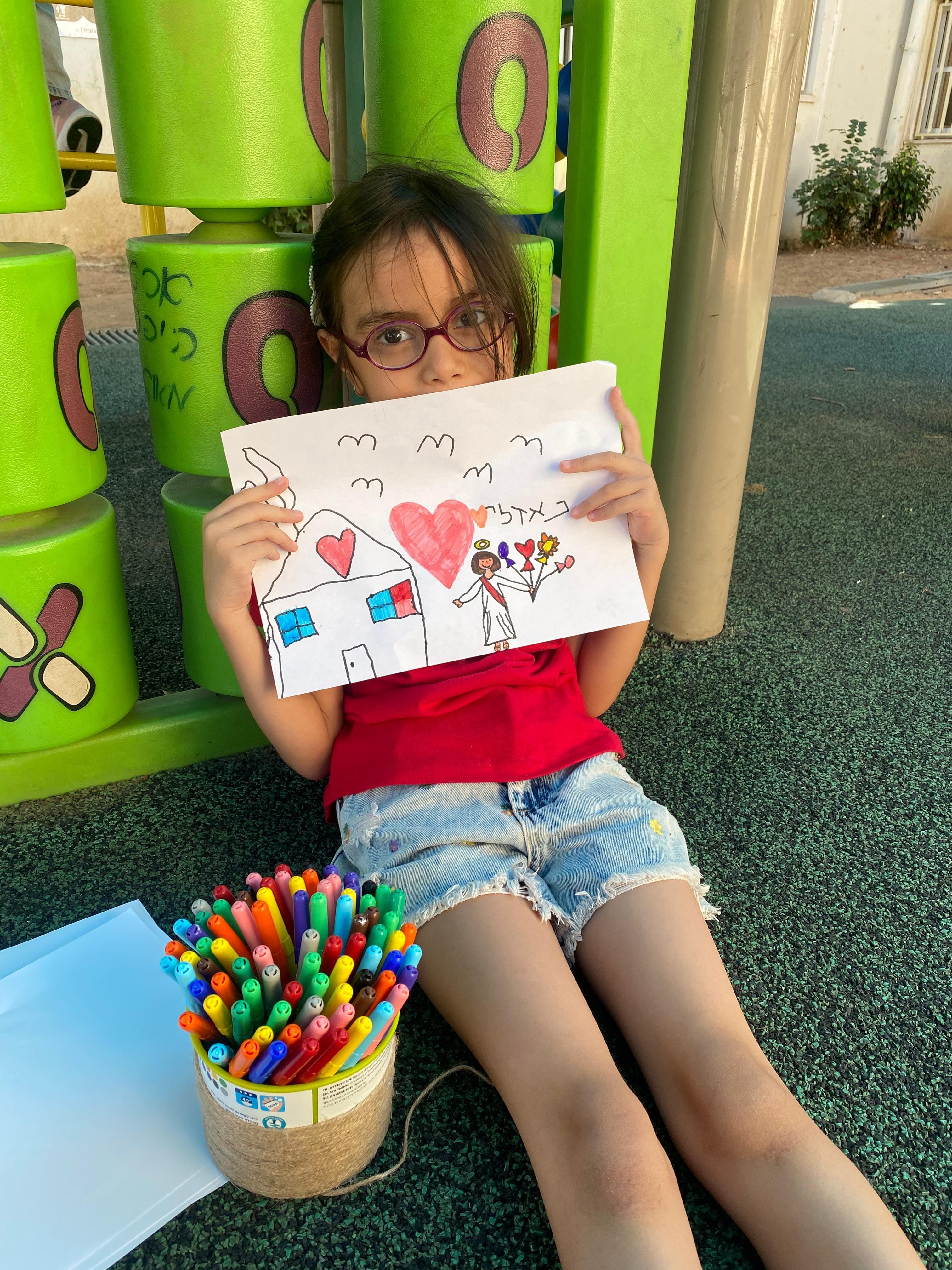
In the U.S., the Sanctuary Movement proved that when the state refuses to protect its residents, the community must step up.
This is precisely what Elifelet does. Through the Growing Strong program, counselors and therapists do not offer passive “charity.” They provide holistic care—addressing emotional, social, and academic needs through specialized tracking tools.
In a political climate designed to break the spirit of migrants, providing mental health support, education, and love is a radical political act. It declares: These children exist, they have names, they deserve a childhood, and they will not be erased.
Politicians love the word “resilience”—often using it to shift responsibility onto victims, expecting women and girls to simply “endure” poverty and war.
Intersectional feminism rejects this. The strength built at Elifelet is political-feminist resilience:
It frames trauma not as an individual flaw, but as the result of systemic oppression.
It bridges psychological recovery with human dignity and community belonging.
It insists that mental healthcare for refugees is a fundamental human right, not a privilege.
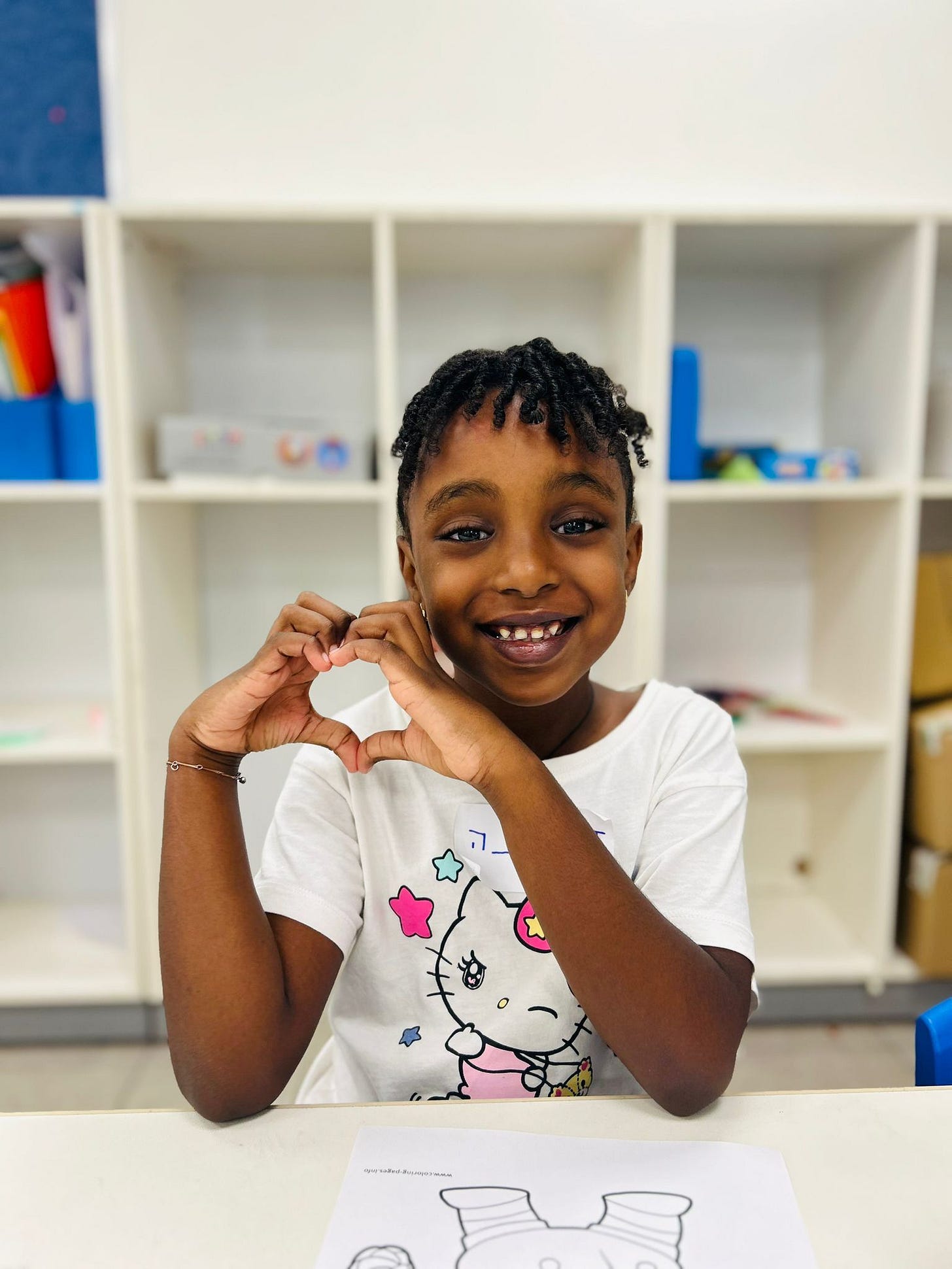
Photo courtesy of Elifelet
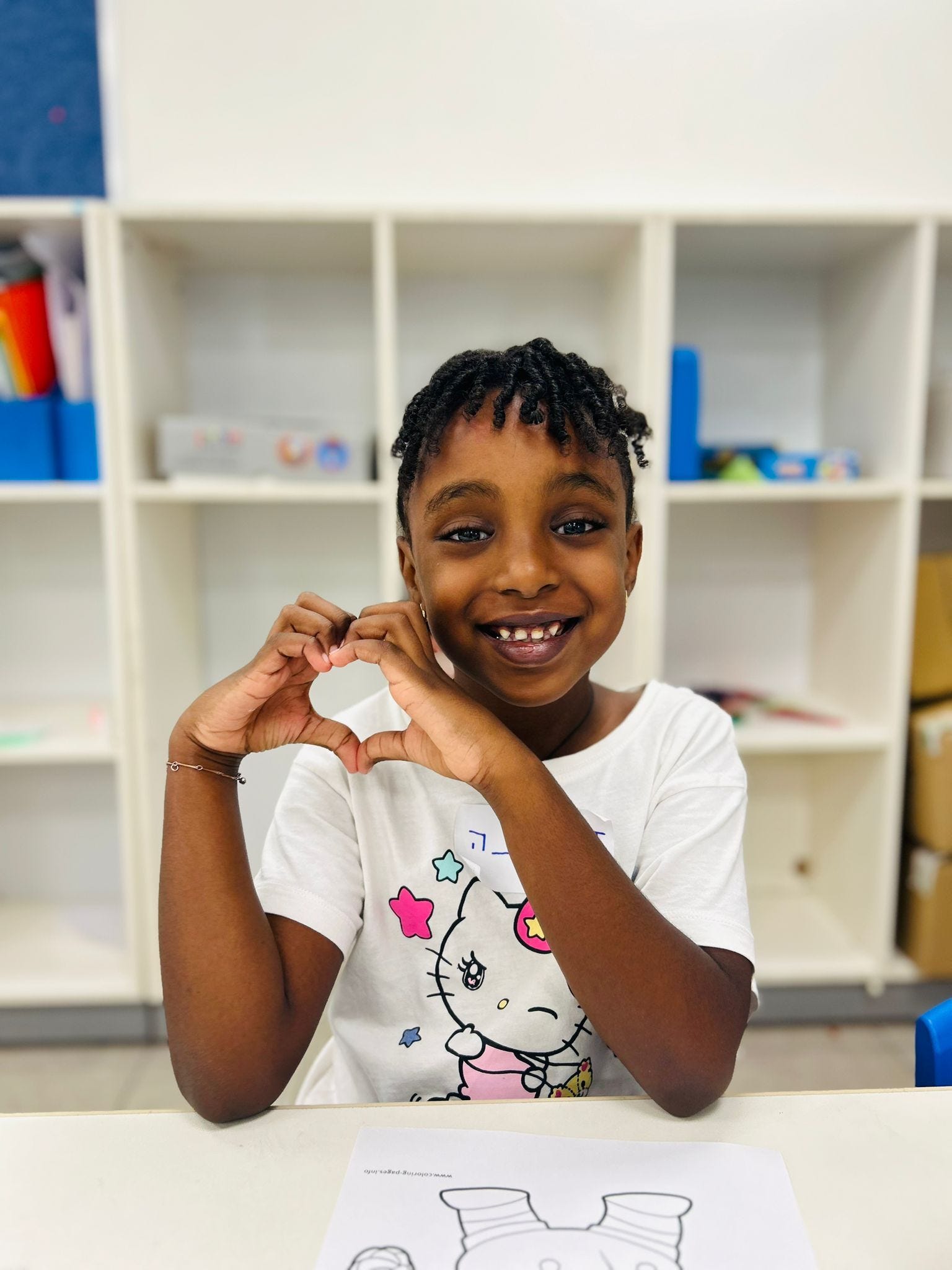
When feminists in the U.S. march against ICE, and when activists in Tel Aviv fight for refugee children, they are fighting the exact same battle.
The struggle at Elifelet is not a “local Tel Aviv issue”—it is the testing ground of our shared human morality. If our feminism does not encompass the young girl in Minnesota terrified of her mother’s deportation, alongside the young girl in Tel Aviv without a bomb shelter or healthcare—our feminism is incomplete.
True shelters are not built of concrete and passports. They are built through radical, borderless solidarity.
Share this post with allies committed to internationalist, intersectional feminism.
Support the work on the ground: Learn more about [Elifelet – Citizens for Refugee Children] and [Healing Across The Divides (HATD)].
Comment below: How can we better bridge immigrant rights movements in the U.S. and grassroots action in Israel?
No posts
Comments
Nothing yet. Say the first thing.
Sign in to join the conversation.