
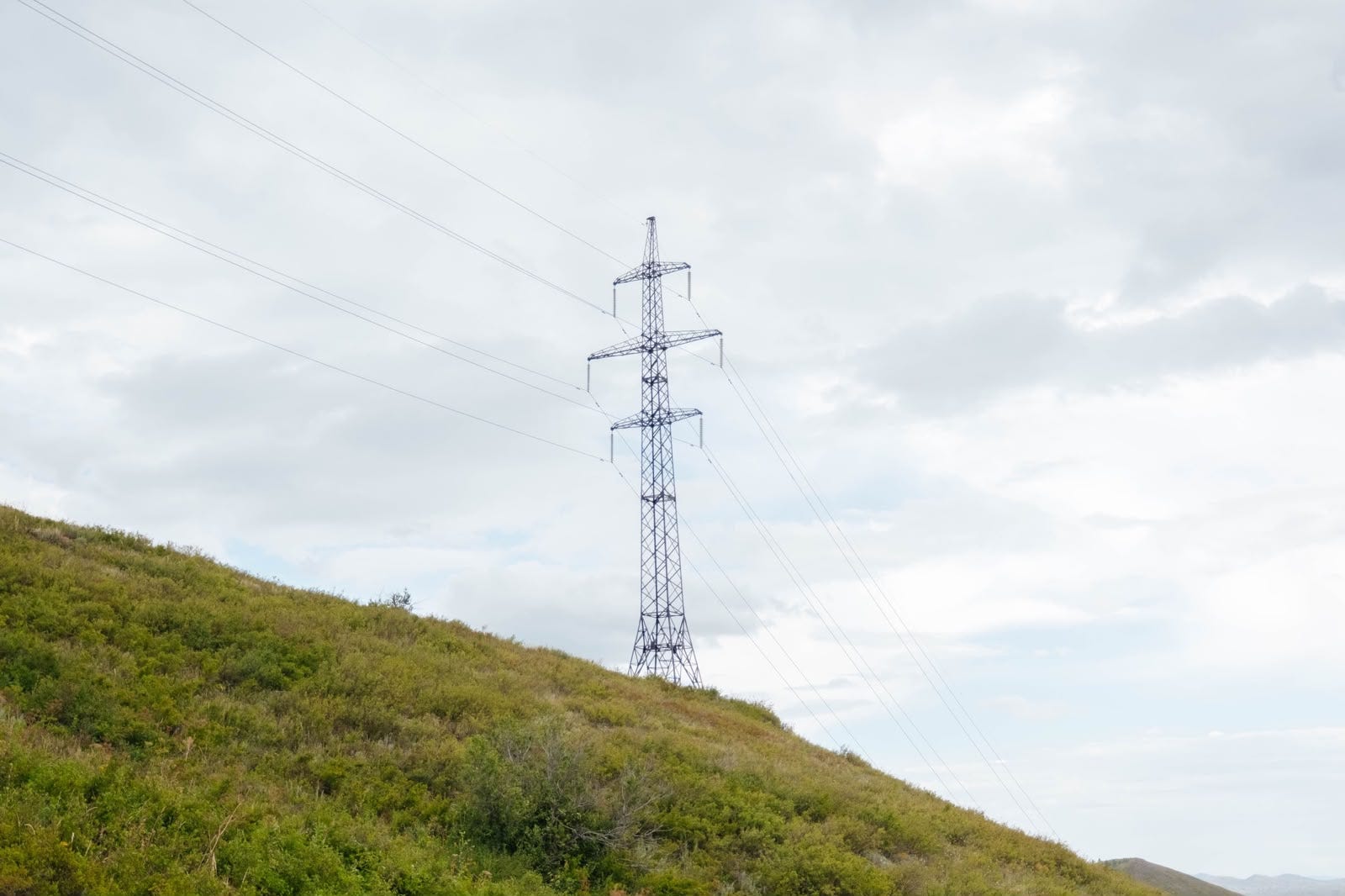
A major power system failure caused outages across four Central Asian states last week, exposing the vulnerability created by the region’s tightly interconnected electricity grid. The grid operator in Kazakhstan said the disruption began when two generators with a combined capacity of 600 megawatts shut down at Kyrgyzstan’s large Toktogul hydropower plant. The sudden loss of generation shifted electricity flows onto other transmission lines, triggering overloads and automatic protections that temporarily separated southern Kazakhstan and neighbouring systems from the wider network. Power cuts affected eight Kazakh regions, parts of Almaty, several areas of Tajikistan and southern Uzbekistan, with brief disruptions also reported in Bishkek. At the peak, Kazakhstan had to disconnect roughly 2,810 megawatts of consumer load. Most supplies were restored within several hours.
A court in Kazakhstan sentenced Gulnara Bazhkenova, the former editor of one of the country’s best-known news outlets, to eight years in prison days before parliamentary elections amid mounting pressure on critical media. The sentence was deferred for two years because Bazhkenova has a young child, but she was immediately barred for five years from journalism, blogging, interviews and other public activity. She was convicted of knowingly spreading false information, embezzlement and unlawful business activity. The case grew partly out of news website Orda’s series of reports in September 2025 claiming that Foreign Minister Murat Nurtleu and senior security officials had been detained. Bazhkenova eventually withdrew those allegations after Nurtleu reappeared publicly. Her prosecution later broadened to include allegations of embezzlement and unlawful business activity, which she denies. Rights groups say the case forms part of a wider pre-election crackdown that has seen several journalists prosecuted or restricted. A more indirect form of pressure has involved attempts to shut down the social media accounts of independent outlets through frivolous copyright complaints. The government denies orchestrating such blocks.
Kyrgyzstan’s president said in an interview that he had once planned to step aside in 2027 and support his now criminally convicted former security chief as his successor, an extraordinary admission as his erstwhile ally fights a prosecution effort to have him imprisoned. Sadyr Japarov said he had intended to serve a single term and then help Kamchybek Tashiyev become president, but abandoned the idea after concluding that his powerful security chief was “not ready” and had failed to control an increasingly influential entourage. Tashiyev was dismissed in February and later convicted of preparing a violent seizure of power. Last month, a court sentenced him to four years in prison but placed him on probation, allowing him to remain free. Prosecutors are now appealing for a nine-year custodial sentence. Japarov, who plans to seek re-election in January, said he remained Tashiyev’s friend but would not return him to government, while insisting that the courts would decide his fate independently.
Kyrgyzstan, Tajikistan and Uzbekistan took new steps last week to diversify fuel supplies away from Russia as disruptions to Russian refining and exports exposed the risks of longstanding dependence. Kyrgyz companies signed contracts for Chinese diesel and aviation fuel, and the first shipments have already arrived. Officials also agreed with Beijing to simplify and accelerate further deliveries. Tajikistan, which previously sourced more than 80 percent of its fuel from Russia, asked Iran to supply around 2.6 million tons of crude oil and refined products, including petrol, diesel and jet fuel. Uzbekistan separately began pursuing long-term aviation-fuel supplies from China. Kyrgyzstan is also trying to reduce imports altogether by modernising two domestic refineries, which President Sadyr Japarov says could eventually meet around half of national fuel demand.
Comments
Nothing yet. Say the first thing.
Sign in to join the conversation.