
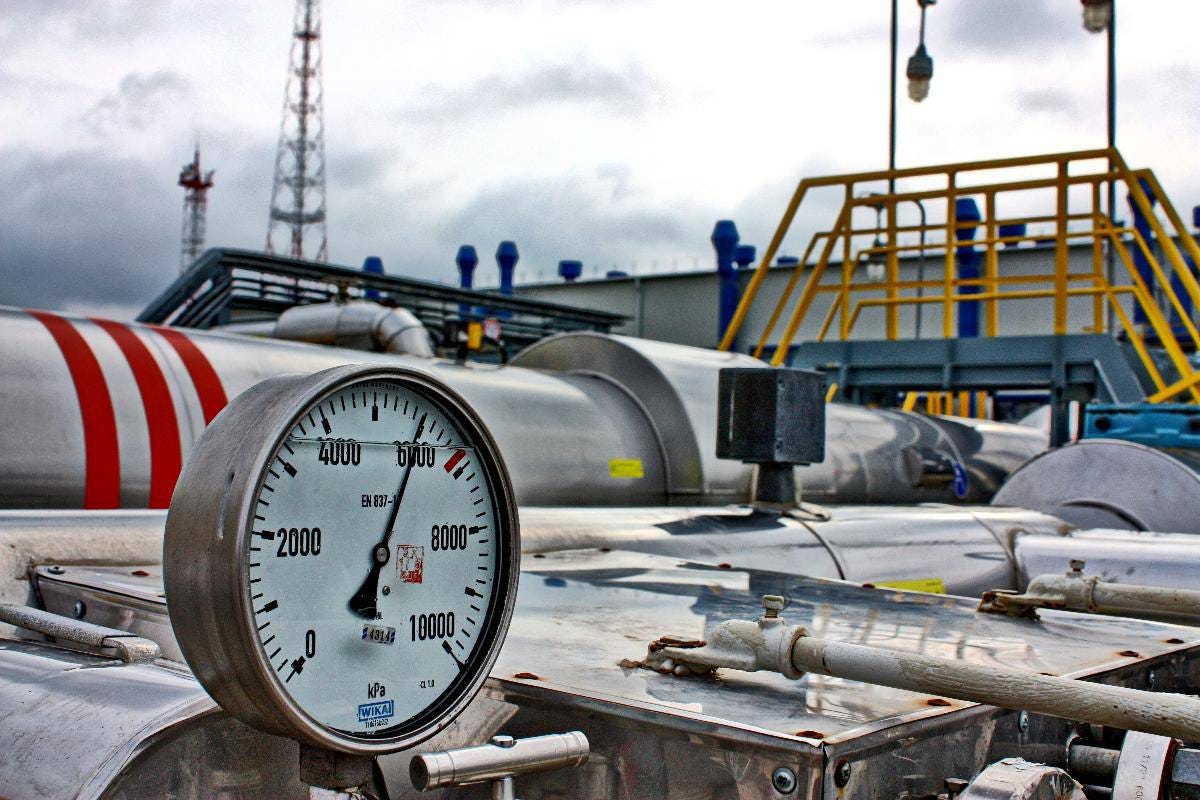
Ukrainian drone attacks again disrupted Kazakhstan’s main oil export route, leading to a third suspension of tanker loadings in July despite Astana’s intensifying diplomatic appeals for the pipeline to be spared. Two vessels were struck near the Caspian Pipeline Consortium’s terminal at the Russian port of Novorossiysk last week, one while loading crude supplied by the Chevron-led Tengiz project in Kazakhstan. The incident occurred only days after exports had resumed following an earlier week-long shutdown. The latest attack came a day after Kazakh Foreign Minister Yermek Kosherbayev discussed the pipeline with U.S. Secretary of State Marco Rubio, who stressed the importance of uninterrupted Kazakh oil exports. Loading has since resumed, but at reduced volumes. Nine tankers were damaged during July, while daily charter rates reportedly almost doubled to almost $340,000 as some shipowners avoided the terminal. The repeated stoppages threaten production, export earnings and the budget because the route carries more than 80 percent of Kazakhstan’s oil exports.
A court in Kazakhstan barred the editor of a news agency known for its critical reporting from journalism for five years amid a notable escalation in pressure on independent media ahead of parliamentary elections due later this month. KazTAG editor Amir Kasenov received 15 months of restricted freedom after being convicted of knowingly disseminating false information in a case linked to the agency’s reporting on complaints against Freedom Finance. The agency’s founder, Asset Matayev, received the same reduced sentence and a five-year professional ban. Both plan to appeal. Days later, journalist Alexandra Alyokhova was sentenced to three years in prison over the publication of personal information that her lawyers said was already available in public records. The sentence was deferred for five years, meaning she will not be imprisoned immediately, but she was barred from journalism for three years. Independent reporter Lukpan Akhmedyarov was stopped from leaving Kazakhstan under a police travel restriction whose basis has not been publicly explained. Another journalist, Dinara Yegeubayeva, said a traffic incident was rapidly escalated from an administrative matter into a criminal case carrying a travel ban. Activist Yermek Narymbay was also imprisoned over online criticism of constitutional changes, which his lawyer described as part of a pre-election clearing of dissent.
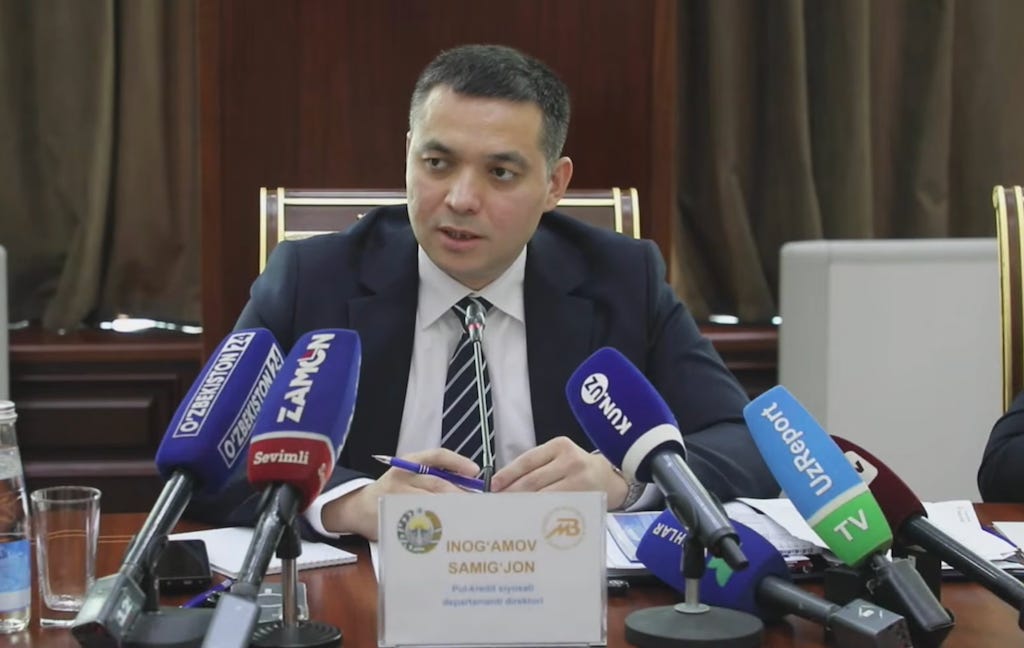
Uzbekistan’s central bank warned that the economy may be overheating after growth reached 8.5 percent in the first half of the year, with the expansion driven by strong consumer demand and rising government spending. Officials said interest rates should remain relatively high, that the government should avoid abrupt increases in expenditure, and that investment should be directed towards projects that expand production and improve labour productivity. The objective, as outlined by central bank officials, is to prevent spending from running too far ahead of what the economy can deliver. The warning closely matches advice from the International Monetary Fund, which has urged Uzbekistan to limit short-term spending increases, reduce preferential lending and optimise the management of public investment. The government expects growth of around 8 percent this year, compared with the IMF’s forecast of 6.8 percent.
Comments
Nothing yet. Say the first thing.
Sign in to join the conversation.