
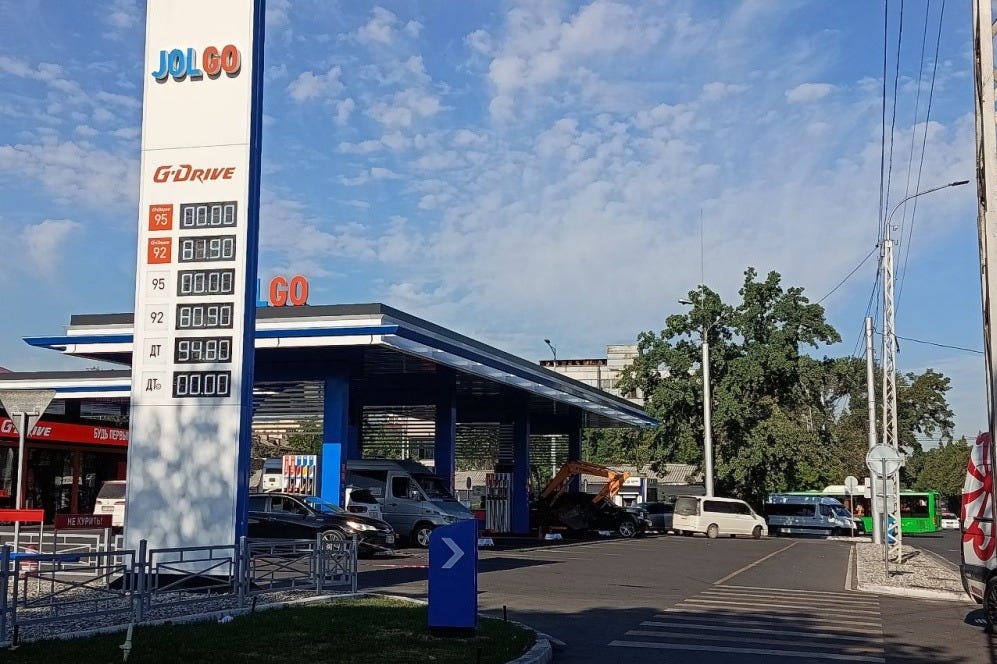
Kyrgyzstan banned all exports of oil and petroleum products and temporarily allowed fuel to enter by tanker truck as concern over shortages and rising prices deepened across Central Asia. The measure widens an earlier ban that applied only to shipments outside the Eurasian Economic Union, so fuel could no longer be sent even to other members of the bloc. The aim is to prevent scarce imported supplies from being re-exported. Pump prices in Bishkek rose by about one som, or $0.01, per litre in a week, while some filling stations still lacked AI-95 gasoline altogether. Kazakhstan, meanwhile, further tightened border controls to protect its cheaper domestic supplies. Teniz Capital warned that reduced Russian imports and a month-long maintenance shutdown at the Pavlodar refinery, due in September-October, could raise diesel costs during the northern grain harvest. Uzbekistan reported reserves for two to three months, but AI-95 at about $1.34 per litre remained among the region’s most expensive. Tajikistan, which is strongly dependent on imports from Russia, has likewise insisted it has two months’ worth of fuel reserves.
A United States missile strike on a railway bridge in northern Iran briefly disrupted one of Central Asia’s most important overland freight corridors, highlighting the risks posed to the region’s trade links by the widening conflict in the Middle East. The bridge lies on the Kazakhstan-Turkmenistan-Iran railway, part of the International North-South Transport Corridor that connects Central Asia with Iranian ports and has become increasingly important for Russian and Chinese cargo. Iranian authorities said the bridge was repaired and reopened to traffic within 24 hours, although reconstruction work is said to be continuing. The incident came just days after railway operators from Azerbaijan, Iran and Russia met to discuss expanding freight volumes along the corridor, while Russian Railways announced a steep discount on grain shipments via its western branch in an effort to attract additional traffic.
Kazakhstan’s seven registered political parties approved candidate lists for the August 23 election to the new 145-seat Kurultai. The pro-presidential Adilet party submitted the largest slate, with 186 names. Senior presidential administration officials, former ministers, wealthy business figures and a niece of President Kassym-Jomart Tokayev appeared on the list. The total exceeded the number of seats because parties nominated broad candidate pools under the party-list system. Adilet absorbed the former party of power, Amanat, in June. Senior party official Marat Shibutov has predicted it will win 100 to 120 seats. The six other parties also entered the race, but none represented an open challenge to the presidency. The formal campaign is due to start on July 23, but public interest remains limited little more than a month before the vote.
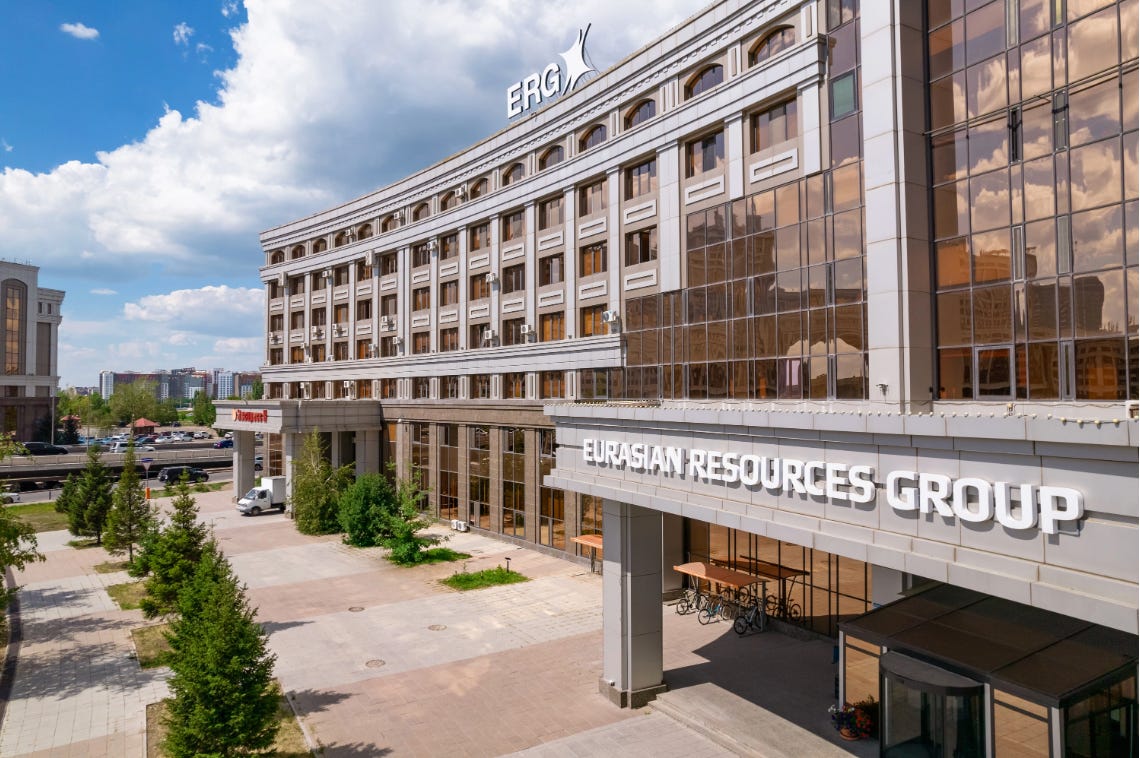
The owners of Eurasian Resources Group, a partly state-owned mining conglomerate with major operations in Kazakhstan and Africa, are considering splitting it into separate Kazakh and international businesses, Bloomberg reported. ERG, which is 40 percent owned by the Kazakh state, produces ferrochrome, aluminium and iron ore at home. Its overseas assets include copper and cobalt operations in the Democratic Republic of Congo and mining interests in Brazil. The proposed division could place the Kazakh business under the influence of construction magnate Shakhmurat Mutalip, while company chairman Shukhrat Ibragimov would retain control of the African operations. The plan remains under discussion. A split could clarify ERG’s ownership structure and give the two businesses greater freedom to pursue separate investors, partners and supply deals. It would also reinforce perceptions of a wider transfer of major industrial assets from figures linked to the era of former President Nursultan Nazarbayev towards businessmen seen as closer to the current presidential administration.
Comments
Nothing yet. Say the first thing.
Sign in to join the conversation.