
G’day Hautties
Talk about great timing! Australian Fashion Week has wrapped, and one of my favorite thinkers and collaborators, Marian Park , recently launched a little something-something. Meet Modus, a fashion mini-SaaS platform built specifically for the Australian womenswear market. Its database includes 380 brands cataloged across positioning, design codes, and customer focus, giving brands a clear picture of market gaps. She’s also kindly published a free report, The State of A(n) (Ad)dress, including key findings from the database to help define and demystify the complex Aussie fashion industry.
To complement my round-up of the key trends from the resort shows, I’ve included some of Marian’s amazing insights to help shed light on my local fashion scene. I’ve also contributed to an article on her Substack exploring femininity in Australian fashion.
Required Reading:
As a born and bred Melbournian with a wardrobe full of dark colors and cozy coats who feels more connected to the city than the coast, I’ve lamented before (and at length!) about the global pre-conceived notion that Australian fashion’s job is just beach. This has resurfaced following the #theaustraliaeffect TikTok trend, which documents the evolution of lifestyle and fashion choices toward being less polished and more casual and athletic after relocating Down Under.
Digital-native Gen Z consumers arrived into the womenswear market online-first and micro-trend literate, and the platforms that carried global trends inward were the same ones broadcasting Australian lifestyle abroad. ‘The Australia Effect’ renewed international attention to a fantasy long in circulation: relaxed attitudes, coastal serenity, and the clothes that dress it.” - Marian Park, The State of
A(n) (Ad)dress
Modus describes Australian resortwear as “a category without a claim,” noting that it has the same international cultural potential as American Sportswear, highlighting opportunities for retailers to develop this area beyond the linen set — “As the northern hemisphere bookmarks Australian summer during their winter, the lag, reframed, can be a lead”.
From the Modus database, “relaxed” accounts for 48.5% and 62.5% of dress codes at Australian mid and mass market brands, respectively, while “surf/beach” is included in 25% of mass market brands’ design language. This descriptor is also nearly six times more concentrated in youth brands than in the wider market.
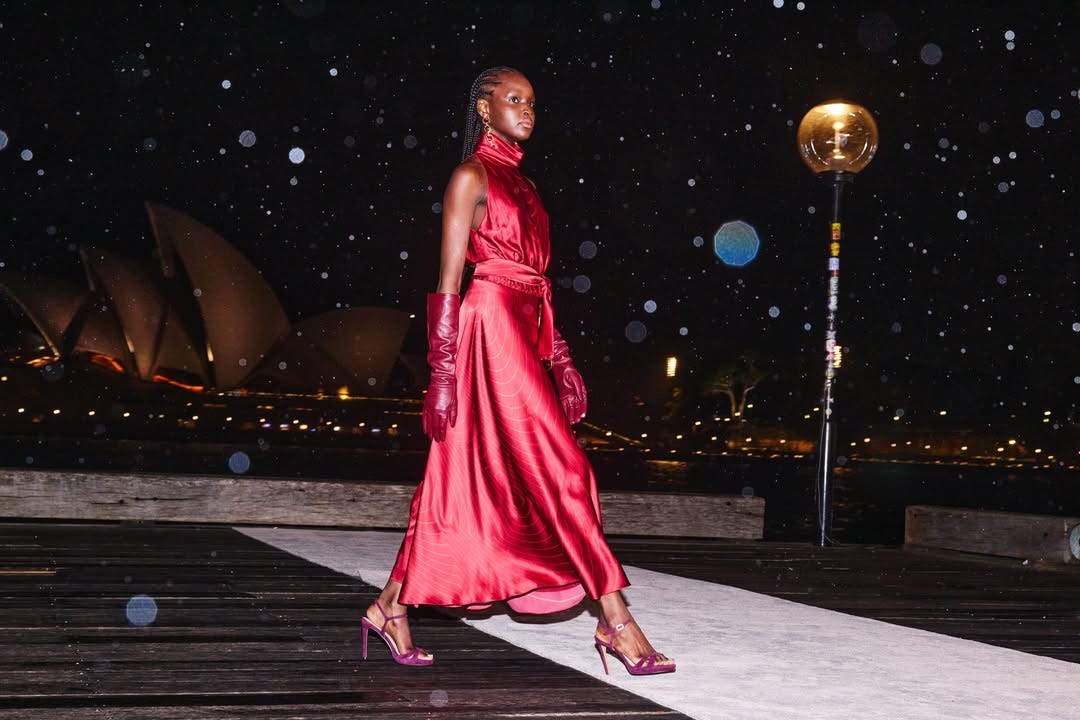
While the warm weather and sandy beaches are an important part of Australian fashion sensibilities and lifestyle, they aren’t all-encompassing. However, it wouldn’t be resort season at an Australian Fashion Week without, well, resortwear. References to seaside and aquatic themes were abundant across designers’ presentations. At Commas, fisherman sandals, raffia bucket hats and knitted ponchos evoked rugged coastline dressing. Hansen & Gretel leaned into a 2000s mallrat meets mermaid direction - aquamarine and hot pink hues, micro shorts, crochet, shell accessories and hibiscus motifs.
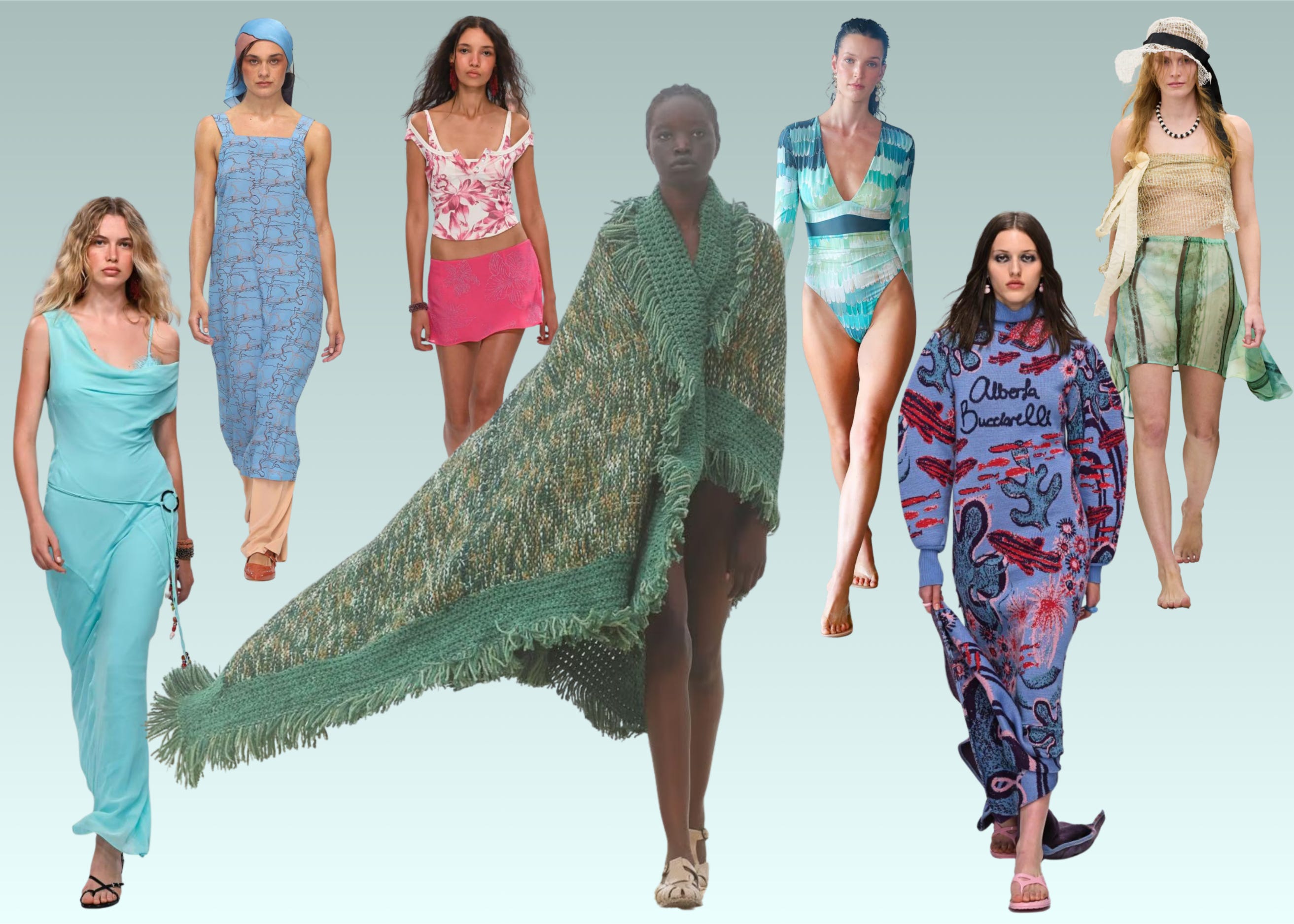
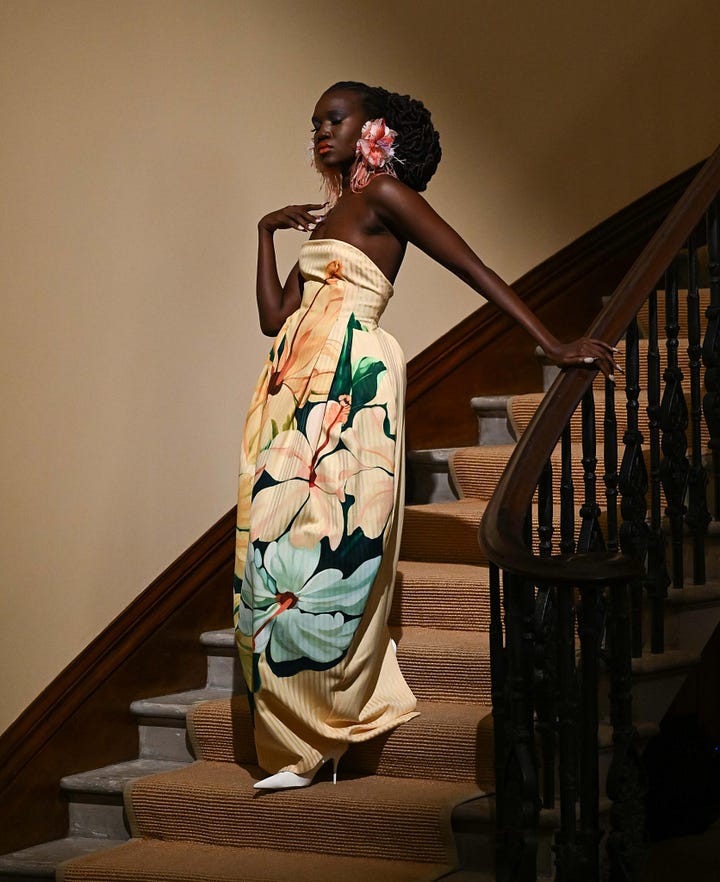
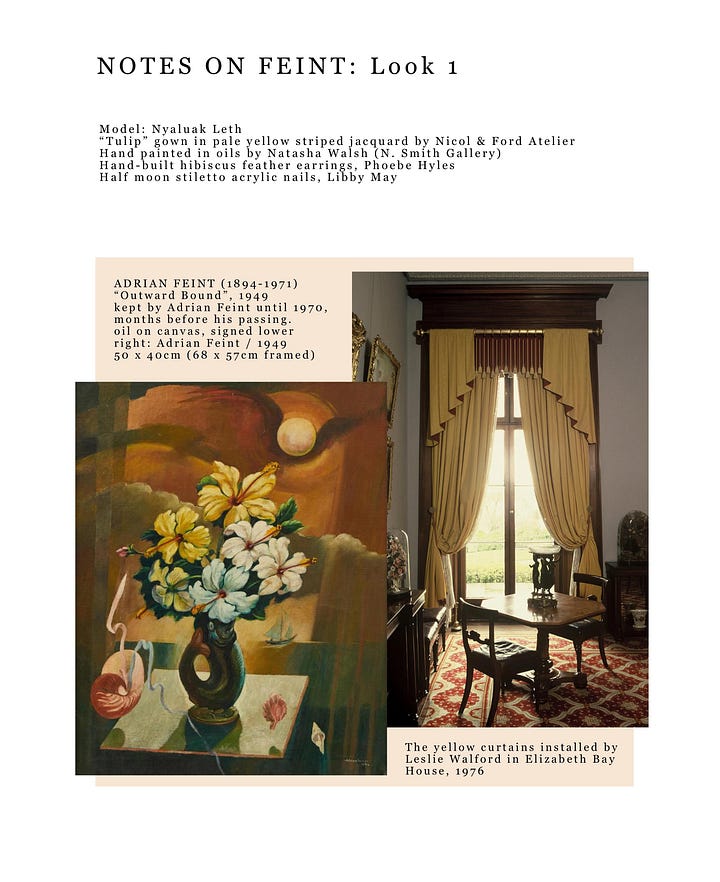
Tropical prints also surfaced in AJE’s boho-coded collection, with a palm tree and sunset print shift mini dress. Meanwhile, at one of my favorite collections, Nicol and Ford, paid homage to queer Australian artist Adrian Feint. The opening look, a strapless tulip gown, featured hand-painted hibiscus blossoms reminiscent of the artist’s still lifes.
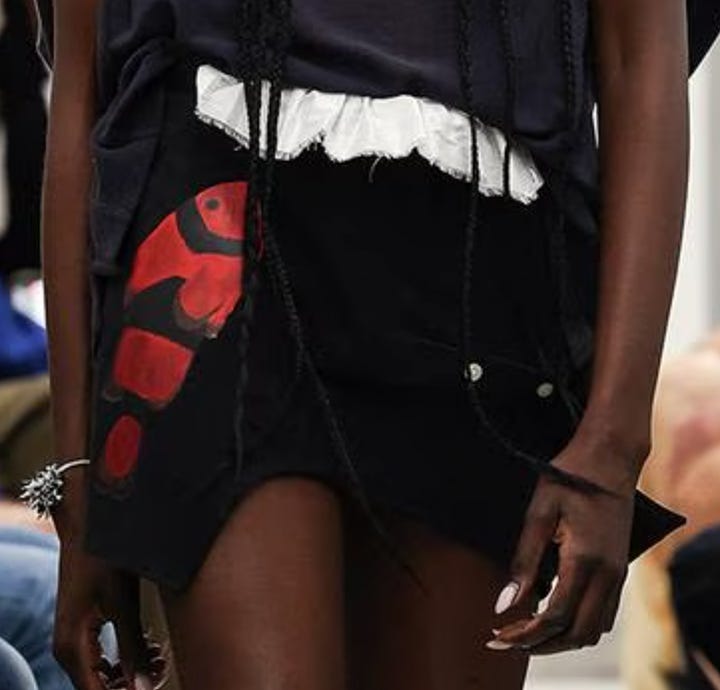
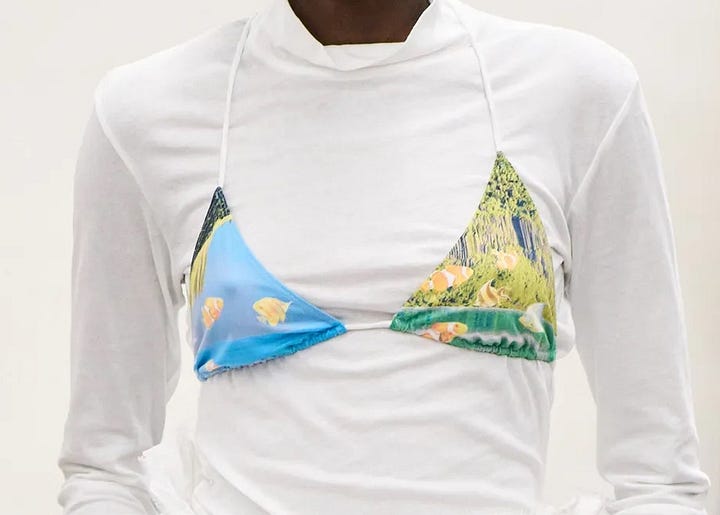
Also, I’d be remiss not to mention the fish prints. A charming inclusion at Alix Higgins with digital prints on swimwear and oversized graphic placements on shorts, while Alberta Bucciarelli’s marine life knitwear was a standout on the New Generation runway, marking the emerging label as one to watch.
According to Modus data, the brands experiencing the fastest audience growth within the youth space prioritize “sensuality” within their brand ethos. This design language registers at 44.4% among Gen Z-targeting brands against 16.2% in the rest of the database. These references were prevalent across Resort 2027 collections, most visibly in fabric and texture.
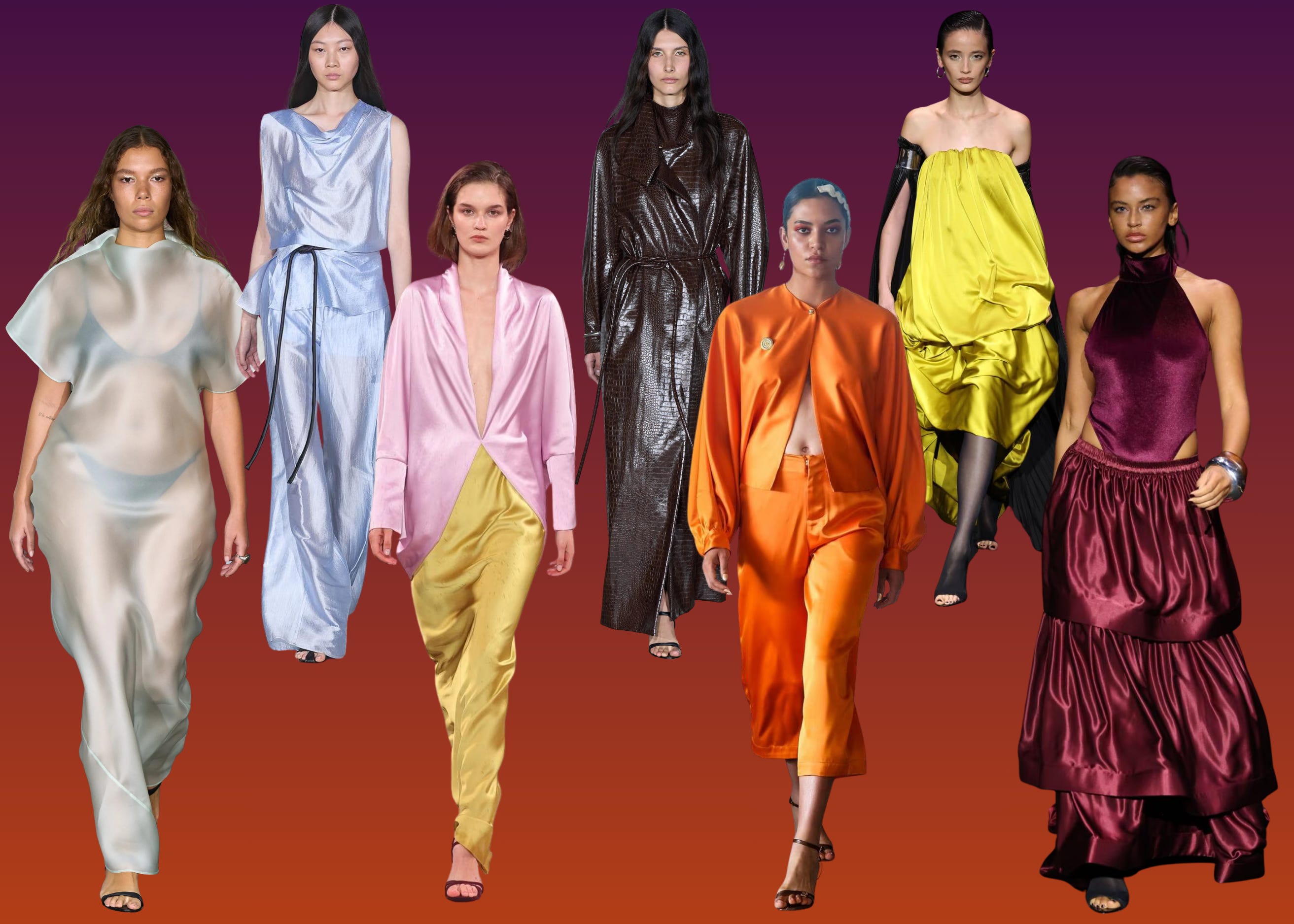
High-shine fabrics with a liquid-like sheen and fluid movement underpinned Australian designers’ latest offerings. Bianca Spender presented drapey georgette dresses in icy blues and jelly mints, alongside filmy utility jackets and wet-look crocodile-embossed leather, balancing softness and strength. Brands took the opportunity to play with jewel tones and bold color combos, adding opulence to these slinky yet airy looks. Bile yellow was favored across L’idée Woman and Carla Zampatti, with the latter brand mixing the divisive shade with baby pink for unconventional pajama dressing.
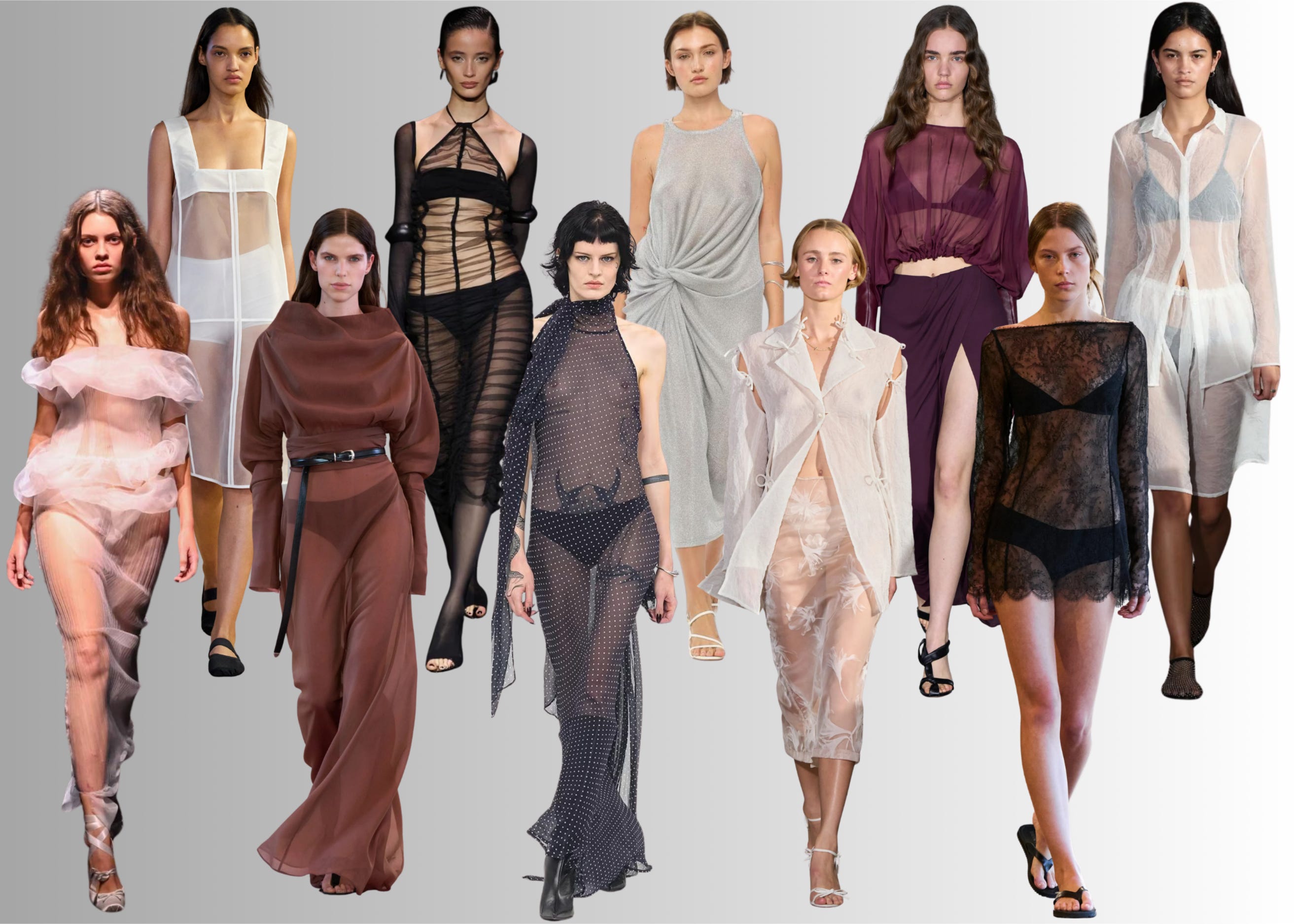
Despite articles calling for the end of the red carpet's favorite trend, naked dressing proved its staying power and brands continued to showcase fabrics with varying levels of transparency. For instance, Lee Matthews used sheer panels for a peek-a-boo effect, injecting femininity into the collection’s accompanying utilitarian silhouettes and unfinished hems.
Polka dots added dimension to sheer textiles at Courtney Zheng and Bianca Spender, reaffirming the print’s ongoing importance. Gauzy drop waist dresses and floaty sheer maxis also appeared at AJE, continuing the themes of femininity and sensuality.
Breaking away from the typical aesthetics associated with Australian fashion, maximalism, avant-garde, and architectural are in the minority of Modus’ design codes — accounting for just 3.2%, 1.8%, and 1.3% of the market, respectively.
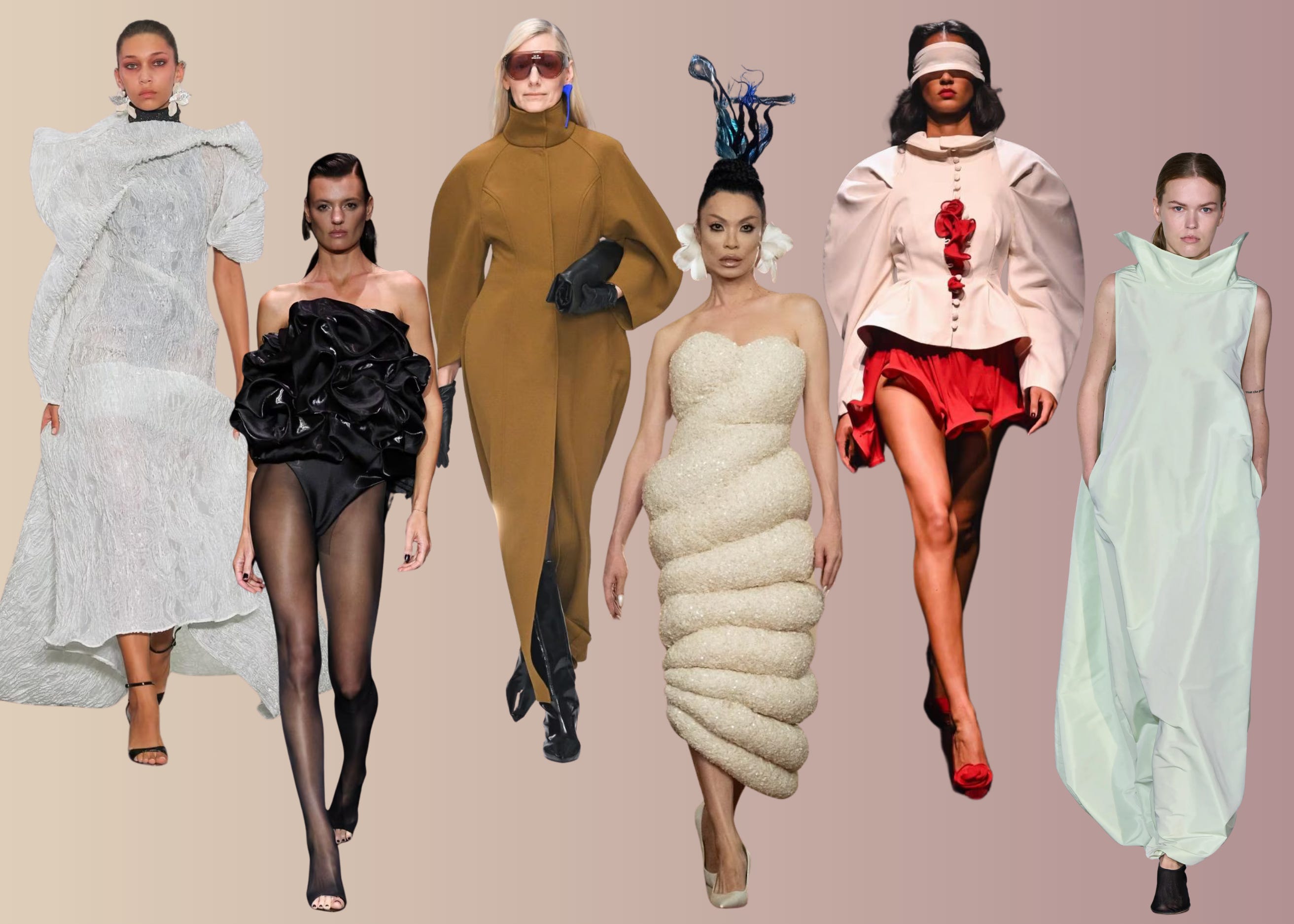
Still, some of the runways’ most memorable moments lived in these dramatic spaces. The more commercial interpretations included exaggerated shoulders and sleeves on collarless blazers and funnel-neck coats at Mariam Seddiq. 3D details like florals, flounces and peplums were threaded throughout numerous shows, tying into the overarching themes of femininity. From a more directional perspective, wearable art emerged in Maticevski’s ethereal collection, with twists and folds creating sculptural silhouettes. And let’s not forget the final look from Nicol and Ford - can I interest you in the world’s most glamorous witchetty grub?
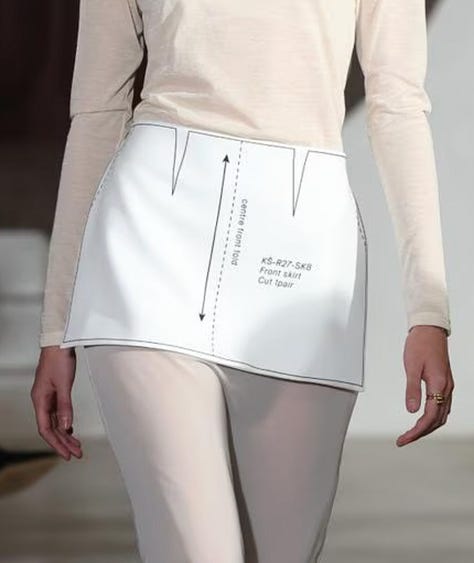
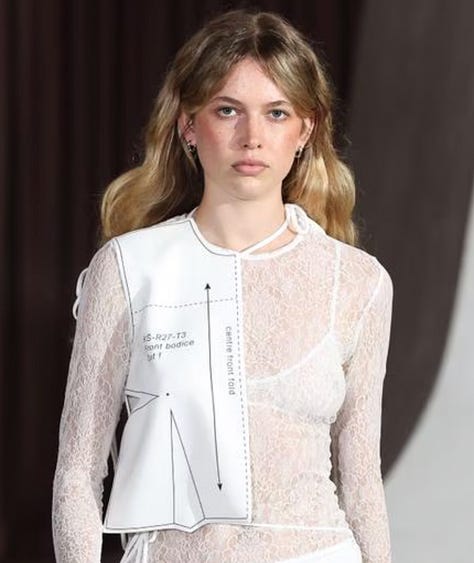
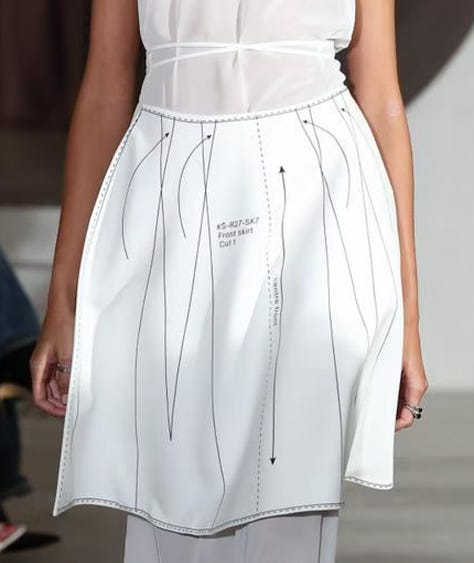
As we continue to debate “is fashion art?” post-Met Gala, Karla Spetic gave us a peek into the creative process. Sewing pattern pieces were incorporated into the brand's tops and skirts, offering a more subdued answer to the question than its contemporaries, yet no less compelling.
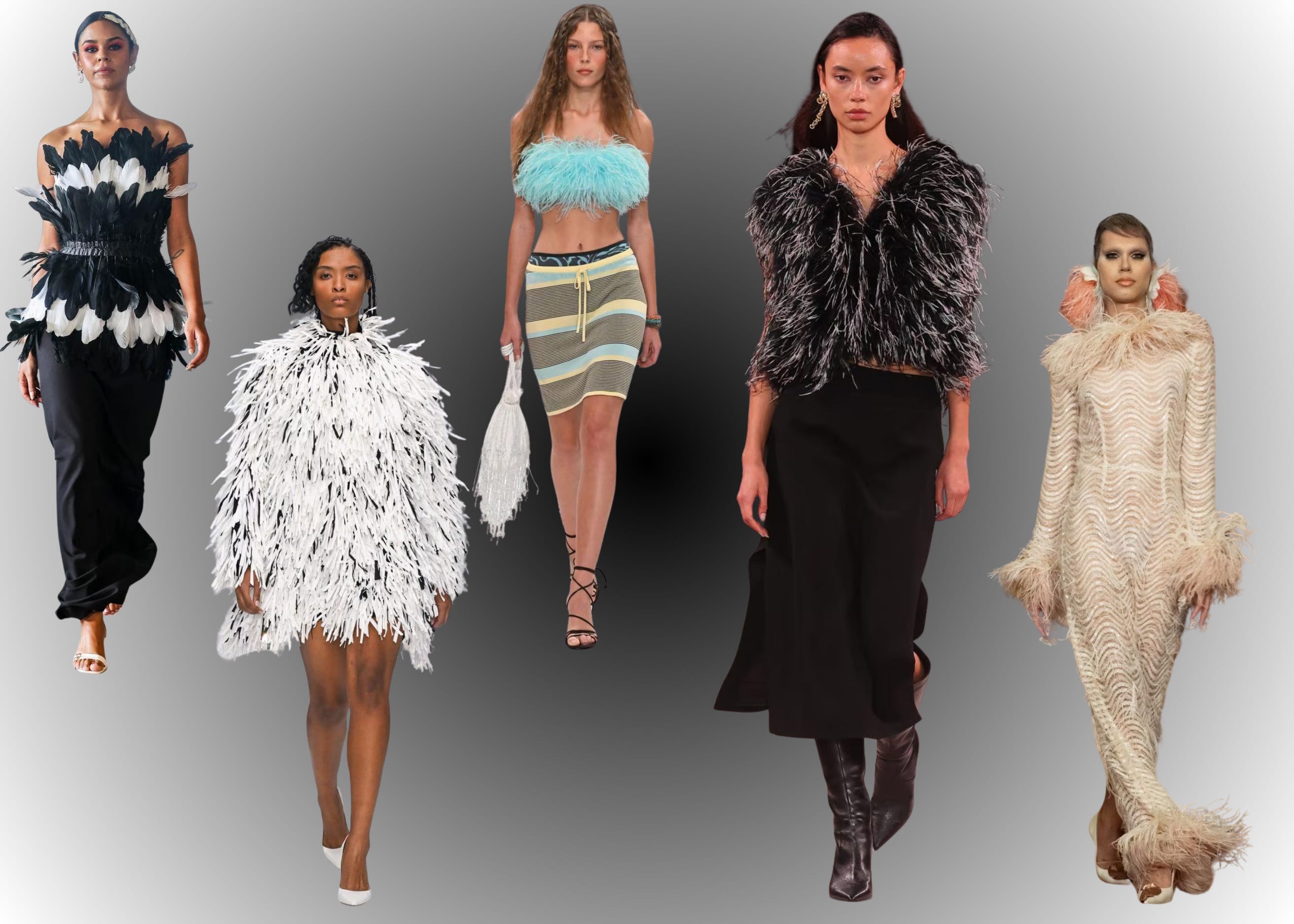
Dialing up the drama further, frills and feathers have been unmissable among the new guard of your fave international creative directors — Matthieu Blazy at Chanel, Louise Trotter at Bottega Veneta, and Jonathan Anderson at Dior. Australian designers also flocked together to play with texture and volume.
AFW opener Buluuy Mirrii set the tone with a collection celebrating Gamilaraay culture, animals, land, and people, including a magpie-inspired dress with a black-and-white feathered bodice. Carla Zampatti experimented with scale, from wispy trims on shirt collars to full-plumage tops and party dresses, while Mariam Seddiq used deadstock leather fringing across apparel and accessories to mimic ostrich feathers.
“Workwear is underserved. Define it before someone else does.” - Marian Park, The State of
A(n) (Ad)dress
Australia’s warm climate and relaxed lifestyle contribute to a laid-back approach to workwear. Meanwhile, according to Modus, the record number of women in the workforce is not reflected in current product offerings. With only 5% of design codes classified as “corporate,” there is potential to redefine and innovate in this category — especially as younger employees join the workforce and continue to challenge traditional office attire.
Unsurprisingly, workwear and suiting in resort collections remained casual-leaning, with an emphasis on lifestyle over professionalism. Commas executed this with an oversized blazer and suit pants layered over a bikini and a sarong tied at the waist (post-meeting quick swim?), while Beare Park played with proportions, combining casual and formal with awkward-length shorts, slouchy jackets, and silky tops — all while begging the question: are flip-flops office-appropriate?
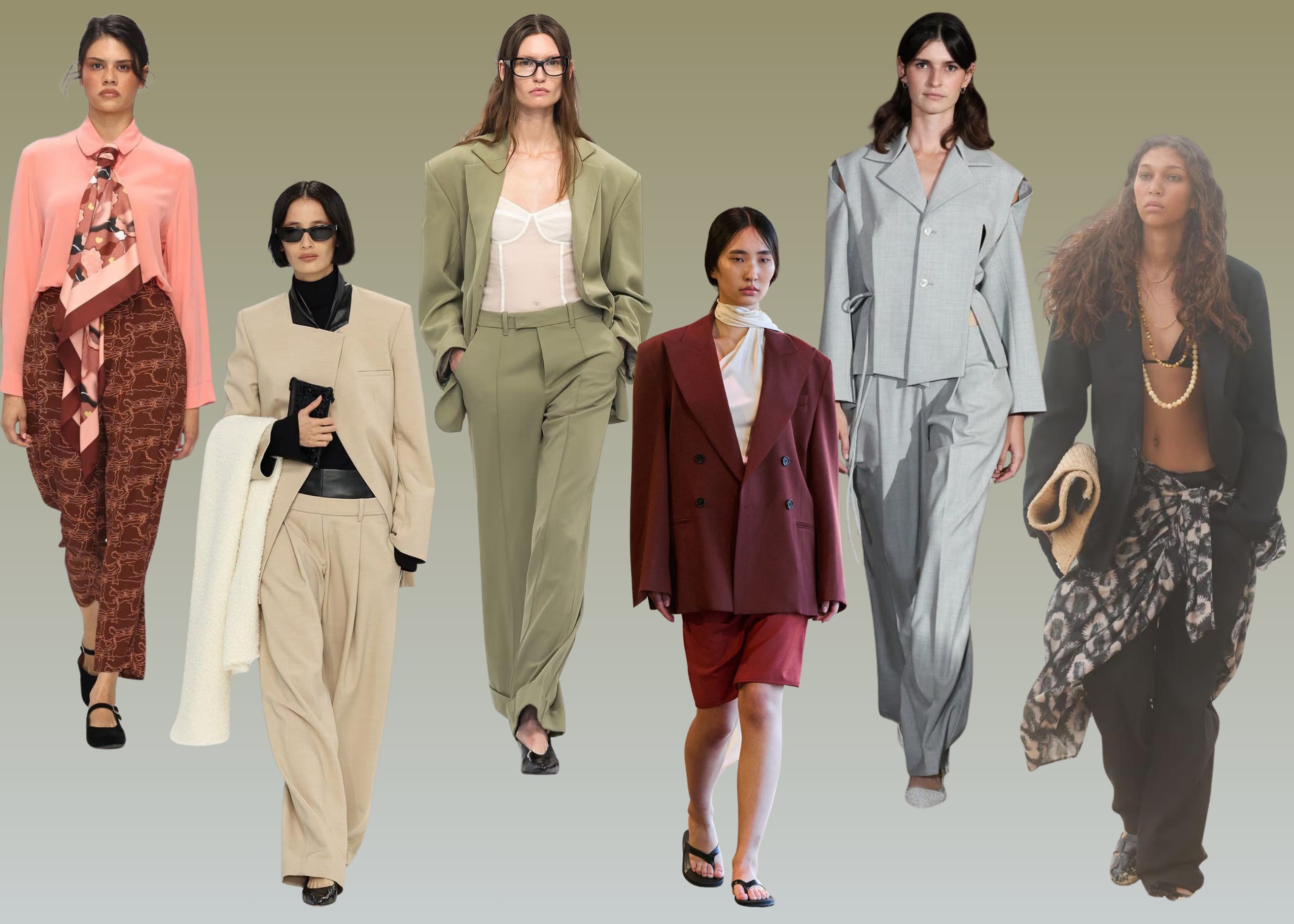
Additionally, designers drew on feminine and sensual elements to further evolve workwear, with Courtney Zheng styling corsets under relaxed suits and Karla Spetic’s blazers featuring intentional cut-out details. The Australian-coined aesthetic of “barefoot luxury” — described as elevated, comfort-led dressing that carries no markers of social hierarchy — also appeared in corporate dressing, most notably at Esse, through leather hoodies layered under collarless blazers and tactile, emotional-support accessories.
Finally, Ngali styled the brand’s signature First Nations artist-printed silk scarves as ties and accessorized collars and skirts with pins — underscoring the need for personalization to express identity, values and tastes, avoiding rigid uniformity.
Thanks for reading Haute Garbage! This post is public so feel free to share it.
Also, a big HG thank you to our contributor. Marian Park is the founder and creative director of Miscellanea Studio, specializing in trend forecasting and creative concept design. Be sure to check out more of her work on Substack and read the full report at modus.fashion.
Comments
Nothing yet. Say the first thing.
Sign in to join the conversation.