
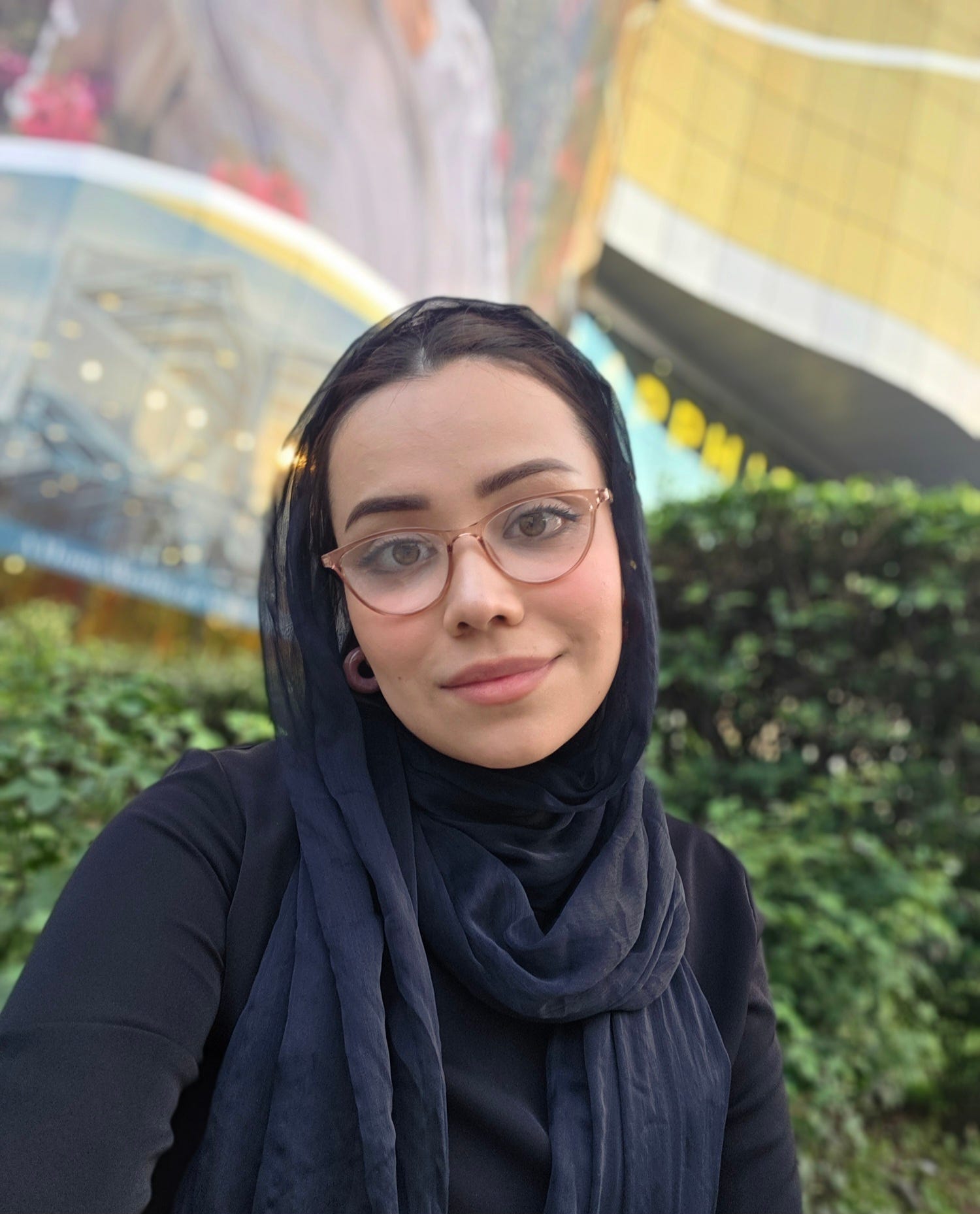
It was the day I finally stepped outside after nearly twenty days of being confined indoors, waiting anxiously for my visa to be renewed. (I’d rather not state this part too explicitly—just for my own safety.)
There were errands to run at a government office. Before, I had to go every six months, but now I must show up every month to the police office. The anxiety of dealing with them had stripped away the joy of simply stepping out after so long.
Though I arrived on time—right when their break was supposed to end—they still weren’t open. The crowd outside was large. Mostly Afghan women and young men.
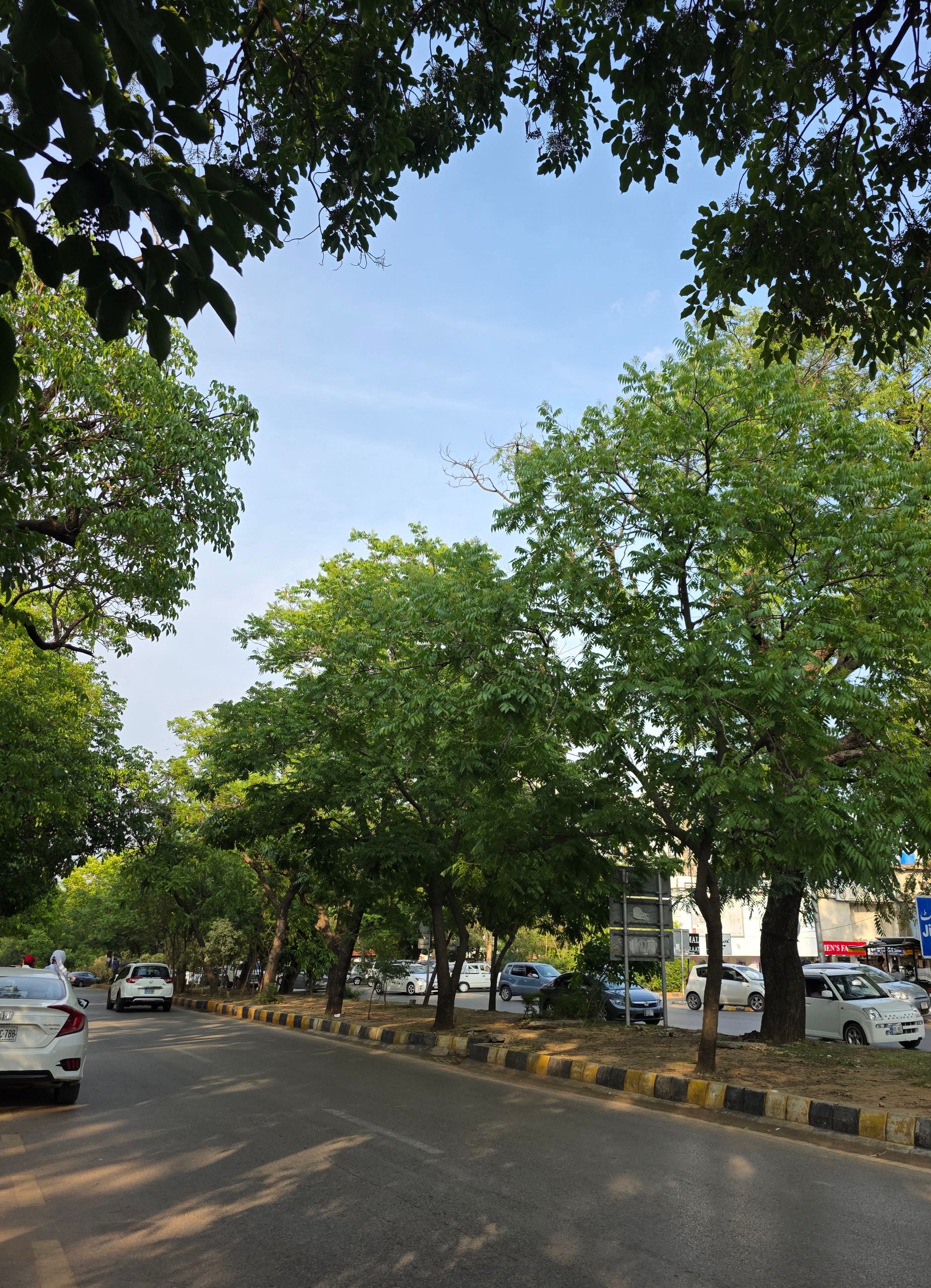
I asked the taxi driver, someone I often ride with in the neighborhood, to wait a while longer so I could stay in his car. “I’ll pay you extra,” I offered. I was anxious. I wanted time to pass faster so I wouldn’t feel like a burden. I stared at everything. I scanned the plants and little shops closely. I observed the people walking past who noticed me sitting in the car.
About twenty minutes passed, though it felt longer. The driver kindly went to check if the office had opened. When he returned and said yes, I thanked him deeply. I had already paid the fare earlier, but I leaned forward and placed a bit more on the front seat. He refused to take it, but I just thanked him and went on.
Inside, it was crowded and chaotic. I cursed myself inwardly—if only I hadn’t been so scared of last night’s thunder, maybe I could’ve slept earlier, woken up earlier, and avoided this noon rush. I tried to busy myself with my phone. A woman sat beside me with her young daughter. She nodded a greeting, assuming I wasn’t Afghan. I greeted her back and asked how she was.
She replied, “I’m very worried, with the situation now (referring to the deportations). I hope we get our paperwork done today—we can't afford to pay fares again and come back.”
I told her not to worry. “It’ll get done.” She shared how, just last night, she’d been so distracted by stress that she accidentally poured boiling water on her hand while making tea. Then she gently showed me her hand, wrapped in a bandage.
I tried to listen attentively to her concerns. People’s numbers were being called. Mine was eventually called too, and after about twenty minutes I finished my work. The officer asked extra questions, but I kept my answers brief and calm—as someone whose presence often feels unwelcome. I had been there for about an hour and a half. I took a deep breath and headed to a nearby café to freshen up.
Crossing the road, I felt the warmth of the Islamabad sun on my skin. At the café, the barista greeted me warmly and took my order. I went upstairs to the restroom, washed my hands, splashed cold water on my face, put my earrings back in, and touched up my lip balm.
When I came back downstairs, my iced latte was ready. I sat for a moment. Everyone around me looked calm—everyone but me. I messaged Ruqia, the Afghan girl who did my first manicure. “Are you there? Should I come now?” She replied instantly, “Yes, I’m here. Come!”
I called a taxi, and by the time it arrived, I had finished more than half of my coffee. I felt grateful—for many things. As I got in, I recalled how difficult it used to be to hail a taxi back in Afghanistan. As we drove, I looked out at the people, the homes, and did what I always do—wondered what stories and energies lie within those walls.
Lost in gratitude and gentle thoughts, I barely noticed the time pass. Within minutes, we arrived at the beauty salon. At the entrance, there was a new pastry shop that seemed to be run by a Chinese man—it’s popular among Chinese customers. I’d tried a matcha roll there once. I took the elevator to the second floor.
As I entered, I greeted the receptionist and asked for Ruqia. She came out shortly after, and we hugged. I think I’ve become very comfortable with this part of our culture—the way we ask about each other’s well-being in long, heartfelt paragraphs, unlike the Western "How are you?"
As we walked to her station, I was surprised to find she had prepared a lovely cup of green tea and a cookie for me. With a big smile and excitement in my voice, I said, “Oh wow, you didn’t have to! What a treat.” She was gently cleaning my nails.
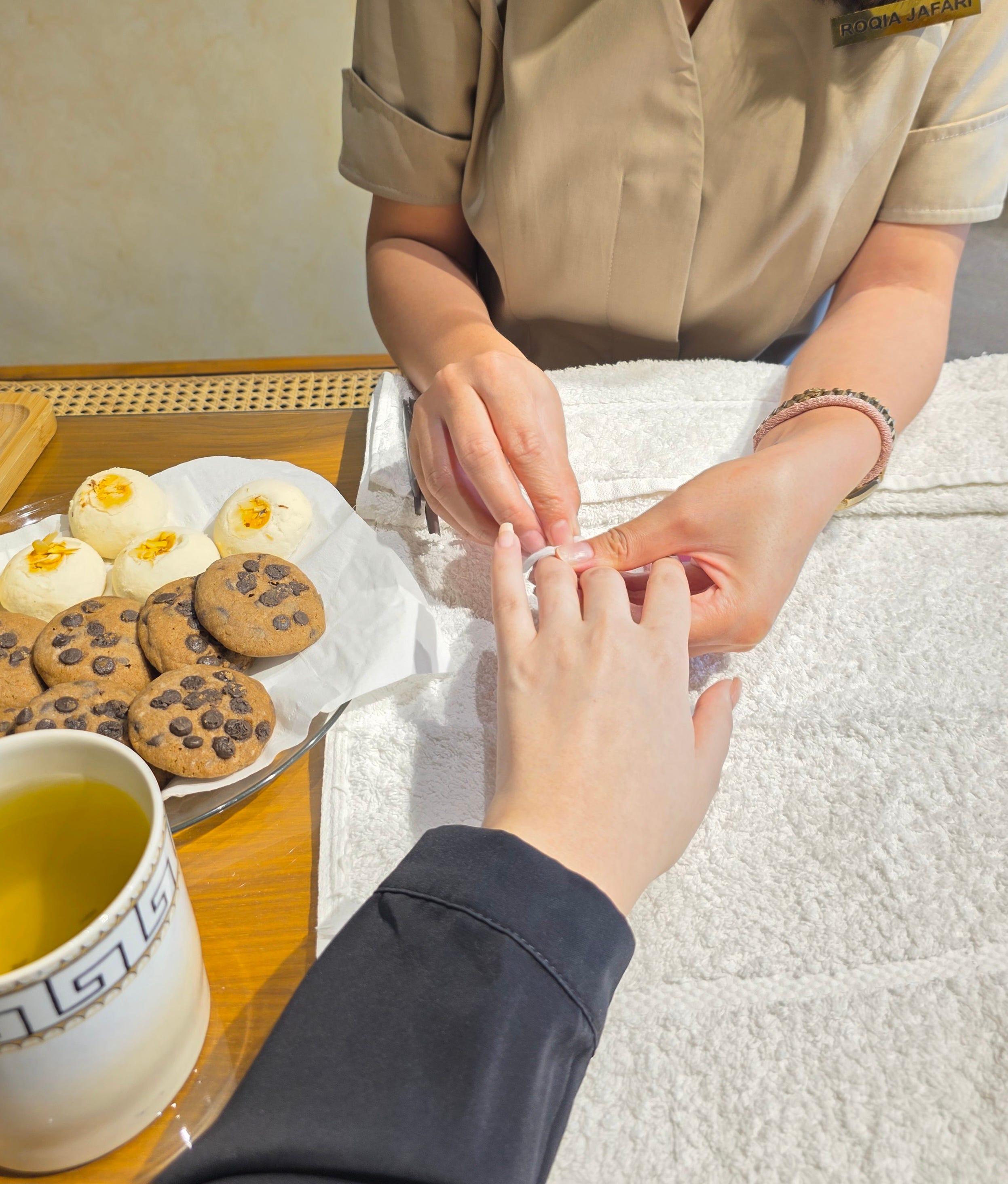
As I sipped the tea, I felt its flavor more deeply than I had in ages. “So, tell me how you’ve been,” I said. But before letting her answer, I gave her a short update about myself, to break the ice.
Everywhere I go, if I meet a woman—or anyone—carrying a backpack full of dreams, I want to hear from them. I want to listen, and through listening, encourage them to share more.
Ruqia lives alone here. After completing a training course, she now works in a luxury salon in Islamabad offering manicure services. Her colleagues are also Afghan girls. When I complimented her tea, she said, “I think this is the only thing I can prepare well.” I looked at the tea’s pistachio-green color and replied, “No, you bring beauty to life.” She worked with calm precision—not chaotic like me. Her femininity shone through her manner.
She asked for my preferences, but unlike my first visit, I let go and trusted her craft. She mentioned her hand sometimes trembles. I remembered she’d said this last time too. “Probably from holding clients’ hands all day,” I said.
We spoke about our fears. About deportations. We exchanged news and updated each other. It seemed like Ruqia hadn’t had a safe person to share her ideas and joys with in a while. She quickly began telling me about her dream—to start a small fashion design business. It’s what she has always loved. But to survive and feed herself in this unfamiliar city, she had to choose something safe—something that would keep her from going hungry.
She spoke slowly, gracefully. A slim Pakistani woman walked by, dressed in a lovely pink outfit. She’d just had her hair done. For some reason, I suddenly realized how long it’s been since I wore pink. I didn’t even like it anymore. But I wasn’t happy about that. I kept thinking—what burden, what constant need to be strong, independent, and self-protective had led me to abandon a color that once symbolized softness, femininity, maybe even the luxury of being a little delicate?
I asked Ruqia about her parents. “They’re doing well. I miss them a lot.” Living alone as an Afghan girl in a foreign city is deeply taboo, but she’s doing it. She said she wants to move to a new place. I hear that often from Afghan families here—changing houses once, twice, even three times a year, often by necessity. It’s become a routine.
Our conversation was flowing. I mostly listened—and that’s one of the ways I experience life: by absorbing others’ lived stories. I recommended some places that might help her in her situation. She shared memories of Afghanistan and said maybe one day she’ll tell me her full story.
Her colleague came over and greeted me, “So this is the one you were waiting for?” Ruqia had clearly prepared for my arrival. With a smile and a joke about Ruqia’s ethnicity, her colleague showed how close they were. Ethnic jokes still make me uncomfortable. I get it—ethnicity defines a lot back home—but it’s hard to digest.
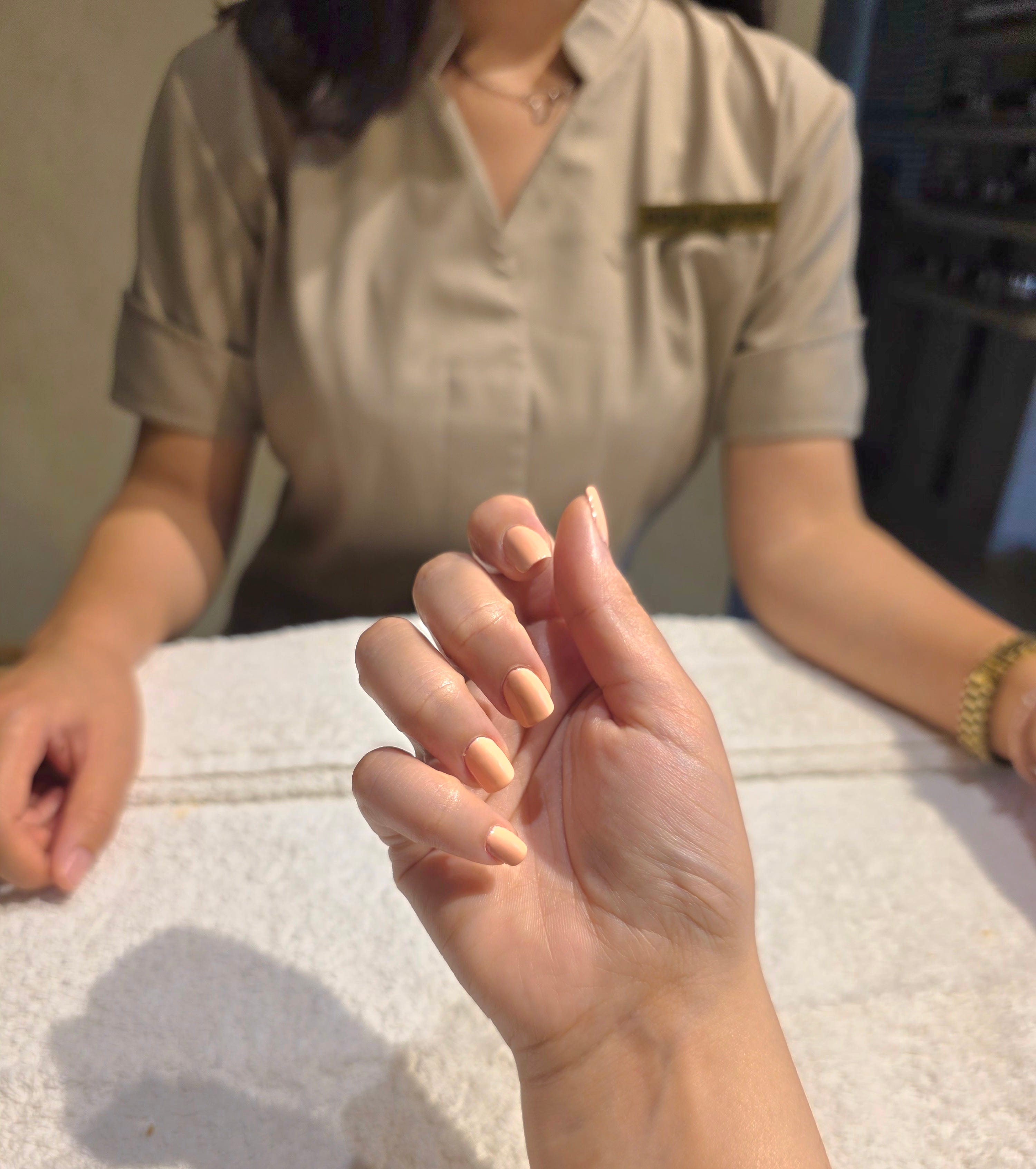
After trimming my nails, Ruqia soaked my hands in warm water and dried them with a towel. She began painting them. She told me the park near her home is her safe haven—when she’s tired or down, she goes there alone. Even though solo outings for girls like us are unusual, I admired her bravery. When her colleague arrived, she fell quiet. That silence said a lot.
Eventually, the manicure was done. She’d worked so carefully. Everything looked beautiful. I had arrived in late afternoon, and now it was early evening. I thanked her sincerely and admired my nails—light pink polish that created a beautiful contrast against my skin. As I stood up, she offered to help with my things so I wouldn’t ruin my nails. I told her I was fine. We hugged. “Thank you for being strong and chasing your dreams,” I said, hoping she wouldn’t notice my teary eyes.
I said goodbye and left. In the elevator, I forgot I needed to go to the ground floor. But just as I remembered, I arrived. I saw the Chinese pastry shop and went in to get something for my mom. Back in the days of President Daoud Khan—when life in Kabul felt more stable, her grandfather ran refined pastry shops, elegant and full of charm. My mom has always loved sweets.
looked for Swiss rolls, matcha roll cakes, and mooncake (which made me oddly excited—I think I first saw mooncakes in a cartoon I used to watch as a child, Sagwa the Chinese Siamese Cat). Then I saw cookies—the exact same ones Ruqia had offered me earlier. I had mentioned during my first manicure how much I liked the pastries from the shop downstairs. She must’ve remembered that, and bought them especially for me. Even though she’s not rich, she tries to be generous. And maybe that’s why gestures like this touch me so deeply.
I paid and headed out. It was getting dark. I walked a bit—I wanted to walk as far as I could. There are far fewer Afghans on the streets now. I guess they stay home out of fear. But I carry my identity—even its uncertainty—wherever I go. I looked at people, searching for something familiar. The sharp sounds of traffic and the green of the trees stood out more.
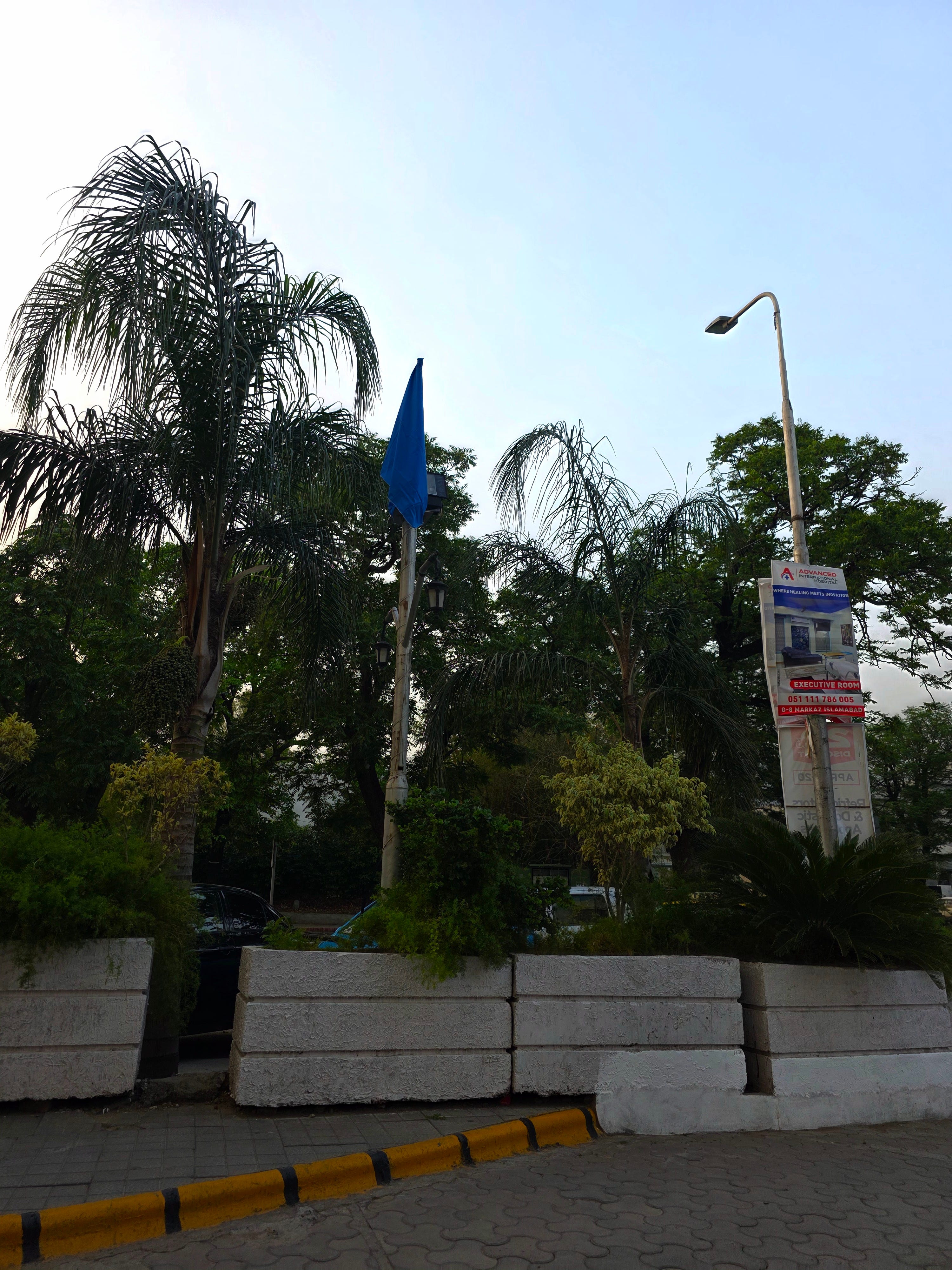
I felt happy to be outside. Happy my documents were safe with me—maybe they could protect me.
Then I remembered all the assignments I hadn’t finished. Like many other things. Worry crept back in. I stood across from a big store, by some palm trees, and ordered a taxi. When it came, I got in and looked at the pastries. I thought of the smile they’d bring to my mom. These are the small joys, the comforts we create for ourselves in exile.
Maybe these little joys—the tea, the manicure, the pastries—are what keep us stitched together when the world tries to tear us apart.
April 19, 2025
Comments
Nothing yet. Say the first thing.
Sign in to join the conversation.