
Field Notes — Stephen Albert, in the Sonoma Garden
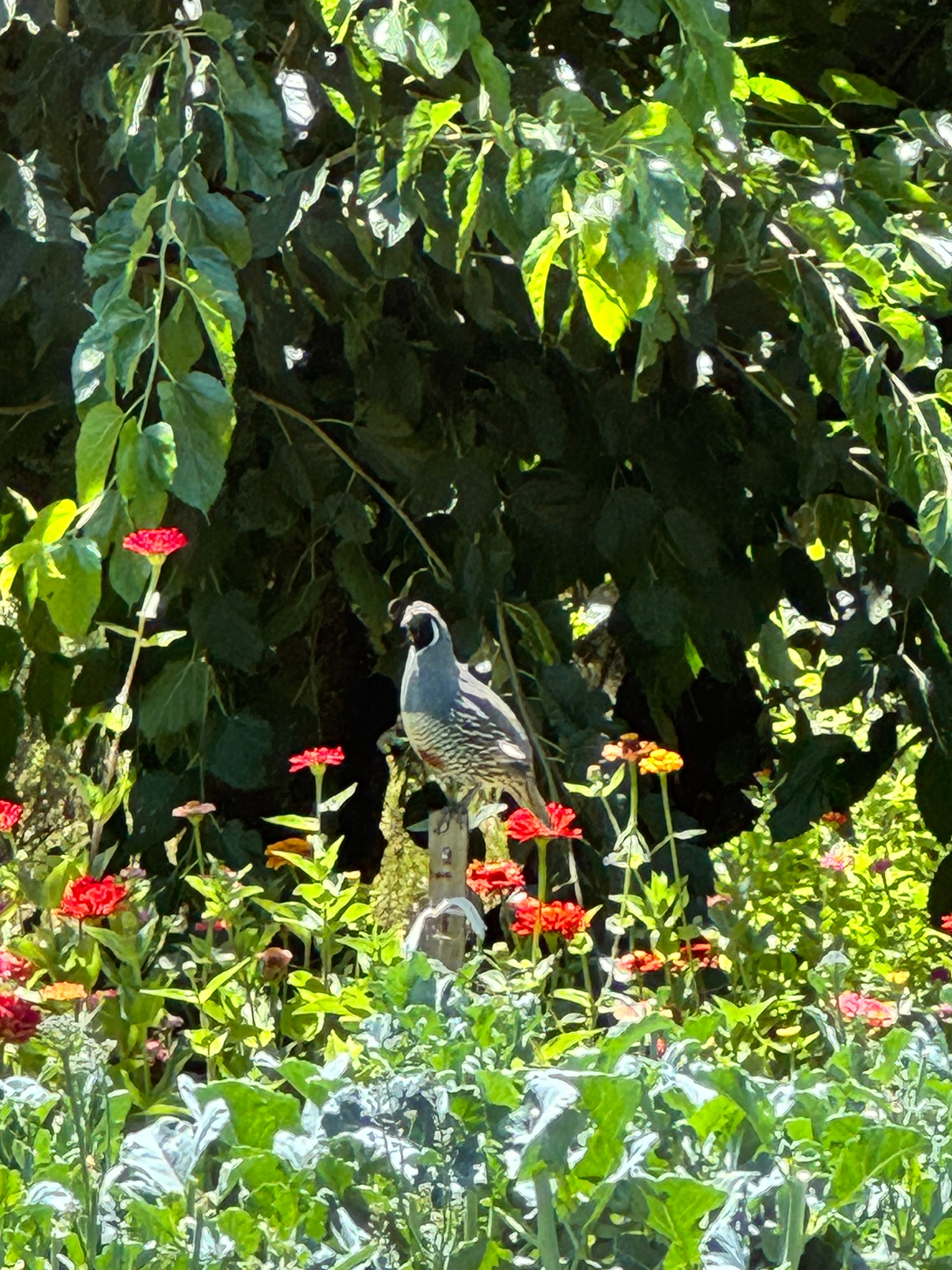
August arrives with excellent growing conditions above ground—but the soil beneath the garden is sending a warning.
Forecast highs this week range from the mid-80s to around 100°F, while nighttime temperatures remain in the mid-50s. These cool nights are a gift to summer vegetables, allowing plants to recover from intense daytime heat and continue producing flowers and fruit.
Soil temperatures, however, have climbed sharply. The five-day average soil temperature in my Sonoma garden has reached 80–87°F, placing warm-season vegetables near the upper end of their preferred growing range. At these temperatures, tomatoes, peppers, cucumbers, squash, beans, melons, eggplants, okra, and sweet potatoes can continue growing rapidly—but only if the root zone remains consistently moist.
Harvest To Table’s Substack is a reader-supported publication. To receive new posts and support my work, consider becoming a free or paid subscriber.
The biggest concern this week is not soil temperature—it is soil moisture.
Soil moisture has fallen to just 10% VWC. At this level, the root zone is critically dry, and actively growing vegetables are forced to choose between producing and surviving. Plants may still look healthy in the morning, but beneath the surface roots are struggling to supply enough water to support heavy flowering, fruit development, and nutrient uptake.
This is the week to protect the root zone.
Deep irrigation, fresh mulch, and careful watering schedules will determine how well the garden continues producing through August. Tomatoes need consistent moisture to prevent blossom-end rot and cracking. Peppers and eggplants need steady water to continue flowering. Cucumbers and squash require moisture to avoid bitter fruit and blossom drop. Beans will continue producing only if plants are not allowed to dry repeatedly.
Despite the dry conditions, this remains a productive time in the summer garden. Warm soil favors rapid growth of heat-loving crops, and gardeners who maintain irrigation should continue harvesting heavily.
The focus this week is simple: keep roots cool, keep soil moisture steady, and help plants finish summer strong.
Much of the country will experience another week of summer heat, with afternoon temperatures reaching the upper 80s, 90s, and near 100°F or warmer.
When high temperatures combine with soil temperatures above 80°F and very dry soil, vegetables experience a double challenge. Plants lose water quickly through their leaves, while dry soil limits the ability of roots to replace that lost moisture.
Common heat responses include:
Tomatoes reducing flower production
Peppers pausing flowering during extreme heat
Cucumbers dropping small fruit
Beans producing fewer flowers
Squash aborting blossoms
Lettuce and other cool-season crops bolting quickly
The good news is that nighttime lows in the mid-50s (at least here in Sonoma) continue providing valuable recovery time. Plants that receive adequate moisture can often tolerate short periods of extreme daytime heat.
Daytime heat is only part of the story. Most vegetables recover from hot afternoons by slowing down, repairing tissues, and replenishing energy during cool nights. When nighttime temperatures remain in the 60s, recovery is generally good. As overnight lows stay in the 70s, plants recover more slowly, using more of their stored energy just to stay alive. When nights remain near or above 80°F, many vegetables experience continuous heat stress because they never get the cooling period needed to recover, often resulting in slower growth, reduced flowering, poorer fruit set, and lower yields.
Deep morning irrigation
A thick layer of mulch around crops
Harvesting vegetables frequently
Protecting shallow-rooted plants and containers
Providing afternoon shade for sensitive crops when needed
If your garden is struggling with high temperatures, see:
• The Complete Guide to Growing Vegetables in Extreme Heat
Practical strategies for protecting vegetables during hot weather, conserving moisture, and maintaining production.
Not every garden is on the same schedule. Use your soil temperature—not the calendar—to decide what to plant this week.
With soil temperatures now ranging from 80–87°F, focus on crops that love heat. Cool-season vegetables should be started indoors or delayed until soil temperatures begin declining.
This remains an excellent range for most summer vegetables and early fall succession crops.
Continue planting:
Bush beans
Pole beans
Cucumbers
Summer squash
Basil
Sweet corn
Pumpkins
Winter squash
In cooler regions—where daytime highs are beginning to ease into the 70s and low 80s and nights are dropping into the 50s or lower—begin preparing beds for fall crops. Add compost, remove spent summer vegetables, and plan to sow cool-season crops as soil temperatures gradually decline.
Warm-season crops dominate this range.
Plant:
Bush beans
Southern peas (cowpeas)
Okra
Sweet potatoes
Armenian cucumbers
Malabar spinach
New Zealand spinach
Heat-loving basil varieties
Continue succession planting beans where the growing season is long enough.
Very warm soil limits germination for many vegetables.
Choose only heat-loving crops:
Okra
Southern peas
Sweet potatoes
Armenian cucumbers
Malabar spinach
New Zealand spinach
Avoid direct sowing:
Lettuce
Spinach
Broccoli
Cabbage
Cauliflower
Instead, start fall crops indoors or in shaded seed beds where soil temperatures are cooler.
Water planting beds thoroughly before sowing.
Keep seedbeds shaded during the hottest afternoons.
Check soil moisture daily until seedlings emerge.
Mulch immediately after seedlings are established.
Sow fall crops in protected areas where soil temperatures are lower.
Continue planting beans every two weeks where the season allows.
Don’t know your soil temperature? A soil thermometer is one of the most useful tools in the vegetable garden. It helps explain why some seeds thrive while others struggle, especially during the transition from summer to fall gardening.
Feed the soil, not just the plants.
With soil temperatures above 80°F, microbial activity remains high—but only where moisture is available. Extremely dry soil slows the organisms responsible for breaking down compost and releasing nutrients.
A thin layer of compost beneath mulch can help:
Feed beneficial microbes
Improve moisture retention
Add slow-release nutrients
Protect soil structure during heat
Healthy soil biology helps plants tolerate stress, especially during hot, dry periods.
August is one of the busiest harvest months of the year. Regular harvesting is one of the best ways to keep summer vegetables producing.
Harvest frequently:
Tomatoes
Peppers
Cucumbers
Zucchini
Summer squash
Bush beans
Pole beans
Eggplant
Basil
Melons
Okra
Harvest during the cool morning hours whenever possible.
Morning harvest provides:
Better flavor
Higher moisture content
Longer storage life
Use scissors or pruners for beans, cucumbers, peppers, and squash to avoid damaging productive stems.
Tomatoes: Ripe tomatoes left on the vine slow the production of new flowers and fruit. Harvest every few days to keep plants producing.
Peppers: Mature peppers left on the plant signal that seed production is complete, reducing new flowering and fruit set. Pick regularly for a longer harvest.
Cucumbers: Overripe cucumbers become large, bitter, and seedy, and the plant produces fewer new fruits. Frequent picking keeps vines productive.
Zucchini: Large zucchini quickly divert the plant’s energy into seed production, slowing the development of new squash. Harvest while fruits are still young and tender.
Summer squash: Oversized squash reduce flowering and future yields. Regular harvesting every day or two encourages continuous production.
Bush beans: Pods left to mature tell the plant to stop flowering and begin finishing its life cycle. Pick young pods often to extend the harvest.
Pole beans: Mature pods slow the production of new blossoms and beans. Frequent harvesting keeps vines flowering for weeks longer.
Eggplant: Overmature eggplants develop tough skins, large seeds, and signal the plant to reduce flowering. Harvest when fruits are glossy and firm.
Basil: Allowing basil to flower shifts the plant from leaf production to seed production. Pinch flower buds and harvest often for the best leaf yield.
Melons: Ripe melons left on the vine may split, attract pests, or lose quality. Harvest promptly at peak ripeness for the best flavor and to reduce disease problems.
Okra: Pods become woody and inedible within a few days in hot weather, and mature pods slow new pod production. Harvest every day or two while pods are still young and tender.
The garden is entering the most demanding period of summer.
Above ground, conditions look favorable: warm temperatures, long days, and cool nights. Below ground, however, the picture has changed dramatically.
Soil moisture has dropped to 10% VWC, which is far below the 25–35% range where most vegetables perform best.
At this level:
Roots struggle to absorb enough water.
Nutrient uptake slows.
Flowering may decrease.
Fruit development may suffer.
Plants become more vulnerable to heat stress.
Remember that VWC measures the amount of water stored in the root zone—not how healthy the leaves appear. Many plants continue looking green while quietly experiencing moisture stress below ground.
(Measure volumetric water content by inserting a soil moisture sensor or probe into the root zone, typically 4–8 inches deep for vegetables. Check at the same location and time of day for consistent readings.)
Tomatoes and peppers are entering an important production period.
Both crops are carrying existing fruit while trying to produce new flowers.
At 10% soil moisture, watch for:
Blossom-end rot
Blossom drop
Small fruit size
Cracked fruit after heavy watering
Sunscald
Afternoon wilting
Do not wait for severe wilting before watering. By then, plants may already have reduced flowering and slowed fruit development.
Water slowly and deeply. Extremely dry soil often repels water at first, causing runoff instead of absorption. Several gradual irrigation cycles may be needed to fully restore moisture.
Healthy roots today mean better harvests later in August.
Read more:
Cucumbers and squash are among the first crops to respond when soil dries.
Symptoms of moisture stress include:
Bitter cucumbers
Misshapen fruit
Blossom drop
Fewer new fruits
Wilting during afternoon heat
Keep harvesting frequently. Removing mature fruit encourages plants to continue flowering and producing.
A thick mulch layer around the root zone is especially valuable now because it reduces evaporation and keeps roots cooler.
Read more:
Pepper and eggplant plants often reach their most productive stage in August, but extreme heat can temporarily interrupt flowering.
When daytime temperatures approach 95–100°F, plants may respond by:
Dropping blossoms
Producing fewer flowers
Slowing fruit development
Prioritizing survival over reproduction
This does not mean the plants are failing. In many cases, they are simply waiting for conditions to improve.
With nighttime temperatures still falling into the mid-50s, plants have an excellent opportunity to recover—provided the root zone remains moist.
This week:
Maintain even soil moisture.
Avoid heavy nitrogen fertilizer.
Continue harvesting mature peppers and eggplants.
Remove damaged or yellowing leaves.
Add mulch to protect shallow feeder roots.
Garden Tip: If peppers and eggplants have healthy leaves but are not flowering, check soil moisture before adding fertilizer. A dry root zone is often the real problem.
Read more:
These numbers are for my Sonoma garden. Be sure to track the numbers in your own garden.
Warm to very warm.
Soil temperatures remain excellent for heat-loving crops but are approaching the point where root stress can increase, especially when combined with dry soil.
Tomatoes, peppers, cucumbers, squash, melons, beans, eggplants, okra, and sweet potatoes continue growing rapidly when irrigation is consistent.
Critically dry.
The root zone needs immediate attention. Most vegetables perform best between 25% and 35% VWC. At 10%, plants are using moisture faster than the soil can replace it.
Deep irrigation, mulch, and consistent watering are essential.
86–100°F
54–55°F
The garden is still capable of producing heavily, but moisture has become the limiting factor.
Warm soil and cool nights create excellent conditions for summer vegetables above ground. The challenge is maintaining enough water below ground to support continued flowering, fruit development, and nutrient uptake.
Gardens receiving consistent irrigation should continue producing tomatoes, peppers, cucumbers, squash, beans, melons, and eggplants through August.
Gardens allowed to remain at 10% VWC will begin showing reduced growth, fewer flowers, smaller fruit, and declining yields.
Volumetric Water Content (VWC) measures how much water is stored in the root zone.
Most vegetable gardens perform best when soil moisture remains between 25% and 35% VWC.
At 10% VWC, the soil is critically dry. Even plants that appear healthy above ground may already be experiencing root stress.
When soil moisture falls this low:
Roots have difficulty absorbing nutrients.
Plants close leaf pores to reduce water loss.
Flower production declines.
Fruit development slows.
Recovery from heat becomes more difficult.
This is also the point where inconsistent watering can create additional problems.
Allowing soil to become extremely dry and then suddenly flooding it can contribute to:
Blossom-end rot in tomatoes and peppers
Cracked fruit
Bitter cucumbers
Poor bean production
Reduced squash harvests
The goal is not simply to add water—it is to restore a stable root environment.
Read more:
• When to Water Your Garden: Understanding Soil Moisture and VWC Made Simple
Think of soil temperature as the engine of your vegetable garden and soil moisture as the fuel.
This week, the engine is running hot.
With soil temperatures between 80°F and 87°F, warm-season vegetables are growing rapidly. Roots are active, microbes are working quickly, and summer crops are capable of producing abundant harvests.
But the fuel supply is dangerously low.
At 10% VWC, plants are spending more energy searching for water and less energy producing flowers and fruit. Every hot afternoon removes additional moisture from the root zone.
The goal this week is restoration.
Do not rely only on surface watering. Dry soil often becomes difficult to wet because water may run off before penetrating deeply.
Instead:
Irrigate slowly.
Water deeply.
Check moisture several inches below the surface.
Maintain mulch.
Repeat as needed until the root zone is replenished.
A well-watered root system is the foundation for continued August harvests.
Think of this as your garden’s weekly report card. It shows whether conditions are ideal for growth, whether crops need attention, or whether heat and dryness are beginning to create stress.
🟢 70–80°F — Ideal
Excellent conditions for most warm-season vegetables.
🟡 80–85°F — Watch irrigation carefully
Growth remains strong, but plants use water rapidly.
🔴 Above 85°F — Root stress increases
Heat can slow nutrient uptake and increase moisture demand.
🟢 25–35% — Ideal
The root zone has enough moisture for active growth.
🟡 20–25% — Drying
Begin monitoring irrigation closely.
🔴 Below 20% — Water stress becoming likely
Plants may begin reducing flowering and fruit production.
This week’s hottest afternoons will push many vegetables into heat-management mode.
Watch for:
Tomatoes reducing fruit set.
Peppers dropping blossoms.
Cucumbers aborting young fruit.
Beans flowering less heavily.
Squash dropping flowers.
Basil flowering more quickly.
Lettuce becoming bitter.
The most important defense is a healthy root zone.
Plants with adequate moisture can tolerate high temperatures far better than plants growing in dry soil.
Protect roots first:
Water early.
Mulch heavily.
Avoid disturbing roots.
Harvest regularly.
Provide shade for sensitive crops if needed.
The cool nights in the mid-50s remain a major advantage. Help plants reach those cooler hours with enough moisture to recover.
Read more:
• The Complete Guide to Growing Vegetables in Extreme Heat
This week’s hot soil temperatures are keeping the underground ecosystem active—but only where moisture remains available.
Bacteria, fungi, and other soil organisms work quickly in warm, moist soil. They help release nutrients, build soil structure, and support healthy roots.
At 10% VWC, however, biological activity begins to slow because many organisms cannot function effectively without water.
A deep watering followed by a fresh layer of mulch helps restore the living soil environment.
This week’s soil priorities:
Add compost where needed.
Keep soil covered.
Protect earthworms and beneficial microbes from heat.
Avoid leaving bare soil exposed to afternoon sun.
Learn more:
With soil moisture now measuring only 10% VWC, restoring the root zone is the most important garden task this week.
Water deeply and slowly so moisture reaches 8 to 12 inches below the surface.
This week:
Water early in the morning.
Irrigate slowly to prevent runoff.
Check moisture below the surface before watering again.
Water containers daily as needed.
Inspect drip irrigation systems for clogged emitters or leaks.
Give newly planted seeds and transplants extra attention.
Avoid shallow daily watering that encourages shallow roots.
Remember: vegetables recover best from consistent moisture—not repeated cycles of drought and flooding.
At soil temperatures above 80°F, mulch is one of the most valuable tools in the garden.
Maintain a 2- to 4-inch layer of:
Straw
Shredded leaves
Finished compost
Pine needles
Dried grass clippings applied thinly
Mulch:
Reduces evaporation.
Keeps roots cooler.
Protects soil organisms.
Reduces competition from weeds.
Helps maintain more consistent VWC.
If mulch has broken down or thinned during summer, replenish it now.
🌎 Garden Ecology Tip
Bare soil can heat dramatically during summer afternoons. A living, covered soil surface supports more microbes, retains more moisture, and creates a healthier environment for plant roots.
August production depends on regular harvesting.
This week:
Pick cucumbers before they become oversized.
Harvest zucchini while young and tender.
Pick beans every few days.
Harvest peppers to encourage new fruit.
Remove ripe tomatoes regularly.
Cut basil often to delay flowering.
Harvest melons when they reach maturity.
Frequent harvesting keeps plants focused on producing rather than completing their seed cycle.
🐝 Nature’s Helpers
Allow some herbs and flowers to bloom.
Basil, dill, fennel, cilantro, and flowering vegetables provide nectar for bees and beneficial insects that help maintain garden balance.
Don’t wait for plants to wilt before watering.
By the time leaves visibly droop, moisture stress has already affected root function, nutrient uptake, and flower production.
This week’s combination of:
Soil temperatures above 80°F
Afternoon highs approaching 100°F
Soil moisture at only 10%
means plants are losing water rapidly every day.
Instead of reacting to visible stress, monitor the soil.
The best gardeners manage the root zone before plants show problems above ground.
Healthy roots today mean better harvests later.
August gardens are managed from the roots up.
The weather is still favorable for summer vegetables. Warm soil, long days, and cool nights provide the ingredients for continued production.
The challenge is maintaining enough moisture below ground.
Gardeners who protect soil moisture with deep irrigation, mulch, and careful observation will continue harvesting heavily through August.
The roots determine the harvest.
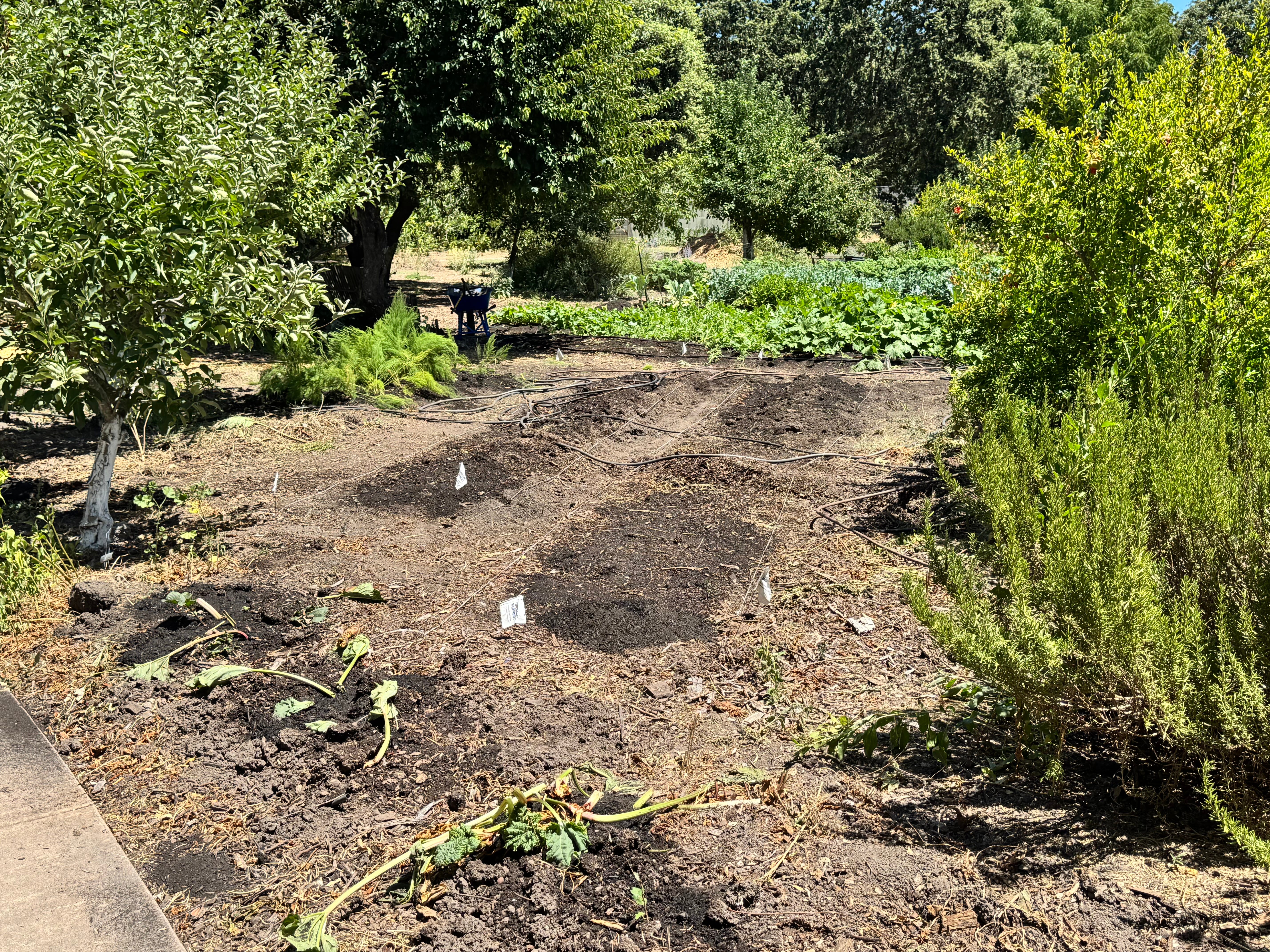
If the forecast holds, soil temperatures will likely remain in the low to mid-80s while afternoon temperatures continue climbing into the upper 80s and 90s.
These conditions will continue favoring warm-season crops, but water management will remain the deciding factor.
Tomatoes, peppers, cucumbers, squash, beans, melons, eggplants, and okra can continue producing strongly if soil moisture is restored and maintained.
August also marks an important transition point in the garden. While summer crops are reaching their peak, fall gardens are beginning.
Over the next few weeks, gardeners should prepare space for:
Broccoli
Cabbage
Cauliflower
Kale
Carrots
Beets
Lettuce
Spinach
The best fall gardens begin while summer harvests are still filling the kitchen.
Keep summer crops productive, protect the soil, and begin planning the next season. The garden is already moving toward autumn.
My books provide detailed guidance to support this weekly Blueprint, showing you exactly how to sow, transplant, and care for your garden each week.
The Vegetable Garden Grower’s Guide is a practical handbook for growing vegetables from planting to harvest. It covers soil preparation, planting times, crop care, and troubleshooting common problems—everything you need to grow a productive vegetable garden.
Vegetable Garden Almanac & Planner is designed to sit beside you through the gardening year. It helps you track planting dates, garden tasks, weather patterns, and harvests so you can learn from each season and improve the next.
The Kitchen Garden Grower’s Guide is a practical vegetable and herb garden encyclopedia. This book has information you can use today. Here you will find all you need to grow more than eighty different edible plants.
Tomato Grower’s Answer Book gives you answers to every tomato growing question you’ll ever ask with solutions to every tomato growing problem you’ll every face. Nearly 400 questions and answers with 120 color photographs to help you grow.
If you’d like to learn more, you can find both books here:
For step-by-step guidance, visit the Harvest to Table YouTube Channel, where you’ll find more than 60 videos showing how to grow nearly every vegetable—from seed planting to harvest.
No posts
Comments
Nothing yet. Say the first thing.
Sign in to join the conversation.