


In John Semley’s essay on the state of restorative arts in the funeral industry, he observes as Danielle Colquitt, a funeral director in Pennsylvania and the District of Columbia, restores the body of a ninety-six-year-old woman. The experience prompts a sensation that he compares to Freud’s definition of the uncanny: “a kind of defamiliarization that occurs when something utterly benign is haunted by an aura of strangeness.” It also provided the body with a kind of dignity, he writes, that is “too often denied people in their last days.” This week’s From The Archive newsletter brings together four writers probing the fraught equation of exactly how individuals and institutions can and should provide care: William T. Vollmann on homelessness and grief in Reno, Nevada; Leslie Jamison on controversial, and possibly delusional, diagnoses of Morgellons disease; Daniel Harris on the kitsch repackaging of AIDS; and Rachel Pearson on the question of teaching empathy to doctors. To read these articles and gain access to our fully digitized archive, subscribe to Harper’s Magazine today.
Symptoms, signs, and the riddle of Morgellons
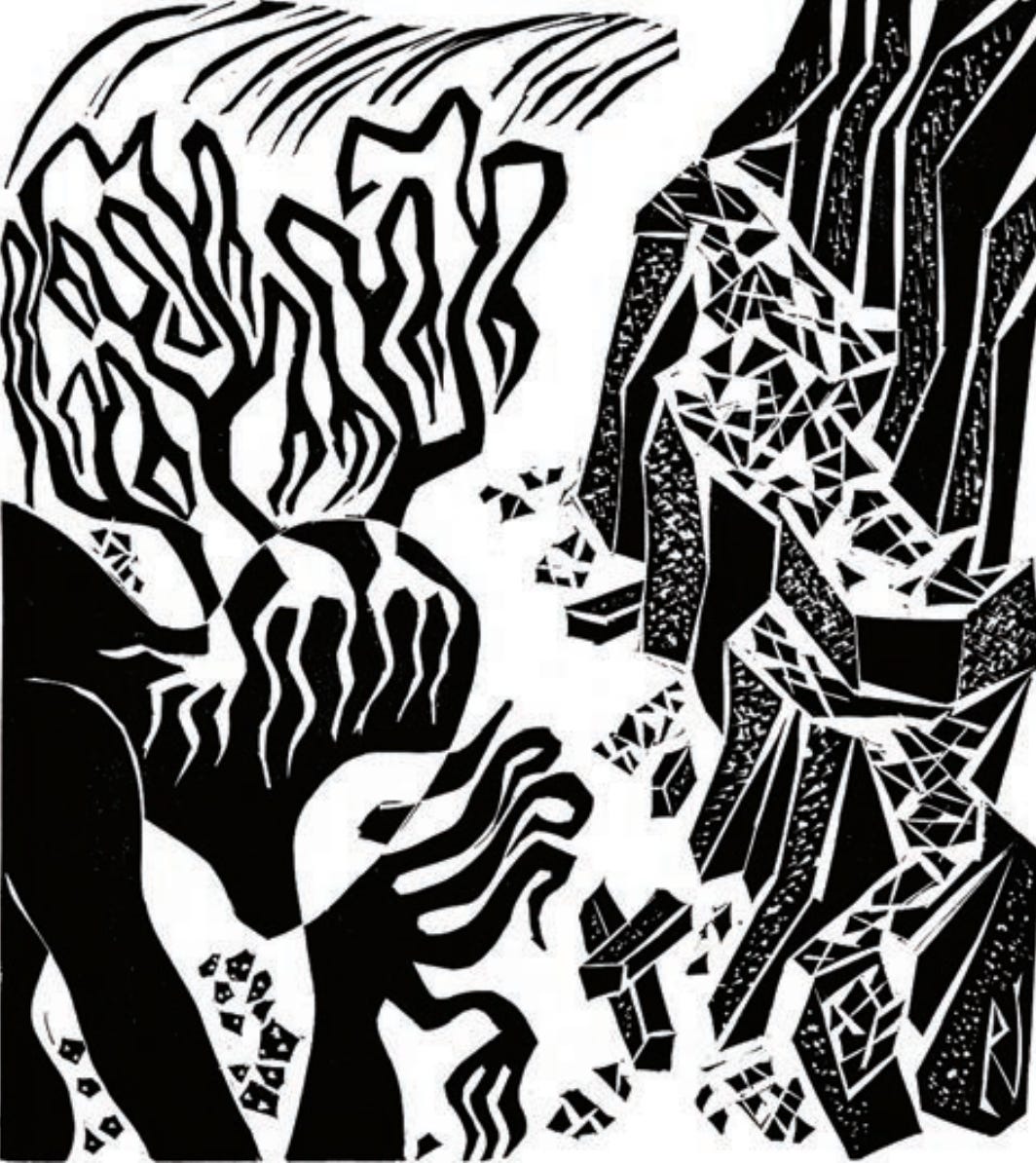
Published in 2012, Leslie Jamison’s essay, in which she visits a Morgellons conference in Austin, Texas, probes the facts and fictions surrounding the disease and its victims.
“I hear people talk about drinking Borax and running sound waves through their feet, about getting the disease from their fathers and giving it to their sons. I hear someone talk about what her skin is ‘expressing.’ I hear someone say, ‘It’s a lonely world.’ … My willingness to turn Morgellons into metaphor—a physical manifestation of some abstract human tendency—is dangerous. It obscures the particular and unbidden nature of the suffering in front of me. I feel how conveniently these lives could be sculpted to fit the metaphoric strictures of the essay itself.”
Keeping company with outdoor people
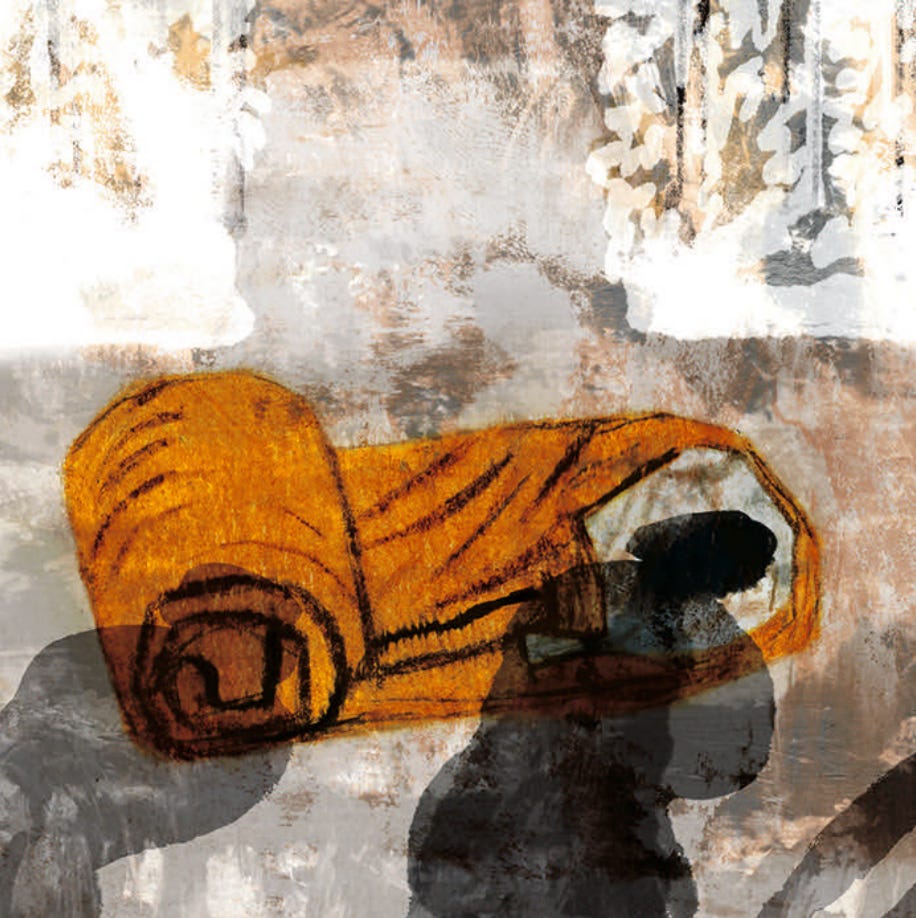
In this essay from 2023, William T. Vollmann, in the wake of his daughter’s death, travels to Reno, Nevada, and interviews three homeless men who, like he and his daughter, have “a stunted heart.”
“We do not speak of this among ourselves, but I believe that most inside people aspire to the same righteous peace for which I reached in the previous sentence. If this theory is correct then I could cheer everyone up with the case of Roland, who became homeless not only on account of those black circles and the evil feeling transmitted by his fellow citizens, but also, or so he recalled it, out of calculation: It’s not like I wanted to become homeless, he said, but why work and then pay rent?
That declaration might be effective at closing hearts. You see? in-the-know inside people could reassure one another. There’s no way we can help him, so why bother? He’s homeless by choice.
I would sleep better if I believed that. When my daughter, Lisa, became alcoholic by choice, I went on struggling to help her. So why not try to talk Roland into becoming a warm and happy indoor man like me?”

[Criticism]
A disease with a gift shop of its own
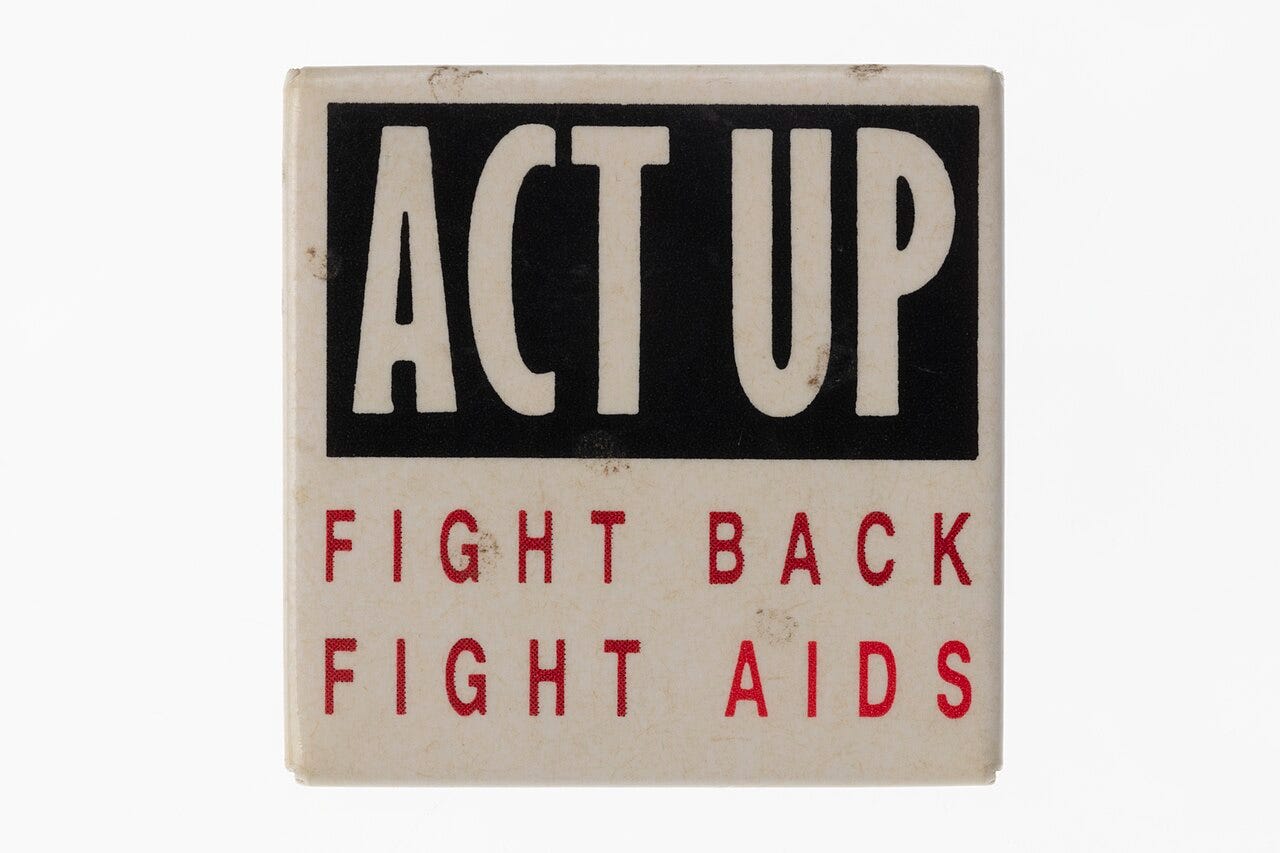
In Daniel Harris’s 1994 essay on the gaudiness of the AIDS-memorabilia industry, he argues against a repackaging of the AIDS crisis into “a melodrama for the American public.”
“Because AIDS has ravaged communities of people toward whom Americans have shown little compassion, the marketing of the AIDS ‘product’ has involved considerable ingenuity, including a full-scale revision of the image of AIDS sufferers.Unlike less controversial illnesses, like multiple sclerosis or leukemia, AIDS is vulnerable to kitsch in part because of the urgent need to render the victim innocent.”

Can empathy be taught in medicine?
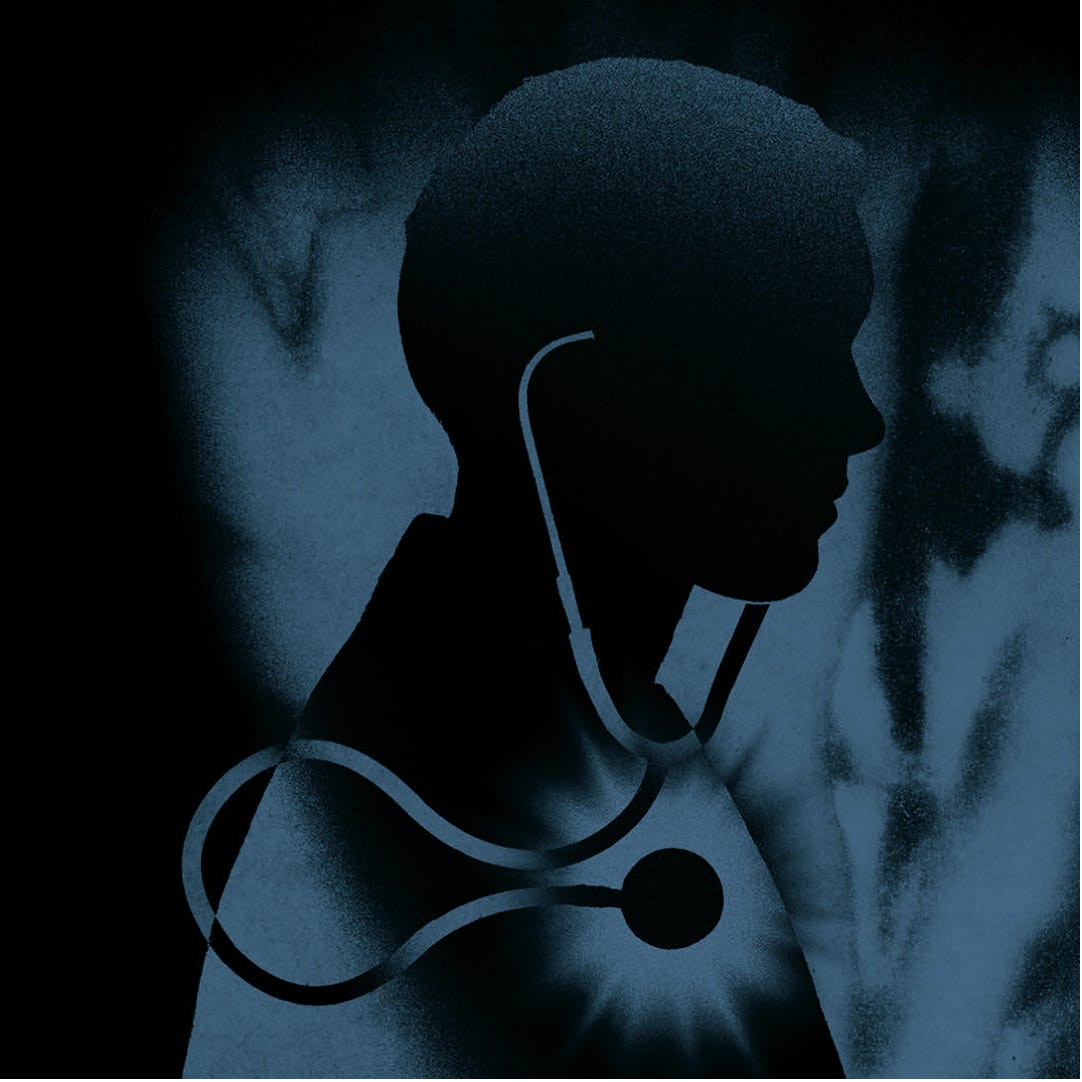
Rachel Pearson, reflecting on her experience as the resident doctor in a hospital’s neonatology unit, interrogates the philosophical and economical limitations in teaching doctors to be empathic.
“I think of them now, the headlights of the ambulance beaming through the storm, a team of experts using their hands to pump tiny breaths into that baby’s lungs.
But I was so tired, and bagging a twenty-four-weeker in an ambulance, in the rain, an hour from the NICU, is a bad situation.
Maybe that baby will die, I thought. Then I can get some sleep.”

Comments
Nothing yet. Say the first thing.
Sign in to join the conversation.