
HOW SHOULD AN ARTIST BE ? —
. . . this week, I was feeling pretty fucking sick of ME. Usually, I feel pretty certain about my whole artistic project: I put on my headlamp, head underground to MINE my life, as contemptuously reckless as a West Virginia governor, add a gloopy dollop of INVENTION: hooray! : the work!
— Ethan read Humpty Dumpty twice in one week; he sent me a long, wonderful email; here’s a blurby cull,
“It’s a really great book! For all its playful form, it never gets lost in itself, or drags. Very solidly plot-driven and engaging and readable. Did I say it’s riveting? It’s riveting. . .
What’s not to love? It’s a Harold book through and through, you are all over these pages (and not just because you named half the characters after yourself).”
He sent me the email on Monday: the same day Cultured Magazine dropped their list of 10 Writers Under 30 which I was included in. Before I read Ethan’s missive, I walked into a magazine shop in the West Village with Eric; to impress him, I asked if they had a copy of Cultured Magazine.
The clerk said, “we’re still waiting on the new issue.” I said, “remember my face, I’m in the new issue. Harold Rogers. I’m a writer.” He said, “that’s incredible! Can I have ur autograph?!” I said, “sure, let me borrow your pen.” He said, “I’m just joking, I don’t want ur autograph.”1
You are all over these pages, Ethan said. Me, me, me. . .
Was my whole artistic enterprise devoted to my personal benefit & enrichment? Was I on a fretful ornament-chase?
BRASIL’S FIRST SOCCER SUPERSTAR WAS NAMED LEÔNIDAS, —
. . . he probably didn’t invent the bicycle kick, but he put his name on it: like Thomas Edison; and like Edison2, he was a man of dubious character whose irrepressible inventions won the day.
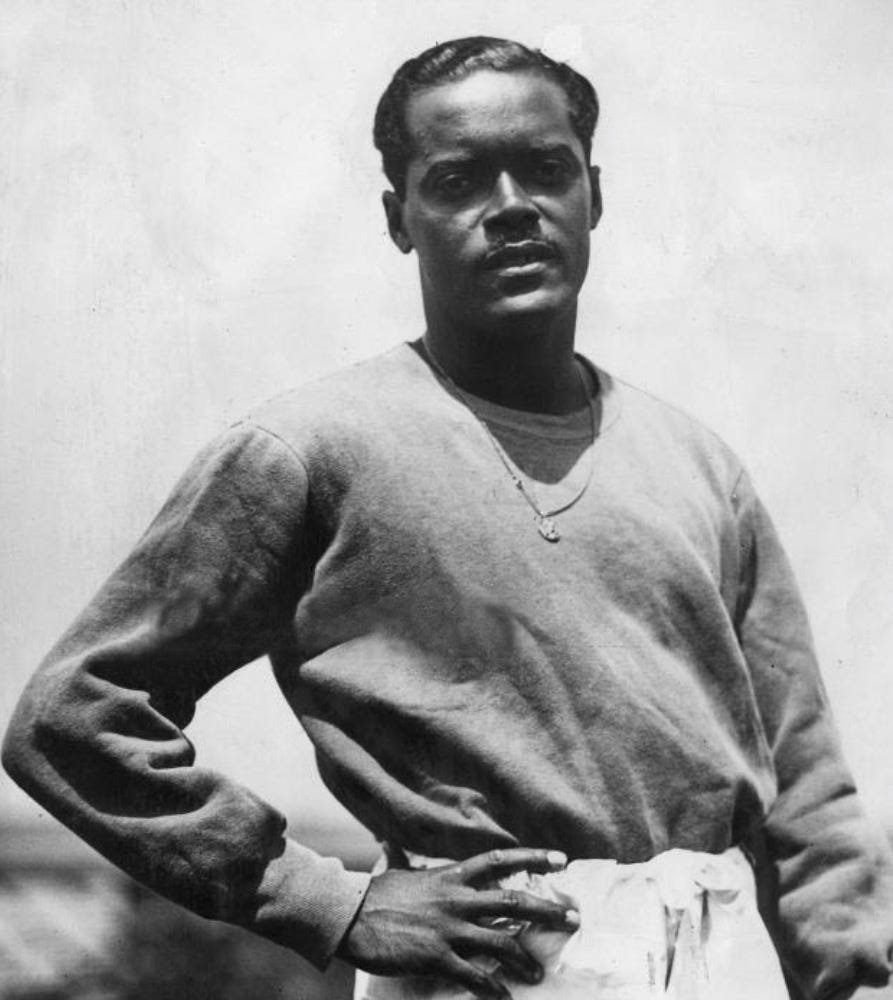
— In The Black Man and Brasilian Soccer (1947), Mario Filho describes a move that is impossible to imagine someone doing during a game. Here’s Leônidas compared to a white player in his position, Nilo,
“Nilo would wait around for someone to give him the ball to score, not Leônidas, he was always after the ball, running, non-stop, soaking his shirt, killing himself on the field. And he invented plays. Suddenly did a handstand and, just like that, upside down, held the ball between his feet, then did a flip. It was a spectacle.”
The men & women in the crowd were in swooning frenzies for Leônidas; the Brasilian National Team tried to keep things white, start Nilo in his place, but Nilo soon got the hint, lacing his shoes up pre-game, the locker room shaking tectonically from the crowd’s chants of “LEÔNIDAS! LEÔNIDAS!”, an unheard-of ovation; when it was gametime, Nilo would get sick, let Leônidas play.
After the games, Leônidas would post up at a café in downtown Rio. Sit there signing autographs, shaking hands, receiving plaudits. More importantly: getting money from his fans. Everybody knew his face: it was in all the papers every day. Run good news about Leônidas: sell more copies.
Once somebody came to him with an endorsement deal: they wanted to make a chocolate with his nickname, “Black Diamond”, — Leônidas signed the contract, thinking the guy just wanted an autograph. Got ripped off.
Leônidas could do no wrong. He would run people over with his fan-gifted Ford, heedless of traffic lights,
“the crowd made the Ford stop, ‘lynch him, lynch him!’ but when they saw it was Leônidas there was no more lynch talk. ‘Run Leônidas, run!’ The police officer didn’t even take down the license plate.”
In 1938, Leônidas was the greatest soccer player the world had ever seen; Brasil was finally sending a meritorious squad to the World Cup, full of Black and Mulatto players. How the hell could they lose?
WHAT IS THE SOCIAL FUNCTION OF UR WORK ? —
. . . Mario Filho talked to everybody who witnessed the early days of Brasilian soccer: the fans, the players, the coaches; he took the oral histories, shaped them into one of the greatest works of Brasilian literature: The Black Man in Brasilian Soccer (1947) : simultaneously a superb non-fiction novel & an epic of national identity formation written in a style FOR THE PEOPLE.
— His role: the self-effacing collator; the engine who combusts for the triumph of others. . .
In Humpty Dumpty, I was an archivist. My friend Bruna once asked me, “why do U just write about urself and ur family?” I had honestly never considered why; it felt so obvious to me: the life-stories surrounding me were the ones I cared about the most, why wouldn’t I try to turn them into something a little more permanent? I wanted to preserve my parents’ stories; I wanted to preserve the character of Steubenville, Ohio as I had lived it. I was writing down & fictionalizing oral histories. Ethan called Humpty: “a multimodal analysis of origin.” That’s exactly what it is. — But was the end goal of everything simply for HAROLD to get ATTENTION? I was feeling skeptical about my purity. . .
— There was nothing pure about Leônidas. When he was playing for Flamengo, in Rio, before he was an emblem of national pride, the opposing crowds used to yell, “tell us about the necklace, Leônidas!” Referring to a rumor that a woman accused Leônidas of sexual assault, that the team bought her silence with a lavish necklace. . . but there’s no denying what his work meant to the people of Brasil, and especially Rio,
“Leônidas was Brasilian soccer. The crowd was sure of that when they ran onto the field to carry Leônidas in triumph. Their arms reaching out to grab Leônidas, to touch Leônidas. During the world cup, after a Brasilian victory, the people inundated the streets, all you heard was Brasil and Leônidas.”
He became the symbol for the people, their salvation, Leônidas TRANSCENDED himself simply by being the most Leônidas he could be. . .
Maybe the only way Ur work ends up meaning MORE THAN U is thru an extreme commitment to U. . .3
LEÔNIDAS MIGHT’VE NOT BEEN THE BEST PLAYER ON BRASIL, —
. . . the bedrock of the whole team was the center-back, Domingos da Guia: the only problem with Domingos: he didn’t care about soccer & he didn’t care about attention. He was only worried about making a living for his family; soccer was too precarious.
He was playing for Bangu; they got him a job at the local factory as a fly-swatter; Bangu’s coach wanted to take the team on a little excursion, he told Domingos to take the day off. Domingos refused, said,
“It’s better to be a fly-swatter than a soccer player. If I had to live off soccer, I would starve to death.”
But he was a magnificent player. The crowd didn’t frenzy for him like they did for Leônidas; Domingos was too distant, formidable: nobody felt like they knew him. When he got the ball, they would get nervous like students in front of a taciturn principal.
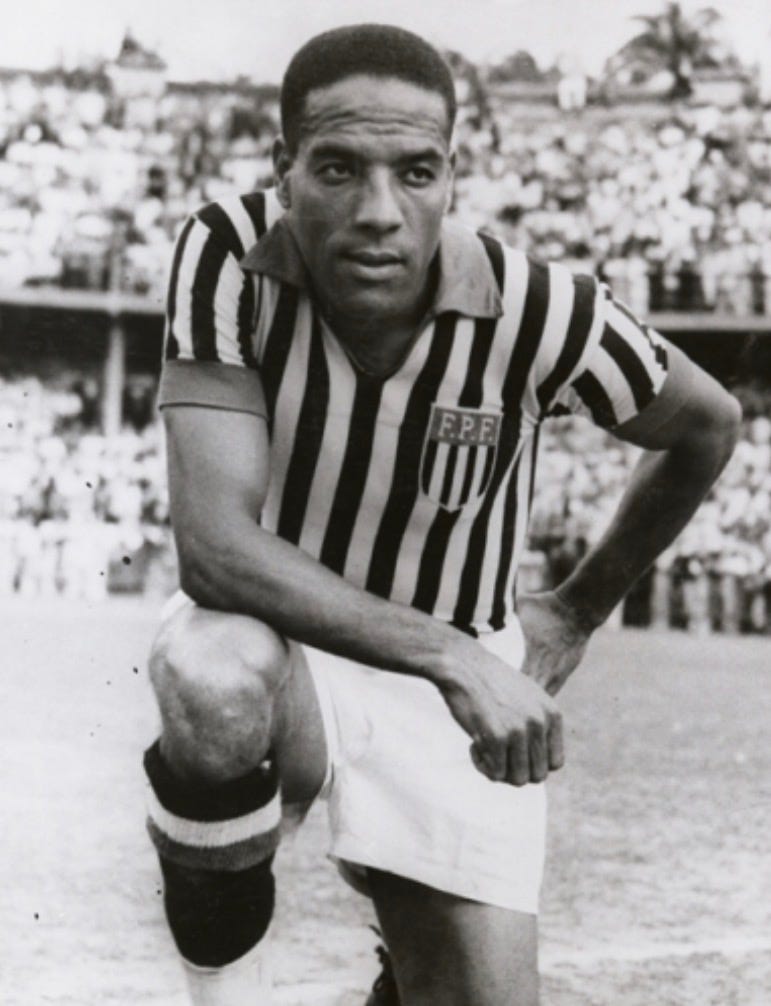
Domingos would get the ball right in front of his own goal. Shout to the other team’s forwards to come get the ball,
“The crowd would get silent, like the stadium had suddenly emptied, like the game had ended a long time ago. Botafogo’s forwards would run toward Domingos, Domingos, then, would finally move, start to walk, slowly, shaking his body, beating them with half-millimeter dribbles. He beat one, two, three, four, five, waited a little to see if anyone else came, didn’t see anyone else, launched a fifty meter pass, right on the money, turned around without even looking at the crowd.”
Mario Filho called him “the Machado de Assis of Brasilian soccer” : “English on the outside, Brasilian on the inside. But above everything carioca. . . the ‘Master’ giving his soccer lesson.”
Domingos da Guia cared more about the WORK than anything else.
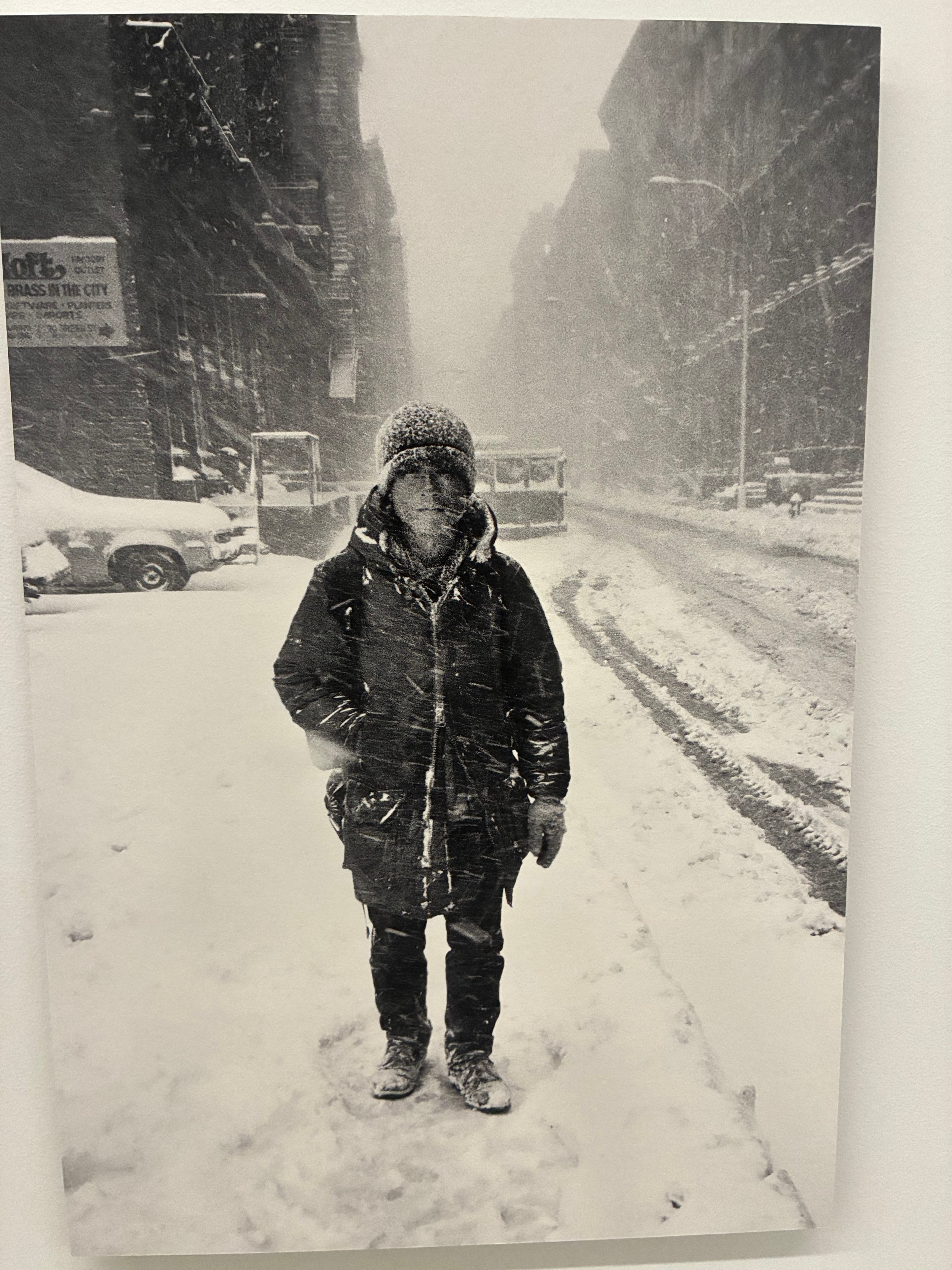
— (Gaby & I spent the weekend in the Hudson Valley. In Beacon, NY, we went to this incredible museum: DIA Beacon. The whole basement was devoted to the work of Tehching Hsieh, who I’d never heard of. Tehching would write these one page memos, announcing a performance: the most impressive4, to me: U walked into a vast room, completely empty except for the pillars holding up the building and a memo that said,
“I, Tehching Hsieh have a 13 years’ plan. I will make ART during this time. I will not show it PUBLICALLY. This plan will begin on my 36th birthday December 31, 1986 continue until my 49th birthday December 31, 1999.”
What does an artist look like when he devotes himself completely to the ART utterly divesting himself of that pernicious fucking nagging LOOK AT ME?) —
By the time Domingos da Guia was on the 1938 World Cup team, he didn’t care about the crowds, publicity, nothing. He wanted to practice his art, MAGNIFICENTLY, and live, quietly, in Bangu.
Money was not his motivation; he left a lot of it on the table. But Leônidas, on the other hand, started to realize there were easier ways to make money than soaking his shirt for his team, and it would have grave consequences. . .
WHO CARES THAT BRASIL LOST THE WORLD CUP IN 1938? —
. . . not our Brasilian waiters at the delicious Greek restaurant in Millbrook, NY. When we walked in, our hostess said, “oh my God, I love Ur jerseys, are U guys Brasilian?!” I was wearing a jersey; Gaby was NOT: she was wearing a shirt I bought for her at a thrift shop hours earlier that said SPOILED which we suddenly realized was green & yellow!
“My mom is from Bahia!” the hostess said. I said, “my mom is from Rio, her parents are from BH.” Gaby turned back to me sharply, “people don’t know what ‘BH’ means.” — We sat down, and I said, “U were a little rude to me with that BH comment. Don’t people all over Brasil call Belo Horizonte, BH?” She said, “omg that girl didn’t even speak Portuguese, she had no clue what U were talking about. My SPOILED shirt is making U think I’m acting up!”
The waiter came over, “oh my God, I love your jerseys!” He was the hostesse’s brother. I said, “are U gonna have to work during the game?” expecting a Lets-go-Knicks in NYC kinda camaraderie lock. He goes, “Oh, Brasil plays tonight? I don’t watch soccer, just play it.”
— Leônidas was unstoppable in the 1938 World Cup. The first game against Poland, he had a hat trick, including one goal everybody alive in Brasil could tell U about,
“Leônidas on his knees, tying his cleats, the Polish keeper takes the goal kick, Leônidas stands up, adjusts the ball, Brasil goal.”
He scored in every single game of the competition, — won the golden boot with 7 goals, — except in the semi-final against Italy, which Brasil lost 2-1. Italy, the host country, run by Mussolini, — who wanted the Italians to win, desperately, as a symbol of his masculine super-nation.
Leônidas was suddenly injured against Italy, couldn’t play.
Brasil’s best player injured for the biggest game of the tournament. Three days later he was recovered enough to score twice in the third-place match.
Now, if U were a fascist leader, needing a victory, and U heard tell that the best player on the other team was so financially motivated, he would sometimes stop in the middle of the field in protest until someone from the stands ran down with money for him, what would U do? — I guess we will never know what happened.
But Domingos da Guia played, and every newspaper in Europe was in awe of the Brasilian zagueiro.
But it wouldn’t matter. Leônidas returned to Brasil in triumph,
“Leônidas was the victory. The others had lost, Leônidas hadn’t lost once. That’s why the fans left the other players aside, they stayed with Leônidas, with the victory. . . the Brasilian team came to a city, all the businesses closed, the people went to the streets to carry Leônidas in triumph. Domingos and the other players stayed in the car.”
Domingos didn’t wanna sign autographs and do commercials, he wasn’t relatable. His greatness was forgotten because the people admired him, but they didn’t love him. Black Diamond is still a popular & delicious chocolate bar. . . but ME, a soccer & chocolate aficionado, had NO CLUE the bar was named after Leônidas, whose name meant little to me until I read Mario’s book. . .
Mario preserved Domingos & Leônidas; in the end, it wasn’t the hero who won, but the archivist. . . it’s Mario who has the biggest stadium in Rio named after him, not Leônidas. . . Leônidas won the World Cup because Mario Filho said he did.
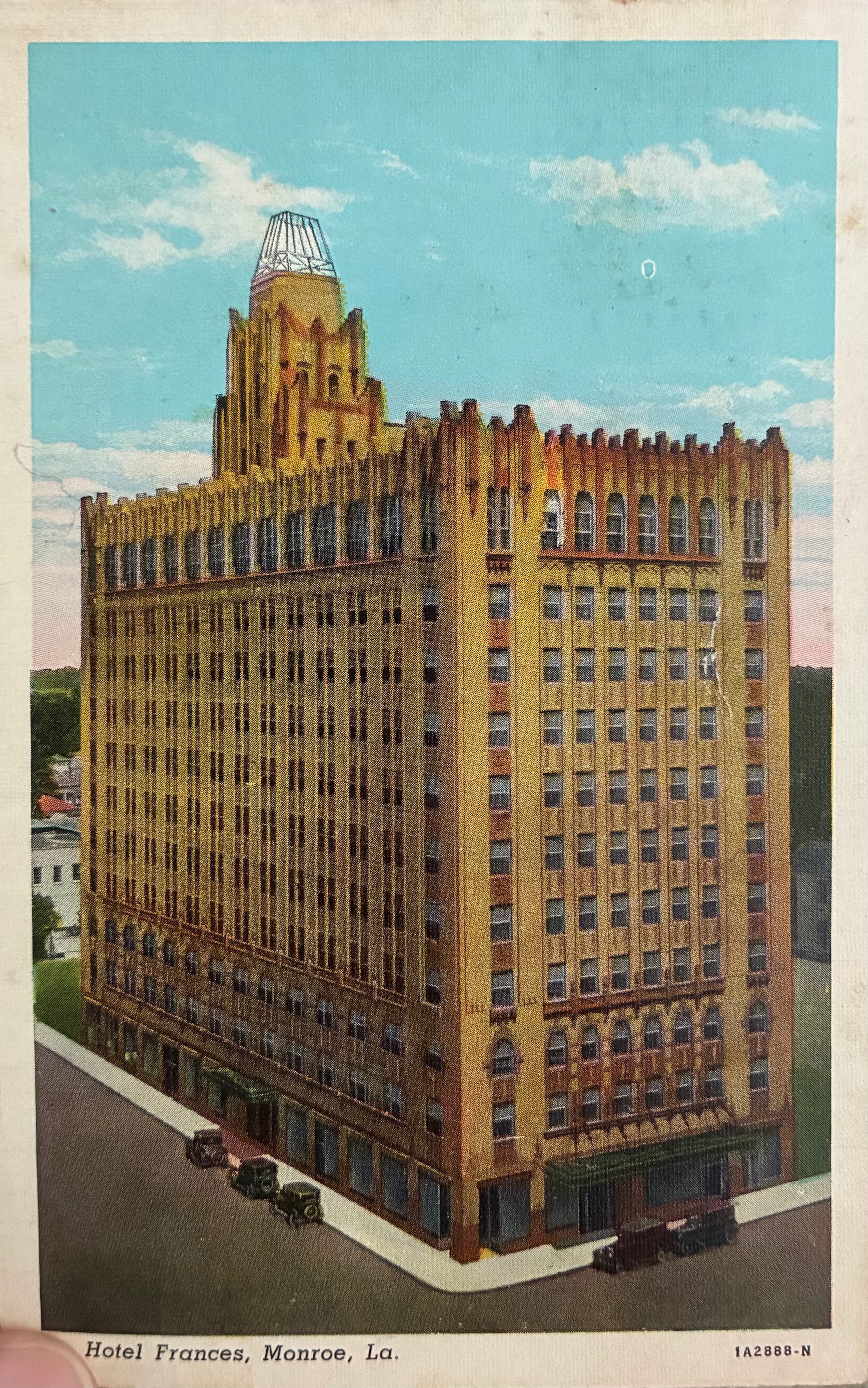
— We were at an antique shop Saturday, and I happened to pick up a postcard dated, unbelievably, June 16, 1938: the day of the semi-final between Brasil and Italy, — sent from Monroe, LA to Rochester, NY,
“My dear folks,
How are you all? This is a very nice town and much larger than I expected. Carl is the most wonderful man in the world! Will write soon, love Anne. P.S. This is my hotel, A.”
While everyone in Brasil was TENSE, tuned into their radio, biting their nails, hoping against hope that somehow Leônidas would limp out of the locker room and STUN everybody, Anne was completely unaware, writing to her parents from a hotel in Louisiana, happy that she was in love.
U will never be famous enough that the random Annes of the world will know U; but maybe what matters is appreciating the wonderful Carl right in front of U. . .
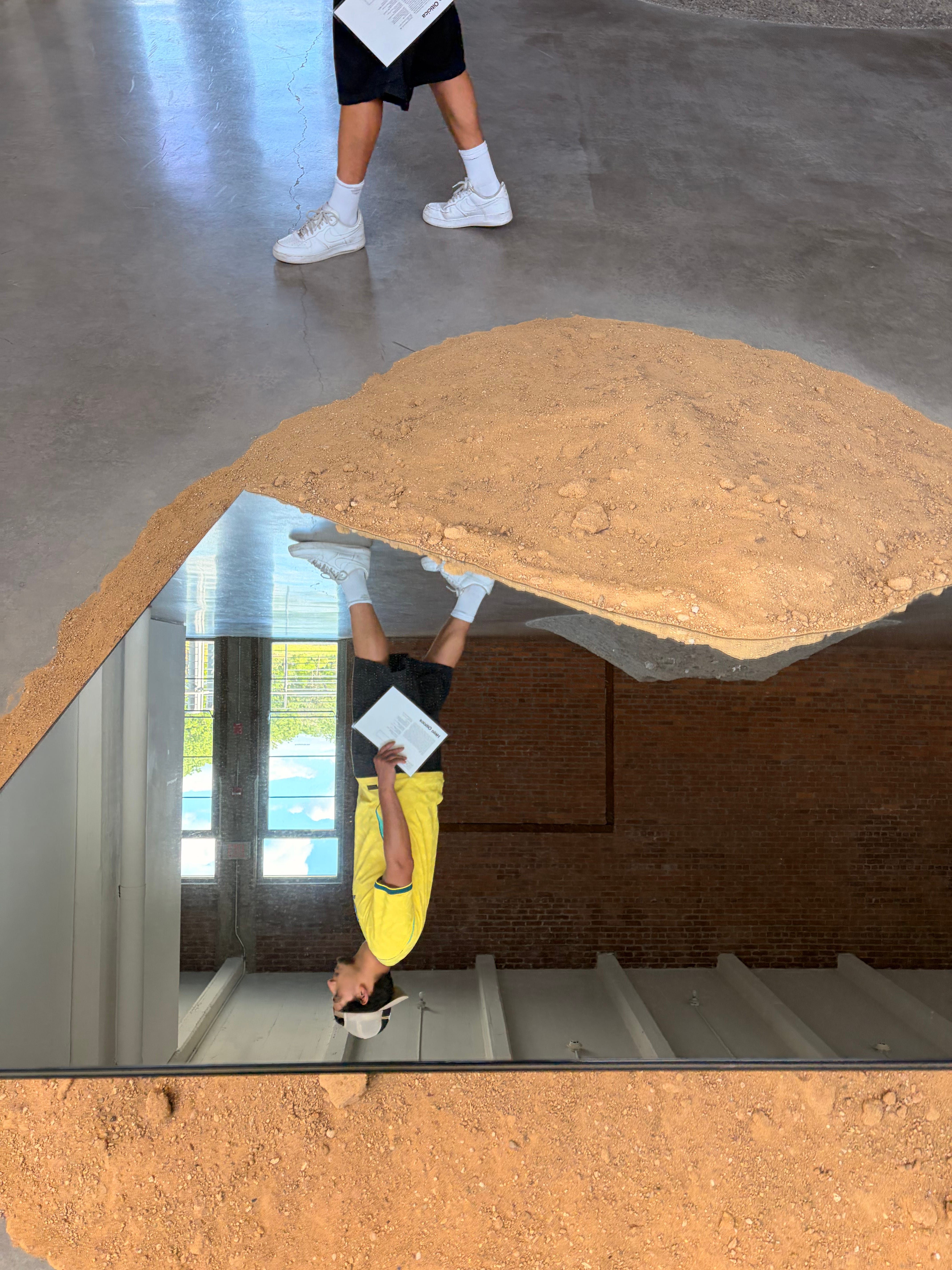
“WHO TROUBLES HIMSELF ABOUT HIS ORNAMENTS OR FLUENCY IS LOST.” — WHITMAN.
Edison who became the namesake of the greatest footballer of all time Rei Edson Arantes do Nascimento. . .
Tuesday, I went to Eddie’s book launch for Come Undone at the Strand, with Gaby, on our anniversary, June 16th: which actually has nothing to do with Bloomsday but was a happy coincidence. During the Q&A, someone in the crowd raised their hand; the dude said,
“I don’t have a question, I just wanna give U props, Eddie. Thank U for being a good leader. I’m probably speaking for a lot of the asians dudes here, but it’s so awesome you’re really showing that an asian man can be romantic, lusty. On the food frontier and on the love frontier. Thanks for just being a fucking cool ass older brother that fucking kept it real.”
He also stayed outside in NYC for a whole year. HE DID NOT GO INSIDE! And had somebody photograph him. . . Dude was really OUT HERE.
Comments
Nothing yet. Say the first thing.
Sign in to join the conversation.