
one of the hardest parts of reaching adulthood is realising that not everything grows with you. when we’re younger, we imagine friendships as something that move in sync: you meet someone, you become close, and then you assume you’ll continue moving forward together- the same pace, the same direction, the same understanding of each other. there’s a comfort in believing that the people who know you in one version of your life will naturally know how to love you in every version after that.
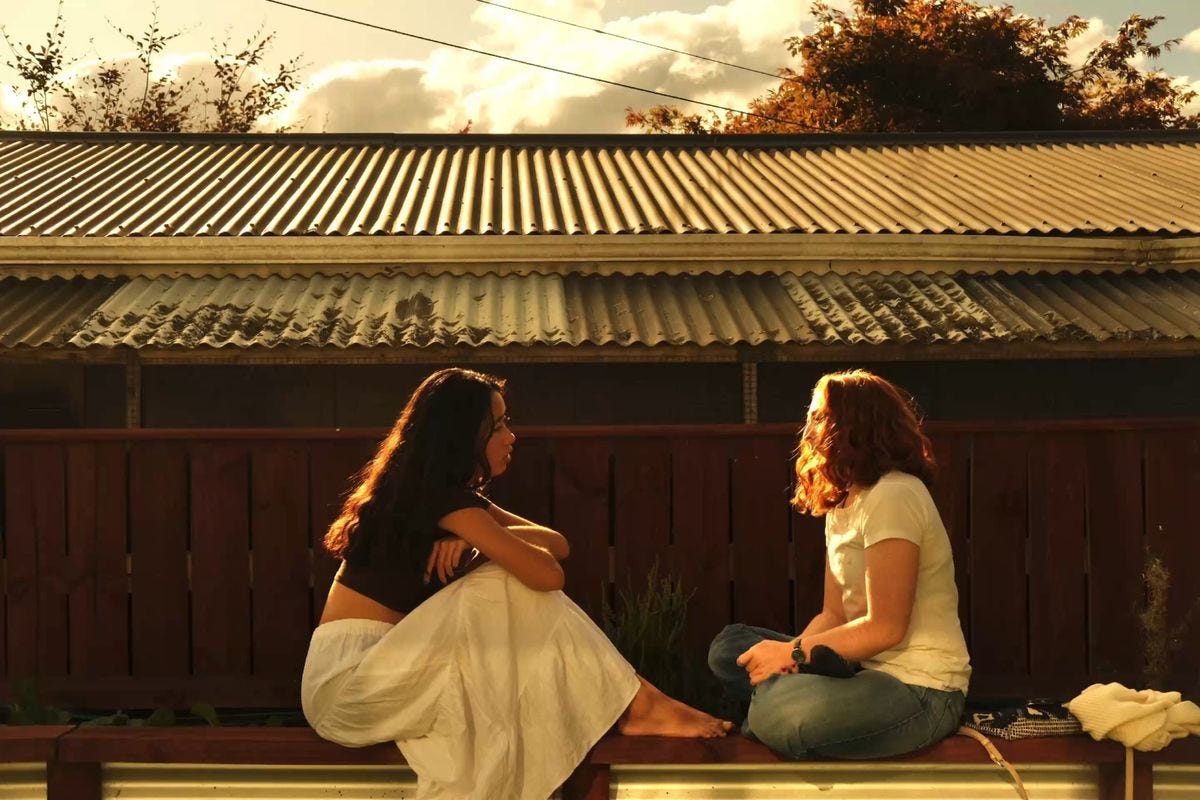
but growing up you realise something different. sometimes two people can start in the same place and still end up walking completely different paths. not because the friendship wasn’t real, but because people change. people experience things that reshape them: they learn, they heal, they struggle, they grow. we become people who need different things from life and from the relationships around us.
the hardest thing to accept is that a friendship can be meaningful and still no longer fit.
i think when people grieve friendships, they aren’t only grieving the person, they’re grieving a version of themselves. they’re grieving the person they used to be when that friendship made sense, and when they naturally fit into that dynamic.
because when you grow, you don’t just become a different person. you become someone who requires different things: you might develop stronger boundaries; become more protective of your energy; start noticing things you used to overlook; choosing yourself in ways you never did before; understanding what respect, communication, and connection actually mean to you.
and suddenly, the places you used to fit don’t feel as comfortable anymore. that can feel like a loss. because sometimes we don’t miss the friendship exactly as it is now, but we miss what it represented. we miss who we were when we had it, and we miss the simplicity of a time when we didn’t question whether something aligned with us, because we hadn’t grown enough yet to ask those questions.
and i think that’s why outgrowing friendships can feel so confusing. because most friendship changes don’t happen because something terrible occurred.
there isn’t always a betrayal or an argument. there isn’t always one moment where everything falls apart and suddenly you understand why it has to end. sometimes nothing happens. sometimes you just slowly realise that you feel different.
you notice that conversations don’t feel the same anymore and that you leave certain interactions feeling more drained than fulfilled. you feel like you have to force yourself to react the way you used to, laugh at jokes that no longer feel funny, tolerate things you would have once ignored, or make yourself smaller so you can still feel included.
and that realisation can be incredibly painful because it’s hard to let go of something that isn’t necessarily bad.
how do you walk away from a person who hasn’t done anything wrong?
how do you admit that a friendship has changed when there is no one to blame?
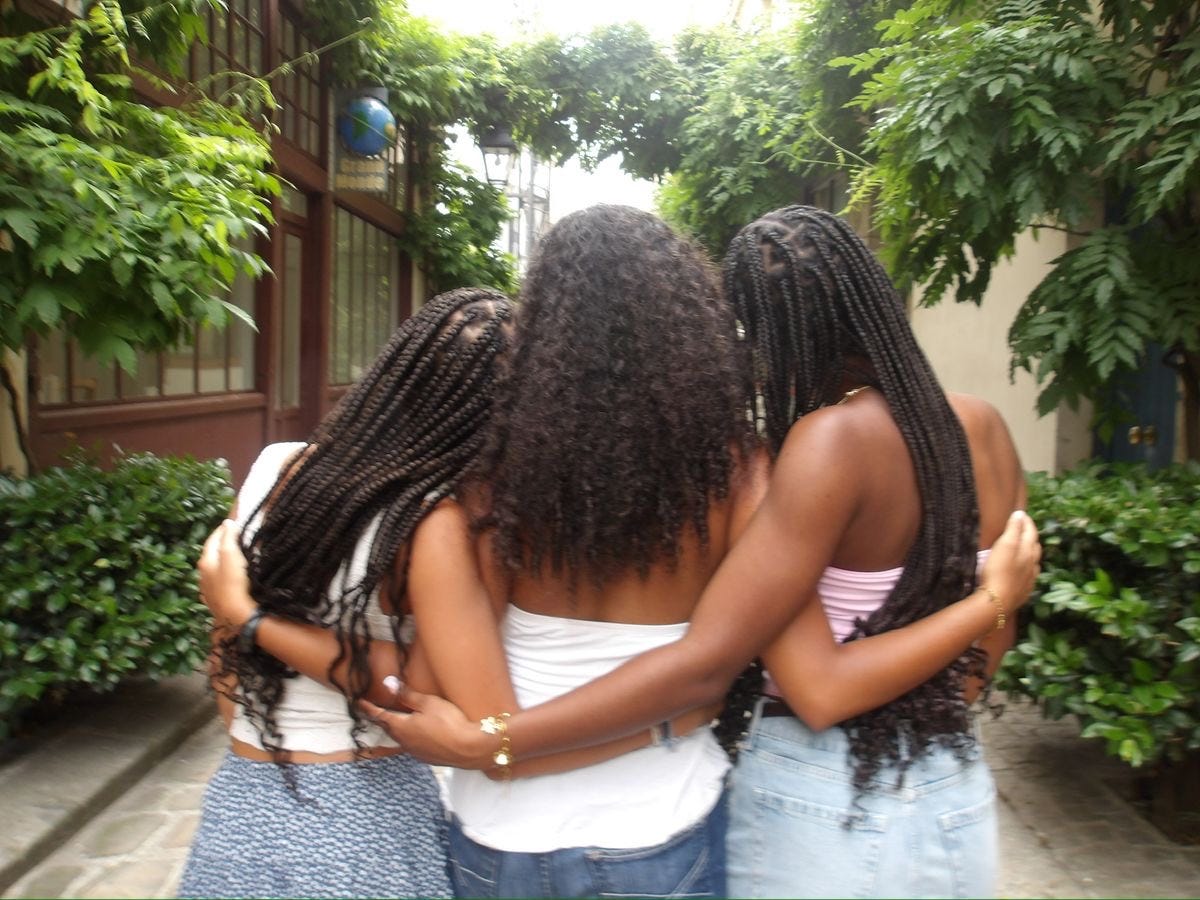
i think this is where a lot of people experience guilt. they think they’re being cruel and that they’re abandoning someone. they think that choosing distance means they didn’t value the friendship enough. but outgrowing someone does not mean you don’t love them.
you can care about someone deeply and still recognise that you are no longer able to walk alongside them in the same way. you can be grateful for the memories you created with someone and still understand that your future might not look the same. you can hope someone has an amazing life without needing to be involved in every detail of it.
and i think that is one of the biggest lessons of adulthood friendships: sometimes love changes shape. sometimes love looks like staying close, and sometimes love looks like accepting that someone was important to you, but they may not be the person who continues into every chapter.
i think adulthood makes friendships complicated because adulthood changes us in ways we don’t always expect.
people go through experiences that completely shift their perspective. we face humbling challenges in life that our friendships won’t necessarily relate to. we learn our own boundaries in terms of what we will accept and invite into our life, and what we don’t want in our energy. we start creating a life that feels authentic to us instead of one built around keeping everyone else comfortable.
and not everyone knows how to adjust to that.
sometimes people don’t actually miss you. sometimes they miss the version of you that existed before you changed- the version of you that always said yes, didn’t have strong boundaries, carried more than you should have, was easier to access because you were always available, always understanding, always willing to compromise yourself.
and when you become someone who protects your peace, communicates differently, or chooses yourself more often, some people might experience that as rejection.
but your growth was never meant to be an attack on anyone else. you are allowed to become someone new and change your mind. you don’t need permission to prioritise your own needs.
because the right friendships aren’t built on you staying exactly the same forever.
the healthiest friendships are the ones where people are allowed to evolve.
the friendships that survive growth aren’t the ones where nobody changes - they’re the ones where change is accepted.

they are the friendships where someone can say, “i know you’re different now, but i still want to know who you are becoming.”
they’re the friendships where your boundaries aren’t seen as a personal attack and your growth isn’t treated like a betrayal. a friendship built on growth looks like someone not trying to pull you back into an older version of yourself just because that version was familiar.
because familiarity isn’t always the same as connection.
sometimes we stay attached to friendships because they are comfortable, or because they hold history. sometimes just because there’s a part of us that feels like we owe someone our presence just because they knew us first.
but someone knowing an older version of you does not mean they are entitled to every version of you after that. history matters, but alignment matters too.
and i think that’s something people have to learn as they enter adulthood: not every friendship is meant to last forever.
we often treat forever as the measurement of whether something was meaningful - but something does not have to last a lifetime to have mattered.
some friendships are meant to teach us something. some friendships are meant to hold us through a specific season. some friendships are meant to grow with us through many different versions of ourselves. all of those friendships can be valuable. a friendship ending or changing doesn’t erase what it was, or make the connection less important - it simply means that people are always becoming.
becoming means leaving behind things that once felt like home, but the beautiful thing is that growth creates space. space for new experiences. new connections. new people who meet you where you are now instead of only knowing who you used to be.
and the right people won’t ask you to shrink so the friendship can survive. they will grow with you.
maybe not at the exact same pace or in the exact same way- but they’ll respect your evolution and understand that loving someone means allowing them to change.
and maybe that is one of the quiet truths of adulthood: not everyone who leaves your everyday life has left your heart. sometimes two people simply become different people.

and the most loving thing you can do is let yourself become who you are meant to be, even if it means accepting that not everyone can come with you. because the friendships meant for you will not require you to abandon yourself to keep them.
No posts
Comments
Nothing yet. Say the first thing.
Sign in to join the conversation.