
Welcome to your weekly dose of cybersecurity updates! 🚀 With the digital landscape evolving at lightning speed, staying informed about the latest vulnerabilities is more critical than ever. This week, we've cracked open the cyber vault to bring you the most significant insights and updates. So, let's dive into the digital deep to understand the currents and tides of the cyber world!
All the information provided in this post has been extracted from the National Vulnerability Database (NVD) from National Institute of Standards and Technologies (NIST) from the government of US.


290 OTHERS vulnerabilities
23 LOW vulnerabilities
382 MEDIUM vulnerabilities
263 HIGH vulnerabilities
45 CRITICAL vulnerabilities
🔍 Quick Take: A surge in medium and high vulnerabilities signifies a busy week for cybersecurity professionals. The presence of 45 critical vulnerabilities demands immediate attention and action. Stay vigilant and ensure your systems are updated!

OTHERS: Now: 290, Last Week: 224 (📈 Increase)
LOW: Now: 23, Last Week: 27 (📉 Decrease)
MEDIUM: Now: 382, Last Week: 262 (📈 Increase)
HIGH: Now: 263, Last Week: 164 (📈 Increase)
CRITICAL: Now: 45, Last Week: 53 (📉 Decrease)
🔍 Quick Take: While the decrease in critical vulnerabilities is a positive sign, the increase in medium and high threats requires continuous monitoring and updating of security measures.

991 Awaiting Analysis
1 Undergoing Analysis
4 Analyzed
1 Modified
4 Rejected
🔍 Quick Take: The high number of vulnerabilities awaiting analysis highlights the ever-growing backlog that cybersecurity teams face. It's a reminder of the importance of prioritizing vulnerabilities based on potential impact.

Patchstack: 349 vulnerabilities
Mitre: 166 vulnerabilities
VulDB: 92 vulnerabilities
Wordfence: 61 vulnerabilities
GitHub: 59 vulnerabilities
🔍 Quick Take: Patchstack leads the chart, reflecting their active role in identifying vulnerabilities. The diversity among the top reporters emphasizes the collaborative effort in the cybersecurity community to combat threats.

RCE: 12
SQL Injection: 68
XSS: 265
🔍 Quick Take: The high number of XSS vulnerabilities underscores the persistent threat they pose, making it crucial for developers and security teams to prioritize XSS protections in their web applications.
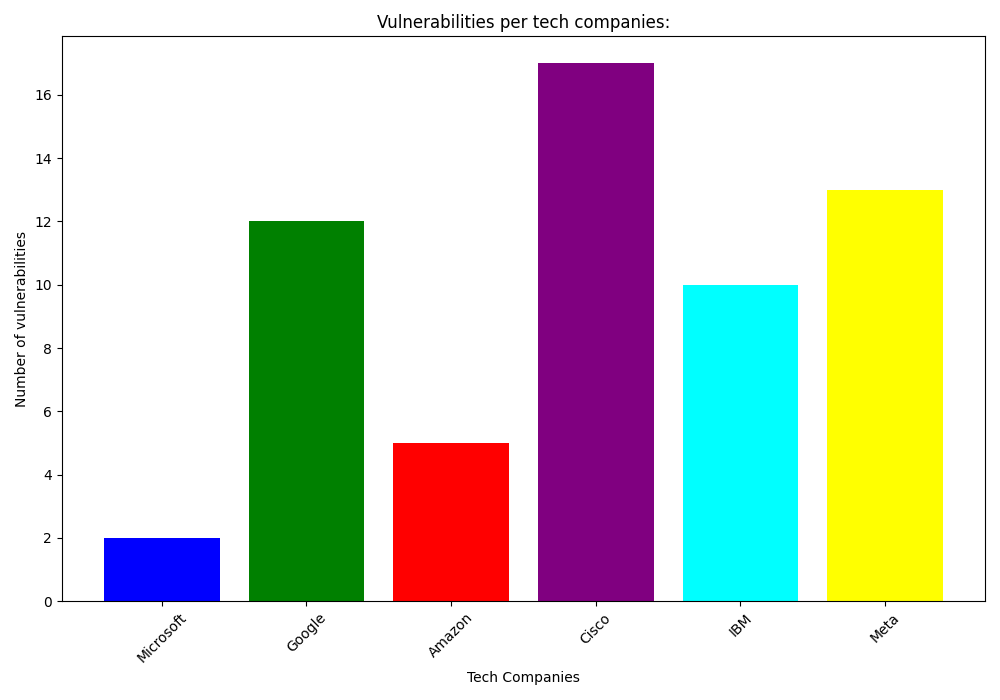
Microsoft: 2
Google: 12
Amazon: 5
Cisco: 17
Meta: 13
🔍 Quick Take: Even the biggest names in the industry are not immune to vulnerabilities. This highlights the universal challenge of cybersecurity and the need for continuous improvement in defense mechanisms.
1. CVE-2023-23656: CRITICAL:10.0
Unrestricted Upload of File with Dangerous Type in MainWP File Uploader Extension
Solution: Update the MainWP File Uploader Extension to version 4.2 or above, where this vulnerability has been addressed.
2. CVE-2023-49815: CRITICAL:10.0
Unrestricted Upload of File with Dangerous Type in WappPress
Solution: Ensure WappPress is updated to version 5.0.4 or newer to mitigate this vulnerability.
3. CVE-2024-30224: CRITICAL:10.0
Deserialization of Untrusted Data in WholesaleX
Solution: Update WholesaleX to version 1.3.3 or above, where the issue is resolved.
4. CVE-2024-30225: CRITICAL:10.0
Deserialization of Untrusted Data in WP Migrate by WPENGINE, INC.
Solution: WP Migrate should be updated to version 2.6.11 or later to patch this vulnerability.
5. CVE-2024-30510: CRITICAL:10.0
Unrestricted Upload of File with Dangerous Type in Salon Booking System
Solution: Users of the Salon booking system must upgrade to version 9.6 or above to close this security gap.
6. CVE-2024-30247: CRITICAL:10.0
Command Injection Vulnerability in NextCloudPi
Solution: Upgrade NextCloudPi to version 1.53.2 or newer to mitigate this vulnerability effectively.
7. CVE-2024-3094: CRITICAL:10.0
Malicious Code in Upstream Tarballs of xz
Solution: Avoid using xz versions 5.6.0 and 5.6.1. Downgrade to a secure version, such as 5.4.6, until a patched version is released.
8. CVE-2024-2086: CRITICAL:10.0
Unauthorized Access Vulnerability in Integrate Google Drive WordPress Plugin
Solution: Update the plugin to version 1.3.9 or later, ensuring all AJAX actions are properly secured and authenticated.
9. CVE-2024-31115: CRITICAL:10.0
Unrestricted Upload of File with Dangerous Type in Chauffeur Taxi Booking System for WordPress
Solution: Users should update the Chauffeur Taxi Booking System for WordPress to version 7.0 or above to resolve this issue.
10. CVE-2022-36407: CRITICAL:9.9
Insertion of Sensitive Information into Log File by Hitachi Virtual Storage Platform
Solution: Update the firmware of the affected Hitachi Virtual Storage Platforms to the versions specified in the vulnerability details or newer, where these issues have been addressed.
CVE-2024-3094: CRITICAL:10.0 - Malicious Code in Upstream Tarballs of xz
Description: This vulnerability involves malicious code that was inserted into the upstream tarballs of the xz utility, starting from version 5.6.0. The exploit leverages obfuscated code to manipulate the liblzma library, affecting any software linked against it.
Public Exploit Availability: Several repositories and tools have emerged on GitHub, offering a range of utilities for detecting, exploiting, and mitigating this vulnerability. Here’s a selection:
xzbot (View on GitHub): This repository provides notes, a honeypot, and an exploit demo for CVE-2024-3094, aiding in understanding and demonstrating the vulnerability’s exploitation.
CVE-2024-3094 Vulnerability Checker & Fixer (View on GitHub): Offers a shell script designed to help users identify and fix installations of xz-utils affected by CVE-2024-3094. It's especially useful for detecting vulnerable versions and optionally downgrading to a stable, uncompromised version.
xz-backdoor-github (View on GitHub): Chronicles the history of commits related to the xz backdoor, offering insights into how the malicious code was introduced and evolved over time.
CVE-2024-3094-patcher (View on GitHub): An Ansible playbook designed for patching systems against CVE-2024-3094, aiding in automated vulnerability remediation across diverse environments.
Recommendations for End Users:
Detection and Prevention: Utilize the tools mentioned above to check your systems for the vulnerable xz version. Specifically, the Vulnerability Checker & Fixer can be a straightforward solution for identifying and addressing the vulnerability.
Patch Management: Ensure that any use of the xz utility, especially versions 5.6.0 and 5.6.1, is reviewed. Downgrading to version 5.4.6 or awaiting a secure update post-5.6.1 is advisable.
Security Awareness: Keep abreast of updates from the developers of xz-utils and your operating system's package manager to apply security patches promptly.
Additional Resources: For those looking to understand more about the nature of this vulnerability and how it can be exploited or mitigated, the listed GitHub repositories provide a wealth of information, including proof of concept (PoC) codes, detection scripts, and patching mechanisms. Engaging with these resources can enhance one’s technical understanding and cybersecurity posture regarding CVE-2024-3094.
This week's analysis reveals a dynamic and challenging cybersecurity landscape, marked by a significant volume of medium to high vulnerabilities and a commendable collaborative effort by the cybersecurity community to identify and address these threats. The fluctuation in vulnerability types and severities highlights the need for adaptive and proactive security strategies. For non-technical users, the takeaway is clear: stay updated, stay informed, and prioritize cybersecurity in your digital interactions.
Stay safe, stay secure, and keep your digital life protected! 💻🛡️🔒
No posts
Comments
Nothing yet. Say the first thing.
Sign in to join the conversation.