
Guido Guidi (b. 1941), the iconic Italian photographer, spoke in an interview about two ladder images, which came before his own famous photograph Zattere, 2001, which he made in Venice some 25 years ago.
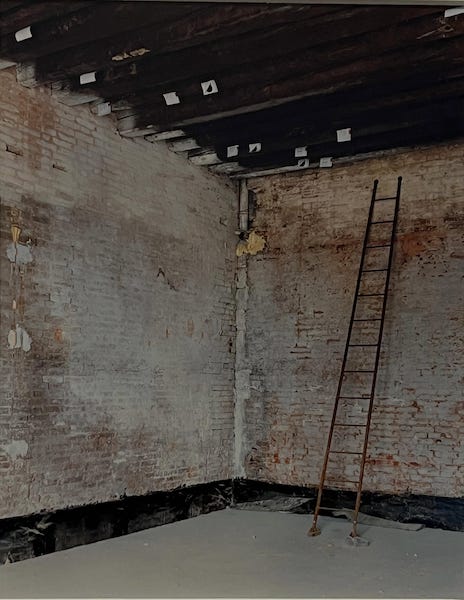
[Guido Guidi: Zattere - 2001]
First he referred to the engraving made by Albrecht Dürer (1471 - 1528), seen as a self-portrait of the famous draftsman. The image is known as Melancholia 1.
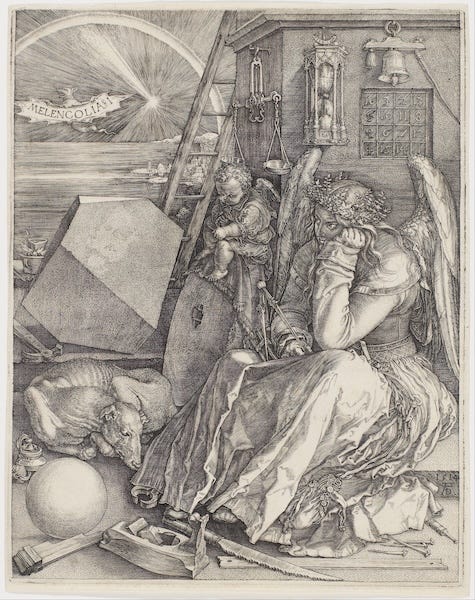
[Albrecht Dürer: Melancholia 1 - 1515]
Second, he sited The Haystack of 1844 by Henry Fox Talbot (1800 - 1877).
This is a serious trio of ladders.
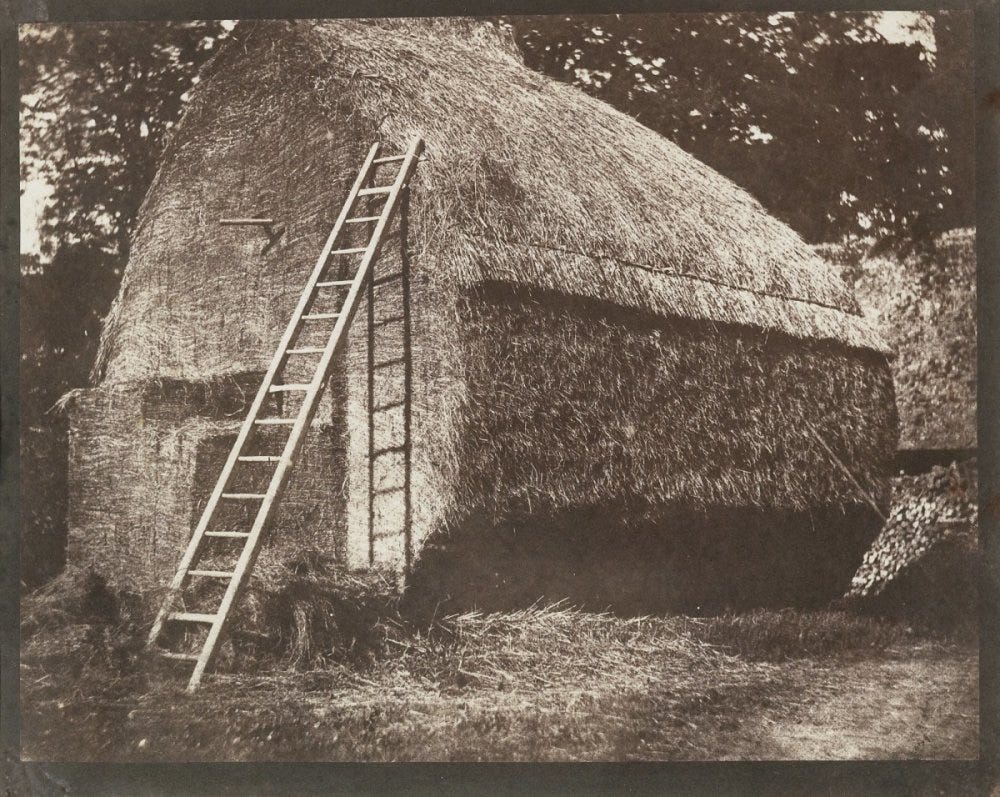
[Henry Fox Talbot: The Haystack - 1844]
In the interview, Guido Guidi was asked whether his ladder is a metaphor. He responded by turning the question to the interviewer, asking if he thought it was? Guido Guido finally said: ‘I still have to find out’. This is very much the way I think about my own photographs.
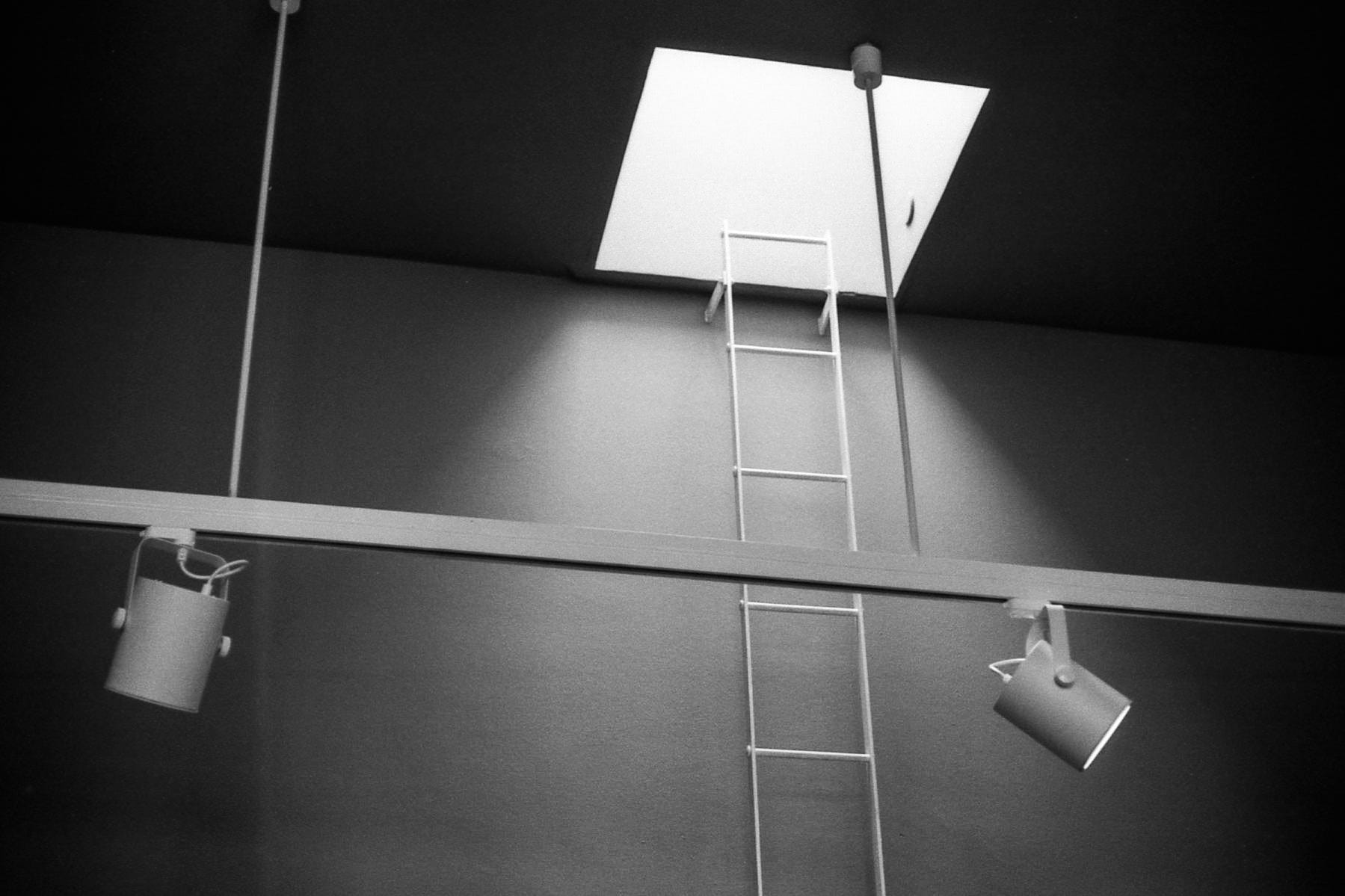
[Søren Harbel: Stairway to Heaven? A metaphor perhaps? - Berlin]
I don’t think my photographs are metaphors. In fact, I firmly believe it is for the viewer to decide what they think a given photograph means to them. I often play with the idea of whether it matters, or is important to give a photograph a title. Personally, I find titles and descriptions to be distracting. I much prefer the viewer to form their own opinion. I cannot possibly relate to what someone might think, or feel when they look at a photograph.
Whatever baggage you bring to a picture is personal. If I am lucky, and something resonates with you, then I am fortunate, indeed even lucky. Because, what I saw, which made me make the photograph in the first place was a response to something I felt at the time. Not what someone else felt. For another person, for you, the viewer, maybe you feel the same, as I did when I made the photograph, but honestly, I am more excited if what you see and feel is something entirely different.
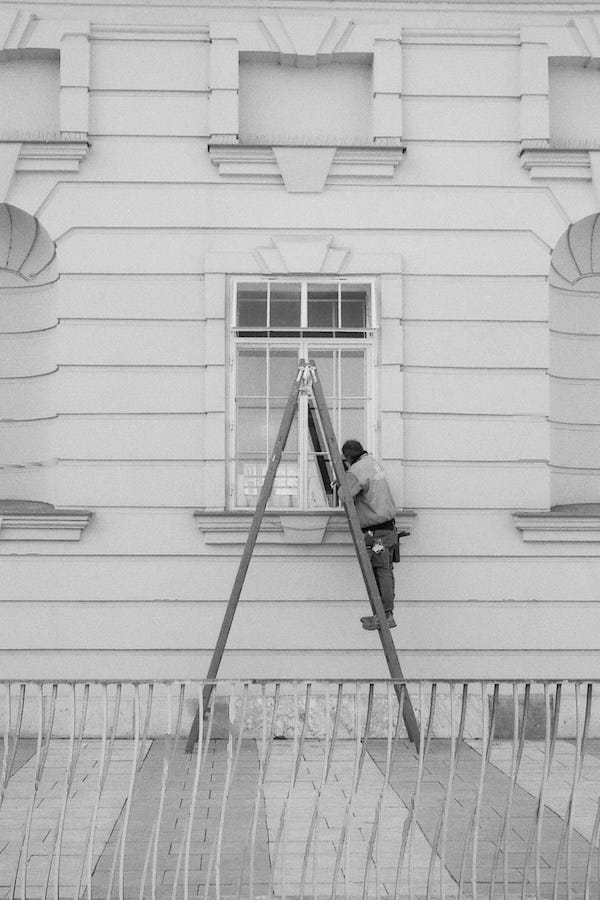
[Søren Harbel: Vienna]
Of course, the ladder allows someone to rise up. But equally, they can be used to descend. Ladders can be an instrument of escape, or simply a tool to clean, paint, or do other everyday things. I don’t read too much into ladders. Except, as the superstition goes, I do avoid walking under them!
I like the graphic nature of a ladder. The way it plays with light, and often casts great shadows, but equally how someone on a ladder completely changes a scene.
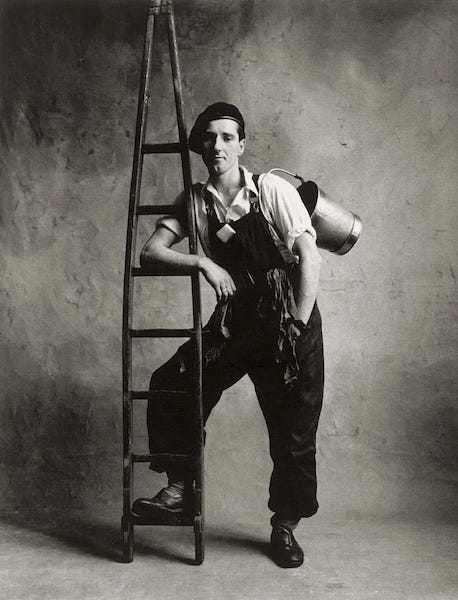
[Irving Penn (1917 - 2009): Window Washer - 1950]
Two inspirations for me: One is Irving Penn’s Small Trades, which as the title suggests, is from a collection of studio portraits of all the various trades, including this window washer from 1950. The other is by Jean Dieuzaide, of a man maintaining the street lights on Place Vendôme in Paris in 1947.
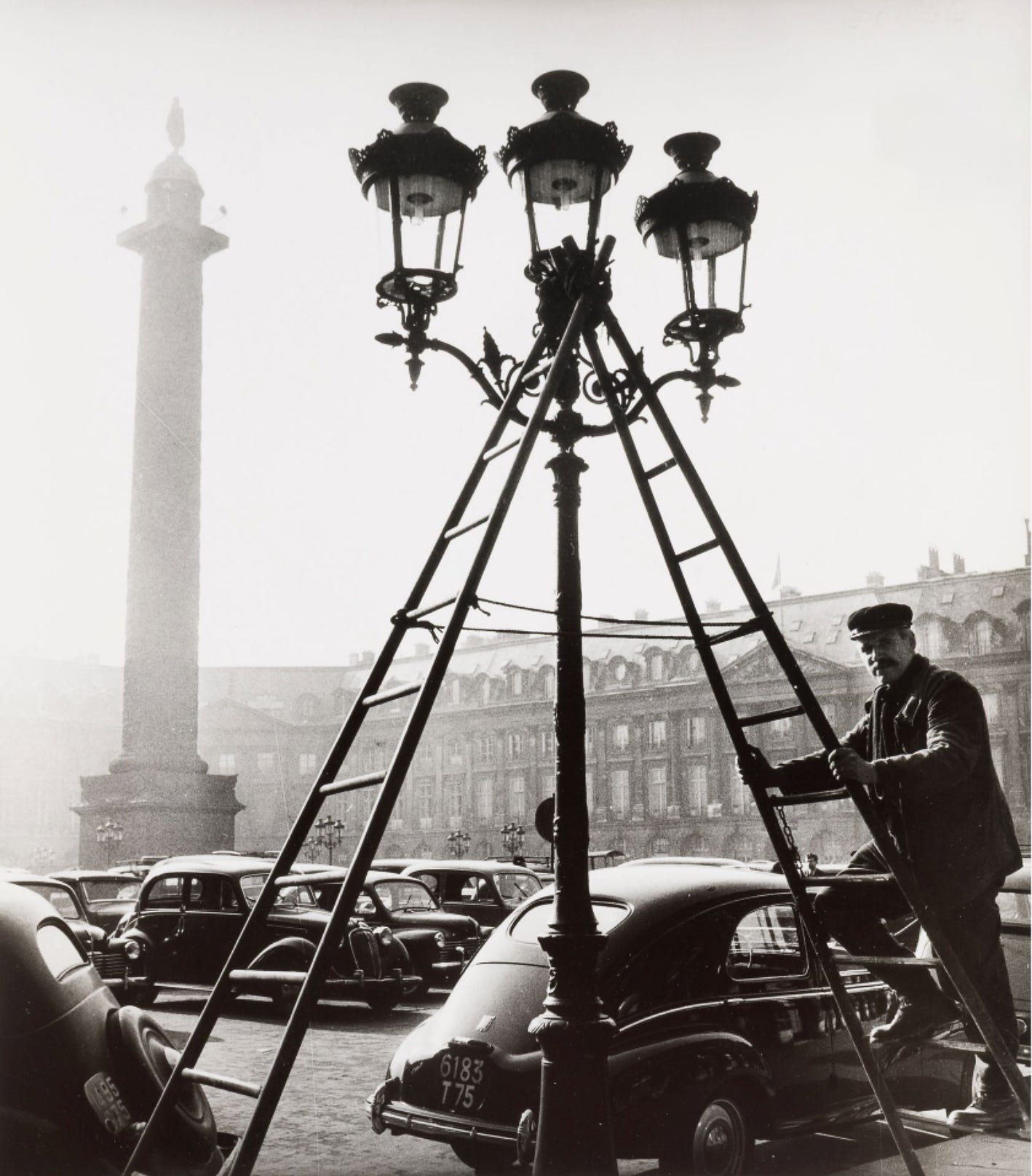
[Jean Dieuzaide: Street light maintenance, Place Vendôme, Paris 1947]
I never photograph in a studio, nor do I ask my subjects to pose. Not that the ladder would listen anyway! The Dieuzaide ladder is more the kind of photograph, I might try to make.
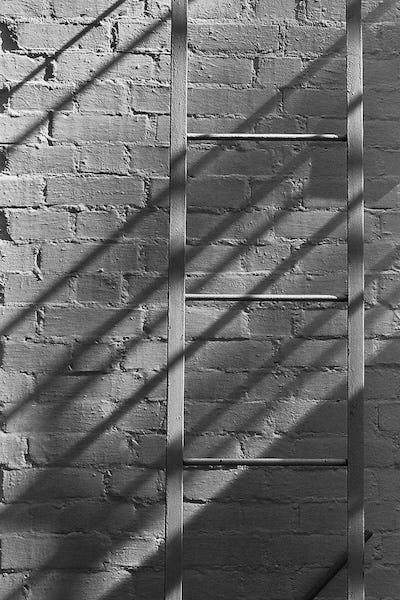
[Søren Harbel: Alvar Alto’s fire escape, Helsinki]
I really like the structured, graphic elements and shadows, which ladders give me to photograph. Equally, I really like how a ladder adds a vertical element, to a composition.
Here are a few ladders:
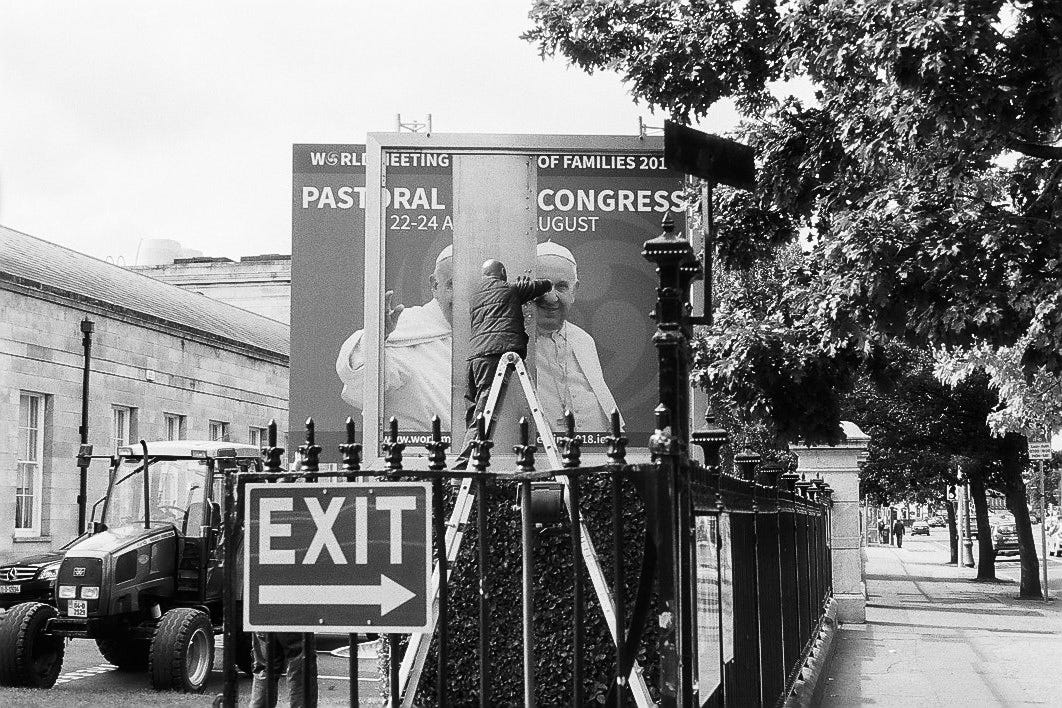
[Søren Harbel: Ireland]
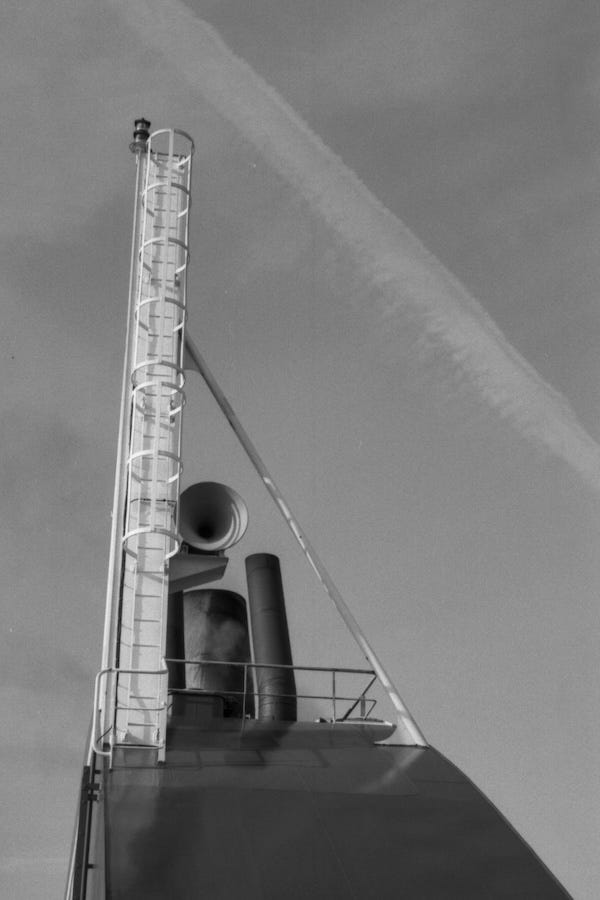
[Søren Harbel - Dublin]
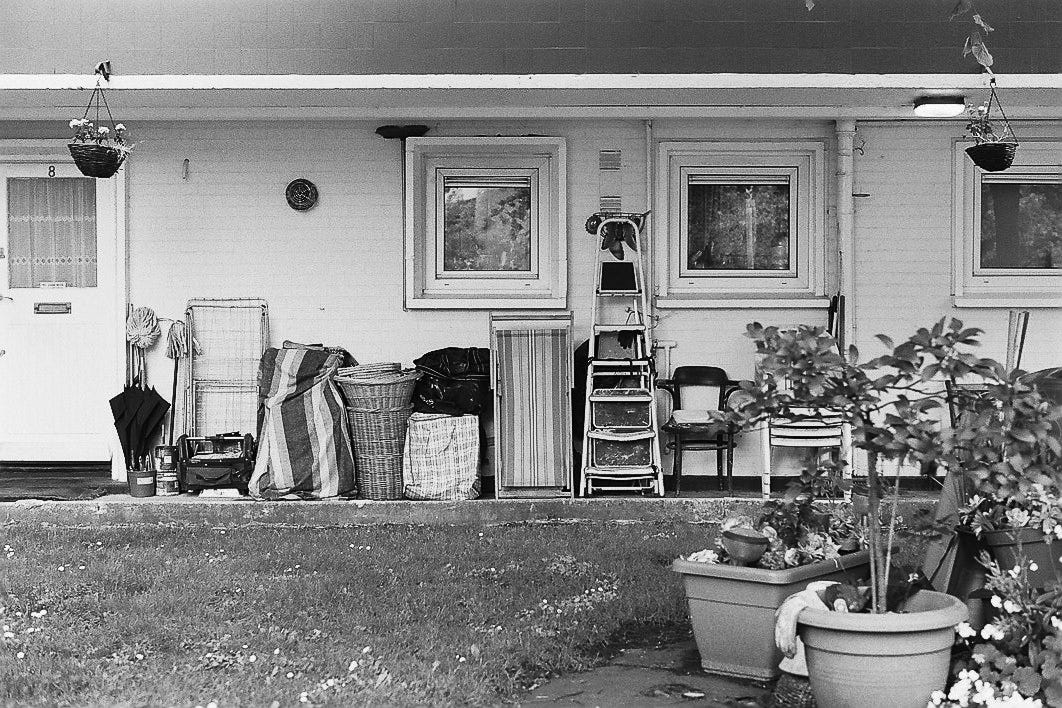
[Søren Harbel: Los Angeles]
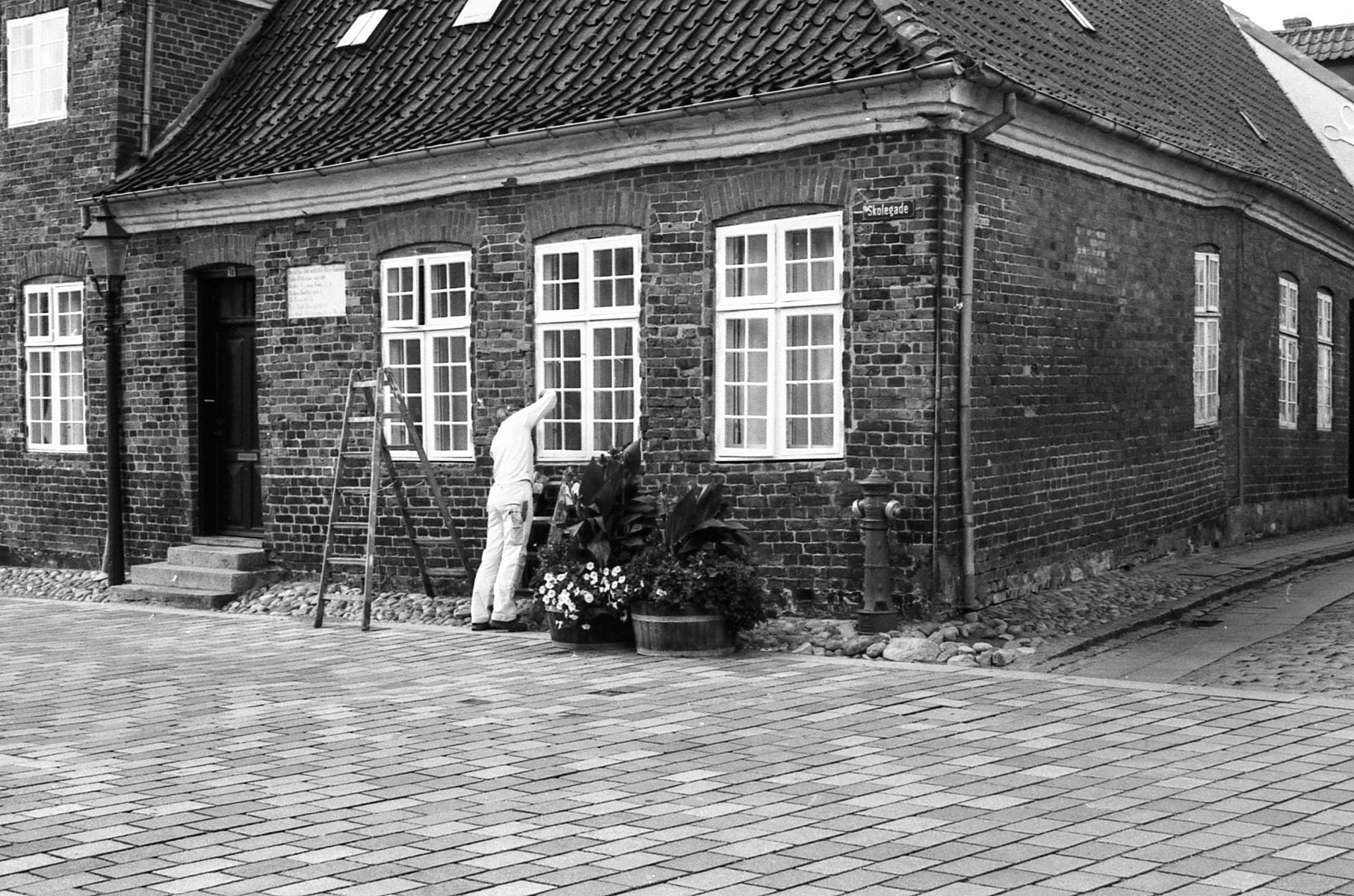
[Søren Harbel: Fyn]
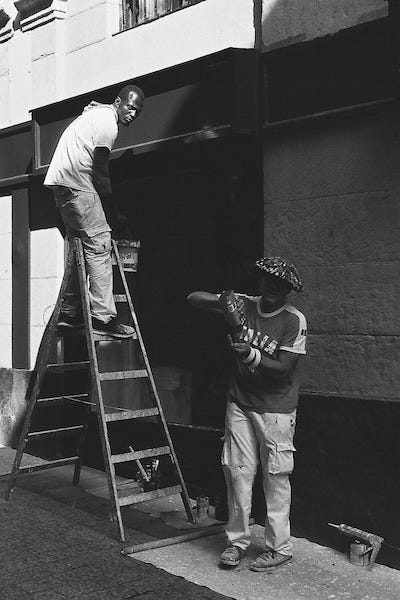
[Søren Harbel: Donostia]
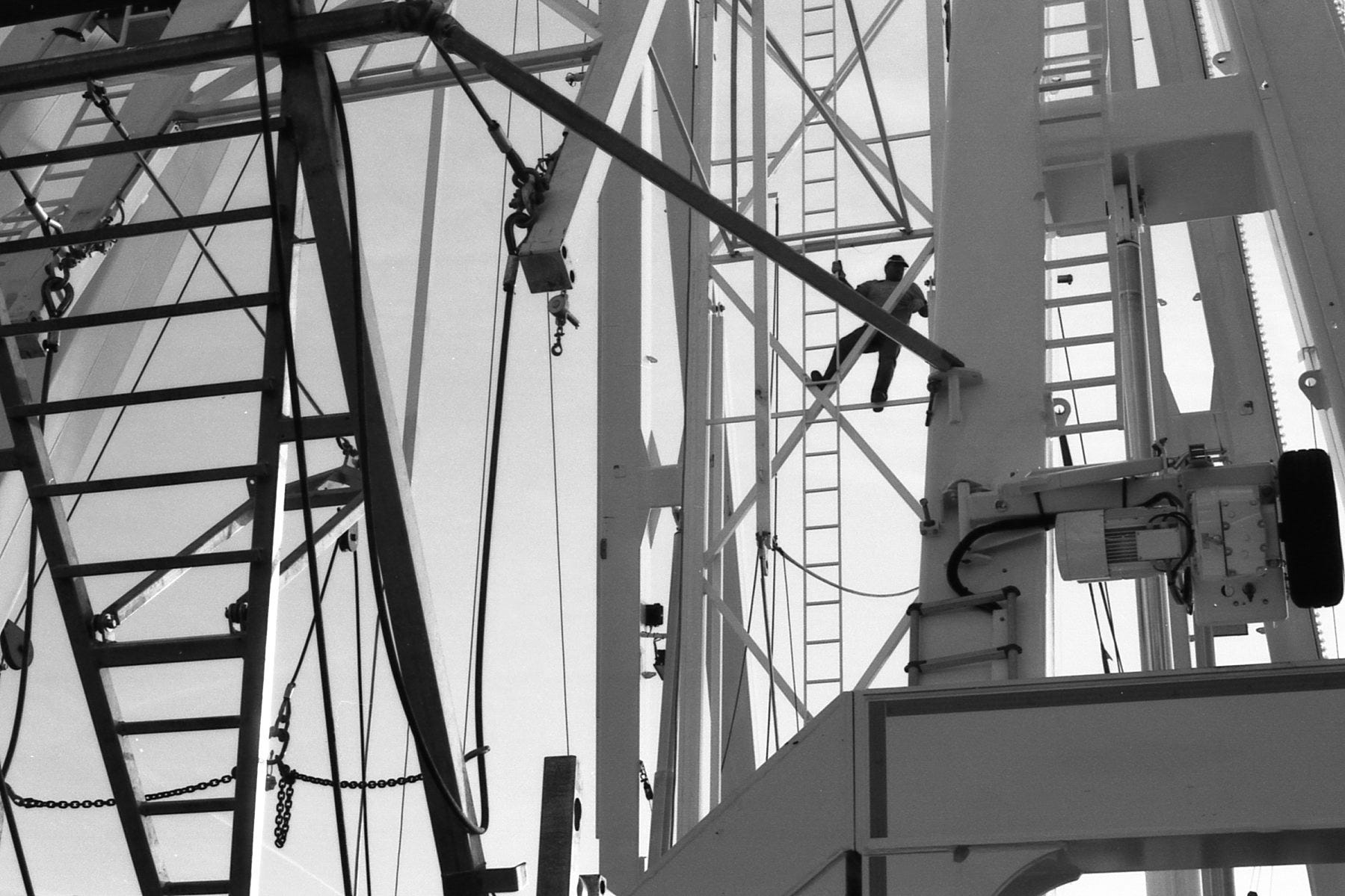
[Søren Harbel: Paris]
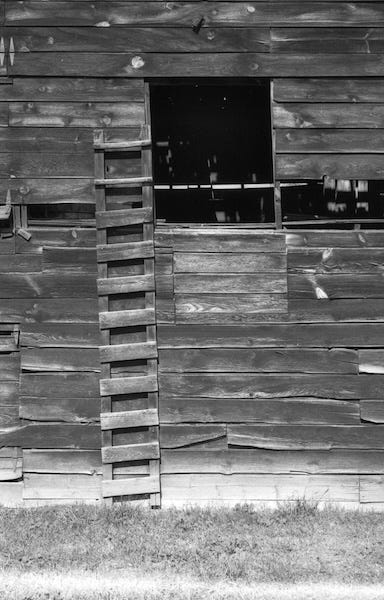
[Søren Harbel: Kelowna]
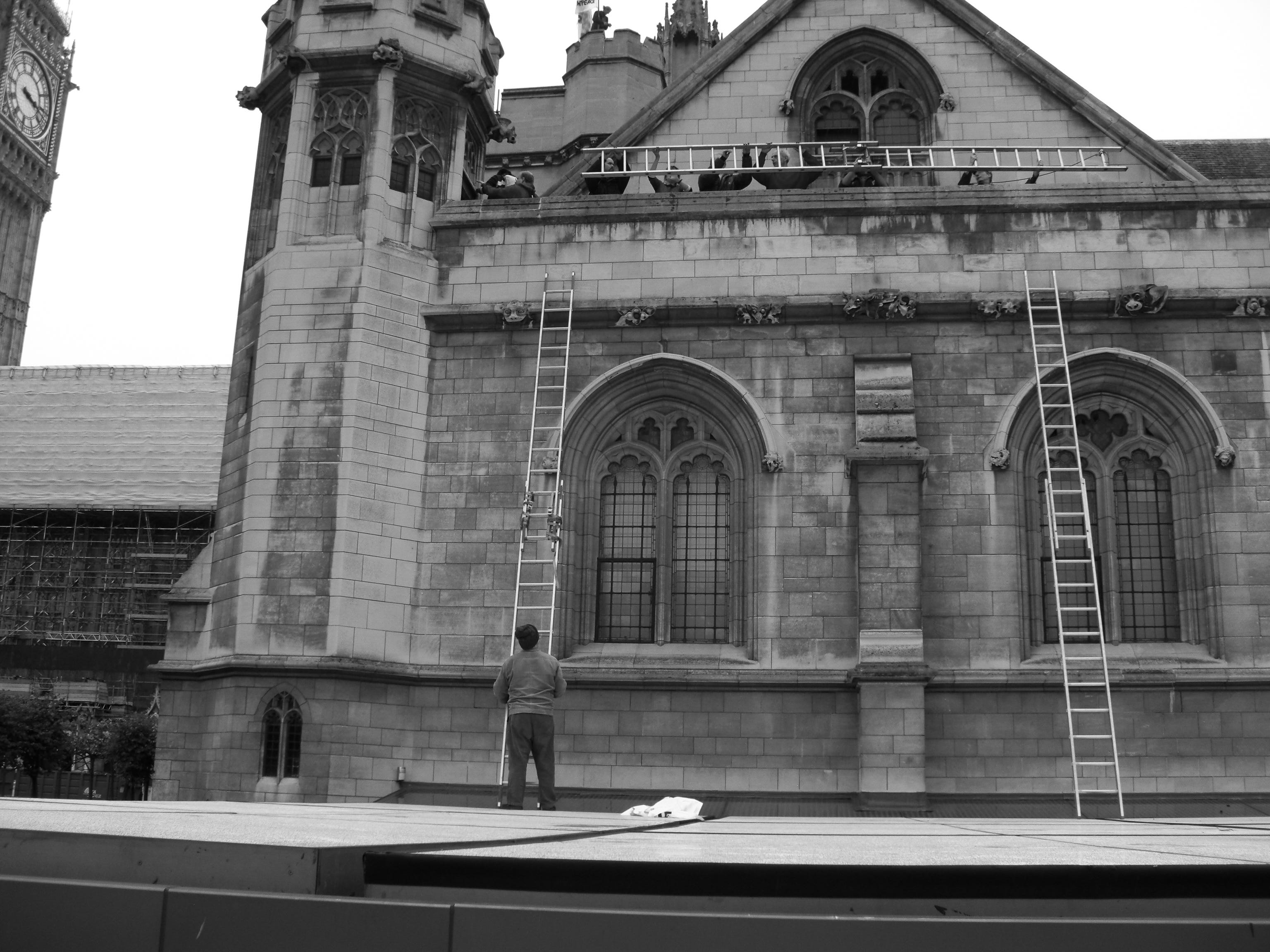
[Søren Harbel: Occupying Parliament, London]
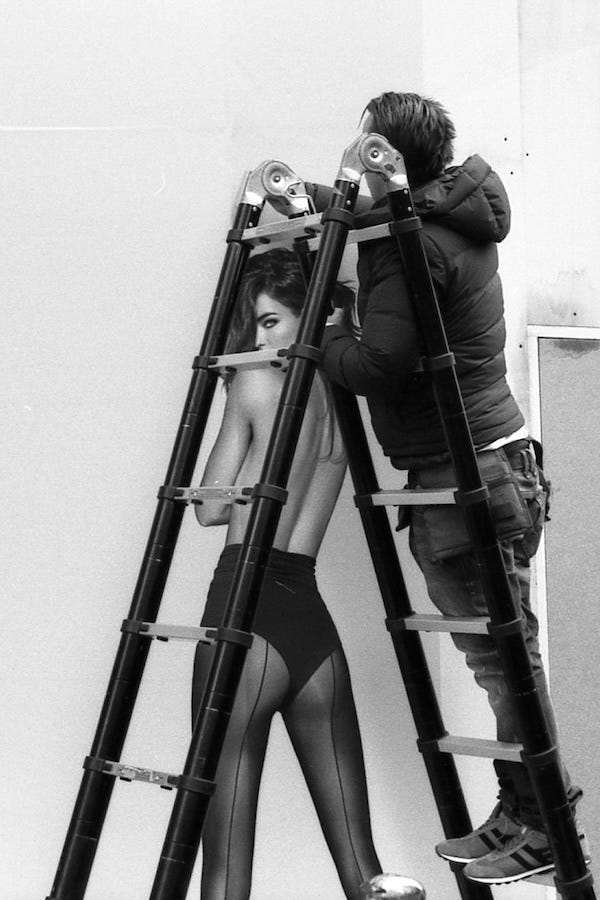
[Søren Harbel: Paris]
Ladders are useful things to have around. The best of them will fold away, but some will remain with a single purpose. I have noticed many, and will likely notice many more in future. I shall continue to make the photographs, not because they are anything special, but because they are there, and I am too.
Can a ladder be a metaphor? Of course it can. But, the message is for the individual viewer to read and interpret. I only make the photographs.
Thank you for reading my ladder musings. I am grateful so many of you come back, week after week. It makes it all worth while!
Until next time…
No posts
Comments
Nothing yet. Say the first thing.
Sign in to join the conversation.