
On my way in to the Monocle radio studio last week, I got chatting to my cab driver about the topic I was going on air to talk about: the removal of the leader of the Turkish opposition by the country’s courts, another step on the road to full autocracy.
The driver was interested in geopolitics, and I told him a bit about my time living in Turkey, and the unpicking of democracy that I had witnessed there. We agreed that Europe is facing an unsettling moment.
‘But here’s what scares me,’ he said. ‘My kids are 20 and 22, and they just think this kind of thing is normal. They don’t care.’
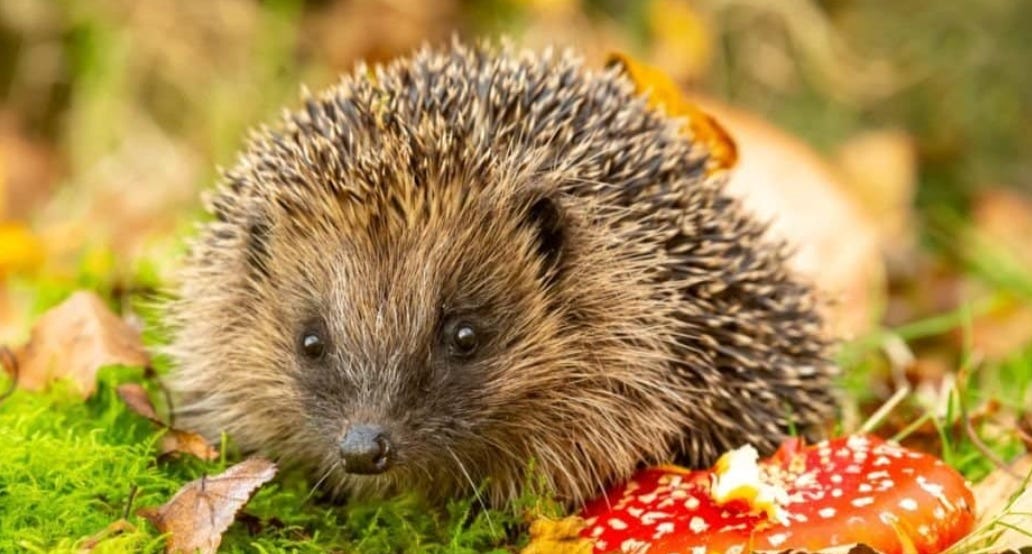
I felt a wave of sadness similar to the one that washed over me when a 17-year-old recently told me that he’d never seen a hedgehog. They were as exotic to him, a teenager living in suburban England, as an antelope or a zebra would be. If that sounds glib, it’s not meant to: the disappearance of hedgehogs in the UK is a mark of the carelessness with which we are destroying their habitats, and a tragedy. The decline of democracy is a mark of carelessness and a tragedy, too. I took both things for granted when I was growing up in the 1980s and 1990s: that I would see hedgehogs (and sometime their babies) snuffling around the garden at dusk, and that, following the collapse of the Soviet Union, the world was democratising and liberalising. That it was getting better, and would continue doing so. When I was studying at university, one of the major topics of the time was the expansion of the European Union. Nobody even considered that the trend might go into reverse.
It’s jarring enough to think that people who were born while I was an undergraduate are now fully fledged adults, but even more disturbing to think of the paradigm that they were born into. Someone born in 2004 in the UK would have been four years old at the time of the global financial crash, and has entered the workforce as we are still feeling its long tail, both economic and social. They would have been too young to vote in the Brexit referendum, yet they are the ones feeling its loss most keenly: unable to study abroad under the Erasmus programme, or hop over to Ibiza or the Alpine ski resorts to work for the season, as my peers and I did so easily and unthinkingly. They will not be able to seamlessly meet and move in with romantic partners from other European countries as many of my friends have done; their social circles will surely be more homogenous and less colourful as a result. They turned old enough to vote in a country where the leader of the highest polling party feels no need to apologise for the overt racism he is accused of displaying in his schooldays; where a neo-fascist movement can bring tens of thousands of people onto the streets of London; and where British Jews often feel unsafe to show symbols of their faith.
Someone born in 2004 in Turkey has known nothing but the rule of Tayyip Erdogan, and by the time they were old enough to vote, he had so surely rigged the system against his opponents that elections were just a facsimile of democracy. Everywhere, Gen Z has come of age soaked in the mind-corrupting effects of social media, which older generations embraced and utterly failed to regulate, even when it became clear what harms it could do.
So although it would be easy to berate young voters for being apathetic, more concerned about influencers and reality stars than politics, hyper-focused on fringe issues and self-absorbed rather than outward-looking, who can blame them when the bigger picture is so bleak? The older generations have betrayed them by making and benefitting from a financial system that was bound to crash, creating media systems in which misinformation thrives, and tolerating or even encouraging anti-liberal leaders and trends until they became the mainstream, not a sideshow. Just as the cumulative effect of homeowners building extensions over their gardens is the loss of wildlife, so the combined impact of every individual, company and country looking out for its own self interest is the rotting away of democracy’s foundations. And now, we are in a world where the new generation of voters think that it’s normal for the far right to be on the brink of electoral victories across Western Europe, and for a country that many will visit on holiday to be turning into a one-party state.
Thanks for reading Turklish! This post is public so feel free to share it.
Comments
Nothing yet. Say the first thing.
Sign in to join the conversation.