
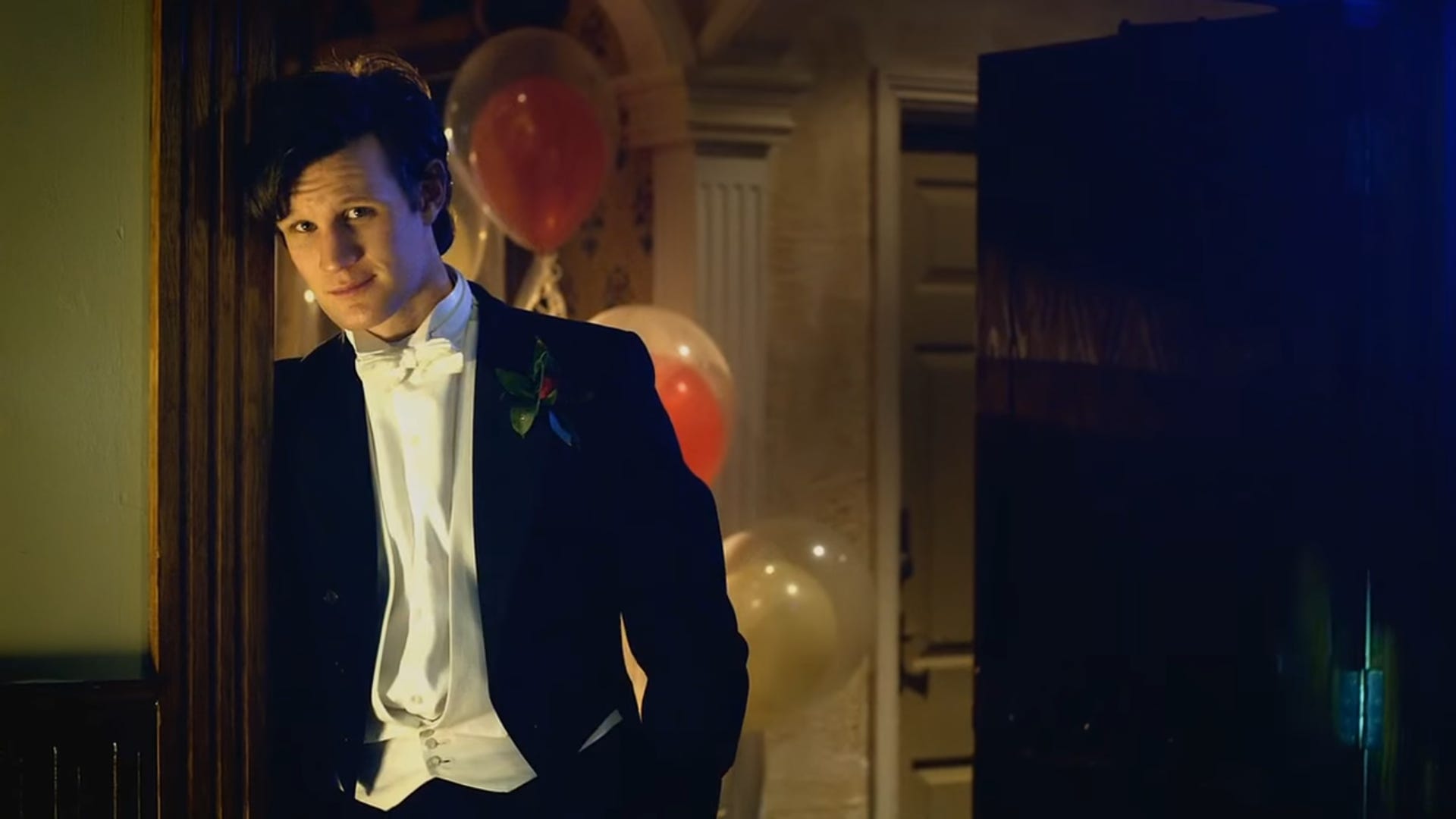
While I live in hope, after the last few seasons I’m functionally a Whovian sedevacantist (before you ask: it’s Twelve). Conceiving of the show as a canon, from Hartnell to Capaldi, gives this piece a pleasingly complete feeling. And yes, I’m one day late, but what is time, after all?
The publicists at the BBC weren’t thrilled, one imagines, when their Doctor Who leading man spoke candidly about why he loved the program so much. “People always ask me, ‘What is it about the show that appeals so broadly?’” Peter Capaldi said in 2018. “The answer that I would like to give—and which I am discouraged from giving because it is not useful in the promotion of a brand—is that it’s about death.”
He’s right (and as a fan since the age of five, he’d know). Underneath the whimsy of Doctor Who’s premise—an idiosyncratic alien travels time and space in an iconic blue police phone box—is a story of loss, exile, sehnsucht … of what it means to be mortal and immortal. Mind, it’s also about killer robots. One of its catchphrases is “reverse the polarity of the neutron flow,” and another the order a staid brigadier gives his men when confronted with a demonic being: “Chap with the wings, there. Five rounds, rapid!”
The eponymous Doctor summarizes his life and the show’s tone well when he insists that he’s serious “about what I do … not necessarily the way I do it.”
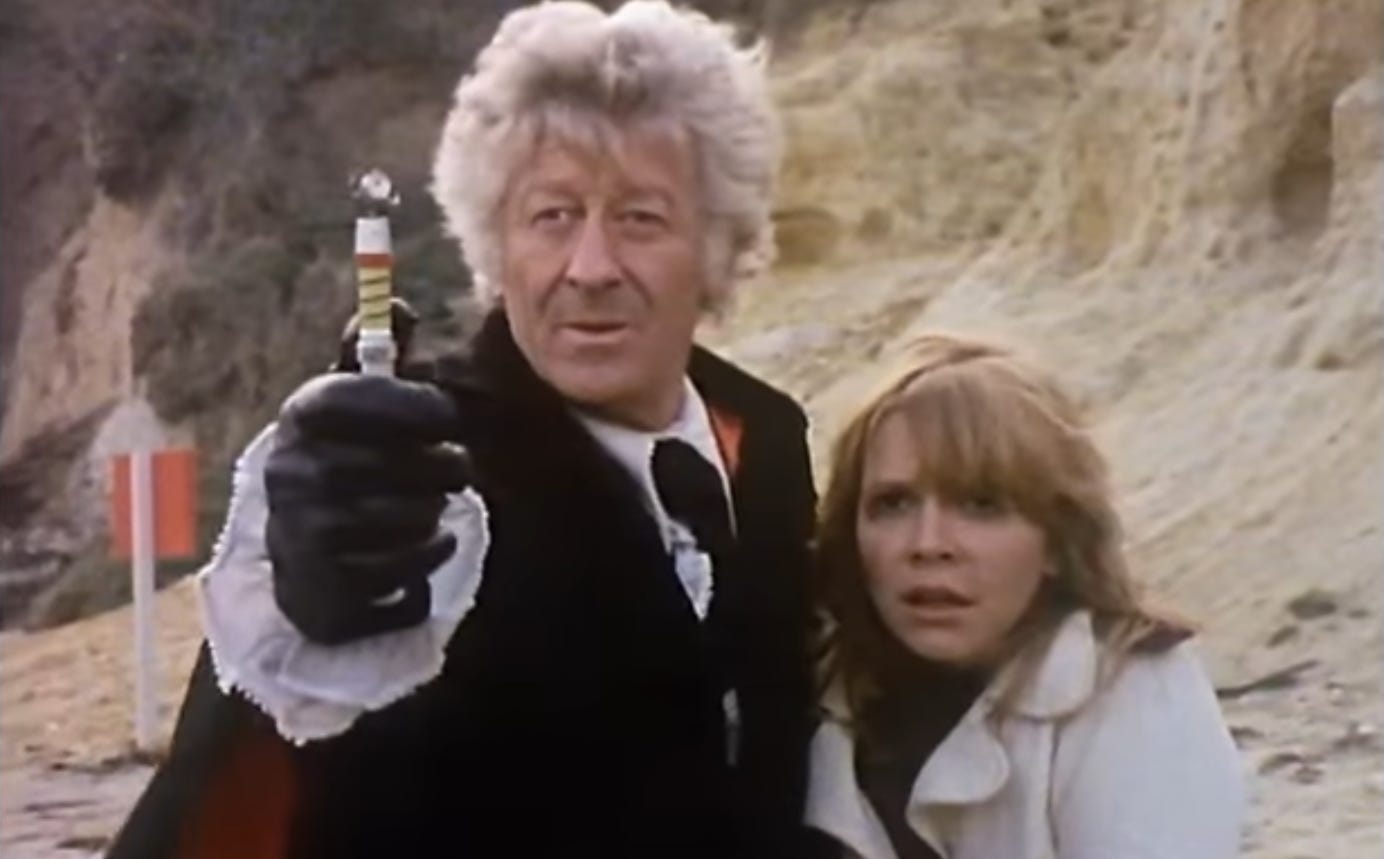
While often categorized as science fiction, Doctor Who’s strong, mystical death motif puts it in the grand tradition of fairy tales like The Lord of the Rings and Harry Potter. Like those stories, it grounds its myth in the eccentricities of British culture; avoids tongue-in-cheek, Monty Pythonesque deconstruction; and flourishes as an engine for “reenchantment.” Whether its success will continue will depend on its recapturing that original vision of the show’s meaning, a vision that has grown very muddled over time.
Death is most obviously present in the show’s iconic plot device: the “regeneration” of the Doctor. As Capaldi explained, “The central character dies. And I think that is one of [the show’s] most potent mysteries. Because … that is what happens in life: you have loved ones—and then they go—but you must carry on.”
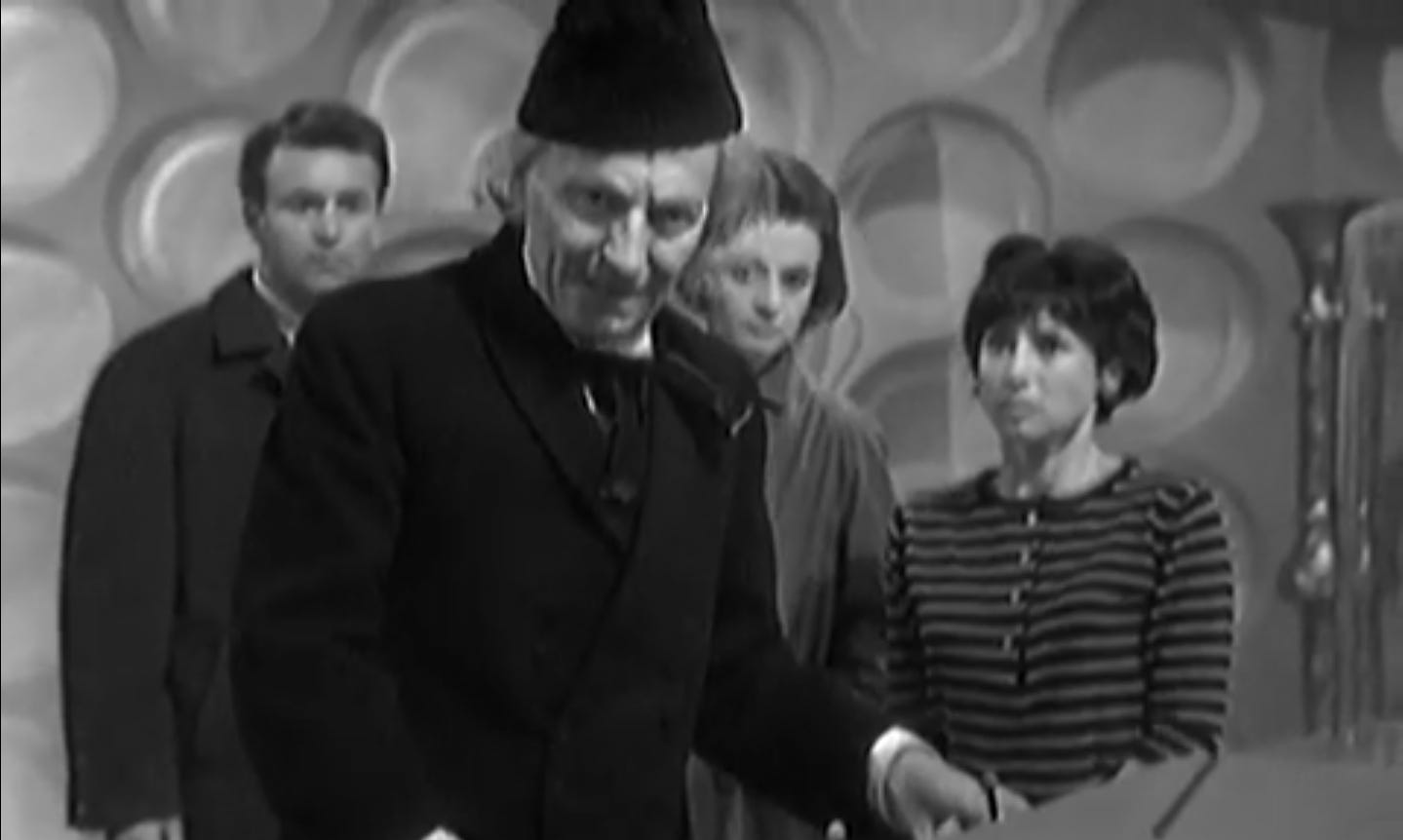
This “mystery” came about by happy chance. As small Peter in Glasgow was falling in love with Doctor Who in the ’60s, the BBC showrunners were facing a commercial dilemma. The show was a hit—“Dalekmania,” an obsession with the show’s “pepper pot” space Nazi villains, had swept the nation—but their leading man was so ill he couldn’t remember his lines. Writers had worked around it, eventually weaving William Hartnell’s line fluffs into his character. “Chatterton?” he’d distractedly ask, bungling the surname of his companion, Ian Chesterton (who, yes, was named for G.K.).
But the solution was unsustainable. They knew they had to write Hartnell out. But how could Doctor Who exist with no Doctor?
No posts
Comments
Nothing yet. Say the first thing.
Sign in to join the conversation.