
Whittaker Chambers couldn’t have predicted that his defection from the Communist Party would start because of a toddler. It was the 1930s, and Chambers—an American spying for the Soviets—was watching his young daughter messily eat in her high chair.
“My eye came to rest on the delicate convolutions of her ear—those intricate, perfect ears,” he later wrote. “The thought passed through my mind: ‘No, those ears were not created by any chance coming together of atoms in nature (the Communist view). They could have been created only by immense design.’”
It was the beginning of his conversion from communism to Christianity.
Starkly distinct in tone from the original Star Wars trilogy, the Disney+ series Andor portrays a world where all transcendence has been erased by an authoritarian state that wishes to eliminate any appeal beyond itself. In Andor’s world, everyone is compromised in some way. The Empire fetishizes order at any cost; the Rebellion is willing that innocents suffer in order to bring about revolution. Spies sacrifice all hope of “kindness, kinship, love” for the glorious cause.
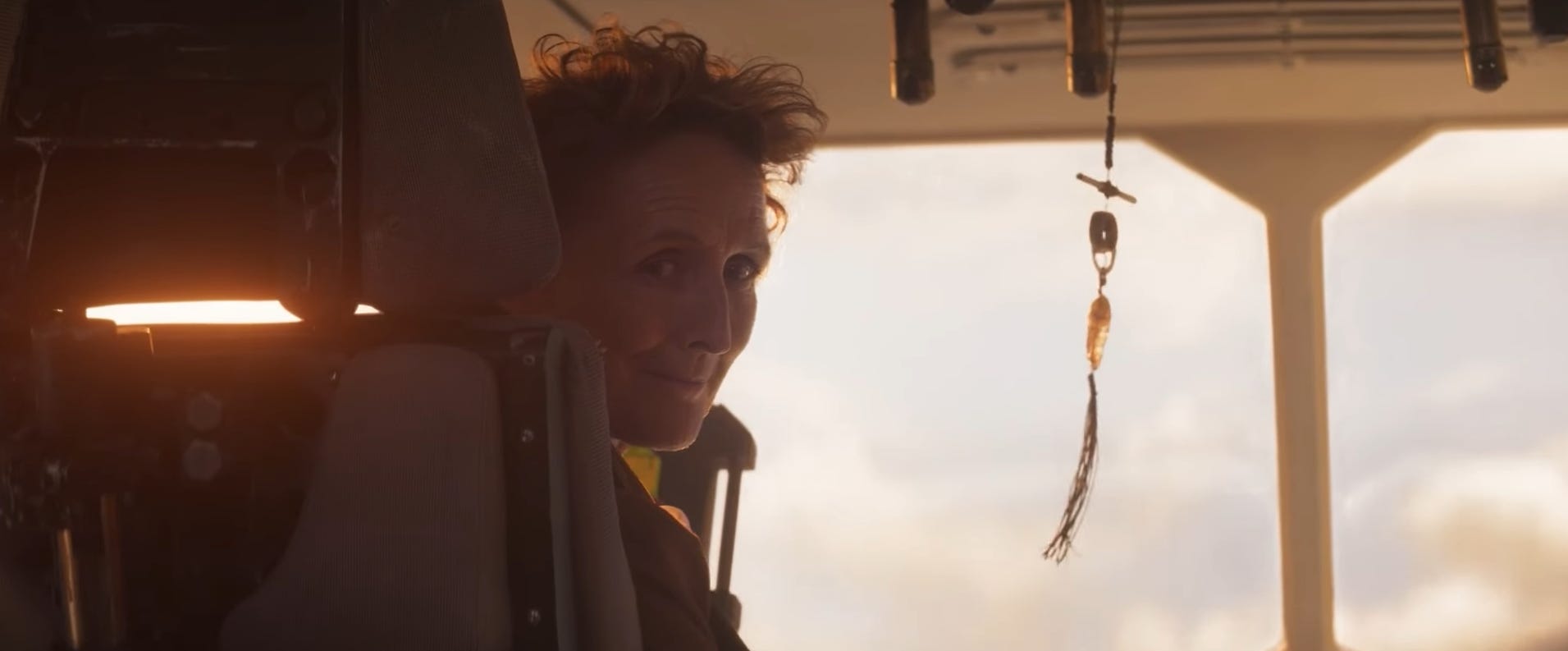
Yet Andor, at its heart, understands that political power must ultimately yield to the delicate convolutions of a child’s ear. As evidenced by the final shot of the show, the only possible resolution is in new birth. And this theme continues into Rogue One, where a father’s love is what brings about victory.
No posts
Comments
Nothing yet. Say the first thing.
Sign in to join the conversation.