

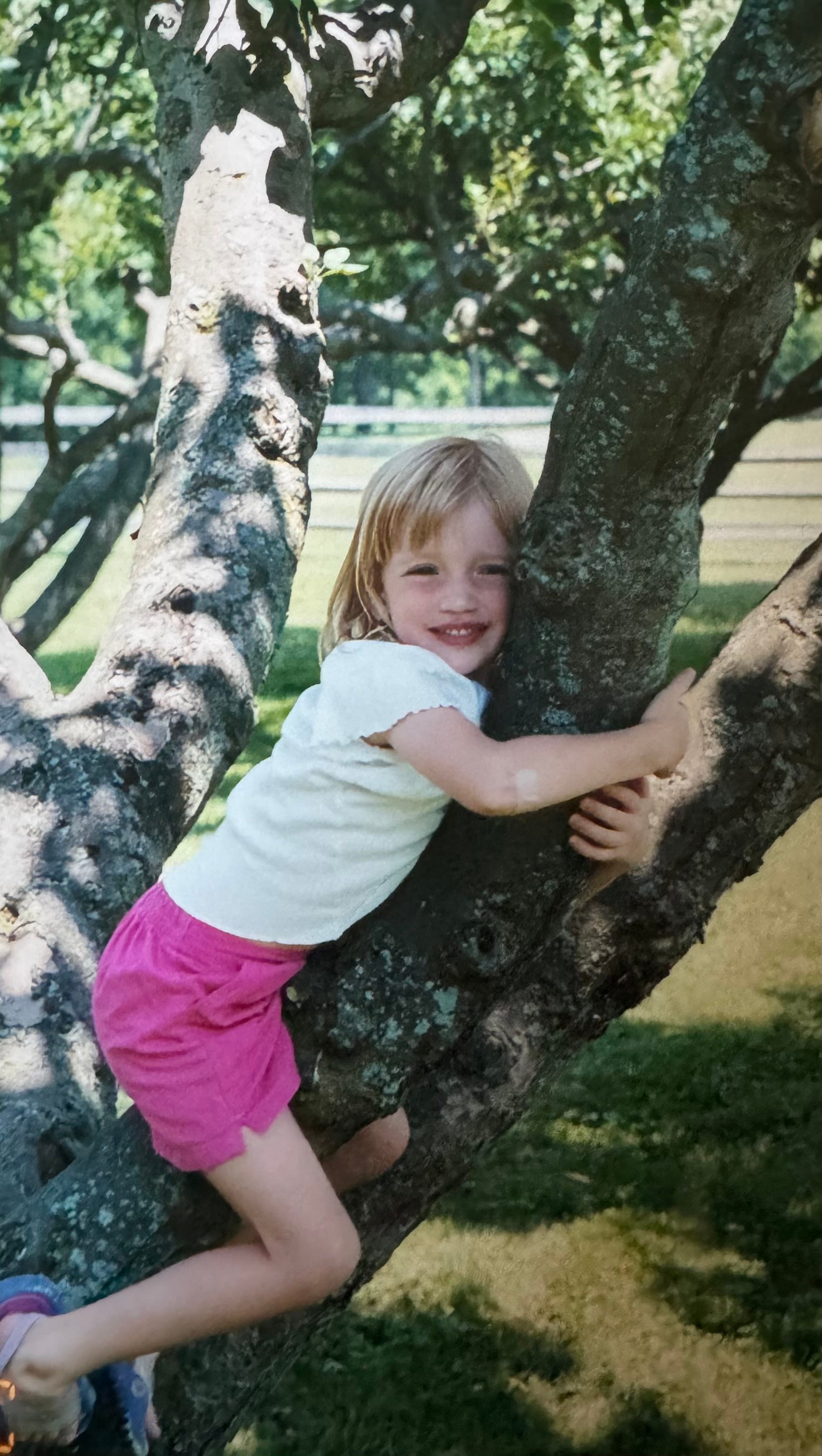
I come from a family of readers; one of my first memories is of my dad reading to me before bed, a tradition my parents established that lasted through my years of grade school. I became a voracious reader and an eager learner. I read anything I could get my hands on—fictional young adult series that transported me to new worlds, every book about animals my local library had to offer, religious apologetics books from my dad’s collection, memoirs, classics, you name it, and I probably read it. It wasn’t just my parents that instilled in me a love of reading, but my dad’s parents, my grandparents, who boasted an impressive collection of books, a library that I had the opportunity to choose a few titles from following my grandpa’s passing. One of my favorite pastimes as a young girl was climbing a tree on my family’s property, lying on a big branch, and reading. Reading so passionately starting at such a young age fostered in me a deep love of learning, a desire to learn simply for learning’s sake.
As the years of reading went by, I stumbled upon the poems of Mary Oliver; she was a lesbian who grew up in the Midwest, just like I did, and, like me, she held deep reverence for the natural world. When I first discovered her work, it was like my eyes were opened; I felt a connectedness to her writing, to her, but mostly to the world around me. If I am anxious or feeling disconnected, I know that reading a few of her poems will ground me. I’ve always been the type of person who asks a lot of questions, who wants to know ‘why’ about everything, much to my parents’ chagrin. Reading Mary Oliver for me truly emphasized the importance of paying attention, the necessity of slowing down, and being curious about the world around us.
As I went through college and finally got my own social media accounts, my time spent reading for enjoyment decreased. I spent my time primarily reading texts assigned to me or scrolling social media. But as I finished school and, more recently, with the dawn of AI, I’ve felt compelled to read more as I did as a child. There’s something uniquely human about reading and writing, about seeking knowledge simply for the enjoyment of learning.
I’ve seen social media and short-form content rise in popularity, and the last few years have witnessed AI take over more and more. It’s been so disheartening to see how many people don’t seem to appreciate the value of reading and learning. I see people turn to an AI model to think for them, to summarize books, to make decisions. The more thinking, analysis, and decision-making is left to AIs, the more I worry that humans are losing key facets of what makes us human.
This past month, I read ‘The End of Reading is Here‘ in The Atlantic and finally felt like so many of my concerns regarding reading, writing, and AI were expressed in an evidence-based way.
The article explains, “one of the most robust findings in neuroscience is that people’s brains master what they practice. If we fill our time with short-form videos instead of books, our reading skills atrophy.” I think we’ve all witnessed this one way or another. During school, when I didn’t read as much for pleasure, I certainly experienced this as I returned to reading. It felt like I was getting in shape, but it wasn’t my physical body; it was my mind.
As the article talked about a post-literate society and what that looks like, I was particularly struck by this paragraph:
“Early humans spent millennia communicating only by voice. The advent of reading and writing transformed society. It altered people’s consciousness and politics, along with the intellectual feats they were capable of. The decline of reading will bring about changes of the same magnitude. It will affect our innermost thoughts, our society’s politics and culture, and how we tell the history of our civilization. If we look closely, we can see that these changes have already begun.”
I’m so tired of experiencing a society that devalues learning, reading, and writing. I’ve witnessed society commodify these elements of humanity and regurgitate them back to the populace through an AI. This article is a reminder that while we may not be able to stop these significant cultural shifts, there is merit in pushing back, in holding out, and in valuing these skills that sometimes seem forgotten.
When all else fails, and the present (and the future) look bleak, reading Mary Oliver and taking a walk in nature are ways to remain connected to our larger natural world.

THE CINEMA by Erin LeCount
Whatever You Wanna by Anabelle Dinda
Hunger by Florence + The Machine
Doors by Noah Kahan

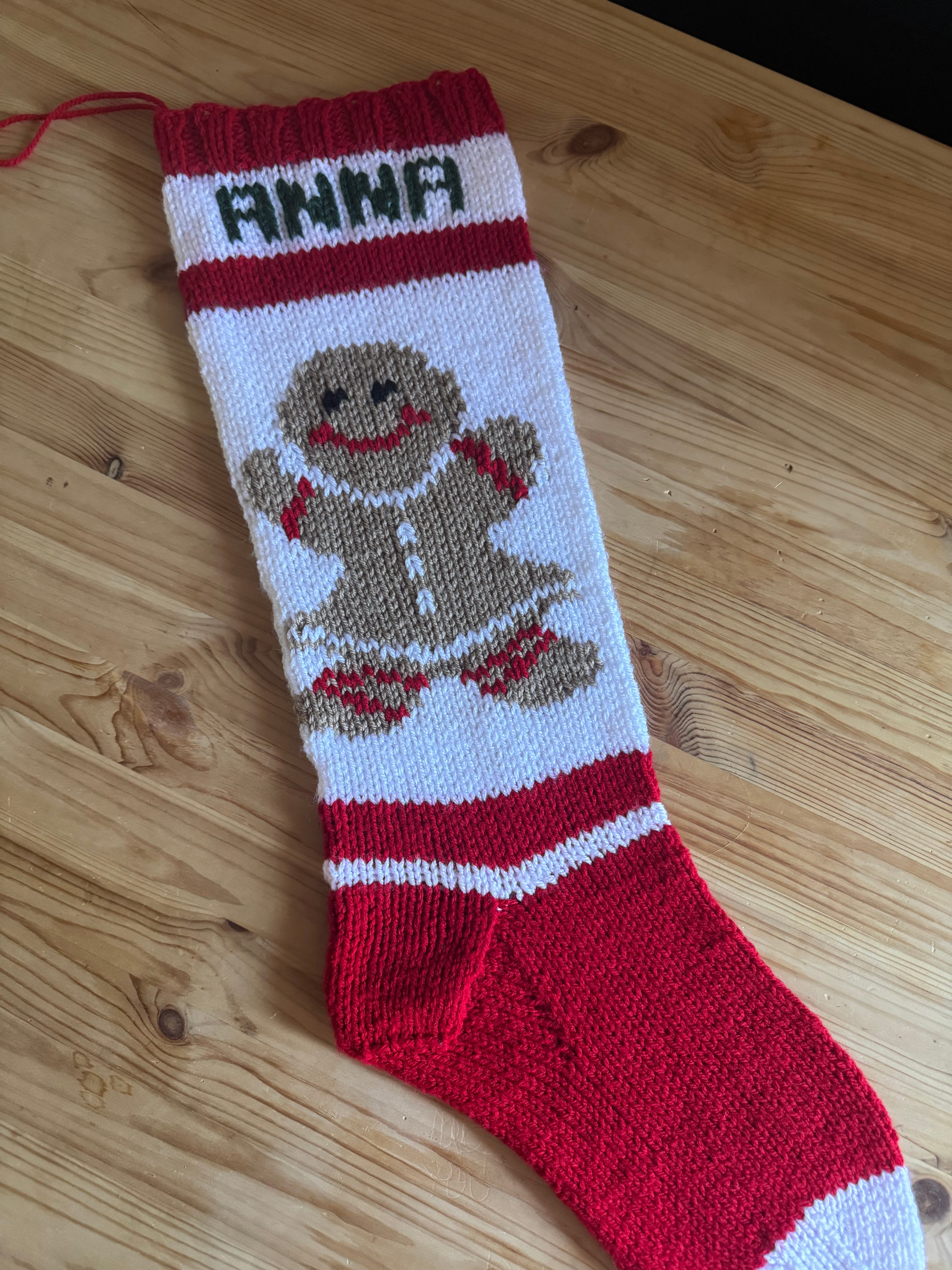
My grandma used to hand-knit Christmas stockings for any new family member. Since she is no longer able to knit, she gave me all her vintage knitting patterns, and I’ve been knitting stockings for 2 of my brother’s wives and my other brother’s fiancée. So far, I have completed one of the stockings.

“This is not the Olympics, it’s Brooklyn”
“I grieve my Costco membership more than I grieve my spouse.”

This was originally posted as a note on my Substack page. However, the story was so impactful to me that I wanted to include it here as well.
During WW2, Felice Schragenheim, a Jew in hiding, and Lilly Wust, the wife of a German soldier, were a surprising couple. However, the two fell in love—they exchanged letters and poems, began to live together, co-wrote their own marriage contract, and even exchanged rings. Since Lilly’s husband was frequently away, that meant Felice and Lilly could spend more time together, and they even went out in public together. And then in the summer of 1943, Lilly actually divorced her husband to be with Felice fully.
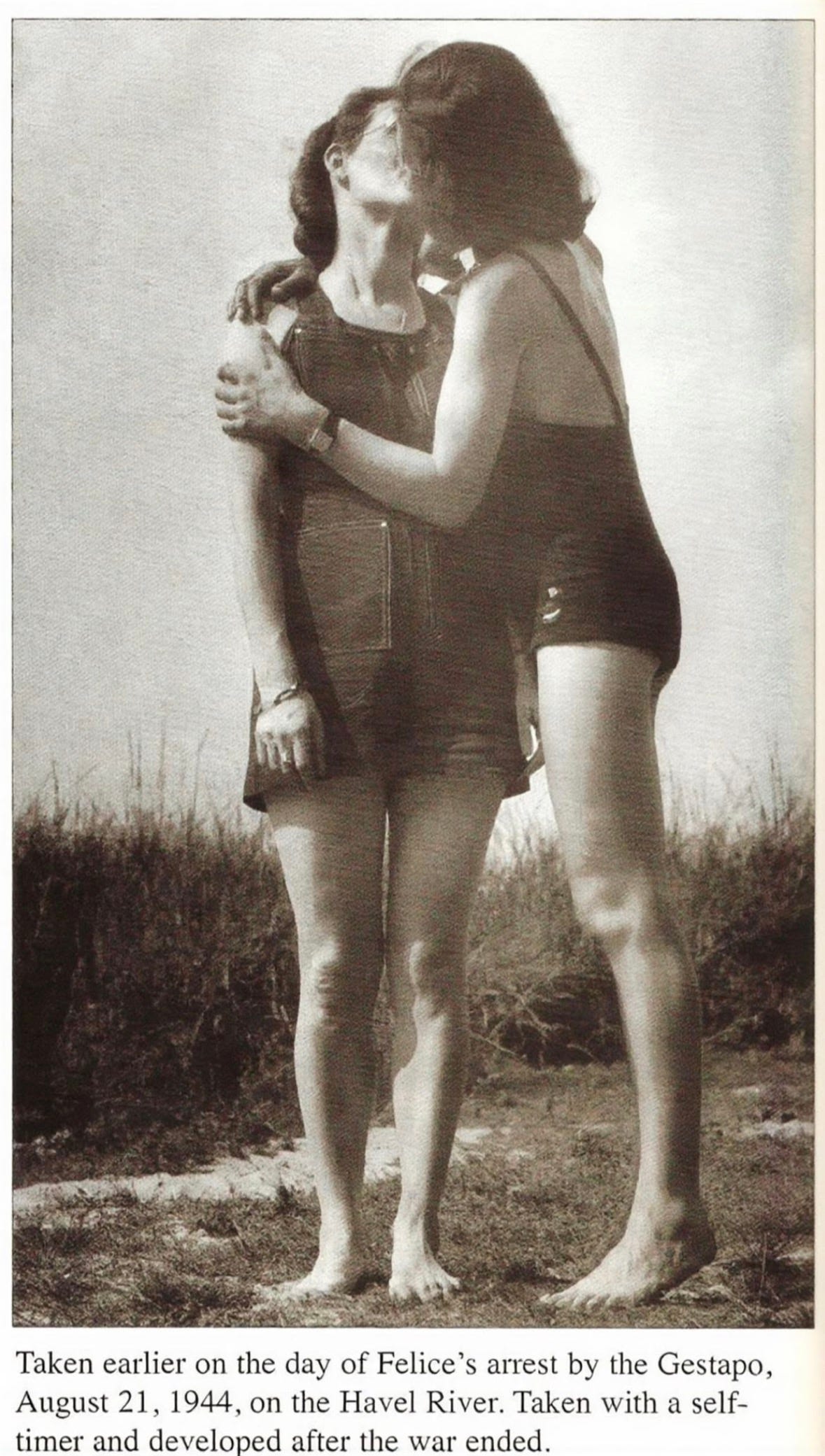
However, following a trip to the Havel River, the Gestapo was waiting for them and arrested Felice, and Lilly was briefly questioned. Lilly tried to visit Felice, and even followed her to her next location, Theresienstadt, but they were never permitted to see each other. Felice was sent to Auschwitz in September 1944 and then to the Gross-Rosen concentration camp. Then, in January 1945, the camp was evacuated, and prisoners were sent on death marches to Bergen-Belsen. Felice likely died during the march or in the camp. Following the war, Lilly waited and searched for Felice, constantly hoping for her return.

This month, this Substack changed a bit, going back to its roots, focusing solely on my history writing and research, and I’ve been so overwhelmed by all your support. For those who missed it, I have begun offering a $5/month paid option in which I will be sharing an additional history article each month.
In case you missed it, these articles were published this month on the hankycode main site:
Lesbians, Witches, and the Satanic Panic
What ‘Cantoras’ Teaches us About Real Historical Queer People in Uruguay
No posts
Comments
Nothing yet. Say the first thing.
Sign in to join the conversation.