
If you want to know which handbag silhouette or shade will dominate next season, forget the Paris runways. Look at what people are putting in their mouths.
Fashion and food share a deeply symbiotic relationship. Both react instantly to cultural shifts, color psychology, and our collective craving for sensory comfort. Walking the floor of the international Summer Fancy Food Show, I saw a phenomenon known as “SenseMaxxing” everywhere. Consumers are officially rebelling against sterile, cold minimalism. In a hyper-digital world, we are starved for tactile textures, comforting color, and a hit of childhood nostalgia.
For accessory designers, the grocery aisle is a direct crystal ball. When our taste buds crave indulgence, our wardrobes follow. Here is your condensed trend report.
Luxury leather has been trapped in a “Quiet Luxury” cleanse of sterile creams and safe beiges. The food floor proves the collective eye is starved for rich, appetizing tones that trigger a nostalgic, comforting emotional response.
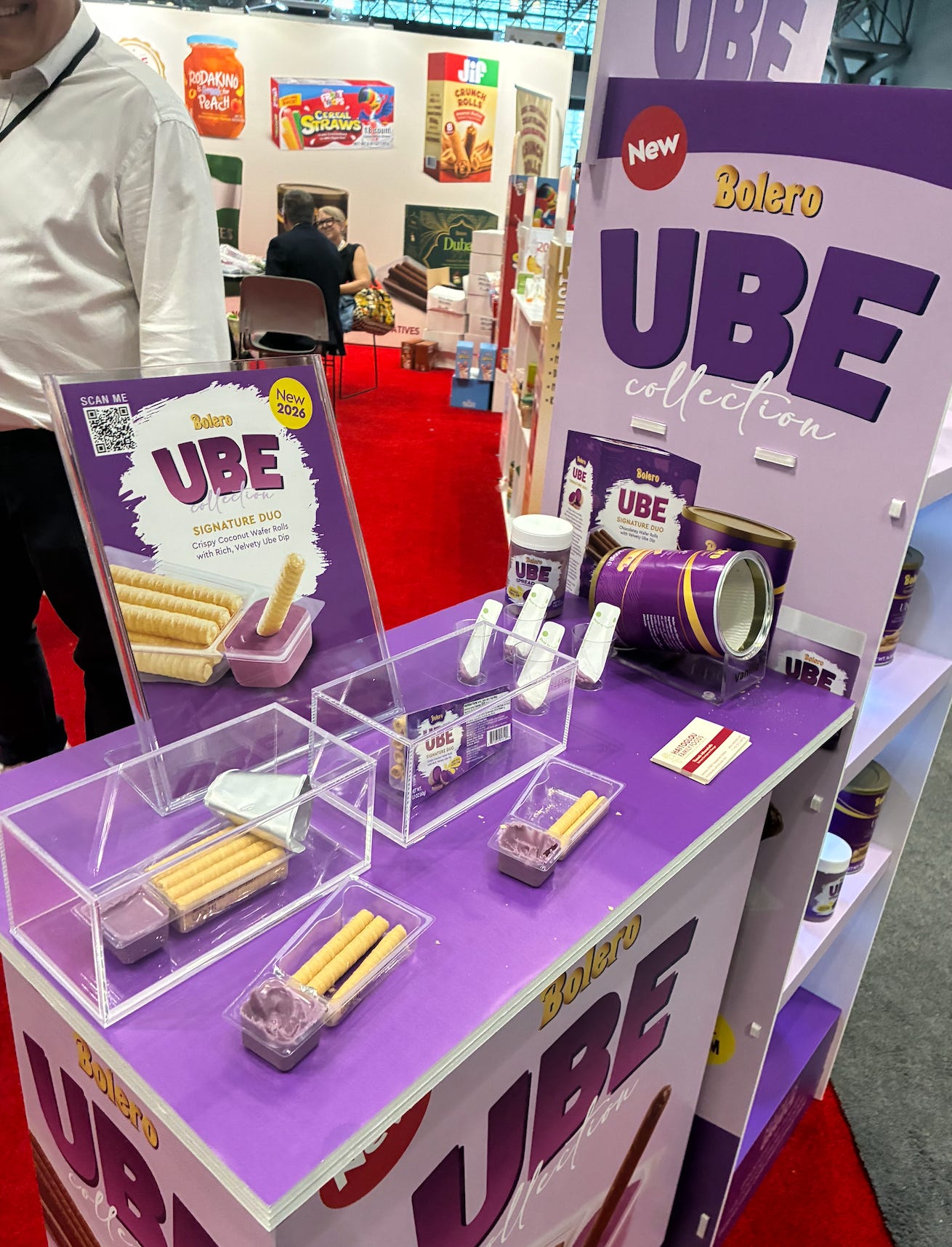
Move over, lilac. The breakout pastel is a rich, earthy, royal purple rooted in global heritage flavors.
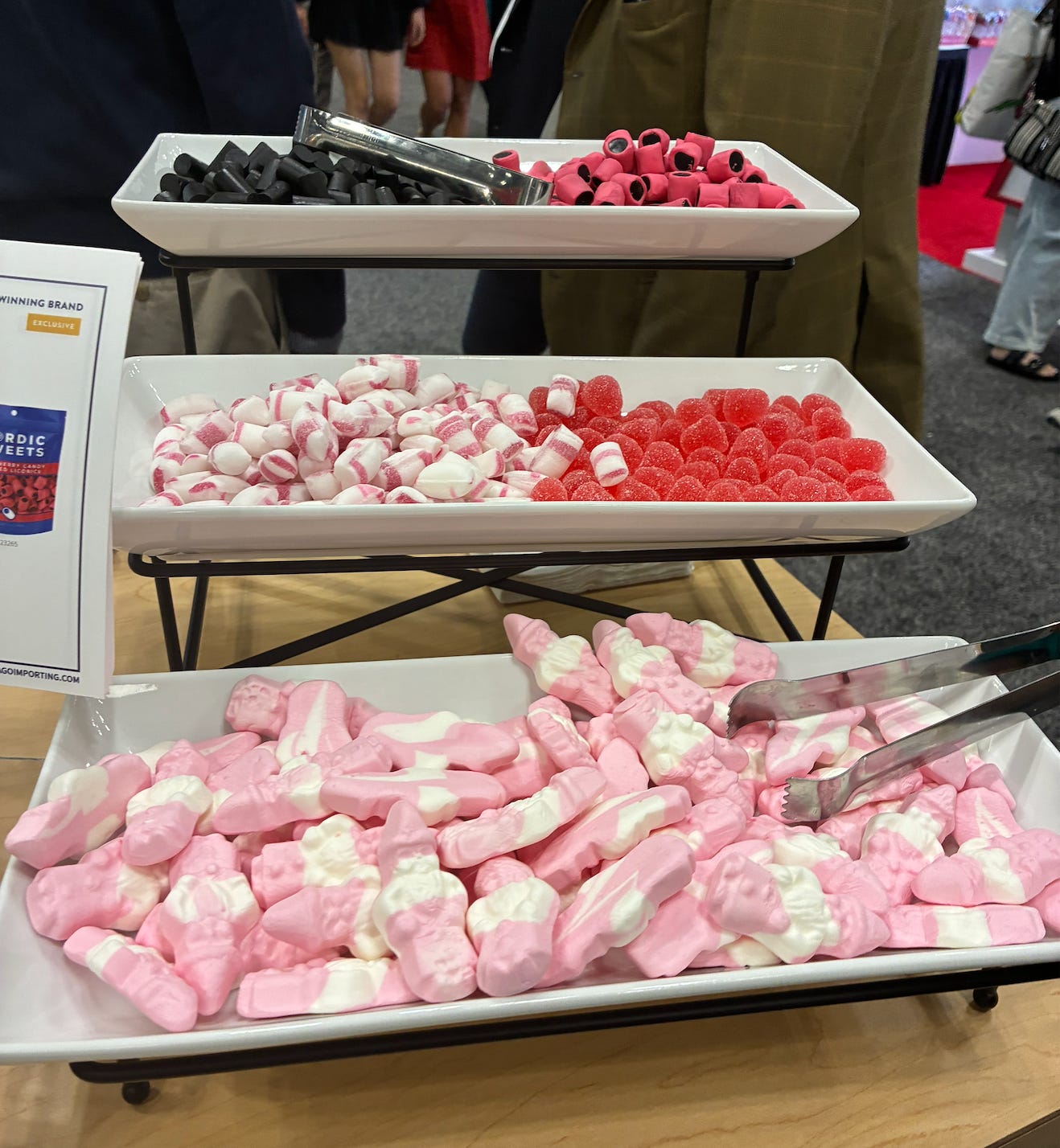
It pairs perfectly with soft confectionery pinks and licorice magentas that mimic a high-end candy case.
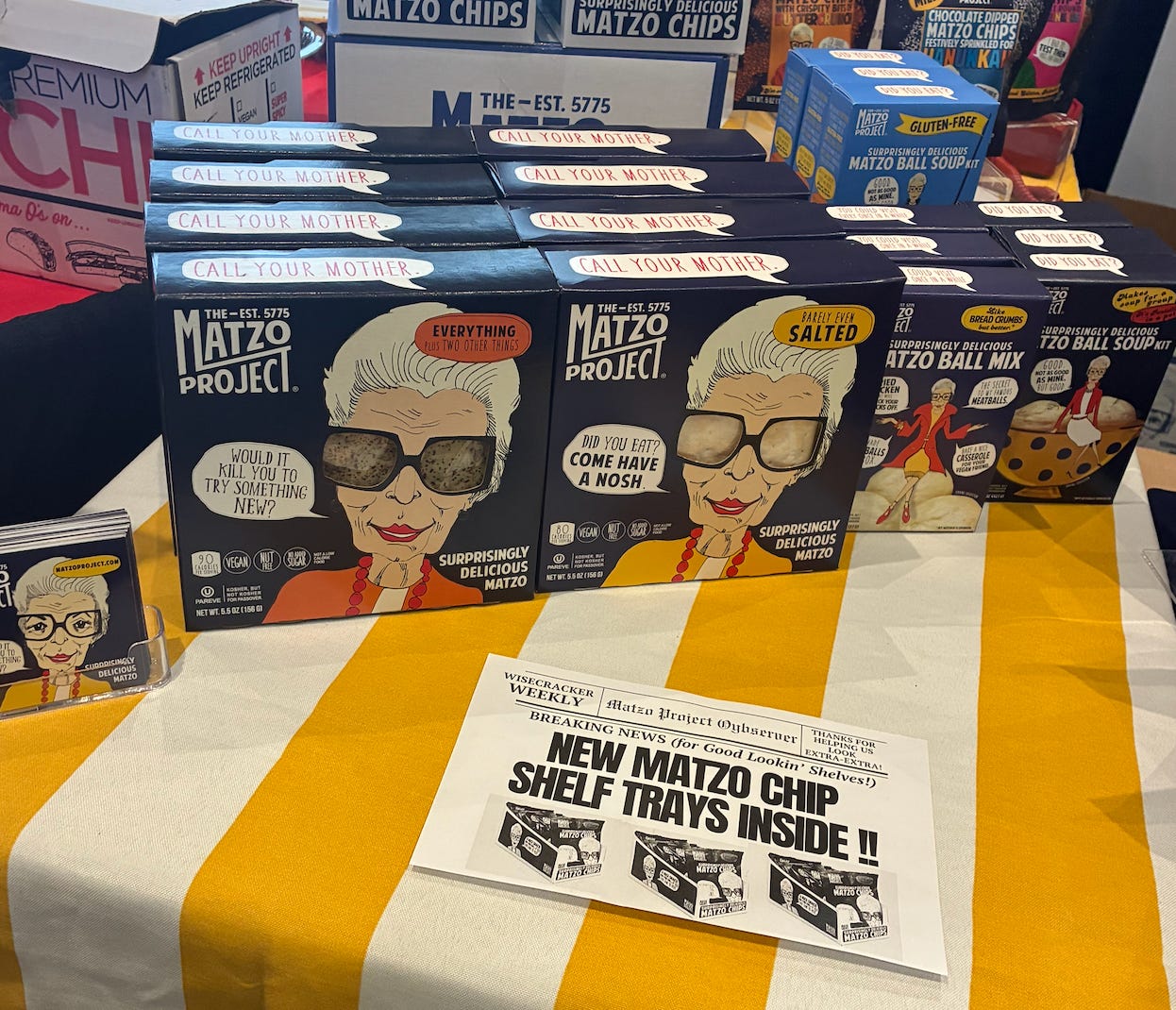
Warm, comforting primaries are back. We are seeing a major shift toward savory reds and carotenes that evoke comfort, hearth, and home.
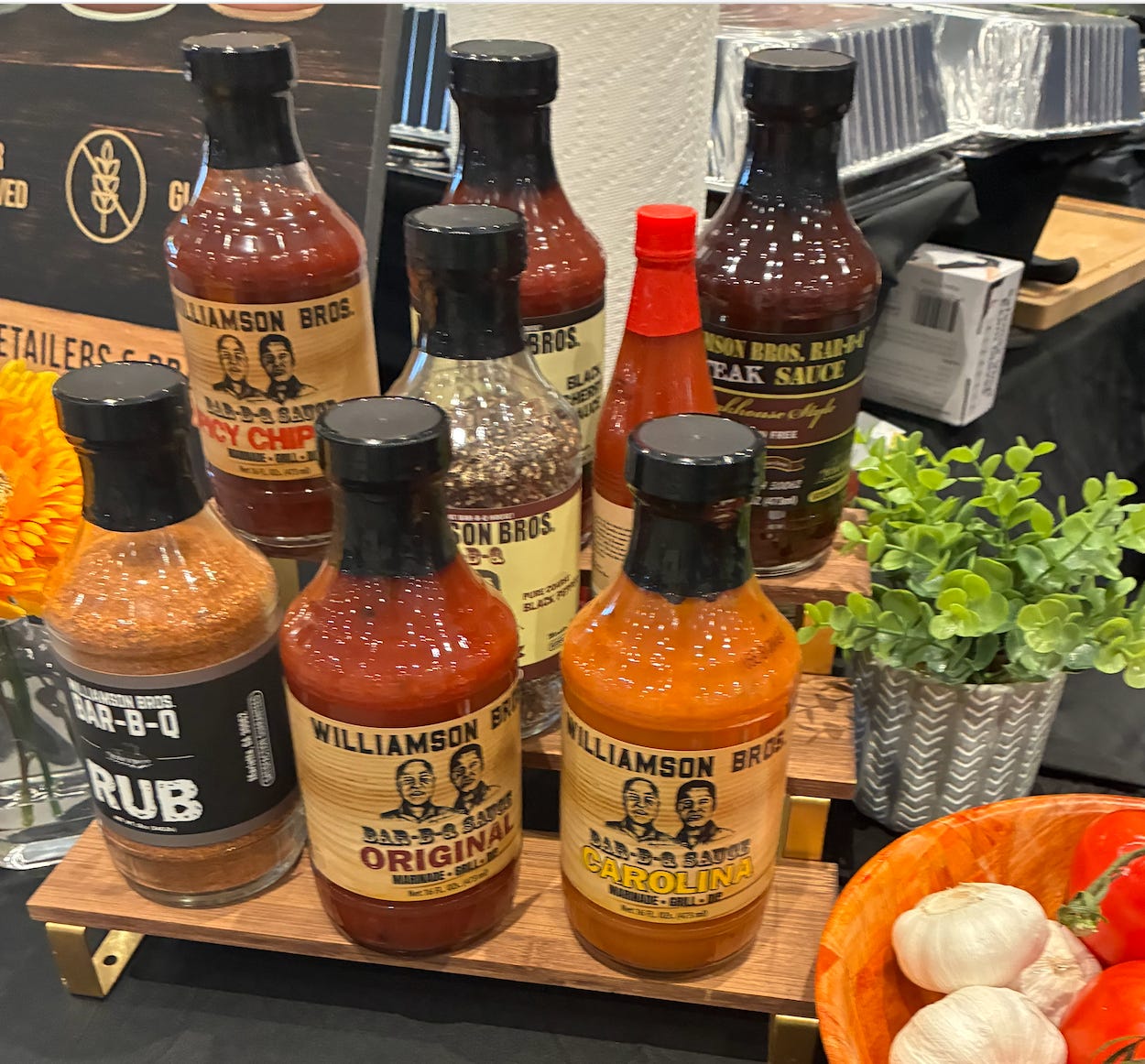
Our desire for tactile comfort versus clean structure has split modern accessory design into a fascinating duel: maximum squish versus rigid geometry.
The desire for protective, cloud-like volume has reached a delightful extreme.
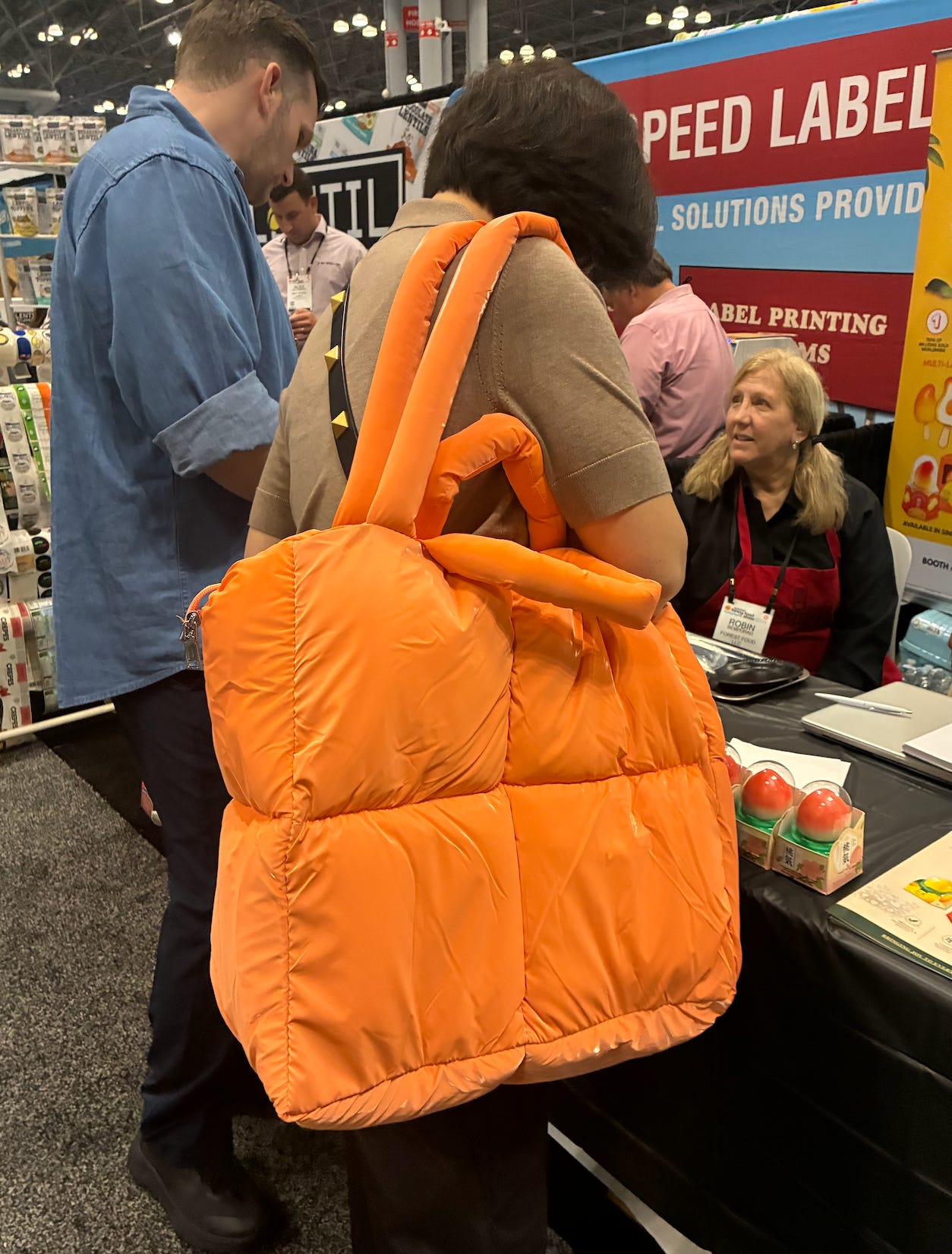
This Bottega Veneta Padded Tech Cassette “inspired” tote mimics the playful, blown-up proportions of food branding. It’s un-serious, cozy, highly tactile, and validates the consumer's desire for affordability and joy.
In direct opposition, we are seeing a surge in flat, rigid geometric shapes worn flush against the body, alongside crisp, modular lines that mimic luxury pastries.
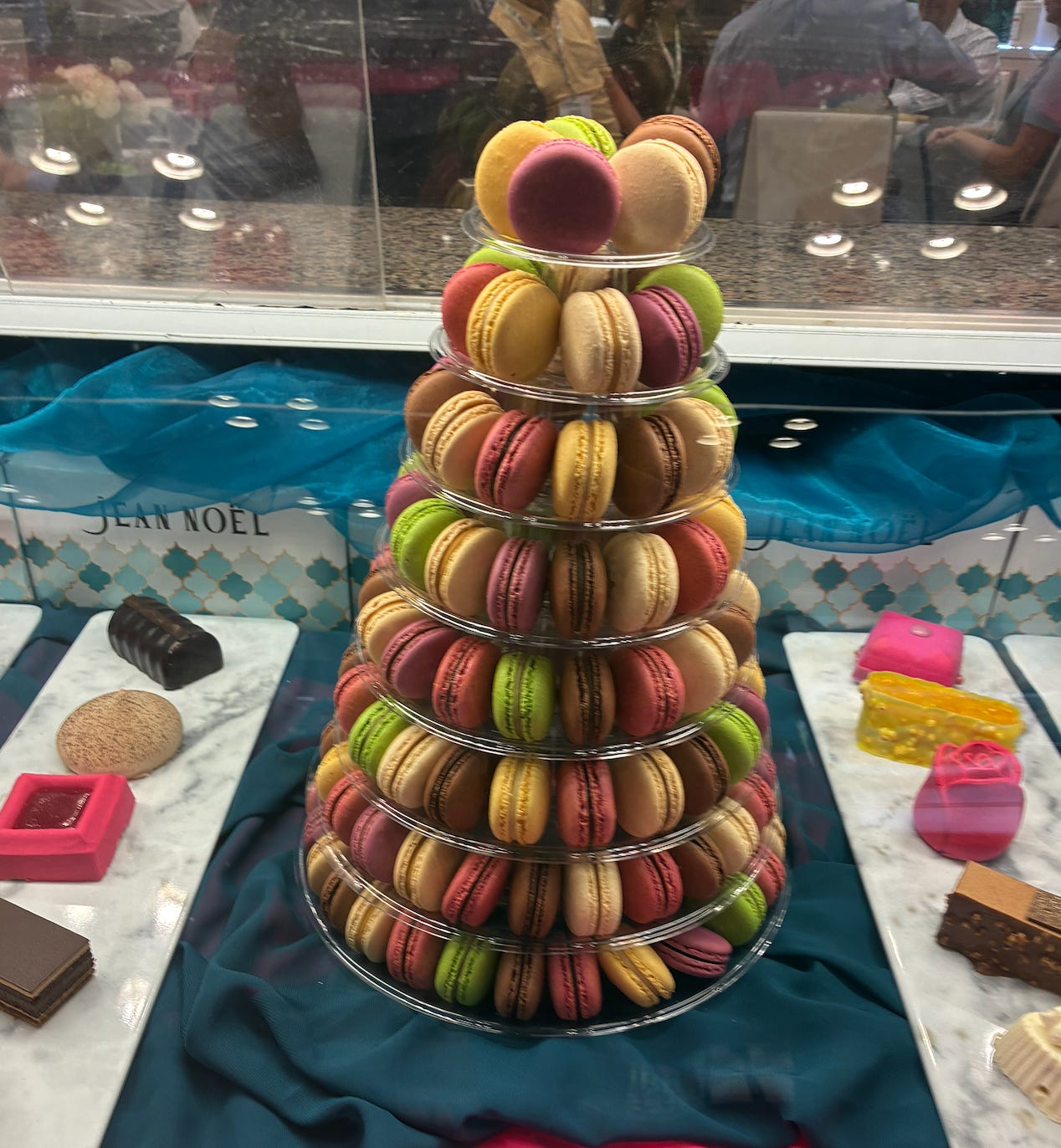
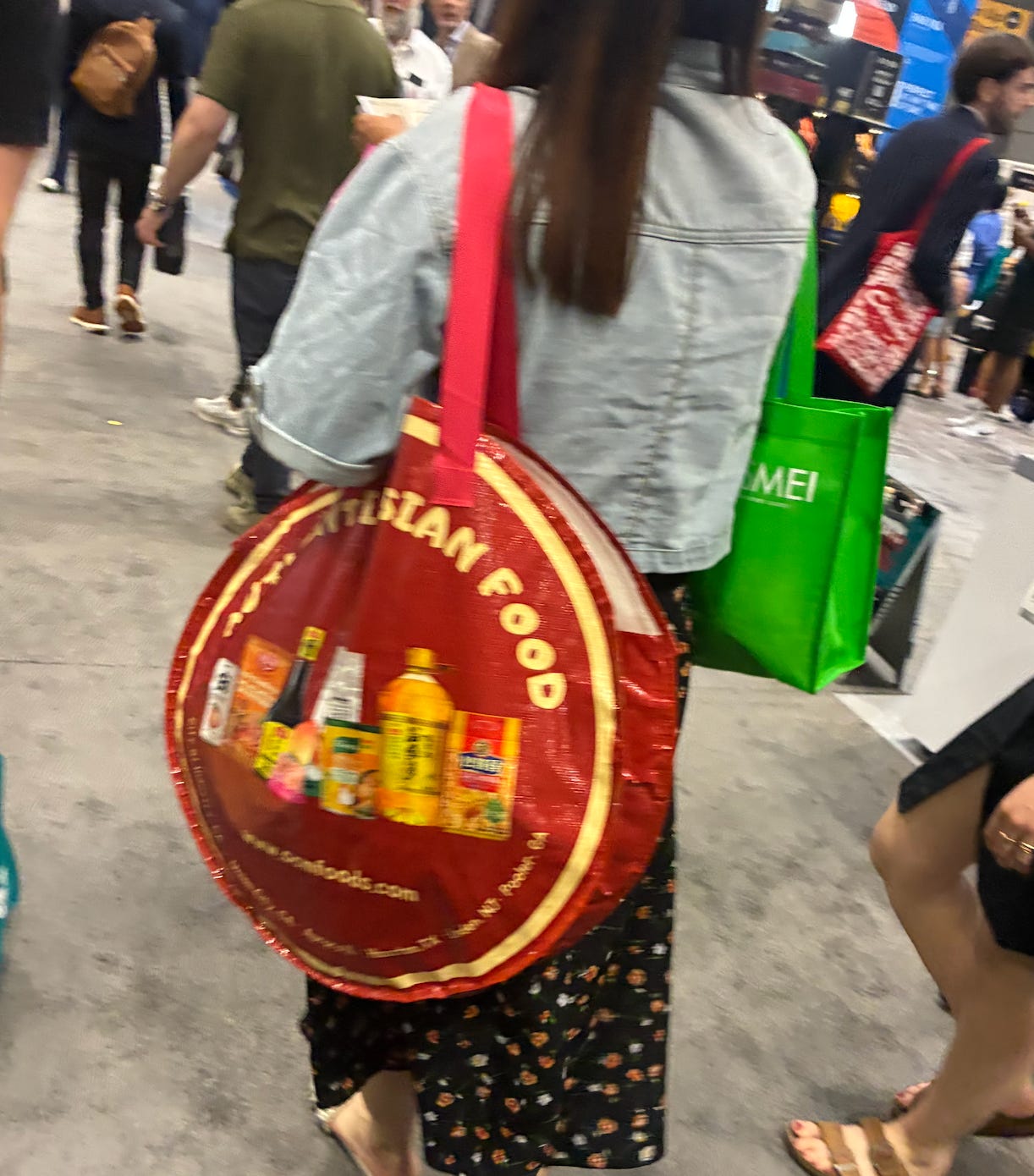
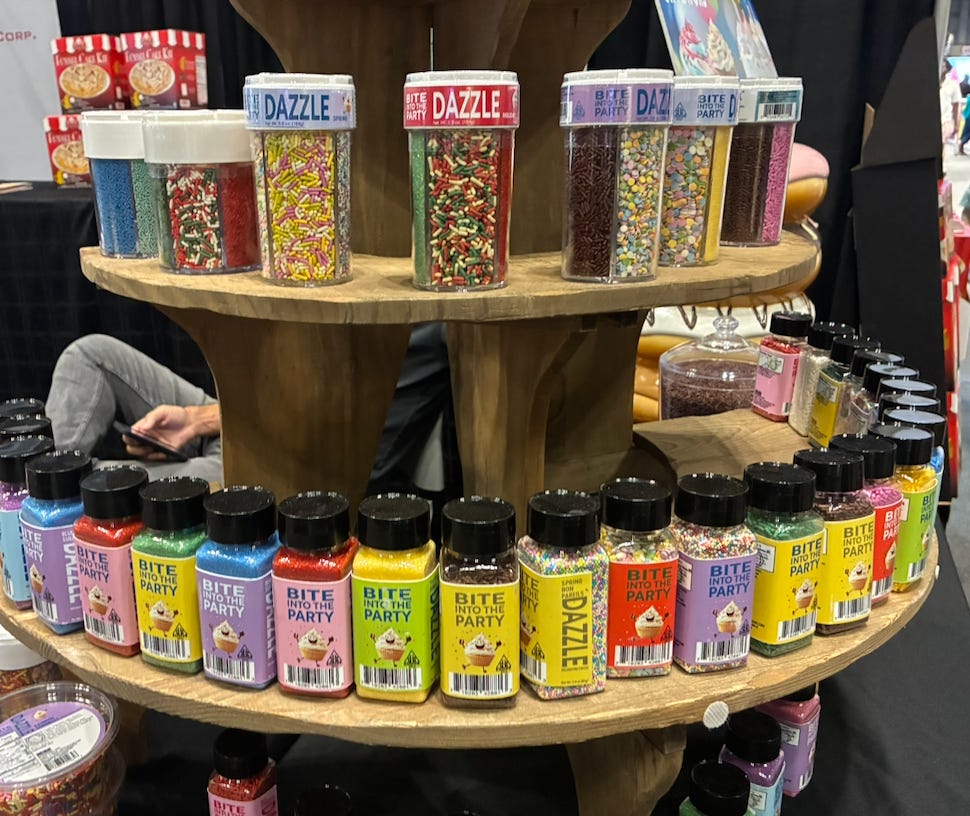
The candy aisle is predicting a major wave of playful, nostalgic accessorizing that brings pure childhood joy back to dressing. Uniform rows of vintage candy buttons and pixelated arcade graphics are a preview of upcoming bubbly, sensory hardware.
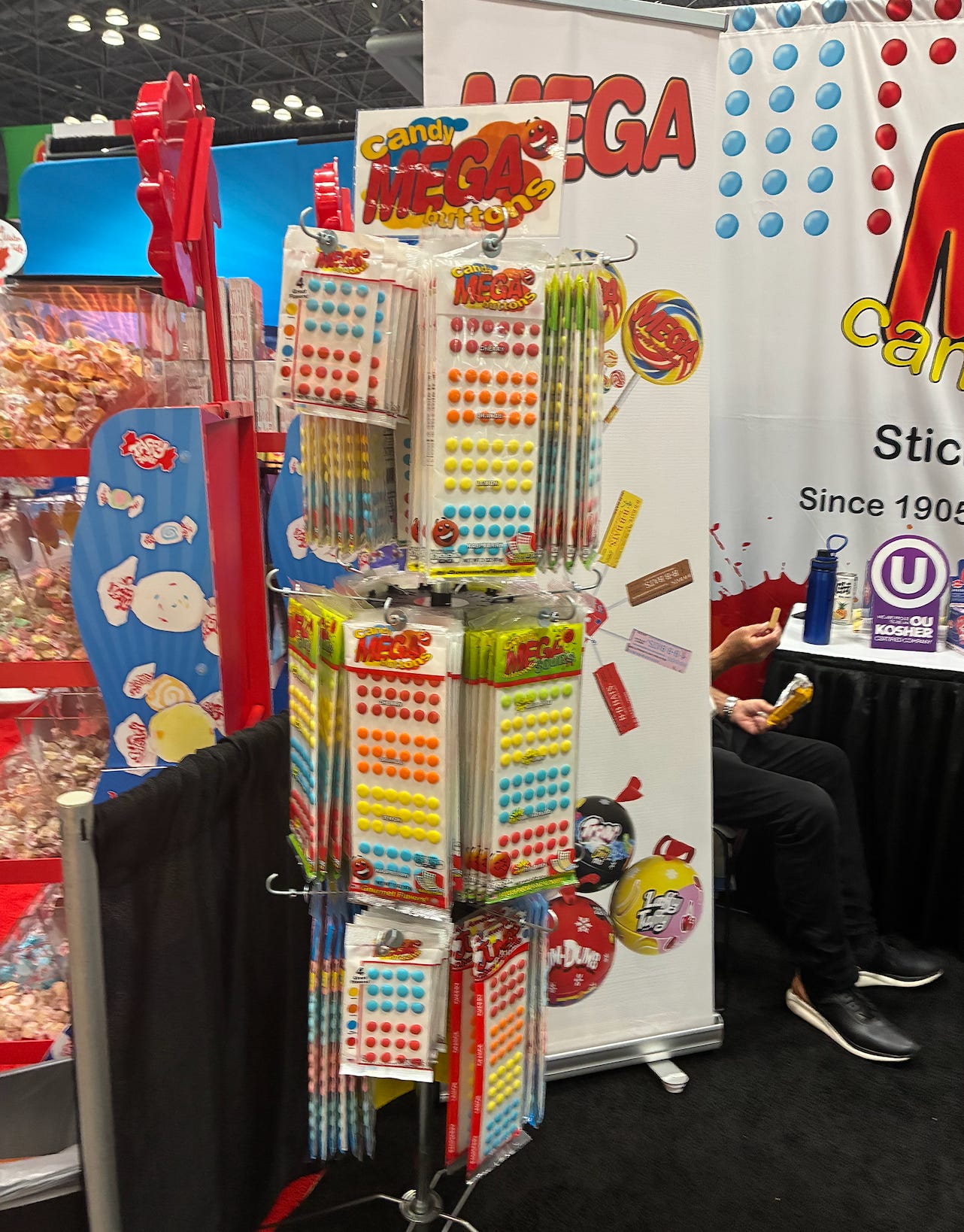
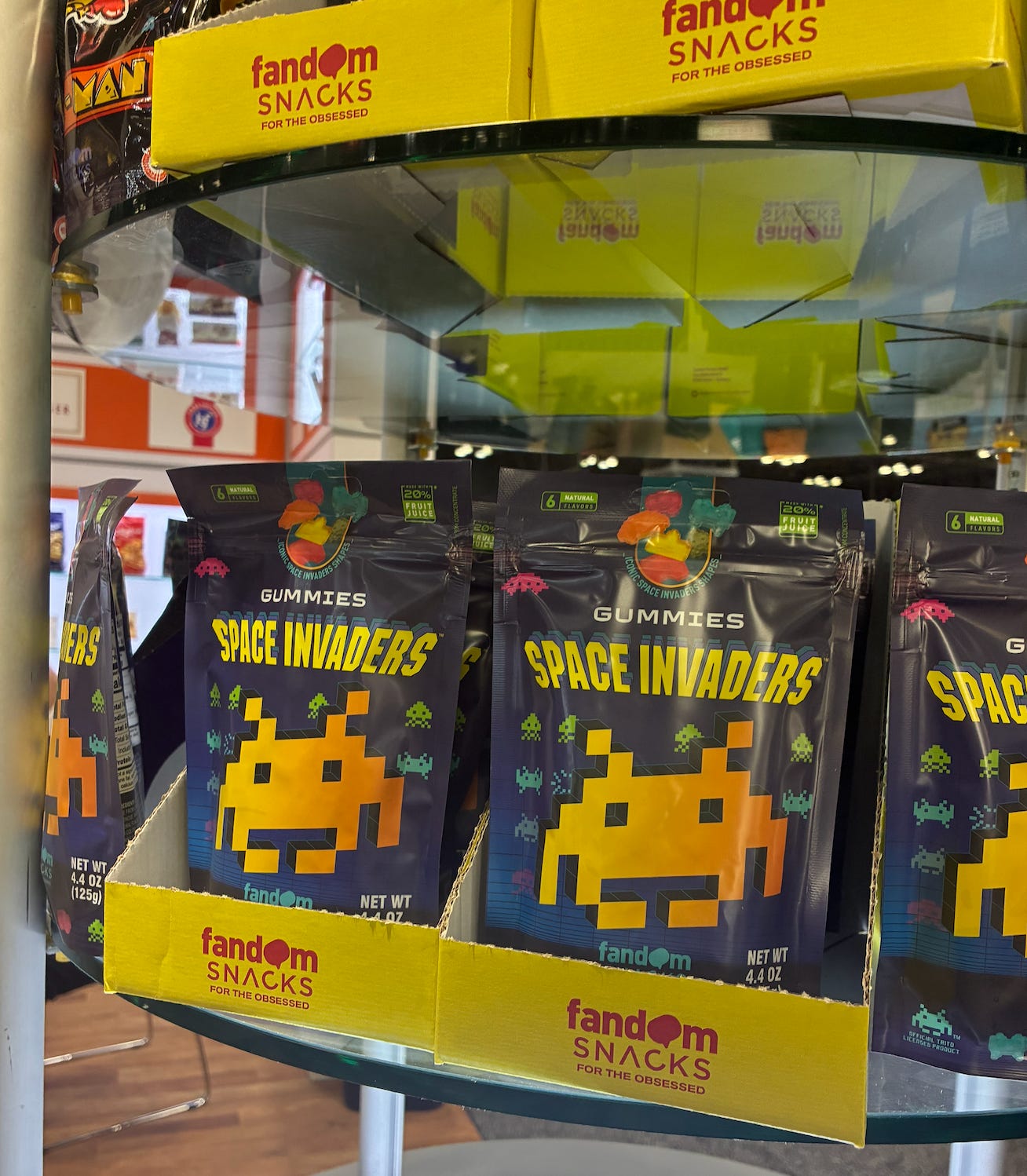
This brings us to the biggest trend on the runway right now: The Bag Charm Renaissance.
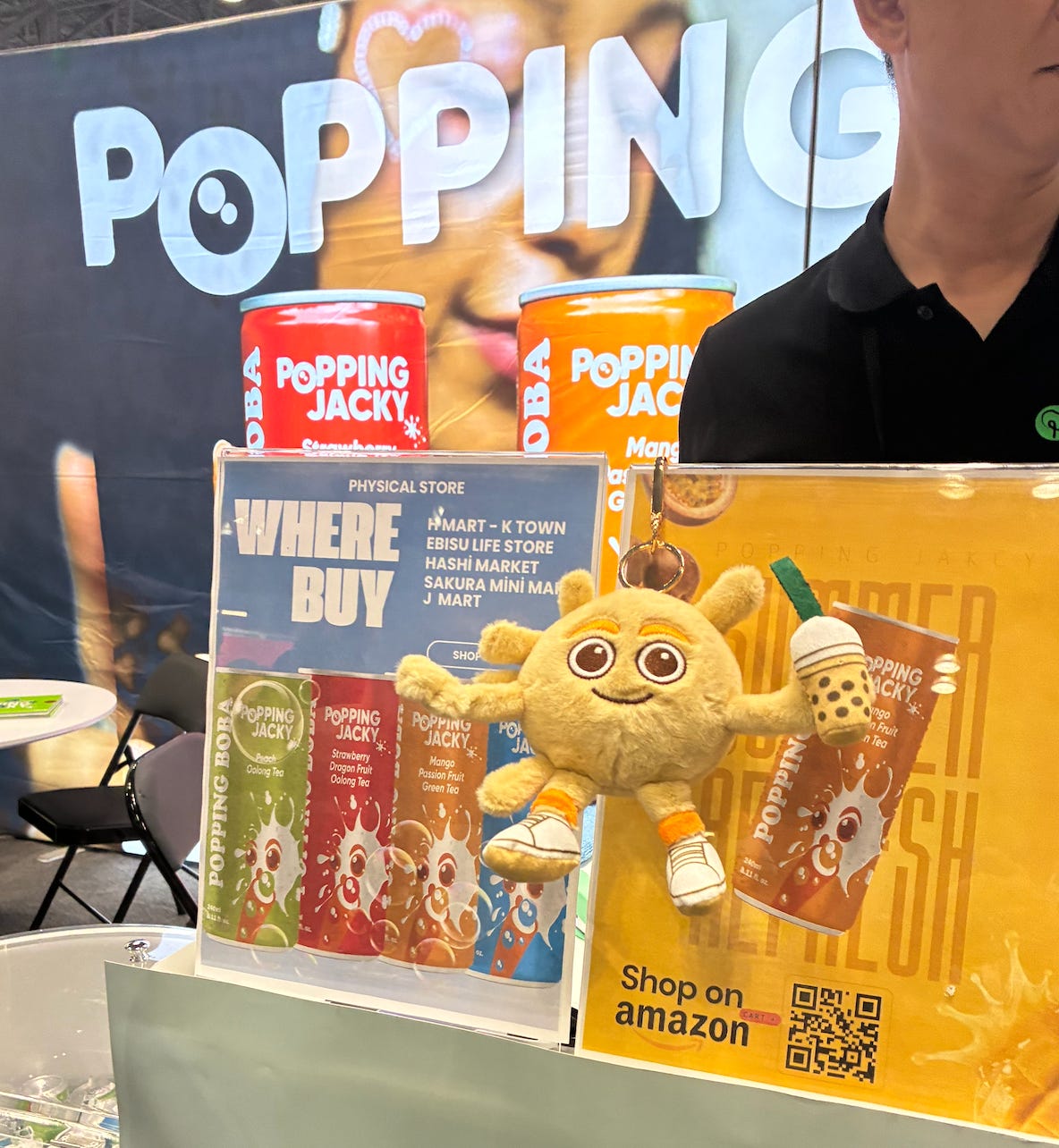
Why are consumers suddenly clipping plush boba cups, miniature food replicas, and nostalgic plastic trinkets onto $2,000 leather bags? Because charms are the bridge between luxury and personality.
When high-end fashion becomes too uniform or sterile, consumers use nostalgic, tactile charms to “vandalize” their luxury items with wit. Food mascots trigger an immediate emotional comfort. A bag charm is a low-stakes, highly visual way to tell the world exactly what your specific taste profile is. It turns a serious status symbol into an un-serious conversation starter.
Why does a specialty food packaging trend dictate luxury leather goods? Because of Gastrofashion.
The Democratic Entry Point: A consumer might not instantly drop thousands on a high-fashion handbag, but they can buy a $15 jar of beautifully branded specialty sauce. Specialty food acts as a democratic sandbox. When an aesthetic succeeds in the food space, it primes the mainstream palette for fashion to capitalize on later.
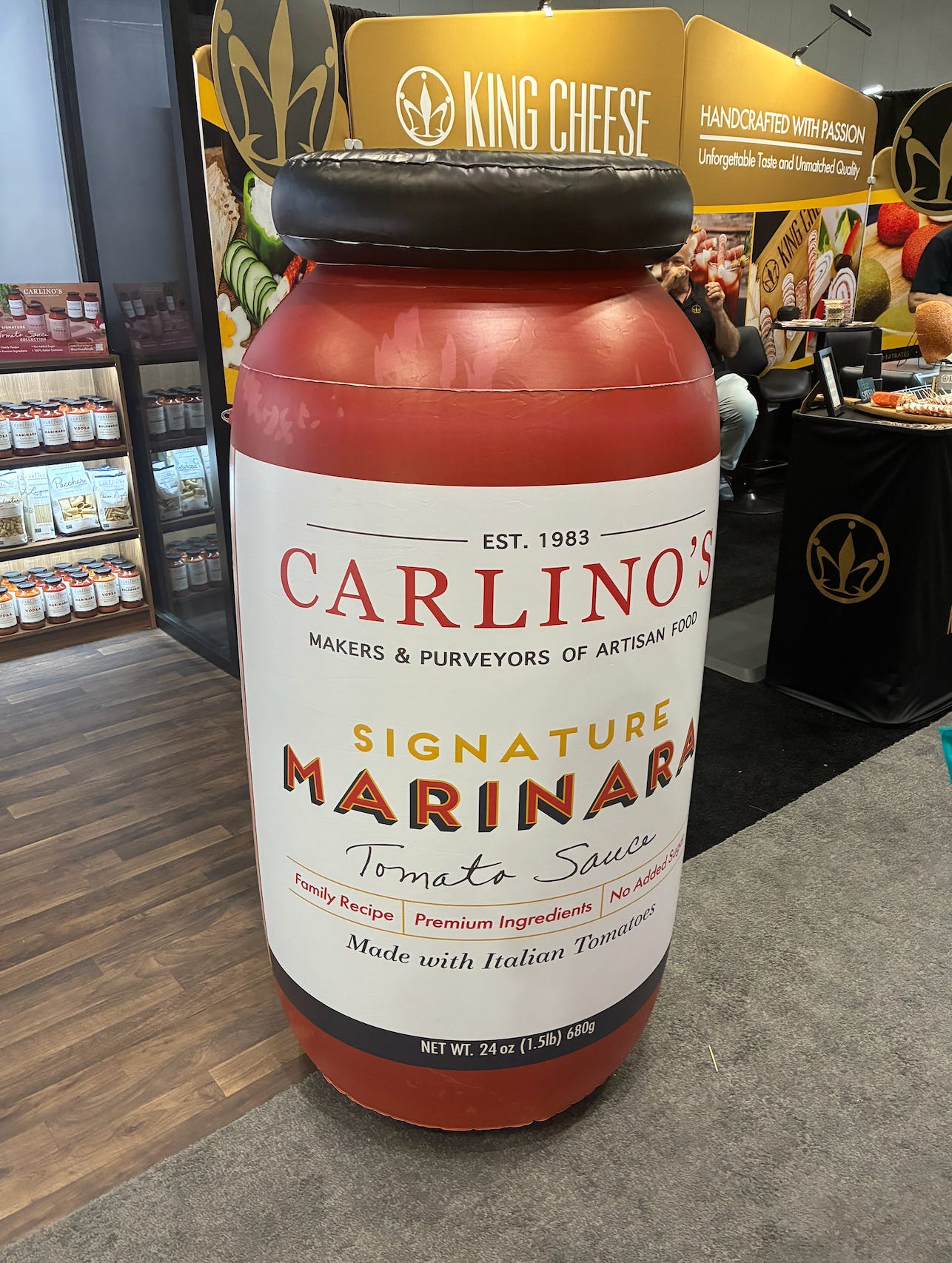
The Shared Language of Craftsmanship: The precision of a perfectly layered container relies on the exact same principles as high-end leather design: weight distribution, structural integrity, and symmetry.
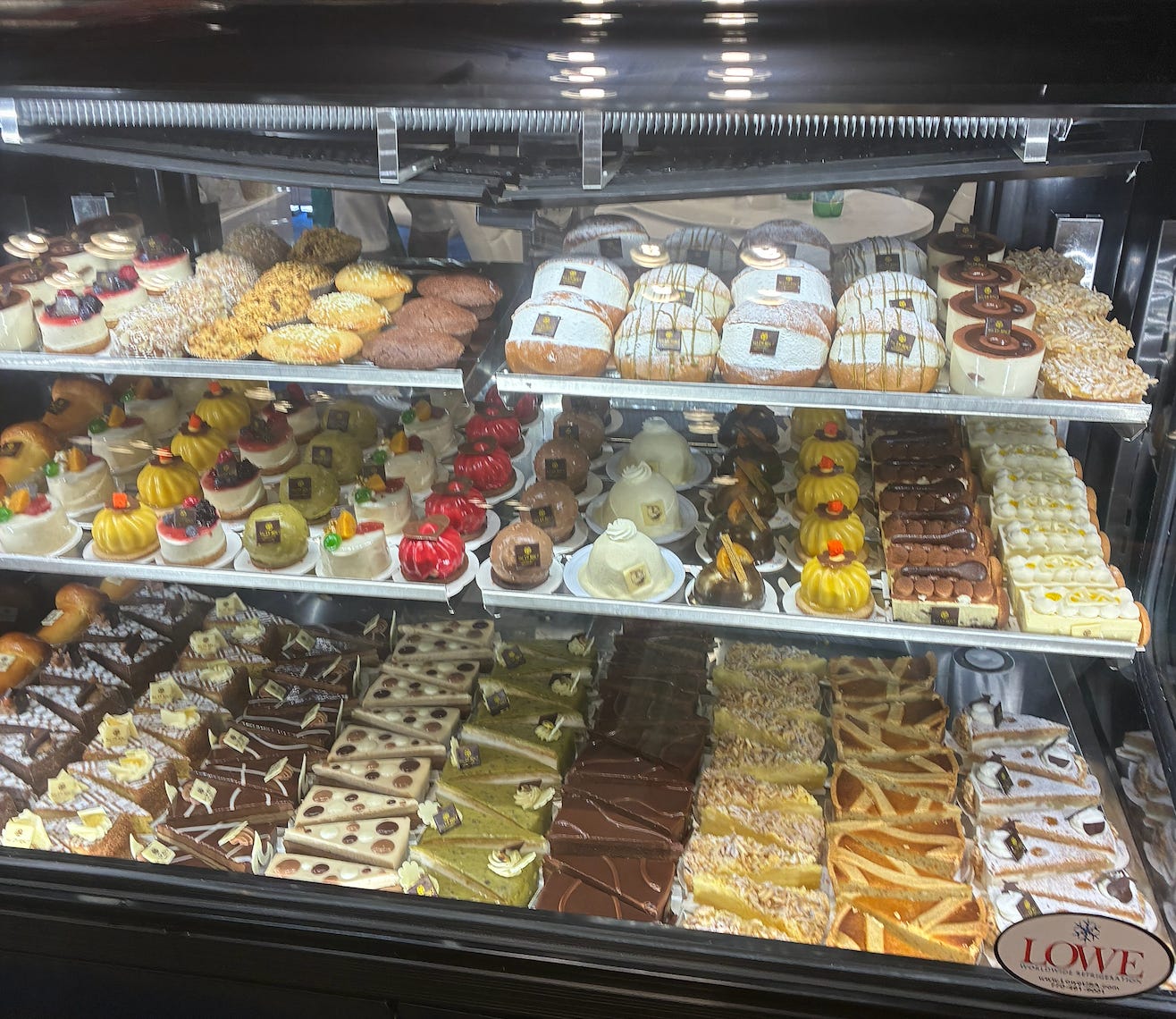
Consumers are tired of the quiet, the colorless, and the sterile. Whether buying an ingredient or a shoulder bag, they want heavy tactile texture, rich heritage flavors, or a sense of retro humor.
Also, don’t forget to tune in to the Handbag Designer 101 Podcast & grow your brand with the Handbag Designer 101 Masterclass today.
No posts
Comments
Nothing yet. Say the first thing.
Sign in to join the conversation.