
If you want to understand where the handbag market is going, you have to look at where it’s been.
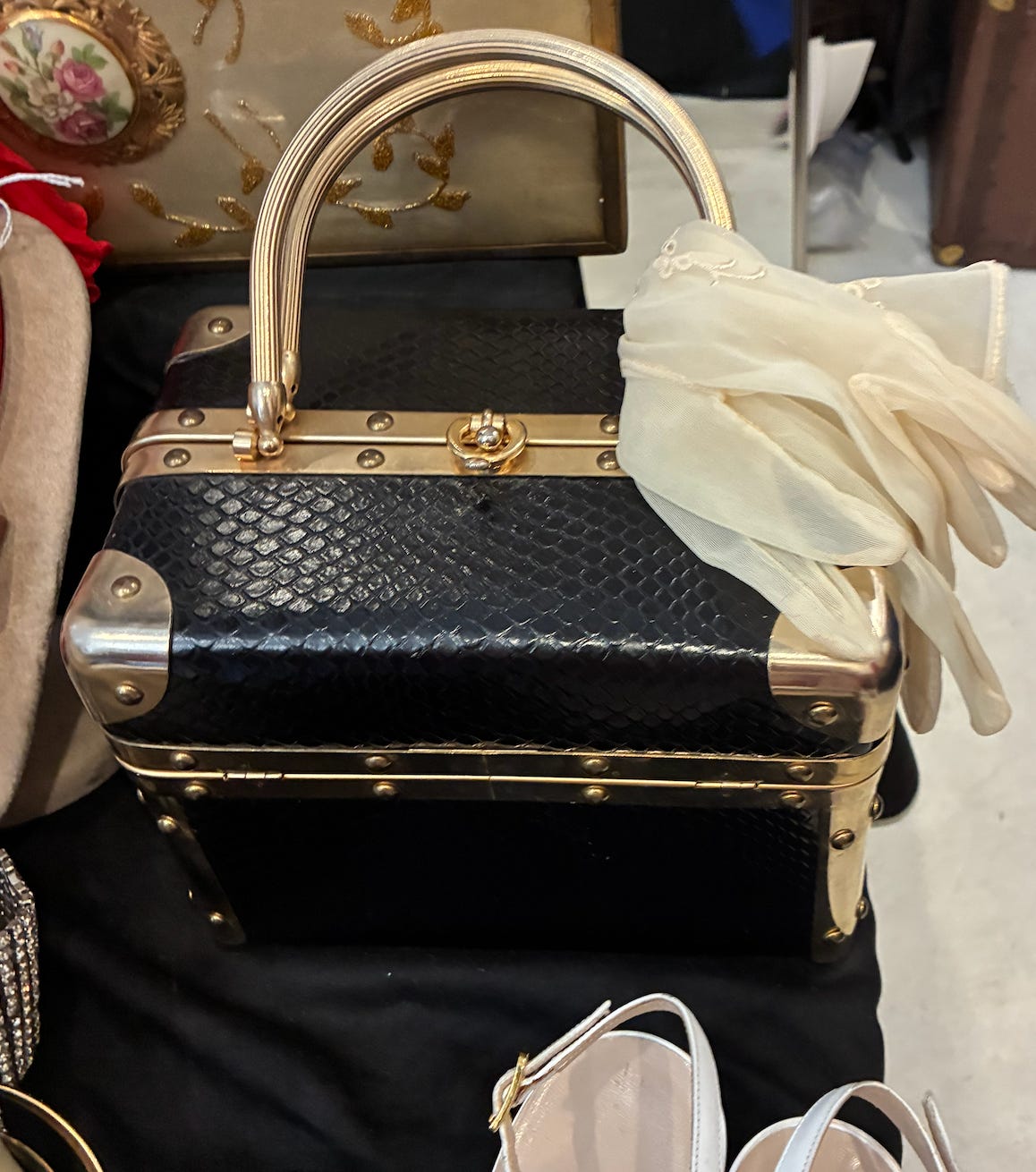
This past weekend, I walked the Not Normal Retail Show with eBay in New York City, which was a veritable high of vintage shopping. For your sake, and mine, I take note of trends, and what speaks the loudest is always what is being shown at a second-hand high-end market.
The overwhelming takeaway? The cookie-cutter, minimalist aesthetic of the last few years is officially on life support. Archival collectors and everyday consumers alike are hunting for bags packed with personality, structural audacity, and tactile maximalism.
Here are the 4 megatrends driving culture right now, and the independent brand already cracking the code.
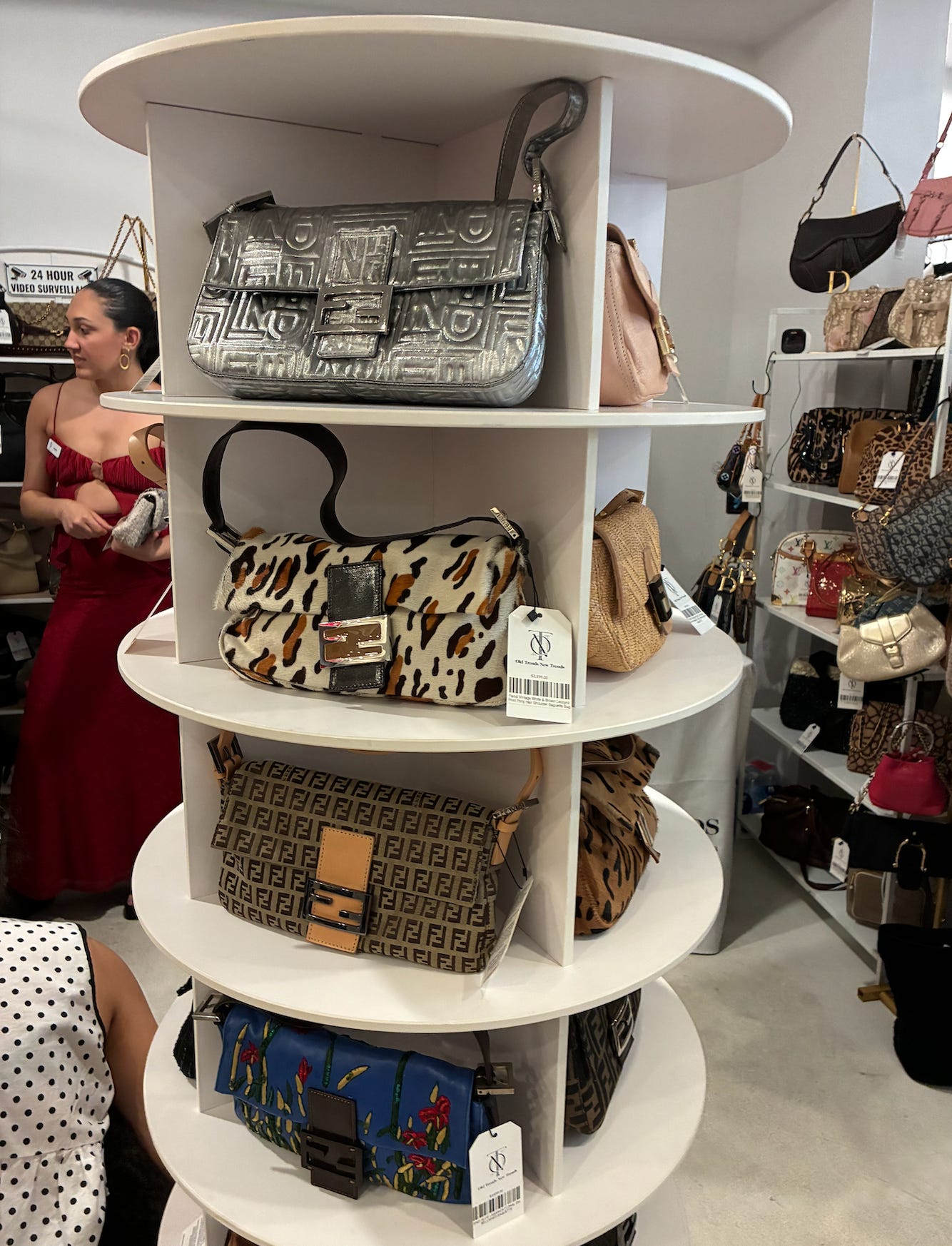
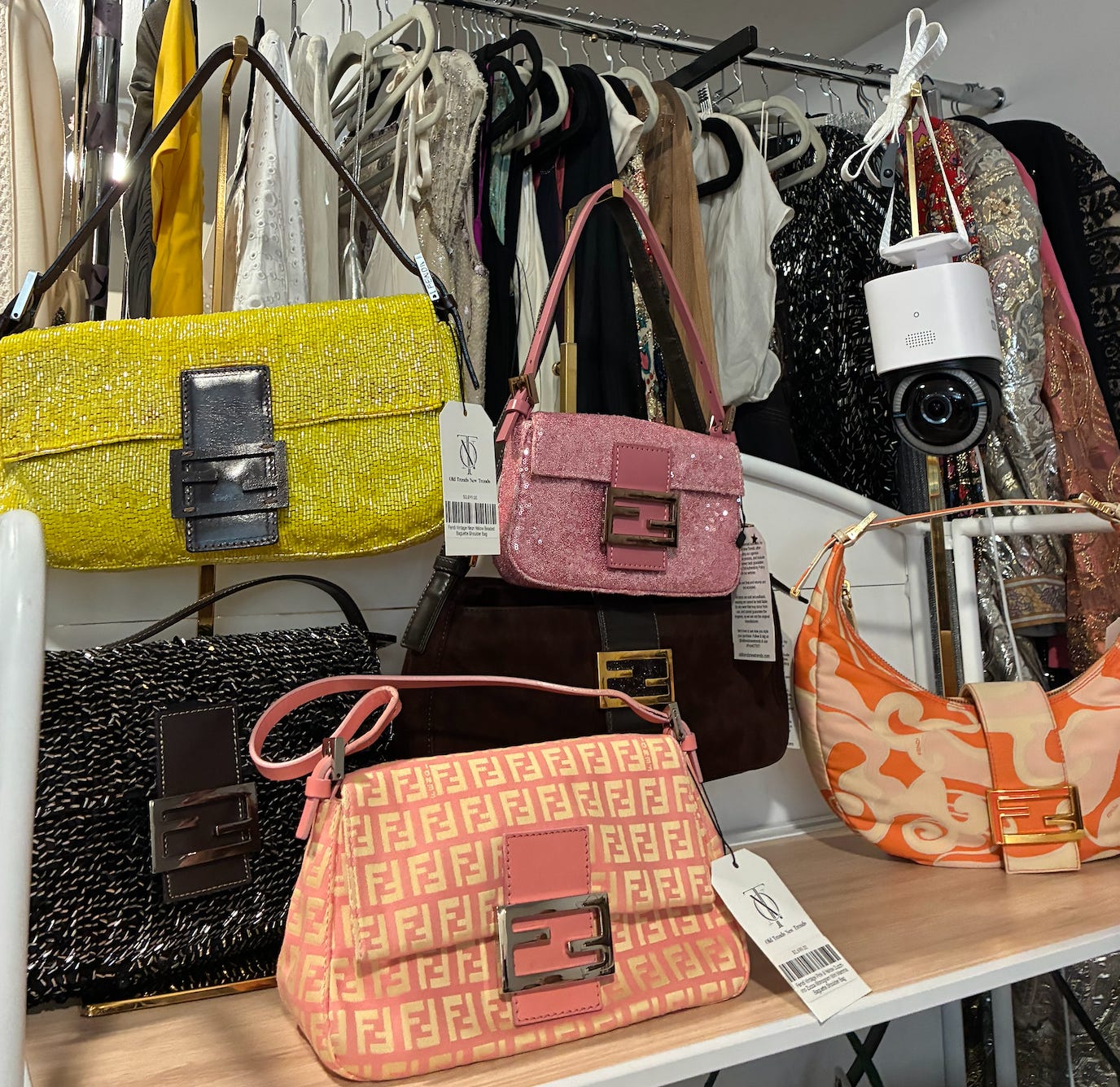
The resale market’s fixation on early-2000s proportions has become fully entrenched. The shoulder-clearing baguette silhouette dominated the show floor, serving as a blank canvas for extreme surface drama.
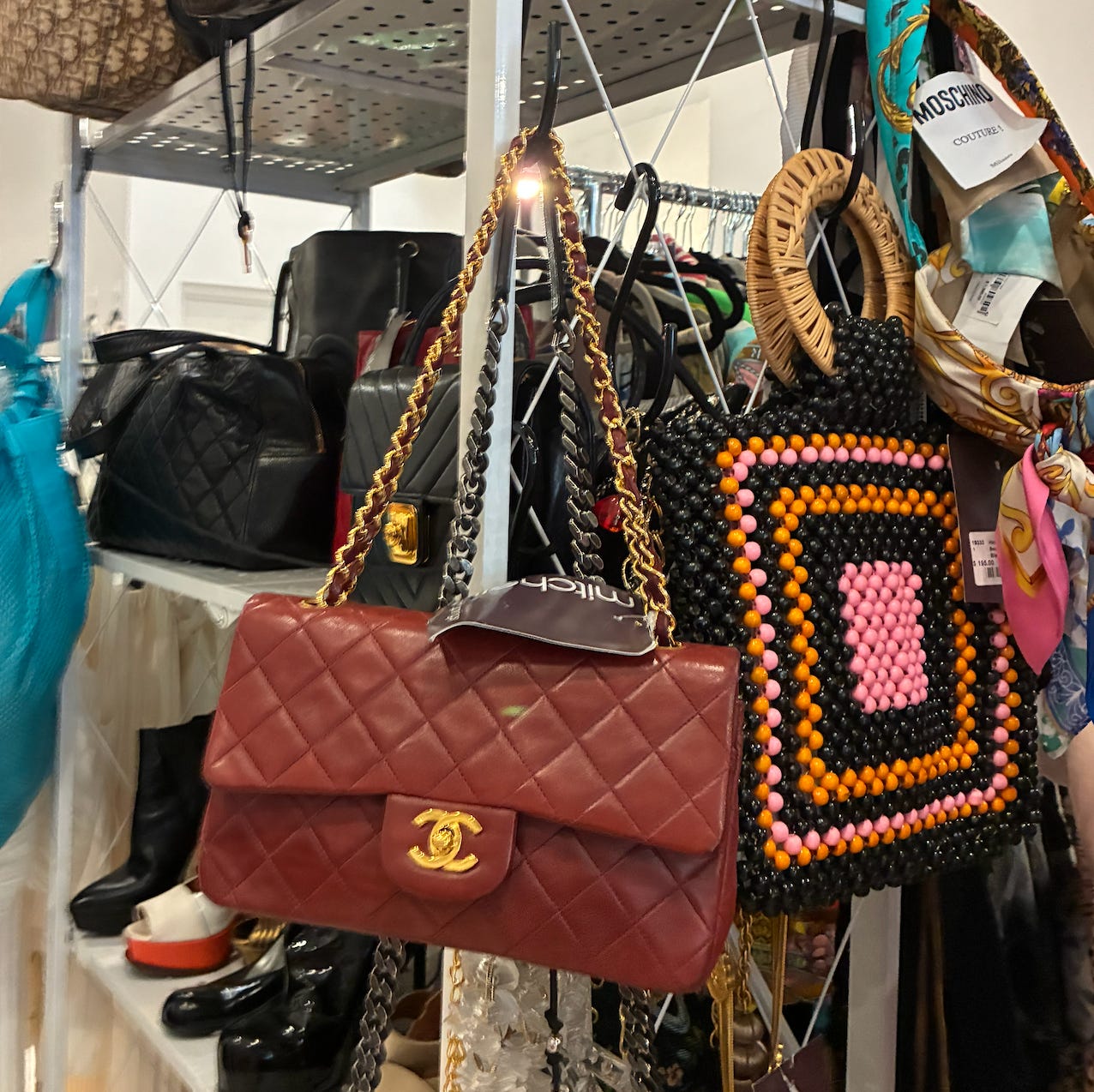
Minimalist leather took a backseat to intricate, all-over glass beadwork in lime yellow, shimmering black metallics, and ultra-glamorous pink sequins. From liquid-looking metallics to rustic woven straw and pony hair, consumers are demanding iconic archival shapes reimagined with distinct textile depth.
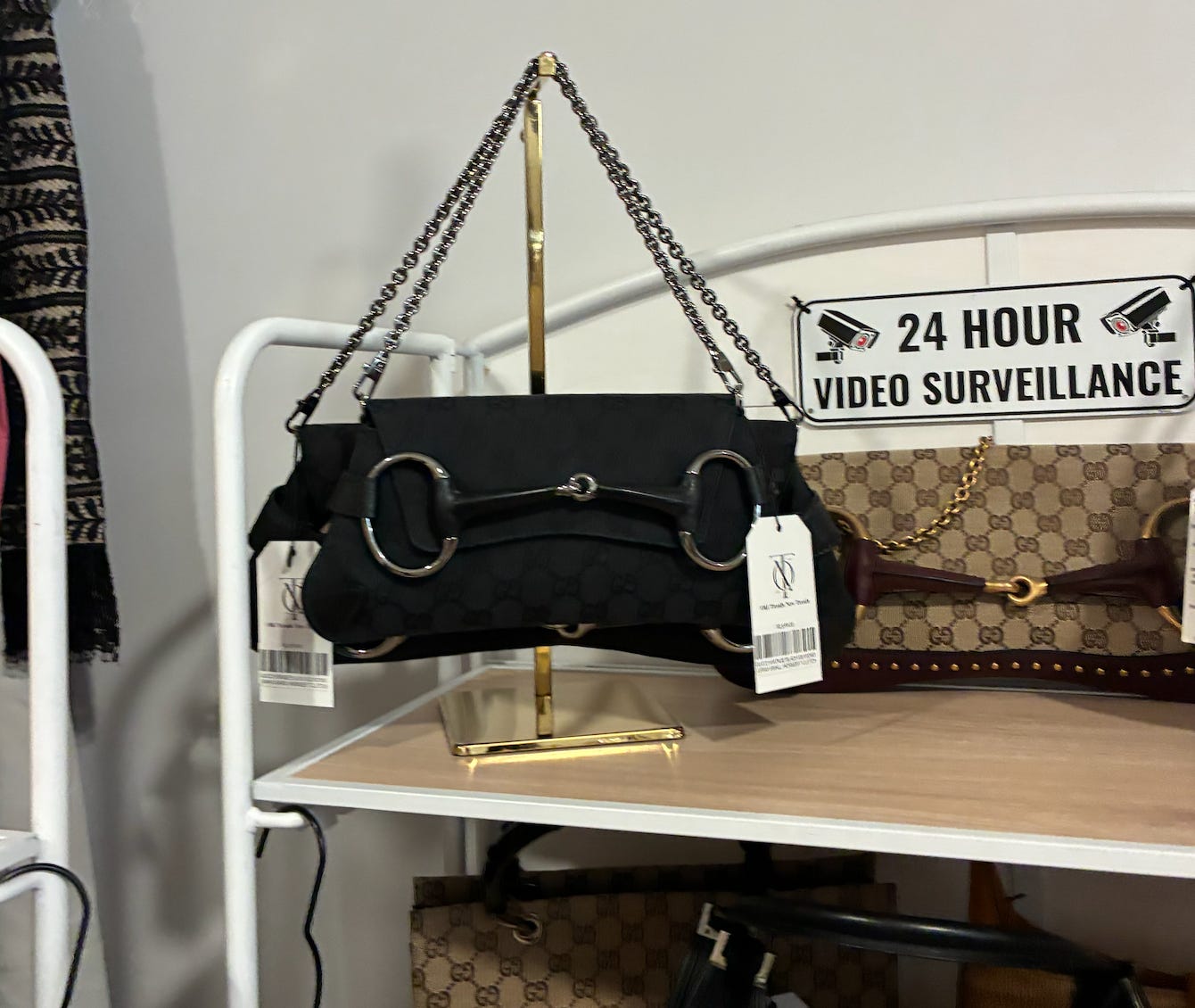
Before the industry retreated into “Quiet Luxury,” the early 2000s relied on bold, unapologetic structural hardware to define a bag’s silhouette. That heavy-metal energy is roaring back.
The legendary Tom Ford-era Gucci horsebit clutches, shown in sleek black monogram and studded canvas with rich oxblood trim, demonstrated how hardware can serve as the literal framework of a bag rather than just a simple closure. On the utility side, John Galliano-era Dior “Street Chic” shoulder bags utilized heavy metal eyelets, rugged canvas webbing straps, and industrial logo plates to transform sporty textiles into high-fashion artifacts.
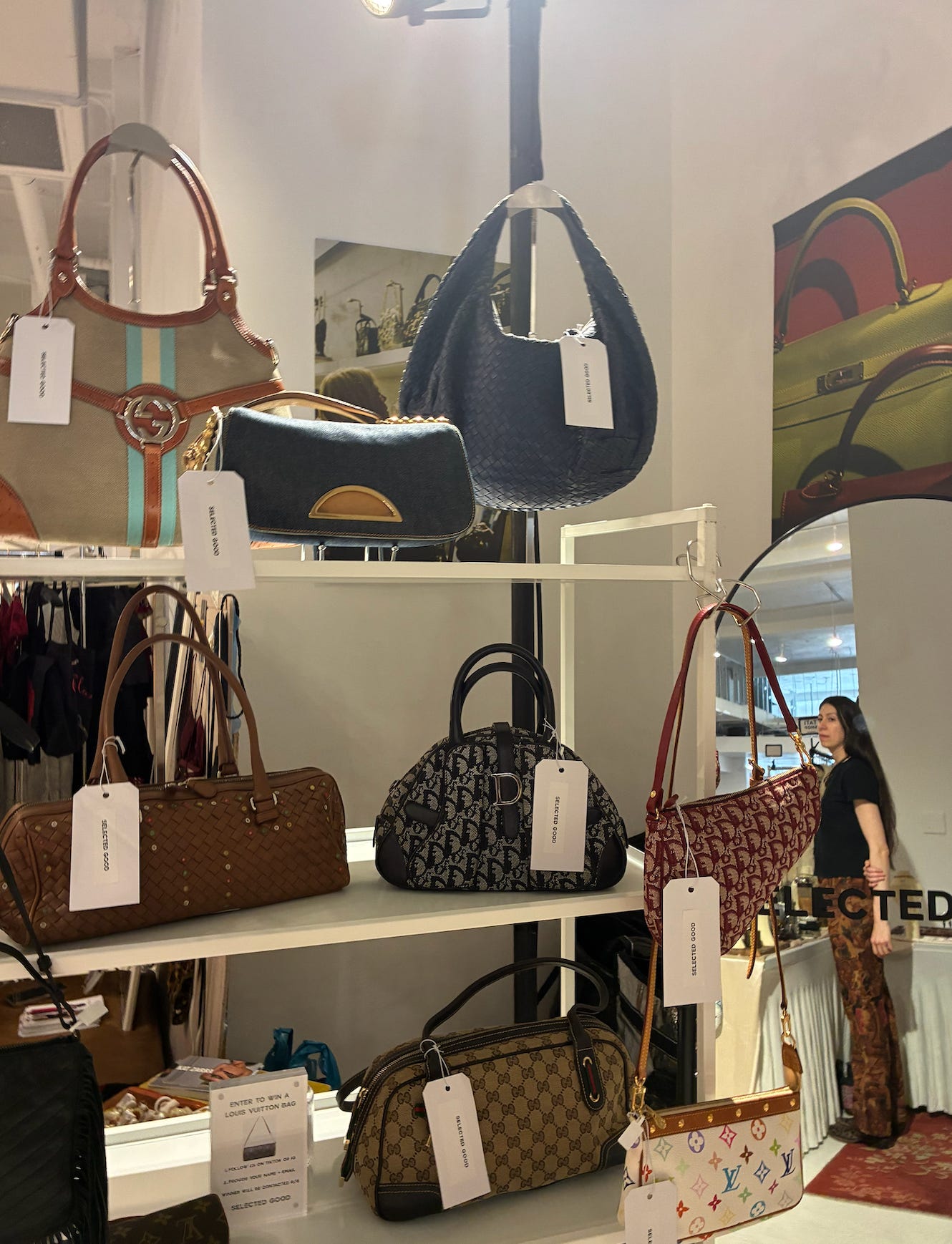
Buyers are actively avoiding smooth, flat surfaces. Touchability, surface reflection, and distinct physical craft are massive selling points right now.
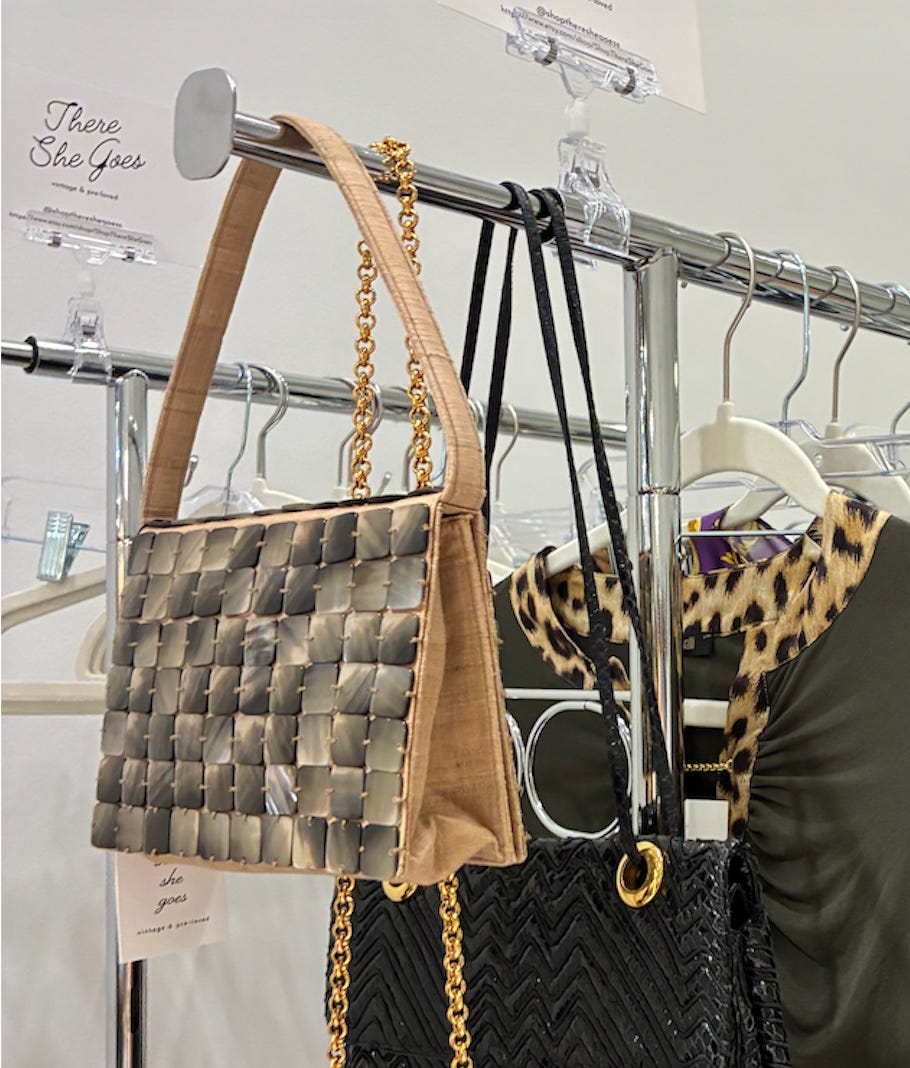
The show highlighted a craving for highly specific, artisanal storytelling. Standouts included a spectacular wicker basket vanity bag encrusted with real seashells and pearls and an elegant evening pouch constructed from a mosaic of square-cut mother-of-pearl tiles. Whether it’s iridescent-scaled metallics or python-embossed trunks, surface-level reflection is paramount.
So, how does a modern, independent handbag brand compete in a market obsessed with archival Grails? You look at RAPT New York (who will be at the IT BAG x NY NOW in August), which had an absolute standout presentation at the show. They provide a masterclass in synthesizing vintage nostalgia into contemporary retail hits without outright copying the past.
The “Pop-Art” Dot: Rather than leaning into loud logomania, RAPT captured the joyful, color-blocked spirit of the Takashi Murakami x Louis Vuitton era by using multicolored, candy-like circular studs on boxy, structured flap bags
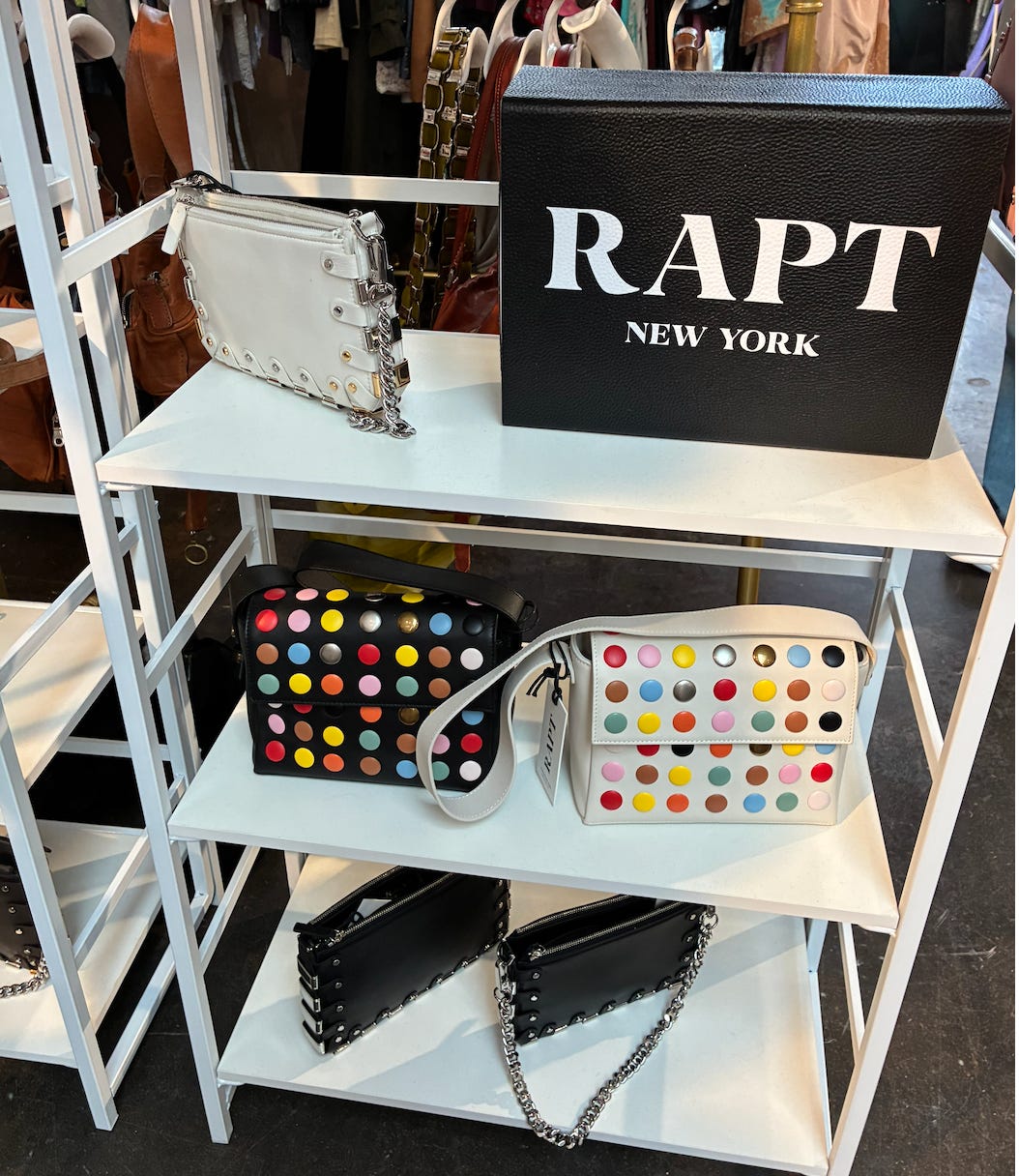
Amplified Hardware: Nodding to the heavy studding of the mid-2000s motorcycle era, RAPT’s black leather shoulder bags feature rows of oversized, polished chrome domes. The hardware becomes the primary graphic identity of the bag.
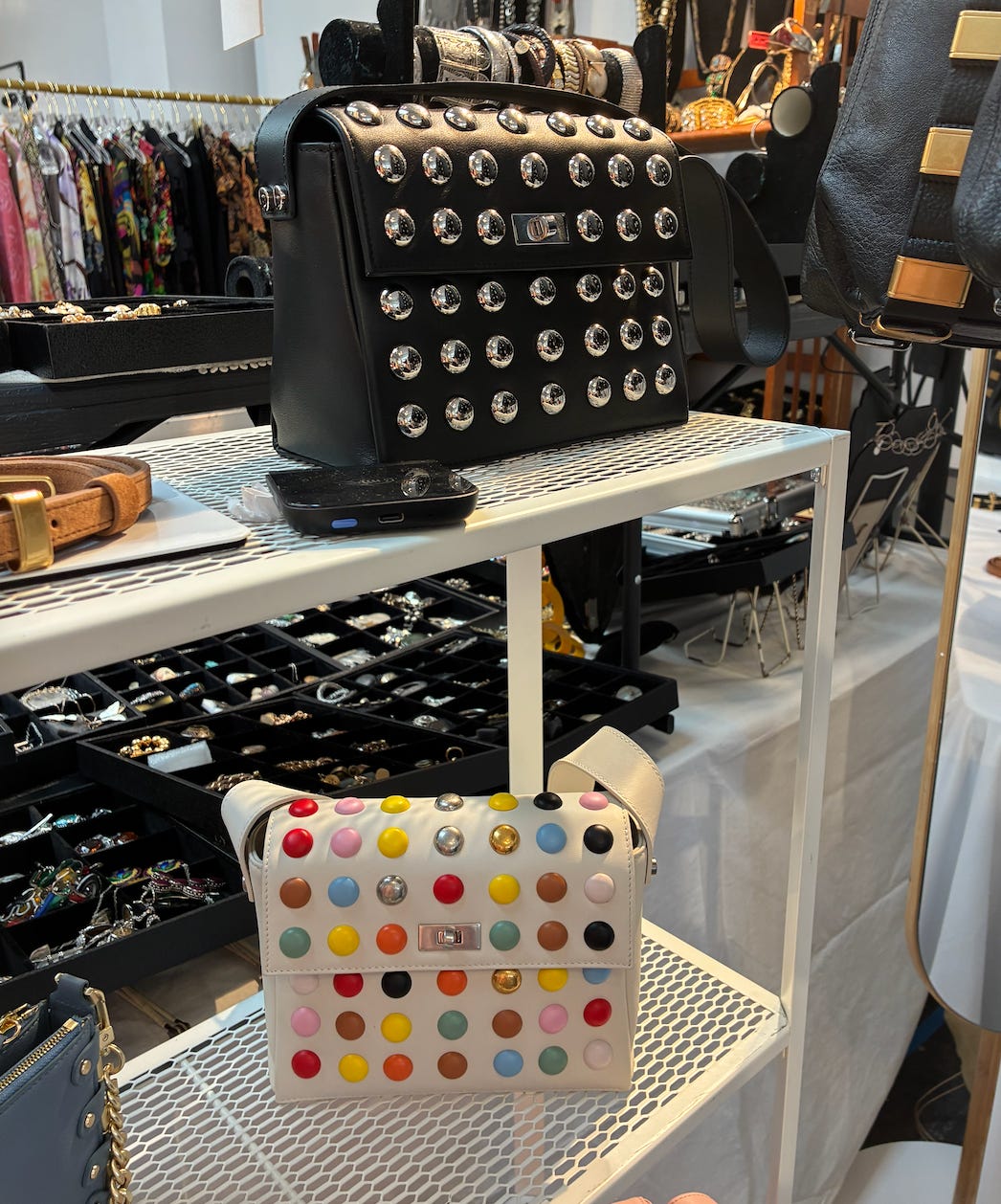
The design choices displayed across these collections make one thing incredibly clear: mass production is out, and distinct personality is in.
Whether you are designing a bag that leans into the hyper-feminine romance of beads, the sharp edge of heavy metal equestrian hardware, or the clean pop-art geometric energy of an independent brand like RAPT, your main objective should be to create something collectible. Design bags that don’t just sit on a shelf, but tell a story worth hunting for.
What trend from the show floor inspired you the most? Are you team Heavy Hardware or team High-Kitsch?
No posts
Comments
Nothing yet. Say the first thing.
Sign in to join the conversation.