
Why the Hacks/Hackers AI x Journalism Summit is different from other journalism conferences and why that's a good thing
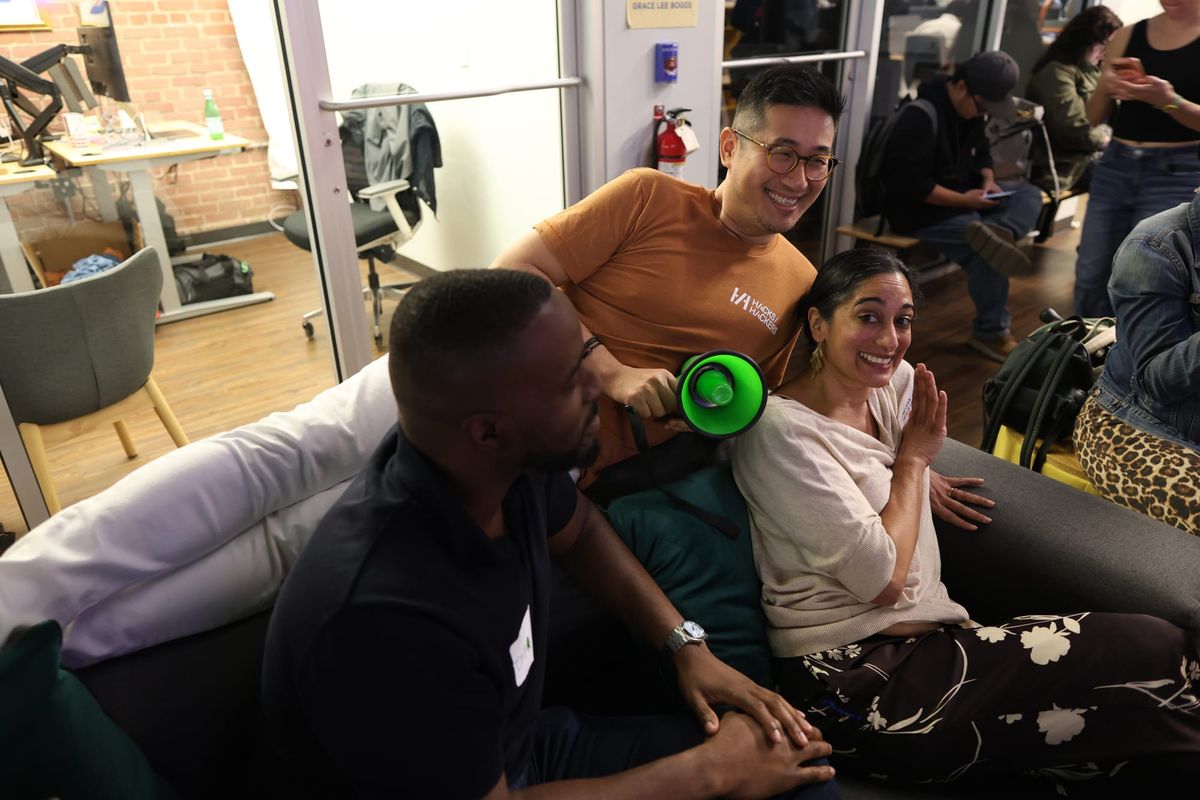
This is a written, expanded version of the closing remarks Paul delivered at our AI x Journalism Summit in Baltimore on May 14, 2026.
I've been to a lot of journalism conferences. Too many felt like wakes.
Not this one.
Look, journalism has been stuck in a grief cycle. Layoffs. Closures. Audience trust eroding. Those problems are real. But at some point, talking about them stops being useful. And here's the thing: We are not sad people. So let's stop acting like it.
That's what I wanted the second Hacks/Hackers AI x Journalism Summit to be. A push.
Not a giant hotel ballroom with keynotes from big names. We were in a warehouse in Baltimore. No cushioned chairs. No fancy AV. People ate lunch on the floor. Because the space was saying something: Stop waiting for perfect conditions. Figure it out with what you have.
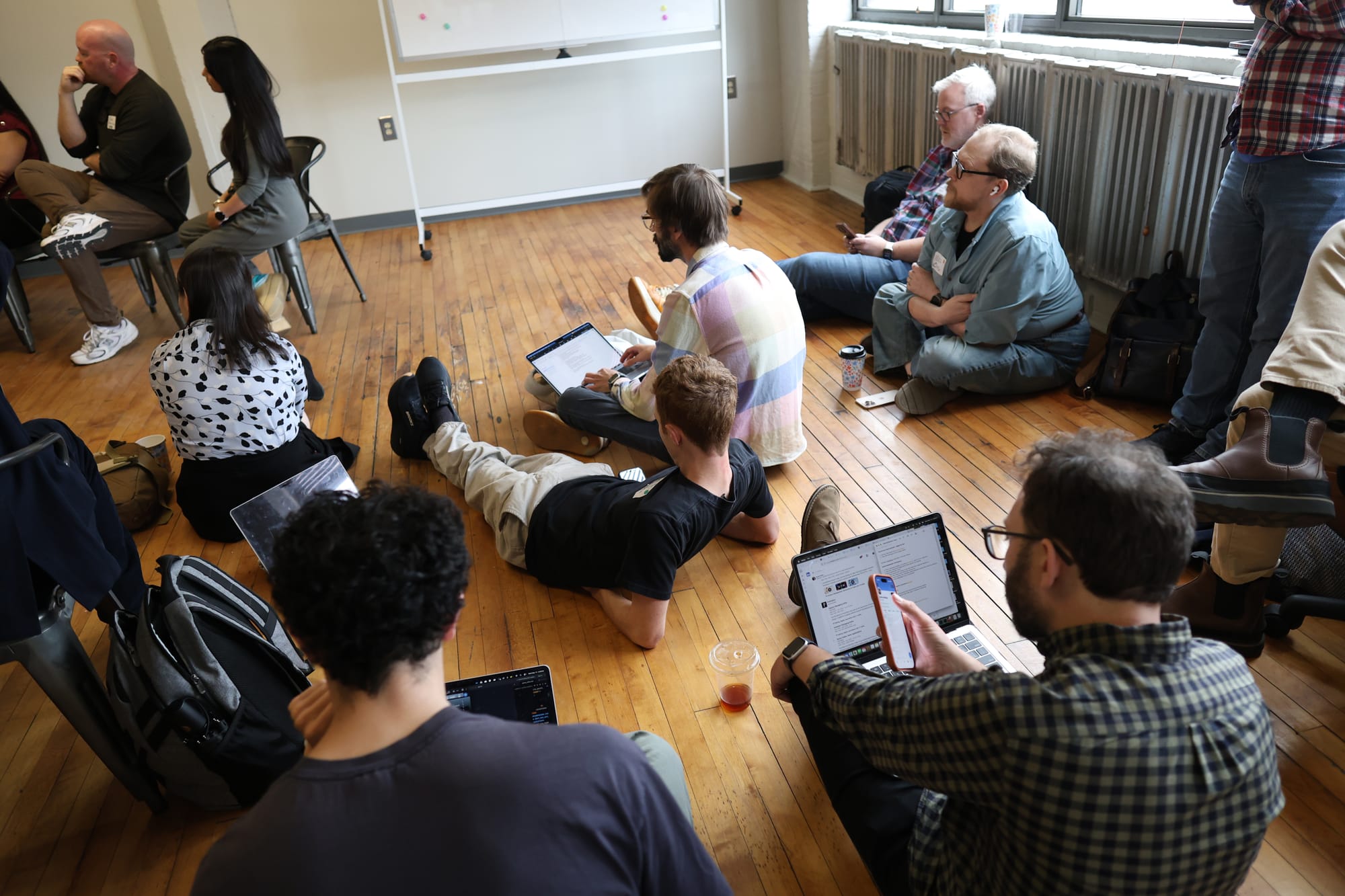
That's the instinct journalism is missing right now. The hacker instinct. Build before you're ready. Ask for help. Keep going.
So I ended the summit with a provocation. Get your hands dirty again. Not eventually. Now. Because we have failed this moment before. We watched the web arrive and waited for someone else to tell us what to do. We pivoted to video when platforms pushed us. We chased creator content when audiences moved. Each time, we reacted. Each time, someone else built the thing.
We cannot do that again with AI.
Nobody flinched when I said it. People nodded.
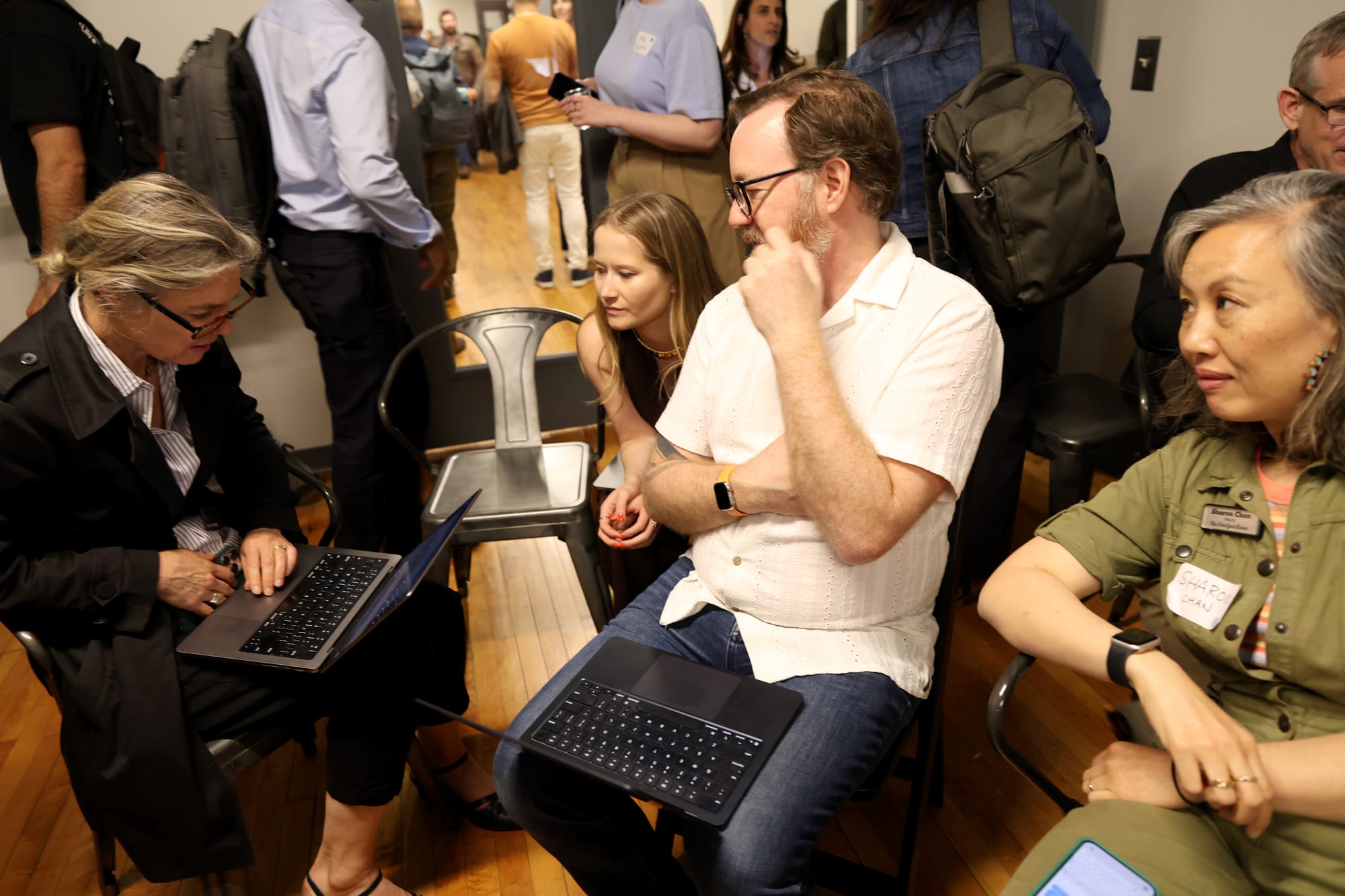
Because the conversations in Baltimore weren't about fear. Ken Romano from Stacker came in expecting the usual AI noise. What he found instead was one word threading through every session and every hallway conversation: trust. Not "is AI the devil." The how. How do you use it without breaking what your audience believes about you? How do you move fast and still come clean when something goes wrong?
That's the conversation journalists are actually ready to have.
Graham Ringo from Press Forward said it plainly: "We don't need to be afraid of this technology. We should be thinking about how to use it to work smarter, create more capacity, and help every newsroom find new ways to thrive."
Mike Orren, former Chief Product and Marketing Officer at the Dallas Morning News, called it "a breath of fresh air, an environment of curiosity and opportunity that gives me hope we'll avoid the industry failures around Internet 1 and 2."
Niala Boodhoo said her ideas and to-do lists left Baltimore as full as her heart.
Same. That's the version of journalism I want people to carry out of this room. Not the grief. The appetite.
Build something. See you next year.
Comments
Nothing yet. Say the first thing.
Sign in to join the conversation.