
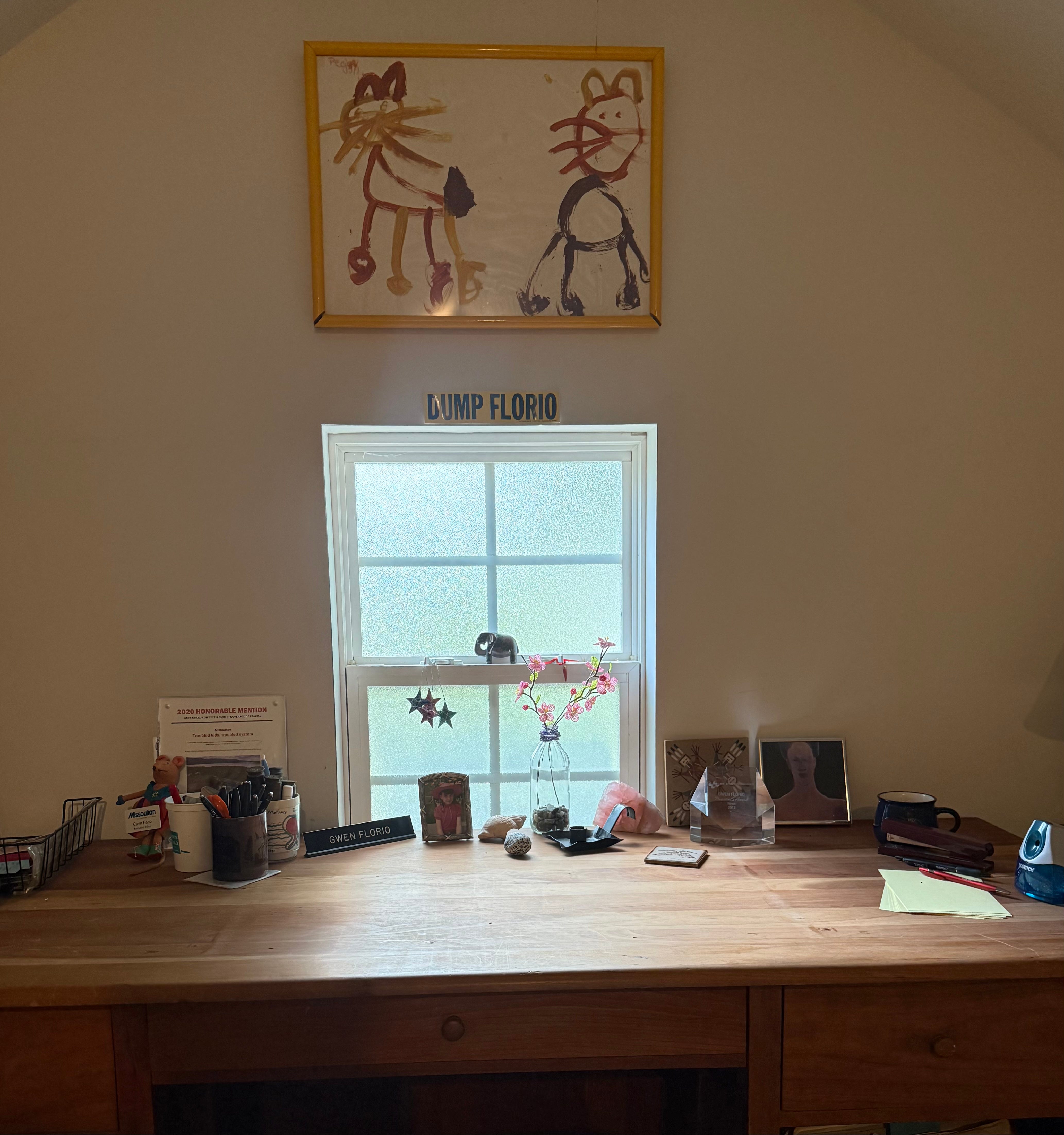
I know what an ideal writer’s room looks like. A study with floor-to-ceiling bookshelves, acres of desk space, and a stunning view like Thomas McGuane’s converted Montana bunkhouse. Or Michael Pollan’s shed nestled in the Connecticut woods, removed from home and all its distractions. Maybe a place by the sea like John LeCarre’s cliffside Cornwall cotttage or Gore Vidal’s vertiginous perch in Ravello, Italy. Bonus points for red walls and a fireplace like Edna O’Brien’s.
I’ve drooled over photos of places like these for years, even when brought back to reality with tales of Stephen King’s laundry room nook in the trailer where he wrote Carrie and the unheated basement where Kent Haruf tapped out Plainsong blindfolded.
Still, I dreamed of someday going full Virginia Woolf with a writing room of my own. In the meantime, I comforted myself with the knowledge that, thanks to a reporting career involving lots of travel, I could write anywhere under any conditions, from noisy newsrooms, to innumerable coffeeshops and laundromats, to conflict zones where lizards scurried up the walls and gunfire rattled outside.
Fast-forward a few decades into my writing career and I have the insane luxury of not one, but two, writing spaces in our home, not nearly so grand as those others, but rooms nonetheless solely devoted to my work. In one, a small first-floor room next to my husband’s office, I write in a Mission-style rocker using a lap desk. The other, a refurbished attic room, only boasts a view of our cul-de-sac, but it has an enviable desk. So where do I do most of my writing?
Here:
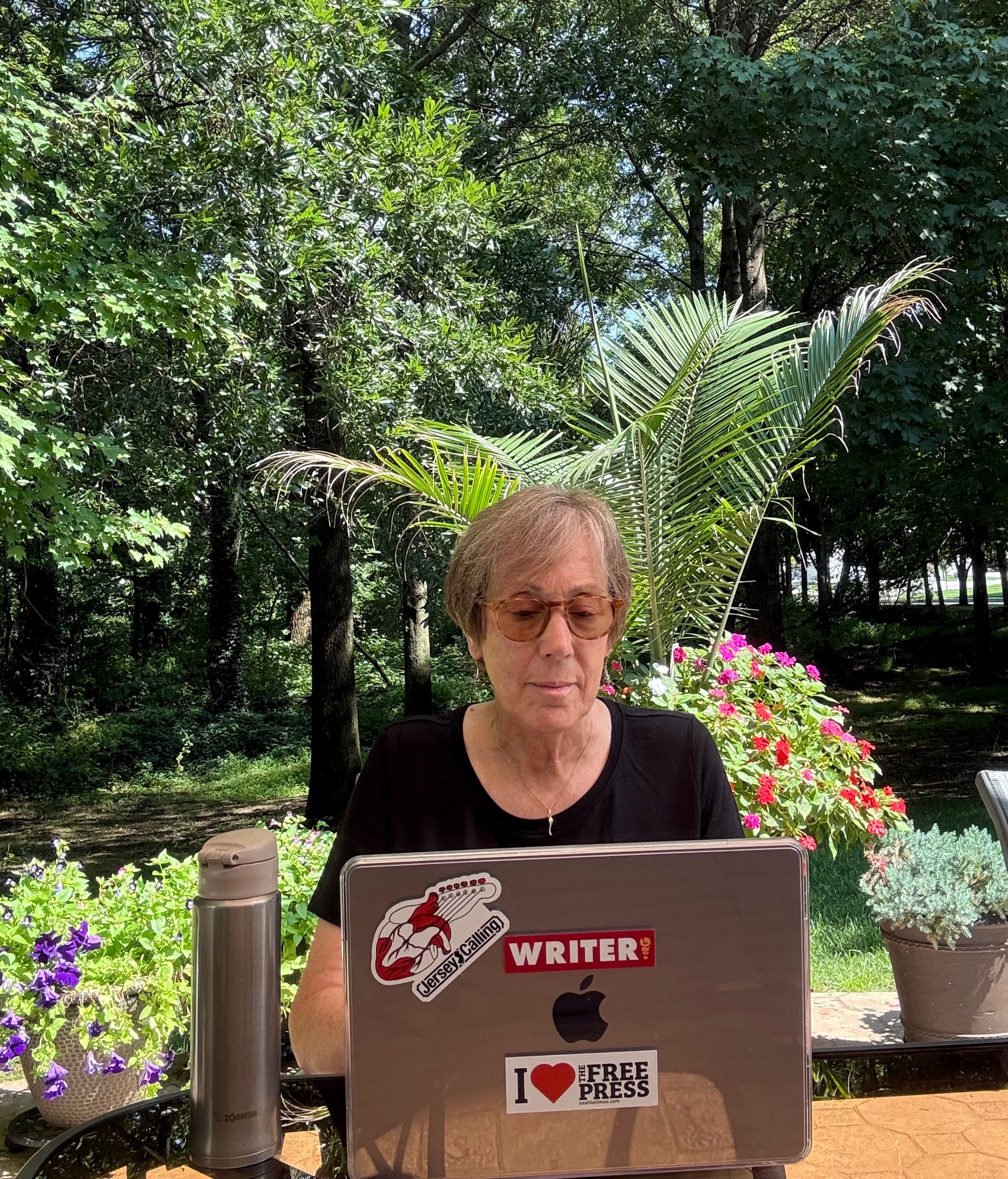
Or, here:
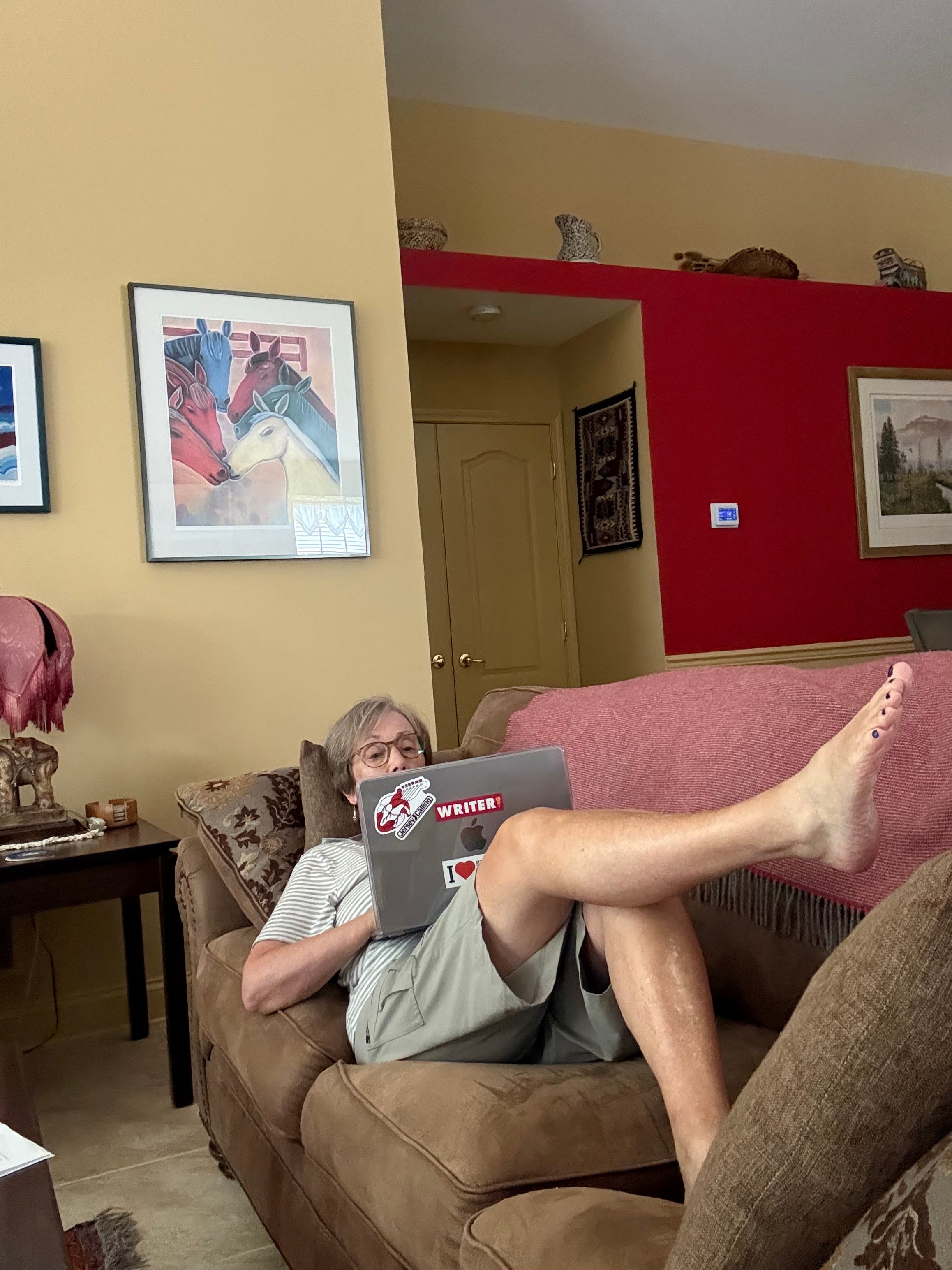
Or, here:
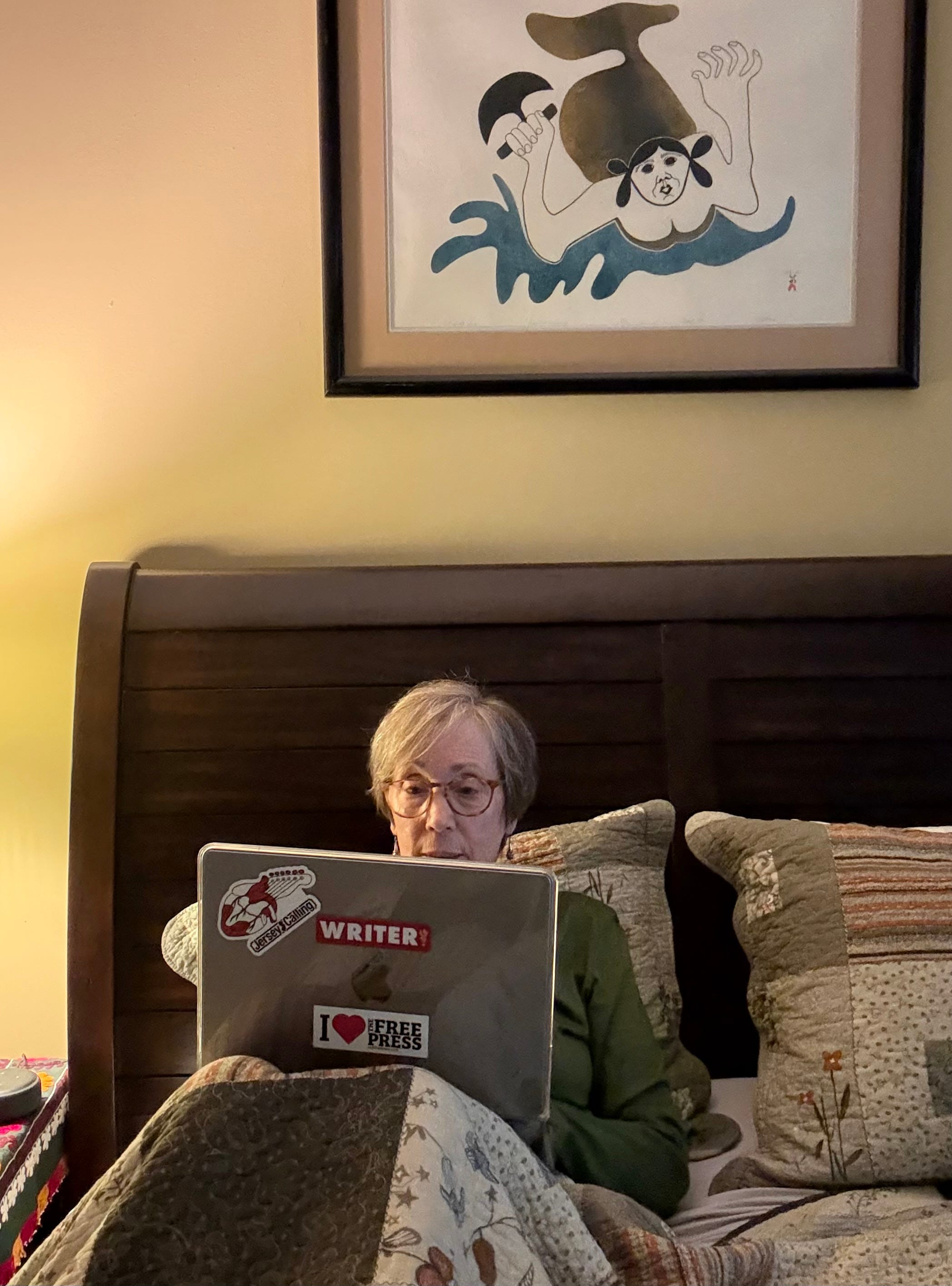
Every so often, Scott starts to remind me about the other two rooms but he knows better than to finish that sentence.
I comfort myself with the thought that far more accomplished writers likewise abandoned far fancier spaces. King ditched the huge desk he bought after Carrie and went back to a smaller one, and Jennifer Weiner made a similar change. Peter Benchley ducked out of his lovely Princeton home to write Jaws in a nearby furnace-supply shop.
Sounds weird, but I get it. Because you know what’s really weird? Writing. I no longer care how or where it gets done, only that by the end of the day, there are more words than when I started - some good ones among them, I hope – waiting for me to add to them from whatever space fits the next day’s mood.

When we were kids, summertime meant Mom hauling us weekly to u-pick strawberry fields where we worked nonstop until we’d accumulated at least a flat’s worth. We had to cap them all when we got home, complaining throughout until our reward arrived: her glorious strawberry shortcake, a highlight of our childhood memories. Mom rightfully disdained the spongy supermarket creations sold beside sad factory-farm-grown berries, in favor of proper biscuit-style shortcake. Portions were huge and eaten three times a day until the too-short season ended. It was my honor to make shortcake for her this year with berries from our local farmstand.

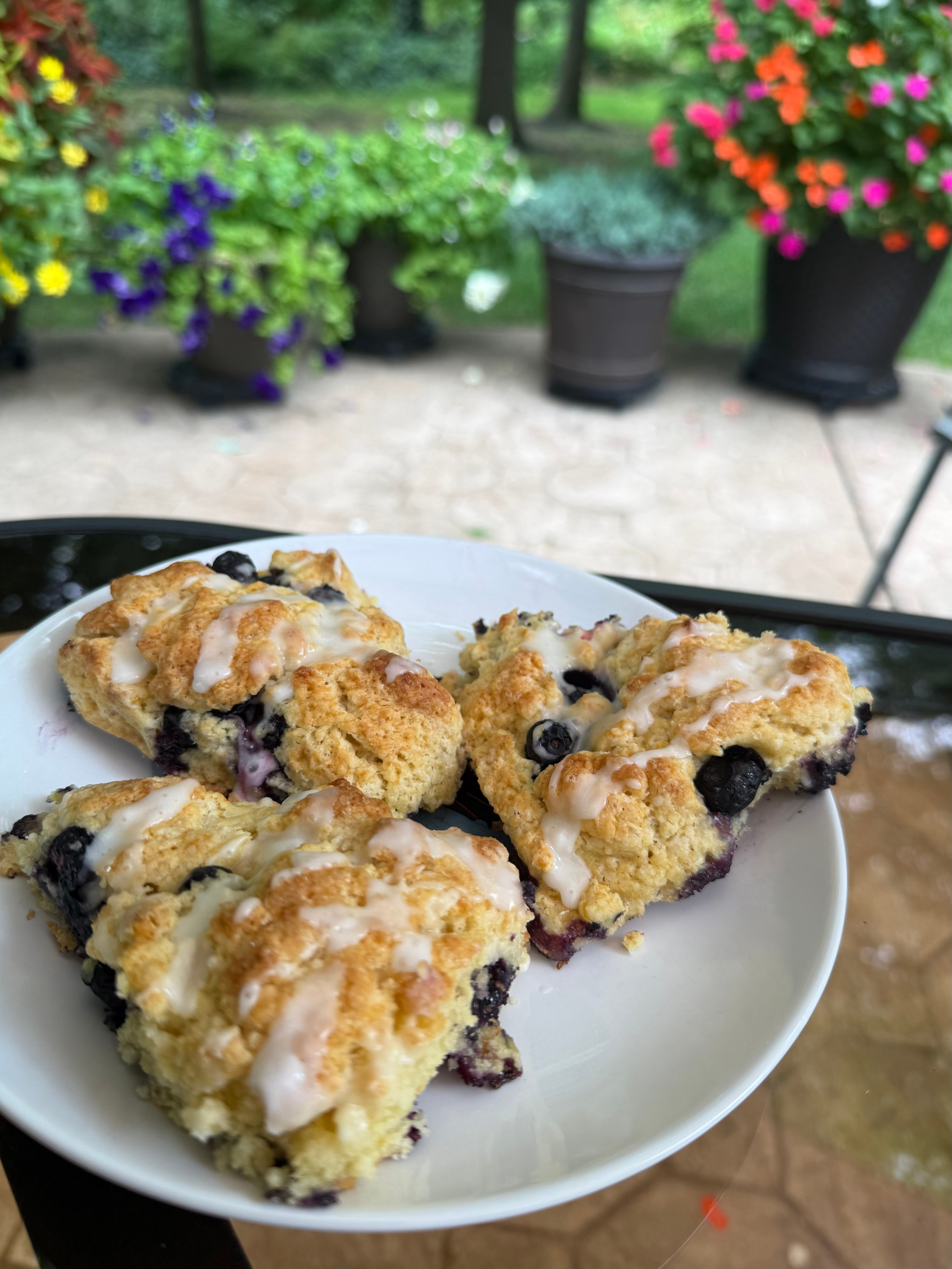
Local farmstands also offer an irresistible supply of South Jersey blueberries, which are basically good-for-you candy. I’ve been working on upping my scone game, still stung by the memory of long-ago efforts that my kids called “stones.” I think I can banish that label forever after making these lemon-blueberry ones with a lemon glaze.
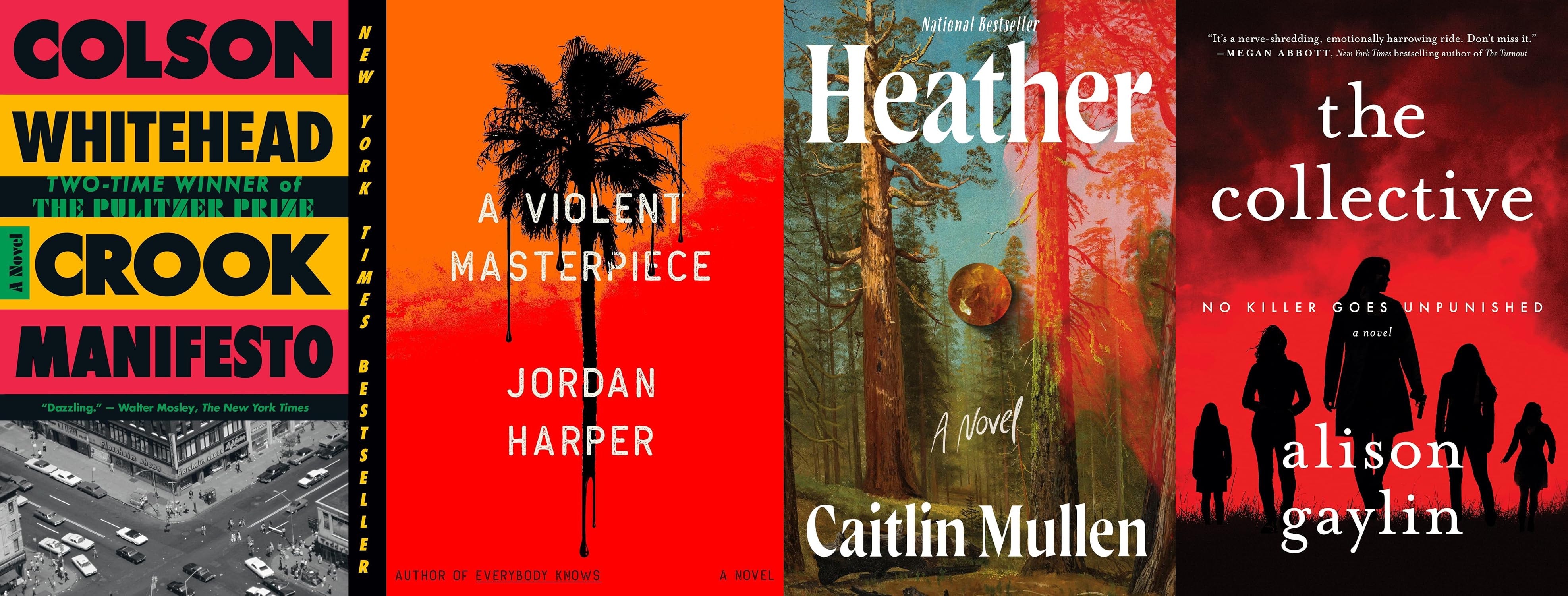
There’s a lot of buzz about Colson Whitehead’s new book, Cool Machine, the third in his Harlem trilogy. I’m in the midst of his second, The Crook Manifesto, and am in awe of his sentences. I love the way, for instance, he lets you know just how bad some guys are, calling them “men with strong opinions on quicklime versus sulfuric acid.”
Jordan Harper is another kickass writer whose style is very different than Whitehead’s but carries the same visceral punch - visceral being the operative word for his work, including his newest, A Violent Masterpiece. His books aren’t for the faint of heart, nor are they possible to put down.
I jumped on Caitlin Mullen’s Heather for two reasons: It’s set in New Jersey’s Pine Barrens, which are near my home and feature in two of my own books. Also, New York Times reviewer Sarah Weinman said she read it in one sitting (it took me two), calling it her favorite crime novel of the year.
I love Alison Gaylin’s writing but approached The Collective with some trepidation, given its subject matter of mothers grieving lost children. On the other hand, revenge novels have an inherent appeal, and this one delivers big-time. Like Harper’s, it trains an unsparing eye on a legal system that favors the wealthy and powerful.
I love talking with groups about books or writing in general, either in person or via the magic of Zoom. I also give writing workshops, perfect for libraries and writing groups. Interested? You can contact me via my website or by messaging me here.
Comments
Nothing yet. Say the first thing.
Sign in to join the conversation.