
There's a version of the MadeGood story that sounds like a straightforward immigrant success story: family arrives from Iran with nothing, builds a food business from scratch, children grow up in the factory, brand eventually finds its way into forty thousand stores across North America.
But the part that actually makes this story interesting is the twelve years of experience that got stripped away in a single morning in 2012, when the siblings showed up to a job they'd dedicated their lives to and found men in suits they'd never seen before telling them nothing in the building was theirs anymore.
What they kept was everything that couldn't be taken.
And that turned out to be enough.
Here are my takeaways from my interview with the Nima and Salma Fotovat, founders of Madegood:
When the family business was sold out from under Nima and his sisters in 2012, he didn’t get a meaningful payout. The equity had never been theirs.
What he got instead was fourteen years of knowing exactly how food manufacturing works at every level: the supply chain, the equipment, the retail relationships, the margin math, the co-packing economics.
His first instinct after the sale was to explore other options, farming, restaurants, anything. He talks about almost getting into the ostrich business. He didn’t, because he realized that any other path would require him to build expertise from zero.
The experience wasn’t just valuable. It was irreplaceable.
When he finally started MadeGood, he already knew things most first-time founders spend years learning the hard way.
This is the move the Fotovats have run twice now, and it’s one of the most practical funding strategies in this entire archive.
At Taste of Nature, contract manufacturing for other brands covered rent and let them invest in their own label. At MadeGood, they did exactly the same thing: their first major job was making 300,000 bars for Costco under someone else’s brand, which gave them the cash flow to build out their own.
They didn’t go looking for outside investors. They used the factory they’d already built to generate the capital the brand needed.
The contract manufacturing was boring. The brand was the point. The boring work paid for the interesting work, and they never had to give away equity to do it.
When a Costco buyer told Nima he wanted the granola bites in a pouch instead of a box, Nima said yes on the spot. He had no idea how they were going to do it.
He hung up and called his sisters.
Salma’s read on this dynamic is funny and accurate: Nima says yes to opportunities, and then she and Saba figure out how to deliver on them. This happened over and over, from the 300,000-bar first order with its wrong date codes that had to be wiped by hand with alcohol wipes, to the pizza box SKU with thirteen different products inside.
The agility wasn’t comfortable. It was often a nightmare. But it kept getting them into rooms and onto shelves that more cautious competitors missed.
Retailers said yes to MadeGood partly because other suppliers had already said no.
Nima calls it the 100-mile radius strategy.
When MadeGood launched, he didn’t try to get national distribution. He focused on the area he could physically reach, where his team could drive to stores, merchandise shelves, run demos, and show up at farmers markets every weekend.
His wife did those farmers markets. They built proof of concept in Toronto before taking it to the rest of Canada. When they were ready for the US, they started with ten stores in Manhattan and made sure the numbers were right before going national in Whole Foods.
This is the opposite of how a lot of brands operate, especially ones that get early buzz and assume distribution will do the selling for them.
The 100-mile radius gave them real data, real repeat customers, and a real argument when they walked into bigger conversations.
Nima is unusually honest about this.
He launched a keto brand called Good to Go, which they eventually discontinued.
He bought a cracker line in Europe because he liked the machinery.
He started Cookie Pal, a dog treat brand, without even owning a dog at the time.
He describes all of this as shiny object syndrome, and he’s right.
The Good to Go brand had quality problems, required reformulations, went too wide too fast, and distracted everyone from the thing that was actually working.
The lesson Nima draws is simple: every time you’re deploying resources against a new idea, you’re not deploying them against the core business. The discipline to say no to good ideas in order to protect a great one doesn’t come naturally to people who are wired to say yes.
It has to be installed deliberately, usually after it costs you something.
They got kicked out of a business they’d given fourteen years to, went home to their parents’ basement, bought laptops at IKEA, and started over.
Their father, a man who survived a war and a revolution and built a food company from a recipe on a napkin, told them to show up every day anyway.
They did.
The thing they built the second time is worth more than anything they lost.
P.S. If you loved the episode, follow the show in your podcast app so you never miss one. And please SHARE this newsletter so others can learn from some of the world’s greatest entrepreneurs!

On a July morning in 2012, Nima Fotovat was driving to work when his father called and told him not to come in.
The family business had just been bought out from under them. His sister Salma was already at the office, watching men in suits she’d never seen before walk into the boardroom.
Within minutes, they were told they couldn’t take anything with them… not even their keys.
They’d essentially been fired from the company they helped build.
But their father wasn’t interested in mourning. The very next day, he took them to IKEA, bought furniture, and set up a makeshift office in the basement.
They were starting over. The only question was… starting what?
What they landed on became MadeGood, which today is sold in thousands of stores across North America, with hundreds of millions in sales.
But nothing about getting there was smooth:
There were near-disasters they had to fix by hand, retailer demands they agreed to before knowing how they’d pull them off, and one crisis that cost them Christmas.
So how does a family go from losing everything to building one of the fastest-growing snack brands in North America?
And what did they figure out that let them grow a national brand with almost no marketing at all?
All this and more on the next How I Built This!
This week on the Advice Line, we revisit an episode from the archive with Bobbi Brown, founder of Bobbi Brown Cosmetics and Jones Road Beauty. I love Bobbi’s approach to business: don’t chase hype, don’t overspend, and make sure the product is simply the best on the market.
First up, Mark: How do I grow beyond handing product to my own patients?
Mark is an orthopedic surgeon who created Cab Dab, a muscle rub made from cabbage leaf extract. To date, he has sold his product to patients in his practice. Now he needs to expand. We pushed him toward some old-fashioned moves… starting with shrinking the sample and widening the funnel.
Next, Abby: Are my livestreams a real business, or a treadmill?
Abby is 23 and runs AbbyRose, a successful phone case brand powered by daily TikTok livestreams. The problem? If she’s not online, sales stop. We raised the real issue: you can’t scale you… unless maybe you can.
Finally, Henry: How do I turn a niche product into a legacy brand?
Henry’s Tannin Oral Care makes the world’s first post-coffee mouth rinse. Now he wants staying power as a mainstream oral care brand. Our advice: his produce might be too niche…. but he can reposition around something much bigger.
Bobbi leaves us with this: Great brands don’t explode overnight… they evolve. Make something truly excellent, communicate with clarity, and remember that scrappy wins when it’s paired with staying power.
If you would like to be featured on an upcoming episode, call and leave a 1-minute message at 1-800-433-1298 or send a voice memo to hibt@id.wondery.com

Ever wonder why a picture of parasites can make your skin feel itchy... even when nothing’s there?!
In this episode, we take a hilariously revolting trip through “Disgustival” – a bizarre art exhibit filled with moldy bread, dirty earwax, and all sorts of creepy-crawly surprises!
But here’s the fascinating part: scientists think our feelings of disgust might be ancient bodyguards!
Over millions of years, our bodies may have learned to feel grossed out by yucky things to warn us away from stuff that could make us sick.
So why does gross stuff make us want to barf? Tune in to find out!
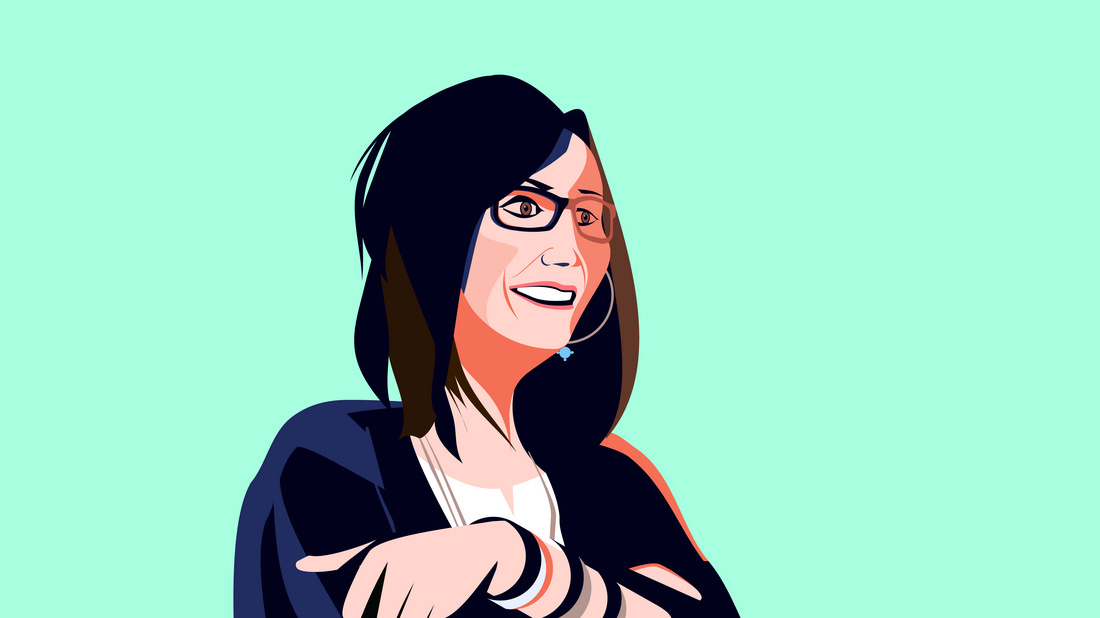
In the 1980s, Bobbi Brown was a makeup artist in New York City surrounded by a world of bold, gaudy colors.
But Bobbi couldn’t stand it.
She believed makeup should enhance a woman’s natural beauty, not mask it. That simple conviction put her at odds with everything the industry was selling at the time.
Bobbi’s big idea was almost radical in its restraint: “nude makeup,” built around neutral tones and a natural look that let real skin show through. She started with a single lipstick shade, convinced there was one woman out there who wanted exactly what she wanted.
It turned out there were millions of them.
In 1995, Estée Lauder acquired Bobbi Brown Cosmetics, and Bobbi stayed on for more than two decades.
What do you want more or less of?
Just send a tweet to @guyraz or a message on IG to @guy.raz or LinkedIn and put #GuyRazNewsletter at the end so I can find it.

Comments
Nothing yet. Say the first thing.
Sign in to join the conversation.