
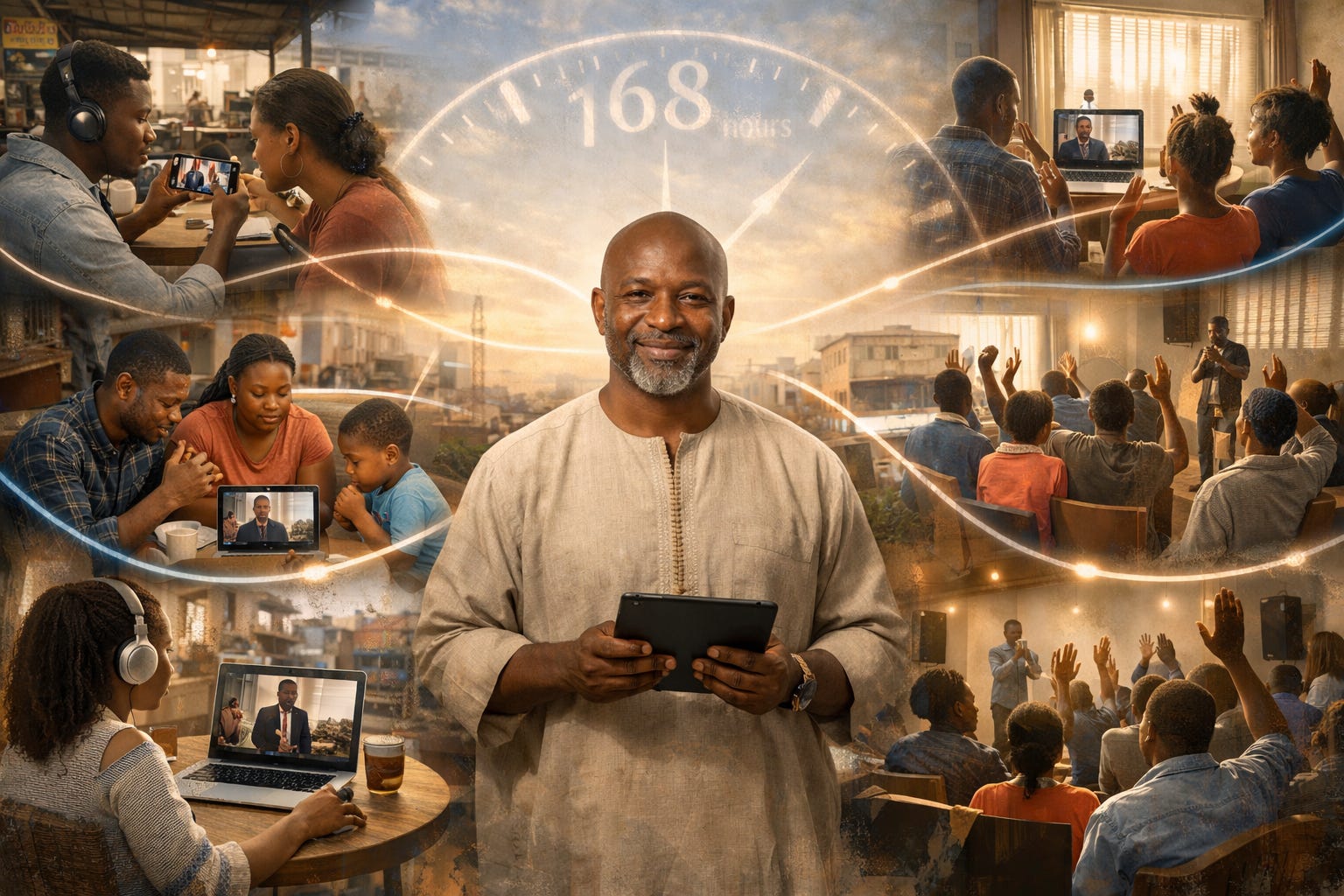
In previous years, it has become important that faith-based organizations and their leaders become innovative. Rather than being inquisitive and growth-conscious, those who are reluctant towards digital transformation and its adaptations will become struggling missions. They might struggle in terms of finance, leadership, and membership.
Innovative and posterity-conscious leaders within faith-based organizations have spotted trends that need a response, especially regarding digital-age parishioners who require on-demand, customizable, connected, and shareable engagement with their places/denominations of worship.
Any response to these trends must involve digital transformation. The irrelevance of a place of worship is the gap between how quickly things are changing and how quickly the organizations change to avoid being equipped for a nonexistent generation.
Highlights of a few innovative responses include:
As part of the trends in faith-based organizations such as the church, digitization has been integrated into aspects of digital giving/donations, communication of events and outreach via digital flyers, and building of relationships with congregants using the organization’s mobile apps.
The present generation, the Millennials, are one major reason for the update on technology. In digital giving, millennials are behind on giving using physical cash with the advent of the mobile banking system. They are not cash carriers, hence, to meet up with introducing this generation into the giving culture of the organization, digital opportunities must be taken advantage of. There are online donations apps or software, which can help with implementing giving, an example being Kindrid.
Aside from giving, technology in an organization comes in the form of mobile applications made available to members. The app serves as a place for access to resources on sermons/teachings, communicates based on researches which shows that 71% spend more on-screen time with their phones. This also helps for engagements outside the normal Sunday/Friday gatherings for Christian/Muslim organizations.
In using digital flyers and e-books as integrations into the use of email boxes, services such as Bulletin plus and MailChimp can help with this.
An example of faith-based organizations ahead in digitization is the Elevation Church. The church-run an online church on its site, has YouTube channel (ElevationNG) reaching out with almost 8M+ subscribers, makes available an online giving platform, runs audio streaming on mixlr and has its mobile app, The Elevation Church, available on Playstore.
In the past decade, awareness of toxic workplaces has increased. Church leaders have played roles in cultures that opposed what the church should stand for — office politics, nepotism, arrogance in leadership and more. The emergence of millennials, who give no room for the practice of this poor work culture, put up with by previous generations, have revealed these issues.
This challenge has caused many to be done with the church just not God and has been identified as a human challenge, not a church one. Thus, leaders should restructure their team culture and the values embodied by them, not just stated. Why? Because toxic cultures expel people, but great culture attracts and keeps people.
Churches all need to become like the Christ body, both immanent — accessible and transcendent –leaning towards experiencing the supernatural. However, most churches take sides. If churches only make their sermons accessible (downloadable), they get more downloads than gatherings then. But offering resourceful content and soul-touching experiences, people will have to be present for both.
Thanks to technology, more churches are being launched remotely, facilitating gatherings, and global conferences that break geographical barriers.
In 2019, the term “coming to Christ”, refers to church engagements beyond a set time and location. The strategy is for the church to reach beyond having a building. The church team should refocus on how to use the other 167 hours in the week and get to straining members. This is a call for the need to think beyond Sundays.
In the battle between digital and analog time, the need for human connection increases. To meet this need, the new churches will need to increase, or they might as well not. This decline is because of the risks, investments and time need which comes with setting up new churches.
Churches should manage these risks by working with their online traction or experiment either way, with pop-up churches in selected locations. These pop-ups are one night/monthly/seasonal launches strategized to test new locations for expansion, without making huge initial investments. Venues used could be rented restaurants, banquet halls or more. Huge transactions among other factors should give result in the potency of permanent branches.
The digital age has ushered in a critical inflection point for faith-based organizations. Those who embrace innovation and adapt to the evolving expectations of digital-age congregants will thrive, while those who resist change risk becoming irrelevant to future generations. The path forward requires more than simply adopting new technologies—it demands a fundamental reimagining of how faith communities engage, inspire, and serve their members across all 168 hours of the week, not just during traditional gathering times.
From digital giving platforms and mobile apps to pop-up worship experiences and location-independent ministry, the tools for transformation are readily available. However, technology alone is not the answer. True innovation must be paired with transparency, accountability, and authentic community building that addresses both the practical and spiritual needs of today’s seekers. Organizations like Elevation Church demonstrate that it’s possible to maintain theological integrity while embracing digital tools to expand reach and deepen engagement.
The future belongs to faith communities that can balance accessibility with transcendence—making resources readily available online while creating irreplaceable in-person experiences that connect people to something greater than themselves. By thinking beyond buildings, reimagining culture, and meeting people where they already spend their time, faith-based organizations can ensure they remain relevant, impactful, and true to their mission in an increasingly digital world.
Did You Know?
71% of people spend more time on their phone screens than any other device, making mobile apps essential for faith-based engagement.
No posts
Comments
Nothing yet. Say the first thing.
Sign in to join the conversation.