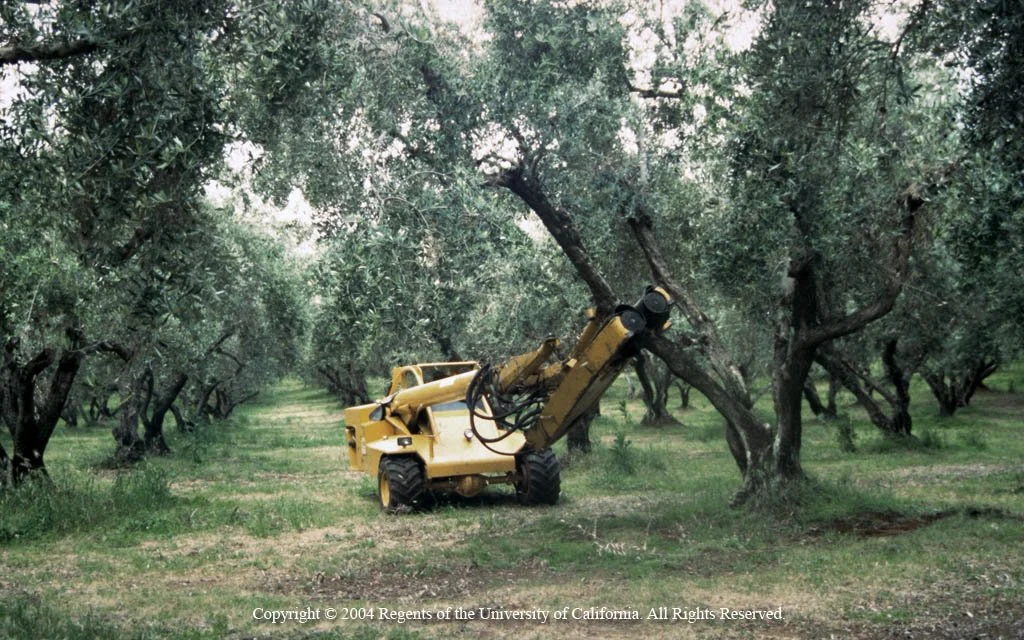
Fruit removal is a serious issue in table olive production, namely because the fruit are harvested before they are ripe. ACC, an ethylene precursor, has the potential to improve fruit removal (please note that the commercial product is not registered in olives yet and cannot legally be used). Becky Wheeler-Dykes, an advisor in Glenn, Colusa, and Tehama Counties, has been examining its efficacy in…
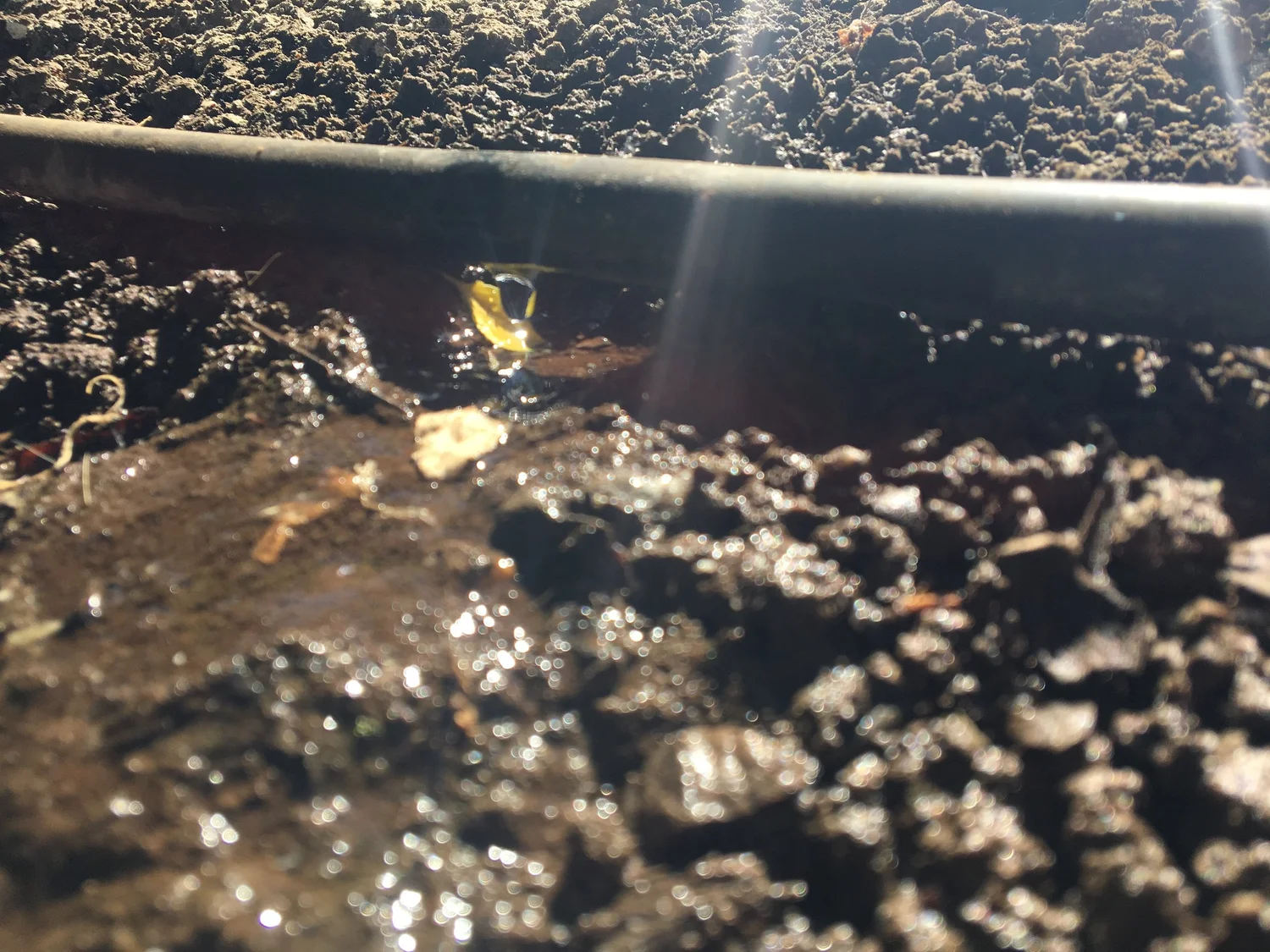
Anyone who has an irrigation system knows that it needs to be maintained for peak performance. Anyone who has an irrigation system also knows that almost everything seems to be more important in the moment than flushing those lines or checking pressures. A distribution uniformity test is a good way to assess the health of your irrigation system, but it isn’t always easy to figure out if the cost…
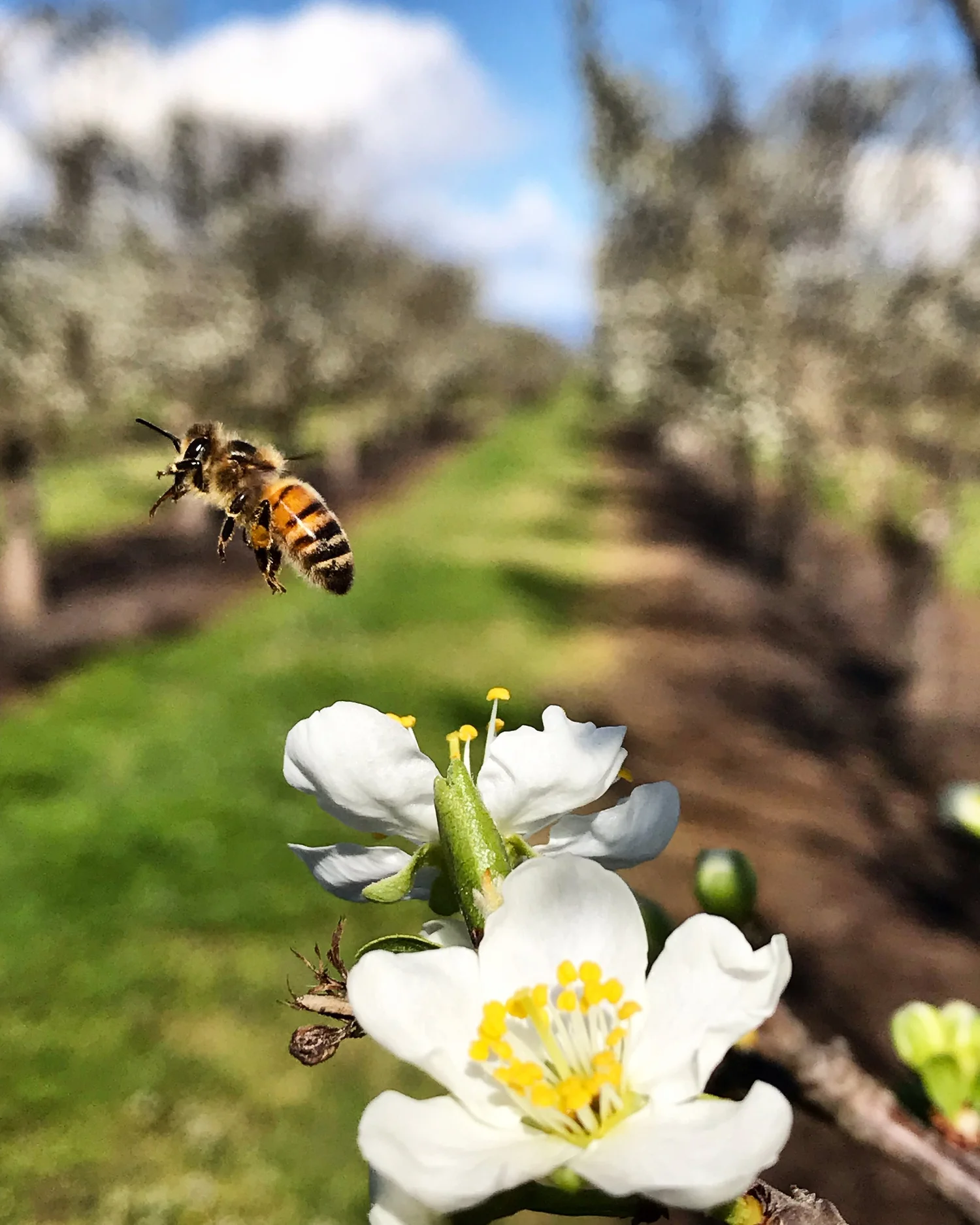
In 2026 the Sacramento Valley prune industry is experiencing high fruit sets, high GDH 30 , and a high cost of fruit thinning because of very diesel prices . Jaime Ott (UCCE Tehama), Domena Agyeman (UCCE Butte), and Franz Niederholzer (UCCE Colusa) break down prune grower crop management considerations given this tricky set of circumstances. Upcoming Orchard Meetings: The Almond Board of…
The 3rd Generation RAVT recently wrapped up, and Luke, Phoebe, and Roger sit down one final time to discuss the findings. While the overall results are discussed, they also discuss each of the strengths and weaknesses of the 13 remaining varieties. It’s a long episode, check out the transcript if you are interested in something specific to get the timestamp. Episode transcript The views, thoughts,…
Giulia Marino and Pat J Brown (both UC Davis) have been examining another potential influence on polyphenol deposition in pistachio: whether the pollen source impacts deposition rates. In this episode, Giulia shares her results, as well as some other unexpected findings from pistachio xenia (the effect of the pollen source on the fruit). Episode transcript Thank you to the Almond, Pistachio,…
Dr. Or Sperling (ARO-Volcani) and Zac Ellis (OFI) discuss the exciting 2025 results from their proactive irrigation scheduling application in California almond orchards. You can ask questions and provide feedback to the researchers at: Or Sperling: orsp@agri.gov.il or +972 52 6278189 Zac Ellis: Zac.ellis@ofi.com (559) 303-0599 Maciej Zwieniecki: mzwienie@ucdavis.edu Come to an upcoming extension…
Drs. Or Sperling (ARO-Volcani) and Maciej Zwieniecki (UC Davis) discuss their groundbreaking research on almond irrigation. That research has culminated in an exciting irrigation scheduling application . We also get an overview of almond production in Israel. The UC Davis Carbohydrate Observatory is also referenced. Have feedback or questions for the researchers? Or Sperling: orsp@agri.gov.il or…
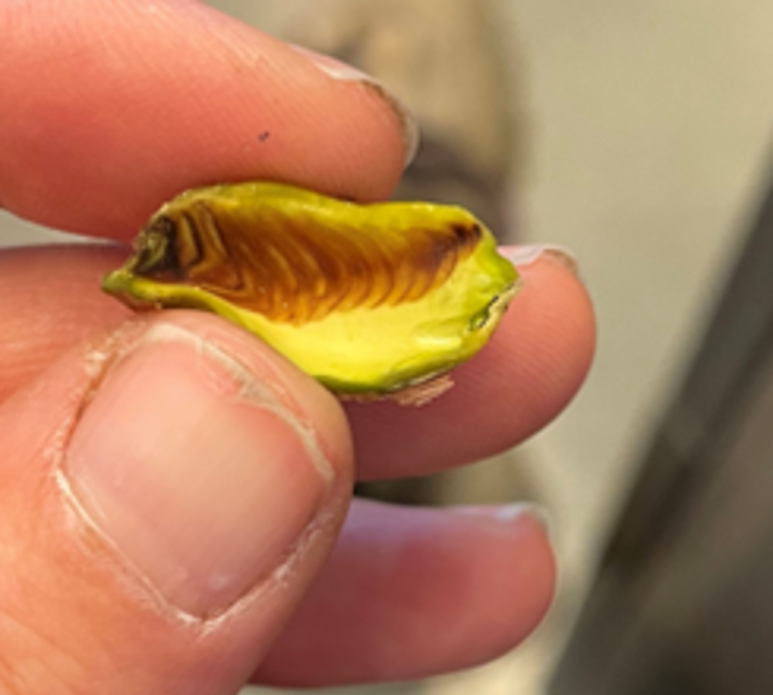
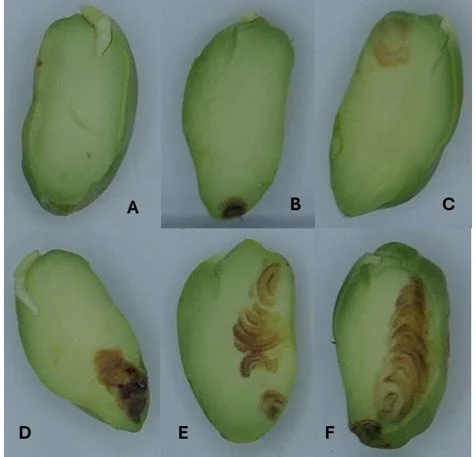
Polyphenol deposition in pistachio kernels, also known as internal kernel discoloration, is a harmless phenotype of pistachios, where dark coloration appears on the internal surface of the pistachio cotyledons (the two halves of the kernel). It started showing up widely in the late 2010s/early 2020s, and researchers Georgia Drakakaki, Phoebe Gordon, and Minmin Wang have been investigating it from…
Our concerns about how climate change will affect agriculture don’t just extend to crop performance; pest species will also be affected. In this week’s episode, Lynn Sosnoskie returns to talk about implications for weed management. Episode transcript Thank you to the Almond, Pistachio, Prune, and Walnut Boards of California for their kind donations. Thank you to Muriel Gordon for the music. The…
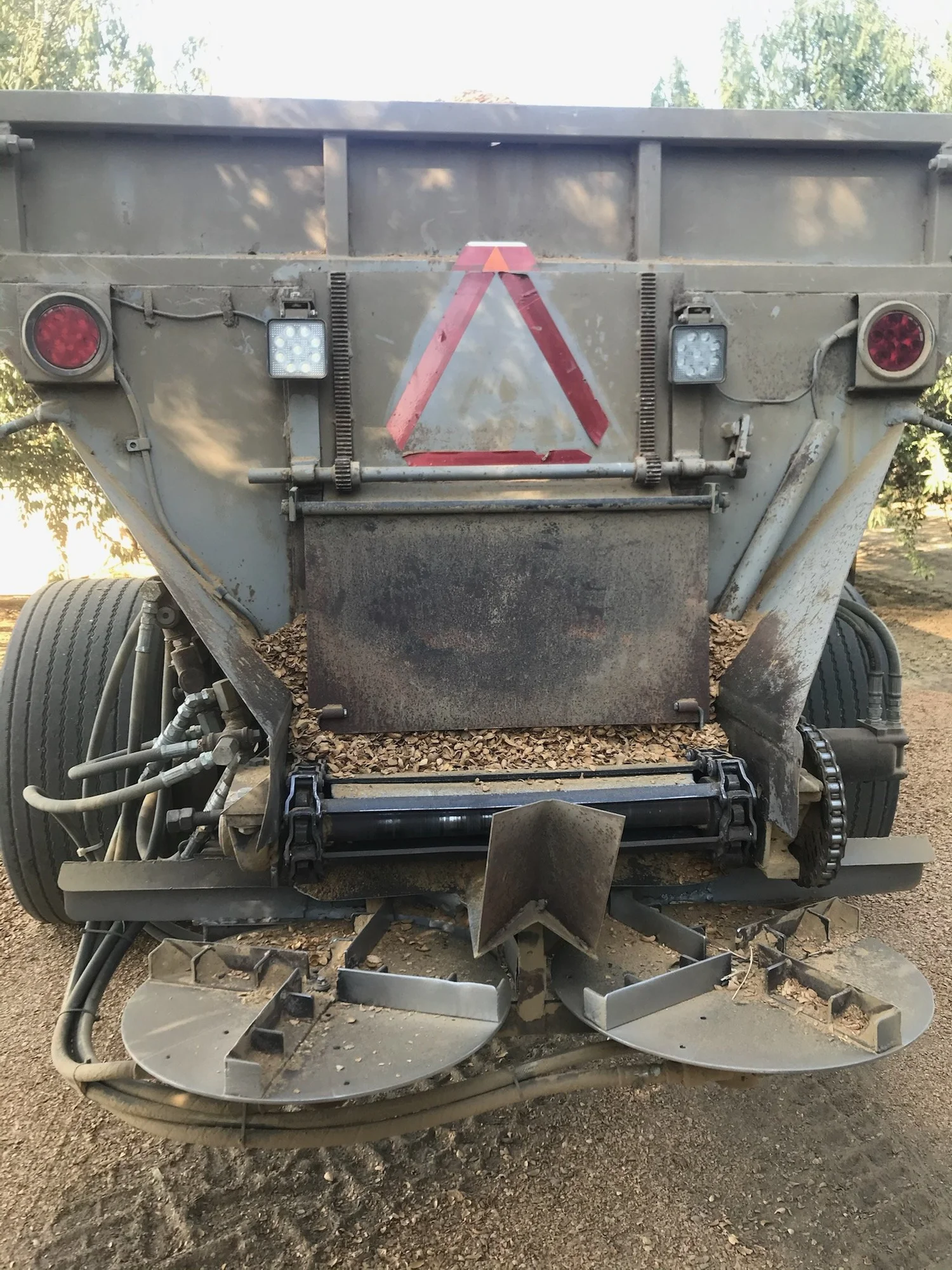
Almond production creates a lot of byproduct. While there are some alternative uses for almond hulls and shells, like livestock feed and bedding, there is still not enough demand to utilize all the biomass created every year. Some growers have been accepting almond hulls and shells from processors to help them get rid of these stockpiles, and using them as mulch in orchards. Ellie Andrews examined…