
“Have you read any Victor Hugo?” he asked me, somewhere on the edge of St Peter Port, during one of our walks many years ago.
“No,” I admitted sheepishly, fearing I would go down in his estimation.
“He described the Channel Islands as ‘bits of France that fell into the sea and were picked up by England,’ if I remember it correctly,” he said with a smile. He knew he had it exactly right; modesty was second nature to him.
“It’s a good line,” he added, enjoying Hugo’s words as much as the chance to pass them on to his grandson.
He also knew that it was just a line, that Hugo was bending history more than a little, adding poetic license to the story of how the Channel Islands came to be British Crown Dependencies. Even so, I wondered how my ancestors at the time had felt about being picked up by England. They clung to their Patois dialect for more than seven hundred years afterwards.
To this day, Guernsey’s advocates, the equivalent of barristers and solicitors in England (lawyers and attorneys elsewhere), still go to Caen to spend three months studying French law and old Norman law, in French. You can already guess how I first came to know this.
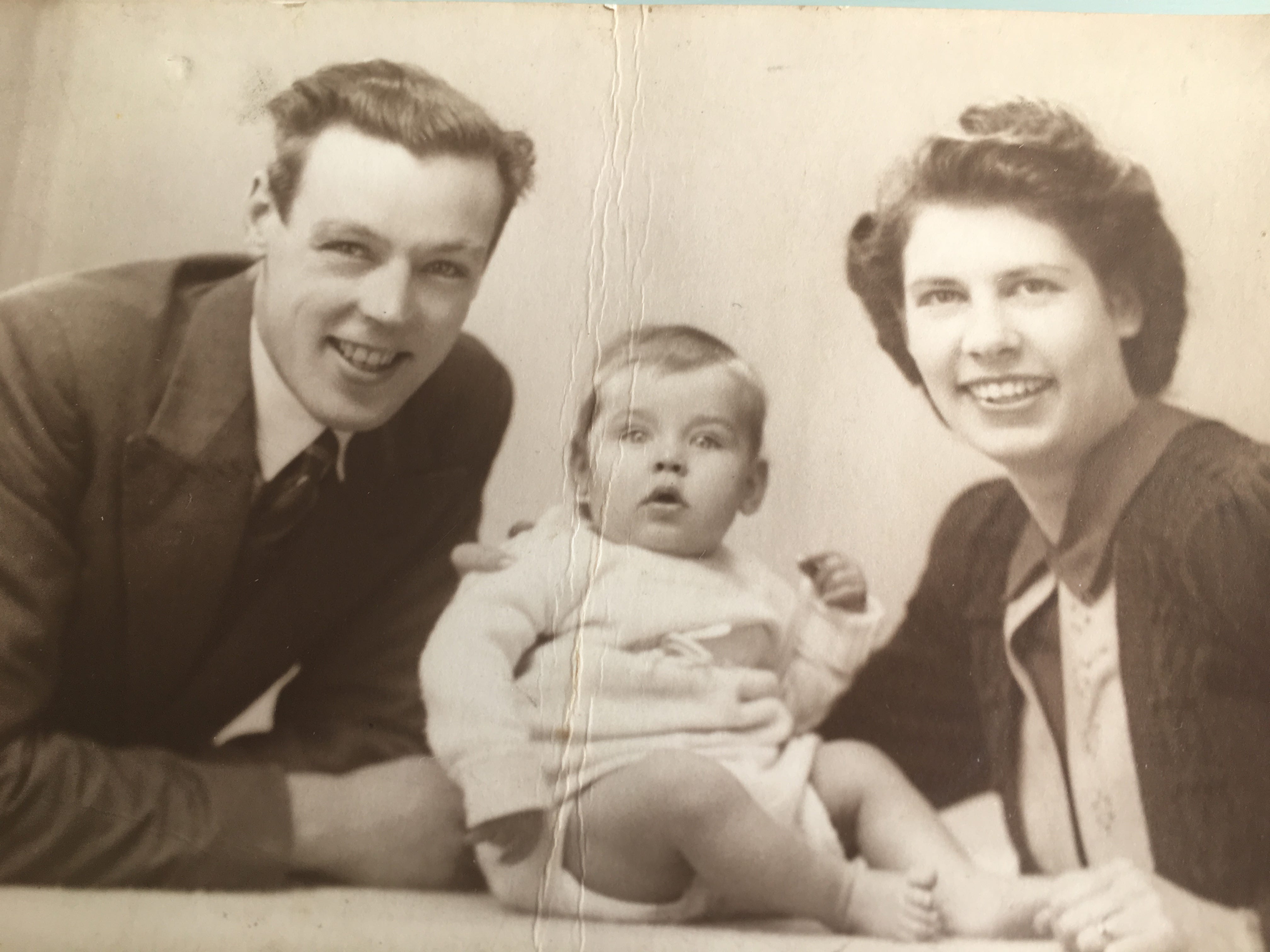
Douglas Howard Child, my grandpa and great teller of stories, was born on 17th March 1920. He was my only English grandparent, yet he had the good grace to enter this world on St Patrick’s Day.
In 1935, fifteen-year-old Douglas was accepted as an aircraft apprentice at the No. 1 School of Technical Training at Halton, then the Royal Air Force’s (RAF) aircraft engineering academy. His decision was shaped less by ambition than by circumstance. He lived with his grandmother, and there was not enough money to keep him at school; he understood this and didn’t want to be a burden. Of his own accord, he applied to Halton.
He had once hoped to become a pilot, but colour blindness ruled that out, and so he turned to engineering instead. It was a practical choice, quietly made, that would set the course of his life.
He was deployed to Guernsey on 3rd September 1939, attached to No. 201 Squadron, as a nineteen-year-old RAF engineer. At the exact time he was airborne from England, that same air carried the voice of Prime Minister Neville Chamberlain, via radio transmission:
“I am speaking to you from the Cabinet Room at 10 Downing Street. This morning the British Ambassador in Berlin handed the German Government a final note stating that unless we heard from them by eleven o’clock that they were prepared, at once, to withdraw their troops from Poland, a state of war would exist between us. I have to tell you now that no such undertaking has been received, and that, consequently, this country is at war with Germany.”
Not long after his arrival on that little island off the coast of Normandy, he met a seventeen-year-old local girl called Doreen Bougourd during a trip to the pictures one evening. Luckily for Douglas, Doreen spoke English as a matter of choice – although as a child she had to mix this with Patois or ‘good’ French at home, to please a grandmother who refused to speak English.
Without the Second World War, I would not exist.
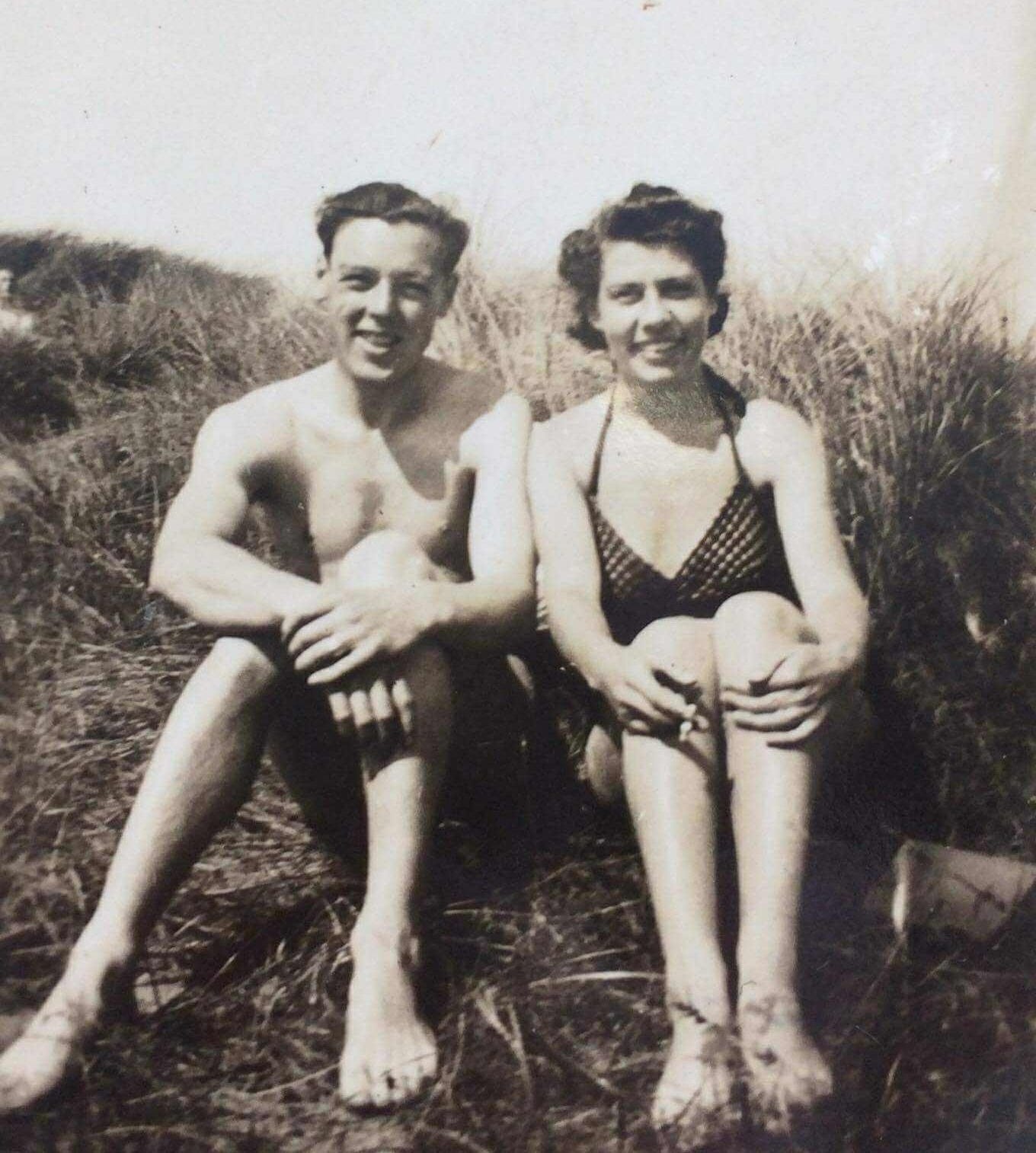
Within a year of Chamberlain’s declaration of war, Guernsey was “demilitarised” by the British, and Doreen, together with her sister Frances and their mother Elsie, had been evacuated to London ahead of the German occupation of the island.
Douglas moved between different locations, spending time on Merseyside where he witnessed the first German bombing raid on Liverpool’s docks, before being posted south to gain a front-row view of the Battle of Britain. For a large part of this period he was stationed at Thorney Island with RAF Coastal Command, a base that itself came under attack from the Luftwaffe.
It was around the time of that momentous summer and autumn of 1940 that, alongside maintaining aircraft engines, he was also training conscripts drawn from a wide range of social backgrounds, lumped together largely on the basis of their technical expertise.
This involved giving classroom instruction to new recruits, and he later liked to recount how he became adept at throwing a piece of chalk to wake a dozing ‘student’. On one occasion, while delivering a lecture based on a textbook on metal fatigue or a similar topic, he scored a direct hit. He told his target that if he paid attention, he might learn something. The reply came back: “I wrote the book,” and the pupil was promptly excused.
He once overheard a colleague chide a new conscript assigned to wash a car: “You’d work harder at it if it were your car.” The conscript didn’t miss a beat: “If it were mine, I’d have my chauffeur do it.”
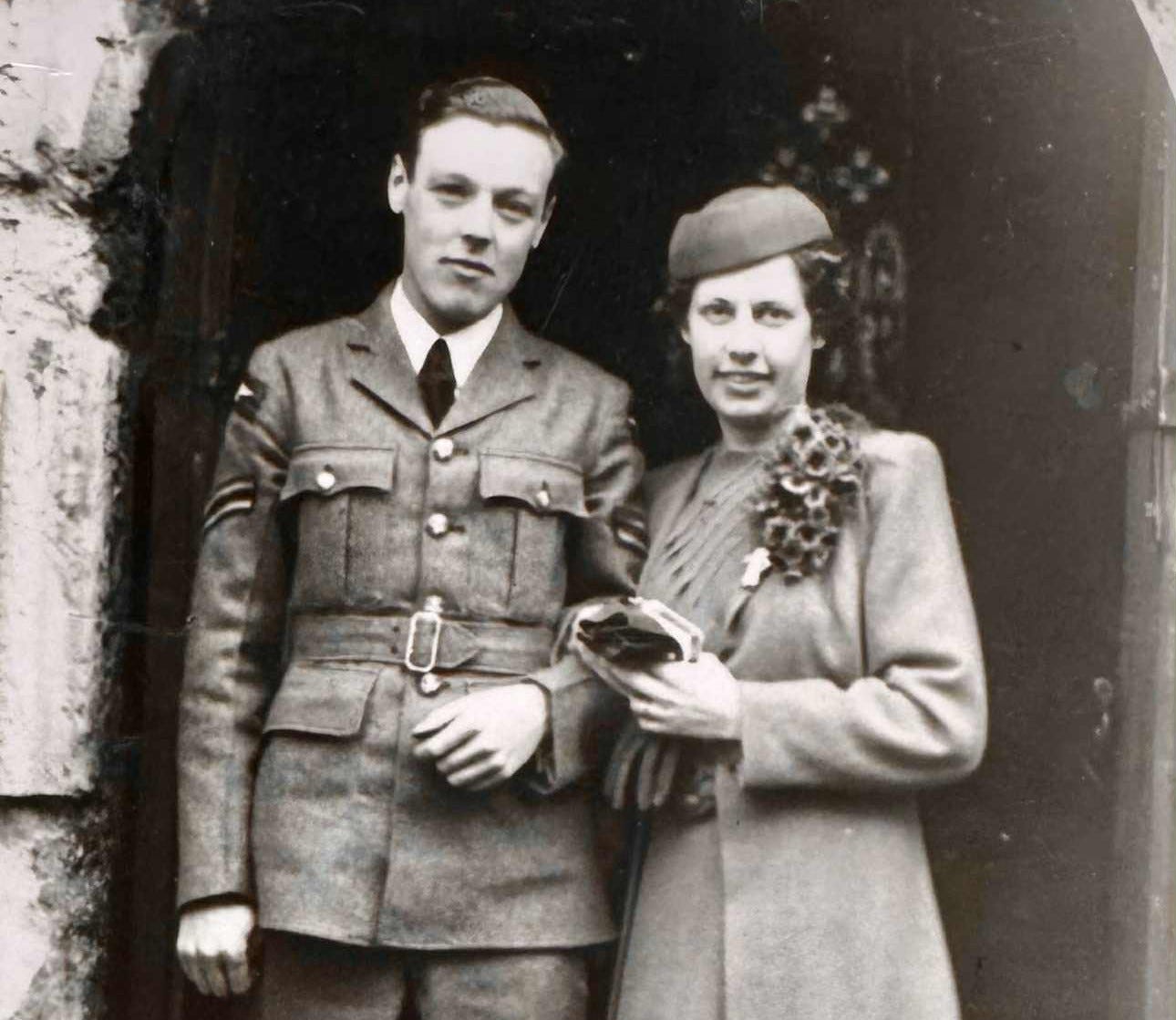
In the Spring of 1941, my grandparents were married on the coast of Kent, to the sound of gunfire from across La Manche. Doreen knew her father would not have given his approval for her to marry so young. At the time, however, he was interned in a prisoner-of-war camp at Laufen, Bavaria, for his participation in Guernsey’s resistance to Nazi occupation – a story for another time.
Wartime promotions came rapidly, and by 1943 Douglas was a Sergeant serving at a training base in Cumbria, where bits of aircraft would fall out of the sky on a regular basis. During this period, he studied his superiors closely, absorbing every detail as they worked at the operations desk. Each Sergeant had an operational blackboard listing aircraft and their maintenance status, updated continuously with information passed from their Flight Sergeant who sat at his desk, almost glued to the telephone.
Douglas later performed the more senior role himself as a Flight Sergeant during the 1948–49 Berlin Airlift. He worked twelve-hour shifts at the end of a telephone line, so absorbed that it often surprised him when his relief came on duty to take over. He said it was the best RAF operation he was ever involved with.
In June 1943, Doreen gave birth to the first of four children, a baby boy they named Michael. He was still an infant when Douglas was then deployed to Asia, not returning home until 1947. By the time he arrived back in Guernsey, he was a stranger to his four-year-old son. Young Michael knew only island voices and was shocked to hear Douglas speak – his daddy sounded like “a visitor.”
When Douglas was deployed East, he and his comrades had no idea where they were being sent. He remembered the voyage as a guessing game: sailing down past the Bay of Biscay, around the Iberian Peninsula, through the Mediterranean, the Suez Canal, and into the Indian Ocean. Still, no one knew their destination.
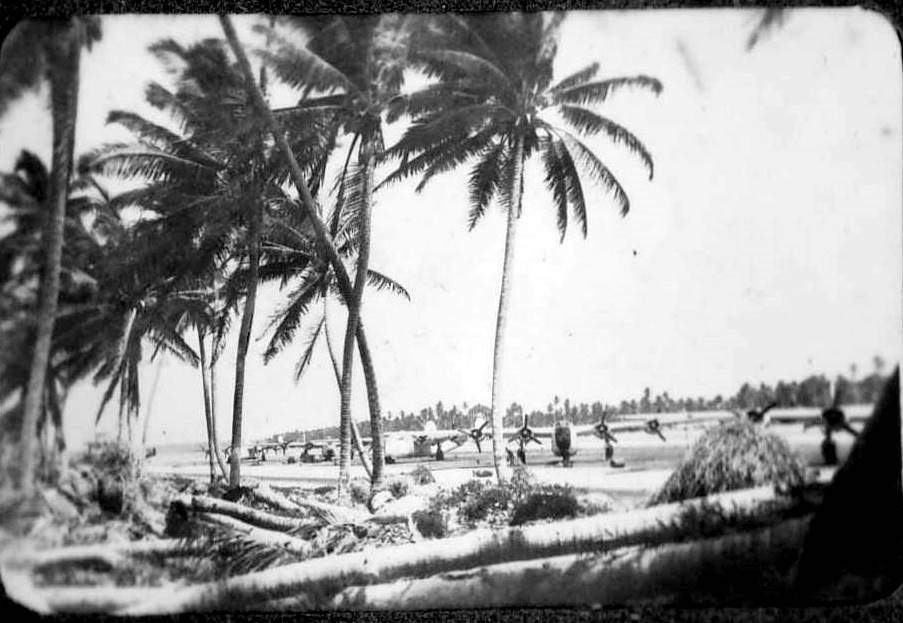
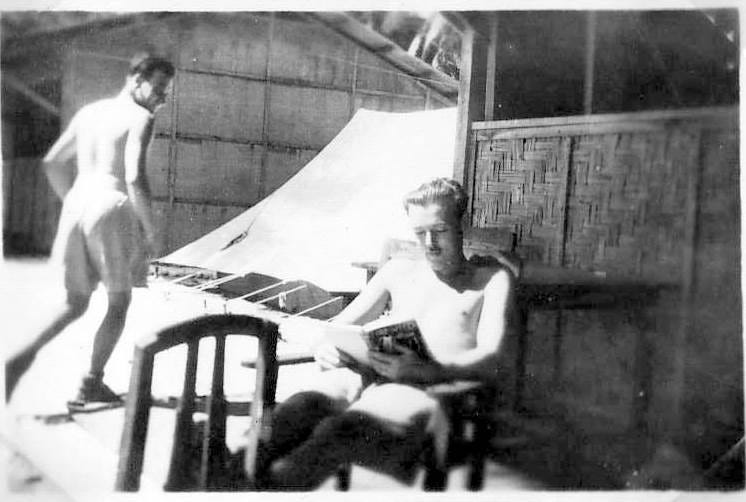
They pressed on south, imagining Antarctica might be the next landfall. Then one morning, on the empty horizon, the tops of coconut palms rose from the sea like a mirage. They had reached the Cocos Islands, the British military’s staging post between Ceylon and Australia. The first aircraft to arrive were Spitfires that Douglas helped to unpack in a hurry to ready them for air defence. He then focussed his time on the maintenance and refuelling of aircraft passing through … and honing his skills as a Bridge player.
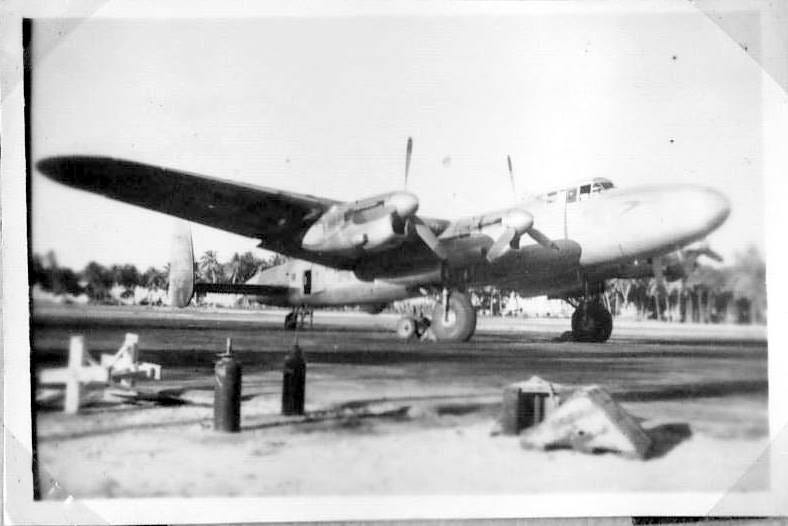
Douglas would recount tales of how bomber pilots always meticulously checked their aircraft before taking off. Fighter pilots, by contrast, would simply jump into the cockpit like a racing car driver and expect everything to work. Bomber crews, he noted, were often men with engineering backgrounds, inclined to trust their own inspections, while fighter pilots, trained to scramble at a moment’s notice, had little choice but to rely on the ground crews who kept their machines ready.
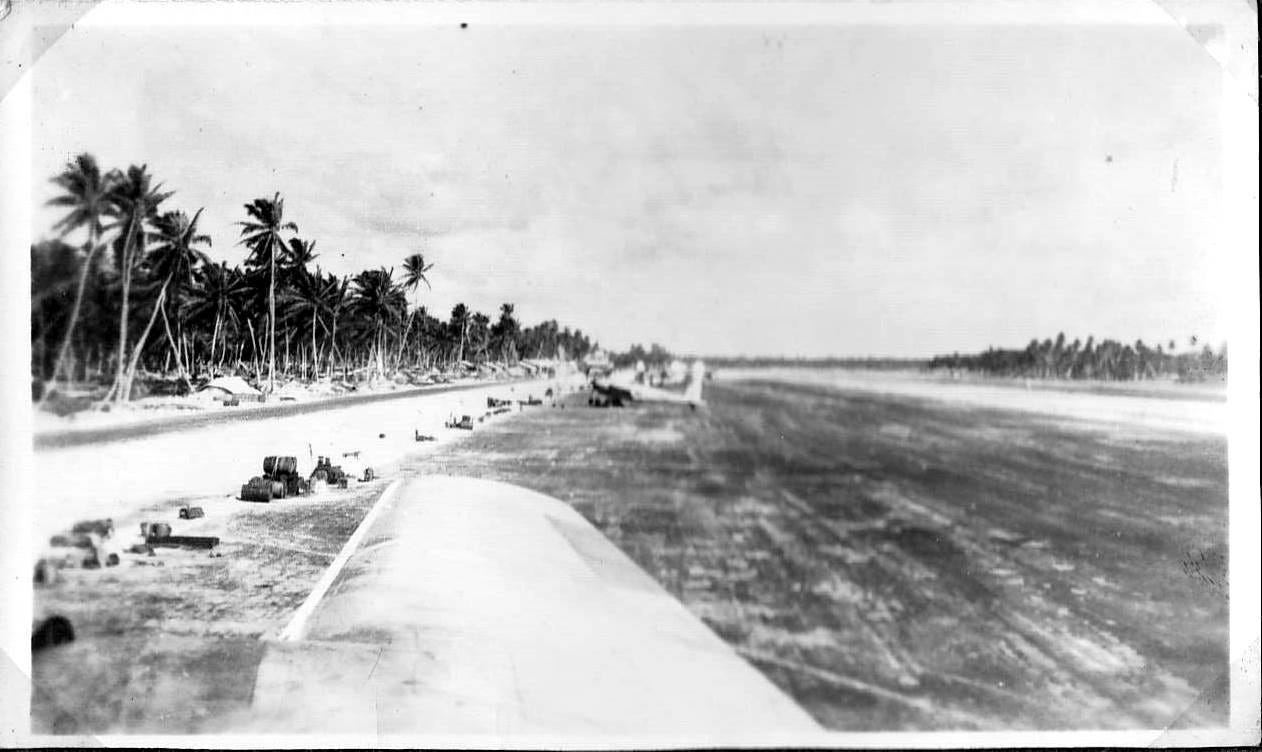
Douglas served in the Pacific until the dropping of two atomic bombs ended the war, triggering a scramble to bring troops home. Regular servicemen like Douglas had to retrace their steps back westwards and relieve departing colleagues, effectively holding the reins of a crumbling British Empire.
From the Pacific he sailed west to Bombay, then onward inland to be stationed at the Deolali transit camp, of “doolally” fame – a place legendary for its boredom and chaos, where the army’s humour was as necessary as its discipline.
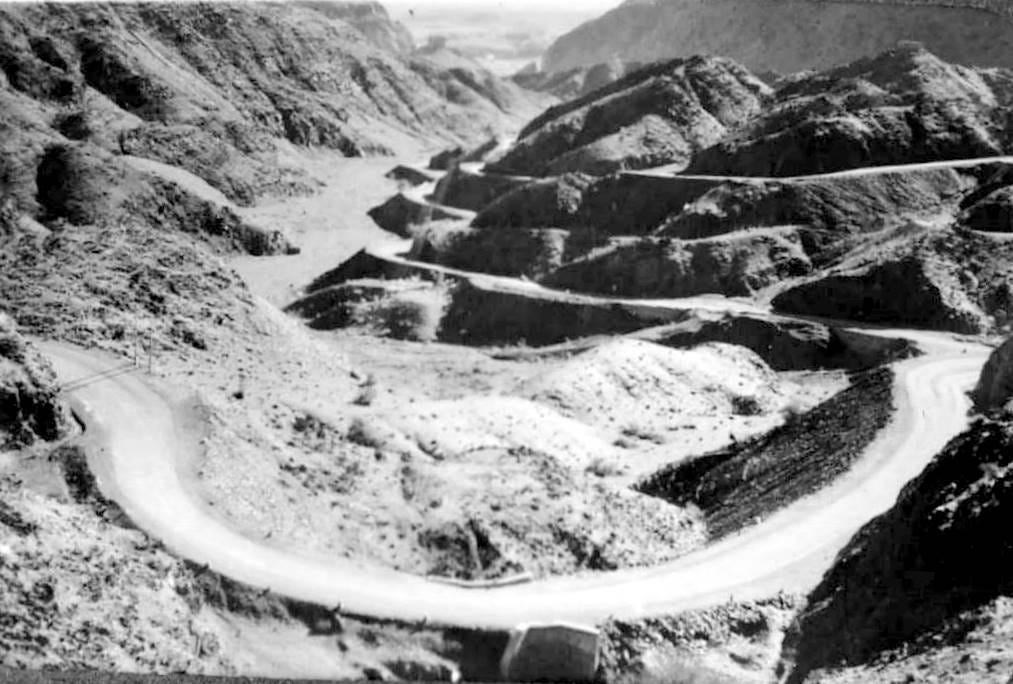
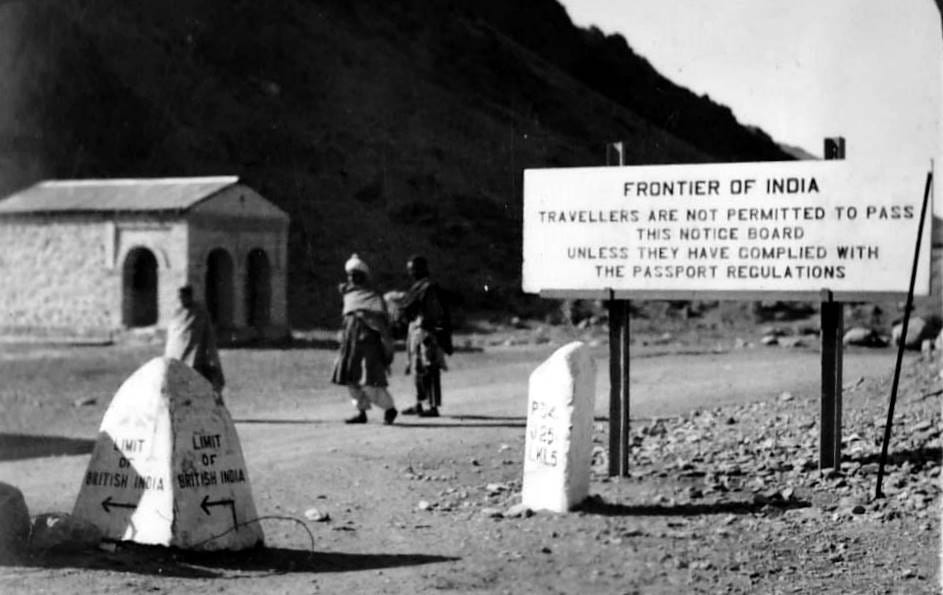
After Deolali, Douglas was posted to India’s north-west frontier where he remained during Partition, near Peshawar. There he trained pilots – men who would soon form the nucleus of Pakistan’s air force – in engineering. They were, he liked to say, “good pilots but bloomin’ awful engineers.”
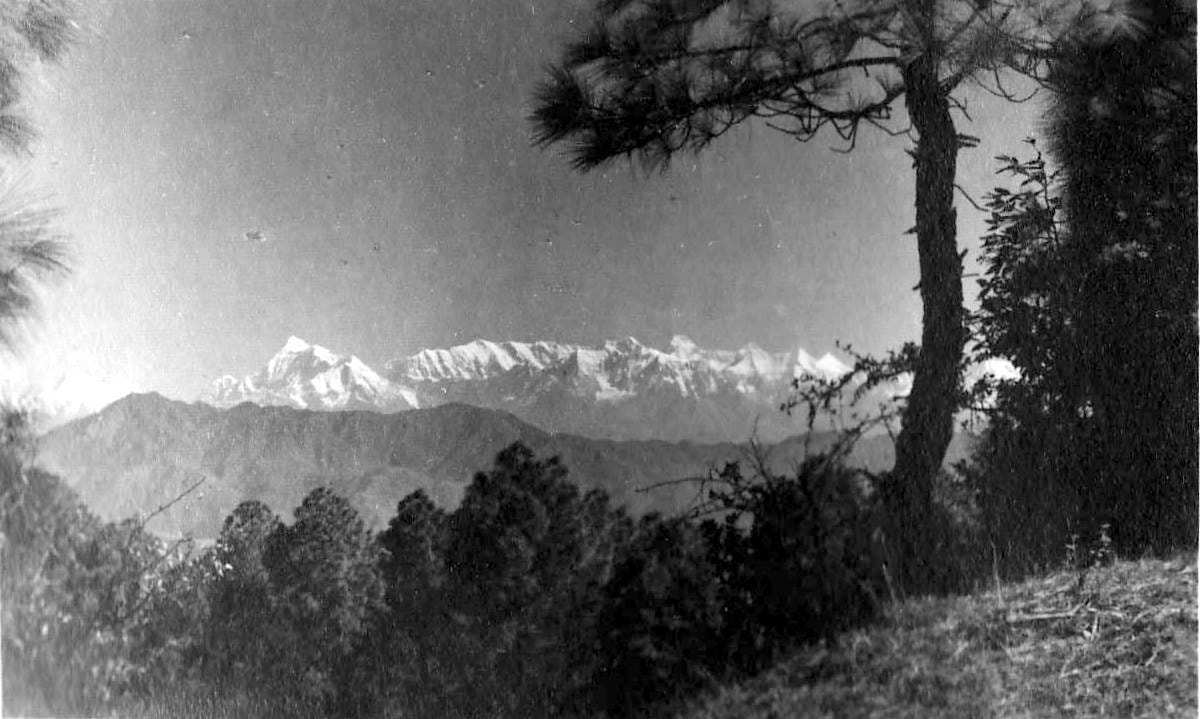
He described the place as utterly remote – at or near the Khyber Pass, as I remember being told – and reachable by flying over a mountain ridge before cutting the plane’s engine and dropping steeply into the landing strip below. As the aircraft descended in silence, local tribesmen would often take rifle potshots at them from the surrounding hillsides.
Douglas eventually left India in 1947 to be reunited with Doreen after years apart. They had a second son, Geoffrey, the following year, then my mother, Susan, in 1949. After a decade in which they all moved with Douglas’s postings in Germany, Cornwall and Ireland, they eventually settled back in Guernsey, where a fourth child – my aunty ‘Jin-Jan’ – completed the family.
Decades later in France, where he and Doreen spent their retirement summers, Douglas admitted feeling guilty about his war experience: “I had an easy war. Civilians had it a lot worse.”
He explained that recently qualified, very young servicemen were usually the ones sent overseas. He himself initially avoided this because his skills as a trained aircraft engineer were needed to instruct the influx of new conscripts.
Many of those he knew who went abroad, he said, never returned; and one who did come back, returned so deeply traumatised that he soon ended his life by walking into the spinning propeller of the aircraft he was working on.
One of my earliest memories is of my mother carrying me down an outdoor staircase from a small aeroplane at Guernsey airport. She handed me to a man in white overalls standing on the runway waiting to greet us. Guernsey is a small and friendly island, but it turned out that handing a visiting toddler to an aircraft engineer on the runway was not the customary reception.
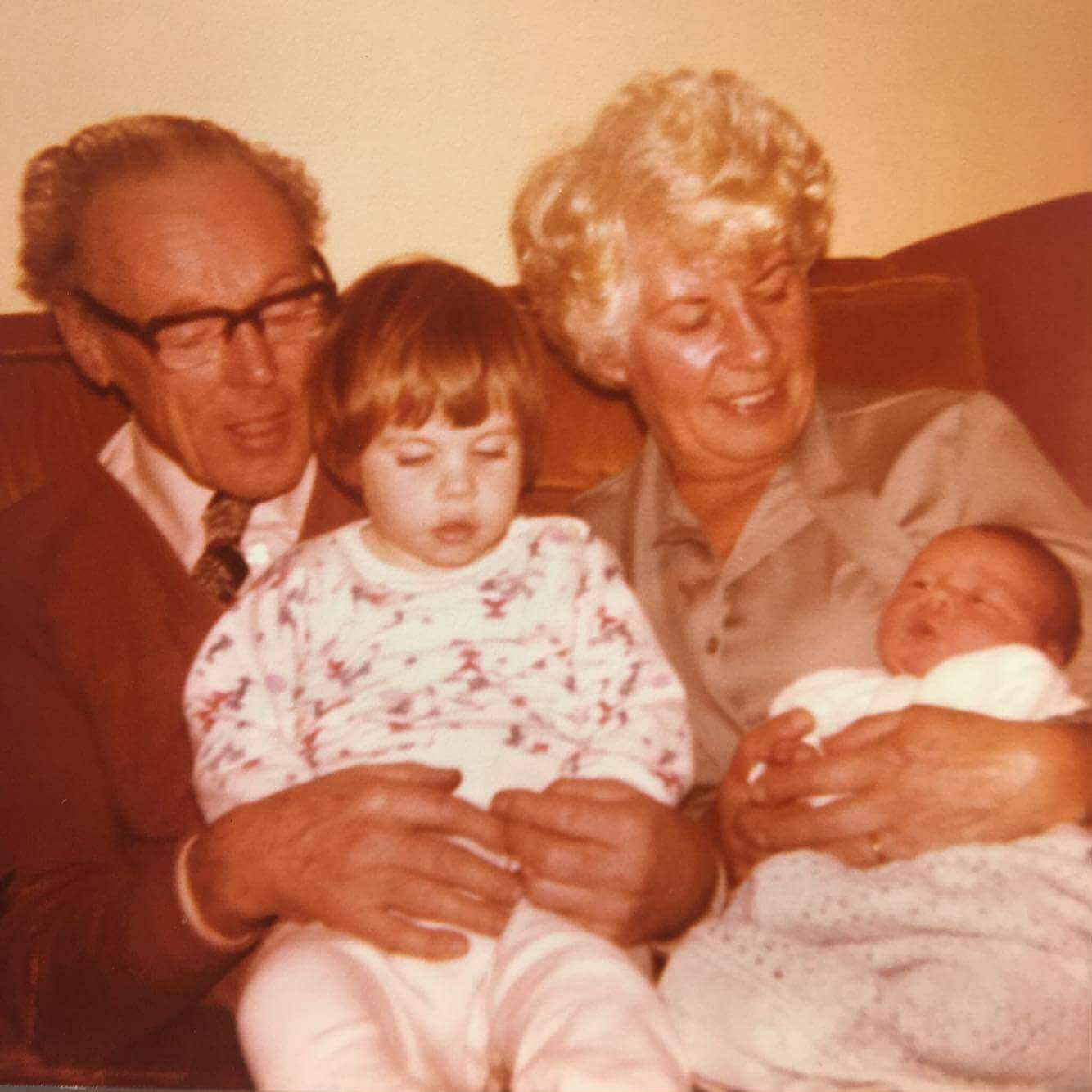
The man was my grandpa, his RAF service and globetrotting long since ended, seeing out his career in civil aviation at the same airport that had been his first war posting in 1939. He was about to swap aircraft engine maintenance for a retirement of Portuguese winters and Bretagne summers, with extended sojourns in Spain. He went on to achieve master status as a Bridge player and watch his offspring swell in number.
Douglas passed away in the summer of 2017, nine years after Doreen, having eventually returned once more to the little island that had “fallen off France and been picked up by England.” He was surrounded by his four children, had ten grandchildren and, at that time, nine great-grandchildren (now eleven, my son being the tenth). He was ninety-seven years old and, in our family, the last of his generation.
He set an example for us all to follow, in more ways than one, and I felt honoured to speak on behalf of the family at his funeral, held at Le Foulon Chapel in St Peter Port. I read the Ralph Waldo Emerson quote on “What is success?” and spoke of Grandpa’s love of Voltaire and poetry, reading Robert Burns’ Epitaph on my own Friend. I concluded my remarks by quoting Shakespeare, with Hamlet’s words to Horatio:
“He was a man, take him for all in all, I shall not look upon his like again.”
As I reflected on his life while preparing for the funeral, I was struck by how Grandpa had been present at some of the 20th century’s major events. It was an observation he was too modest to make himself, despite all the captivating stories of his wartime experiences.
I wish I had sat down with him to flesh out his anecdotes; I wish I had turned my hand to writing seriously whilst he was still alive. Uncle Geoff and cousin Nathan made some wonderful audio recordings with him to capture his stories, but didn’t get everything.
In the years since, I’ve often returned to this train of thought, grappling with a deep sense of regret at not recording these stories sooner: before I started writing, before the details faded, before the storyteller himself was gone.
“Stuck in Marseille” - Douglas in his own words (pictured with joint ground & aircrew + Blenheim bomber)
One conclusion I’ve drawn is that those times of great challenge and existential threat in the last century required an incredible degree of solidarity and unity of purpose that is once again much needed, but seems to be lacking in our societies right now.
We talk about Douglas and Doreen’s generation being the greatest, and I certainly subscribe to that view. However, we tend to emphasise the extraordinary bravery and resilience shown by so many during that dark chapter of modern history. Whilst courage and fortitude were undoubtedly evident, they were made possible through the incredible sense of shared purpose during that time; and surely that is the crucial factor which sets the wartime generation apart from others. They understood that they needed to pull together.
It is the example I draw inspiration from, coupled with a desire to go further, beyond shared purpose to true social cohesion. I write Gridlocked because I want to see a more equitable world; one that operates sustainably, so future generations can inherit viable societies on a liveable planet. That might sound idealistic. But in a time of accelerating climate breakdown, rising inequality and deep social division, it increasingly feels like a necessary ambition. That’s without even considering the current geopolitical outlook.
We have extraordinary knowledge, expertise and technology at our disposal.
So why do we seem unable to make the breakthroughs we need? Gridlocked is my ongoing attempt to explore that question, searching for ways through the deadlock that defines so much of contemporary life.
Overcoming the challenges of the last century – and those of the centuries before, even in pre-industrial times – often depended on the quiet ingenuity of engineers like my grandpa to break through societal impasses with innovative solutions. It is the systems and mechanisms designed and maintained by engineers that enable the realisation of big ideas.
Now, a quarter of the way through the 21st century, as we face challenges as great as those encountered in my grandparents’ youth, perhaps it is once again to the engineers that we should look for solutions.
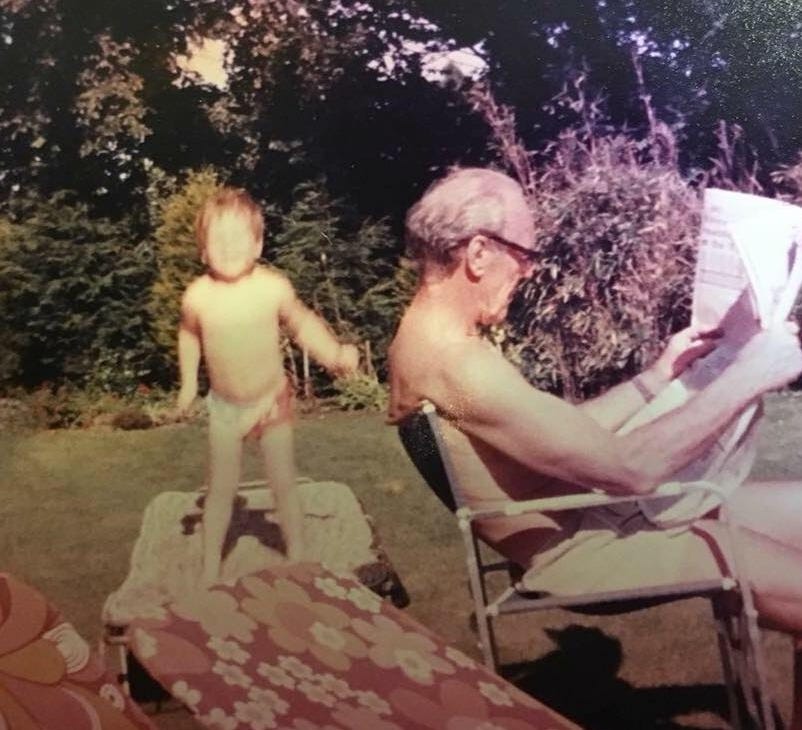
So, blessed are the engineers, for they will enable us to inherit the earth. And while we may not have recorded all of the stories of my family’s beloved engineer, they live on in the fragments we carry and share whenever we come together. They have taken on a ritualistic quality. We’ve all heard them before, yet delight in telling them over again – with added gusto when a younger member of the clan is present to hear it for the first time.
These exchanges act as a kind of informal verification, sometimes prompting long-forgotten anecdotes, which my uncle Geoff can usually be relied upon to retrieve. As he recalls, “I remember Dad saying how low he felt after Dunkirk, like so many others across the country. Then came Churchill’s speeches, which he said inspired him and made him believe we could win the war after all.”
Today, there is no Churchill. Our societies are too divided for inspiration to arrive – and be accepted – in the form of a single voice, broadcast to a populace holding its breath. Instead, we are left to seek it out for ourselves.
I have come to realise that I draw much of mine from my grandfather’s example. When I was young, I felt faintly embarrassed by my clunky name and avoided using it in full. I still don’t. But over time, embarrassment has given way to quiet pride: Nicholas Daniel Douglas O’Hara. Indeed, there is a story behind each name. So far, only Jasper, my cousin Carmen’s youngest son, and I carry Douglas’s name. My son was supposed to have it too; but that’s a story for another time.
As I think back on Grandpa’s life, I think of an intellect that was both grounded and theoretical. I think of his quiet competence, his patience, his belief that problems existed to be solved. It leads me to wonder whether what we miss most from his generation is neither bravery nor grand vision, but something simpler: common purpose and the humility to get on with the work. It was enough, for him, to keep the engines running.
I still look for him each time I disembark from an aeroplane.
- with thanks to my uncle, Geoffrey Child, for his review and input.
O Magnum Mysterium
·
Mar 24
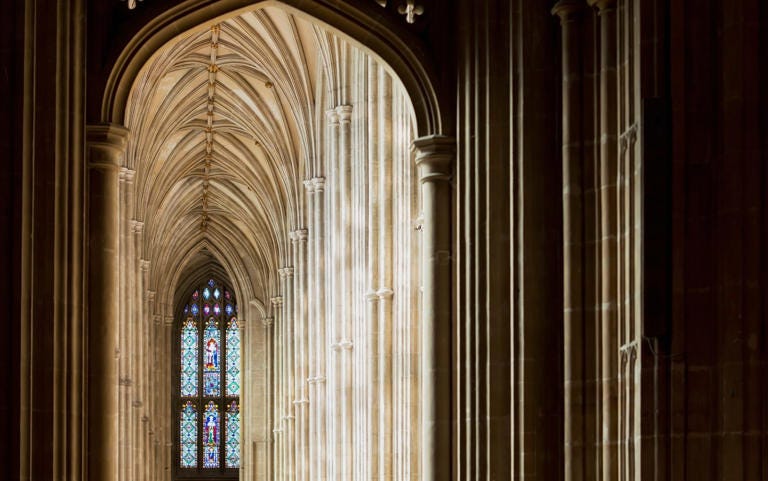
I remember the moment of realisation that my life was plunging into darkness.
Nightswimming
·
March 25, 2025

My arms make arcing breaststrokes in tepid turquoise water, slicing through its smooth thickness which envelops my skin like silk. I bob down 15 feet or so to the seabed, where the water turns darker blue, cold, invigorating. I pinch my nose as I twist my body to look upwards at the light above. As a child I feared the salt stingi…
The Right to Bed-Stuy
·
April 3, 2025
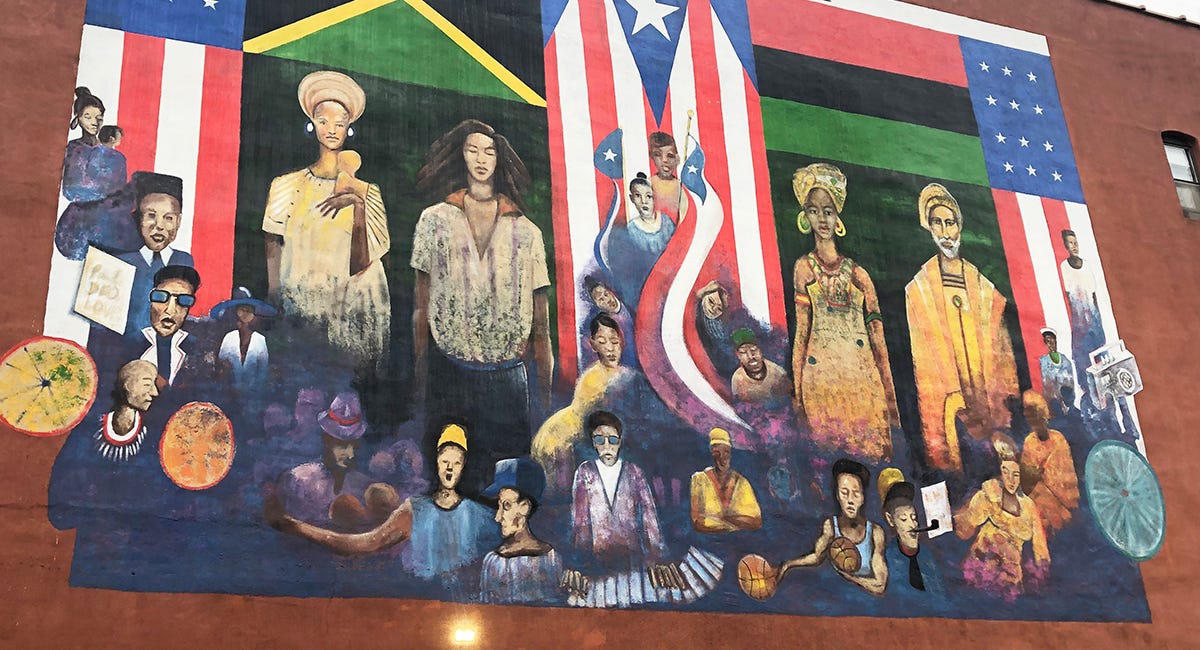
It’s an unseasonably hot autumn day, about 25 degrees Celsius. I turn from Franklin Avenue onto Hancock Street, hugged tight by imposing four-storey Italianate brownstone terraces that frame each side of the road. Stoops worn smooth by decades of hard footsteps on soft sandstone seem to whisper secrets from a storied …
Thanks for reading Gridlocked! This post is public so feel free to share it.
No posts
Comments
Nothing yet. Say the first thing.
Sign in to join the conversation.