

In many ways, we can see that mainstream education functions like the totalitarian system in George Orwell’s 1984, using early childhood indoctrination to enforce belief in a spherical, orbiting Earth (“The Globe Cult”) under the banner of “science.”

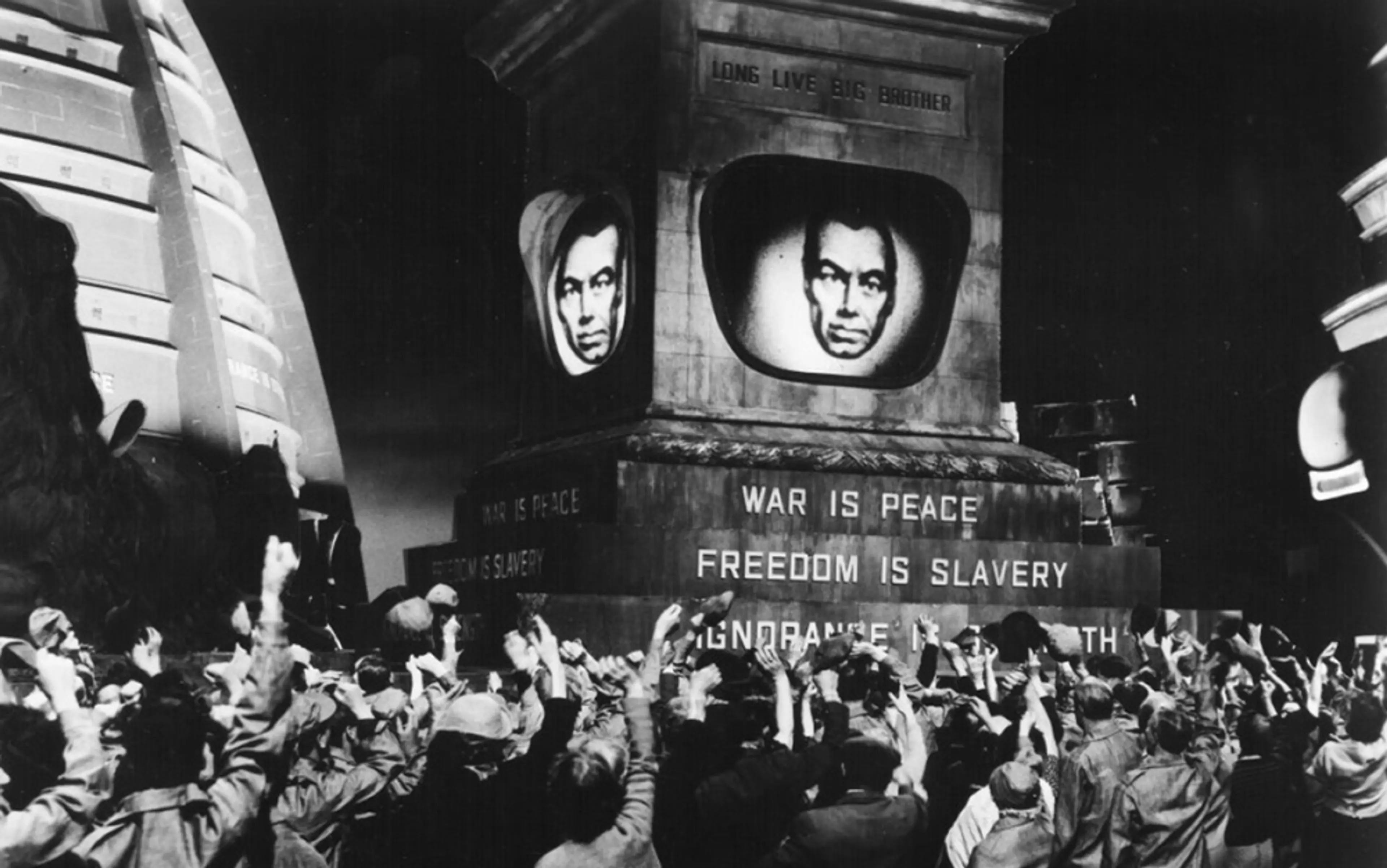
George Orwell’s depiction of The Party controlling language, history, and the minds of children from the earliest age can be applied to modern schooling and popular science. Children are taught the globe model as unquestionable fact, long before they can critically examine evidence, through globes in classrooms, textbooks, cartoons, planetarium shows, and repeated assertions that “everyone knows” Earth is a sphere spinning through space. The phrase “start them young” is invoked to describe this process as deliberate conditioning rather than neutral education. Once the model is internalized as common sense, later questioning is framed as ignorance or conspiracy thinking, much as the Party in 1984 makes dissent unthinkable through Newspeak and Doublethink.
In This View:
· “Scientism” (the elevation of institutional science into an authority that cannot be challenged) replaces open inquiry with dogma.

· Agencies, media, and educational systems act as modern equivalents of the Party, suppressing alternative observations (alleged lack of measurable curvature, inconsistent horizon behavior, or anomalies in flight paths and photographs) by labeling them fringe.
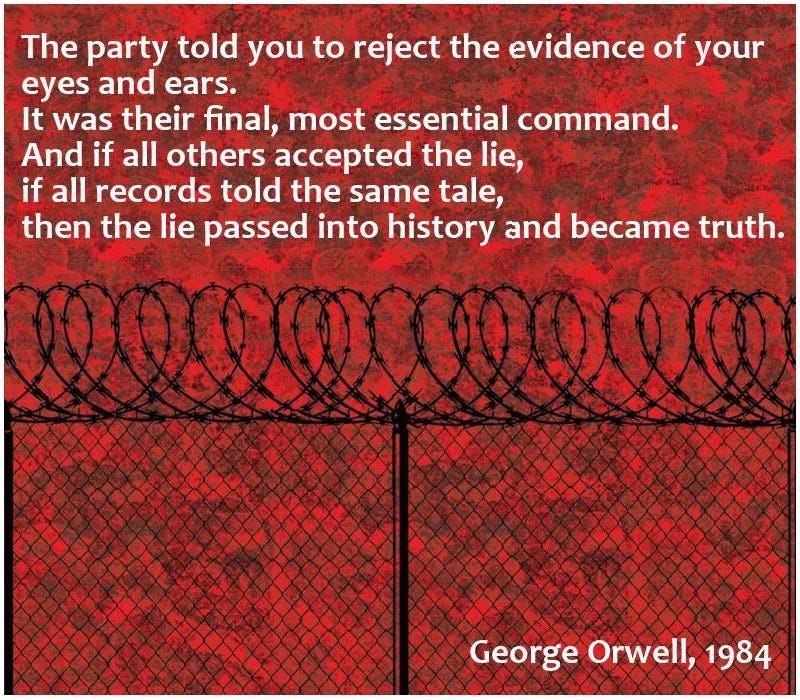
· The globe model is maintained not by decisive empirical proof accessible to ordinary people, but by early repetition, social pressure, and appeals to authority—exactly the mechanisms Orwell warned against.
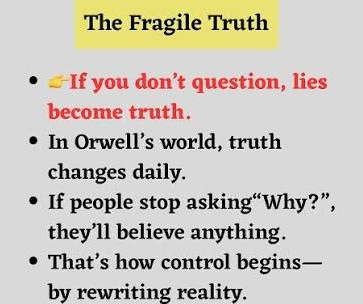

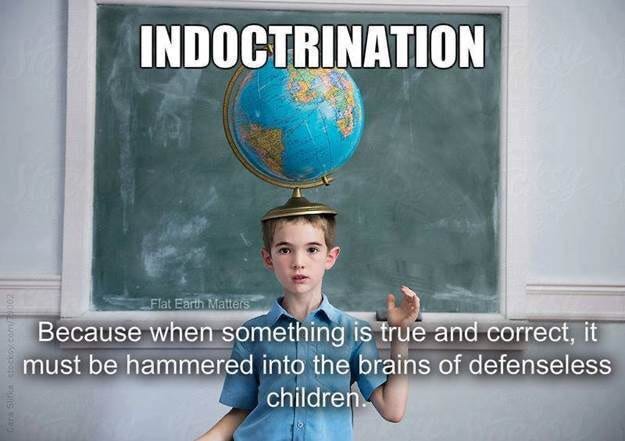
The Heliocentric indoctrination of children exploits their vulnerability and uses tactics like repetition, emotional manipulation, and restriction of information to compel them to accept certain ideologies without critical thought. Unlike education, which encourages critical thinking, Heliocentric indoctrination bypasses rationality and fosters unquestioning acceptance in defenseless children, which can prevent a child from developing their own perspective. The process can occur in various settings, including homes, schools, and religious institutions.
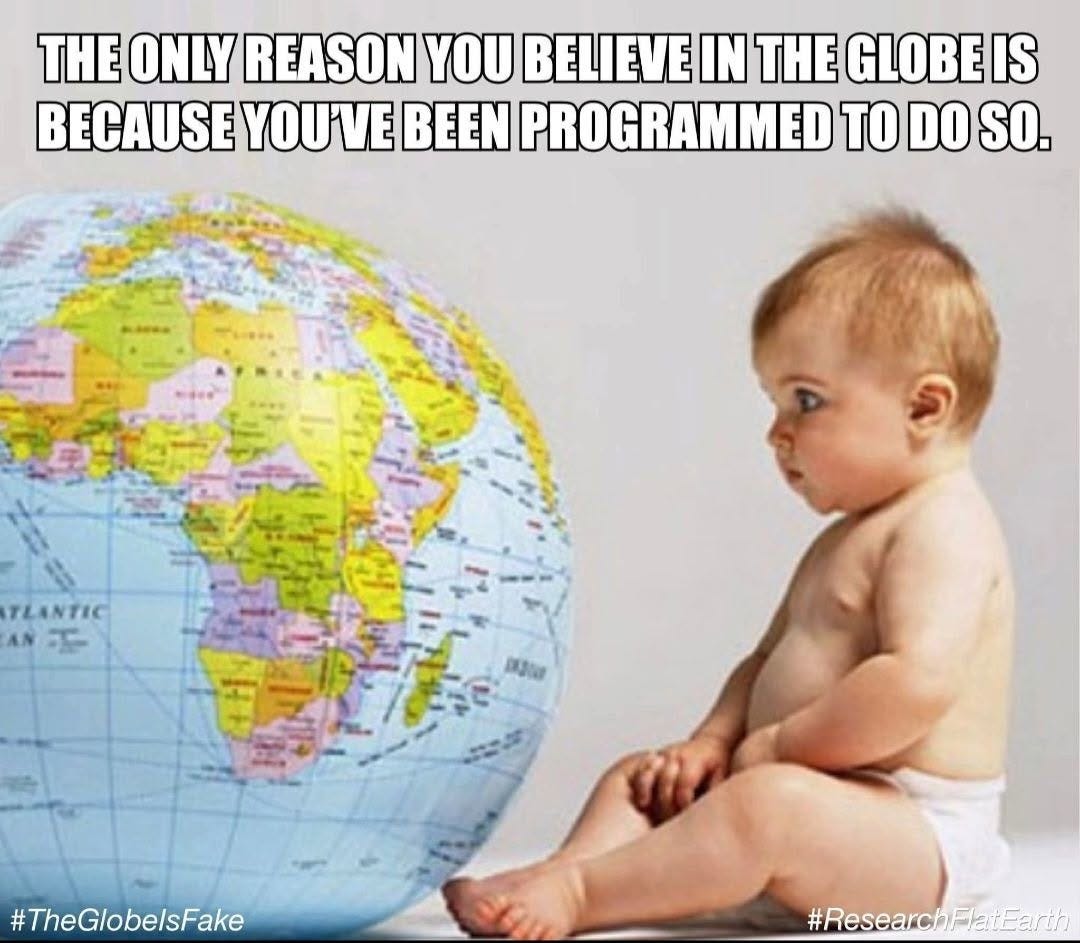

Key Mechanisms of Indoctrination:
Targeting Psychological Vulnerabilities: Indoctrinators use a child’s natural need for connection and safety to foster an “us vs. them” mindset. This creates an in-group that is perceived as safe and a dangerous or vilified out-group.
Restriction and Manipulation of Information: Children are not exposed to alternative or competing viewpoints, which reinforces the core beliefs of the dominant narrative. Over time, constant exposure to the same message creates the illusion that these beliefs are self-evident truths.
Repetition and Rituals: Using rote learning, repetition, and ritualistic behaviors, an ideology is ingrained into a child’s mind. The absence of critical analysis means the child does not have the tools to question or challenge the beliefs.
Emotional Manipulation: Indoctrination often uses powerful emotions like fear, anger, or guilt to motivate compliance. Threats can also be a form of punishment to enforce conformity.
Socialization and Group Pressure: Being immersed in a culture where a particular worldview is shared by the majority makes it more likely for an individual to embrace that way of thinking. Social incentives, such as rewards for compliance and ostracism for dissent, reinforce this.
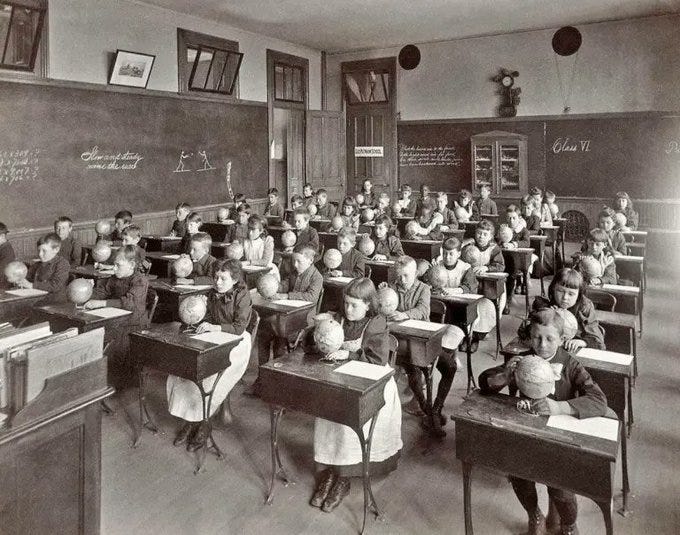
Harmful Effects on Children:
Suppression of Critical Thinking: Indoctrination actively discourages doubt and independent thought. This suppression can hinder a child’s natural curiosity and stunt their mental and emotional development.
Fractured Sense of Identity: Indoctrinated children may be pressured to reject aspects of their former identity or heritage that conflict with the new narrative. Their sense of worth can become tied to conforming, which can lead to a fractured sense of self.
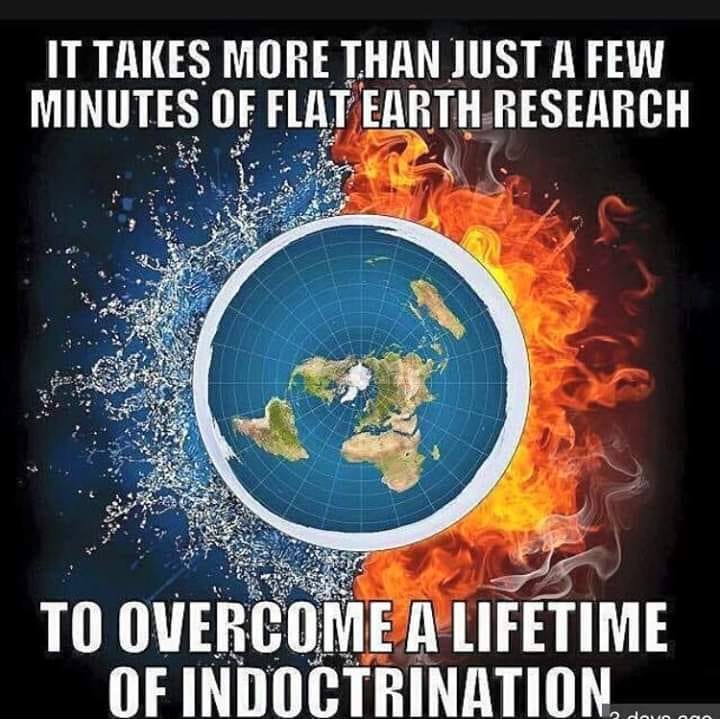
Long-Term Psychological Trauma: The constant fear, guilt, and emotional manipulation used in indoctrination can lead to lasting psychological trauma, such as anxiety, nightmares, and post-traumatic stress disorder (PTSD).
Isolation From Outsiders: By creating a division between “us” and “them,” indoctrination promotes distrust of anyone outside the group. This can lead to the isolation of the child from friends and family members who do not share the group’s beliefs.
Perpetuation of Abuse: As is common with other forms of abuse, children who are indoctrinated are more likely to become indoctrinators themselves later in life, creating a self-perpetuating cycle of harm.

Comments
Nothing yet. Say the first thing.
Sign in to join the conversation.