
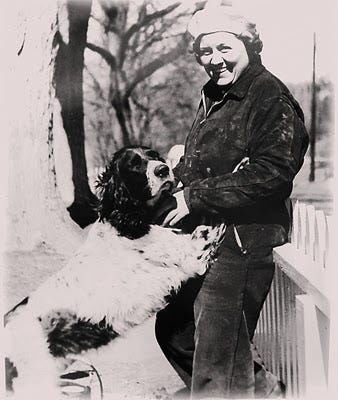
I went down a very pleasant (for a change!) rabbit hole in 2025—the works of author Gladys Taber.
I “discovered” Gladys’s work during a time last year when I was having a lot of sadness and frustration about not being able to garden how I longed to. It was almost summer, and we were getting our Colorado Springs home ready for sale. I had not allowed myself to plant even my “can’t live without them” heirloom tomatoes. Instead, I weeded and maintained what lived in the home landscape and only allowed myself one new project/extravagance: a standing herb planter. I placed it near the back kitchen door and filled it with the culinary herbs I hoped would entice a prospective homebuyer: parsley, sage, rosemary, and thyme (a la Scarborough Fair), along with chives, French tarragon, spicy oregano—and chocolate mint for funzies.
But none of it felt “funzie.” The little herb garden made me feel more deprived!
As summer wore on, buyers remained scarce, and the drudgery of keeping the house show-ready wore on me. I began to wonder: How in the world can I transcend city living without gardening?
I came up with trying to escape through books. Ideally, I would find a book that showed the life I hankered for. I googled “country living memoirs,” and the name Gladys Taber came up. I had never heard of her.
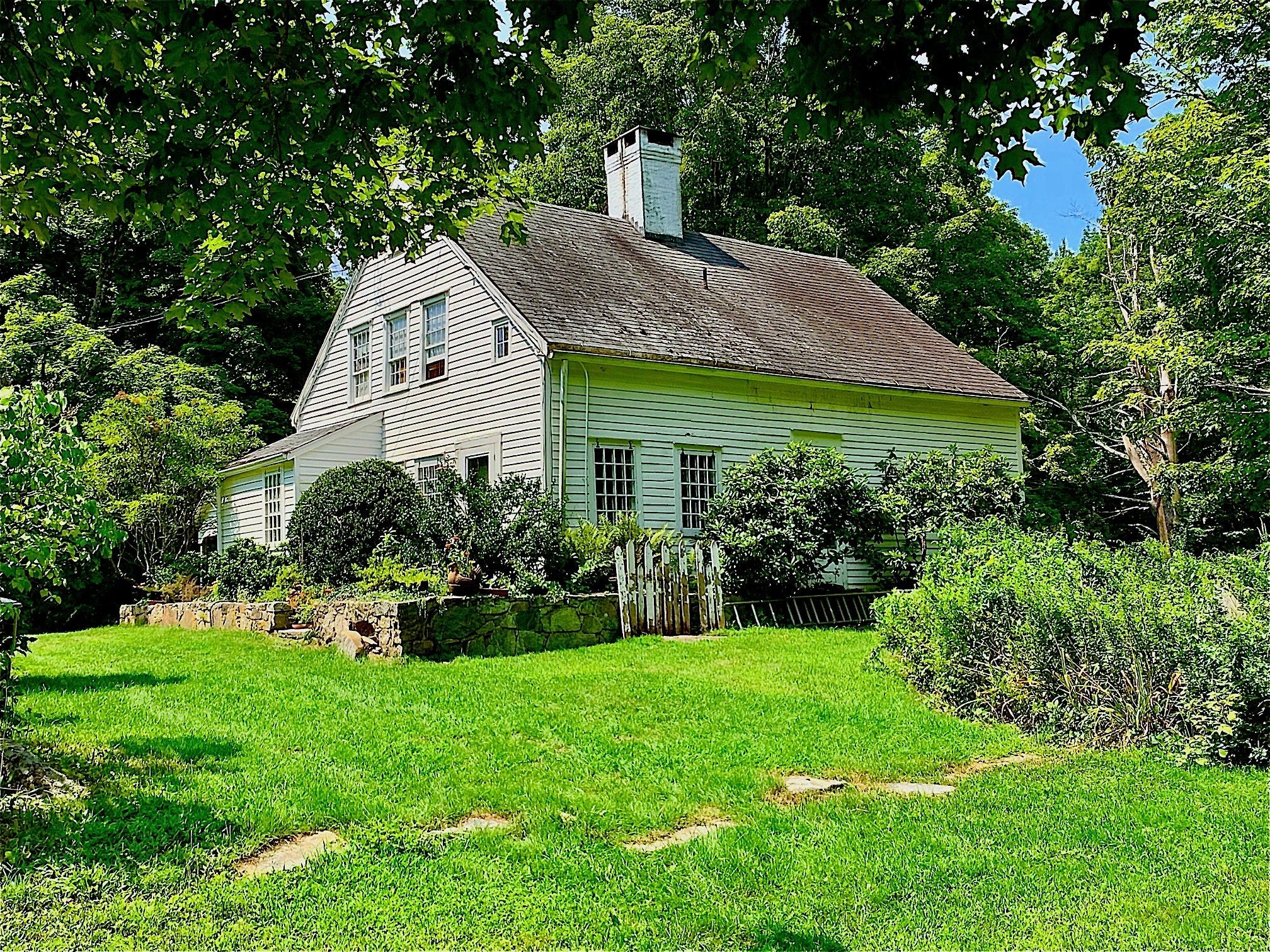
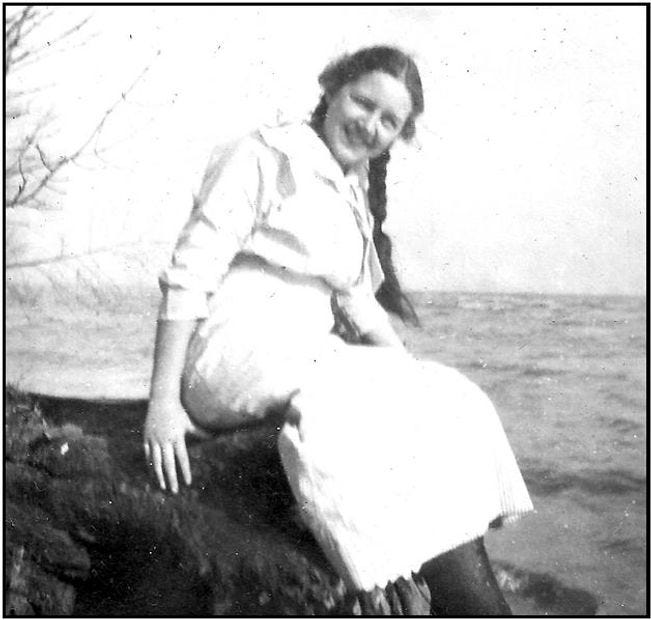
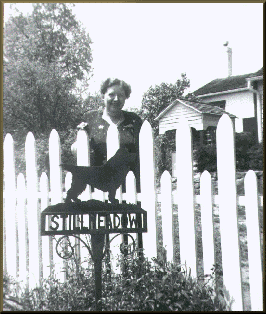
A little research revealed that she was a pretty big deal from the 1940s through the 1960s. Highly prolific, she published almost 60 books, fiction and nonfiction, and wrote columns like “Diary of Domesticity” and “Butternut Wisdom” for national women’s magazines. She also wrote hundreds of articles for newspapers and magazines. Most of her work was about her life at Stillmeadow, her rural Connecticut 1690 Colonial home.
I learned Taber was born in Colorado Springs, Colorado in 1899. I took that as a “sign.”
I also learned that all her books were out of print, so I requested an interlibrary loan for her first one, published in 1940: Harvest at Stillmeadow.
The book came in with no jacket and smelling musty. The pages were yellowed and brittle. What shocked and charmed me was that almost every single page of this book was dog-eared.
Dog-eared to the extent that over a dozen of the page corners were missing!
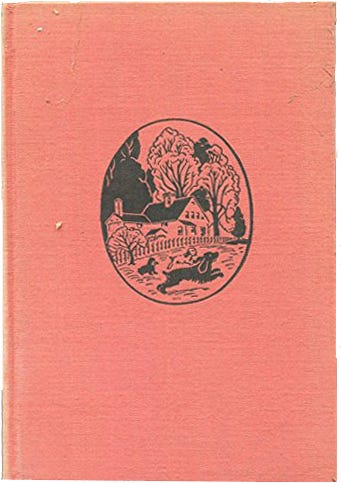
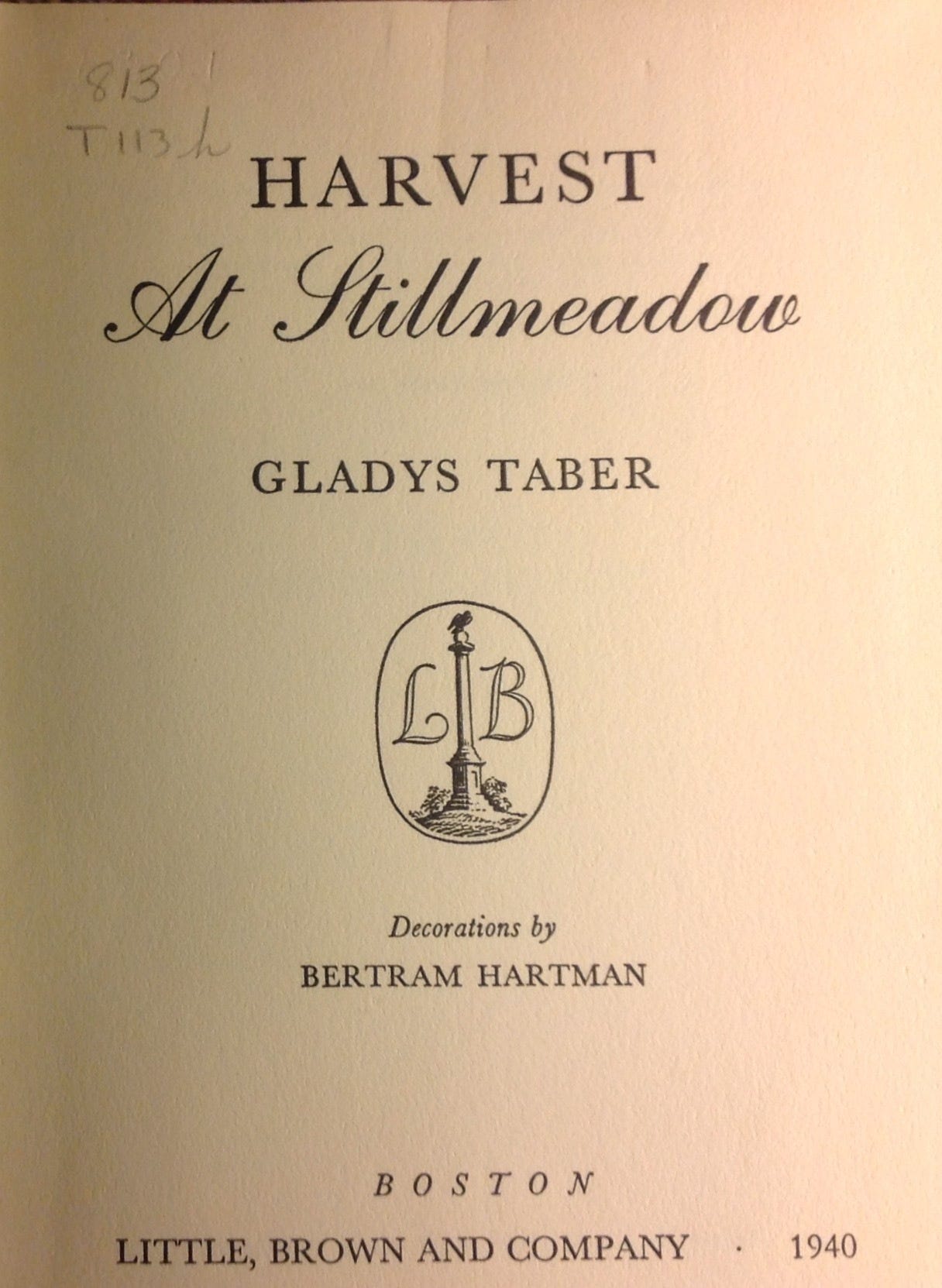
Those dog-eared corners told me the book had been well loved over the last 86 years. Scores of readers had been unable to resist marking pages that contained a helpful gardening tip, a passage that made them laugh, or a recipe they hoped to try.
I imagined women reading the book only to be interrupted by a child, a friend, or a task. So down went the corner of the page, a simple placeholder until they could return. Because so many of the turned corners appeared on recipe pages, I liked to think those dishes were eventually made.
I LOVED this book! It was full of humor and heart and a generosity of spirit that is a rare in books published today. It shared the lives of a married couple (Gladys and her husband), their daughter, and their widowed friend and her two children, all living together part-time in a Colonial-era house on 40 acres. The adults had jobs in New York City. The women decided to buy the country house during last years of the Great Depression as an escape from the city as well as a place where their children could fully enjoy country life. They also dreamed of saving money by growing their own food.
The affordable house was affordable because it was semi-dilapidated, so they wound up spending their weekends, summer, and holidays working on fixing it up. Meanwhile, their city friends imagined they were enjoying their time “relaxing” in the country. This becomes one of the running jokes—renovating a home on a shoestring, maintaining acreage, growing food, and raising kids and animals while often entertaining weekend guests from the city who think you are living the easy life (while you cook and clean for them) is the opposite of relaxing! The other running joke is their enterprise is saving them money. Maintaining two households makes that impossible.
Their country life was joyful, though, no doubt about it, and the joy came through page after page after page.
This book was everything I longed for.
I became very curious about Gladys Taber and her other books.
I learned that most of her work, like the first book, centered upon country living at Stillmeadow. In them, she revels in the changing seasons and the antics of her beloved dogs, the people she loves, her community, and the domestic arts. She depicts life as mostly sunny, and while modern jaded readers will wonder about what she’s leaving out (I did and do), it’s refreshing that she focuses on the good. In fact, it’s a reality check we all need—life is a gift. There is beauty everywhere. Gratitude is everything.
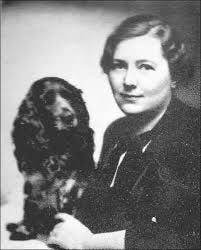
The reader sees that Taber loves to cook and to nourish others. She welcomes friends and soon-to-be-friends to her home. She focuses on generosity and the wonders of nature. During her long career, Taber also wrote books on cooking and floral arrangements and raising dogs (she was a well-known breeder of champion Cocker Spaniels) and in her later years, she wrote about her second home at Cape Cod. I found her fictional work, her novels, and her short stories as interesting and enjoyable, good-humored, and skillfully crafted as her memoirs.
Much of what Taber writes about connects to life today, including a subject she was not afraid to touch upon—soul-destroying wars. Taber lived through two World Wars and wrote honestly about the experiences, about the spiritual, physical, and economical wrecking of mankind through war. She didn’t write about this subject extensively, but enough where readers knew exactly where she stood.

On a much lighter note, it was fascinating to visit those decades in our history (the 40s and 50s) from the subject of homemaking. During most of Gladys’s life, a much higher percentage of Americans were still living rurally (40–43%) and that meant that they were growing and canning a LOT of food. I found it funny when Gladys would get excited about a new mass-produced canned vegetable she could try! Like boiled potatoes! Flash frozen meals, which came a little later, were also evaluated. That kind of convenience was a blessing then, and used only when you were in a pinch. It was also therapeutic to imagine a time when deep freezers and gas and electric stoves were not common rurally. Taber used a wood burning stove for years and cooked in her fireplace sometimes. I found it all to be a much-needed vacation to a simpler, quieter time, when the food tasted better and was far more nourishing, when the stars in the night sky could be seen, and when neighbors instantly ran to help when there was trouble.
After reading that first book, I discovered the Friends of Gladys Taber group (FOGT) and immediately joined. There, I found a tribe of women readers who had the same experience I had. They loved being transported to country bliss and a simpler, though not easier, life. A life about living thoughtfully and in alignment with your values. This last year, two of them have sent me books! One was a woman who simply said she had duplicates to give away to members of the group, the second is my new pen pal, a teacher from St. Louis. These women love to give and share, like Gladys, and I treasure them.
And now, almost a year later, I’ve read at least a half-dozen of her books.
I know this for sure: this is an author whose work will resonate with me the rest of my life. This is a relationship worth having.
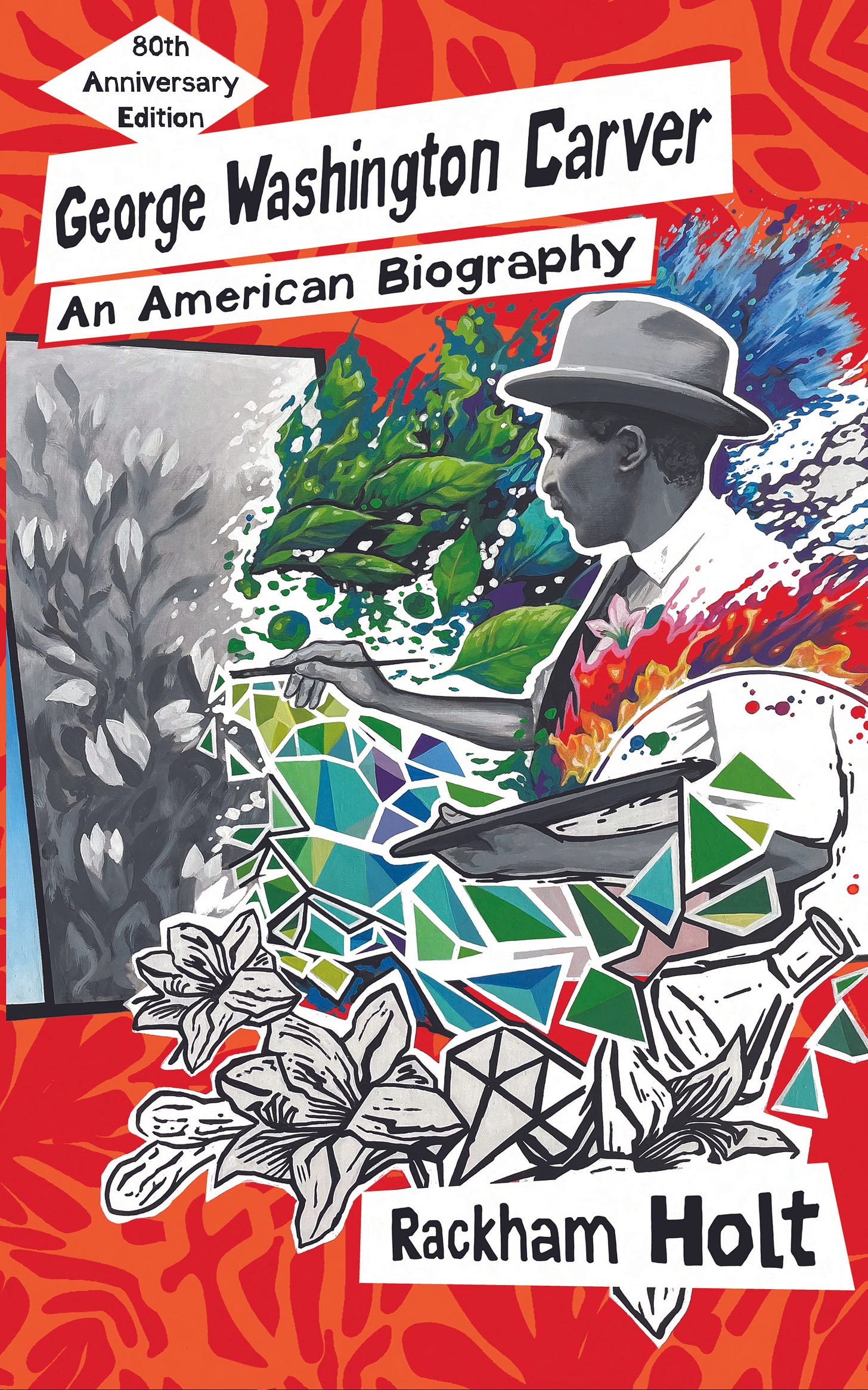
An extraordinary book about one of my favorite regenerative farmers!
Available in print, e-book, and audiobook.
No posts
Comments
Nothing yet. Say the first thing.
Sign in to join the conversation.