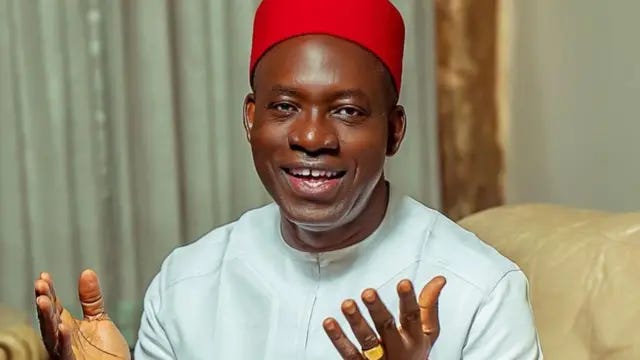
Anambra Wants to Turn Erosion and Waste into a Green Economy.
This trend is a good sign. However, we should not judge new state climate plans by their number of pages, but by how practical they are.

The Newsletter of GreenConomy Africa, curated to mainstream ideas, capital, and markets for Africa's Green Economy.
Live Last read · last published · next check
This trend is a good sign. However, we should not judge new state climate plans by their number of pages, but by how practical they are.
For a country looking to increase its EV fleet to 60%, the opportunity market definitely extends beyond selling cars
Giving loans is only the beginning. LAPO needs to answer whether the solar loans reduce household energy costs.
Nigeria cannot build a carbon market if companies do not have reliable records of their past emissions.
Nigeria’s climate finance discussion can’t just focus on government money, foreign donors, and development banks anymore.
The question is why are thousands of Nigerian companies buying expensive diesel separately instead of creating investable pools of power demand?
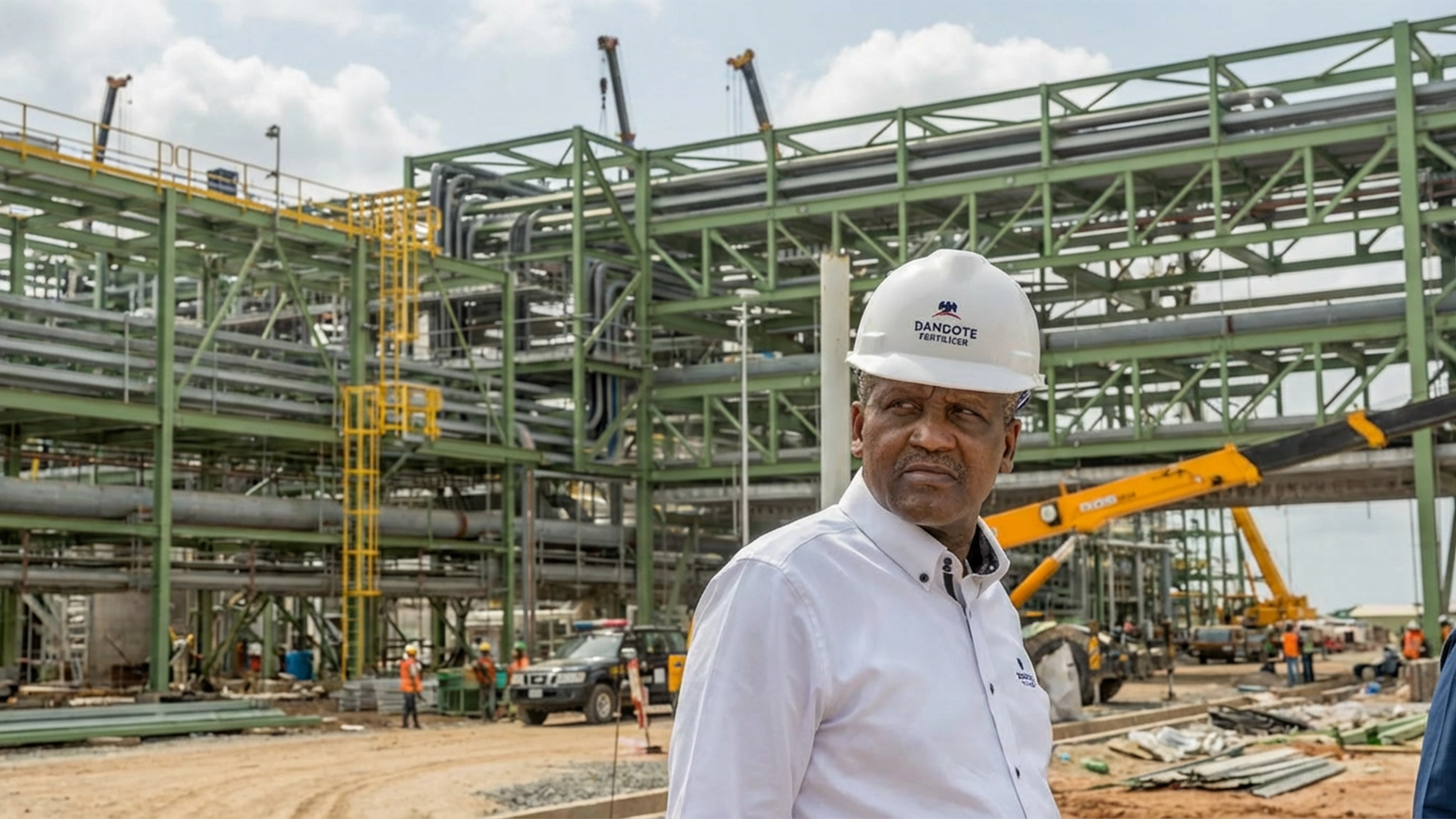
The refinery just showed us in the green economy how money behaves when it sees large and commercially organised projects.
A country where everyone solves public problems on their own might end up with attractive markets with weak systems.
Why politics, legacy business models, and soundbites must give way to concrete action