The perils of radical neoliberal centrism
The (post)fascists are marching.

A newsletter that interrogates our economic and financial systems, associated dynamics of power and politics, and their impacts on society and environment.
Live Last read · last published · next check
The (post)fascists are marching.
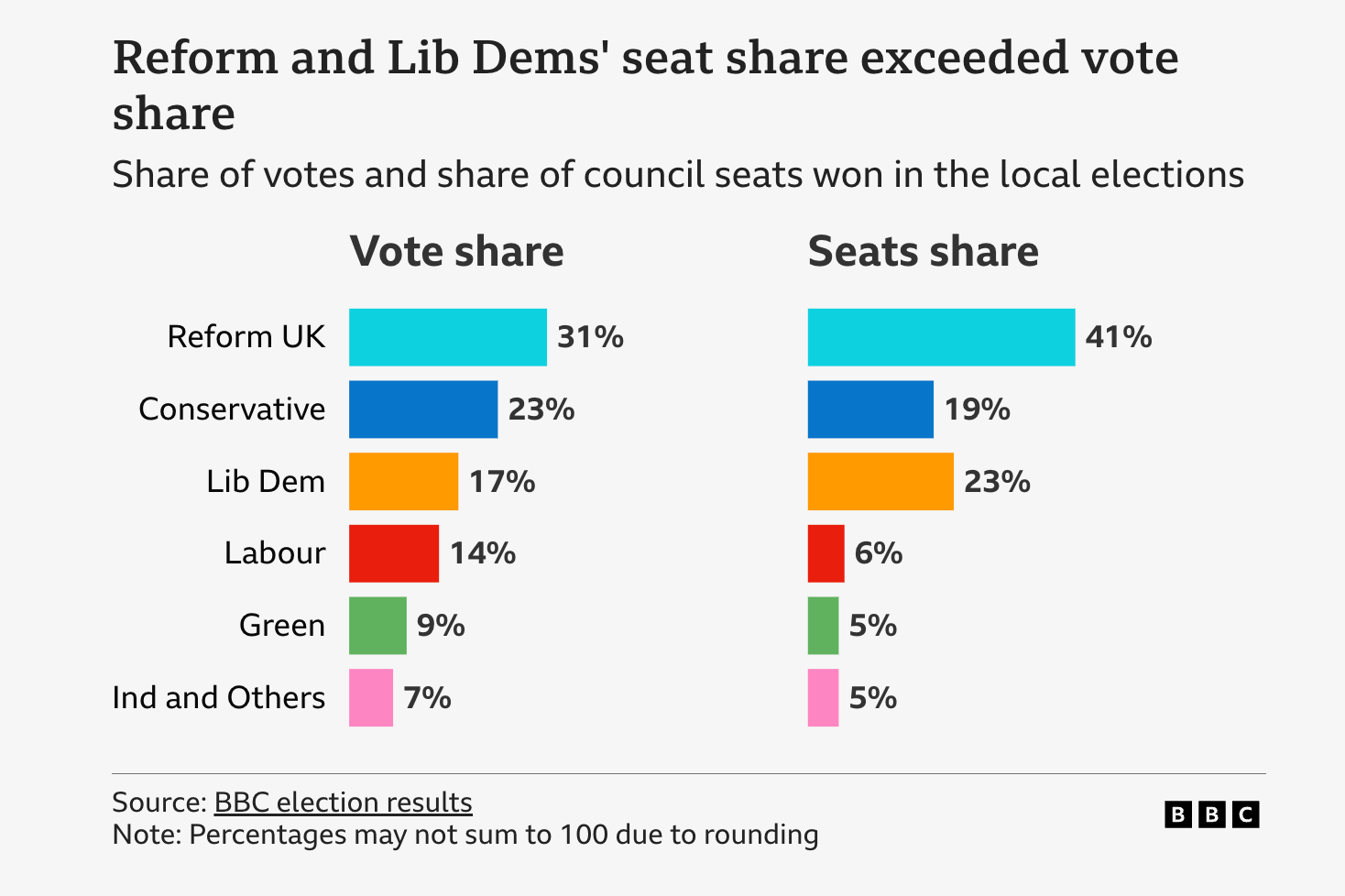
Over the last month, UK politics was hit by the bombshell of Reform winning the by-election in Runcorn, a supposed Labour safe seat, and sweeping up votes and council seats in the 23 elections taking place.
Expanding corporate power into the far-reaches of the US government, while attacking checks on power and silencing dissent
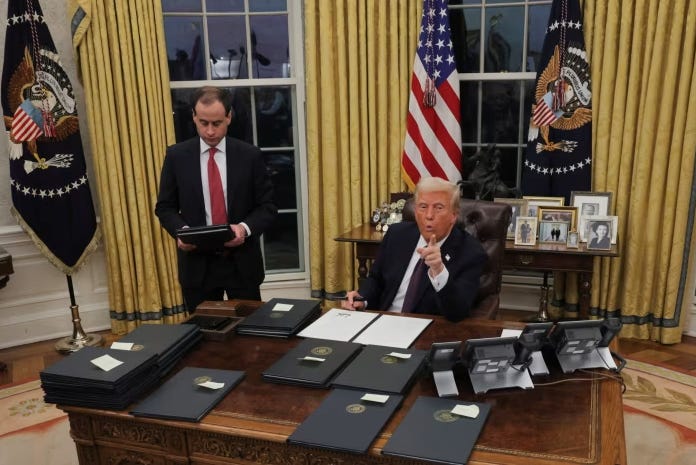
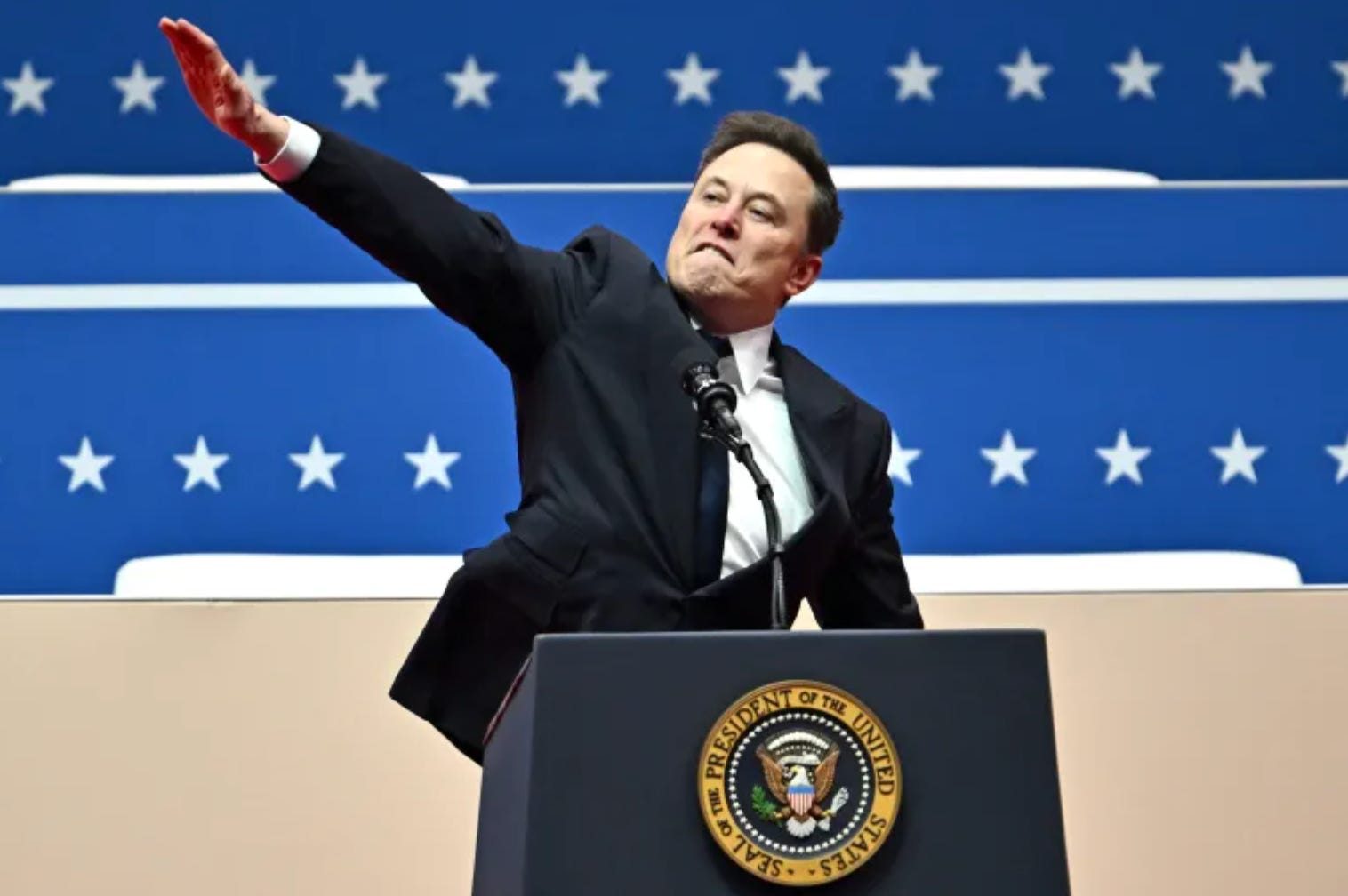
President Trump signed a slew of Executive Orders on day one after his inauguration. At the same time, Elon Musk, the multi-billionaire who bought his way into the White House, did multiple Nazi solutes while celebrating.
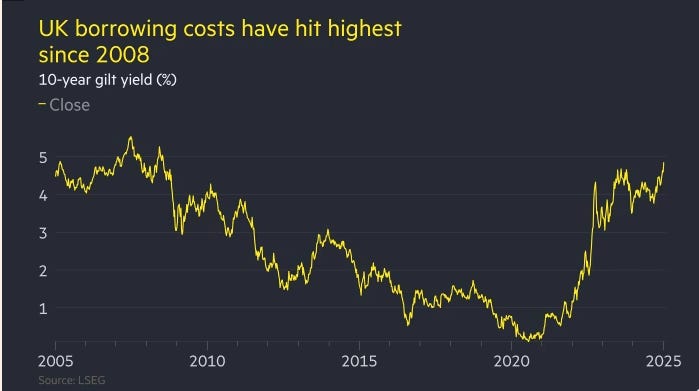
Global bond markets are experiencing a sell-off. According to the FT, high sovereign debt levels are leading investors to move away from government bonds, pushing the costs of borrowing (yields) higher. This is, reportedly, the power of ‘market discipline’ - that is, the ability of global markets to constrain sovereign state actions around monetary and fiscal policy - in action.
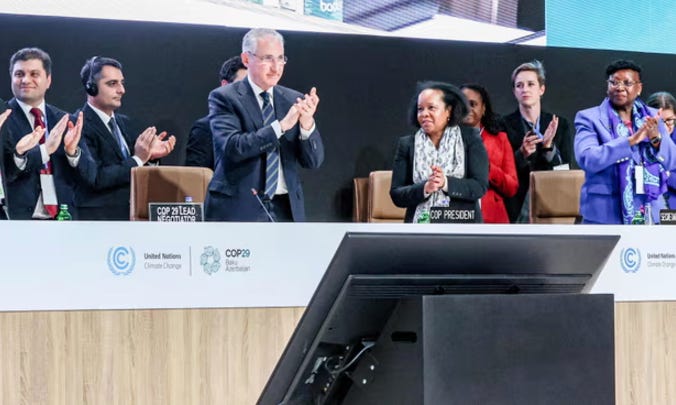
International climate politics is still reverberating from the effects of COP29 in Baku, where a new climate finance deal was at last agreed upon.
COP29 in Baku has ended. As if we needed another reminder, it reveals again the deeply challenging nature of modern climate politics under the poly-crisis of late capitalism, not least of all, for climate finance.
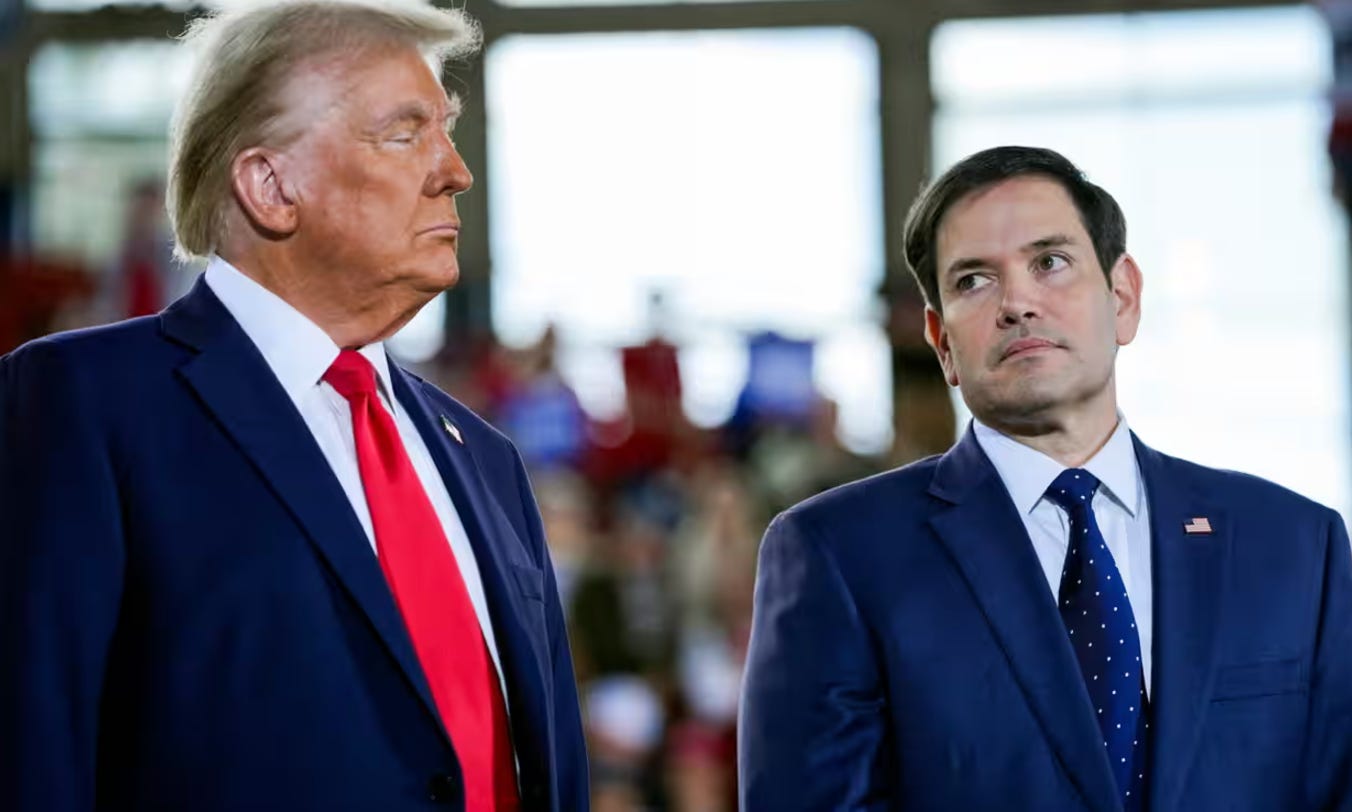
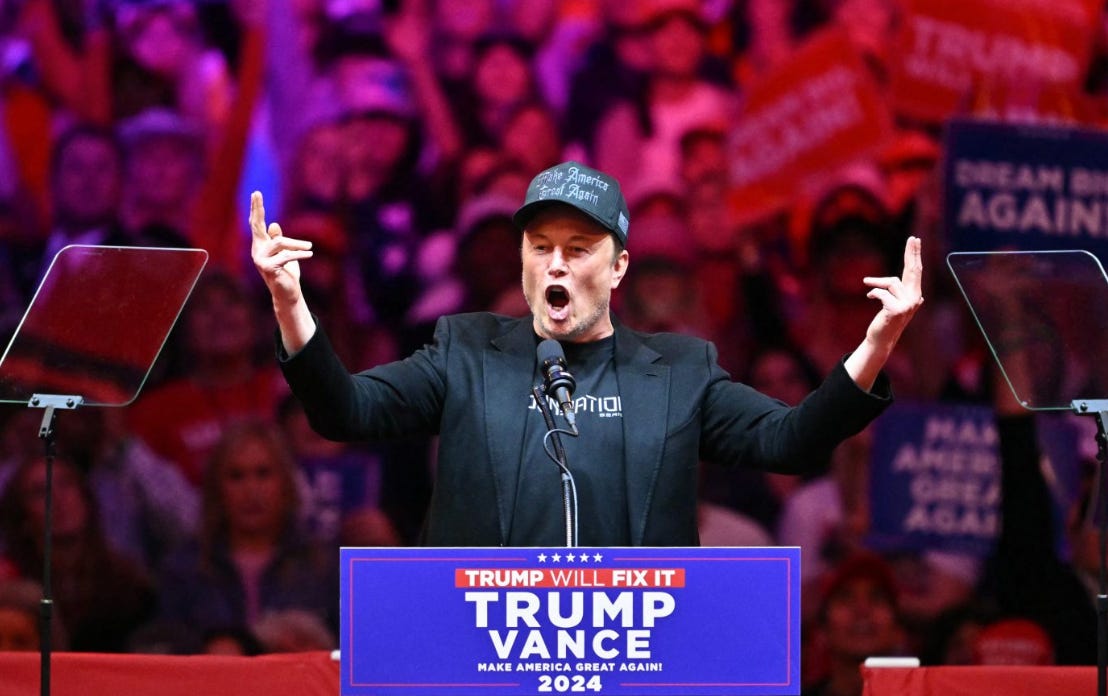
It’s been confirmed: Donald Trump and his rag-tag of billionaires and far-right fanatics are returning to the White House.
The US has once again elected the neo-fascist Trump.
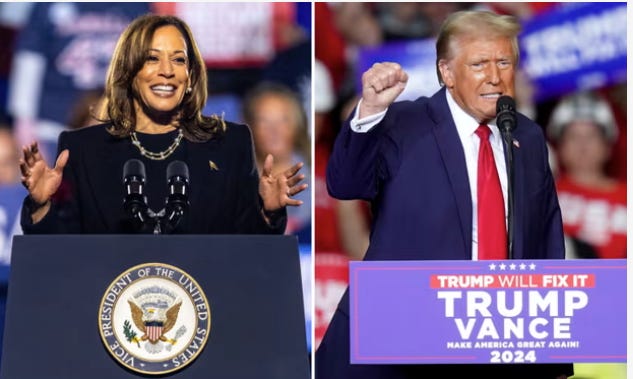
Many have dubbed this election perhaps the most consequential in generations, but it is - in all probability - a choice between two apples, both a bit poisoned.