

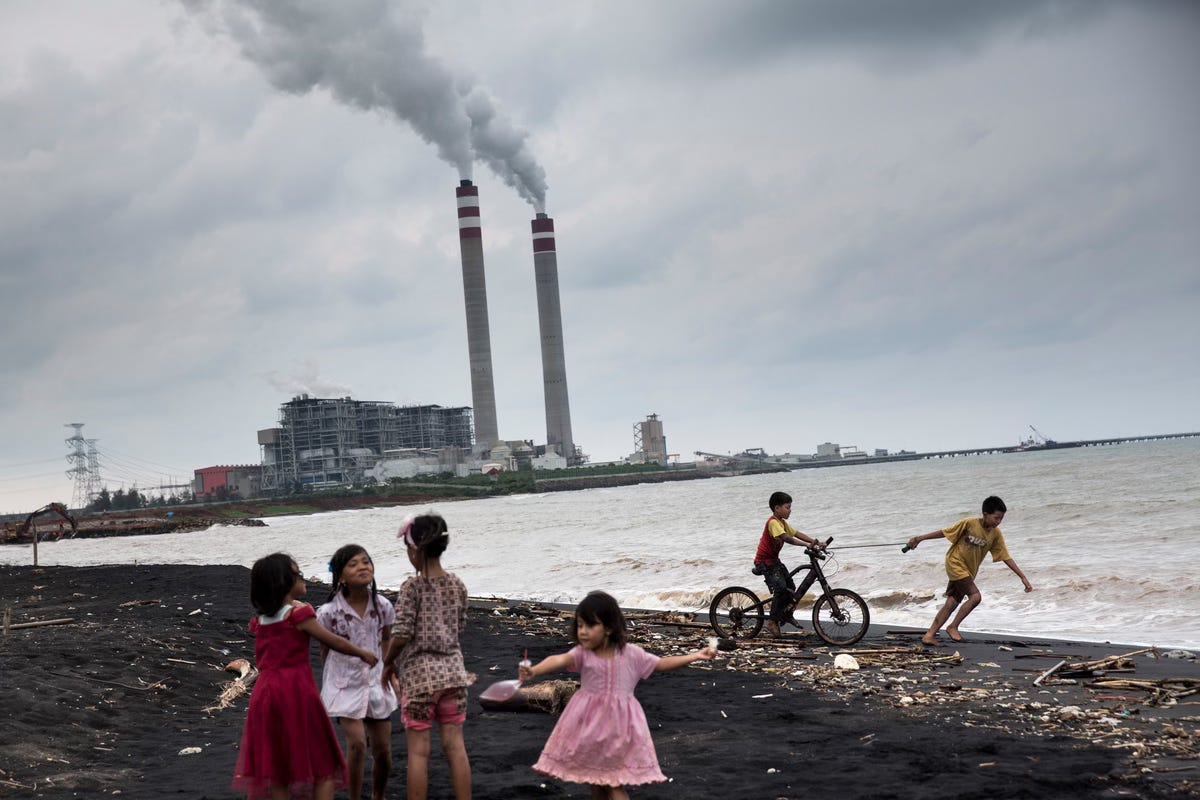
Back in June, I experienced my first ever typhoon. I was in Okinawa, a Japanese island prefecture known for its stunning beaches, “blue zone” designation... and being one of the most typhoon-exposed regions in the world.
I was there just as the typhoon season kicked off with Typhoon Jangmi, which led to blackouts across nearly 48,000 homes, including the Airbnb my friends and I were staying in. Almost every part of the apartment was electrified, rendering its high-tech toilet flush and swanky induction stoves useless when the power cut out.
It was hard to fall asleep that night, as we went to bed with empty stomachs and full bladders. You would think that for a place so used to typhoons, the house would have had a backup generator. But there wasn’t one.
I remember looking out of the rattling windows as I repeatedly refreshed my news feed, watching for signs that power was being restored (which happened only close to 24 hours later). Throughout the night, the entire neighbourhood remained shrouded in darkness – except for one house, where some lights remained turned on. I realised the next day, when the storm blew over, that the lights in front of that house were solar-powered.
Similar to Okinawa, most of Southeast Asia relies heavily on centralised fossil fuel networks. This not only leaves the region’s power systems highly exposed to sudden disaster shocks – as I’ve experienced – but as a recent Ember report warns, extreme warming as well.
As the region braces for drier and hotter conditions brought about by El Niño, the thinktank finds that even under the most extreme 2030 warming scenarios, solar and wind output is set to fall by less than 1%, compared to up to 4% for thermal and nuclear plants.
While Southeast Asia’s fossil fuel assets have thus far been shielded from any real reckoning, due to state subsidies, entrenched business interests and binding long-term contracts, they might finally be feeling the heat (which is mostly of their own making).

Extreme warming to hit fossil plants harder than distributed renewables in Southeast Asia: report
Solar and wind output is set to fall by under 1% by 2030, even in extreme scenarios, versus up to 4% for thermal and nuclear plants, finds Ember.
EU pulls out of global taxonomy project backed by China and Singapore
The European Commission cited limited market uptake and a need to protect the EU taxonomy’s distinct legal and technical features for its decision.
How Southeast Asia’s central banks can meet the climate challenge
As extreme weather worsens, central banks must use their monetary and regulatory tools to actively accelerate the region’s decarbonisation and build resilience to climate risks, argue Muhammad Qaisar and Vinod Thomas.
“As we confront intensifying climate and system risks across Southeast Asia, strengthening power system resilience must be at the core of Asean’s energy transition.” – Felix William B. Fuentebella, undersecretary of the Department of Energy in the Philippines
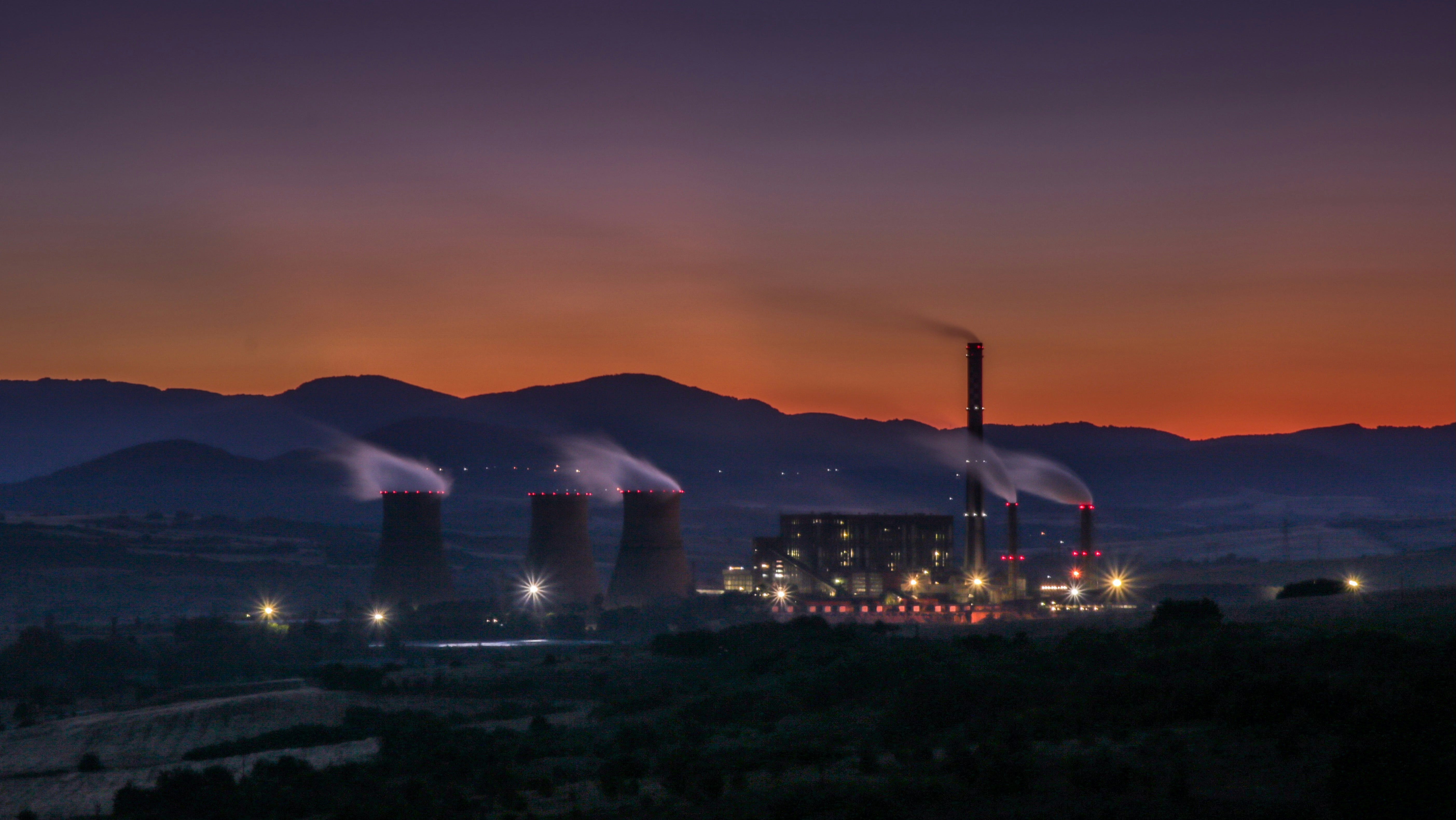
Nuclear-linked labelled bonds are now a US$44bn market. Driven by France, Canada and the Czech Republic, the growth of sustainable debt issuances for nuclear energy reflect an increasing ability to define nuclear-related investments as “green”.
China’s largest coal-to-chemicals producer rakes in record profits as crude prices soar. The country’s early bets on replacing oil with coal in chemicals production is paying off, but experts warn the sector’s growth risks threatening its climate goals.
Bangladesh’s fuel import bill hits a record US$10.63bn, as its gas crisis deepens. Exports say the current pain could have been avoided if the country had more renewables, which currently makes up only 6% of its energy mix.
BRICS environment ministers oppose EU’s carbon border tax. The bloc of nine developing countries, chaired by India, renewed calls for wealthy nations to deliver on the new climate finance goal and triple adaptation finance to developing countries by 2035.
7-10 Sep: APPEC 2026
7-11 Sep: Hong Kong Green Week — I will be there, so do drop me a message if you’d like to meet up
3-11 Oct: Bangkok Climate Action Week
27-29 Oct: Asia Clean Energy Summit
Until 6 Sep: Thailand’s securities regulator is consulting on tougher disclosure rules for ESG funds. Under the proposed rules, fund managers have to disclose the share of net asset value invested in JUMP+ companies, which are listed firms that have pledged to improve their governance and sustainability performance, as well as the extent of their engagement with these companies to keep track of their progress.
Ongoing: Singapore has inked a new pact with China to enhance its capability in assessing the potential deployment of nuclear energy. Similar agreements have been signed with other global nuclear powers, including the US, France and South Korea. These engagements will inform the country’s preparations to undergo a UN atomic watchdog review in 2027.
Comments
Nothing yet. Say the first thing.
Sign in to join the conversation.