

In the following clip of a 1989 episode of Duck Tales, one of my favorite shows as a child, an artist encoded a message in the eye chart that reads, ask about Illuminati boys. You will also notice the skeleton of a dead duck, a roll-up-your-sleever on the table in the forefront, a doctor who is a pig and talks like Klaus Schwab, and the final solution to Scrooge McDuck’s health issues being quarantine. Ironically, the doctor is a quack who confuses quarantine with Ovaltine, but his white lab coat gives him the perceived authority. Not much has changed in four decades, except things have gotten worse.
Remember dancing nurses at the height of the Wuhan Wiggle? You know, that one where the government shutdowns destroyed the middle class and allowed the rich to get richer. It was so deadly that the only way people died from it was by going to the hospital.
At this point in culture, the Illuminati has become a meme. But long ago, its origin was in the Church. And while the original order may not exist, new ones function the same way.
Higgins wrote (Anac. Vol. I. p. 120, and Maur. Ind. Scep. Conf., pp. 53 and 139), “In the Pythagorean and Platonic remains, written long anterior to the Christian era, all the dogmas of Christianity are to be found. Witness the Δημιουργός (Demiourgos), or Ζευς βασιλεύς (Zeus Basileus); δεύτερος θεὸς (deuteros theos), or second God; δεύτερος Nοῦς (deuteros Nous), or second mind; the Μίθρας Μεσίτης (Mithras Mesites), mediatorial Mithra; γεννητός θεὸς (gennetos theos), or generated God, begotten not made. Again, ψυχὴ κόσμου (psyche kosmou), or soul of the world; i.e., the ruh (רוח), or spiritus, of Osiris and Brahma, in loto arbore sedentem super aquam, brooding on the waters of the deep; the θεῖος λόγος (theios logos), or Divine Word, verbum, which Jesus announced to His mother that He was, immediately on His birth, as recorded in the Gospel of his Infancy.”
Hilaire Belloc wrote in The Great Heresies, “There is no such thing as a religion called ‘Christianity’—there never has been such a religion. There is and always has been the Church.”
The Gnostics (self-proclaimed) and the illuminated of that sect (also self-proclaimed) are the ones who cast these hexes on the spiritually degraded and ignorant masses of Europe. In the primitive Church, there were three classes of Christians: the Catechumens, the Competentes, and the Illuminati. The Illuminati were also called the Mystae, or the Faithful. This title is a term given to the initiated of the Orphic and Eleusinian mysteries. In the cultures from whence Christianity came, it was common for the men of affluence to be initiated into the mysteries. Their progress was based on how well they could prove themselves during initiation, not only in their ability to receive the knowledge but also in their ability to keep it secret and remain loyal and dedicated to it and the order. Infidelity brought death. Canon Ferrar wrote in Lives of the Fathers, “The Scriptures were the common possession of all Christians, but the illuminati of orthodox Gnosticism were supposed to read in them meanings indiscernible to the vulgar eye.”
Higgins observed (Anac. Vol. I. p. 827.), “It is rather remarkable that no Christian persecution of the Gnostics took place till the fourth century was far advanced.”
The Cabiri and Telchines are an interesting yet obscure subject, and I’m not sure I’ve come across archaeological evidence that convinces me they existed beyond Greek accounts. I’ve covered them before, and I imagine I will revisit them. I will explore the possibility of whether they were merely astrotheological-mythological archetypes, or whether there was a secret order that modeled themselves after that symbolism.
Jacob Bryant wrote (Analysis of Ancient Mythology, Vol. 2. p. 461.), “I hope, that I have given a satisfactory account of the Deluge, and of the supposed Genius of the Ark, as described by the Gentile mythologists. She was represented as a Goddess, and worshiped under the titles of Melitta, Rhea, Cybele, and Damater; also of Isis, and Athena.

“As the department of the Deity has been sufficiently made out, the history of the priests may be easily ascertained; and at the same time the purport of their titles, under whatever denomination they may come. Of these priests the principal were the Cabiri; whose office and rites were esteemed particularly sacred, and of great antiquity. They were the same as the Curetes, Corybantes, Telchines, and the Idæi Dactyli of Crete. But in treating of them great confusion has ensued from not considering, that both the Deity, and priest, were comprehended under the same title. The original Cabiritic Divinity was Zeuth; the same as Dionusus, though by some writers idly distinguished: Καβειρων πρεσβυτερον μεν Δια. (Context: Kabeiri, the elder Zeus, and the younger Dionysus. See below.)

“His priests had the same title. By Pausanias he is said to have been Prometheus, the father of mankind; which more plainly points out the person alluded to.

“It was no other than the Patriarch, who was of so great repute for his piety, and justice. Hence the other Cabiri, his immediate offspring, are said to have been the sons of Sadic; by which is signified the just man. Σαδουκω γαρ εγενοντο παιδες, ούς Διοσκορους έρμηνευουσι, και Καβειρους.” (To Sadyc, the man of justice, were born sons, who were styled the Dioscori and Cabiri.)
If this is not coincidence, I suspect this is the fingerprints for the plagiarism of the Bible, with the Sadduccees, which would be another nail in the coffin for scriptures being based on mythological fables, encoding astrotheology.
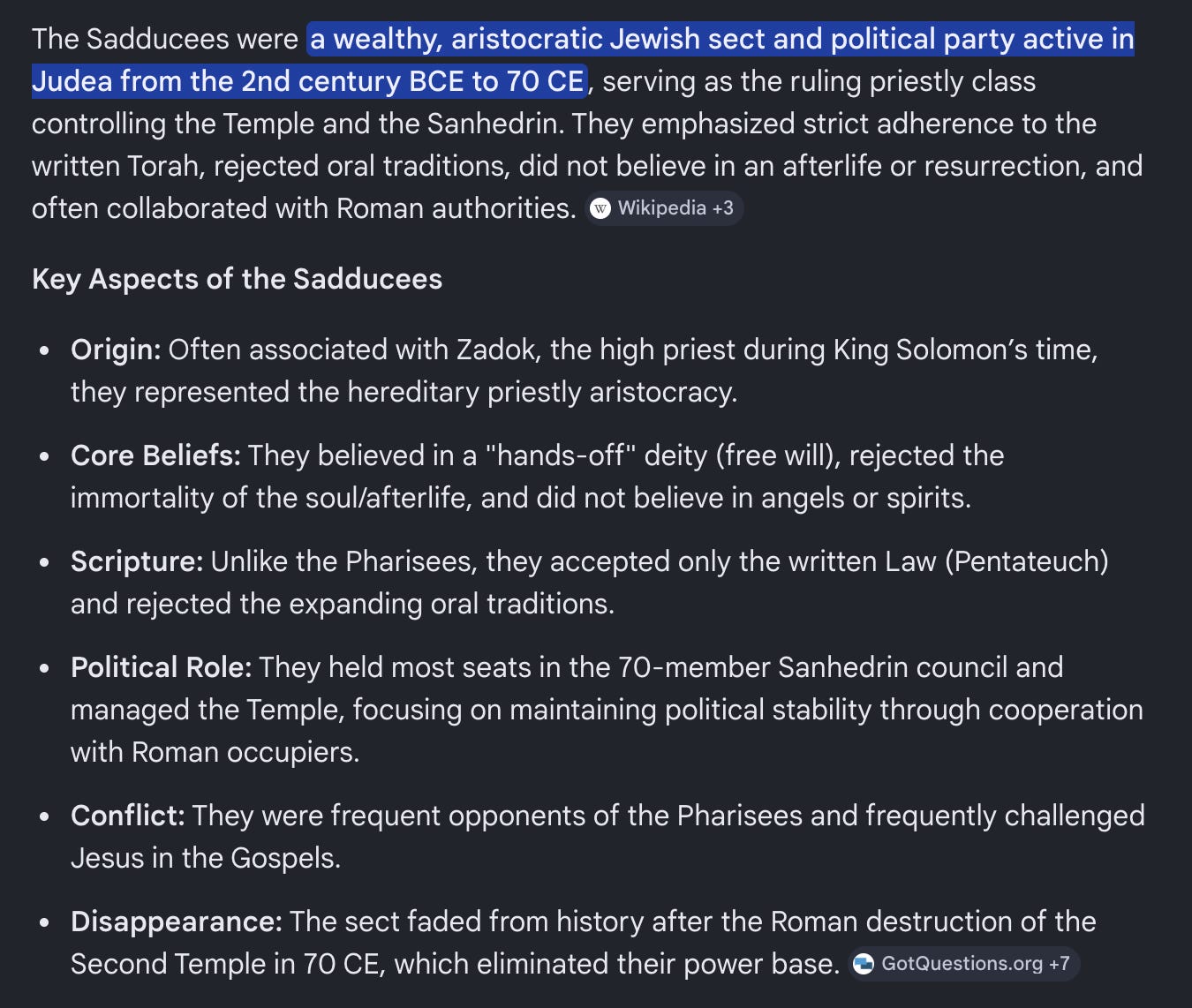
Bryant continued (Ib. pp. 462-63.), “This is the very title given to the Patriarch by Moses in the book of Genesis. It is there said of Noah, that he was צדיק (tsdq), Sadic, a just man, and perfect in his generation. (This is also the word in Melchizedek.)
“All science, and every useful art was attributed to him; and through his sons they were transmitted to posterity. Hence the author of the Orphic Argonautica mentions αγλαα δωρα Καβειρων (beautiful gift from Kabiri. V. 17.); the noble gifts bequeathed to mankind by the Cabiri. They were represented as dæmons, and in number three: and they are sometimes mentioned as the sons of the great artist Hephaistus, the chief Deity of Egypt, and the reputed father of the Gods.

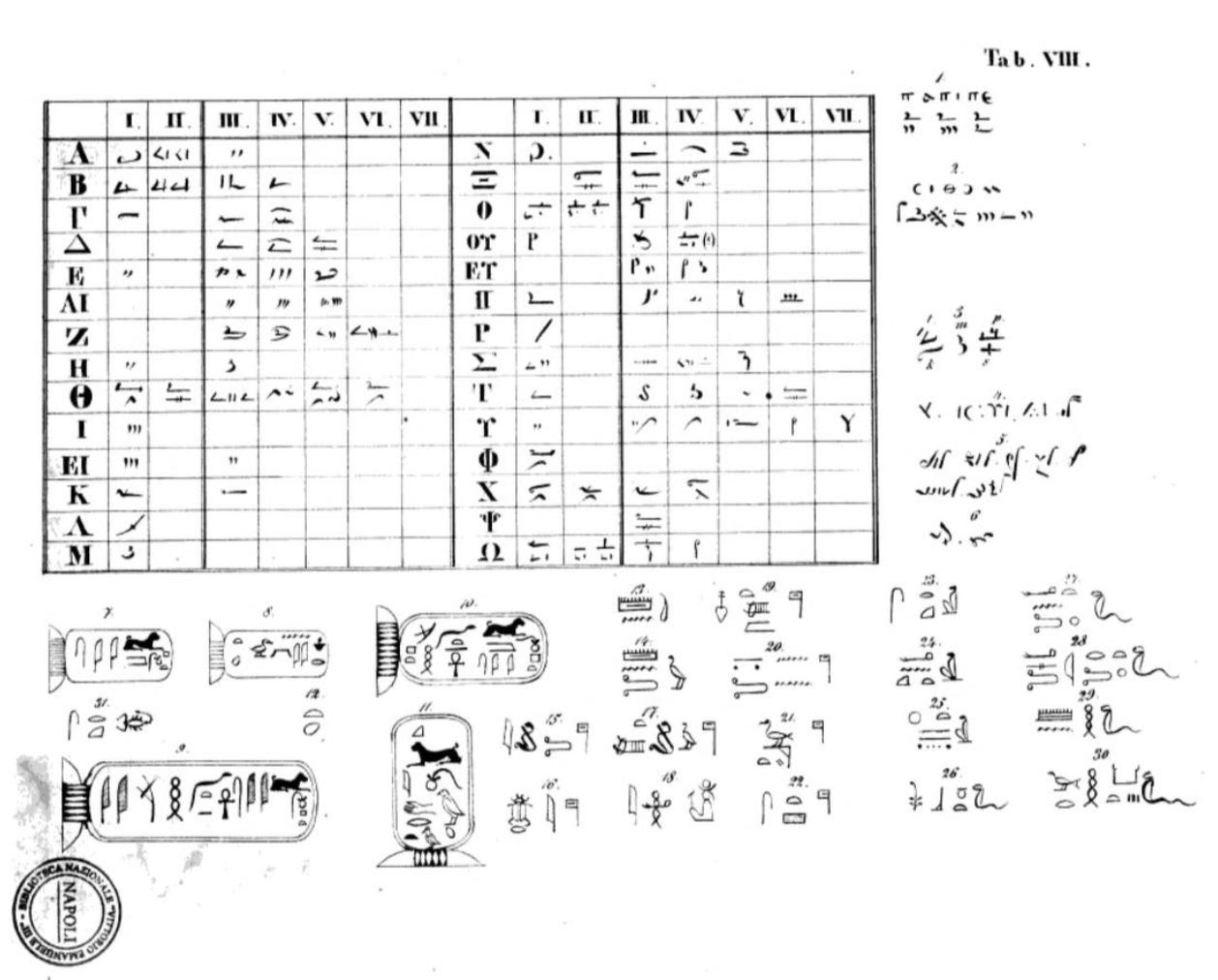
“He was the same as Helius (the sun); and upon the pillar of Ramestes, which stood in Heliopolis, he was according to Hermapion styled Ήφαιστος ό των Θεων πατηρ.

“The person, from whom this obelisk was named, is generally called Ramases, or Ram-Asis. Ramestes is of the same purport; being a compound of Ram-Estes, Magnus Vulcanus (the Great Vulcan). Estes, Astes, Astus, are all variations of the same term, and equally relate to fire.

(Even the Hebrew word is AS, transliterated as esh, אש. I couldn’t find the volume he alluded to, but I turned up this work, which is interesting and has hieroglyphics: Hermapion.)
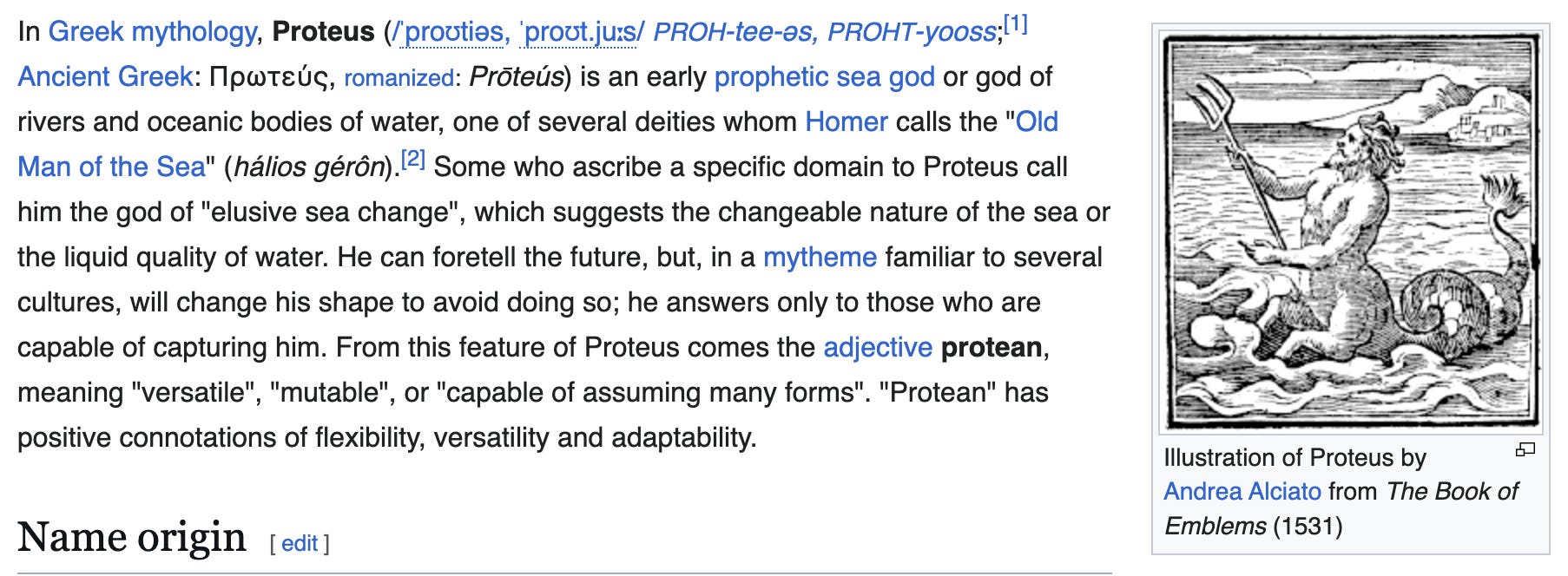
“Hence came Apha-Astus, or Hephastus, the Hephaistus of the Greeks: hence also the Histia, Hestia, and Vesta of other countries. The Cabiri are many times represented as Heliadæ, or the offspring of the Sun, styled Cam-Il: also the descendants of Proteus, the great prophet, and Deity of the sea.”

Proteus is basically a rehashed version of Nethuns, which became Neptune, hence the Greek Poseidon. Notice how we have a ton of modern artwork of these Greek archetypes, but none of the Etruscan ones? This, in my opinion, is because the Etruscan one is far older, and the Greek system is a product of mythological imperialism.
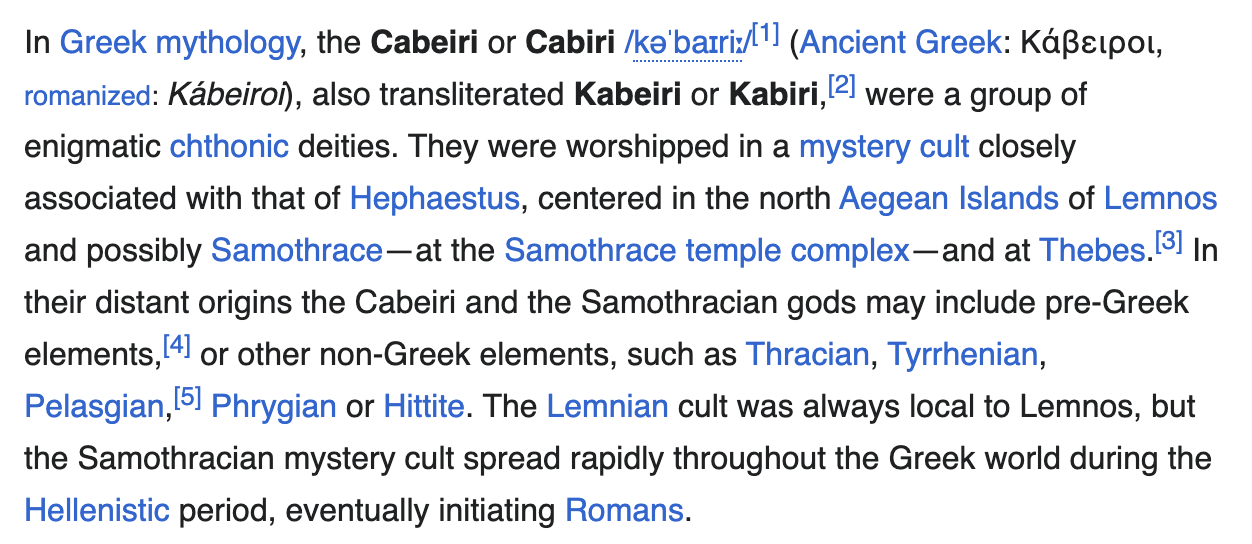
The origin of the Cabeiri is unknown. However, I’ve done extensive work on the fact that every location or people associated with them is connected to the Etruscans, and each location has Etruscan artifacts. Use the archive to key-word search and you’ll see detailed artifacts and the like. I just published an article on the alleged Thracian artifact, the Golden Orphism Book. (I believe this artifact to be forgery, but nonetheless, it makes my point.)
Fresh Batches
Fresh Batch #220: The Golden Orphism Book
·
May 4
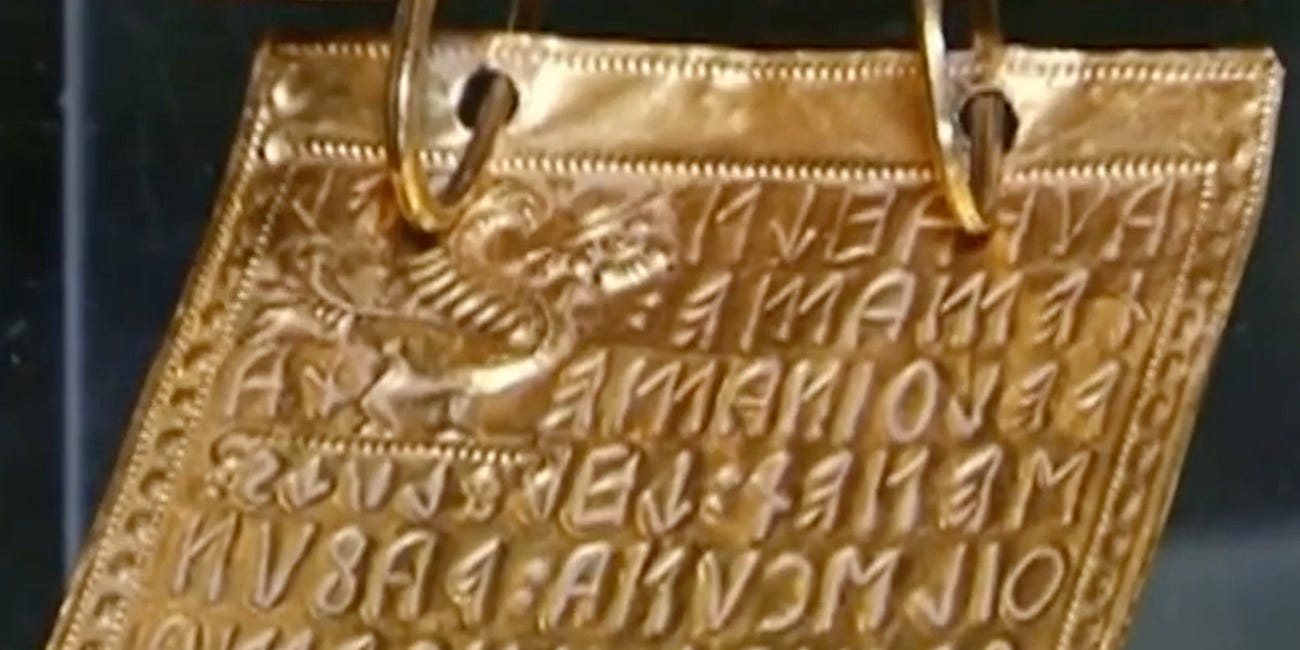
As we go through Taurus season, and touch upon Baal, or bull, symbolism, let us not forget that the word tower and taur are the same. It appears as tours in French, and the Etruscans were called Tyrsenians by the Greeks, from tyrseis, a tower, after the towers they erected where ever they set up ports or colonies.
Bryant continued (Ib. pp. 463-64.), “According to Varro they were particularly styled Divi Potes: and Cassius Hermina described them as Θεους μεγαλους, Θεους χρηστους, Θεους δυνατους.” (Great Gods, good Gods, powerful Gods. Macrobius existed allegedly circa 400 AD.)


Do you recognize χρηστους in Θεους χρηστους? The word is the root of Christianity with a termination: Chris/Chres, χρησ, meaning good. Thus, the word Christian (Chistianos; χρηστιανος, or χριστιανος) signifies goodfellow, hence goodfellas. Anyone who disputes this fact, is a deceiver. You’re welcome. We can go all day on how Christianity is plagiarism of the older systems of mythology, and also why Judaism and Islam are contemporaries of each other, including Christianity, all produced about the the beginning of the Middle Ages and implemented therein for control of the western world and the near east, but Reverend Robert Taylor described it best: Christianity and Paganism are about as different from each other as six and half a dozen.
To learn more about the universal system of priestcraft, and the maritime empire from which it was spread, read the Spirit Whirled series, along with The Real Universal Empire.


Comments
Nothing yet. Say the first thing.
Sign in to join the conversation.