
Dr. Robert Ortega, a therapist, is devoting his skills to guiding people who want to find meaningful ways to get involved in activism while at the same time helping activists stay engaged for the long haul. Dr. Ortega also has a Substack The Agentic. Susan will be interviewing him on this new field in psychology, particularly poignant to activists, volunteers and citizens on It Needs to Be Said, Thursday, August 13th at 8:00 PM EST. Below is an article written by Dr. Ortega.
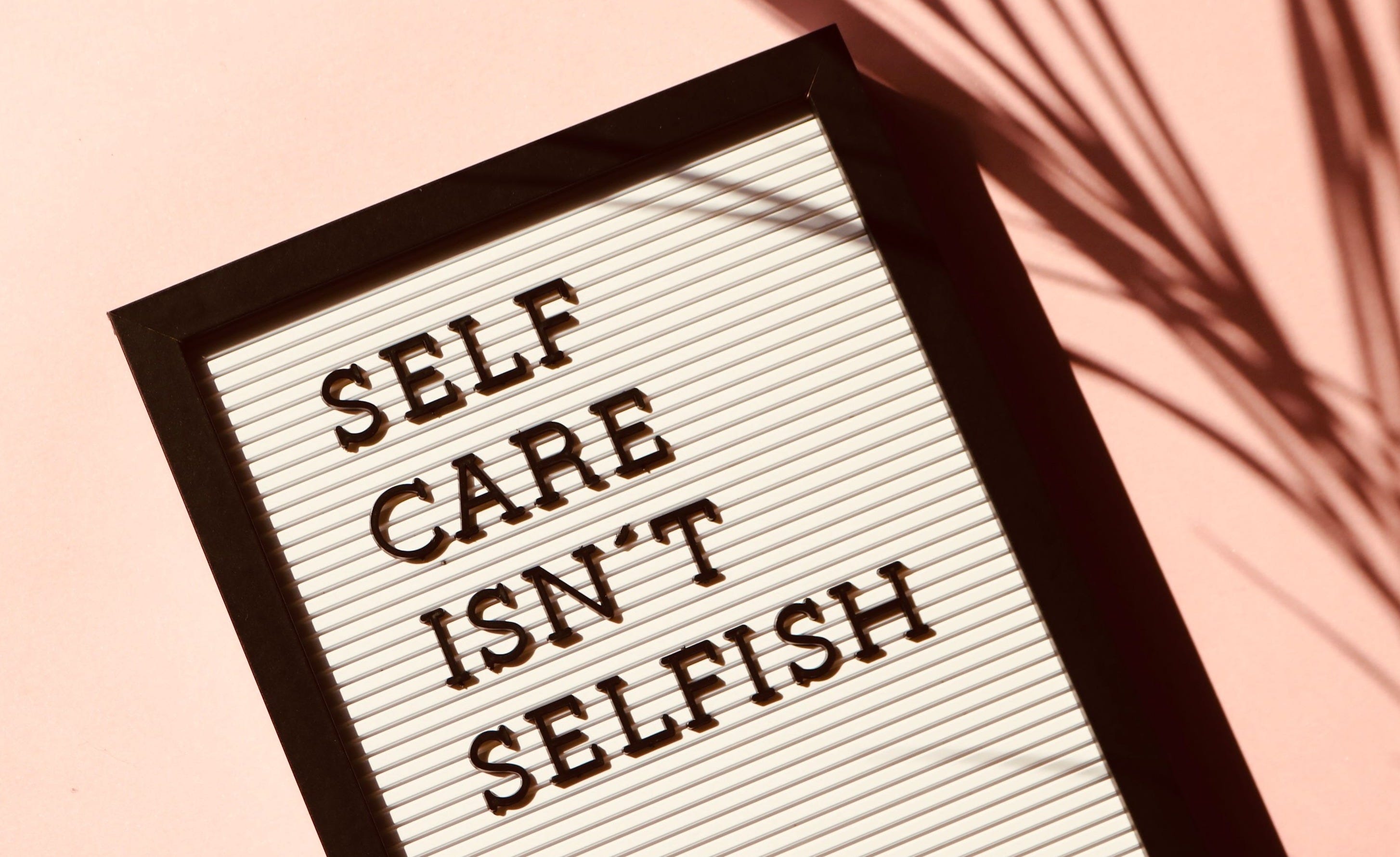
As a therapist, I’ve noticed a recurring tension when providing therapy for activists. To an activist, self-care can feel like selfishness, boundaries like betrayal, rest like surrender. To so many activists, there is a dichotomous choice to be made: to fight for what’s right or to take care of oneself.
My former client “Abi” is a great example. In her 40’s, Abi has been an activist most of her life, knocking on doors for Obama in her twenties, organizing pro-choice marches in her thirties, and now volunteering for two organizations, while also serving as a union steward at her full-time job. When I initially inquire about her ability to set boundaries with her organizations, Abi gets defensive. They need her. She can’t abandon them. And when her causes need her, she does the only thing she knows how: she sacrifices. She sleeps less, eats on the job, stops going to the gym, checks her email constantly, and occasionally talks to family during her 30-minute commute between appointments.
For a while, Abi was able to make all this work. But increasingly, she questions whether her efforts are amounting to anything. She views others doing similar work with deep skepticism. And fundamentally, she is deeply emotionally exhausted. Simply put, Abi is burnt out.
When I talk about burnout, I don’t just mean being tired. I’m talking about a systemic reduction in creativity, patience, and meaningful engagement. Research shows that burnout is associated with a host of cognitive symptoms that can go on for years (Gavelin et al., 2021; Dalgaard et al., 2021). Among activists, burnout can lead people to take out their frustrations on the people closest to them, including their fellow activists - sometimes referred to as “horizontal hostility” (Chen & Gorski, 2015). If you’ve worked in activism long enough, you’ve seen or experienced all of it and probably even seen organizations full of committed people fail in their mission because of burnout. The fact is that burnout is one of the most powerful forces pushing against the goals of activists.
And it’s not just the individual who suffers from activist burnout. High burnout in organizations is associated with higher turnover and worse performance (Swider & Zimmerman, 2010). It increases rates of organizational conflict, lowers teammate trust, and worsens communication (Leiter & Maslach, 1988). Activist organizations already face so many obstacles in achieving their goals; they cannot afford to add burnout to the list.
So what is Abi to do? Should she give up her goals, meditate more, and ignore the ongoing collapse of democracy? Let me be clear, if Abi’s only goal was to improve her mental health, activism would still play an important role. Being a passive watcher of the rise of authoritarianism is not going to solve anyone’s anxiety, nihilism, or burnout. But if the only way she knows how to engage in activism is through martyrdom, not only is she sacrificing her well-being, she is sacrificing the very skills and resources needed to change the world.
“Caring for myself is not self-indulgence, it is self-preservation, and that is an act of political warfare.” - Audre Lorde (1988)
Abi and I approach her burnout from several directions. First, we start with the present: her immediate needs and pains. She has been struggling with competing requests to take on more union, work, and volunteer responsibilities. We discuss Abi’s values and goals and discuss areas where she can set firm boundaries. We focus on the aspects of her life that burnout has consumed. Less email, more cooking. Less shop talk, more exercise. Less catastrophizing, more hope.
Once Abi has developed boundary and self-care skills, we can (and must) move back into the past. We explore all the pains and wounds from her advocacy experiences. Abi identifies that she stopped working with her pro-choice organization because of other organizers’ disparaging remarks about her appearance. She also shares immense pain about the 2016 election, in which she spent countless hours campaigning. When confronting the direction the world has moved in spite of her hard work, she feels helpless, sad, angry, and hopeless.
To me, this is the most important moment in burnout treatment. Acknowledging pain and loss is easily the hardest part, but it’s also an important turning point. In connecting with her pain, Abi connects with something else: her sense of purpose. Abi started getting into advocacy after the birth of her niece. Creating a better world was the original motivation, but burnout had distorted her advocacy into obligation and stress. By processing her grief, Abi could refocus on her why.
This is the fun part. Once she has reconnected with her purpose, things get clearer and easier. Abi makes a point to be a bigger part of her niece’s life as she begins her own journey into college and activism. And as part of a therapy group, Abi helps others support one another in their values, goals, and boundaries. Focusing on those components makes her a better activist, a better aunt, and a happier person.
I can’t say that Abi has achieved enlightenment or even that she doesn’t feel burnout from time to time. But I can confidently say that she has found a much deeper sense of balance and prioritization. That original tension between activism and self-care? She sees it as an illusion. And the more I work with activists, the more I agree. I think the activism vs. self-care dichotomy is a lie we’ve been sold to keep us burnt out, isolated, and politically weak. Instead, we can do something better: develop the kind of solidarity that strengthens our people and strengthens our movements.
References:
Chen, C., & Gorski, P. C. (2015). Burnout in social justice and human rights activists: Symptoms, causes, and implications. Journal of Human Rights Practice, 7(3), 366–390. https://doi.org/10.1093/jhrp/huv011
Dalgaard, V. L., Andersen, J. H., Pedersen, A. D., Andersen, L. P., & Eskildsen, A. (2021). Cognitive impairments and recovery in patients with work-related stress complaints – four years later. Stress, 24(3), 294–302. https://doi.org/10.1080/10253890.2020.1797673 Plain text citation count: 32
Gavelin, H. M., Domellöf, M. E., Åström, E., Nelson, A., Launder, N. H., Stigsdotter-Neely, A., & Lampit, A. (2021). Cognitive function in clinical burnout: A systematic review and meta-analysis. Work & Stress, 36(1), 86–104. https://doi.org/10.1080/02678373.2021.2002972 Plain text citation count: 151
Leiter, M. P., & Maslach, C. (1988). The impact of interpersonal environment on burnout and organizational commitment. Journal of Organizational Behavior, 9(4), 297–308. https://doi.org/10.1002/job.4030090402
Lorde, A. (1988). A burst of light: Essays. Firebrand Books.
Comments
Nothing yet. Say the first thing.
Sign in to join the conversation.