
Reflections after being promoted to Partner
Last week, Ian surprised me over dinner with some news: I’ve been promoted to Partner. I’m incredibly excited and grateful, and as I’ve reflected, I decided the best way to share the news was to talk about tennis.
One of my favorite interviews is from 2015. The Financial Times interviewed Novak Djokovic about his recent success, and whether he thought it would continue.
Djokovic gave a pretty simple answer: “I can carry on playing at this level because I like hitting the tennis ball.”
The interviewer was surprised. “Are there really players who don’t like hitting the ball?”
Djokovic laughed. “Oh yes. There are people out there who don’t have the right motivation. You don’t need to talk to them. I can see it. But I don’t judge.”
A lot of people don’t really like hitting the ball. They like the endorsements, the clubhouses, the tournaments, the status, the bright lights, and the fame.
They don’t like sitting in scorching 90 degree weather, hitting tennis ball after tennis ball for hours on end.
It’s pretty true everywhere, not just in tennis.
I like competing against those people. It sounds like Djokovic does too.
Now just because you like playing tennis doesn’t mean you’ll be good. My grandmother likes tennis, she won’t beat Djokovic.
Liking something doesn’t guarantee greatness. But it does ensure that you’ll be willing to put in the effort to get better, and you’ll probably actually enjoy the process.
Purity of motivation matters. It matters because it tells you what will happen when things don’t go well. And they never go perfectly. More often than not, you’ll have to get your sledgehammer on. The key is to find a way to make it fun.
As Graham Duncan shared in a letter to a friend:
If you can find the thing you do for its own sake, the compulsive piece of your process, and dial that up and up, beyond the imaginary ceiling for that activity you may be creating, my experience is the world comes to you for that thing and you massively outperform the others who don’t actually like hitting that particular ball. I think the rest of career advice is commentary on this essential truth.
All of this is important because things won’t go well. Setbacks can and will occur. The best way through them is to reconnect with your love for the game, whatever that game may be.
Some of you probably recognized the Djokovic quote above, but I bet most of you aren’t familiar with a story from five years earlier.
At the time Djokovic was No. 3 in the world, a grand slam winner, and a favorite to win Wimbledon. But he was plunged into despair after letting a two-sets lead slip in the quarterfinal match of the 2010 French Open against Jurgen Melzer.
A few days after the loss, Djokovic told his coach he had decided to quit:
“It was the first time that I felt a great urge to quit tennis. I felt like my world and my dreams were falling apart which was not good enough to achieve the goals I set for myself. I hit a wall, I was mentally at one very much messed up place.”
Djokovic’s longtime coach, Marián Vajda asked him a single question: “Why did you start playing this sport?”
Vajda sensed what the problem was: Djokovic was focusing too much on rankings, records, titles, and external expectations. “I was number three in the world, but I wasn’t happy.”
As Djokovic thought about Vajda’s question, he thought about how many of his earliest childhood memories include his “most beloved toy” — a mini tennis racket and a soft foam ball.
He ultimately gave his coach the iconic answer he would use in the FT interview 5 years later:
“I started playing tennis because I just really loved holding that racket in my hand.”
“Do you still love holding a racket in your hand?” Vajda asked.
Djokovic thought about it for a few seconds, got excited, and said:
“I do. I still love holding a racket in my hand. Whether it’s a grand slam final on center court or just playing around on a public court, I like playing for the sake of playing.”
Vajda nodded, “Well that’s your source. That's what you need to tap into. Put aside rankings and what you want to achieve and what you think others are expecting of you.”
Vajda then suggested that Djokovic take a few weeks off.
Djokovic agreed. But when he woke up the next morning, he found himself compelled to hit tennis balls. He ended up back on the court. “And I never looked back ever since that moment.”
The following season, Djokovic enjoyed one of the greatest seasons in tennis history.
He won 43 straight matches. He won three Grand Slams, including his first Wimbledon title. And he finished the year as the number one player in the world.
“I started to play freely, I became the kid that I was when I started playing.”
The antithesis of Djokovic is Andre Agasi. He hated tennis. But he was still great at it. Though over the long arc of tennis, Djokovic is the GOAT, and Agasi isn’t. The same holds true in other sports and domains.
That’s why the purity of obsession is such a powerful predictor. Pain is the price of admission. It’s a sign that you're on a path towards greatness. Now there needs to be real progress along the way. But roadblocks and setbacks are inevitable, and having the reservoir of energy to push through is a differentiator.
Djokovic rose to the top because his love of tennis propelled him through the difficulties. His passion was pure and unshakable.
The easiest way for me to make investment decisions is to see the same level of love in other founders. You can recognize it instantly. You can see the sparkle in their eyes and can hear the infectious excitement in their voice. You can see them animated, thrilled to explain the intricacies of their craft to experts and novices alike.
Now to be clear, there are other things that matter too. But more often than not, that purity of obsession is the driving force behind everything else.
I’ve been writing this piece for a while, and this feels like the right time to publish it.
Venture is the perfect expression of all my interests: technology, history, philosophy, strategy, team building, creativity, creation, growth, investing, coaching and psychology all packed into a job where you need to be competitive to win.
I've met a lot of VCs. A lot of them don't actually like hitting the ball. And that’s fine — like Djokovic, I don't judge. I just make a mental note. That’s how I know who I’m actually competing against.
The irony is that regardless of their motivations, most VCs think they’re on the court or the field with the founders. In reality, they’re in the stands cheering them on.
But the best VCs are actually coaches. They’re Bill Belichick to Tom Brady, Phil Jackson to Michael Jordan, or Marián Vajda to Novak Djokovic.
I want to be Djokovic’s coach. The person that helps the great ones reach their full potential. I won’t be on the court with the founder, but I’ll be there to remove the distractions, help them focus, and let them perform at their best.
Sometimes that means giving tough feedback. Other times, like in the story above, it means believing and encouraging someone to rekindle their love for their calling.
This is the game I love playing. It’s my form of hitting the ball.
And years from now, we may find out that I wasn’t good at this game.
I will be okay with that outcome if I can confidently look back and say 2 things:
That I continued to pour my life force into pursuing this passion.
Far more importantly: The founders I partner with tell you that I made a difference.
This is a service industry after all, and I never forget that. I don’t care about the glory, I don’t need to self-actualize on someone else’s success.
Two years ago when I wrote about taking the leap, I talked about what it takes to achieve success. This piece has a similar undertone to me. This promotion is something I take with seriousness and reverence. It’s a privilege, and not one I take for granted.
With that in mind, my day-to-day isn’t really changing. I am going to keep working fiercely for our founders. And I’m still striving to uphold the personal mantras I want to live my venture career by:
GG's Pillars:
-Be the bar
-Become a plus one
-Ensure you’re the dumb one
-Remember who the Heroes are
-Believe before others understand
So if you or anyone else you know is chasing greatness, let me know. I’m excited to meet you, and hopefully help you as you march towards your goals.
And if you want, I’m happy to be your coach.
I’ll see you on the court.
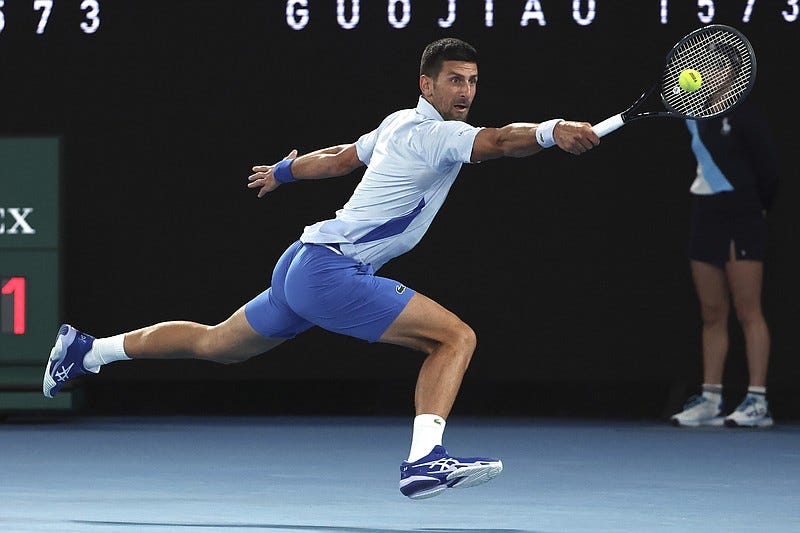
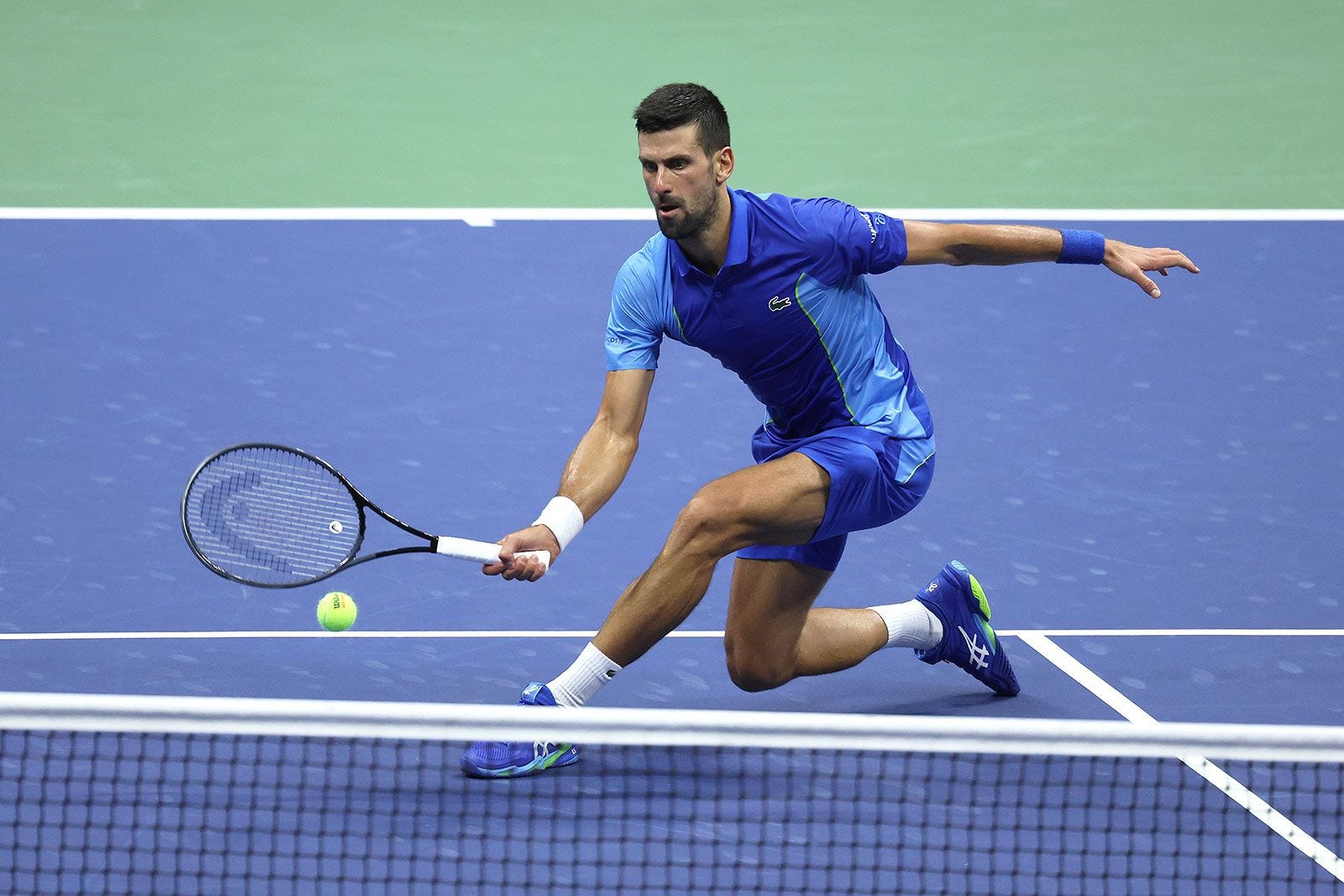
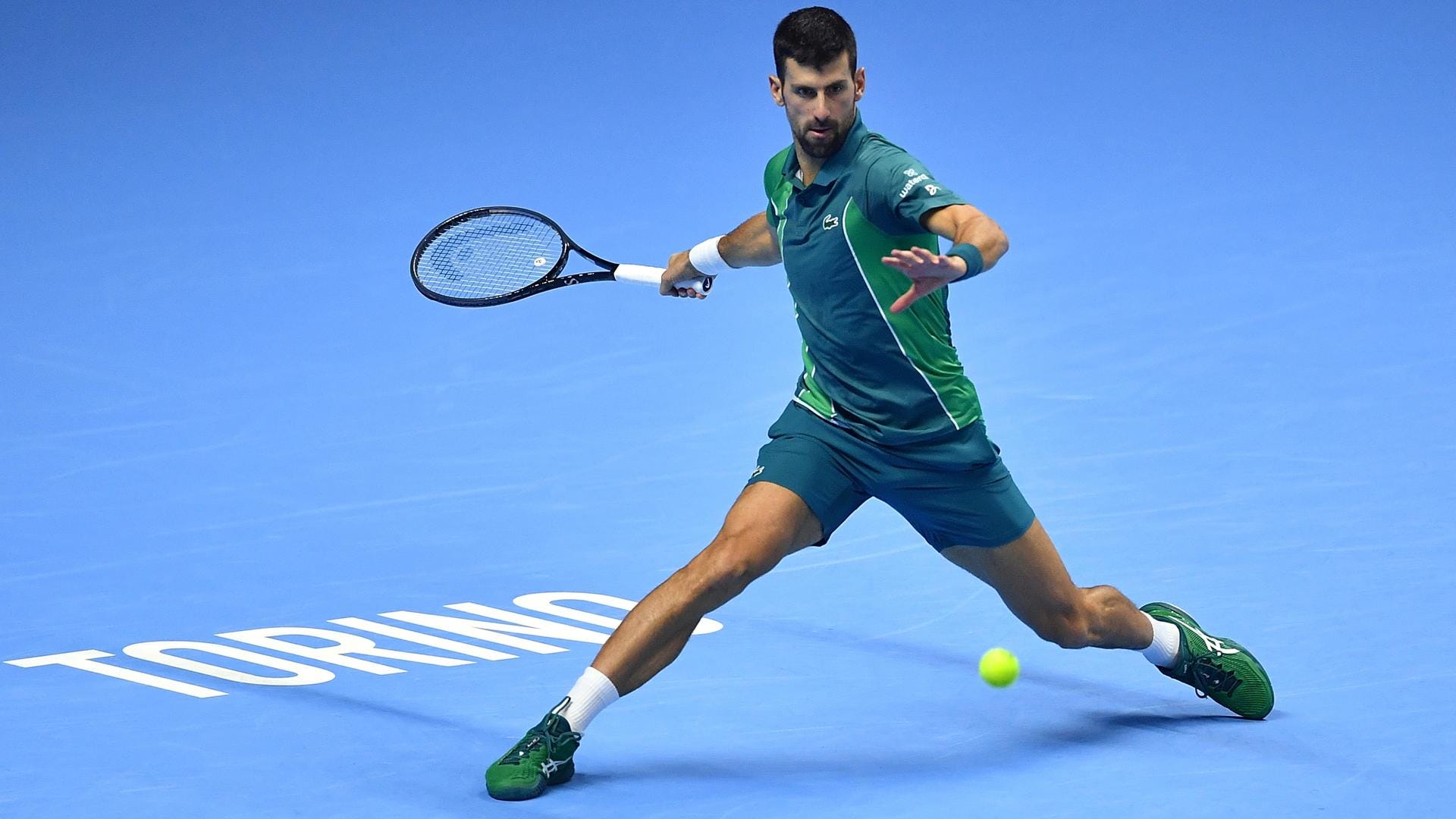
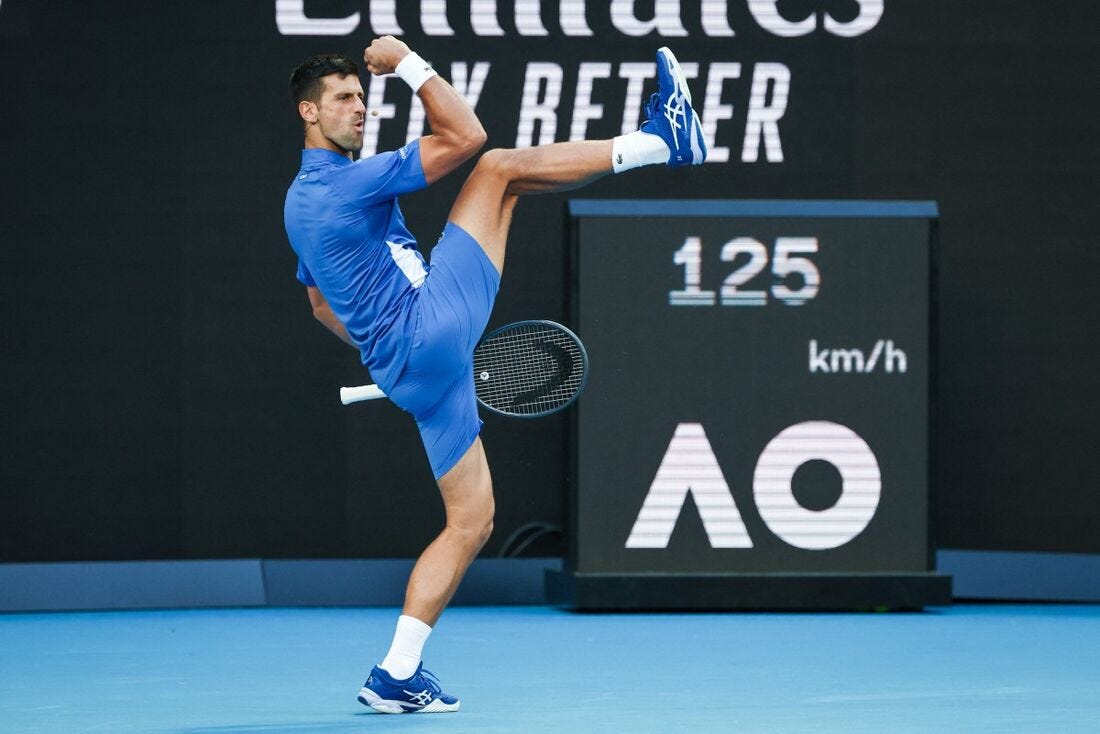
“I wouldn’t change anything in my life, I always did everything best I knew at given moment. I made a lot of mistakes, but at least I was authentic, myself. Hundred times I would rather choose to be myself than to go along with the system.” — Novak Djokovic
Comments
Nothing yet. Say the first thing.
Sign in to join the conversation.