
I first learned of Chris Helzer’s work after hearing he was the scheduled keynote speaker at our 2026 Field Day, an annual gathering where farmers, ecologists, and curious locals tour the farm and discuss soil health and organic practices at the Grain Place in Marquette, Nebraska.
I discovered Helzer’s Square Meter Photography Project, which picks a single one-square-meter plot of prairie and returns to it repeatedly over the course of a year, documenting every bloom, insect, and seasonal shift within that tiny boundary. Helzer talks about how people will routinely drive through miles of prairie to get to a forest or a lake, viewing grasslands as passive, featureless green space between destinations. Botanists call this “plant blindness,” which is the tendency to see wild vegetation as a uniform background canvas rather than individual living entities.
I come from an art background. My mind instantly connected Helzer’s project to one of my favorite pieces of art: Albrecht Dürer’s Great Piece of Turf, painted over 500 years earlier.
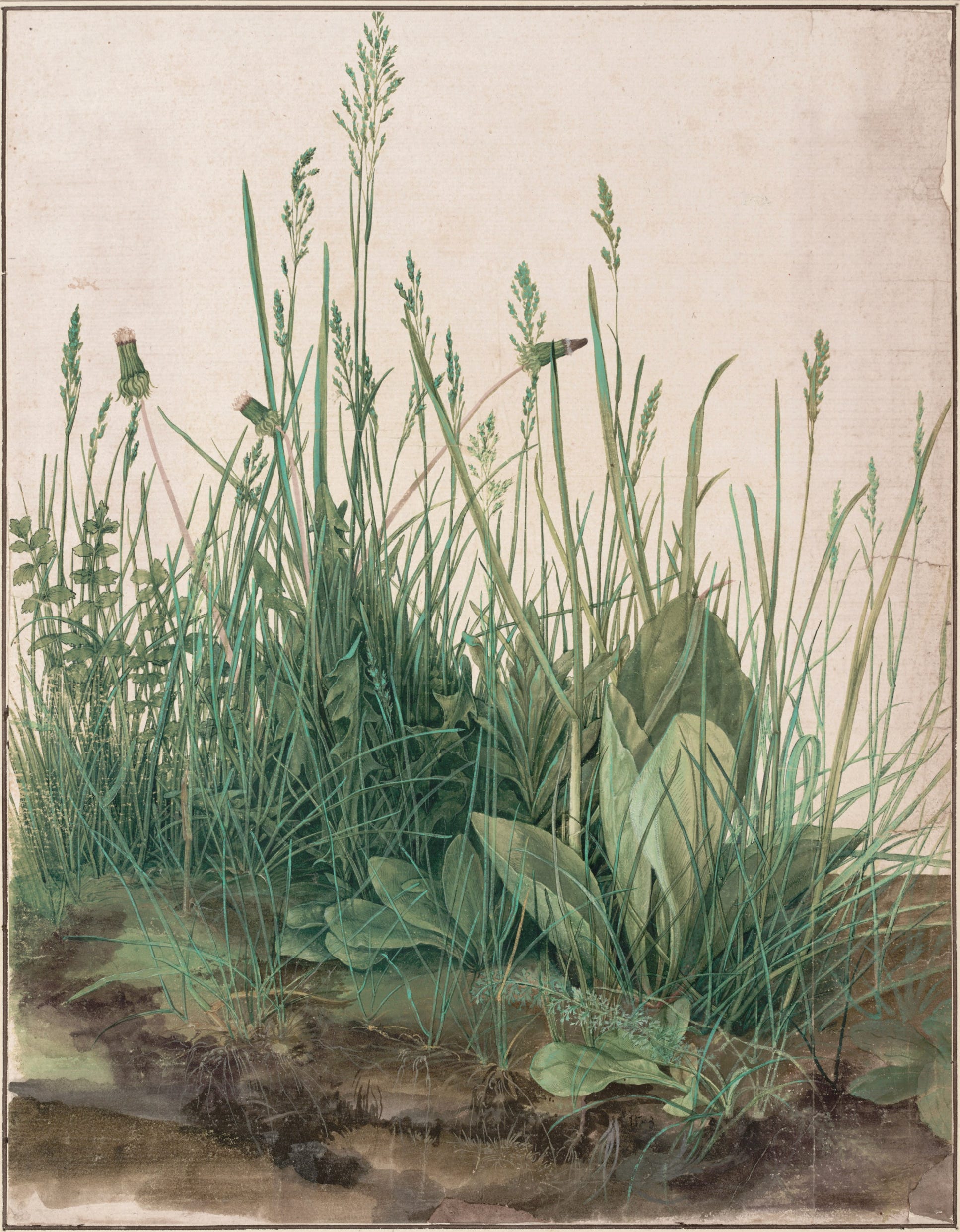
Dürer’s Great Piece of Turf watercolor is a celebrated piece of art history, and a benchmark of Renaissance realism. It was created at a time when art largely revolved around sacred devotional figures, grandiose landscapes, or scenes depicting the daily activities of peasant farm life. Dürer’s piece focused on the weeds and wild grasses in a muddy clump of soil with impressive botanical accuracy.
Five centuries later, ecologist Chris Helzer picked up where Dürer left off in an effort to explain the seemingly mundane.
Working within a small restored prairie, Helzer marked off a single square meter—barely three feet by three feet—and spent a year photographing it. Within that tiny plot, he documented hundreds of plant, insect, and fungal interactions. Helzer sought to look past what is often considered mundane to shine a light on its hidden beauty.
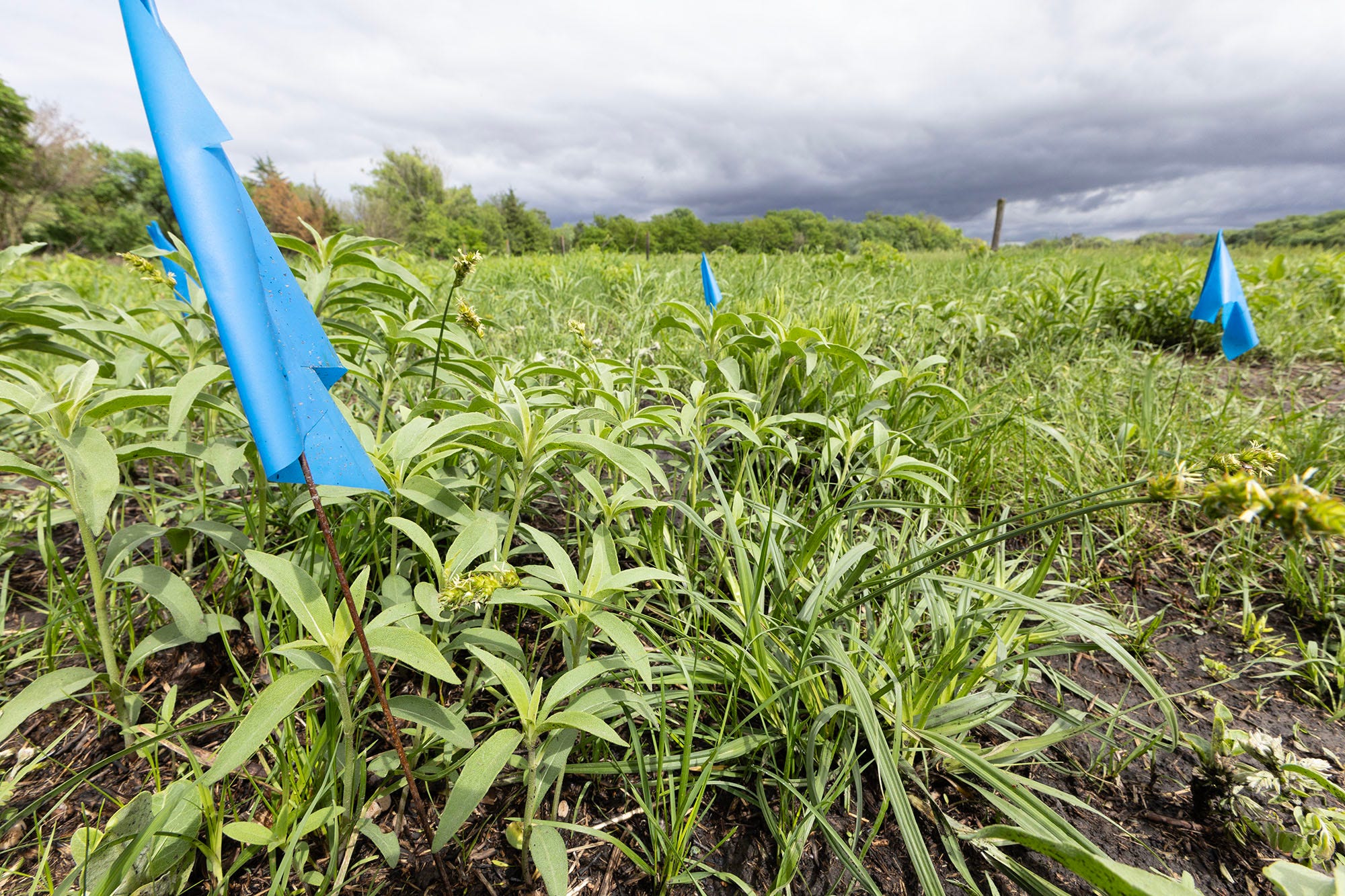
Neither Dürer nor Helzer set out to capture the “grand vista.” There are no vast mountain ranges or dramatic waterfalls in these works. Both artists recognized that the true richness of a grassland isn’t found by looking over the horizon, but by looking into the topsoil.
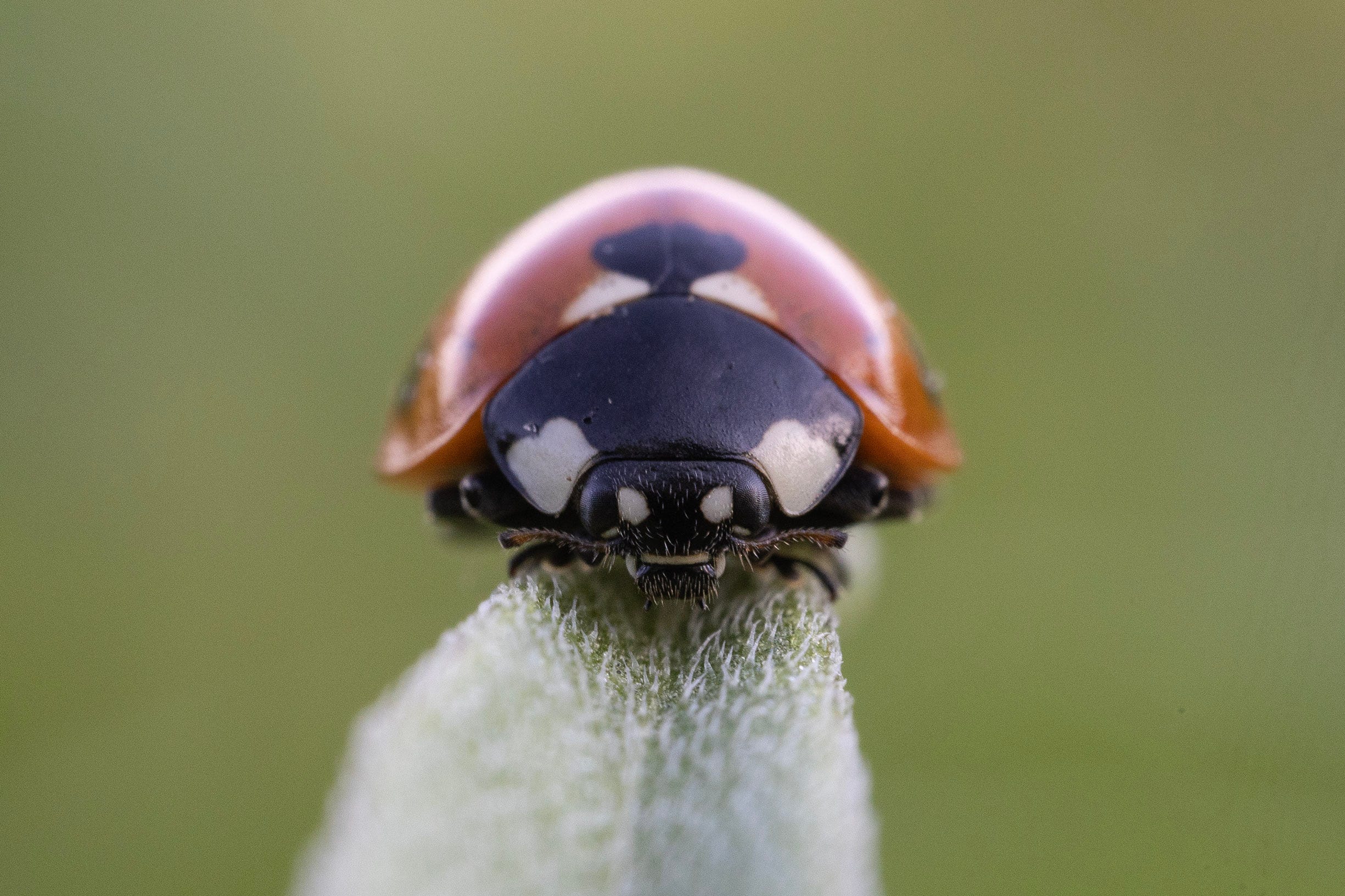
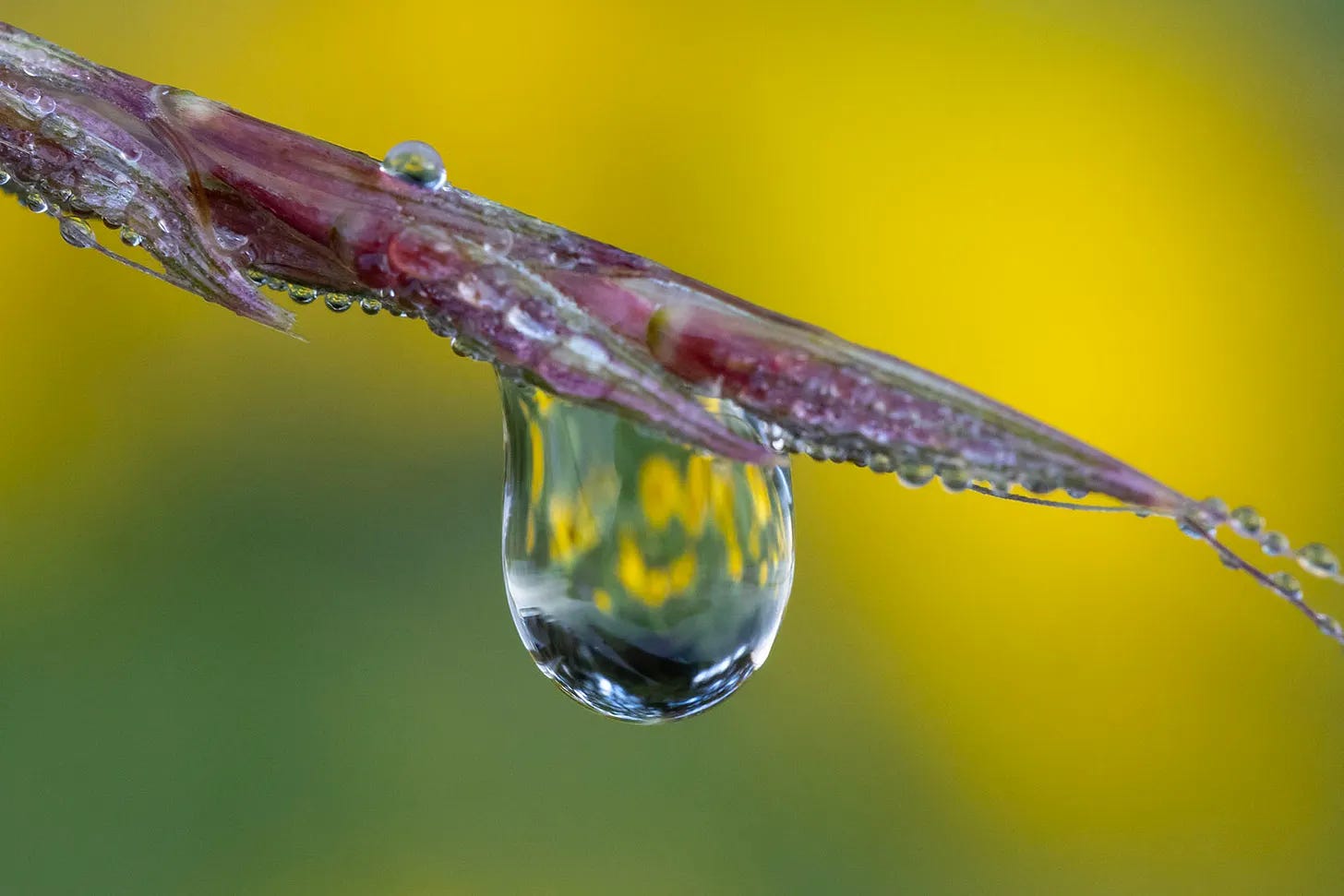
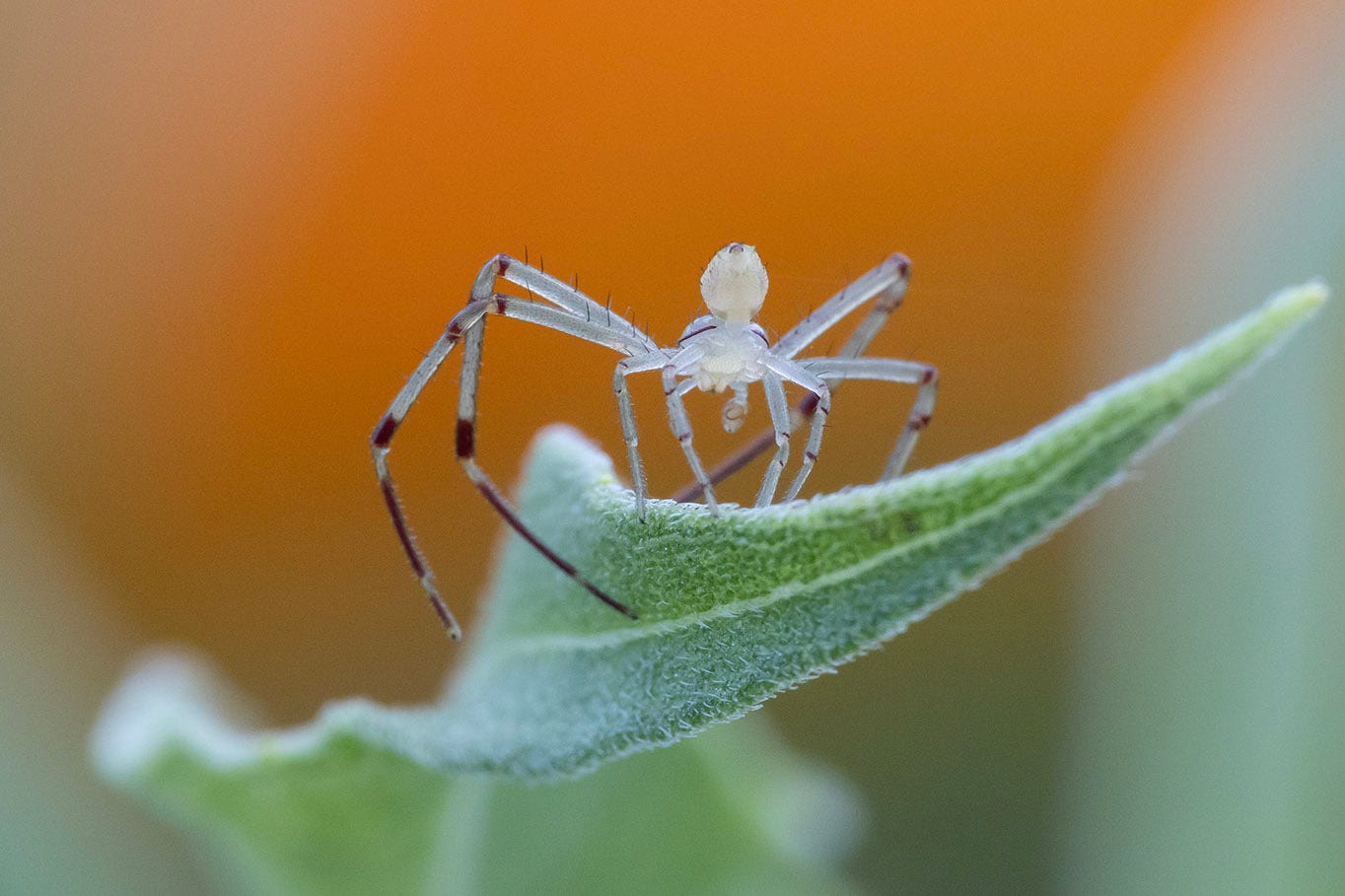
Six years ago, I moved to Nebraska from Colorado. When I tell people from Colorado that I now live in Nebraska, I get a mixed reaction of confusion—or worse—pity. Most of these people have “been to Nebraska,” but they simply traveled through it on interstate 80 at 75 miles per hour. Built for speed, moving freight and people across what most call “flyover country,” they didn’t “see” Nebraska from the highway. From that fast-moving view, the landscape looks like a flat, expansive land with endless boring fields—a far cry from the breathtaking mountain vistas people from all around flock to see in Colorado. Mountains do the heavy lifting of beauty from miles away. The prairie, on the other hand, makes you work for it. There is a famous quote: “Anyone can love the mountains, but it takes a soul to love the prairie.”
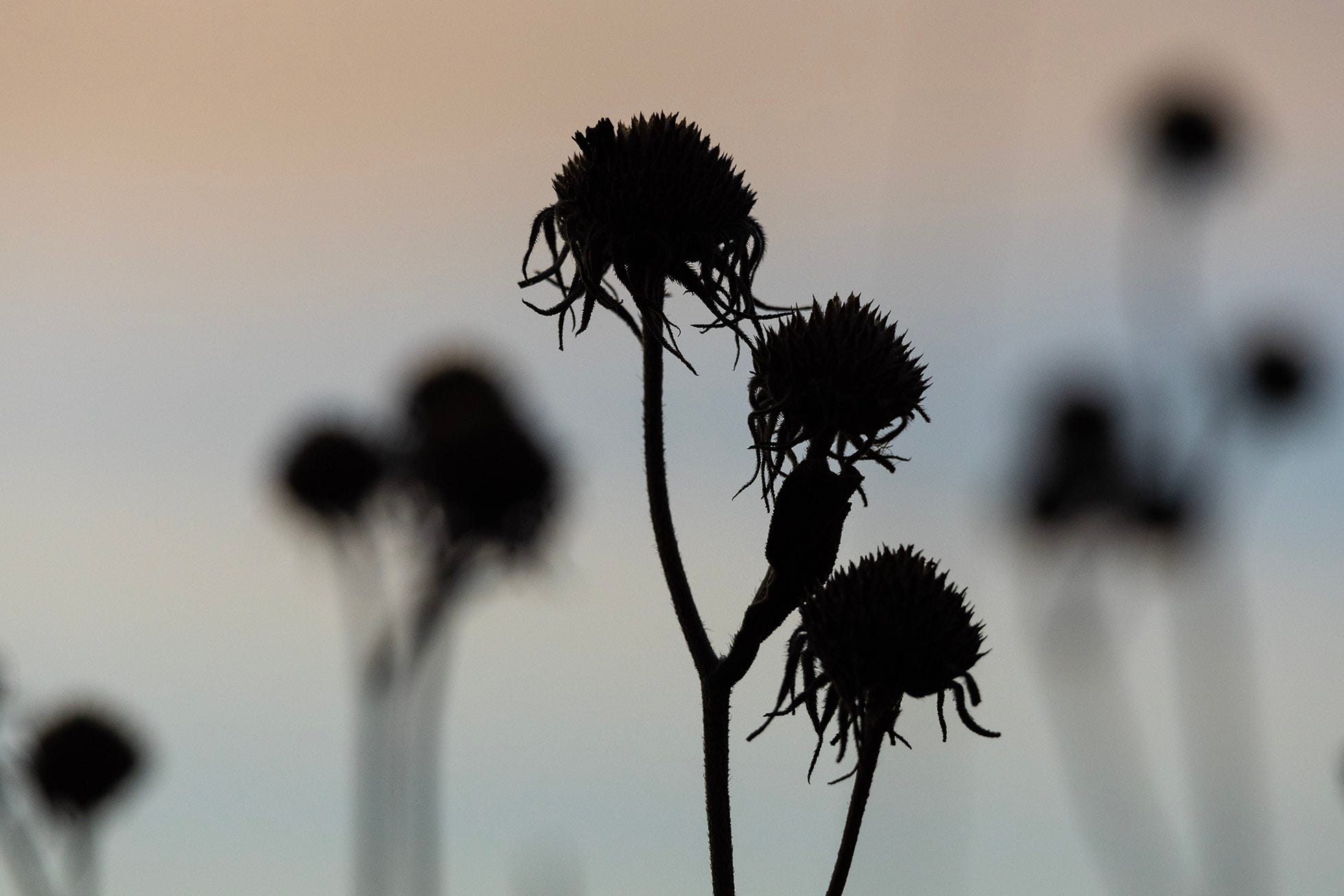
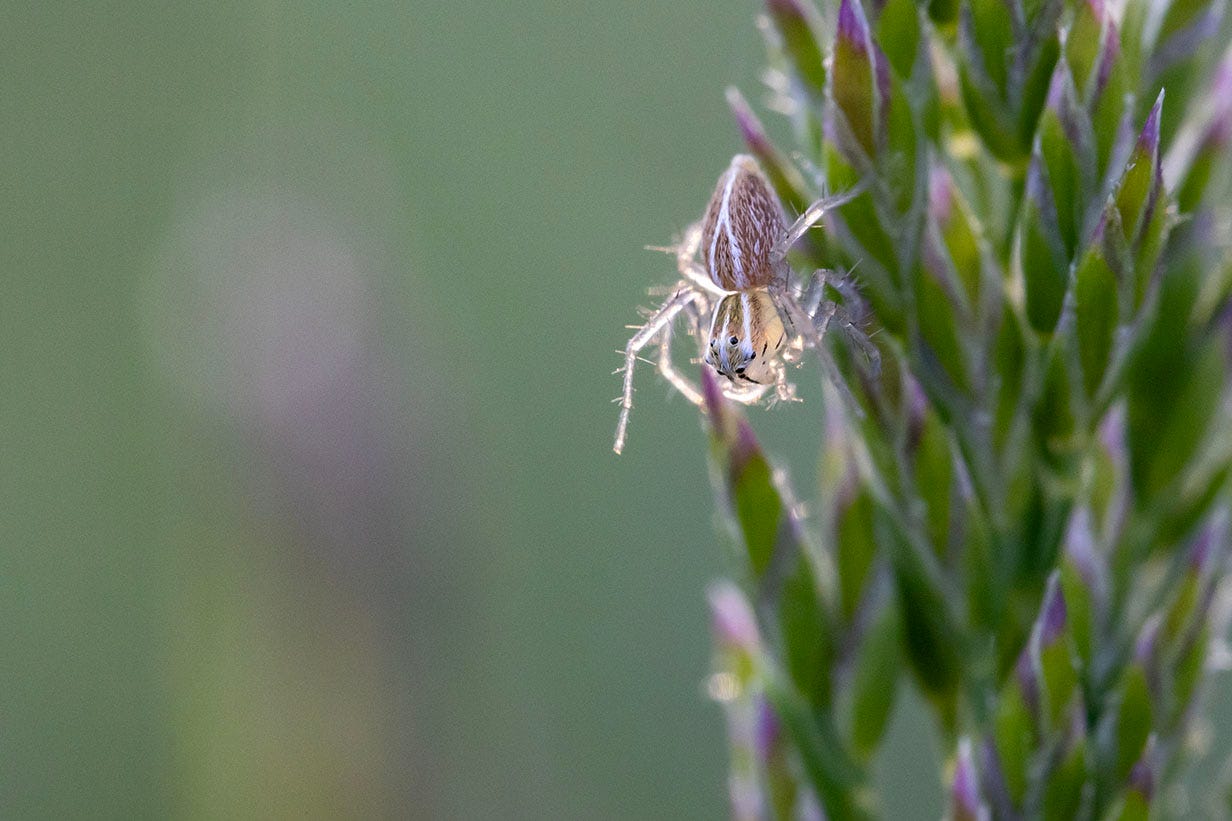
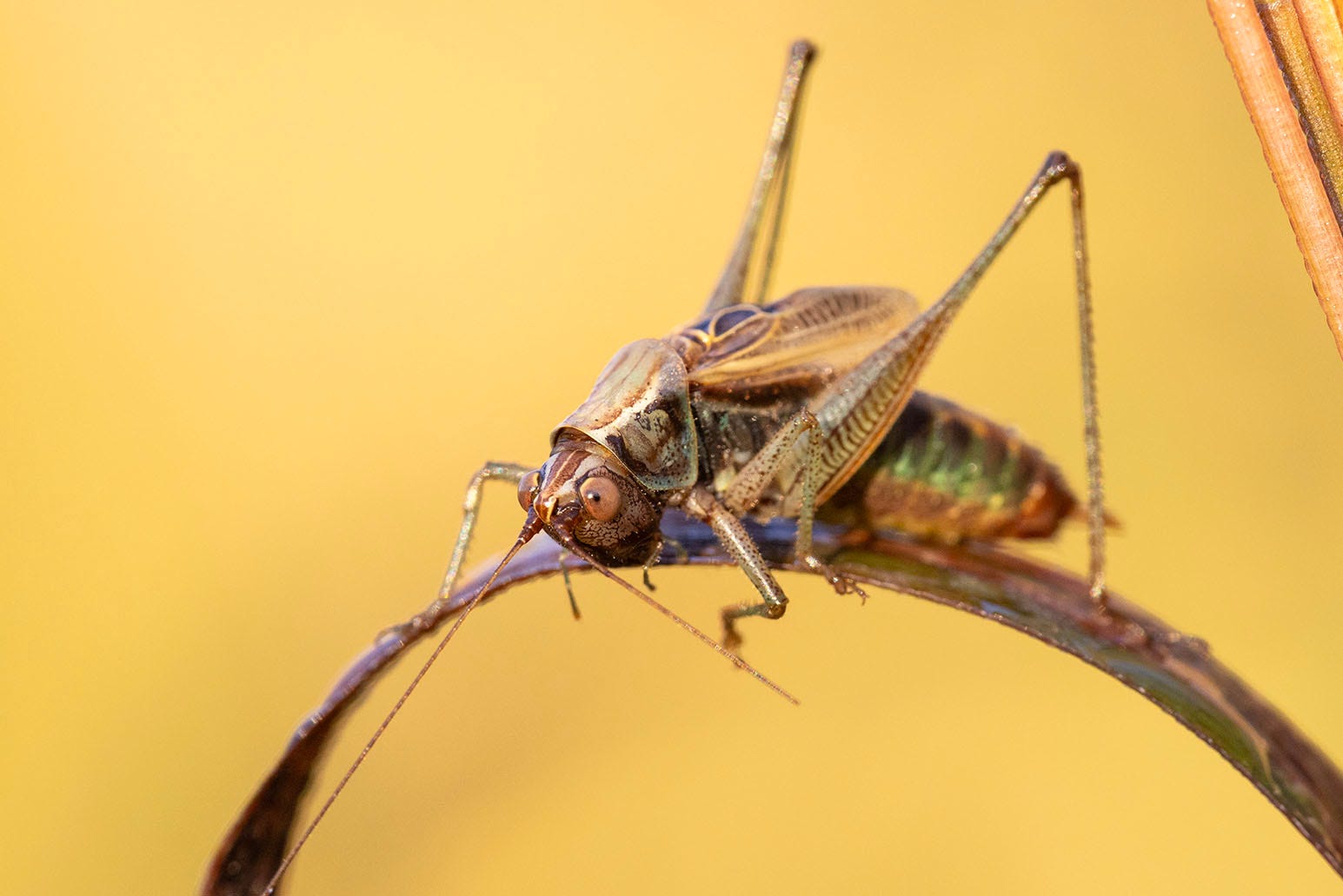
To catch what is actually happening in the praire, you have to swap out your telephoto for a macro lens.
Whether it is Dürer’s watercolor or Helzer’s photos of a square meter of Nebraska prairie, the lesson remains the same: you have to slow down, pay attention, and discover the sacred that lives right beneath your feet.
And most importantly, go touch grass.
Grain Place Foundation’s Brian McFadden is an all-media artist and creative technologist living on a small farm outside of Hampton, Nebraska. After studying Illustration at the University of Central Missouri and earning an MFA in Design and Technology from Parsons The New School of Design, he spent years in Colorado before returning to the Midwest. You can view his work at hamburgeronthebeach.com.
Comments
Nothing yet. Say the first thing.
Sign in to join the conversation.