
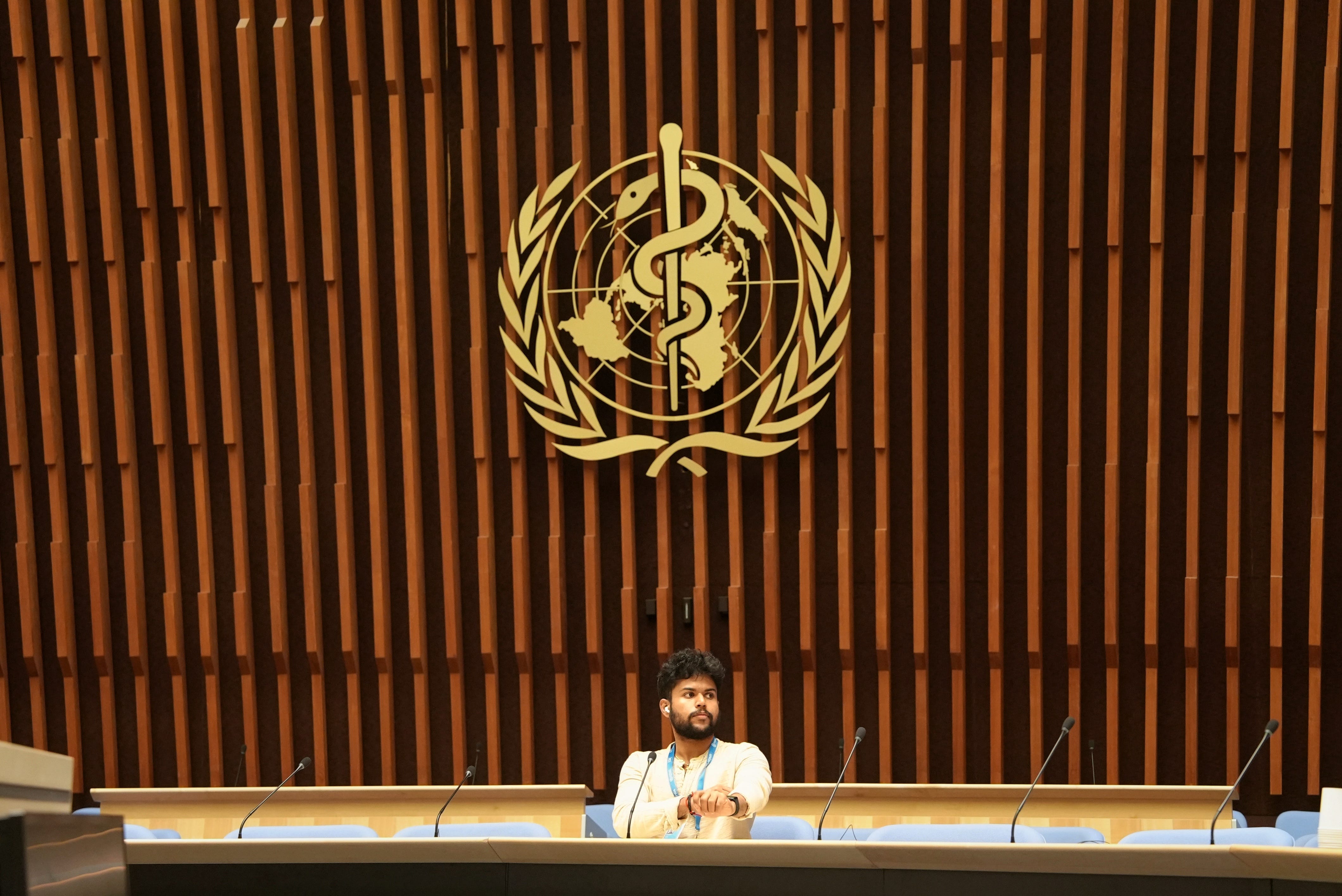
I was there as a young BAMS student from India.
But I was also carrying a question that has followed me through years of work in Traditional Medicine, biodiversity, technology and global policy:
Where are the young people from the world’s Traditional and Indigenous Medicine systems in the rooms shaping global health?
Where are the students? Where are the young practitioners? Where are the innovators? Where are the young people trying to protect medicinal knowledge while also thinking about artificial intelligence, climate change, biodiversity loss and the future of healthcare?
At WHA79, I did not want simply to be present.
I wanted to help create the spaces I had spent years searching for. It was an honour to work with the WHO Global Traditional Medicine Centre (GTMC), whose support enabled me to be present in this global health space.
But being there was only the beginning. Through Govardhan Project and the Global Indigenous & Traditional Medicine Alliance (GITMA), we organised three conversations during WHA79.
Each began with a different question.
Who controls & takes decisions for Indigenous & traditional medicinal knowledge? What happens to Traditional Medicine when climate change destroys the ecosystems that sustain it? And where are young people in shaping its future?
Together, these conversations became part of a much larger story.
Our first event was:
20 May | La Pastorale – La Dépendance
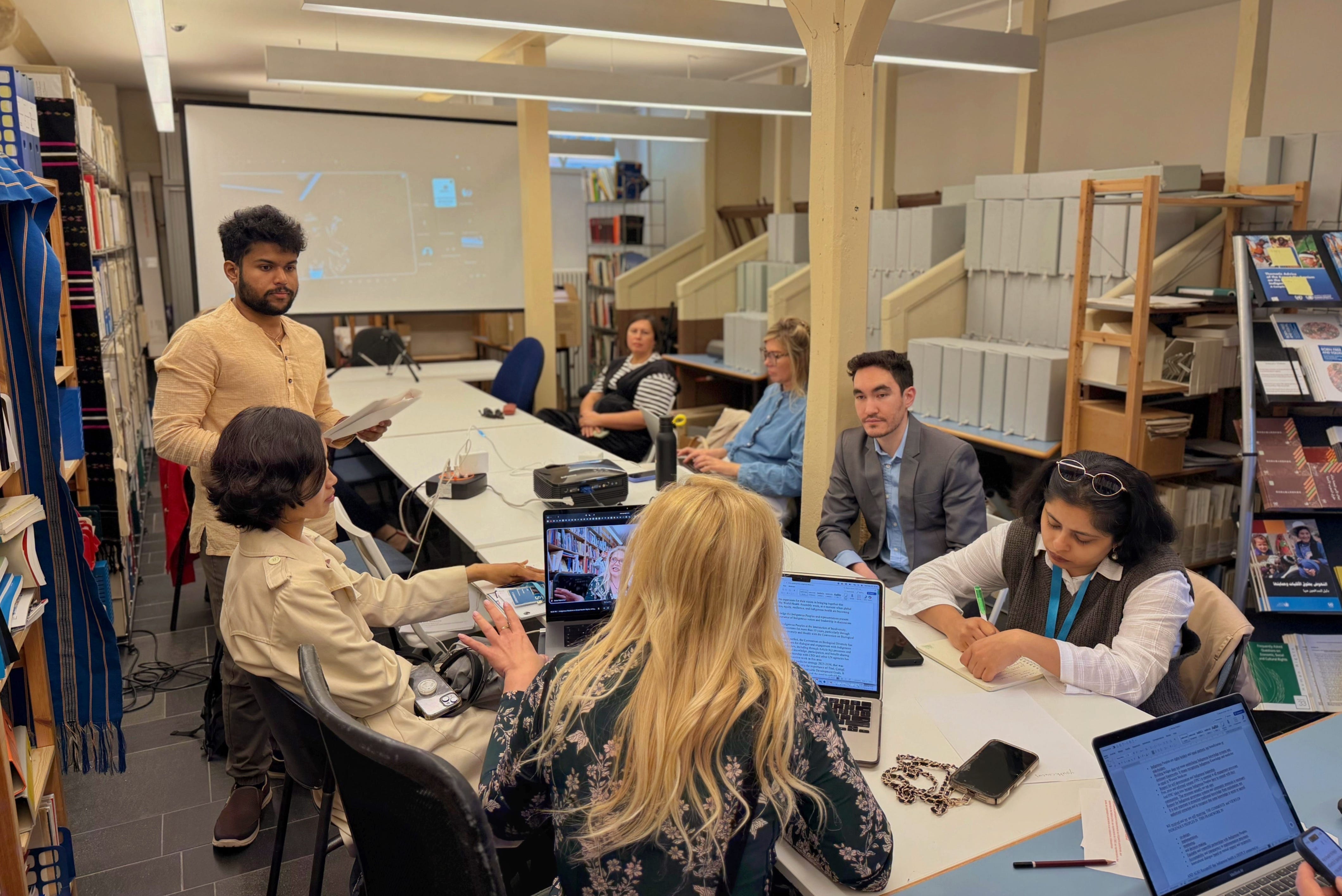
Organised by Govardhan App and GITMA, the event was held in collaboration with DOCIP, WHO, the International Decade of Indigenous Health Accelerator (IDHA), the World Federation of Public Health Associations (WFPHA) and Tunsberg medisinske skole.
The room brought together voices connected to Indigenous rights, public health, biodiversity, Traditional Medicine and global governance.
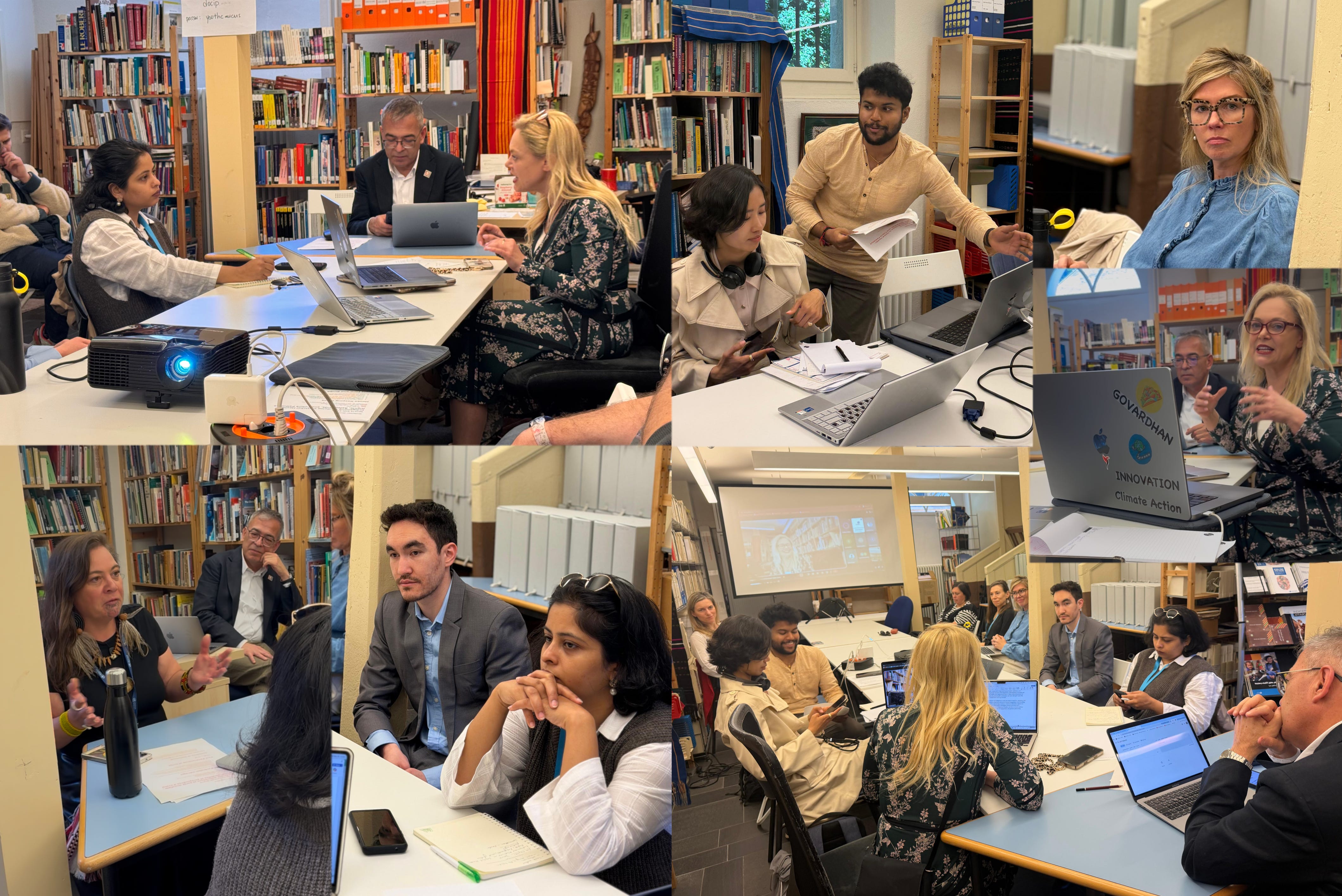
The conversation included Rémi from DOCIP; Rodrigo Paillalef, Vice Chair for Latin America and the Caribbean at the UN Permanent Forum on Indigenous Issues; Cristina Romanelli from WHO; Emma Rawson-Te Patu, President of WFPHA and Vice Chair of UNPFII; Dr. Hans Erling Skallevold; and Geoffrey Roth, Chair of IDHA.
In many ways, it felt like a mini UN Permanent Forum on Indigenous Issues within the World Health Assembly.
I opened with four questions: How do we safeguard Indigenous and traditional medicinal knowledge for future generations? How can Indigenous Medicine be recognised within global health frameworks? How do we ensure knowledge holders maintain control over their knowledge? And how can institutions such as WHO engage respectfully with Indigenous Peoples?
The discussion quickly moved beyond the usual language of “including stakeholders.”
One message was repeated clearly:
Indigenous Peoples are not merely stakeholders or beneficiaries. They are rights holders.
Not all knowledge is meant to be public.
The future cannot simply be AI for Indigenous Peoples.
It must include Indigenous-led AI — built, governed and owned by communities themselves.
The strongest outcome of the event was simple: Full Video Below (Sorry we lost the video stream while recording )
Indigenous knowledge should not merely be included in global health. It must be protected, governed with rights and safeguards, and led by Indigenous Peoples themselves.
A huge thank you to DOCIP for providing the venue and helping make this conversation possible.
The next morning, we moved from rights and knowledge governance to the ecosystems that make Traditional Medicine possible.
21 May | Health Diplomacy House
The three Rio Conventions address three defining environmental challenges:
Climate change through the UNFCCC.
Biodiversity through the Convention on Biological Diversity.
Land degradation through the UNCCD.
But Traditional Medicine depends on all three.
Medicinal knowledge depends on medicinal plants. Medicinal plants depend on biodiversity. Biodiversity depends on healthy ecosystems and land.
And knowledge survives through communities, cultures and generations.
Yet there is still no comprehensive framework effectively connecting Traditional Medicine across all three Rio Conventions.
That was the gap we wanted to explore.
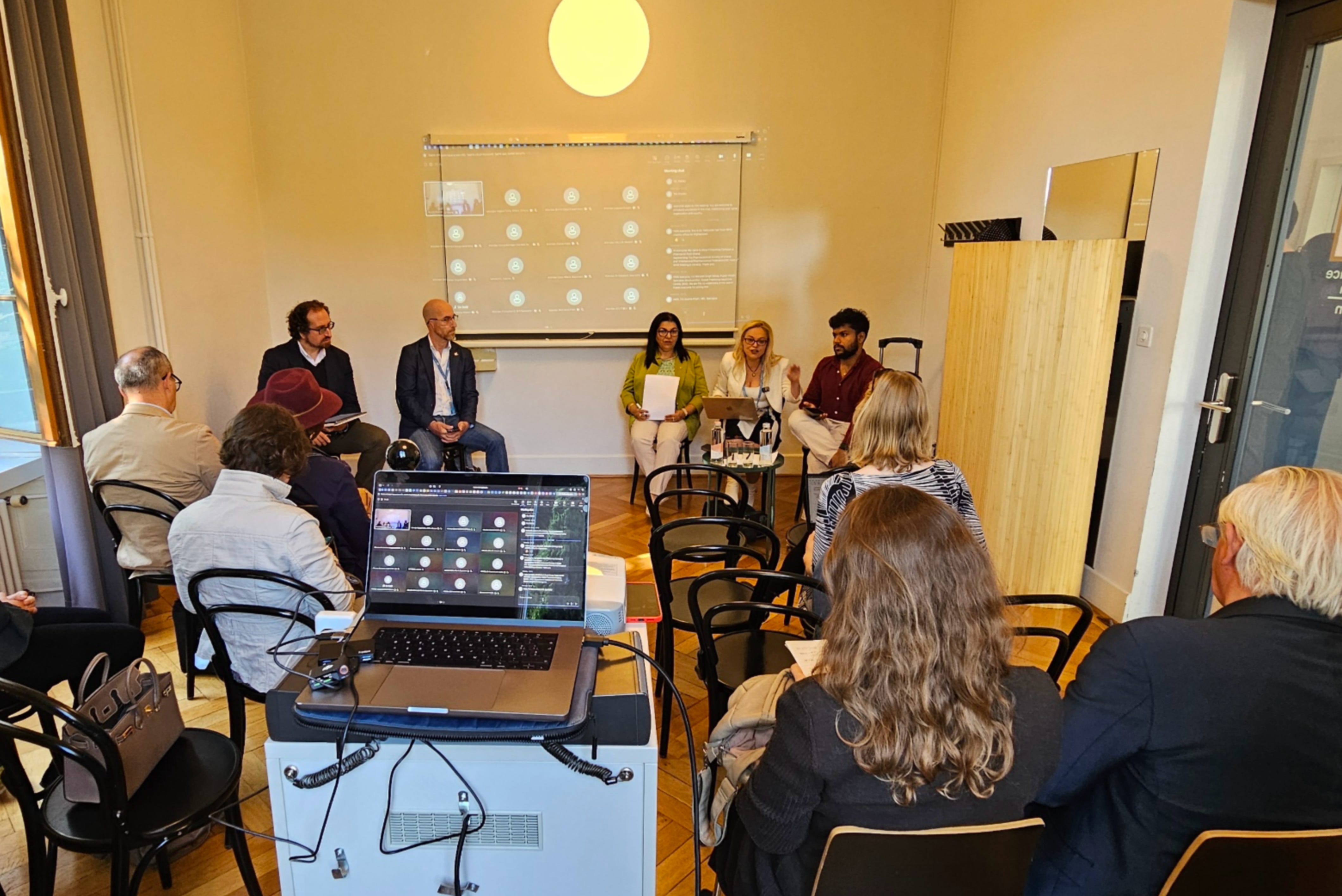
The event brought together WHO, the International One Health Conference, MRN, UNU-CRIS, & Geneva Forum. Knowledge Mobilisation Partners: Global Youth Coalition, GEYO Indonesia, the University of Minnesota’s work on planetary health and environmental justice, and the UNCCD Youth Caucus.
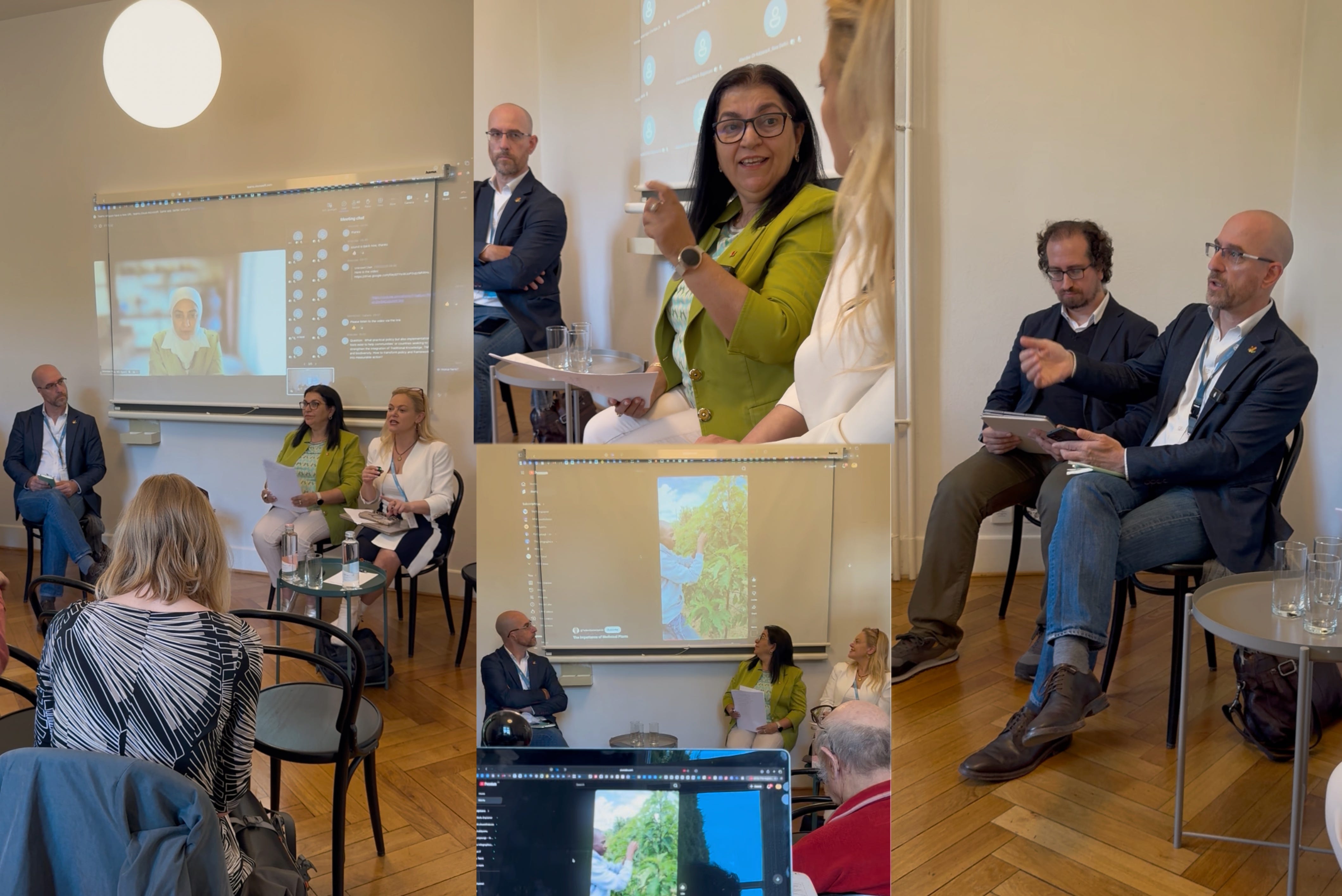
The discussion included Thomas Egli, Domenico, Dr. Naeema Al Qasseer, Cristina Romanelli, Dr. Mona El-Sherbini and a contribution from Ajuna Tadeo representing UNCCD Youth Caucus.
Cristina Romanelli framed the issue clearly: Environmental crises are health crises. Biodiversity supports food, nutrition, water, medicinal resources, climate resilience and human health.
I shared what I had seen through years of participating in UN climate conferences. Indigenous communities are already bringing medicinal plants, healing knowledge and biodiversity practices into climate spaces.
But the systems around them remain fragmented.
Health ministries speak in one room. Environment ministries speak in another. Climate, biodiversity and land institutions follow different processes. Traditional Medicine can be a bridge between them. I described medicinal plants as the “clinics of the forest.”
Dr. Naeema, focused on the Importance of Importance of Medicinal Plants in Climate space. Dr. Mona shared her thoughts on the why Traditional Medicine is important in Soil Degradation and Land Reservation.
Thomas shared about the Harmony that brings as an UN Expert in Harmony with Nature Programmes. Also, Ajuna Tadeo from UNCCD Youth Caucus sharing how African’s depend on Traditional Medicine from the Environment and How their community depend on it & how can it boost the Universal Health Coverage.
One Solution which Uplifts all! Full Video Below.
A very special thank you to the Health Diplomacy House, for supporting this youth initiatives on making talks on Traditional Medicine. For Providing the Space for FREE!
Sometimes building bridges begins because someone is willing to give an idea a room.
Later that day, we arrived at the third question.
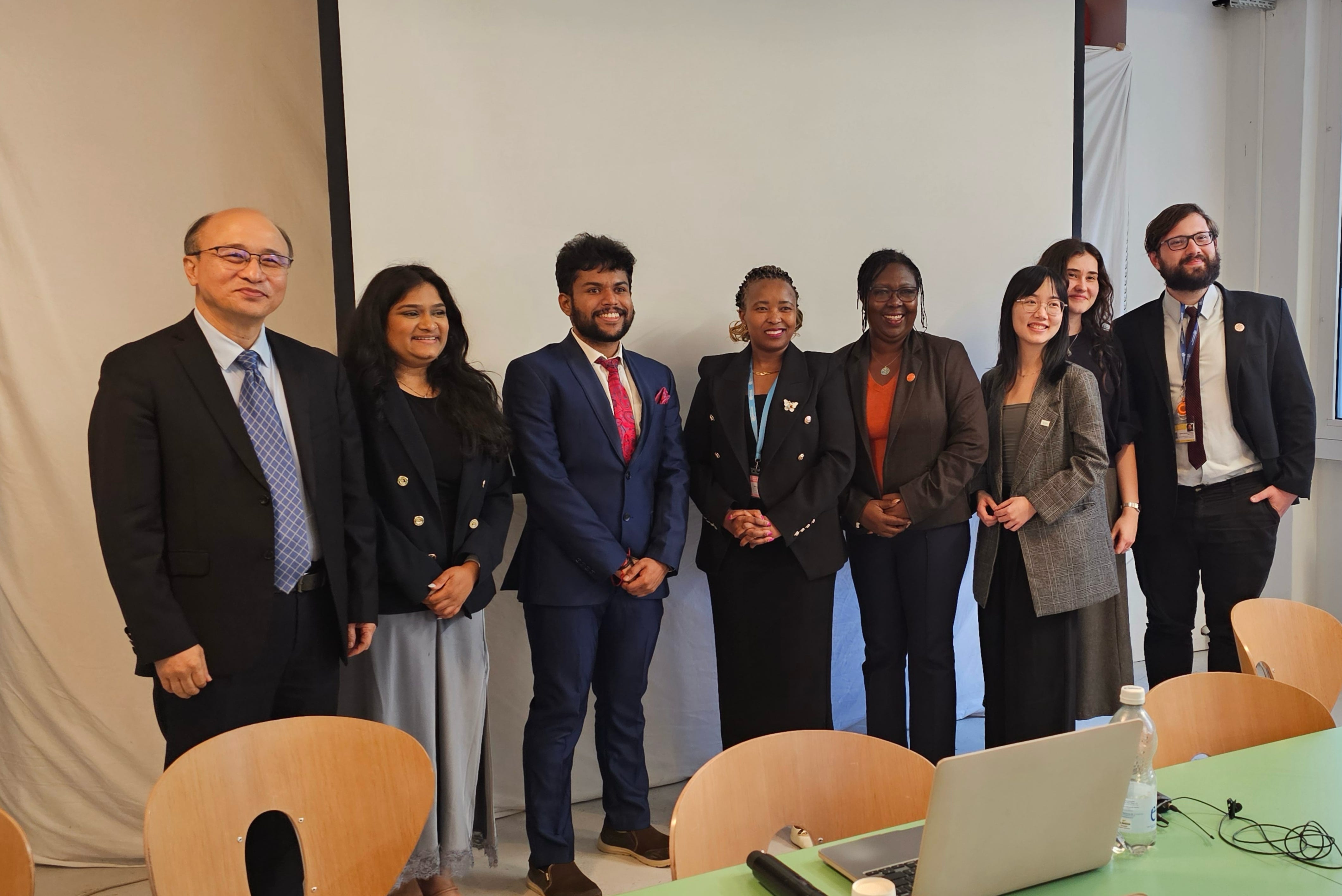
21 May | SDG Solution Space
The event brought together Govardhan, GITMA, WHO GTMC, the International Pharmaceutical Students’ Federation, UNU-CRIS, IVAA, the TCIH Coalition and EUROCAM.
Huge thanks for WHO GTMC for this whole side event.
The session brought together Dr. Kim Sung-ho from WHO TM Unit; Dr. Ziyi Xiao from IPSF; Rusha Patel from IPSF; Hon. ’Mamokete Ntšekhe, Minister of Health of Lesotho; Dr. Evelyn Abayaah from Ghana’s Traditional Medicine Practice Council; Asli Yildirim from TCIH/ EUROCAM; Dr. Gustavo Dalle Cort from IFMSA; and a video address from Fionah Njeri.
Where are young people in shaping the future of Traditional Medicine?
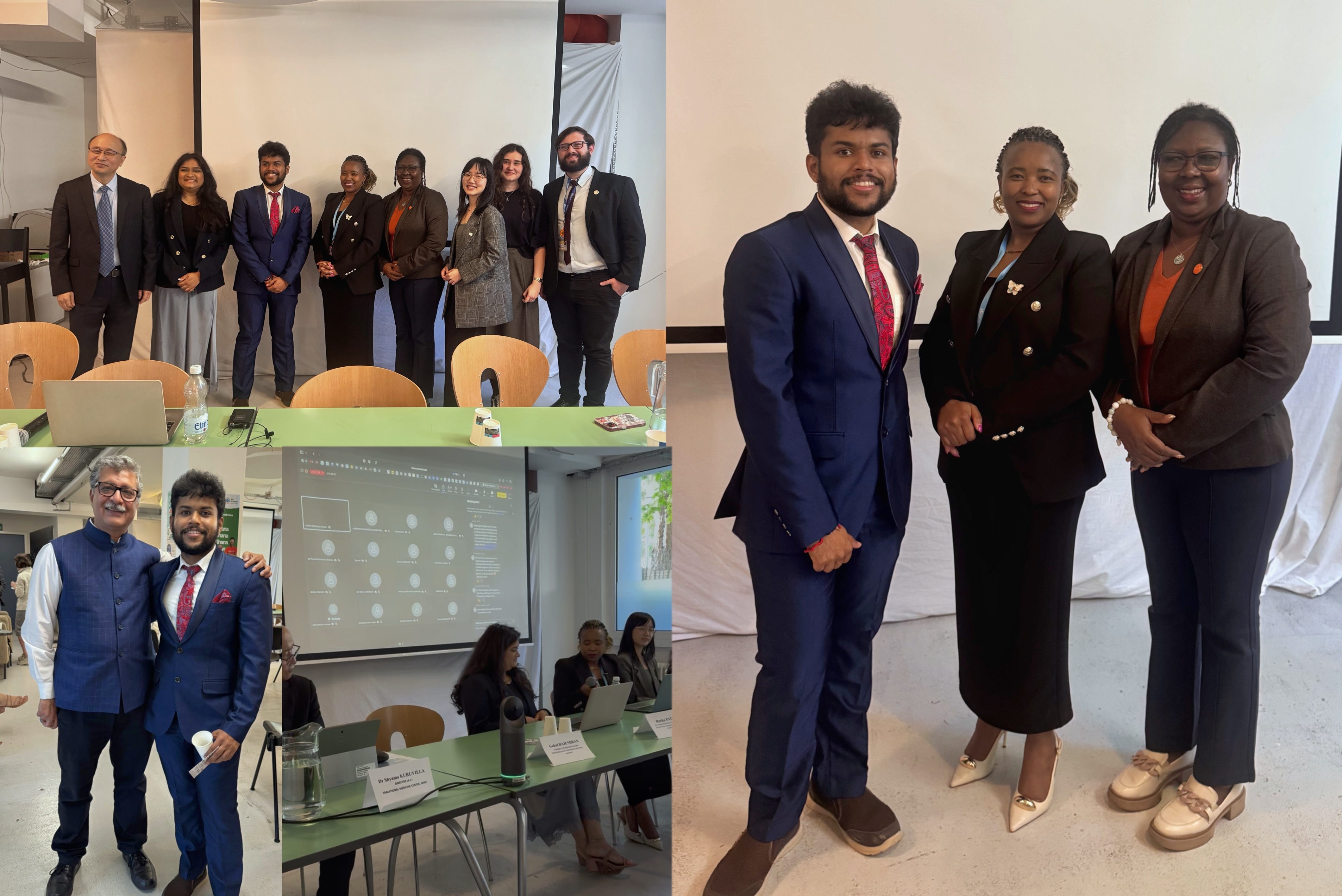
As a BAMS student, I know how difficult it can be to find the entry points.
Young people interested in this field face fragmented institutions, limited research opportunities, little awareness of international processes and very few spaces where they are treated as contributors to policy.
Traditional Medicine may sit under a health ministry in one country, a separate ministry in another, and entirely different structures elsewhere.
The pathways are rarely clear.
The problem is not a lack of interest.
The problem is that many systems have not created meaningful pathways for participation. Even Youth Spaces in within the UN Space. TM Youth representation on advisory councils and regulatory boards is necessary step in integration.
And collaboration across health, biodiversity, climate, education and culture.
Integration must not become assimilation. Traditional and Indigenous knowledge systems should not have to lose their identity in order to enter global health.
Young people should also not be invited only as a symbolic “youth voice.”
We should be researchers. Innovators. Practitioners. Organisers. And decision-makers.
Traditional Medicine is not only something inherited from the past. It is a living and evolving field connected to universal health coverage, biodiversity, climate resilience, planetary health, technology and the future of healthcare. Full Video Here
The question is whether institutions are ready to let us lead.
One of the most meaningful outcomes of WHA79 came when I saw my words included on the WHO website.
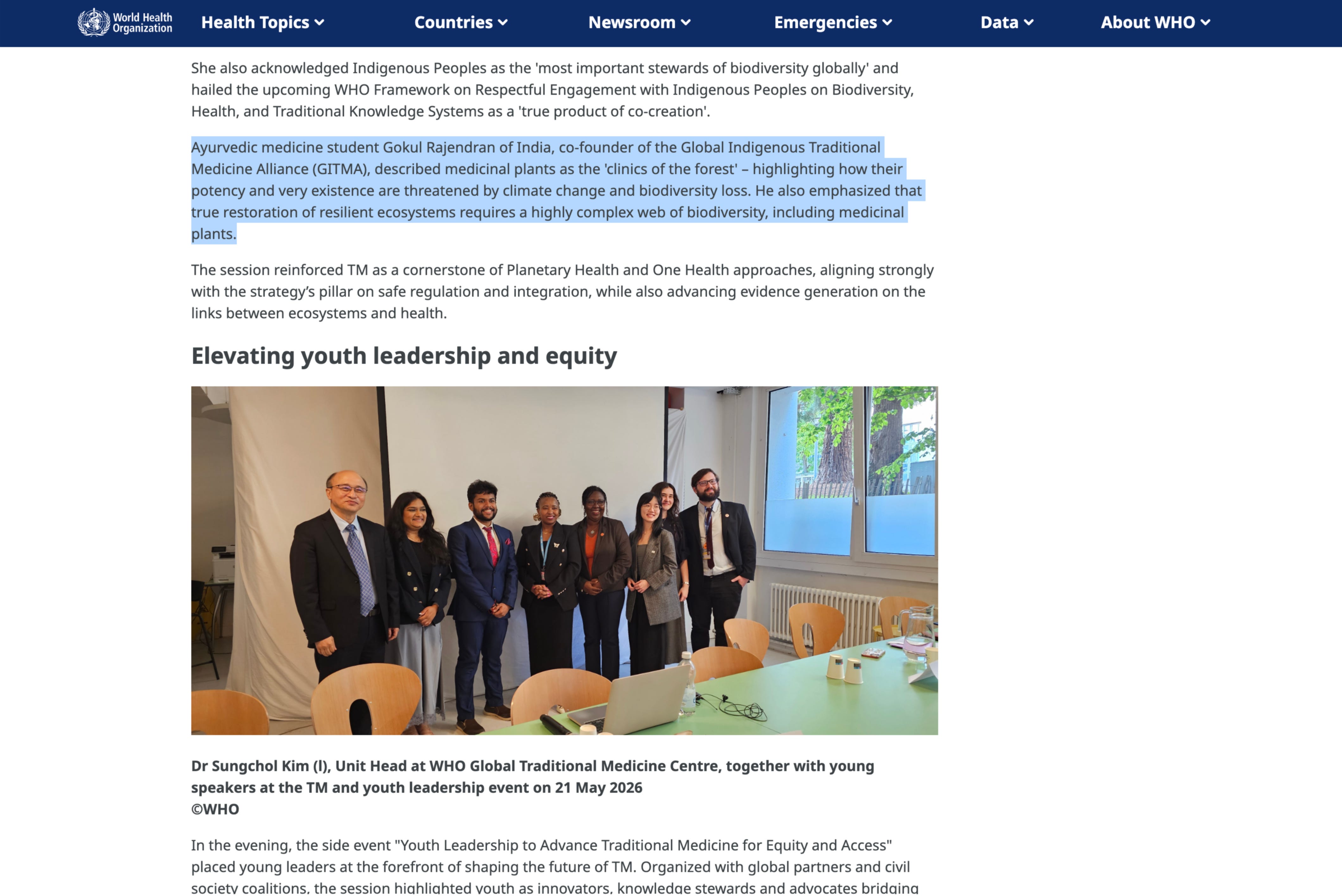
For many people, this may look like a small thing.
For me, it was not. For years, misinformation and misunderstanding around Traditional Medicine have discouraged students across India & worldwide from seeing it as a space for innovation.
Too often, students are pushed towards a false choice.
Tradition or innovation.
Ancient knowledge or modern science.
Cultural heritage or technology.
I do not accept that choice.
Traditional Medicine can ask new research questions. It can engage with artificial intelligence. It can contribute to biodiversity conservation. It can help us understand climate resilience. It can create new models of healthcare access.
And young people from these systems can be innovators.
At the end of this journey, I found myself again inside the WHO Executive Board Room. just for some photos. :P
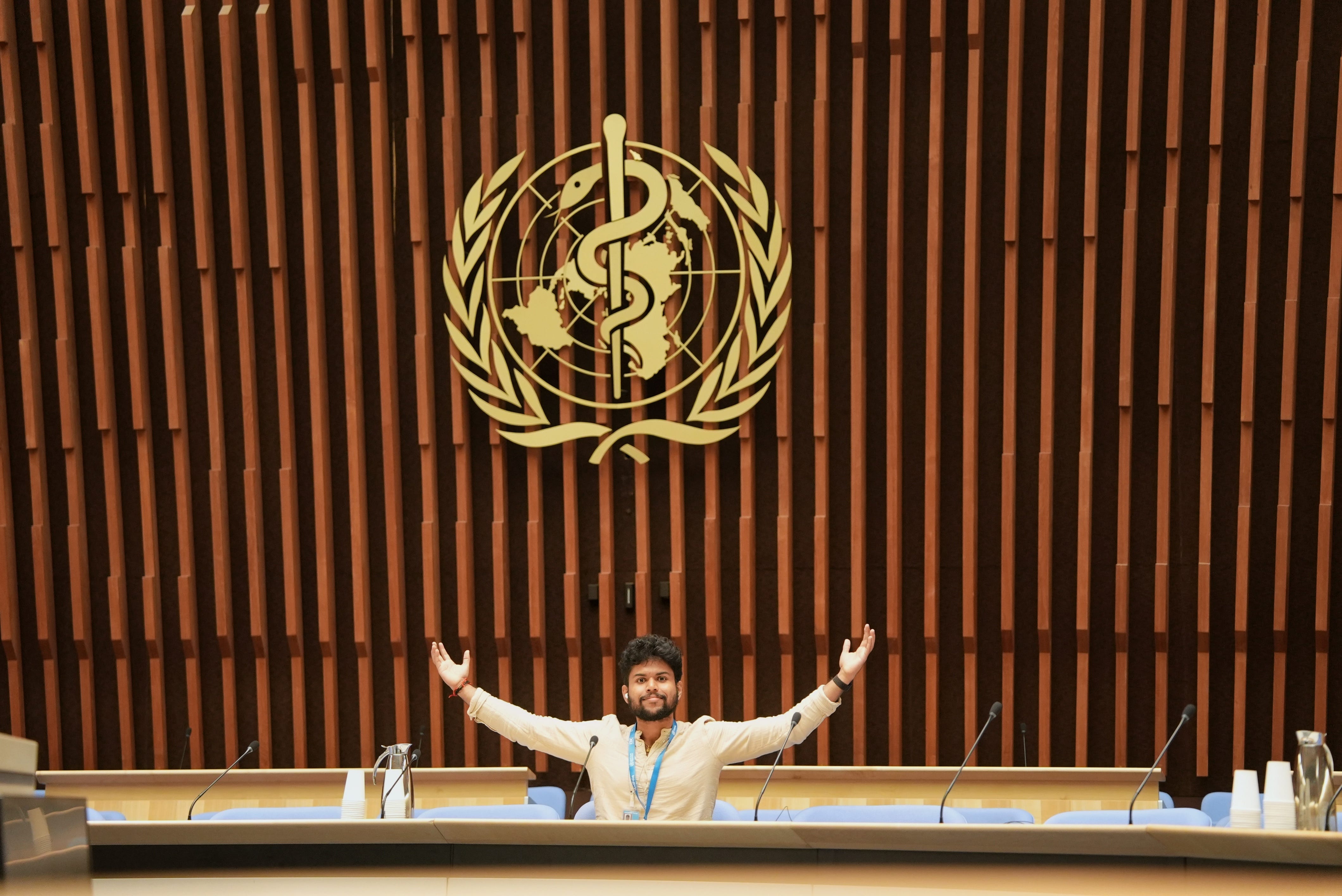
From a BAMS student in India to this room, the journey felt bigger than me.
At WHA79, we did not answer every question.
But we helped put the questions into the spaces where we could.
We organised.
We connected.
We challenged misconceptions.
We built bridges.
And standing before the WHO emblem at the end, I knew this was not the finish.
It was only the beginning. 🌍🌿
Comments
Nothing yet. Say the first thing.
Sign in to join the conversation.