
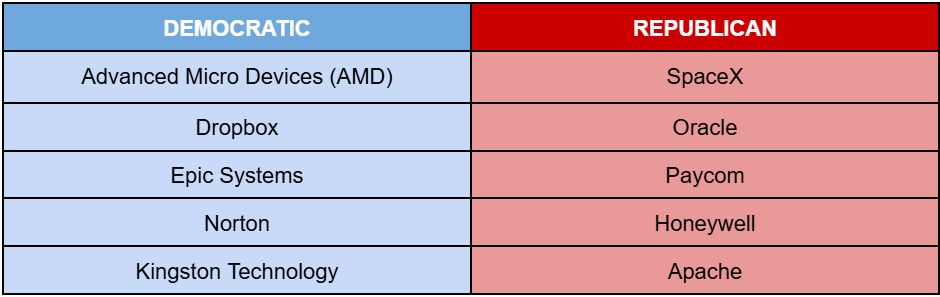
Welcome back to The Good Briefing. We hope you had a great weekend! Today, let’s look at the politics of ten software companies:
According to Pew Research Center, “A quarter of Democrats and Democratic-leaning independents view the Supreme Court favorably. That is similar to recent years and one of the lowest favorable ratings of the court from either party in the more than 30 years since we first asked the question” (source).
Until next time,
The Goods Unite Us Team
Check Out Our Latest Blog Post: We Need Your Help To Keep The Goods Apps Free!
Here’s something most companies would never admit: we built something millions of people use, and we’ve never made a dime from it.
Not because we couldn’t figure out how to charge. Because we decided not to.
For nine years, Brian and Abigail, the co-founders of Goods Unite Us, have been covering the gap between what it costs to run this platform and what advertising brings in. That gap has never closed. Ad revenue doesn’t come close. The small group of amazing investors who believe in this mission have been subsidizing it too, along with our incredible team, who donate their time for this cause. And every year, we’ve made the same choice: keep it free.
That choice is why 3 million people have used Goods since the last Presidential election. It’s also why we’re writing this post.
In 2017, husband and wife team Brian Potts and Abigail Wuest launched Goods Unite Us with one goal: make corporate political spending impossible to ignore. Their first attempt, an Amazon-style store selling only products from Democratic-leaning companies, failed fast. People weren’t ready to shop somewhere new.
So they changed the approach. Instead of building a store, they built free phone apps and gave the data away. People could keep shopping wherever they wanted, and now they’d know exactly who their money was going to support.
It worked. Half a million users by 2018. Then they stopped advertising entirely in early 2019, and the app kept growing anyway, because once people find out this data exists, they don’t stop wanting it.
Then Trump got re-elected. The apps hit 150,000 downloads a month. By December 2024, they crossed 1 million total downloads. Today: 3 million users and counting.
Before we get to the ask, here’s a reminder of what Goods has built over the last nine years:
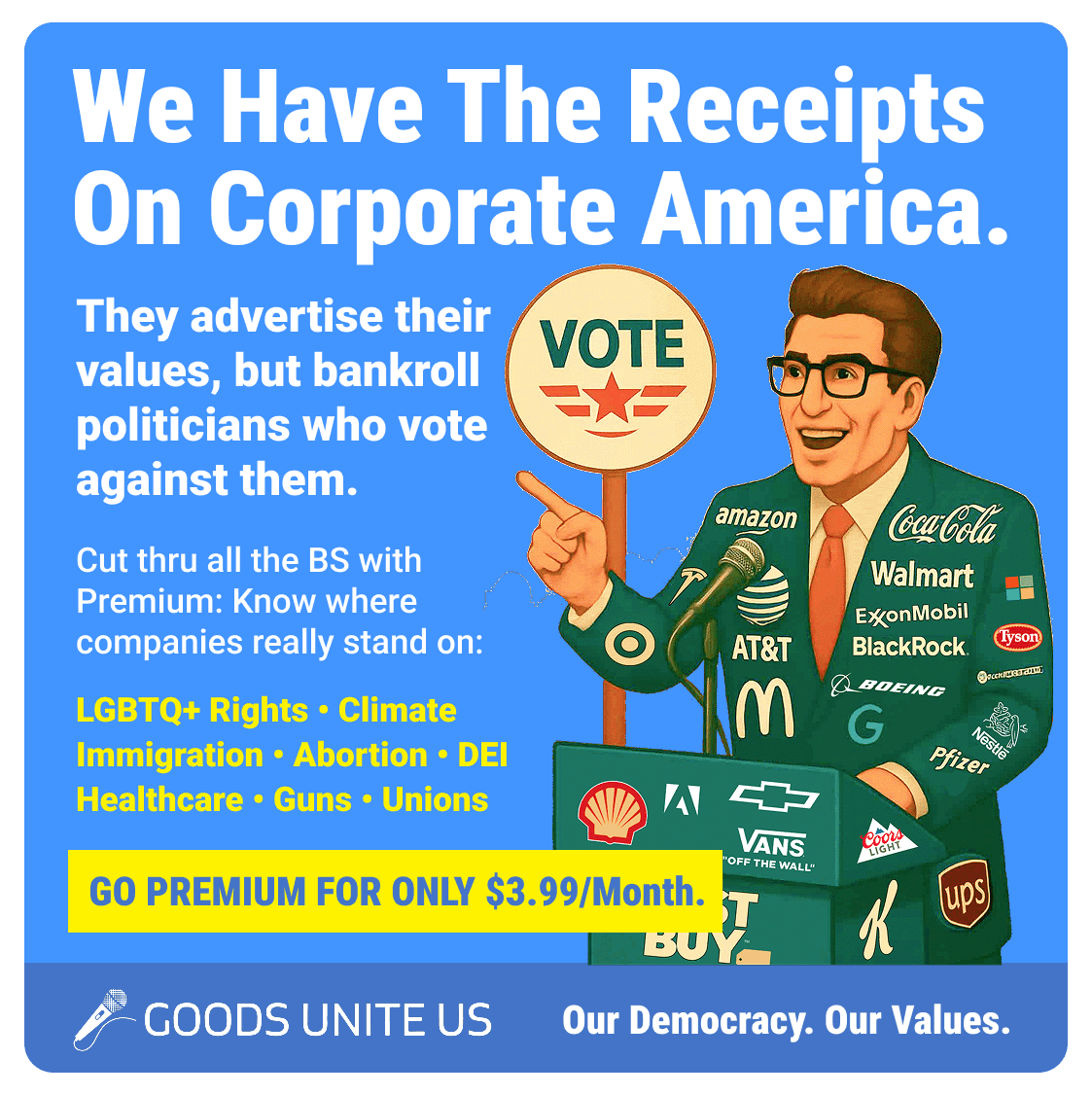
The website: Free. Covers over 5,000 brands and companies. Shows political giving to PACs and politicians and alternative brands to buy.
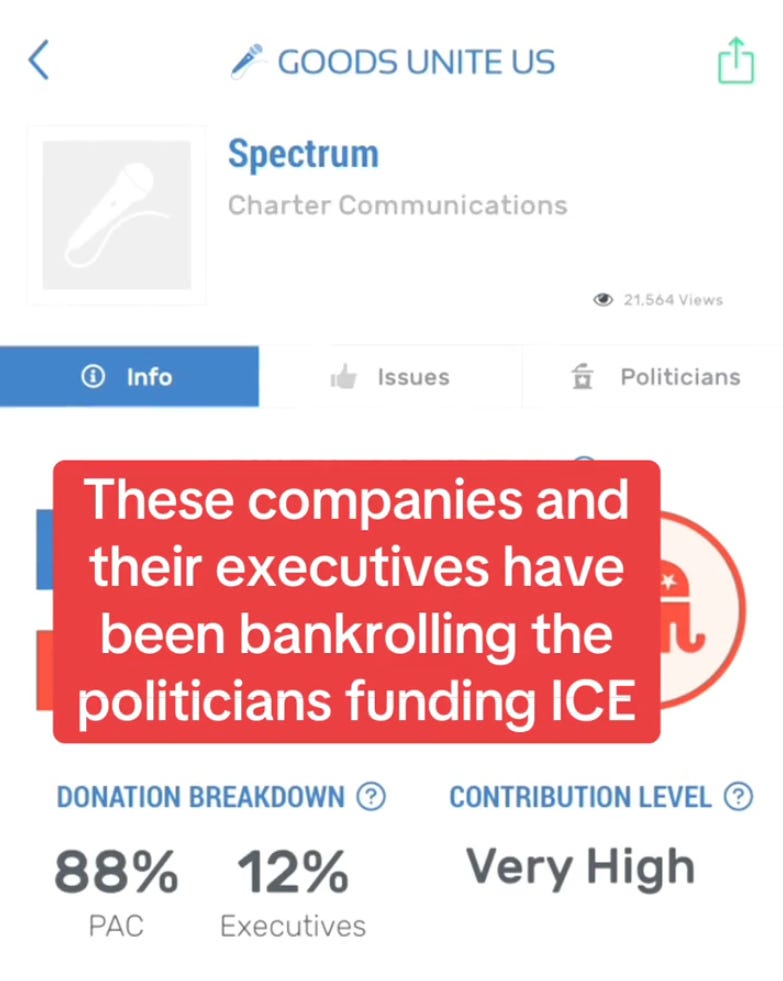
The apps: Free on iOS and Android. Rated 4.8/5 with over 40,000 App Store ratings. Search any brand and see where its money goes politically. Track eight social issues with premium. Now the apps also include Voting Report Cards for every federal politician: search a representative, tap Issues, and see exactly how they’ve voted on abortion, gun control, LGBTQ rights, the environment, DEI, Social Security, immigrant rights, and union support. All for free.
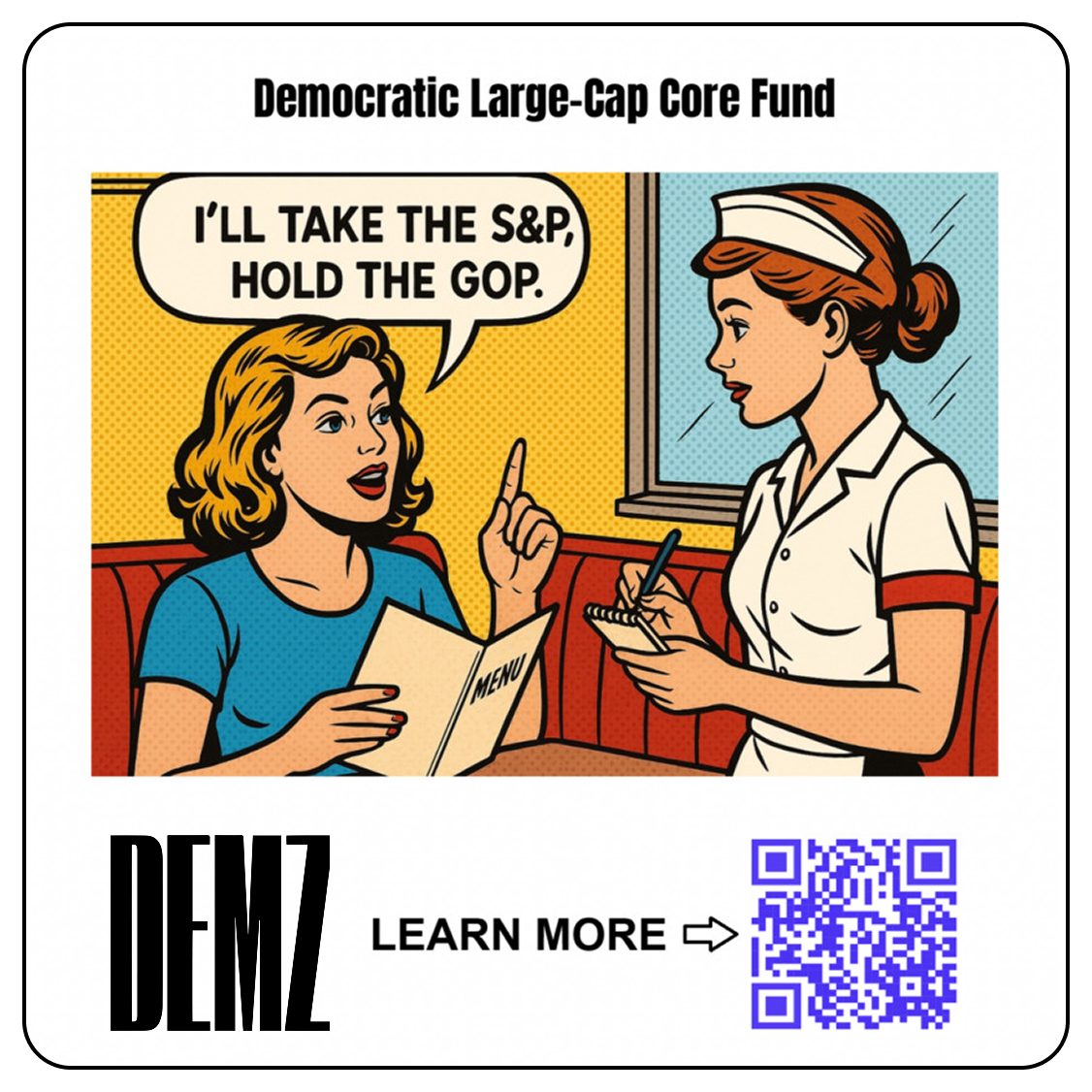
DEMZ: In 2020, Goods launched the Democratic Large-Cap Core Fund on NASDAQ (ticker: DEMZ). The goal was to create the S&P 500, minus the companies whose executives and PACs bankroll Republicans. Over its first five years, DEMZ outperformed the S&P 500 by 7.81%, delivering a total return of 113.38%. There’s now $65 million in the fund, but it won’t start fully covering its cost until it crosses about $80 million. The management fee is 0.45%.
IndexAlign: A platform that shows you the politics behind your financial portfolio. Because what you own matters as much as what you buy.
Goods built these tools that millions of people have used almost entirely from founder contributions, outside third-party investor money, and lots of donated time from dozens of wonderful people.
Money in politics works because it stays invisible. A company writes a check to a PAC, the PAC funds a politician, and consumers keep spending without knowing their dollars helped pay for it. The only way to create real financial consequences, the kind that make an executive think twice before writing the next check, is to get this information into enough hands that it can’t be ignored.
A paywall cuts the audience. A smaller audience means less pressure. Less pressure means nothing changes.
So we kept the door open. And we’ve been paying for it out of pocket.
Read the rest of the blog here
Check Out Our Latest Social Media Posts:
If our work matters to you, wearing it helps amplify it.
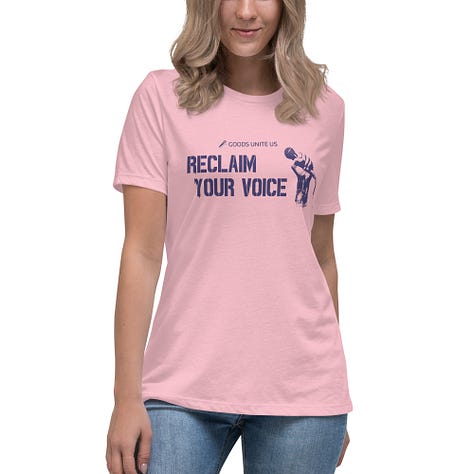
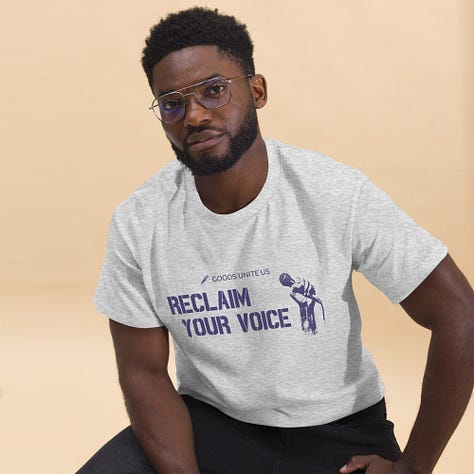
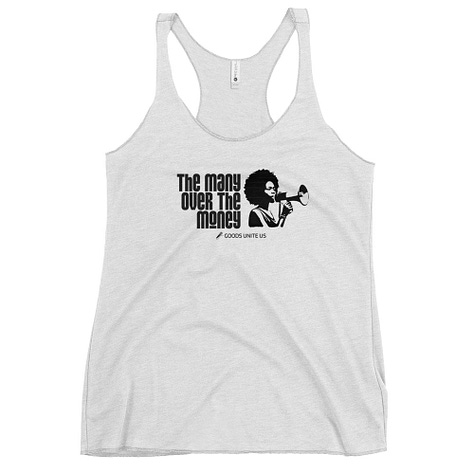
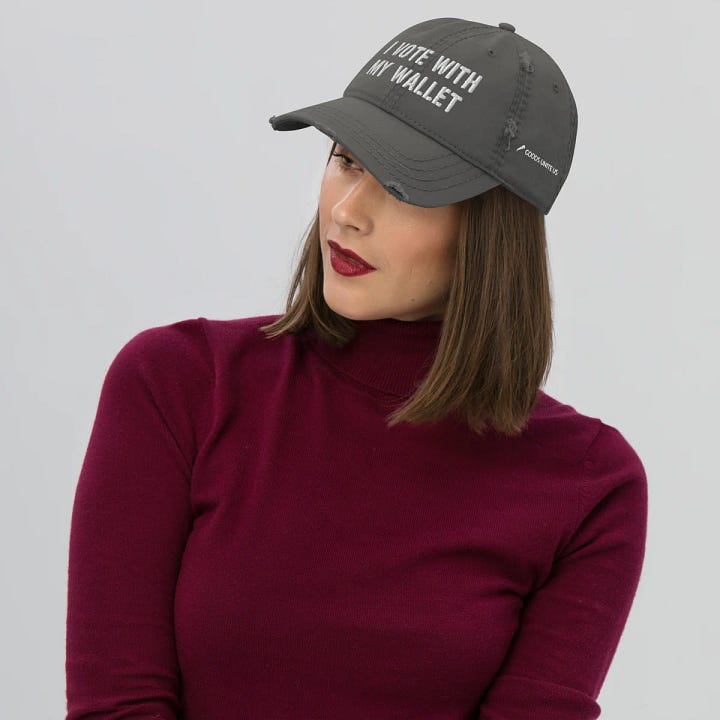
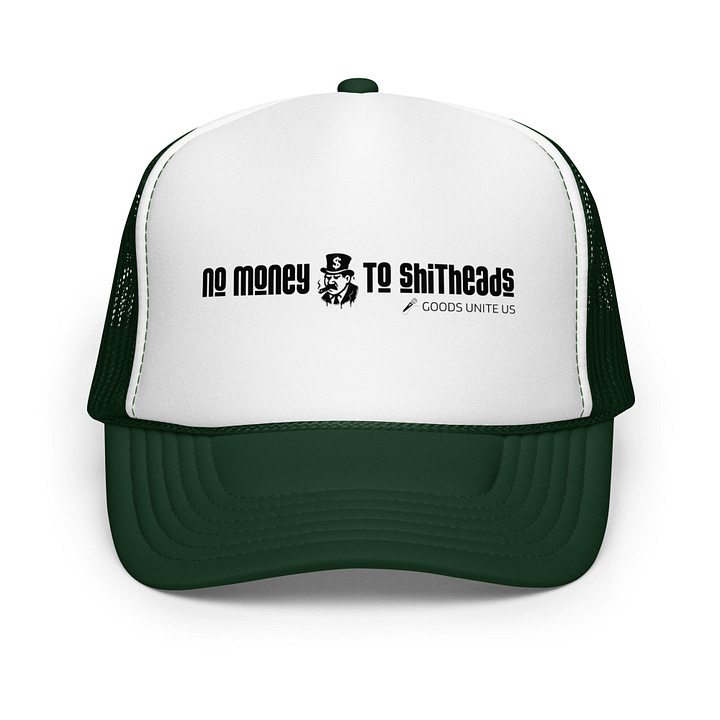
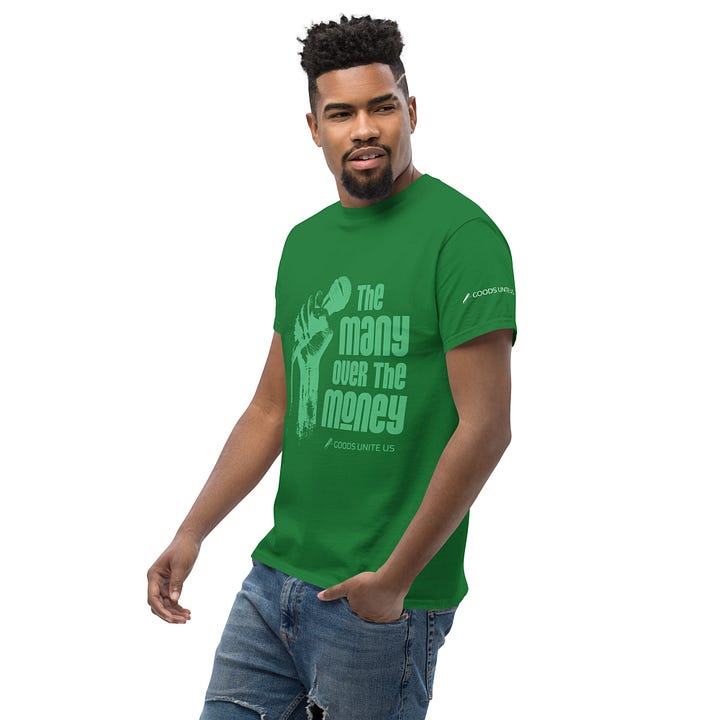
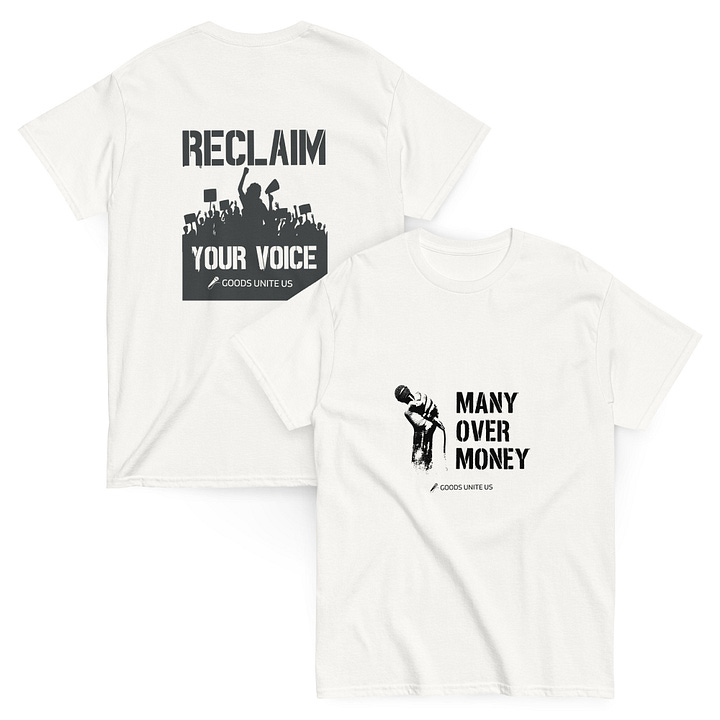
👉 Explore the Goods Unite Us Merch Store
No posts
Comments
Nothing yet. Say the first thing.
Sign in to join the conversation.