
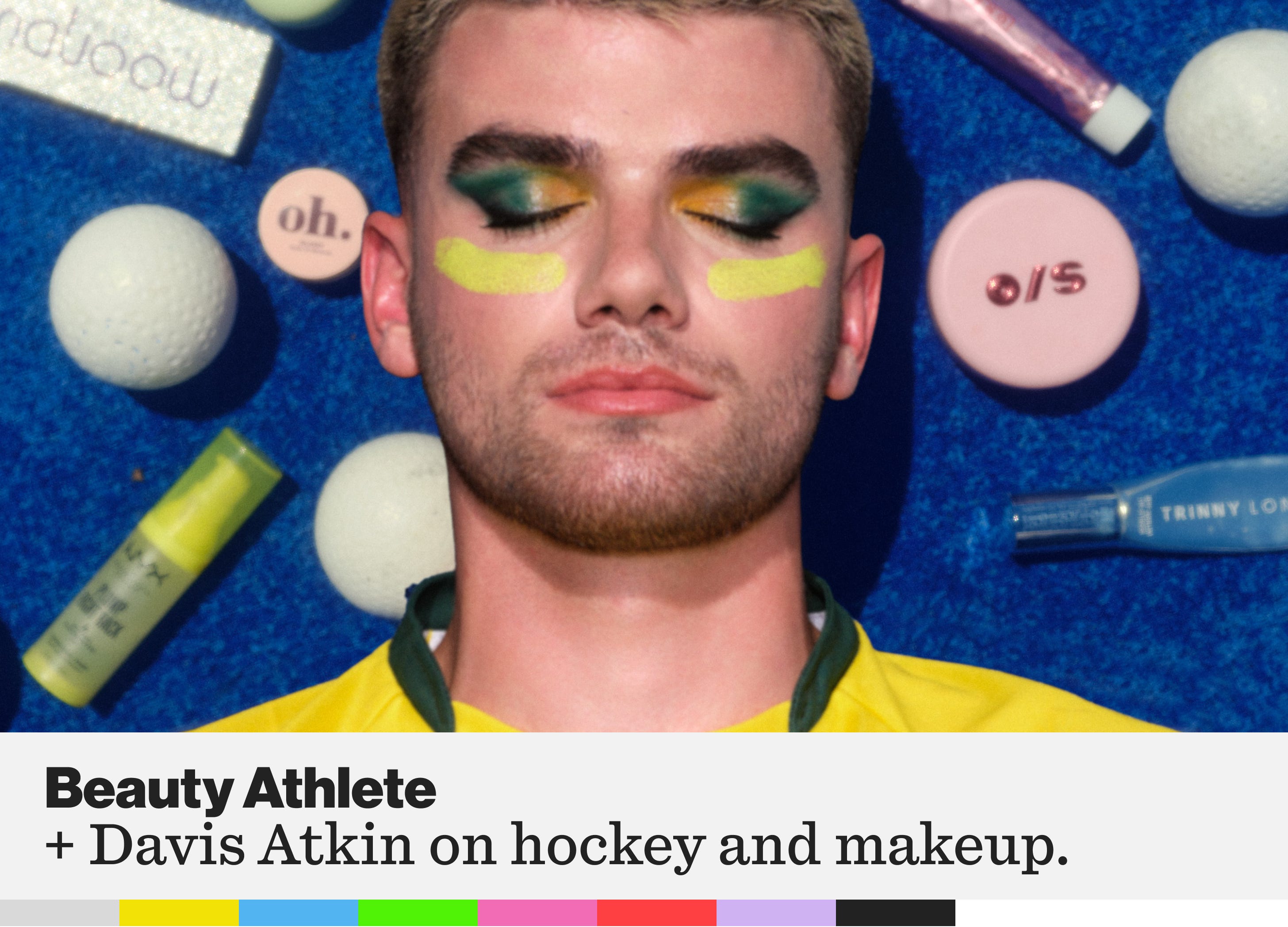
Photographs by Lawrence Atkin
There are two types of team names you don’t forget in Australian sport. The first: teams named after our animals, usually venomous or threatening. Sharks. Tigers. The second: teams that embody this country’s relaxed attitude to life. The Canberra Chill falls firmly into the latter category. “It really is one of the best team names in Australian sport,” Davis Atkin says, “and it’s pretty spot on as a description with the weather we get down there during winter.”
Davis Atkin plays hockey for the Chill when he’s not in Perth with the Kookaburras, Australia’s men’s national team. When I ask him what “beauty athlete” means, his answer is precise in a way that suggests he’s thought about it more than once. “It’s an identity where high performance sport intersects with self-expression through beauty. Encompassing the demands of elite competition with a genuine passion for makeup and skincare.”

In 2021, Atkin was outed by a sports physiologist. He didn’t get to tell his coach himself. He didn’t get to choose the moment or the words or even the year. Someone else made that decision for him.
“I was pretty rocked by it all,” he says now. “It took quite some time and support from my family and close friends to come back to a place where I felt comfortable being back around hockey, and even then I probably came back earlier than I would have originally intended.”
The gap between being comfortable with yourself and being comfortable in high-performance team sport is not a small one. “At this point in time I was pretty comfortable with my sexuality outside of hockey as an individual. But high performance team sport is a whole other environment that brings its own set of challenges on feeling included and welcome. So you can imagine adding being gay on top of those pre-existing challenges just adds even more depth to the situation.”
“Still today I regret not doing some things in response to the unfortunate event, but I am comfortable with who I am today and this story is just a part of my identity.”
Thanks for reading! This post is public so feel free to share it.
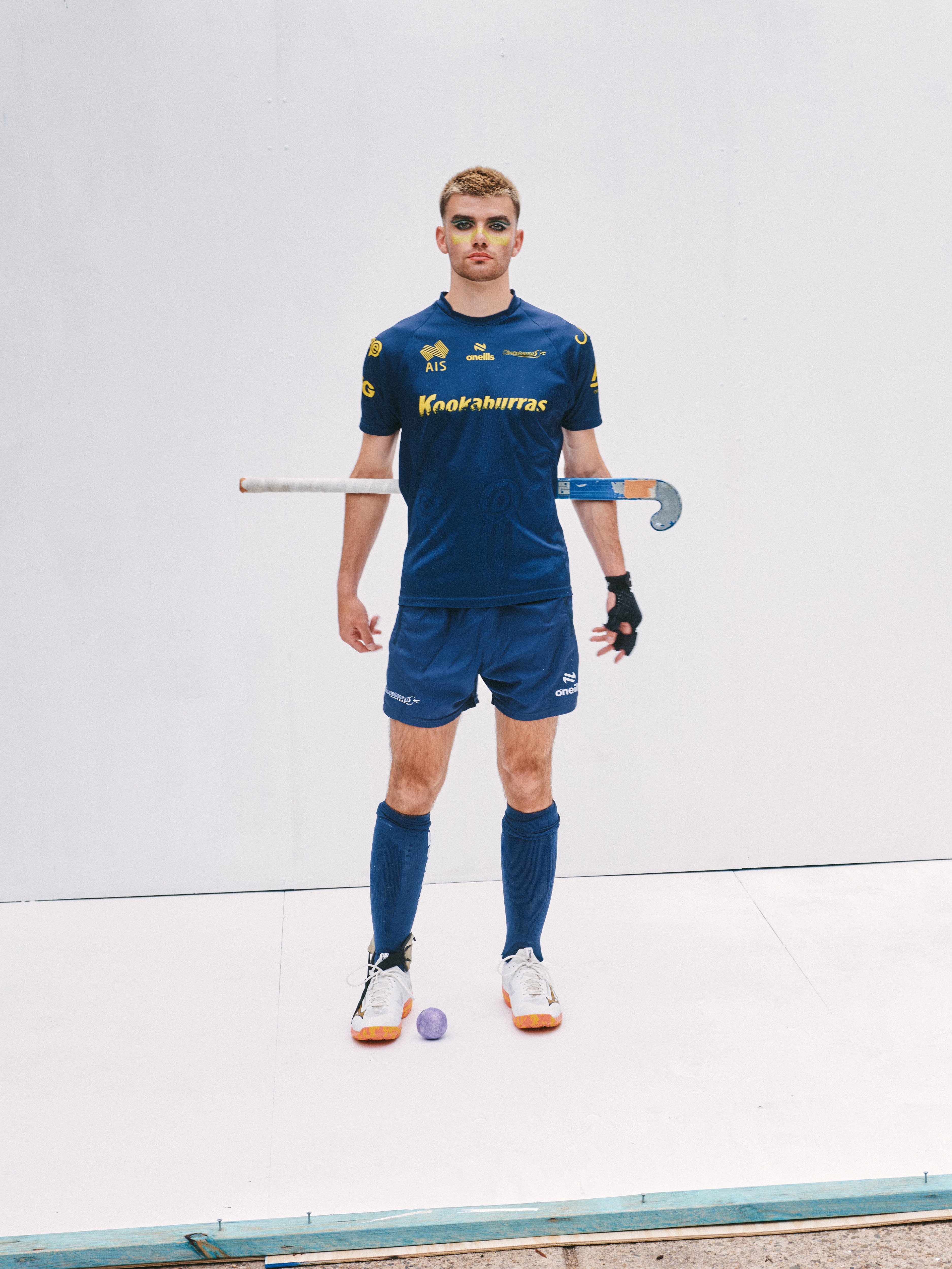
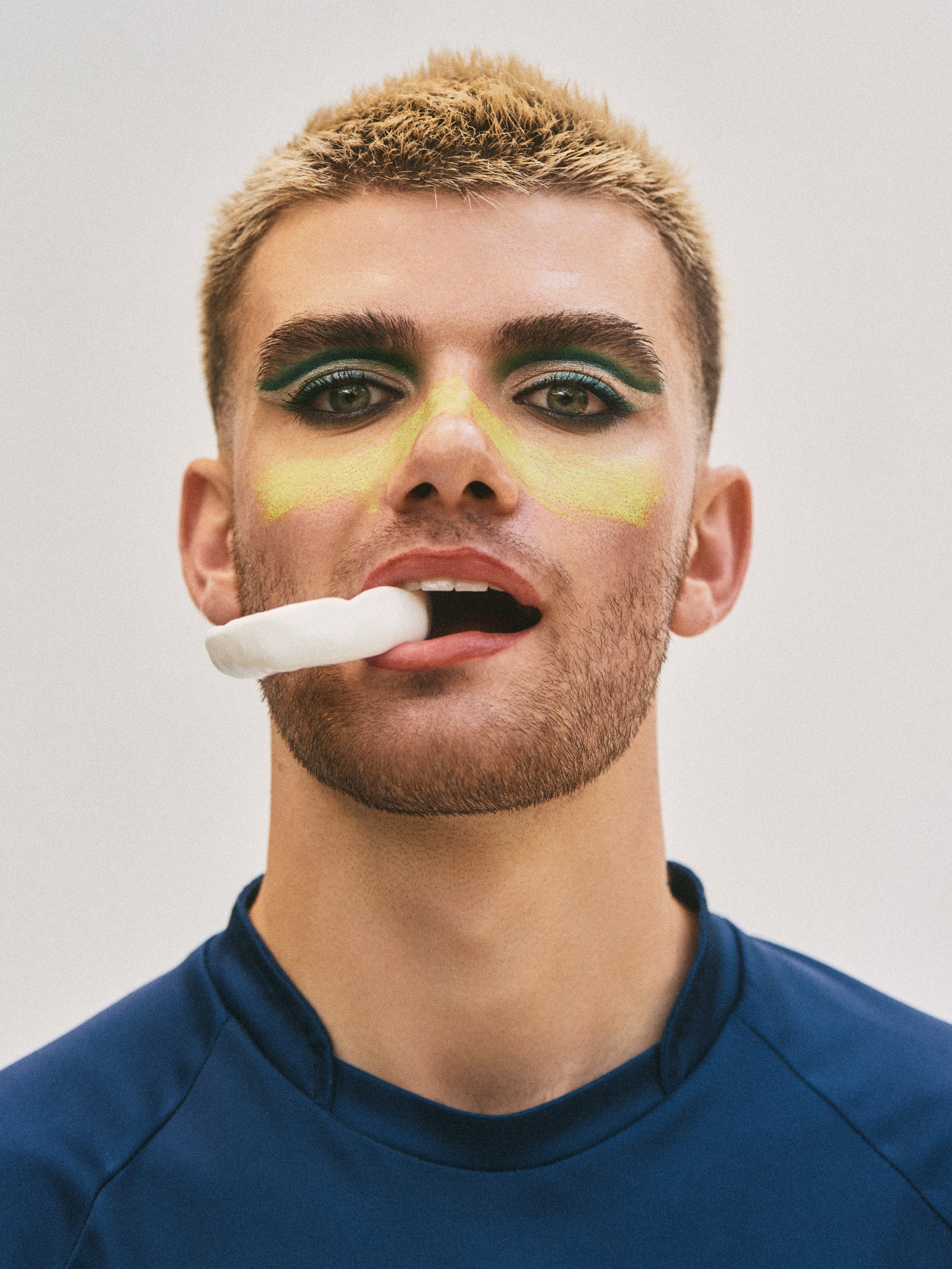
Towards the end of last season, he started wearing eyeliner to training. “I had always wondered how I could intersect hockey and makeup because I didn’t have an interest in wearing foundation or mascara to hockey,” he explains. The logic is practical: eyeliner sits under the brow, away from where sweat runs, and it’s designed to be durable. His teammates call it “wings.”
The decision to try it wasn’t spontaneous. “The response was the main thing holding me back to be honest. I valued my teammates and friends’ opinions very highly, so I was hesitant initially.” When he finally did it, the hesitation proved unnecessary. “Everyone I know has loved the wings and thinks it’s an awesome touch of me.”
Two years after being outed, Atkin became the first openly gay player to represent the Kookaburras. When the team wore rainbow socks for pride round last year, he was on the field. “In the lead-up to the game, in particular the walk onto the pitch before the match started, I felt a great sense of pride. I was pretty emotional for a second there singing the national anthem, especially having my family on the sidelines supporting me.”
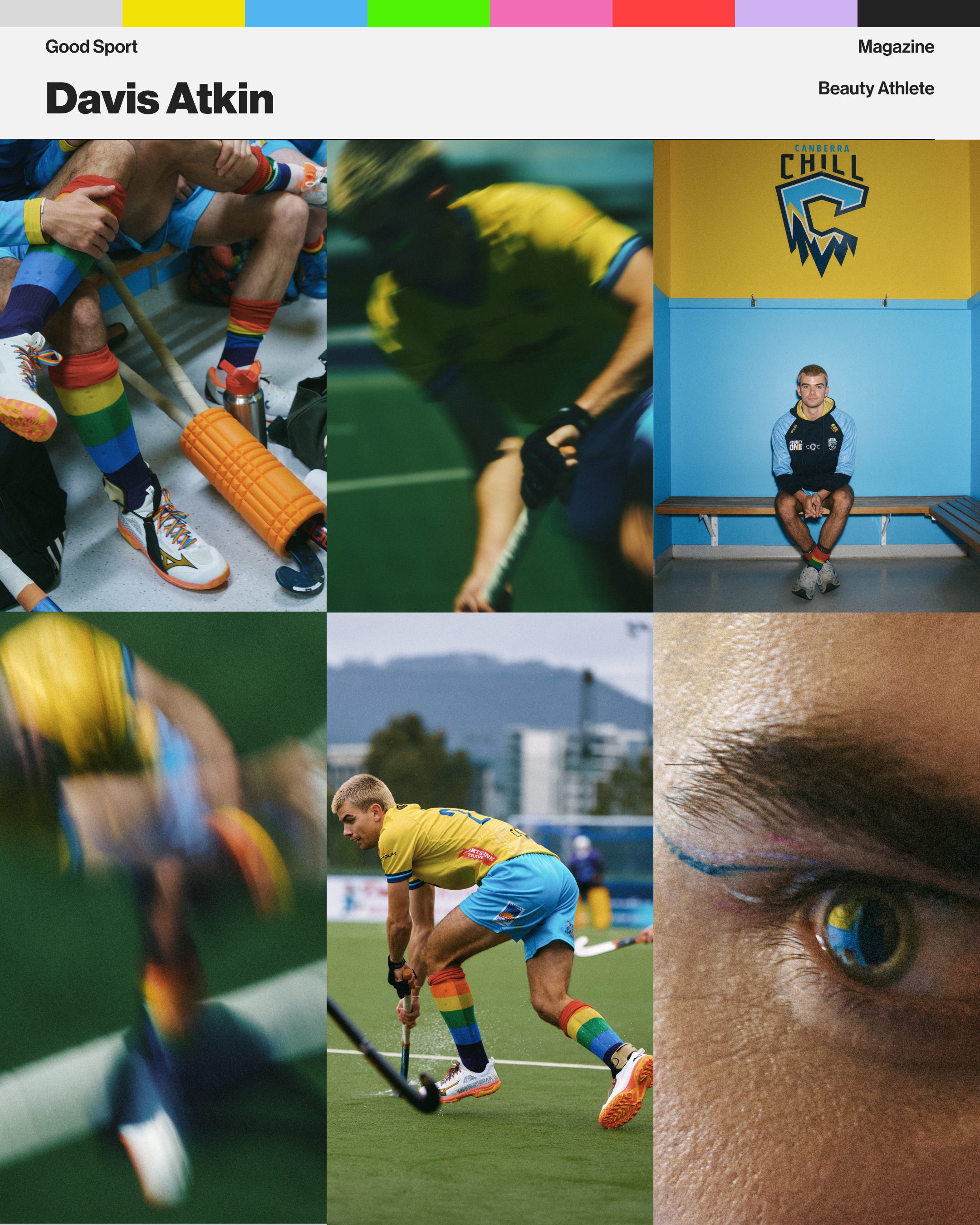
“Through all the hurdles and self doubt, being present in that moment was really something else.”
When he’s not on the pitch, Atkin has a growing online following for his get-ready routines and makeup tutorials: light skin tint, concealer, blush, powder, brow gel, something on the lips. “If I’m feeling a little extra I like to put some sparkles here and there. Why I do it though is just to feel a little extra, put together if you will.”
The fact that this is noteworthy says everything about the boundaries around masculinity in sport. How rigid they are. How much work they do to keep people in line.
“Being interested or using beauty products that are generally more of a feminine aesthetic doesn’t mean you are any less masculine,” Atkin says.
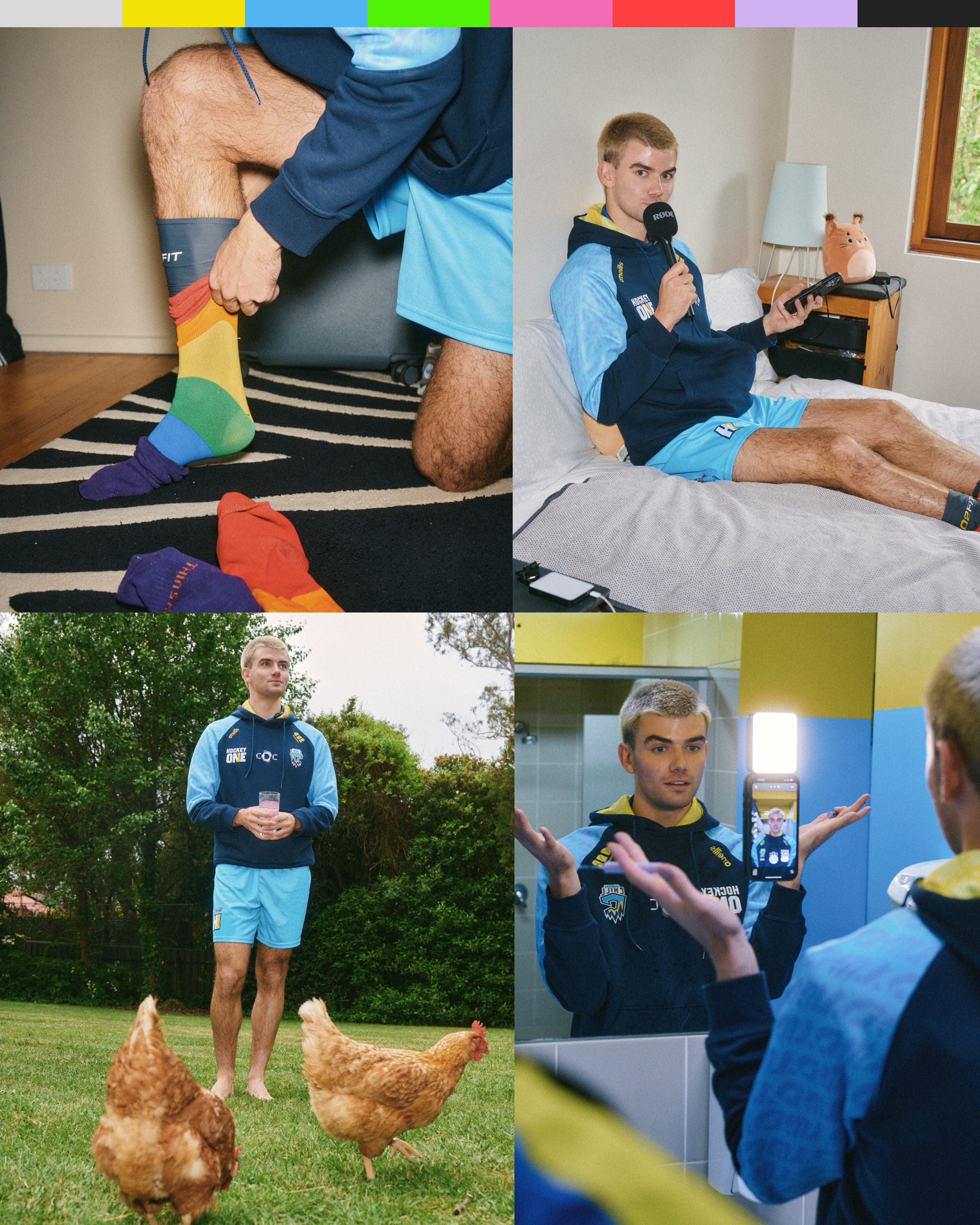
Part of what makes Atkin’s visibility valuable is how rare it still is. The gap in male role models at the highest level of sport hasn’t closed much since he came up. “I’m not aware of many high-profile male athletes coming out in the past three years apart from the tennis player João Lucas Reis da Silva,” he says. When I ask if it feels surreal to potentially be that person for someone else, he’s thoughtful. “When I first hit the global sporting scene it was very surreal stepping into that role for sure. Since then the feeling has mellowed out and morphed into just me being me, as simple as that sounds.”
There’s a Marian Wright Edelman quote Atkin has referenced before: “You can’t be what you can’t see.” It’s about representation, about the quiet violence of invisibility. The problem is that being visible comes with its own set of complications. You become the example whether you’re ready for it or not. You become the person who gets asked to explain yourself, over and over, in interviews like this one.
“I’m constantly learning how to navigate it myself to be honest, so it’s a constant evolution of what I’m feeling at the time,” he says. “But the core of it is showing that even being in a high-performance environment, that is generally quite masculine, you can also be interested in non-stereotypical subjects like makeup or skincare. It allows me to be my authentic self all of the time.”
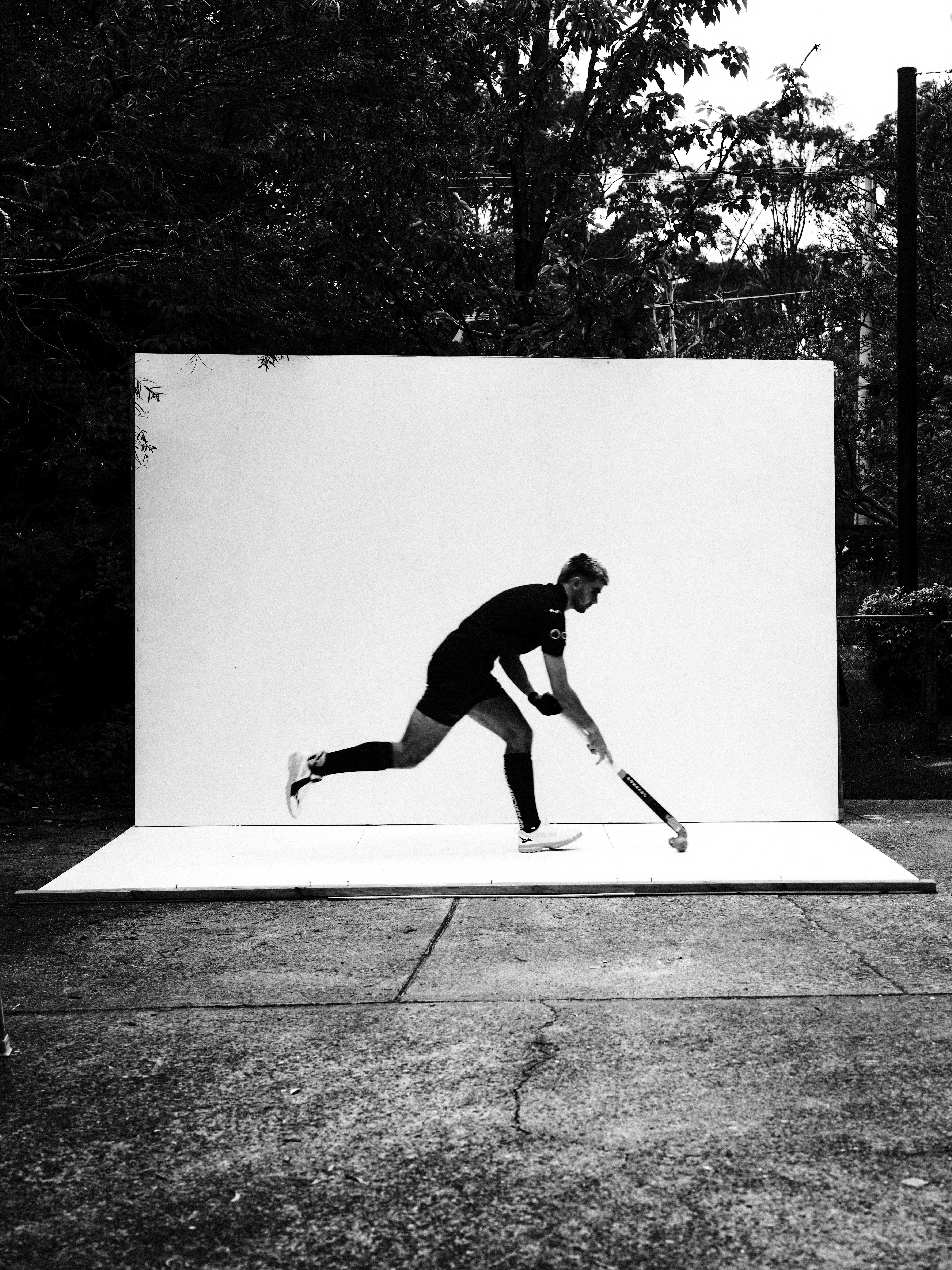
At the end of our conversation, I ask Atkin what needs to happen for hockey to be genuinely inclusive, structurally, culturally, all of it. His answer is simple: “Being curious is all anyone needs to be. For me this is the key factor that will allow hockey to culturally and structurally be a truly inclusive sport. The sport has already made great strides in this area but more can always be done at an individual level. Ask questions. Treat everyone the same.”
It’s the kind of answer that sounds easy until you think about how much courage it takes to ask questions, to admit you don’t know something, to treat someone as a person rather than a category. Curiosity requires vulnerability. It requires giving up the comfort of assumptions. And in high-performance sport, where certainty and control are everything, that’s asking a lot.
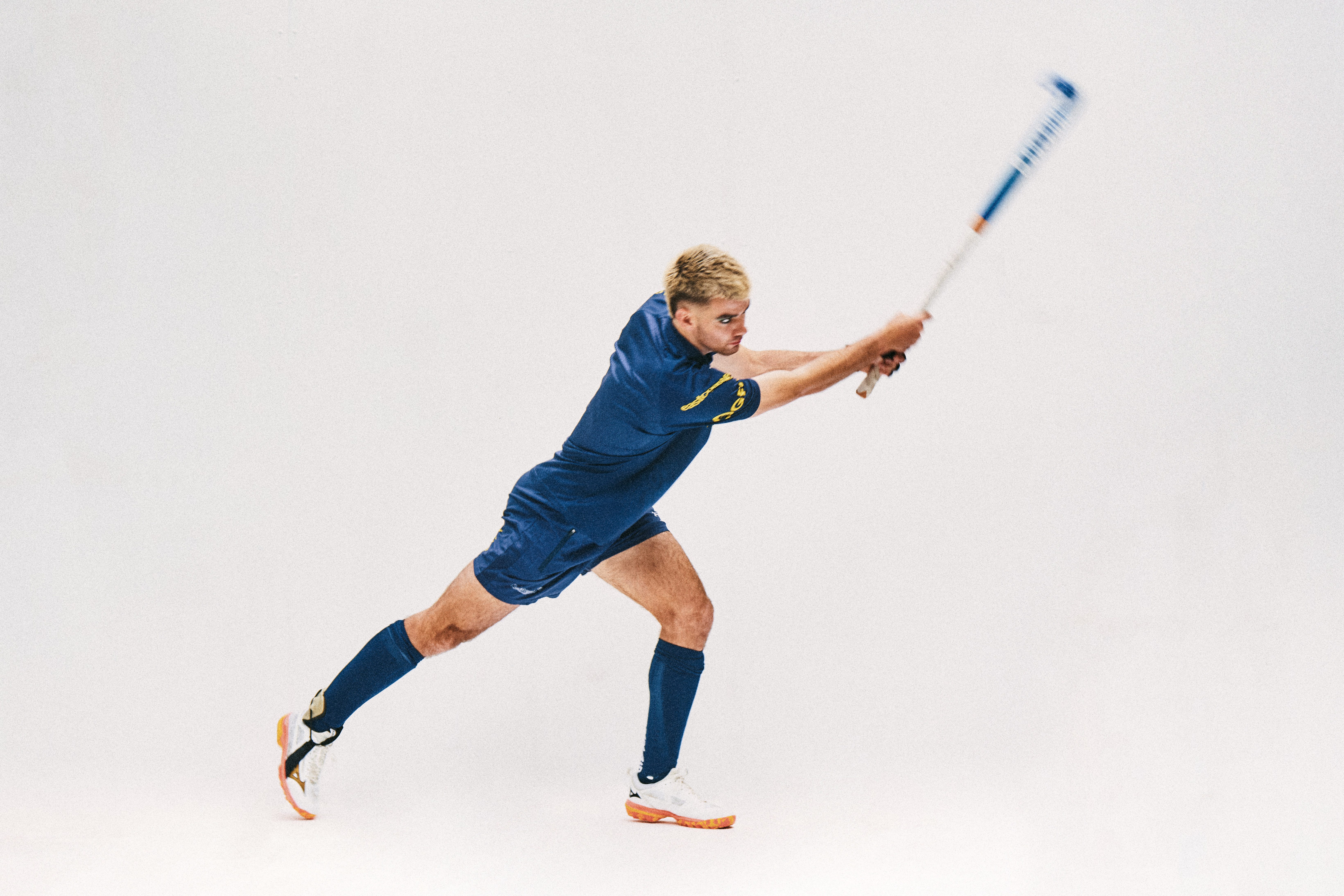
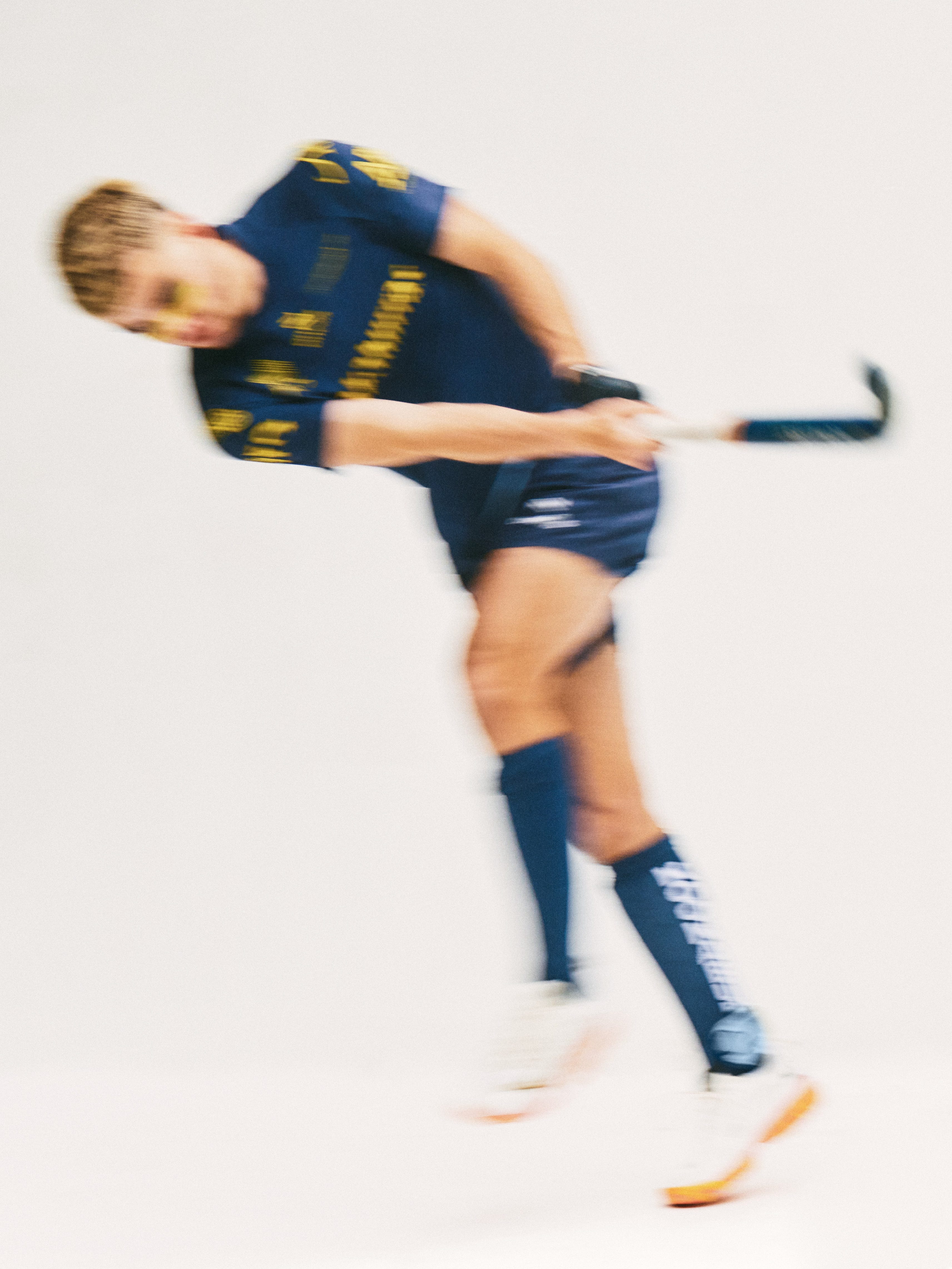
But maybe that’s the point. Both grand and quiet gestures matter. But the real work of inclusion is the smaller, harder thing: being curious beyond your own internal justification of what curiousity means. Asking questions.
Davis Atkin wears eyeliner to hockey practice. His teammates call them wings. That’s it. That’s the whole story. Except it isn’t, because nothing is ever just one thing. It’s always everything else too.
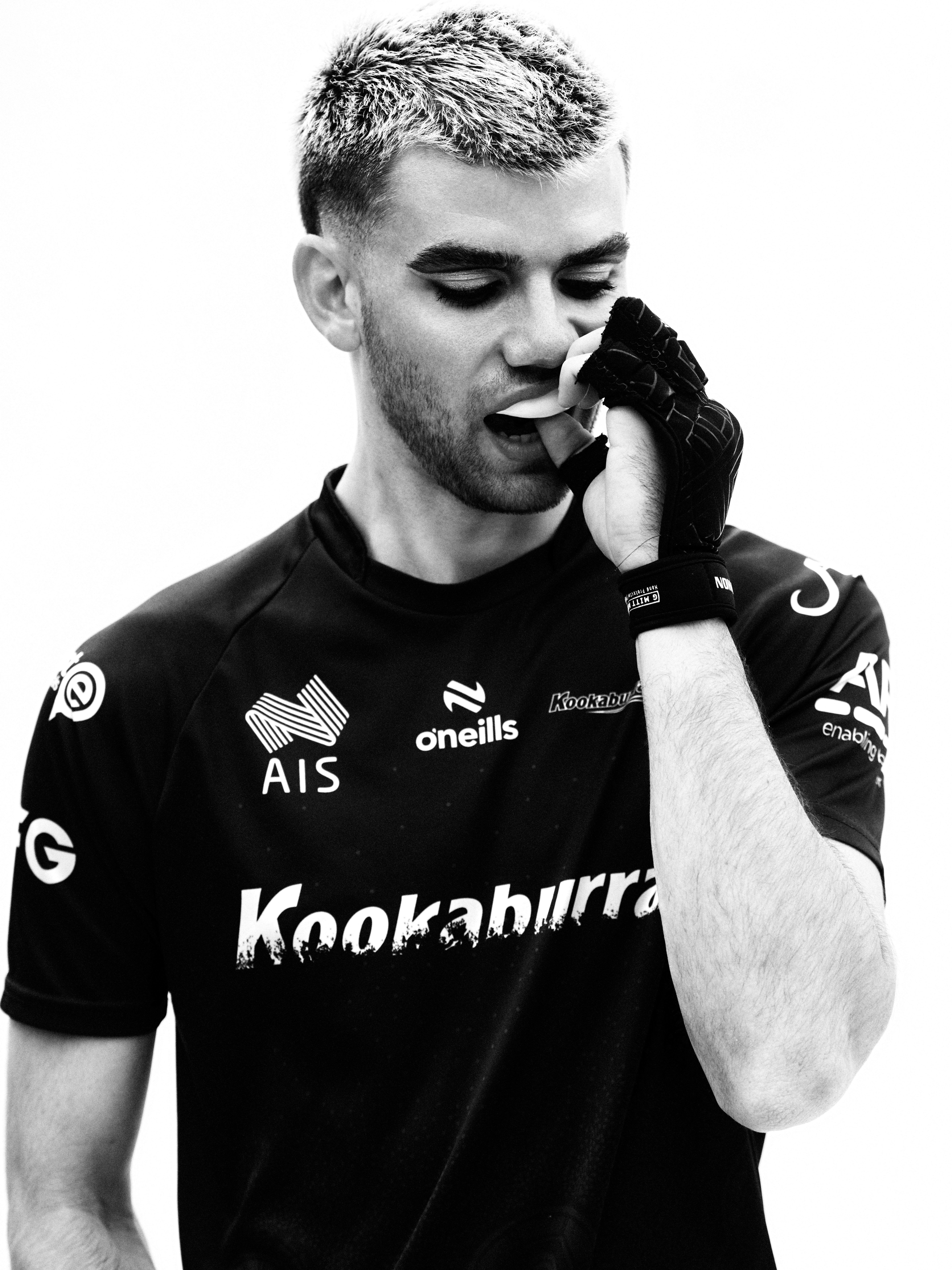
Photographs by Lawerence Atkin
You can follow more of what Davis is up to via his instagram.
Comments
Nothing yet. Say the first thing.
Sign in to join the conversation.