
Insulin is not a cure for diabetes; it is a treatment. It enables the diabetic to burn sufficient carbohydrates, so the proteins and fats may be added to the diet in the sufficient quantities to provide energy for the economic burdens of life.
Frederick Banting, Nobel Prize Lecture 1923
At a recent Purdue engineering dinner event, I had the privilege of meeting Bill Young and his wife, Sherry. Conversations like that remind you how rare it is to meet someone whose personal story intersects so meaningfully with the arc of scientific and industrial progress. Bill’s warmth, humility, and deep curiosity made an immediate impression. However, what stayed with me most was his role in shaping two revolutions: the birth of modern biotechnology at Genentech and the future of pharmaceutical manufacturing through the William D. and Sherry L. Young Institute at Purdue.
The Young Institute is already becoming a national anchor in advanced pharmaceutical manufacturing — strengthening supply chains, modernizing drug production, and training a new generation of engineers who will define the next forty years of biotech. Its mission aligns profoundly with the work we pursue at Good AI Capital.
However, to appreciate the Institute’s significance, it is helpful to step back to one of the most important milestones in medical history: the discovery and production of insulin.
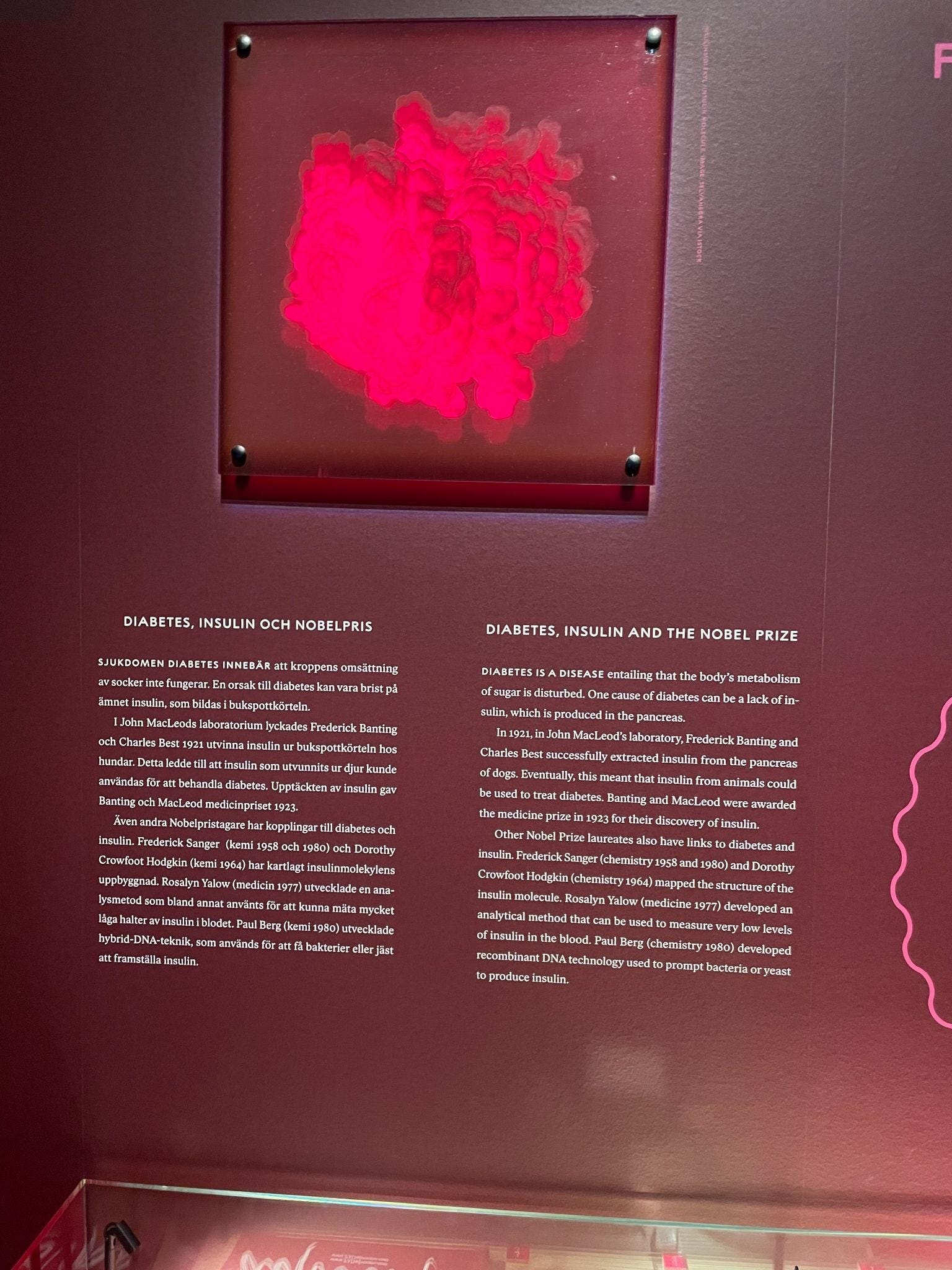
Diabetes was once a fatal disease. In the early 20th century, patients — primarily children — wasted away in hospital wards with no treatment available. That changed in 1921–22, when Frederick Banting, Charles Best, and John Macleod discovered how to extract insulin from animal pancreases. This breakthrough earned them the Nobel Prize and transformed diabetes from a death sentence into a manageable condition.
For decades, insulin was produced the same way: purified from the pancreases of pigs and cows. It saved millions of lives, but the process was labor-intensive, inconsistent, and limited by agricultural supply.
The real leap came later — not from medicine, but from molecular biology and industrial engineering.
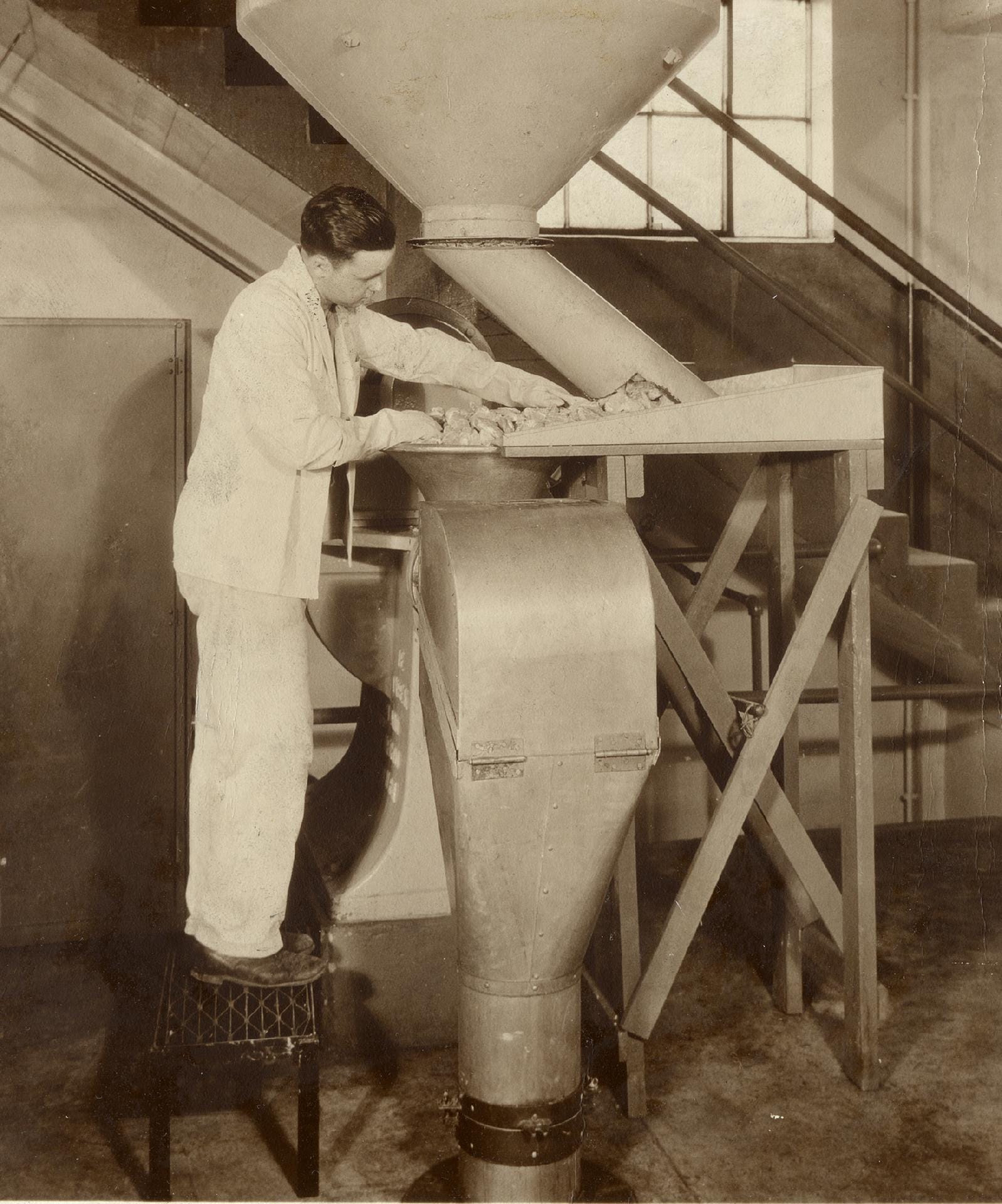
In the late 1970s, researchers at Genentech began exploring a radical idea: could bacteria be engineered to produce human insulin? In 1978, Dennis Kleid and colleagues successfully inserted the human insulin gene into E. coli, marking the world’s first expression of a synthetic human protein in a microorganism.
But cloning the gene was only the beginning. Turning that breakthrough into a global, scalable medicine required something else entirely: expertise in bioprocess engineering, fermentation, purification, and manufacturing systems. This is where Bill Young’s contributions were pivotal.
Bill helped transform recombinant insulin from a laboratory demonstration into a commercially viable product. That engineering success led to the world's first genetically engineered drug, Humulin, which was approved by the FDA and established the core playbook for the biotech industry. It was recombinant insulin that proved biotechnology could scale. It showed that microbes could be trained to reliably produce human therapeutics at industrial volumes.
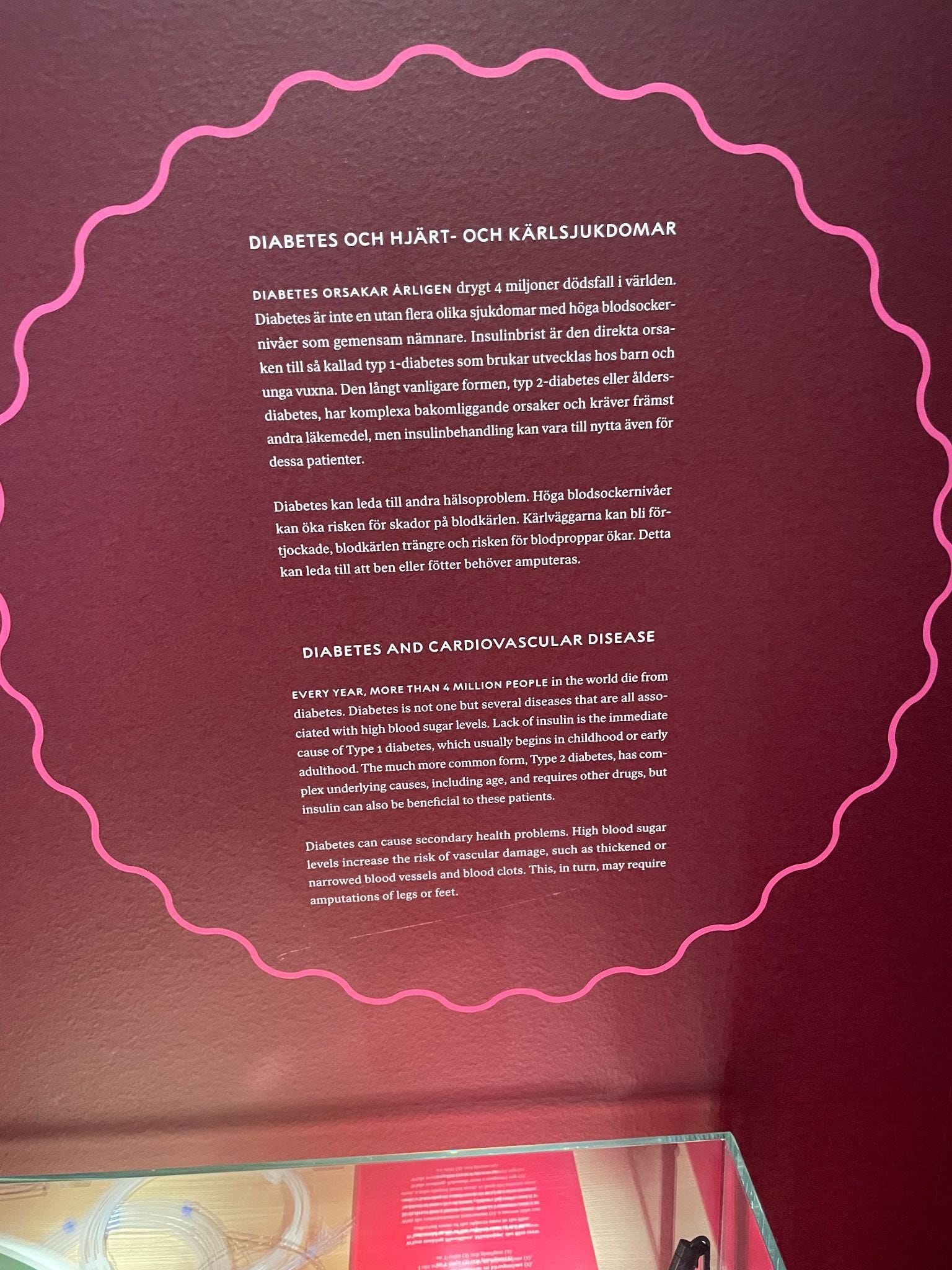
That legacy isn’t just scientific — it’s deeply personal. At the Purdue dinner, Bill and I talked about the history of insulin while looking at photographs I had taken at the Swedish Nobel Museum. Seeing the Nobel artifacts that documented insulin’s early discovery made our conversation feel like a bridge across a century of innovation.
Sidebar: The Basics of Fermentation — Microbes as Workers, Fermenters as Farms
At its core, fermentation is simply microbial work at scale. Whether we’re producing insulin or brewing beer, the logic is the same: a microorganism acts as the worker, the fermentation tank serves as the farm where those workers grow and multiply, and the feed (nutrients or sugars) fuels their output.
In recombinant insulin production, the worker is an engineered microbe—typically E. coli—programmed via recombinant DNA to manufacture human insulin proteins. Here’s how that process works: scientists synthesize the human insulin gene in the laboratory, insert it into a circular DNA plasmid, and then place that plasmid back into E. coli. This creates a recombinant bacterium capable of producing insulin. When these engineered microbes are placed in a fermenter, the controlled environment — with its precise temperature, pH, oxygen, and nutrients — allows them to multiply exponentially and produce insulin precursor proteins within their cells. After fermentation, the insulin is harvested, purified, folded, and finished into therapeutic insulin.
Beer production follows a similar biological logic, with distinct workers and outputs. The microbe is brewer’s yeast, which feeds on sugars extracted from grains (the “wort”). Inside the fermentation tank — the yeast farm — the yeast converts sugar into alcohol, CO₂, and flavor compounds. As with insulin, the process requires careful control of temperature, oxygen, and nutrient conditions to maintain productivity among the workers.
Across foods, medicines, and materials, fermentation is fundamentally the art of scaling microbial labor. Change the worker, change the feed, and you change the product — whether it’s a therapeutic protein, a sourdough loaf, a pilsner, or a next-generation biopolymer.
Pharmaceutical manufacturing is undergoing a new transformation — driven by automation, AI-driven process optimization, continuous manufacturing, and increasingly complex biologics. The challenges are as significant as the opportunity: stabilizing supply chains, reducing dependence on fragile global manufacturing nodes, and building resilient, efficient systems for producing medicines.
The William D. and Sherry L. Young Institute at Purdue sits at the heart of this transformation. Under the leadership of Elizabeth Topp and a world-class team, the Institute is pushing forward:
advanced continuous manufacturing methods
next-generation formulation technologies
new process models that improve consistency, yield, and cost
partnerships across academia, industry, and government
In many ways, it’s the spiritual successor to the systems Bill helped build at Genentech — but scaled for the next century of biomanufacturing.
At Good AI Capital, our mission aligns deeply with this next era of biotech. We invest in companies using AI to solve real industry bottlenecks — in drug formulation, manufacturing, supply chains, and biological engineering. Three of our companies reflect this vision:
Persist AI uses artificial intelligence to optimize drug formulation and process development. Instead of months of trial and error, Persist maps the formulation landscape using automated experimentation and machine learning. Remarkably, both Eli Lilly and Purdue are co-investors — a perfect reflection of the ecosystem Bill Young helped cultivate.
Persist is making formulation faster, more predictable, and more scalable — precisely the kind of innovation that strengthens our national pharmaceutical infrastructure.
BitBio is pioneering synthetic biology at the cellular level. Their Opti-Ox platform enables the reprogramming of cells into consistent, scalable cell types with unprecedented precision. This could transform therapeutics, disease modeling, and personalized medicine.
The same engineering mindset that drove the development of recombinant insulin now powers the ability to “compile” cells — a leap made possible only because pioneers like Bill Young laid the foundations of biotech manufacturing.
Aether Bio uses deep learning and high-throughput biology to design new enzymes at extraordinary speed. But what makes their work profound is how these bioengineering methods are spilling into entirely new domains.
One of their breakthroughs, RapidPrint, is a polymer developed using Aether’s enzyme-driven design platform. It’s already being used in aerospace and defense production, demonstrating how biological engineering is unlocking materials that traditional chemistry struggled to reach.
Just as recombinant insulin proved microbes could manufacture medicines, Aether is proving they can manufacture materials, redefining what biotechnology can produce.
From the original discovery of insulin to recombinant DNA, from Genentech’s early manufacturing breakthroughs to the cutting-edge work happening at Purdue’s Young Institute, the through-line is clear:
Biomanufacturing shapes lives.
Manufacturing engineers shape biomanufacturing.
And leaders like Bill Young shape the engineers.
It was an honor to meet Bill and Sherry, and to reflect together on the past, present, and future of an industry he helped define. The legacy of insulin lives not only in history books or Nobel artifacts — it lives in every company, technology, and scientist working today to build a healthier world.
At Good AI Capital, we are proud to invest in the next generation of these breakthroughs.
No posts
Comments
Nothing yet. Say the first thing.
Sign in to join the conversation.