
Welcome to Renegades, Gold House’s editorial series spotlighting Asian Pacific luminaries defying stereotypes and carving their own paths forward. This week’s Renegade is artist and activist Audrey Nuna!
Born and raised in New Jersey by Korean immigrants, Audrey Nuna made her name as a dynamic rapper and singer, most notably with her breakout single, “Comic Sans”. She then set foot on the global stage, as the singing voice of Mira in the record-breaking film KPop Demon Hunters. From that success, Audrey has dedicated her platform to advocating for other young women and providing them the opportunity to be themselves. Her new single “superHuman” is described as “a song created amidst chaotic pockets of metamorphosis between award show performances and KPop Demon Hunters screenings last year” (Instagram). Listen to “superHuman” when it drops on August 7.
We ask all our Renegades: what did you want to be when you were growing up, and how does that compare to where you are now?
I wanted to be a singer. Specifically on Broadway. I landed a few kilometers left of that.
Your stage name “Nuna” came from your brother. How much does your upbringing shape the way you think about your art, whether at the beginning of your career or today?
It’s everything. I believe our art is always a conversation with the way we were raised. Growing up as a kid of immigrants in a pretty non-diverse suburb of Jersey, I had so many questions about the way things were that I didn’t have the words to voice. Even choosing Nuna as my name - is an attempt to ask that question about who you’re expected to be as a Korean-American woman.
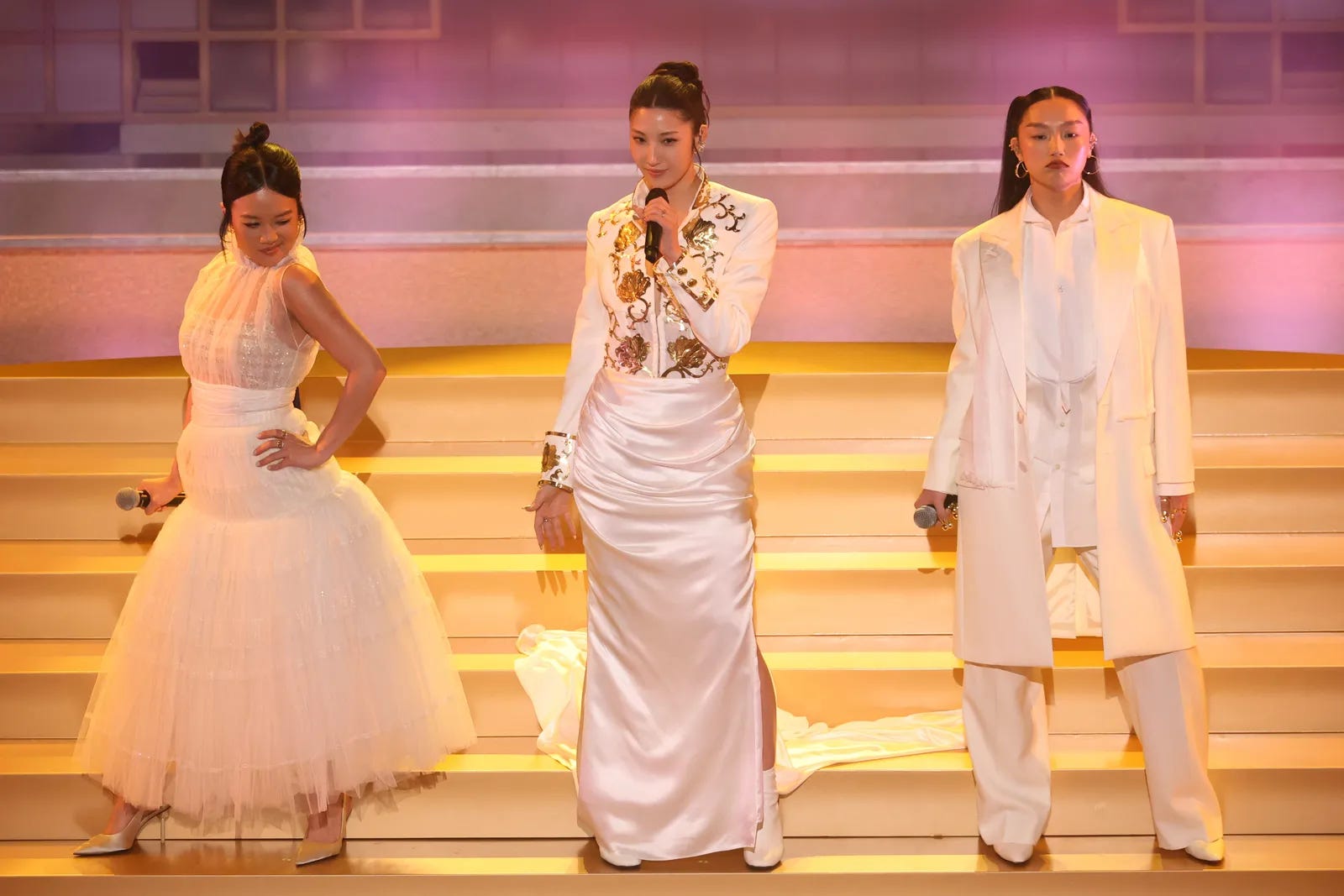
You were accepted into and then left the Clive Davis Institute early to pursue music full time. Looking back, what did you learn there, and what did you have to unlearn?
I actually loved my year at Clive. I enjoyed the pop music history course there (it’s called “Creative Music Entrepreneurship,” I’m unsure why), as well as songwriting. The course where you listen to different frequency ranges of white noise really made me question my identity, haha. I learned that New York is my favorite city. And that college is absurdly expensive.
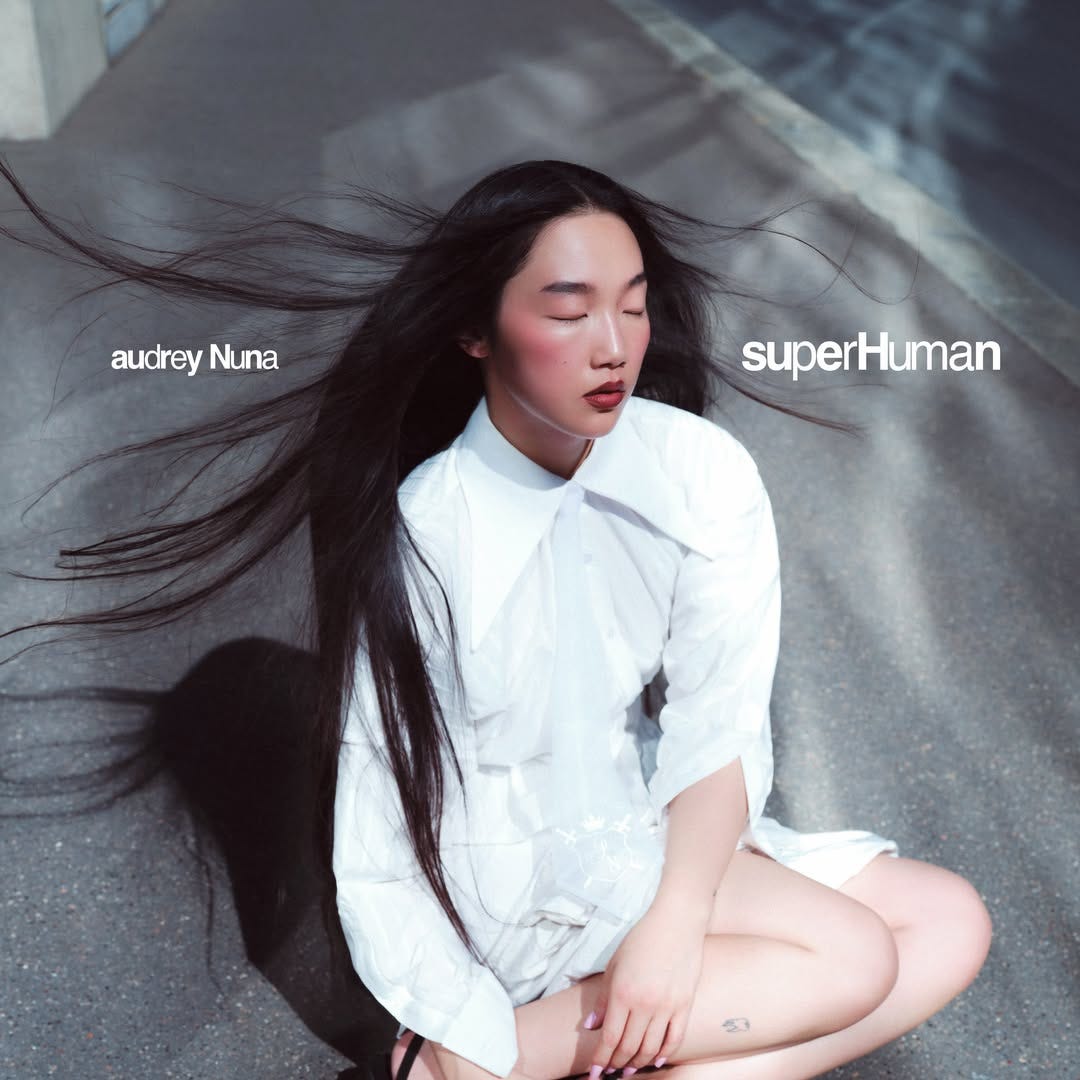
You have a new single called “superHuman” dropping soon. Congratulations! What were you trying to express with it, and what do you hope people feel when they hear it for the first time?
I want to express redemption, triumph, but also a desire to stay human through every part of that. I hope people feel like they can thrash around when they hear the song. Both physically and in the sense where it loosens and frees them to try out new & different versions of themselves.
Can you share more about the creative process in writing your new single? What inspired it, when did you know it was 100% the next release, what was the biggest hurdle?
It was intuitive and fast, the original demo. I knew I wanted to put it out because I kept playing it an obnoxious amount of times in the car one day.
We have to ask you about Kpop Demon Hunters! When you first heard about KPop Demon Hunters and the role of Mira, what was your gut reaction — was it an immediate yes, or did you need convincing?
It took a few conversations to get on board, but all it took was me actually hearing someone explain the storyline. Prior to that I had run into some emails about it. My understanding of Mira and the theme of duality in the film is ultimately what made me want to do it.
“Golden” hitting number one and sweeping industry awards is a surreal milestone. How do you hold that kind of success alongside the more genre-bending work that you carry in your individual sound?
With so much gratitude. I’ve always made music that brings me joy. And I always will. But to simultaneously experience a project I’m part of bringing others this level of joy is the honor of a lifetime.
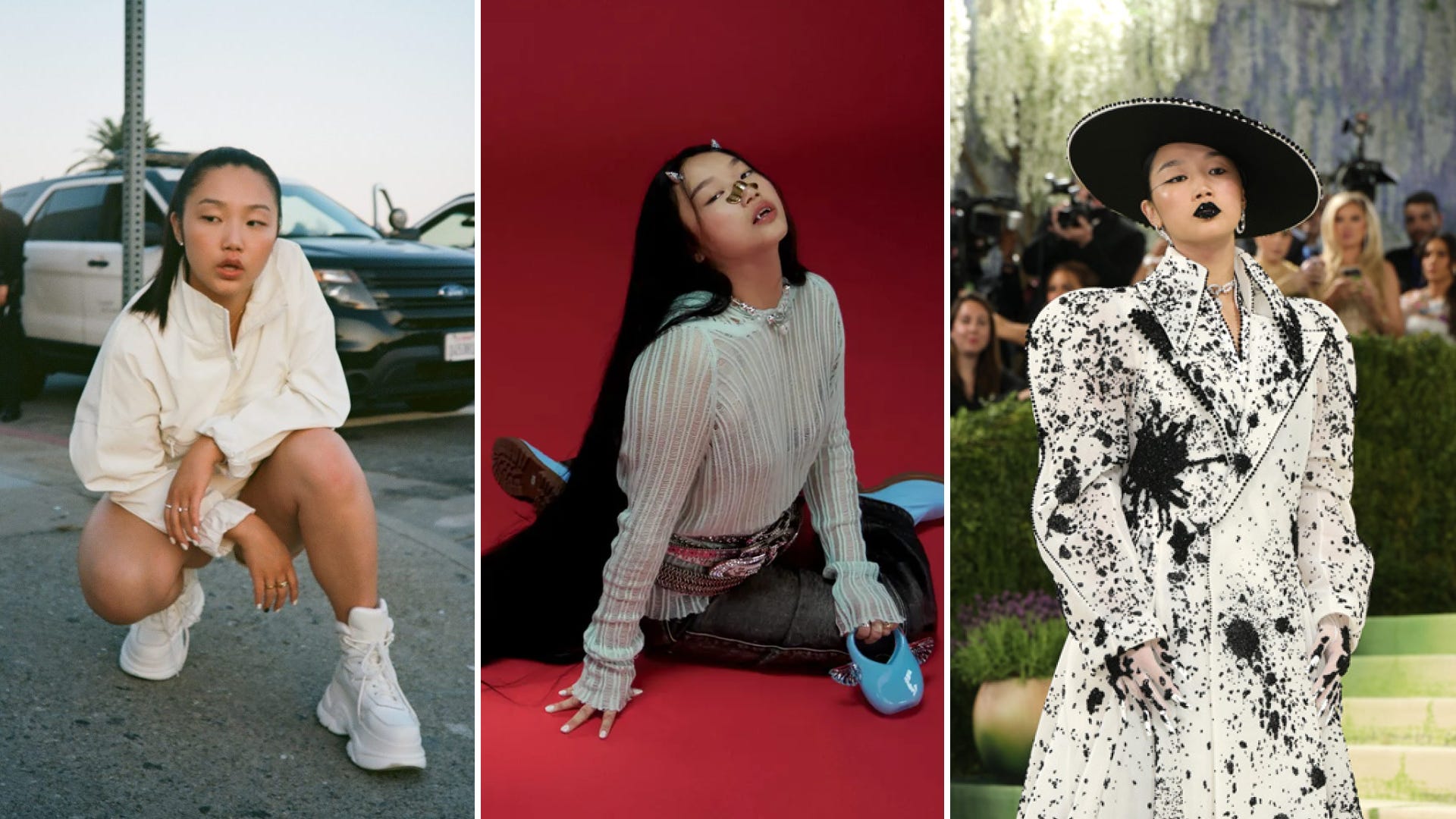
Fashion seems to be a genuine extension of your artistry and storytelling; you style yourself in your own videos, and you showed up to the VMAs in a look paying homage to your KPDH character. How do you think about visual identity as part of what you’re building?
I’ve always been visually driven. I know if I like a song idea if I see images while listening. Things excite me most when they have multiple layers, dimensions, and ways of experiencing the story. I like to bounce around and each medium really feeds the other.
Your last album TRENCH came out in 2024 and felt like a real artistic statement. Now with new music coming — where are you creatively right now, and what does this next chapter feel like compared to where you’ve been?
I feel really free creatively. Simultaneously feeling the oldest and youngest I’ve felt in a while.
Gold House exists to champion Asian Pacific leaders who are redefining what’s possible. If there’s a younger Asian Pacific kid watching you right now figuring out whether they belong in this industry, what do you want them to take from your story?
Follow what feeds your soul. That doesn’t mean not to value discipline, but that discipline in service of truth will open magical portal doors.
Comments
Nothing yet. Say the first thing.
Sign in to join the conversation.