
If you’ve followed my chronic illness journey for any length of time, you will know that I have had a long and convoluted journey. My conditions are fairly stable at this time, despite new diagnoses and revealing some major misdiagnoses in the last couple of years.
One of the key things that have helped me improve?
creating systems.
Not because systems cure chronic illness.
Not because I suddenly became organised.
But because chronic illness creates an enormous amount of information.
And for years, I was trying to hold all of that information in my head.
When did that symptom start?
How long has it been happening?
Did that supplement actually help?
What happened the last time I tried that?
What did the specialist ask me to monitor?
How was my sleep three months ago?
What was I taking when I felt a little better?
I thought the problem was my memory.
In reality, the problem was that I was asking my brain to do a job it was never designed to do.
Especially a brain dealing with fatigue, pain, brain fog, poor sleep and stress.
At some point, I stopped trying to remember everything.
Instead, I started building systems.
Simple systems.
Nothing fancy.
Just places for information to live outside my head.
That shift changed everything.
Not overnight.
But steadily.
The more information I captured, the fewer decisions I had to make from memory.
The fewer decisions I had to make from memory, the more confident I was in the ones I made.
The first thing I started tracking consistently was symptoms.
Not every symptom.
Not every detail.
Just enough to notice patterns.
Sleep.
Fatigue.
Pain.
A few key symptoms.
Treatments and self-care.
The goal wasn’t to create perfect records.
The goal was to stop relying on vague impressions.
Because “I think I’ve been worse lately” and “my fatigue has averaged 8/10 for the last three weeks” are very different pieces of information.
One is a feeling.
The other is data.
Both matter.
But only one can be reviewed months later.
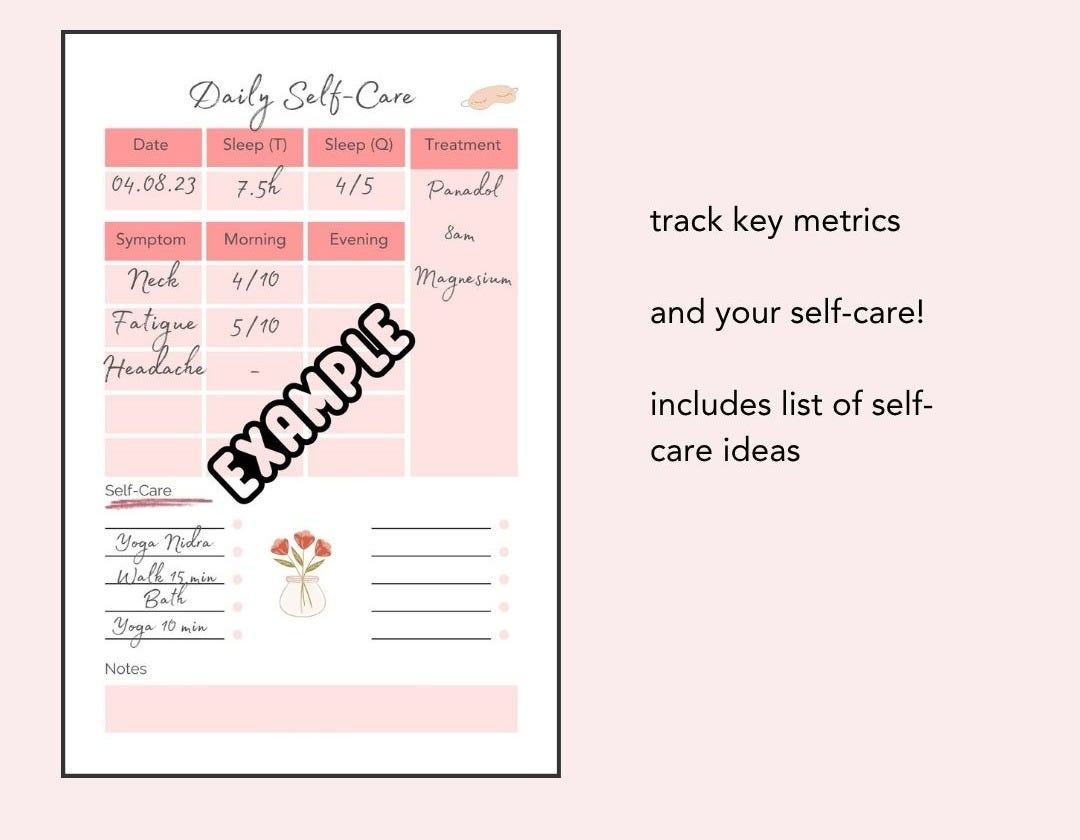
More about symptom tracking - article.
I’ve talked about this one a lot. I will shout about it from the rooftops for as long as I live. Getting proactive on managing symptoms makes a HUGE difference.
Here’s something that changed everything for me. A few years back, I asked my physio: at what point on the pain scale does the nervous system get involved and start turning things into a runaway train?
She didn’t hesitate. Five out of ten.
That hit me hard, because at that point in my life, my pain was rarely below five. And I had no proactive system — just a collection of coping mechanisms I’d reach for once things were already bad.
The problem is, none of those tools work well once you’re on a runaway train. Once pain hits five or six out of ten, you’re not just dealing with pain anymore. You’re dealing with a nervous system responding to that pain, which makes sleep harder, which increases fatigue, which increases pain — a cycle that feeds itself. At that point, even your best tools struggle to land.
The key is catching it before it escalates. And for that, you need a plan that’s already decided for you.
I share a lot about it in this article - with examples.
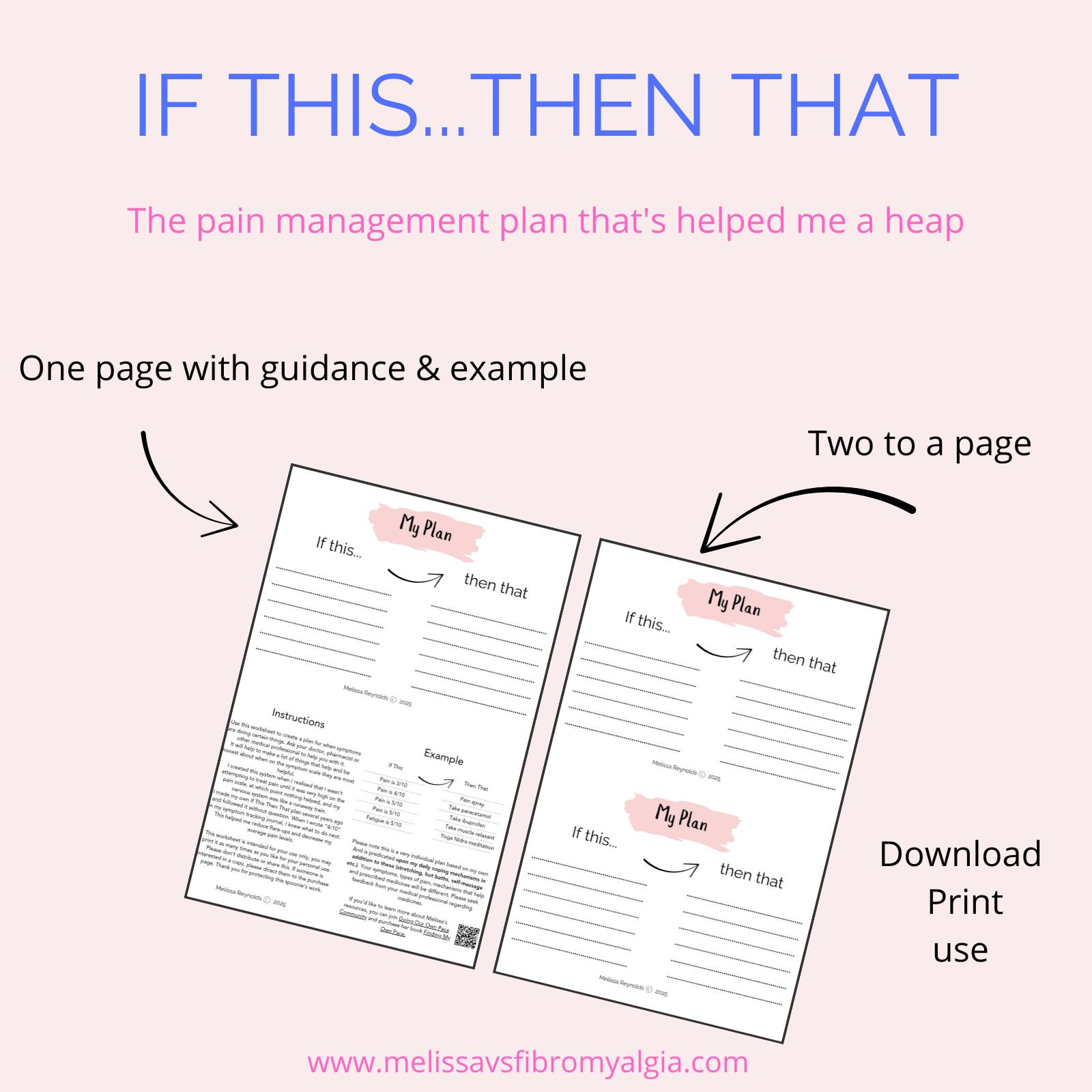
This page gives you your free copy of the If This Then That Pain Management System.
Eventually I discovered another problem.
Even when I tracked symptoms consistently, I still struggled during appointments.
Doctors don’t usually want six months of daily notes.
They want the important information.
The trends.
The changes.
The big picture.
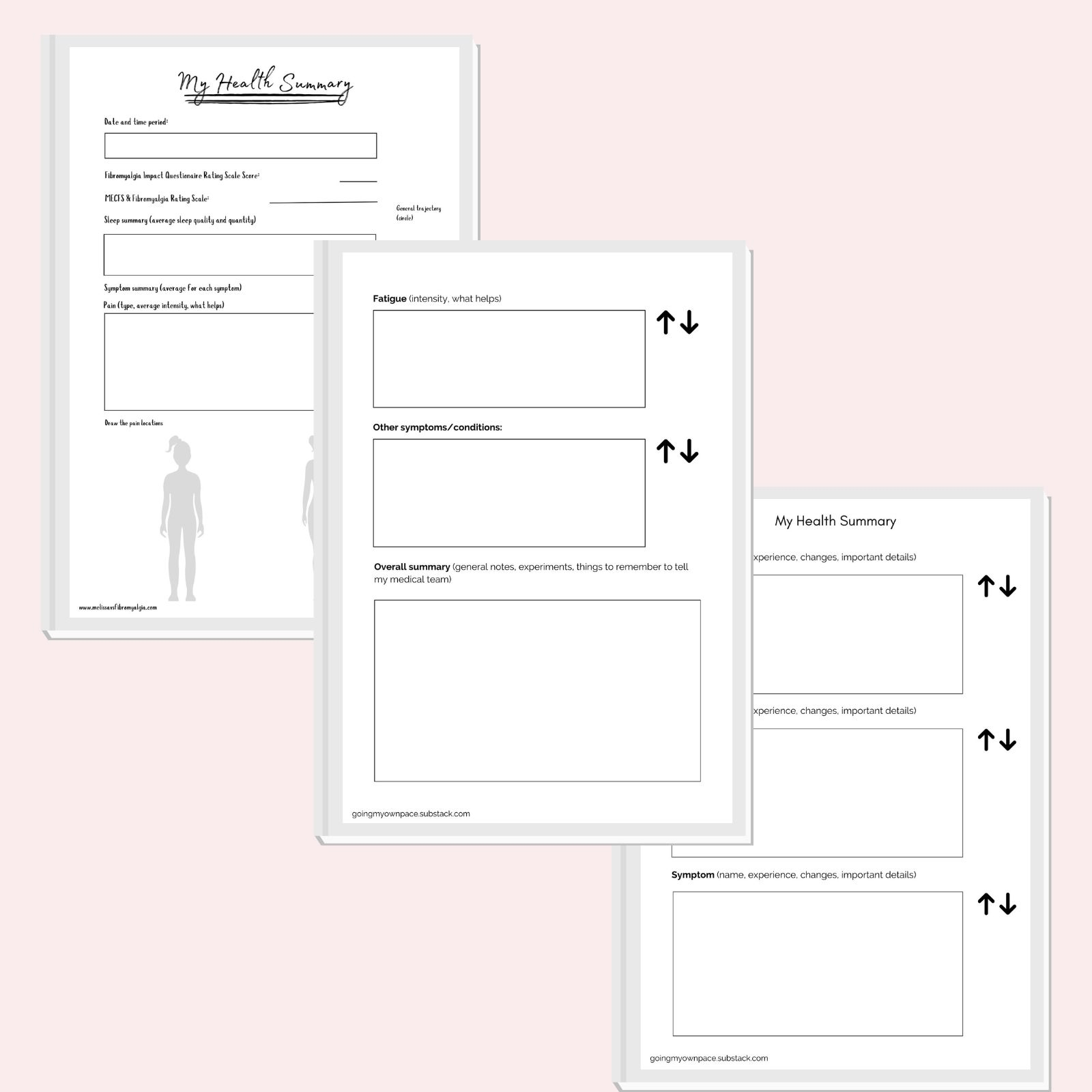
So I started creating periodic health summaries.
What symptoms were improving?
What symptoms were worsening?
What treatments was I taking?
What seemed to help?
What concerns needed further investigation?
Instead of arriving at appointments trying to reconstruct months of health history from memory, I arrived with a summary.
My appointments became calmer.
More productive.
Less dependent on how much brain fog I happened to have that day.
This was probably the biggest leap.
People with chronic illness become accidental scientists.
We’re constantly trying things.
A medication.
A supplement.
A dietary change.
A pacing strategy.
A therapy.
A lifestyle adjustment.
The problem is that six weeks later it’s surprisingly difficult to answer a simple question:
Did it help?
For years I relied on memory.
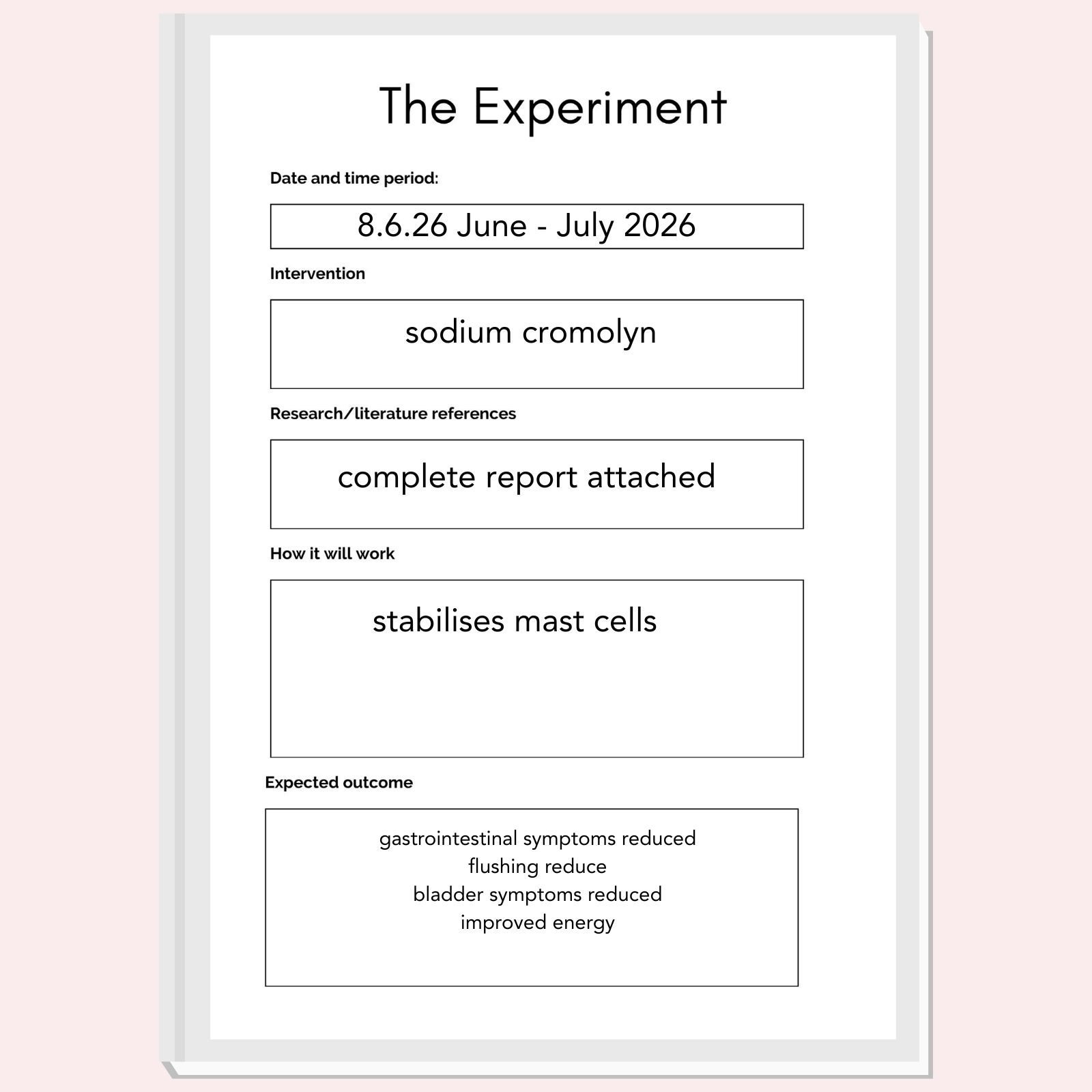
Now I start by documenting:
What I’m trying.
Why I’m trying it.
What I expect to happen.
How I’ll know if it’s working.
Then I track what actually happens.
The result isn’t certainty.
Health is rarely that simple.
But I make far better decisions than I used to.
The real benefit wasn’t the information itself.
It was the reduction in mental load.
I no longer have to remember everything.
I no longer worry that I’m forgetting important details.
I no longer need to mentally replay the last six months before every appointment.
The information is already there.
Waiting for me when I need it.
That frees up energy for other things. For parenting. For writing. For creating. For living.
One of the hardest parts of chronic illness is that every day feels important.
Every symptom.
Every setback.
Every small improvement.
When you’re living inside it, it can be difficult to see the bigger picture.
Systems create distance.
They allow us to zoom out.
To see trends instead of moments.
Patterns instead of isolated events.
Progress that would otherwise go unnoticed.
Or sometimes, evidence that something isn’t working and needs to change.
Both are valuable.
Over the years I’ve tried medications that helped.
Medications that didn’t.
Supplements that were worth every cent.
Supplements that achieved absolutely nothing.
Management strategies that changed my life.
Others that sounded great on paper but didn’t suit me at all.
The reason I know the difference isn’t because I have a better memory than anyone else.
It’s because I stopped expecting memory to do all the work.
I still have chronic illness.
I still have difficult days.
But the systems help me manage the information surrounding my illness.
And that has made my life significantly easier.
Sometimes the most powerful thing we can do isn’t finding the perfect treatment.
It’s creating a way to learn from the treatments we try.
Symptom and Experiment Tracker Journal - a comprehensive workbook guiding you through experiment tracking
Medical Appointment Prep Cards
Symptom Management Planning System
My brand new hybrid symptom management planning system - how to blend paper trackers, spreadsheets and AI to get on top of your data.
No posts
Comments
Nothing yet. Say the first thing.
Sign in to join the conversation.