
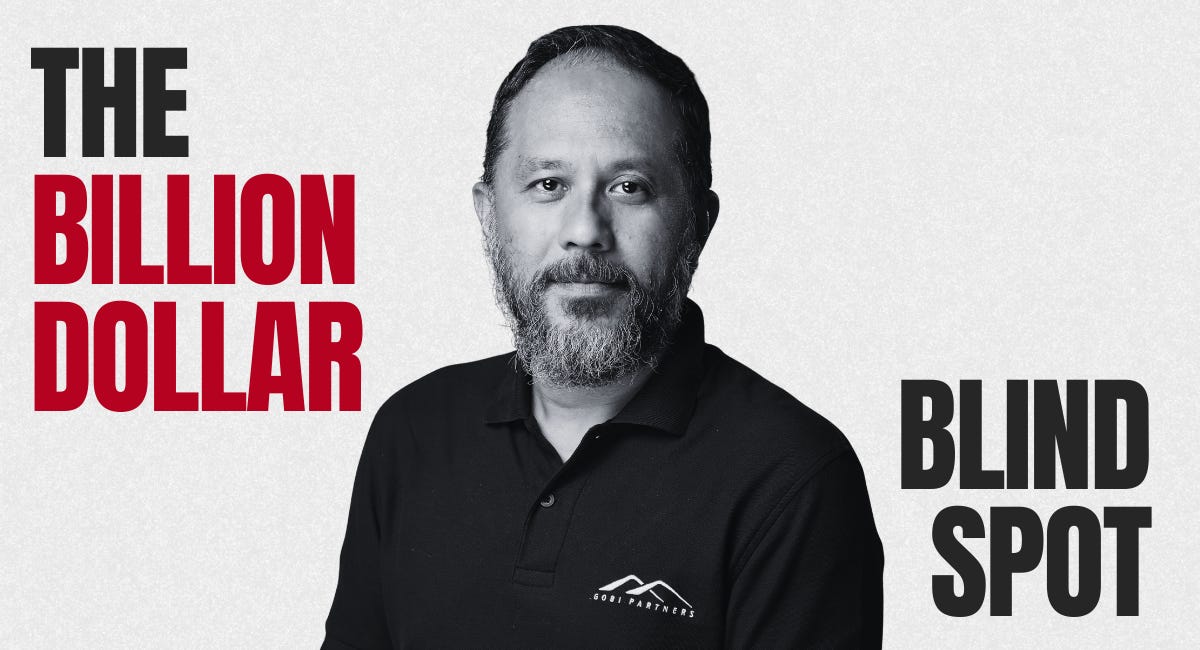
Two billion people. Twenty-five per cent of humanity. Less than 0.1% of global investment.
That is not a market gap - it is a blind spot the size of a continent.
I have been in venture capital since 2005, first at MTDC, then as CEO of MAVCAP (now known as Jelawang Capital), Malaysia’s largest VC firm, and since 2015 at Gobi Partners. I have sat across the table from hundreds of founders, LPs, and co-investors. For much of that time, I watched the global VC industry pour billions into markets it already understood, while one of the world’s largest consumer populations sat overlooked.
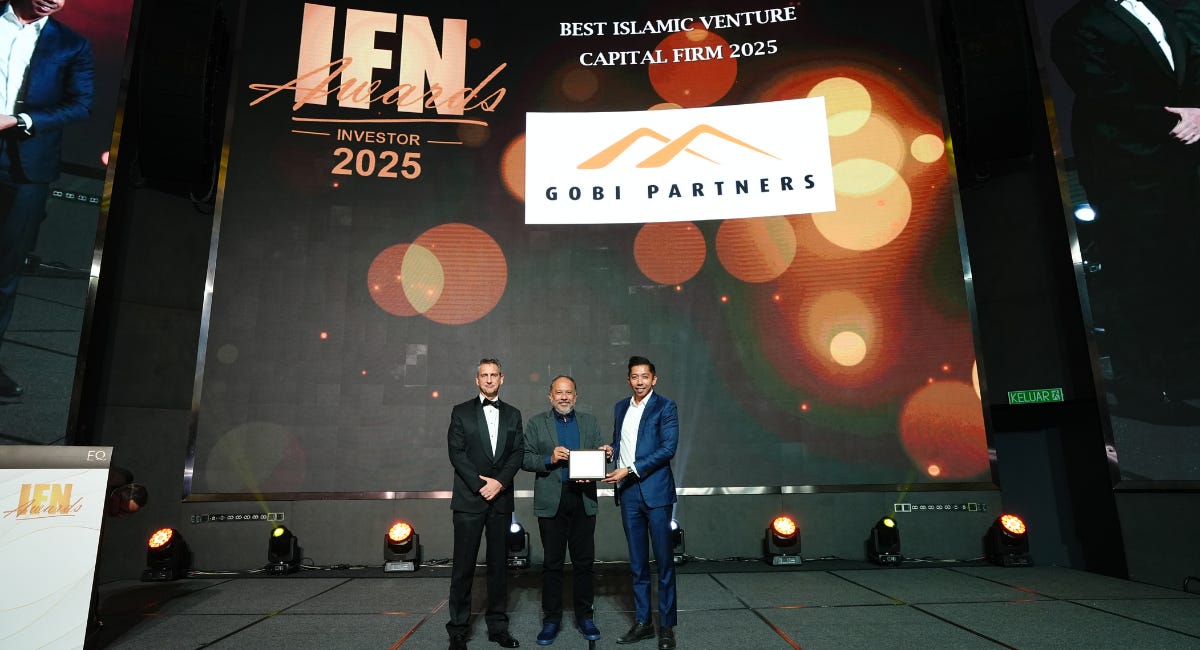
In April 2026, Gobi Partners received the Best Islamic Venture Capital Firm 2025 award from Islamic Finance News. When the team told me, my first reaction was not celebration. It was something closer to relief, not for us, but for what it signals. The industry begins to take this seriously. And that, more than any trophy, is what matters.
The world’s Muslim population surpassed two billion in 2023, accounting for more than 25% of the global population. Muslim consumer spending across halal food, modest fashion, travel, media, pharmaceuticals and cosmetics reached US$2.43 trillion in 2023, with projections to climb to US$3.36 trillion by 2028. Islamic finance assets stand at US$4.93 trillion and are forecast to reach US$7.53 trillion by 2028. By 2030, over 540 million Muslims will be under the age of 30.
Yet, according to research cited in Gobi’s sustainability reporting, investments in Muslim halal sectors account for less than 0.1% of cumulative global investments.
Read that again. Less than 0.1%.
The 57 OIC member countries hold a combined GDP of US$11 trillion, roughly 8% of global GDP, despite representing 25% of the world’s population and nearly 30% of its nations. OIC venture capital investment amounts to around US$20 billion, compared to over US$425 billion globally. As a share of GDP, that is less than 0.2%, half the world average.
The conclusion is unavoidable: Muslim economies are not investing nearly enough, despite the demand and the urgent need for technology-driven, knowledge-based growth.
In 2015, Gobi opened an office in Kuala Lumpur. Malaysia was already the world’s largest issuer of Islamic bonds (sukuk), and a cluster of startups was emerging, offering shariah-compliant wealth management, halal cosmetics, modest fashion, Muslim-friendly travel, and ethical digital content for children. We took notice. Muslims make up 42% of ASEAN’s 700 million population, with immediate access to 230 million more across India and China, and another 440 million in nearby Pakistan and Bangladesh.
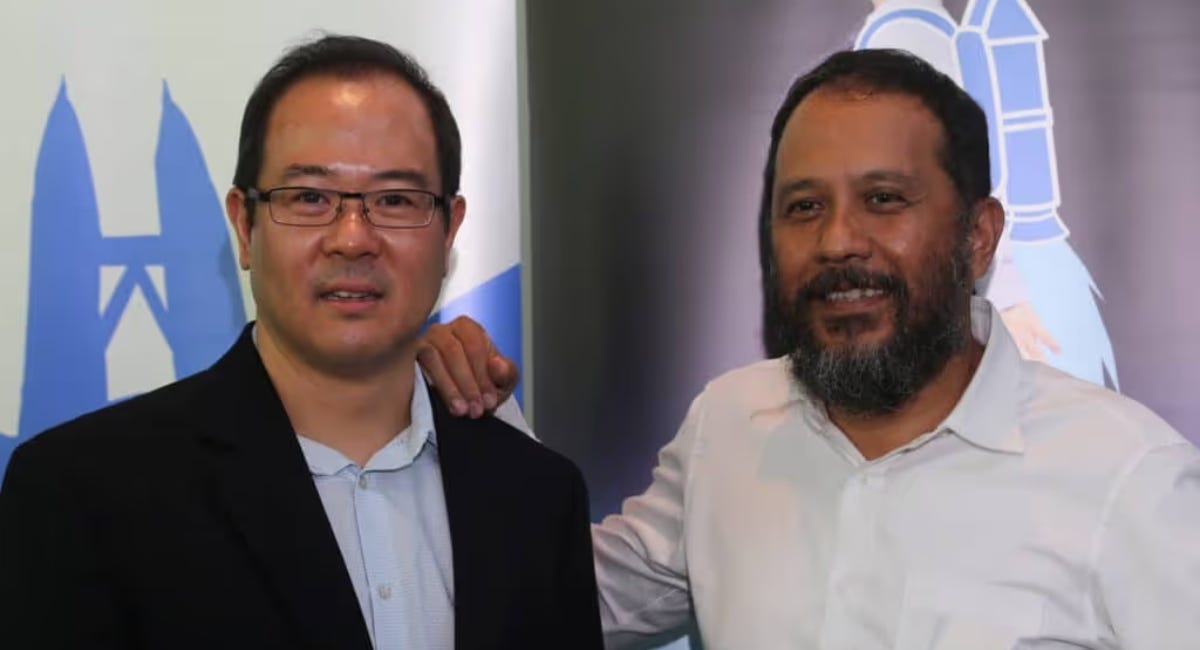
We coined the word TaqwaTech — a conscious focus on Muslim consumers, ethical and compliant products and services, and Muslim founders. The mainstream VC world had no framework for this. We wanted to build one.
Our first TaqwaTech investment was Tripfez, a Muslim-friendly online travel agency that later merged with HolidayMe to form the world’s largest Muslim-friendly travel platform. That was our proof of concept. Since then, we have built a portfolio spanning fintech, edtech, media, lifestyle, and Islamic financial services across ASEAN, Pakistan, Bangladesh, and MENA, with increasing attention on the United States and United Kingdom. To date, we have evaluated over 900 TaqwaTech investment opportunities globally.
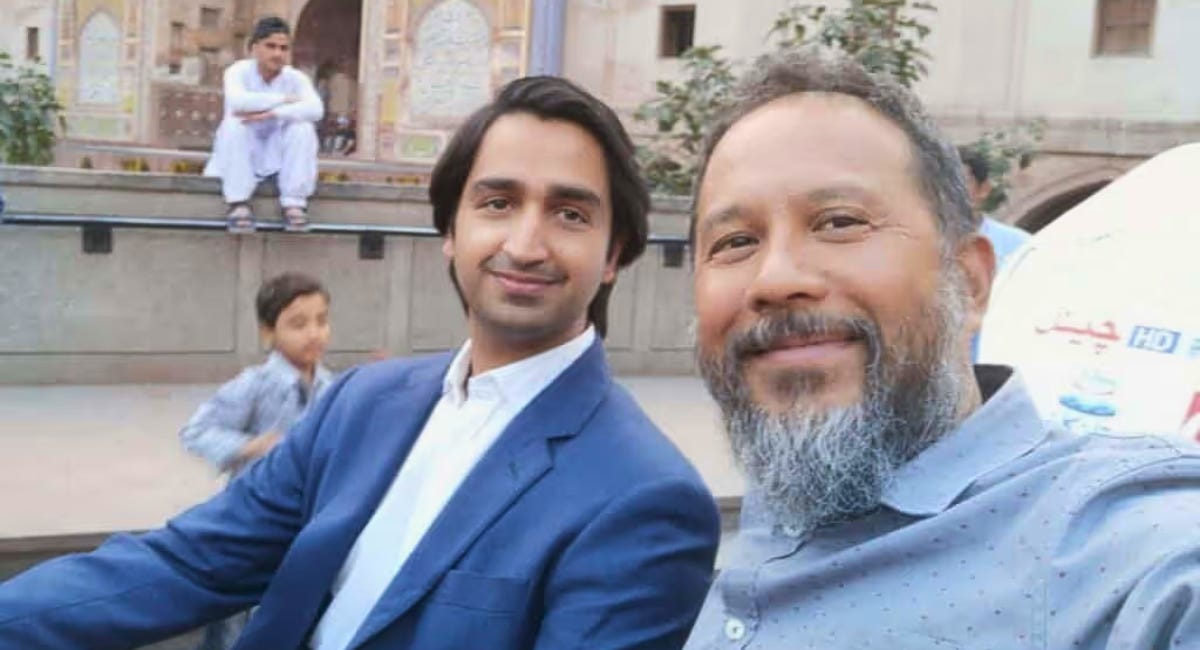
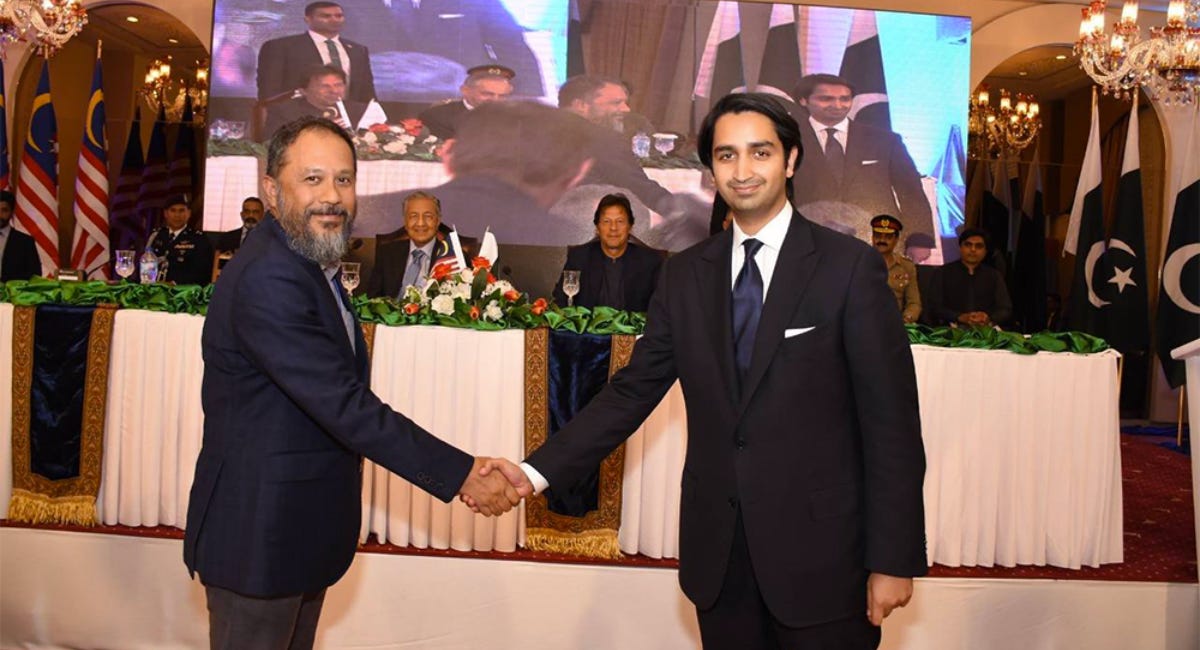
Pakistan, late 2018. I met Ali Mukhtar, an old friend with a vision for a proper VC firm but without the resources to build it. We moved fast. Fatima Gobi Ventures, a US$20 million fund in partnership with the Fatima Group, became one of our most important bets. We were among the first foreign VC firms in the country.
What I found there surprised me: a young generation of Pakistani founders, many returning from stints abroad, building real companies to solve real problems, despite a near-total lack of capital. Within two years, Pakistan entered the top 10 of DinarStandard’s Global Islamic Economy Indicator for the first time. That was not luck. That was a purpose-led market. The fund invested in 22 fast-growing companies, and by 2025, we had established a second fund.
A market doesn’t need to be wealthy to be large. Pakistan proved that.
New York City, 2019. We attended an Islamic fintech gathering that drew Muslim founders from across the eastern United States, sharp, motivated entrepreneurs building products for one of the most affluent Muslim communities in the world. What struck me was not the quality of the ideas. It was the common frustration in the room: nobody was funding them. Not because the ideas were weak, but because most VCs did not know this market existed, or did not know how to evaluate it.
If Muslim founders in one of the world’s great financial capitals cannot find aligned capital, the problem is not the founders.
When I look at where the real opportunity sits, I think about it in three layers: where the money already flows, where it is moving fastest, and where it has barely arrived at all.
Halal food and Islamic finance remain the anchor categories, together accounting for the majority of Muslim consumer spending at US$2.43 trillion.
Muslim-friendly travel is the Islamic economy’s fastest-growing sector, expanding at a 12.1% CAGR and projected to reach US$384 billion by 2028. Media and recreation, a sector we have invested in directly, stood at US$260 billion in 2023 and is forecast to reach US$337 billion by 2028.
Islamic fintech is the most consequential infrastructure story that almost nobody outside this space is talking about. The global Islamic fintech market was estimated at US$161 billion in 2023/24, projected to reach US$306 billion by 2028 at a 13.6% CAGR, and further to US$341 billion by 2029 according to the GIFT Report 2025/26.
These sectors are not developing in isolation. They are converging.
Take Bitsmedia, the company behind Muslim Pro. The app crossed 190 million downloads across 190 countries, making it the world’s most widely used Muslim lifestyle app. Its streaming platform brings Muslim-centric content to global audiences, and it plans to layer fintech services on top, building toward a global Muslim superapp. When Gobi led Bitsmedia’s US$20 million Series A in December 2023, we did not make a charity investment. We backed a company with genuine product-market fit, a loyal user base, and a clear expansion path.
Other companies in our portfolio illustrate the same convergence. Fasset has raised US$51 million from investors including SBI Group and is expanding stablecoin-powered banking services globally. Waada has raised fresh capital to scale affordable micro-insurance products beyond its home market in Pakistan.
Shariah-compliant payments, savings products, and financing tools are not lifestyle preferences for Muslim consumers. For hundreds of millions of people, they are the only acceptable option. This is not a niche. This is infrastructure — and it is substantially underbuilt.
I get asked a version of the same question fairly often: Is this not just a higher-risk bet dressed up in a compelling narrative? My honest answer is no, and here is why.
The Muslim consumer market rewards those who actually understand it. You cannot parachute in with a generic emerging-markets playbook and expect to win. The founders building in this space are sophisticated. The users are discerning. The capital that generates the best returns here comes with context, not just cheques.
The Islamic fintech layer is the most important infrastructure story nobody is talking about. If you believe that financial access drives economic participation — and I do — then building shariah-compliant digital financial tools is among the highest-impact investments you can make. The market is large, the need is genuine, and regulatory tailwinds in Malaysia, Indonesia, and increasingly in Western markets are real.
The West is part of this story. The Muslim population in the United States alone exceeds three million people. The United Kingdom, France, and Germany each have substantial, economically active Muslim communities. Founders are building for them now. The investors who show up early will not regret it.
Gobi did not become a different firm in April 2026. We have been building this thesis quietly since 2015, often without much fanfare from the broader VC community.
What the IFN recognition tells me is that the Islamic finance industry — the banks, fund managers, sovereign wealth funds, and advisory firms that have driven this sector for decades - is now looking at venture capital as a natural extension of the Islamic economy. Not a curiosity. Not a fringe play. A core pillar.
That is a meaningful shift.
For Gobi, TaqwaTech is not a vertical we manage alongside our other work. It is the expression of something we believe at a fundamental level: that technology, deployed with purpose, can change the economic reality of communities that have been left behind by the mainstream digital economy.
We have been saying this for years. It is good to have the industry catching up.
We will keep building. The work is far from done.
Jamaludin Bujang is the Managing Partner of Gobi Partners, Malaysia. He leads the firm’s TaqwaTech investment strategy and oversees operations and investment activities at Gobi’s Kuala Lumpur office. Before Gobi, he served as CEO of MAVCAP, Malaysia’s largest venture capital firm.
References
IFN Investor Service Providers Poll 2025. Islamic Finance News / Red Money Group.
DinarStandard. State of the Global Islamic Economy Report 2024/25 (11th ed.).
DinarStandard & Elipses. Global Islamic Fintech (GIFT) Report 2025/26.
Gobi Partners. ESGobi Month: TaqwaTech and Islamic Investment Opportunities (Sustainability Report, April 2023–March 2024).
Gobi Partners. Bitsmedia raises US$20 million in Series A Funding (December 2023).
No posts
Comments
Nothing yet. Say the first thing.
Sign in to join the conversation.