
March saw strong deal activity across Gobi’s DeepTech portfolio, with several companies announcing new funding rounds in neural computing, brain-computer interfaces, and autonomous vehicles. These investments reflect Gobi’s continued conviction in frontier technologies redefining the boundaries of human-machine interaction.
Beyond capital deployment, Gobi deepened its engagement with university-led innovation and the Philippine AI ecosystem—reinforcing a long-term commitment to backing transformative technology at the source.
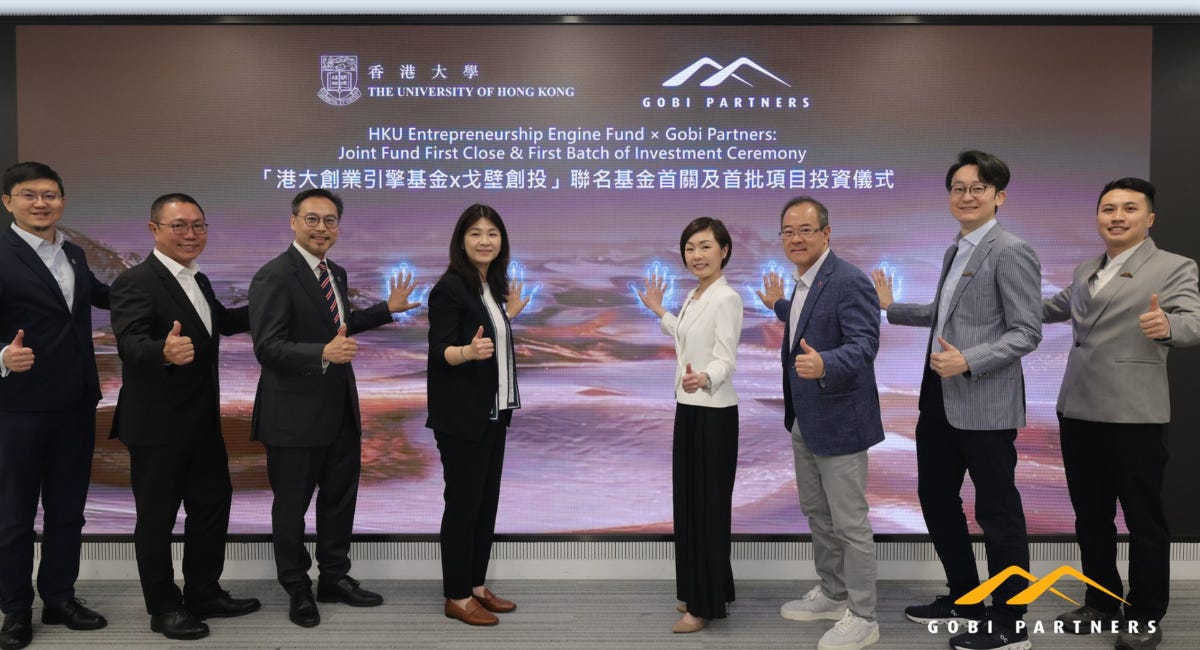
Gobi partnered with The University of Hong Kong, with support from Hong Kong Investment Corporation Limited (HKIC), targeting high-potential spin-offs from HKU’s research ecosystem. The fund bridged the gap between research breakthroughs and commercialisation. Gobi structured the fund under HKU’s Entrepreneurship Engine Fund (EEF). Startups that the firm has backed so far from HKU’s ecosystem include AilsynBio, Immuno Cure, Manifold Tech, and ZenoWell, demonstrating the breadth of the university’s research.
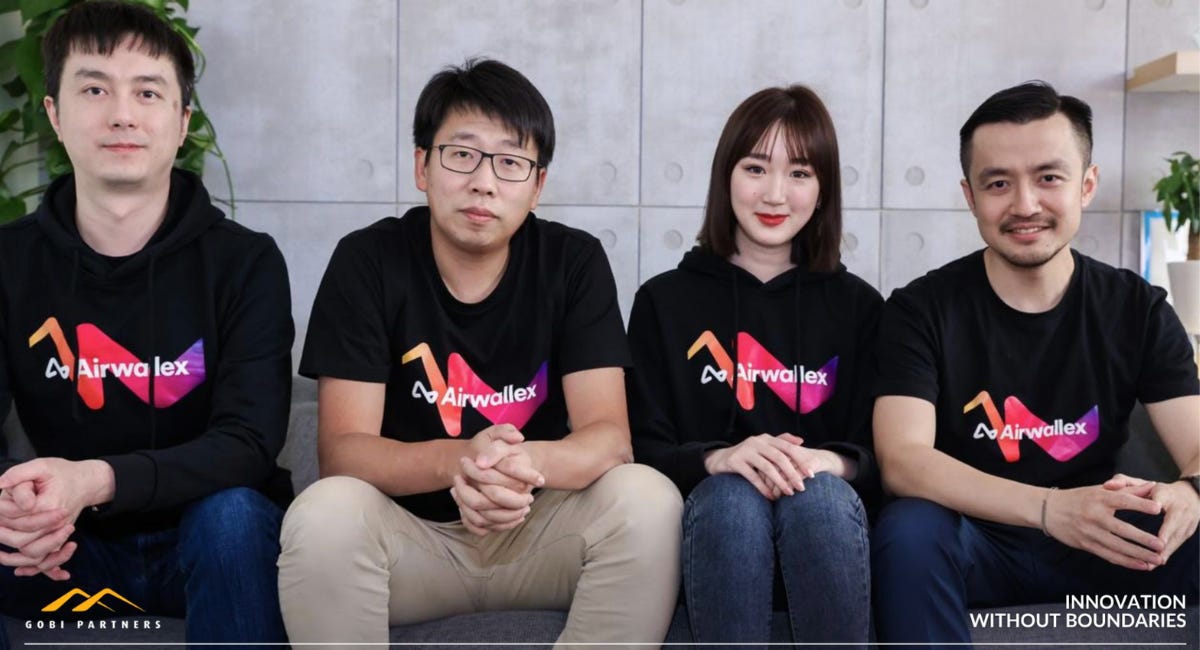
Airwallex investment product Yield, which enables businesses to earn daily returns from money market funds, has surpassed US$1 billion in global assets under management. Yield launched in the United States, helping businesses earn returns on idle working capital. Airwallex’s 80 banking licences give the company the infrastructure to move customer money across borders.
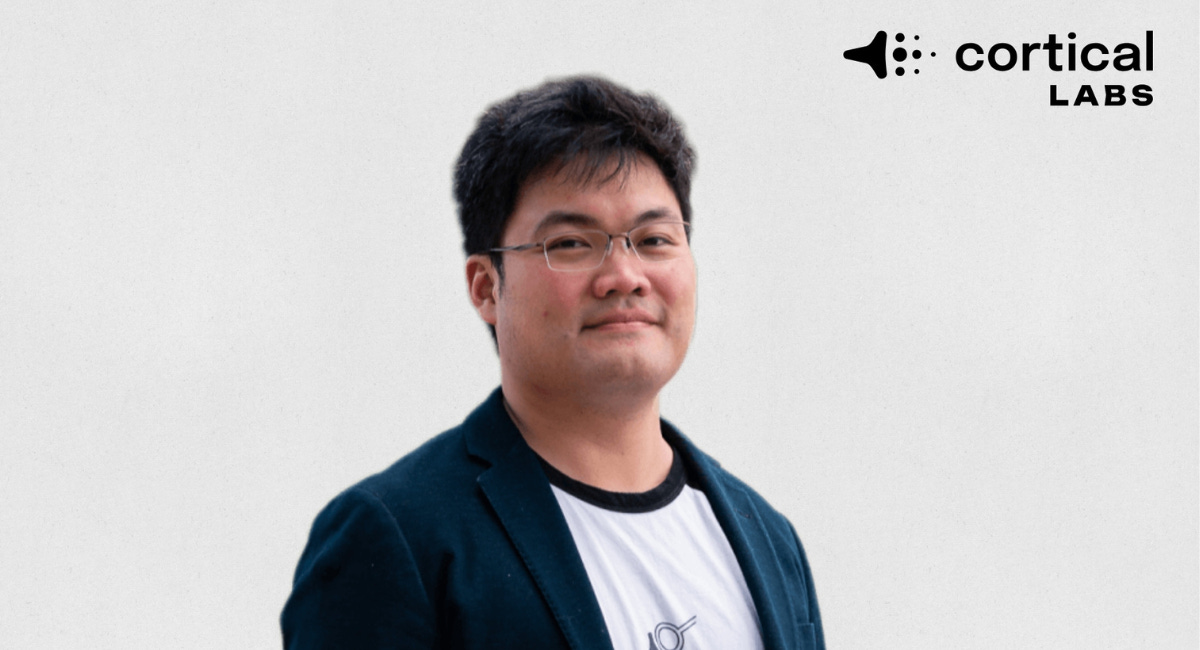
Gobi invested in Cortical Labs, a biotechnology startup developing neural computing systems that use living human neurons, as part of the company’s latest funding round. The firm invested through its Dana Impak Ventures fund, backed by Malaysia’s sovereign wealth fund Khazanah Nasional. Cortical Labs, with engineering and manufacturing operations in Malaysia, combines laboratory-grown human brain cells cultured on electrode arrays with silicon systems. Its CL1 is the world’s first commercially available biological computer, with potential applications in artificial intelligence (AI) and central nervous system drug discovery research.
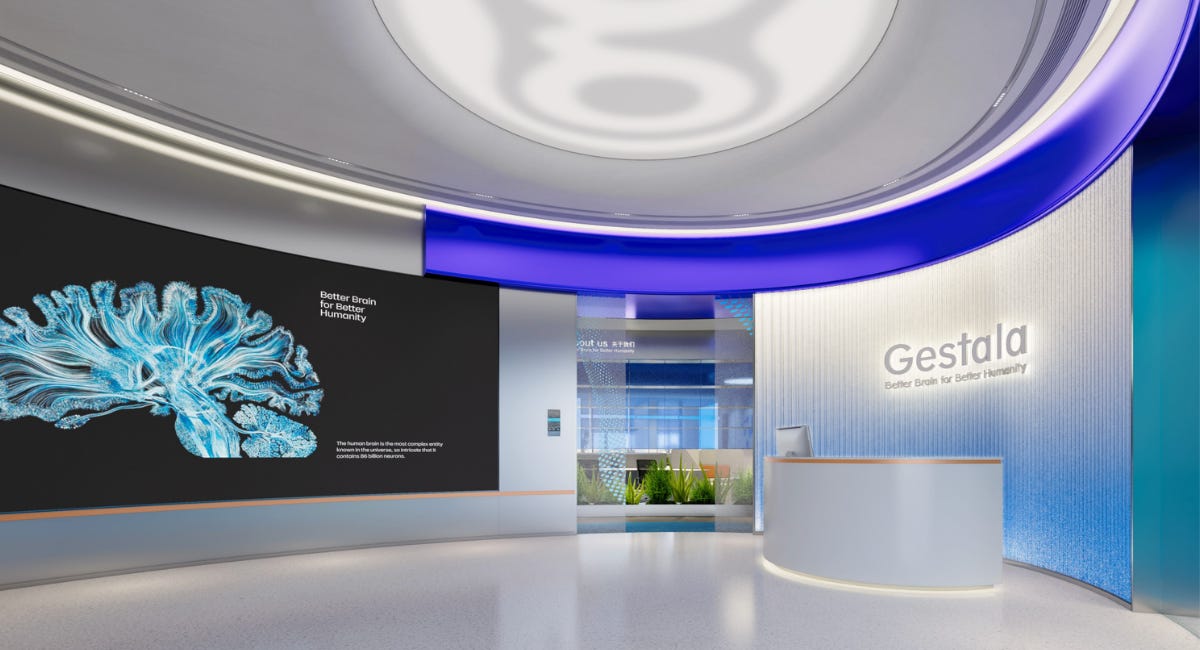
Gobi participated in a US$21.6 million investment in Chinese brain-computer interface (BCI) startup Gestala. Led by founder and CEO Phoenix Peng, Gestala launched two months ago and plans to use the funding to expand its research and development team and build a manufacturing facility. As China’s first ultrasound BCI company, Gestala has potential applications in chronic pain management, mental health, stroke rehabilitation, and other conditions. The startup says one of its key advantages is China’s highly efficient integrated manufacturing ecosystem, which could help it move into production faster than overseas rivals.
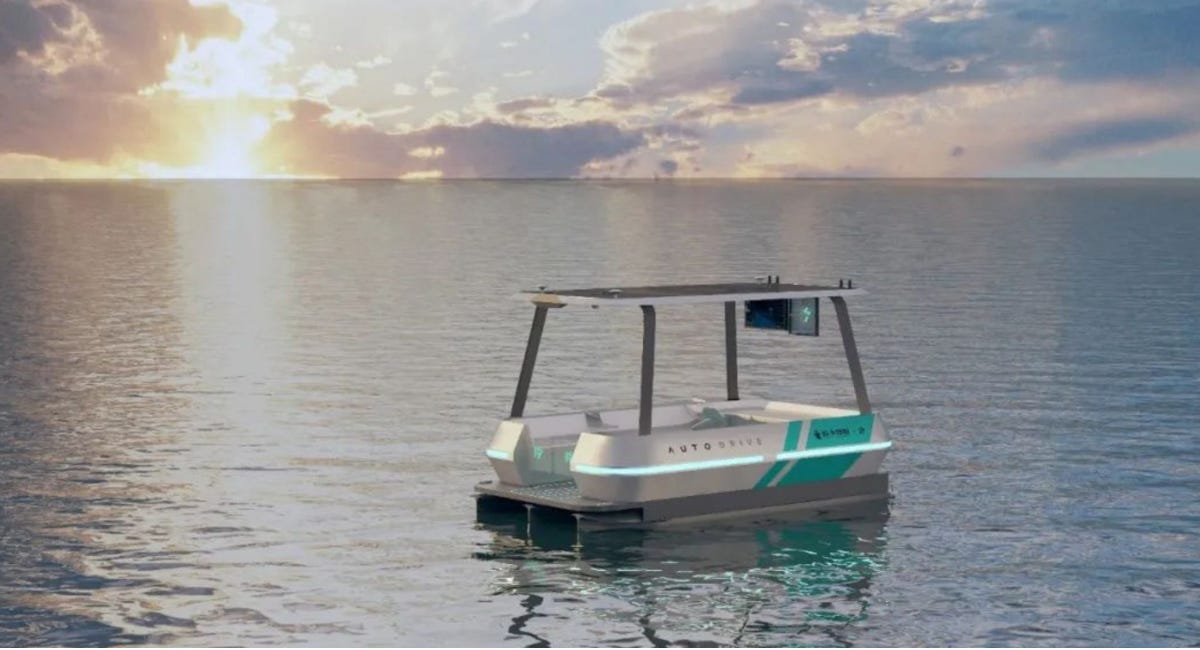
Autonomous surface vehicle technology startup ORCAUBOAT raised US$27.4 million (RMB200 million) in its Series B+, making it the single largest funding to date in China’s water-surface autonomous driving sector. ORCAUBOAT focuses on autonomous vessels for environmental maintenance, intelligent passenger boats, and core navigation systems for maritime operations. Its new funding will be used on the development of autonomous navigation technologies and expanding applications for its proprietary ORCA-APAS intelligent navigation system.
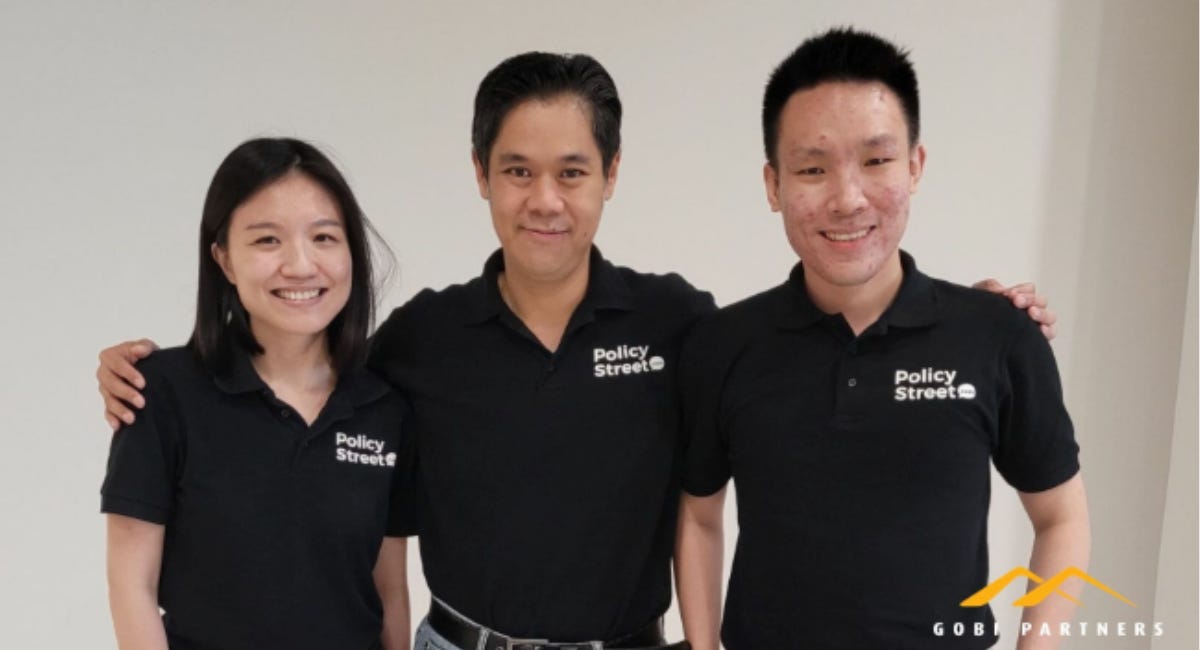
Insurtech startup PolicyStreet secured US$21 million in the first close of its Series C round, following a profitable fiscal year 2025 and sustained regional expansion. Since its last fundraise, PolicyStreet has doubled its customer base to over 10 million and expanded its insured value beyond US$10 billion, while deepening partnerships in sectors including mobility, logistics, and telecommunications.
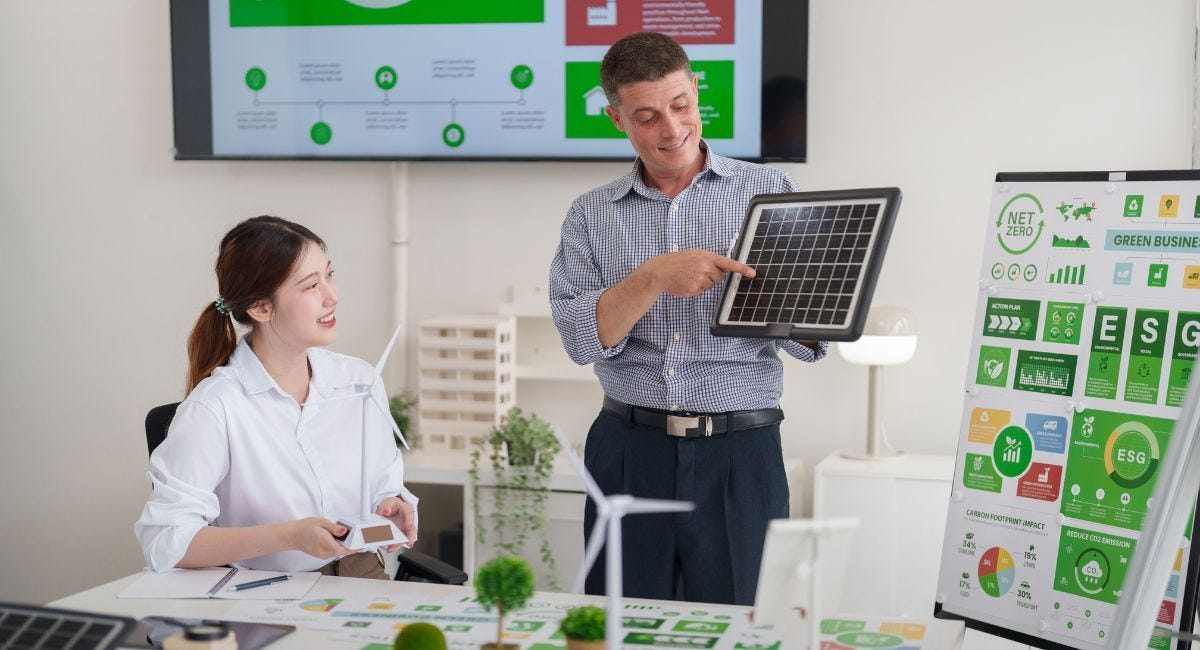
Gobi’s Chief Operating Officer Jason Chen, and Senior Executive Director of Corporate Development Hing Cheng, shared their insights in an article published by the HKTDC. Titled “The Green Alpha: Where Innovation Meets Capital and Purpose,” the article spotlighted how Gobi embeds ESG into every stage of its investment lifecycle, backs deep-tech founders with patient capital, and builds the “Hong Kong Nexus” connecting the Greater Bay Area, ASEAN, and MENA.
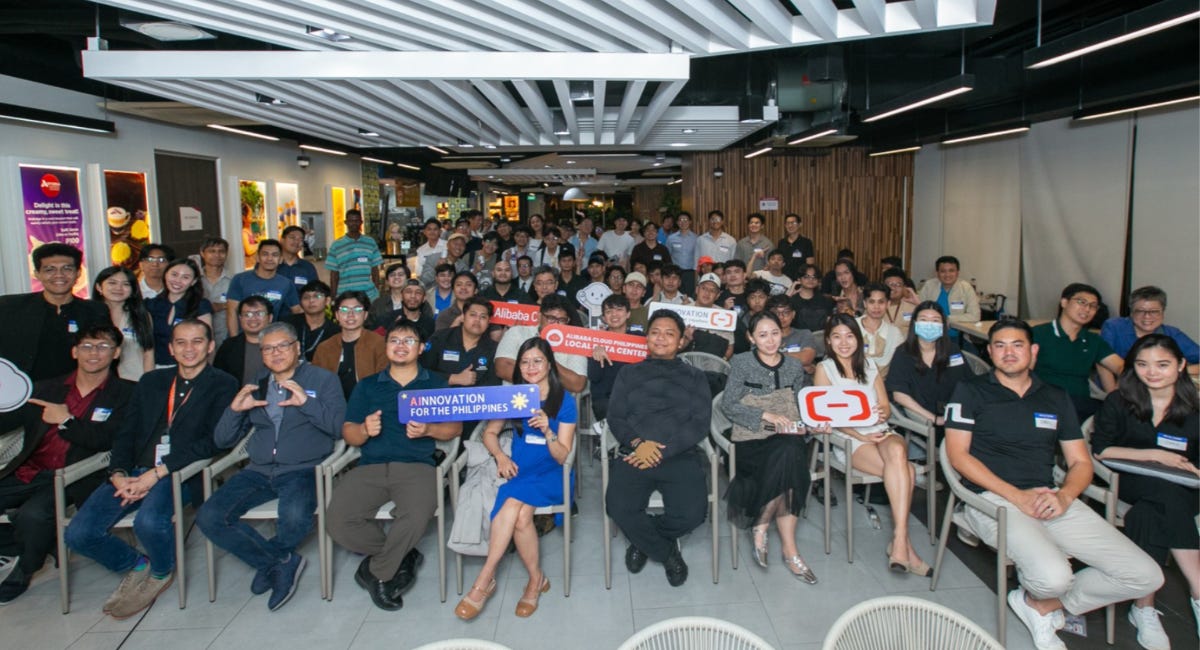
Gobi co-hosted the inaugural Qwen AI Meetup in Manila, drawing hundreds of developers and founders. The turnout reflected the growth of the Philippine AI community. Partner Carlo Chen-Delantar spoke on building ecosystems that connect local talent to global AI platforms. Kola Lyu of Alibaba Cloud, JV Roig of KamiwazaAI, Andrew Cua of SnapSpend, and Emil Capino of iAlchemy Incorporated shared real-world enterprise and agentic applications of Qwen.
No posts
Comments
Nothing yet. Say the first thing.
Sign in to join the conversation.